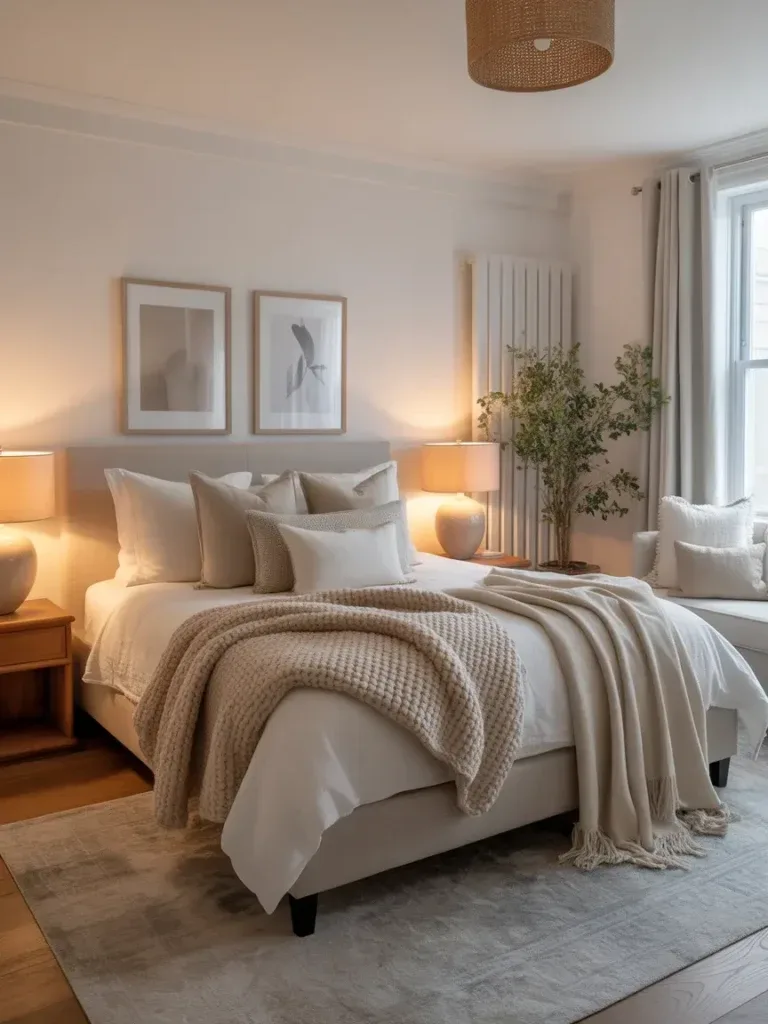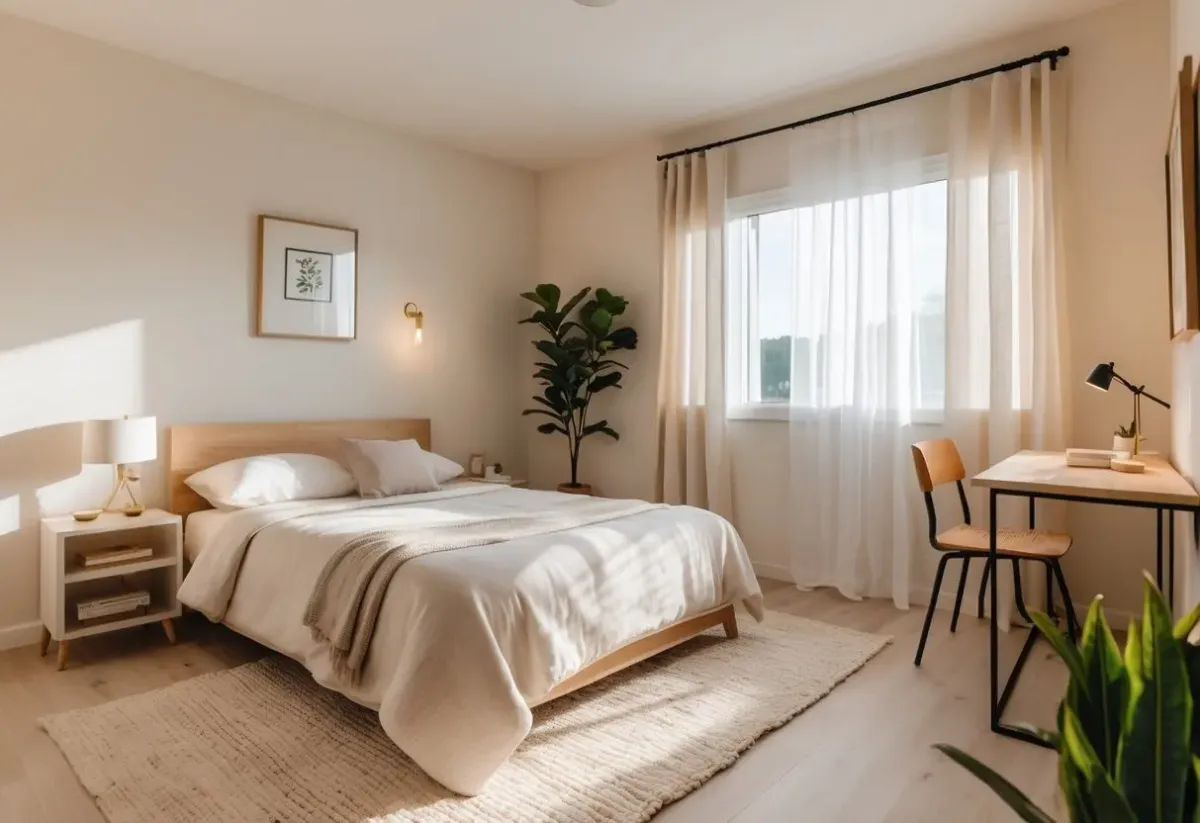
8 Guest Bedroom Ideas on a Budget: Chic, Practical Decorating Tips for Guests
Turning a spare room into a welcoming retreat doesn’t require a big renovation budget. With a few smart choices in color, layout, and furniture, you can create guest bedroom ideas on a budget that feel intentional and warm rather than thrown together. This guide walks through practical, affordable ways to refresh a guest room so visitors feel comfortable the moment they walk in.
Key Takeaways
- Focus your budget on the bed, lighting, and layout first — these have the biggest impact on comfort.
- A cohesive, simple color palette makes a small guest room feel larger and more restful.
- Multi-purpose furniture solves storage problems without adding clutter or cost.
- Small, low-cost details (fresh linens, a reading lamp, a mirror) do more for guest comfort than expensive statement pieces.
Start With a Simple Room Color Idea for the Bedroom
Paint is one of the most affordable ways to transform a guest bedroom, and it sets the tone for everything else in the room. Soft neutrals, warm whites, and muted earth tones tend to work well because they’re calming and pair easily with secondhand or mismatched furniture.
If a full repaint isn’t in the budget, consider painting just one accent wall or refreshing the trim and doors instead. For more direction on palettes that feel warm without looking dated, this guide to beige bedroom ideas that feel warm and elegant is a useful starting point, and this collection of earthy bedroom ideas shows how natural tones can make a small room feel grounded rather than cramped.

Plan a Small Room Layout That Doesn’t Feel Cramped
Layout matters just as much as decor, especially in a small guest room. The goal is to keep clear walking paths, avoid blocking natural light, and choose furniture scaled to the room rather than oversized pieces borrowed from elsewhere in the house.
A few layout principles that consistently work in tight guest rooms:
- Push the bed against the longest wall to open up floor space.
- Use a narrow console or slim nightstand instead of bulky furniture.
- Leave at least 24–30 inches of clearance around the bed for movement.
- Float a small rug under the bed to visually anchor the space without overwhelming it.
If the room is especially tight, this roundup of bedroom ideas for small rooms that make every inch count offers additional layout strategies worth borrowing.

Lean Into Minimalist Bedroom Inspiration
A minimalist approach is naturally budget-friendly because it prioritizes fewer, better-chosen pieces over filling every corner. For a guest room, this usually means one comfortable bed, one nightstand, simple lighting, and minimal decor — enough to feel finished without feeling sparse.
Minimalist styling also makes it easier to keep the room guest-ready between visits, since there’s less to tidy, dust, or rearrange.
Simple Bedroom Decor Ideas That Don’t Cost Much
Small, low-cost details often make the biggest difference in how a guest experiences the room. Consider:
- Fresh, well-matched bedding in one or two colors
- A woven basket for extra blankets or luggage storage
- A simple framed print or mirror to add visual interest
- Battery-operated string lights or a warm-toned lamp for softer lighting
None of these require a large investment, but together they signal that the space was prepared with care rather than left as an afterthought.

Budget Furniture Options: Compare Your Choices
Furniture is usually the biggest expense in any guest bedroom setup. Here’s how the three most common budget approaches compare:
| Option | Cost | Best For | Tradeoff |
|---|---|---|---|
| Thrifted / Secondhand | Lowest | Rooms with time to hunt for pieces | Requires patience and occasional refinishing |
| Flat-Pack / Big-Box Retail | Moderate | Quick, consistent styling | Less unique, assembly required |
| Repurposed from Other Rooms | Free–Low | Homes with unused furniture already on hand | May not match the new room’s palette |
Many budget guest bedroom makeovers actually mix all three — a repurposed dresser, a thrifted mirror, and one or two new textile pieces to tie it together.

Multi-Purpose Furniture: Pros and Cons
For small space guest room tips, multi-purpose furniture is one of the most effective budget tools. It solves storage and seating problems without adding extra pieces to the room.
- Pros: Saves floor space, reduces the number of items you need to buy, doubles as everyday storage when the room isn’t hosting guests.
- Cons: Can be pricier upfront than single-purpose furniture, and quality varies widely by brand.
Common examples include a daybed that works as a sofa, an ottoman with hidden storage, or a fold-down desk that tucks away when not in use. If you’re furnishing a room that will also serve double duty, this guide on guest bedroom ideas with twin beds and storage tips is a helpful next step.
How to Set Up a Budget Guest Bedroom: Step-by-Step
- Clear the room completely and assess what’s already usable before buying anything new.
- Choose a simple color palette of one or two main tones plus a neutral base.
- Plan the layout around the largest piece of furniture first, usually the bed.
- Fill storage gaps with multi-purpose or repurposed furniture rather than new built-ins.
- Add lighting layers — an overhead fixture plus one warm lamp goes a long way.
- Finish with textiles like bedding, a small rug, and one or two soft accents.
- Do a guest walkthrough — check for an outlet near the bed, a place to set luggage, and a mirror.

Guest Bedroom Setup Essentials Checklist
Before calling the refresh complete, run through this quick checklist:
- Comfortable mattress and fresh, matching bedding
- A nightstand or small surface within reach of the bed
- A reading lamp or accessible light switch near the bed
- A place to set a suitcase or bag
- At least one empty drawer or shelf for guests to unpack
- A mirror, even a small one
If you want more inspiration for making the space feel personal and comfortable, this collection of cozy guest bedroom ideas that make visitors feel at home instantly pairs well with the checklist above.

Room Makeover Ideas When You’re Starting From Scratch
If the guest room currently doubles as storage or an office, a full room makeover is often less about buying furniture and more about editing what’s there. Start by removing anything that doesn’t belong in a bedroom, then work backward from the checklist above to fill only the real gaps.
This approach tends to cost less than a themed redesign because you’re solving specific problems — storage, lighting, seating — rather than buying decor first and figuring out function later.

Small Space Guest Room Tips for Awkward Layouts
Not every guest room is a perfect rectangle. Sloped ceilings, shared closets, and odd corners are common, especially in older homes or converted spaces. A few tips that help:
- Use the lowest-ceiling area for storage rather than the bed.
- Choose a low-profile bed frame to keep sightlines open.
- Hang curtains slightly higher than the window frame to add height.
- If closet space is shared, a slim garment rack can serve as a temporary guest closet.

Give the Room a Quick Guest Room Refresh Between Visits
Once the guest bedroom setup is in place, keeping it guest-ready doesn’t take much. A quick refresh before each visit — clean linens, a dusted surface, an emptied drawer, and a check that lighting works — is usually enough to maintain the welcoming feel without redoing any of the original work.

Frequently Asked Questions
What’s the most cost-effective way to update a guest bedroom?
Paint and bedding typically offer the biggest visual impact for the lowest cost, since they affect the whole room without requiring new furniture.
Do I need a dedicated closet for a guest bedroom?
No — a slim garment rack, a few empty hangers on a door hook, or a shared closet with one clear shelf and rod space is usually enough for a short stay.
What color works best for a small guest bedroom on a budget?
Soft neutrals, warm whites, and light earth tones tend to make small rooms feel larger and pair easily with mismatched or secondhand furniture.
How can I add storage without buying new furniture?
Repurpose furniture from other rooms, use under-bed storage bins, or choose one multi-purpose piece like an ottoman with hidden storage.
What should always be included in a guest bedroom, even a small one?
A comfortable place to sleep, a surface within reach of the bed, functional lighting, and a spot to set luggage cover the essentials.
Our Recommendation
A guest bedroom doesn’t need a large budget to feel thoughtful — it needs a clear plan. Start with the bed and lighting, simplify the color palette, solve storage with multi-purpose or repurposed furniture, and finish with a few low-cost personal touches. That combination consistently outperforms expensive decor thrown into a room without a layout plan.