Choosing the right dining room light fixture is essential for creating both the desired ambiance and a focal point in the space. The fixture sets the tone for the room, balancing style and functionality to enhance any meal or gathering. Seven dining room light fixture ideas offer a range of options, from statement chandeliers to minimalist pendants, each capable of transforming the atmosphere and elevating the room’s design. Whether aiming for modern elegance, rustic charm, or a sleek industrial look, the right lighting can define the entire dining experience. Understanding the key styles and features of popular fixtures helps in selecting the perfect piece that complements the décor and meets the room’s lighting needs. This guide highlights practical ideas that suit various design preferences and practical requirements. Table of ContentsChandelier Styles for Dining RoomsClassic Crystal ChandeliersModern Linear ChandeliersRustic Farmhouse ChandeliersPendant Lighting IdeasClustered Pendant LightingIndustrial-Inspired PendantsOversized Statement PendantsFlush and Semi-Flush Mount FixturesLow-Ceiling SolutionsTransitional Flush MountsSconces and Accent LightingWall Sconces for Layered LightingPicture Lighting Over Dining TablesMixing Materials and FinishesMetal and Glass CombinationsNatural Elements in Fixture DesignSmart and Dimmable Lighting OptionsSmart Bulbs and ControlsChoosing the Right DimmersDecorative Tips for Selecting Dining Room LightsScale and Proportion GuidelinesCoordinating With Dining Room Décor Chandelier Styles for Dining Rooms Dining room chandeliers vary widely in style, materials, and design, each creating a distinct atmosphere. Options range from highly ornamental fixtures to sleek, integrated lighting solutions. Choosing the right model involves considering the room’s size, decor, and the desired ambiance. Classic Crystal Chandeliers Classic crystal chandeliers are known for their elegance and ability to reflect light with brilliance. They typically feature multiple arms adorned with clear or colored crystal prisms. These fixtures enhance traditional or formal dining spaces by introducing a sense of luxury and refinement. The facets of the crystals break light into a subtle spectrum, producing a warm, inviting glow. Crystal chandeliers often use brass or polished metal frames, adding to their sophisticated aesthetic. Their presence naturally draws attention, serving as a focal point without overwhelming the room. lifeholder Mini Chandelier, Crystal Chandelier Lighting, 2 Lights… Chandelier Size: 10.4 inches high and 8.7 inches wide. Suggested Room Size: 5-8㎡ .(Please note the chandelier size befor… Comfortable Glow: 120V 40watts; Bulb base: G9. (*Bulbs Not Included* You need to get 2*G9 Led Bulbs depending on the lig… Compact Design: Sparkling acrylic crystals which has a glass touch and feeling make it uneasy to break and could create … $34.99 Buy on Amazon Modern Linear Chandeliers Modern linear chandeliers emphasize clean lines and geometric shapes, fitting well in contemporary or minimalist dining areas. Their elongated form provides even illumination across the table, balancing function with design. Materials like brushed metal, glass, and LED elements often feature in these fixtures. Many have open-frame designs that reduce visual bulk and maintain an airy feel. The simplicity in their construction complements streamlined furniture and neutral palettes, creating a cohesive look. Linear chandeliers can range from understated to bold but always prioritize clarity and architectural impact. LED Chandelier Modern Pendant Light Contemporary Chandelier Ring … [Unique Styling ] Black Irregular design led light, different from other led lights is his installation position is not … [Size & Adjustable Height] This 78 inches high by 19.6 wide black led irregular ring chandelier has a free adjustable le… [Remote Control & Dimmable] Dimmable Light Fixture is the choice of more people, with the remote control can be adjusted… $139.99 Buy on Amazon Rustic Farmhouse Chandeliers Rustic farmhouse chandeliers bring warmth and texture through natural materials and handcrafted details. They usually incorporate wood beams, wrought iron, and distressed finishes, adding a casual, timeless element to the dining room. This style works best in traditional, country, or farmhouse-inspired interiors. These fixtures often include candle-style bulbs for a softer, nostalgic light. Their rugged yet refined appearance makes the dining area feel inviting and intimate. The rustic design balances sturdiness with charm, making the chandelier both decorative and durable. Pendant Lighting Ideas Pendant lighting offers versatile options that enhance both functionality and style above dining tables. Fixtures can vary in shape, size, and arrangement to suit different tastes and room sizes, creating a tailored lighting experience. Clustered Pendant Lighting Clustered pendants group several smaller lights at varying heights to create visual interest and layered illumination. This approach works well in larger dining rooms or elongated tables, spreading light evenly without harsh shadows. The flexibility in the number and placement of pendants allows for customization. It also adds depth and a sculptural element to the space. Materials like glass, metal, or fabric shades can soften the overall look or provide an industrial edge, depending on the design. Modern LED Chandelier, Clustered Led Pendant Light, Dimmable High… ELEGANT MODERN DESIGN: Gorgeous spiral chandeliers for high ceilings combines 18 mini pendant lighting tubes and black l… DIY SHAPES MODERN CHANDELIER: High ceiling chandelier with exquisite modern design and black matte finish creates chic a… HEIGHT ADJUSTABLE: Large chandelier for high ceiling are pre-wired and pre-threaded for easy installation. The Base diam… $499.99 Buy on Amazon Industrial-Inspired Pendants Industrial-style pendants typically feature raw materials like exposed metal, matte finishes, and utilitarian shapes. These fixtures bring a bold, rugged character to modern or loft-style dining rooms. They tend to have simple, clean lines and often include shades resembling factory lamps. This style pairs well with wood or concrete surfaces, complementing minimal décor. Adjustable cords or rods allow the pendant height to be tailored precisely for optimal table illumination. Oversized Statement Pendants Oversized pendants serve as a focal point, dominating the dining area with their scale and design. They work best in rooms with high ceilings or large tables where proportion is key. These fixtures often showcase dramatic shapes—such as geometric forms or bold curves—and use materials like blown glass or polished metal for impact. When choosing an oversized pendant, balancing brightness and ambiance is crucial to avoid overwhelming the space. Flush and Semi-Flush Mount Fixtures Flush and semi-flush mount fixtures offer practical lighting solutions that balance style and functionality. These fixtures are particularly suited to rooms with ceiling height constraints or for those seeking a clean, modern look without oversized elements. Low-Ceiling Solutions Flush mount fixtures rest directly against the ceiling, making them ideal for dining rooms with low ceilings. They maximize headroom while providing ample light coverage. Shapes like round or square with diffused glass panels soften the light, reducing glare. Semi-flush mounts hang slightly below the ceiling, usually 4 to 8 inches. This small gap adds subtle dimension without compromising space. They are suitable for rooms with ceilings between 8 to 9 feet. The variety of designs—from simple metal frames to more decorative glass shades—allows customization without overwhelming the room. Both fixture types are effective at illuminating dining areas without interfering with sightlines or movement around the table. Peasur 12Inch LED Ceiling Light Flush Mount, 5CCT 3000K-6500K Adj… Super Bright and Energy Efficient: Delivers 2400LM (24W) brightness, equivalent to a 240W traditional bulb.Saves up to 9… Wide Range of 5 Color Options: Choose from 5 different color temperatures to set the perfect mood.Enjoy greater flexibil… High CRI & Eye-caring: With an impressive CRI of 85+, this round surface mount light fixture ensures that colors appear … $58.98 Buy on Amazon Transitional Flush Mounts Transitional flush mount fixtures blend traditional and contemporary elements, fitting diverse décor styles. These fixtures often feature clean lines combined with classic materials like metal, glass, or wood accents. They provide a balanced look that complements mid-century modern, rustic, or modern interiors. Many offer neutral or muted finishes such as matte black, brushed nickel, or brass, which adapt easily to changing décor over time. Transitional designs typically focus on functionality while maintaining a refined appearance. This makes them a versatile choice for those wanting a stylish but understated lighting solution in their dining space. Sconces and Accent Lighting Sconces and Accent Lighting Accent lighting adds depth and dimension to dining rooms, allowing for customized ambiance and functional illumination beyond the main fixture. It highlights architectural features, artwork, and provides softer light levels to complement the overall mood. Wall Sconces for Layered Lighting Wall sconces serve as an essential element in layered lighting schemes. Positioned on either side of a dining area, they help balance the brightness from overhead fixtures while reducing harsh shadows. Matching sconces with the main light fixture maintains design cohesion, whether the primary fixture is a chandelier or pendant light. These fixtures often flank artwork, mirrors, or windows, creating visual interest along walls. Adjustable or dimmable sconces allow flexibility to switch between bright and intimate settings. Materials like brass, glass, or matte finishes can further coordinate with the room’s style, from modern to traditional. Picture Lighting Over Dining Tables Picture lighting is a focused form of accent lighting tailored to illuminate art or decorative elements close to the dining space. Directed light fixtures placed above or near the table spotlight these pieces without overwhelming the overall room lighting. By focusing attention on a statement painting or sculpture, picture lighting enhances the dining experience and adds personality to the room. This type of lighting also doubles as ambient illumination when combined with dimmable settings, helping create a warm atmosphere during meals. It works well in both formal and casual dining environments. Mixing Materials and Finishes Combining different materials and finishes in dining room lighting can add depth and character to the space. Thoughtful mixing balances aesthetics with practical concerns like durability and maintenance. Metal and Glass Combinations Metal and glass are a classic pairing in dining room fixtures. Metal provides structure and a range of finishes—brushed nickel, matte black, brass—that set the tone from modern to traditional. Glass complements metal by diffusing light effectively, creating soft, ambient illumination. Clear or frosted glass shades work well to minimize glare while maintaining visual appeal. When mixing, maintaining consistency in tone or finish can unify the fixture. For example, pairing a warm brass frame with slightly amber-tinted glass enhances warmth without clashing. Care should be taken to avoid mixing too many metal finishes, usually limiting to two to keep the look intentional and balanced. Natural Elements in Fixture Design Incorporating natural materials like wood, rattan, or stone adds organic texture and warmth to dining room lighting. Fixtures combining metal with wood accents can soften industrial or modern designs, creating a transitional look. Wood finishes range widely—from light oak to dark walnut—offering flexibility to match flooring or furniture. Rattan or woven elements introduce a casual, handcrafted feel, suited for farmhouse or coastal styles. Stone or concrete bases provide weight and tactile contrast, grounding lighter shades or airy designs. Mixing natural elements requires attention to scale and proportion to avoid overcrowding the visual rhythm of the room. Selecting complementary tones across materials ensures cohesion and enhances the dining area’s atmosphere. Smart and Dimmable Lighting Options Modern dining rooms benefit greatly from lighting that can be easily adjusted for brightness and atmosphere. Integrating smart controls and dimmable features allows precise control over illumination, enhancing functionality and ambiance. These options are valuable for tailoring light to different occasions and moods. Smart Bulbs and Controls Smart bulbs offer flexible, app-controlled lighting that can change color temperature and brightness instantly. They connect via Wi-Fi or Bluetooth, allowing users to schedule lighting changes or sync with other smart home devices. Popular brands support voice control through assistants like Alexa or Google Assistant, making adjustments hands-free. Additionally, many smart bulbs come with customizable presets for meals, parties, or relaxation. They often save energy compared to traditional bulbs. Compatibility with existing fixtures is straightforward since they typically fit standard sockets. Choosing the Right Dimmers Selecting a compatible dimmer switch is crucial for smooth, flicker-free lighting adjustment. Traditional dimmers often do not work well with LED or smart bulbs, so look for dimmers labeled compatible with LED technology. This prevents issues such as buzzing or inconsistent dimming. Digital dimmers may include touch sensitivity or remote controls, further enhancing convenience. Installation can often use existing wiring, but caution is required to match the dimmer’s load capacity with the bulb wattage for safety and optimal performance. Decorative Tips for Selecting Dining Room Lights Decorative Tips for Selecting Dining Room Light Choosing the right dining room lighting involves careful attention to size, placement, and harmony with the room’s style. Proper selection enhances both function and aesthetic appeal, ensuring the fixture complements the space without overwhelming it. Scale and Proportion Guidelines The size of the light fixture should correspond directly to the dimensions of the dining table and the room itself. A common rule is to choose a fixture approximately ⅔ the length of the table. For round tables, select a fixture about half the diameter of the tabletop. Ceiling height also influences scale; fixtures should hang 28 to 34 inches above the table surface to provide adequate illumination without obstructing sightlines. In rooms with higher ceilings, a longer drop or multiple pendant lights can help maintain balance. Fixtures that are too large or too small disrupt visual flow and can make the room feel cluttered or sparse. Coordinating With Dining Room Décor Lighting should reflect the room’s architectural style and existing furnishings. For example, a modern dining room benefits from sleek, minimalistic fixtures, while traditional spaces pair well with ornate chandeliers or pendant lights featuring classic materials. Color tones and finishes of the fixture should complement furniture and wall treatments, such as brushed metals for contemporary designs or warm woods for rustic styles. Layering the lighting by mixing ambient, task, and accent sources can integrate the fixture smoothly. A centerpiece chandelier can be complemented with wall sconces or recessed lighting to create dimension and adapt to different moods and functions.
Choosing the right dining room light fixture is essential for creating both the desired ambiance and a focal point in the space. The fixture sets the tone for the room, balancing style and functionality to enhance any meal or gathering.
Seven dining room light fixture ideas offer a range of options, from statement chandeliers to minimalist pendants, each capable of transforming the atmosphere and elevating the room’s design. Whether aiming for modern elegance, rustic charm, or a sleek industrial look, the right lighting can define the entire dining experience.
Understanding the key styles and features of popular fixtures helps in selecting the perfect piece that complements the décor and meets the room’s lighting needs. This guide highlights practical ideas that suit various design preferences and practical requirements.
Chandelier Styles for Dining Rooms
Dining room chandeliers vary widely in style, materials, and design, each creating a distinct atmosphere. Options range from highly ornamental fixtures to sleek, integrated lighting solutions. Choosing the right model involves considering the room’s size, decor, and the desired ambiance.
Classic Crystal Chandeliers
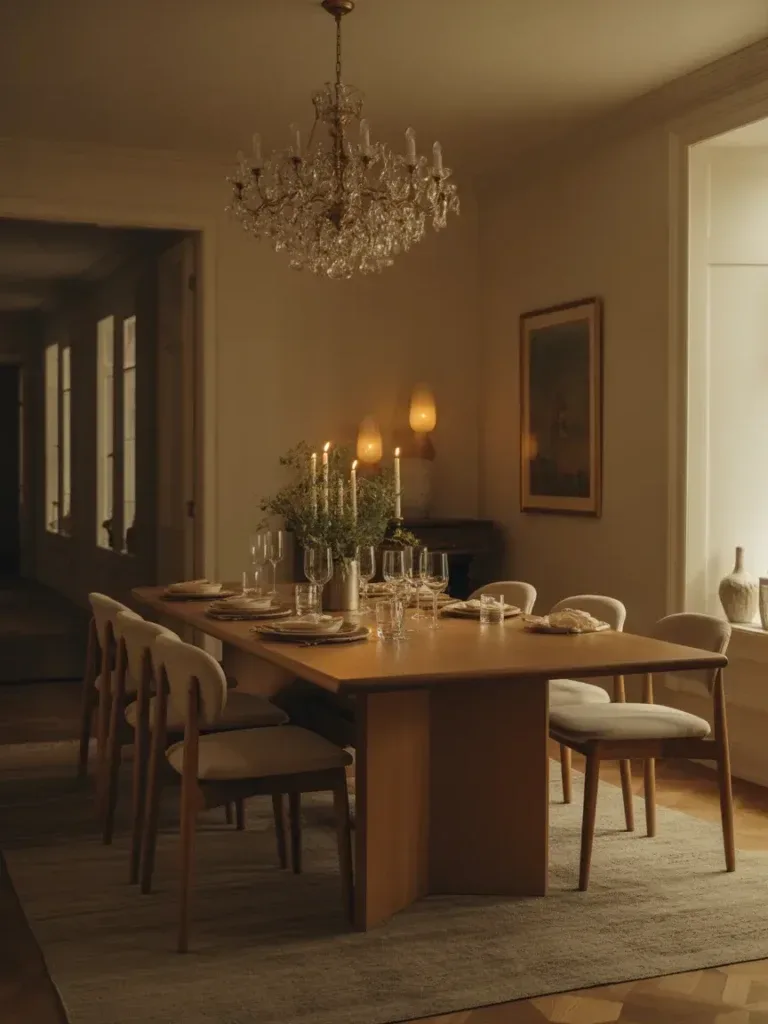
Classic crystal chandeliers are known for their elegance and ability to reflect light with brilliance. They typically feature multiple arms adorned with clear or colored crystal prisms. These fixtures enhance traditional or formal dining spaces by introducing a sense of luxury and refinement.
The facets of the crystals break light into a subtle spectrum, producing a warm, inviting glow. Crystal chandeliers often use brass or polished metal frames, adding to their sophisticated aesthetic. Their presence naturally draws attention, serving as a focal point without overwhelming the room.
Modern linear chandeliers emphasize clean lines and geometric shapes, fitting well in contemporary or minimalist dining areas. Their elongated form provides even illumination across the table, balancing function with design. Materials like brushed metal, glass, and LED elements often feature in these fixtures.
Many have open-frame designs that reduce visual bulk and maintain an airy feel. The simplicity in their construction complements streamlined furniture and neutral palettes, creating a cohesive look. Linear chandeliers can range from understated to bold but always prioritize clarity and architectural impact.
Rustic farmhouse chandeliers bring warmth and texture through natural materials and handcrafted details. They usually incorporate wood beams, wrought iron, and distressed finishes, adding a casual, timeless element to the dining room. This style works best in traditional, country, or farmhouse-inspired interiors.
These fixtures often include candle-style bulbs for a softer, nostalgic light. Their rugged yet refined appearance makes the dining area feel inviting and intimate. The rustic design balances sturdiness with charm, making the chandelier both decorative and durable.
Pendant lighting offers versatile options that enhance both functionality and style above dining tables. Fixtures can vary in shape, size, and arrangement to suit different tastes and room sizes, creating a tailored lighting experience.
Clustered Pendant Lighting
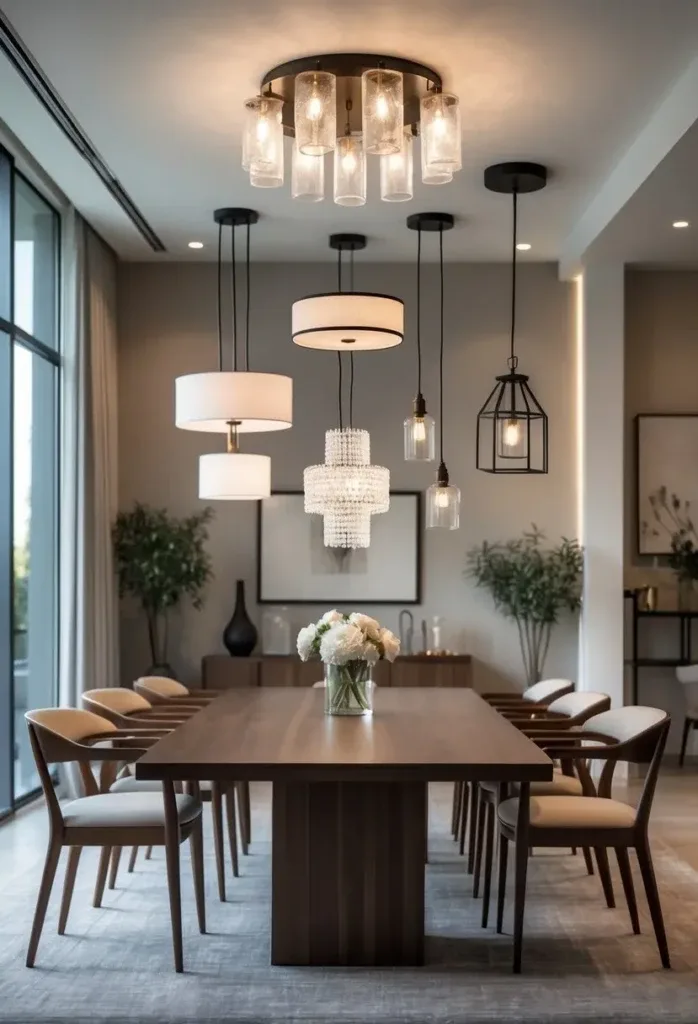
Clustered pendants group several smaller lights at varying heights to create visual interest and layered illumination. This approach works well in larger dining rooms or elongated tables, spreading light evenly without harsh shadows.
The flexibility in the number and placement of pendants allows for customization. It also adds depth and a sculptural element to the space. Materials like glass, metal, or fabric shades can soften the overall look or provide an industrial edge, depending on the design.
Industrial-style pendants typically feature raw materials like exposed metal, matte finishes, and utilitarian shapes. These fixtures bring a bold, rugged character to modern or loft-style dining rooms.
They tend to have simple, clean lines and often include shades resembling factory lamps. This style pairs well with wood or concrete surfaces, complementing minimal décor. Adjustable cords or rods allow the pendant height to be tailored precisely for optimal table illumination.
Oversized Statement Pendants
Oversized pendants serve as a focal point, dominating the dining area with their scale and design. They work best in rooms with high ceilings or large tables where proportion is key.
These fixtures often showcase dramatic shapes—such as geometric forms or bold curves—and use materials like blown glass or polished metal for impact. When choosing an oversized pendant, balancing brightness and ambiance is crucial to avoid overwhelming the space.
Flush and semi-flush mount fixtures offer practical lighting solutions that balance style and functionality. These fixtures are particularly suited to rooms with ceiling height constraints or for those seeking a clean, modern look without oversized elements.
Flush mount fixtures rest directly against the ceiling, making them ideal for dining rooms with low ceilings. They maximize headroom while providing ample light coverage. Shapes like round or square with diffused glass panels soften the light, reducing glare.
Semi-flush mounts hang slightly below the ceiling, usually 4 to 8 inches. This small gap adds subtle dimension without compromising space. They are suitable for rooms with ceilings between 8 to 9 feet. The variety of designs—from simple metal frames to more decorative glass shades—allows customization without overwhelming the room.
Both fixture types are effective at illuminating dining areas without interfering with sightlines or movement around the table.
Transitional flush mount fixtures blend traditional and contemporary elements, fitting diverse décor styles. These fixtures often feature clean lines combined with classic materials like metal, glass, or wood accents.
They provide a balanced look that complements mid-century modern, rustic, or modern interiors. Many offer neutral or muted finishes such as matte black, brushed nickel, or brass, which adapt easily to changing décor over time.
Transitional designs typically focus on functionality while maintaining a refined appearance. This makes them a versatile choice for those wanting a stylish but understated lighting solution in their dining space.
Accent lighting adds depth and dimension to dining rooms, allowing for customized ambiance and functional illumination beyond the main fixture. It highlights architectural features, artwork, and provides softer light levels to complement the overall mood.
Wall Sconces for Layered Lighting
Wall sconces serve as an essential element in layered lighting schemes. Positioned on either side of a dining area, they help balance the brightness from overhead fixtures while reducing harsh shadows. Matching sconces with the main light fixture maintains design cohesion, whether the primary fixture is a chandelier or pendant light.
These fixtures often flank artwork, mirrors, or windows, creating visual interest along walls. Adjustable or dimmable sconces allow flexibility to switch between bright and intimate settings. Materials like brass, glass, or matte finishes can further coordinate with the room’s style, from modern to traditional.
Picture Lighting Over Dining Tables
Picture lighting is a focused form of accent lighting tailored to illuminate art or decorative elements close to the dining space. Directed light fixtures placed above or near the table spotlight these pieces without overwhelming the overall room lighting.
By focusing attention on a statement painting or sculpture, picture lighting enhances the dining experience and adds personality to the room. This type of lighting also doubles as ambient illumination when combined with dimmable settings, helping create a warm atmosphere during meals. It works well in both formal and casual dining environments.
Combining different materials and finishes in dining room lighting can add depth and character to the space. Thoughtful mixing balances aesthetics with practical concerns like durability and maintenance.
Metal and Glass Combinations
Metal and glass are a classic pairing in dining room fixtures. Metal provides structure and a range of finishes—brushed nickel, matte black, brass—that set the tone from modern to traditional.
Glass complements metal by diffusing light effectively, creating soft, ambient illumination. Clear or frosted glass shades work well to minimize glare while maintaining visual appeal.
When mixing, maintaining consistency in tone or finish can unify the fixture. For example, pairing a warm brass frame with slightly amber-tinted glass enhances warmth without clashing. Care should be taken to avoid mixing too many metal finishes, usually limiting to two to keep the look intentional and balanced.
Natural Elements in Fixture Design
Incorporating natural materials like wood, rattan, or stone adds organic texture and warmth to dining room lighting.
Fixtures combining metal with wood accents can soften industrial or modern designs, creating a transitional look. Wood finishes range widely—from light oak to dark walnut—offering flexibility to match flooring or furniture.
Rattan or woven elements introduce a casual, handcrafted feel, suited for farmhouse or coastal styles. Stone or concrete bases provide weight and tactile contrast, grounding lighter shades or airy designs.
Mixing natural elements requires attention to scale and proportion to avoid overcrowding the visual rhythm of the room. Selecting complementary tones across materials ensures cohesion and enhances the dining area’s atmosphere.
Modern dining rooms benefit greatly from lighting that can be easily adjusted for brightness and atmosphere. Integrating smart controls and dimmable features allows precise control over illumination, enhancing functionality and ambiance. These options are valuable for tailoring light to different occasions and moods.
Smart Bulbs and Controls
Smart bulbs offer flexible, app-controlled lighting that can change color temperature and brightness instantly. They connect via Wi-Fi or Bluetooth, allowing users to schedule lighting changes or sync with other smart home devices. Popular brands support voice control through assistants like Alexa or Google Assistant, making adjustments hands-free.
Additionally, many smart bulbs come with customizable presets for meals, parties, or relaxation. They often save energy compared to traditional bulbs. Compatibility with existing fixtures is straightforward since they typically fit standard sockets.
Choosing the Right Dimmers
Selecting a compatible dimmer switch is crucial for smooth, flicker-free lighting adjustment. Traditional dimmers often do not work well with LED or smart bulbs, so look for dimmers labeled compatible with LED technology. This prevents issues such as buzzing or inconsistent dimming.
Digital dimmers may include touch sensitivity or remote controls, further enhancing convenience. Installation can often use existing wiring, but caution is required to match the dimmer’s load capacity with the bulb wattage for safety and optimal performance.
Choosing the right dining room lighting involves careful attention to size, placement, and harmony with the room’s style. Proper selection enhances both function and aesthetic appeal, ensuring the fixture complements the space without overwhelming it.
Scale and Proportion Guidelines
The size of the light fixture should correspond directly to the dimensions of the dining table and the room itself. A common rule is to choose a fixture approximately ⅔ the length of the table. For round tables, select a fixture about half the diameter of the tabletop.
Ceiling height also influences scale; fixtures should hang 28 to 34 inches above the table surface to provide adequate illumination without obstructing sightlines. In rooms with higher ceilings, a longer drop or multiple pendant lights can help maintain balance. Fixtures that are too large or too small disrupt visual flow and can make the room feel cluttered or sparse.
Coordinating With Dining Room Décor
Lighting should reflect the room’s architectural style and existing furnishings. For example, a modern dining room benefits from sleek, minimalistic fixtures, while traditional spaces pair well with ornate chandeliers or pendant lights featuring classic materials. Color tones and finishes of the fixture should complement furniture and wall treatments, such as brushed metals for contemporary designs or warm woods for rustic styles.
Layering the lighting by mixing ambient, task, and accent sources can integrate the fixture smoothly. A centerpiece chandelier can be complemented with wall sconces or recessed lighting to create dimension and adapt to different moods and functions.
Listen to this article 10 10 0:00 / 0:00 Speed 0.75×1×1.25×1.5×2× Your dining room shouldn’t feel like a forgotten corner you only use twice a year for awkward family dinners. It should feel warm, inviting, and stylish enough that people actually want to hang out there long after dessert disappears. The good news? You don’t…
Listen to this article 10 10 0:00 / 0:00 Speed 0.75×1×1.25×1.5×2× You want lighting that fits your round table and sets the mood for every meal. Choose a fixture that centers over the table, hangs at the right height, and matches your room’s scale to ensure even light and a balanced look. This post will show how…
Listen to this article 10 10 0:00 / 0:00 Speed 0.75×1×1.25×1.5×2× Small dining room? No problem. You don’t need a mansion-sized space to create a dining area that feels intentional, stylish, and actually enjoyable to use. With the right layout tricks and smart furniture choices, even the tiniest corner can feel like a designer moment….
Listen to this article 10 10 0:00 / 0:00 Speed 0.75×1×1.25×1.5×2× Tiny dining room? No problem. The right design can turn even the smallest corner into a spot that feels intentional, stylish, and surprisingly spacious. You don’t need more square footage—you just need smarter ideas. These 24 designs prove that small dining rooms can absolutely…
Listen to this article 10 10 0:00 / 0:00 Speed 0.75×1×1.25×1.5×2× Tiny dining room? No problem. A round dining table can completely change how your space feels, and honestly, it’s one of those design tricks that works way harder than people give it credit for. No sharp corners, easier flow, and somehow everyone ends up…
Listen to this article 10 10 0:00 / 0:00 Speed 0.75×1×1.25×1.5×2× Blank dining room walls can make even the prettiest table setup feel unfinished. Floating shelves fix that fast—and they do way more than hold a random vase and a candle you forgot to light. The right shelf styling can make your dining room feel…