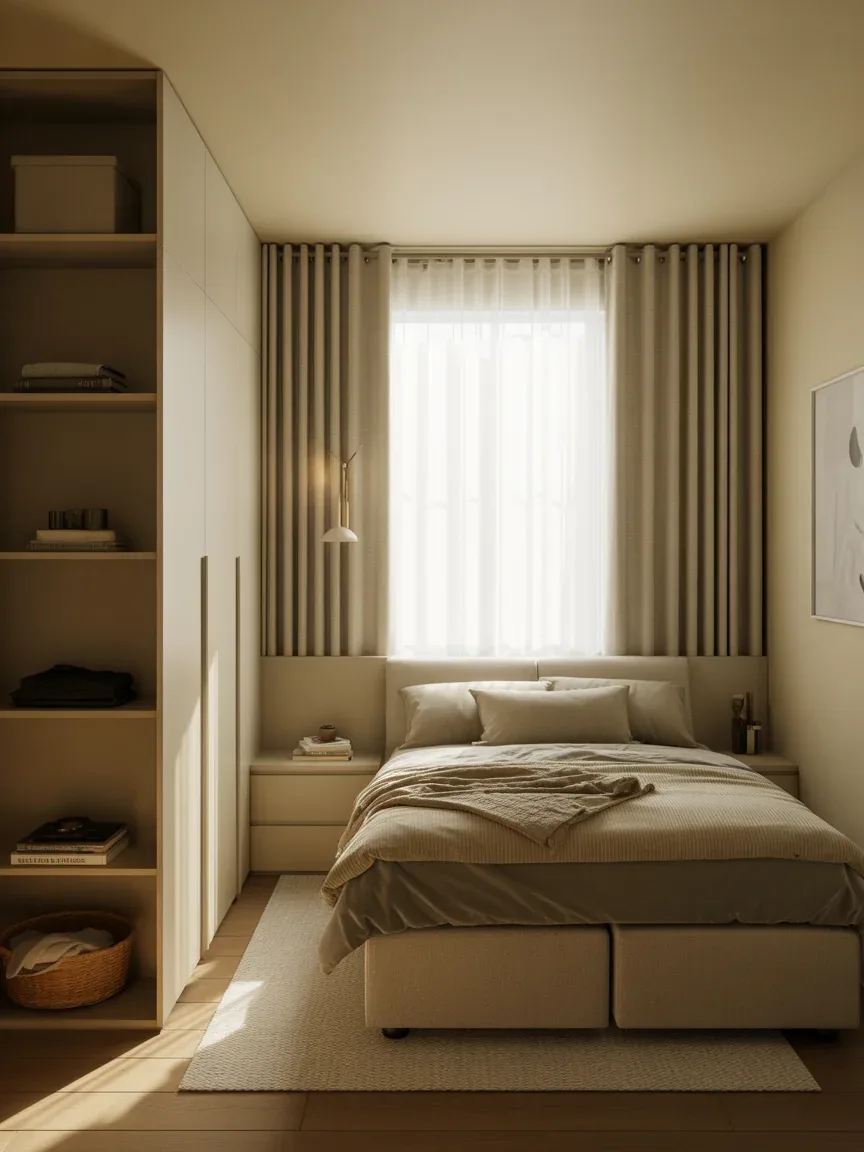
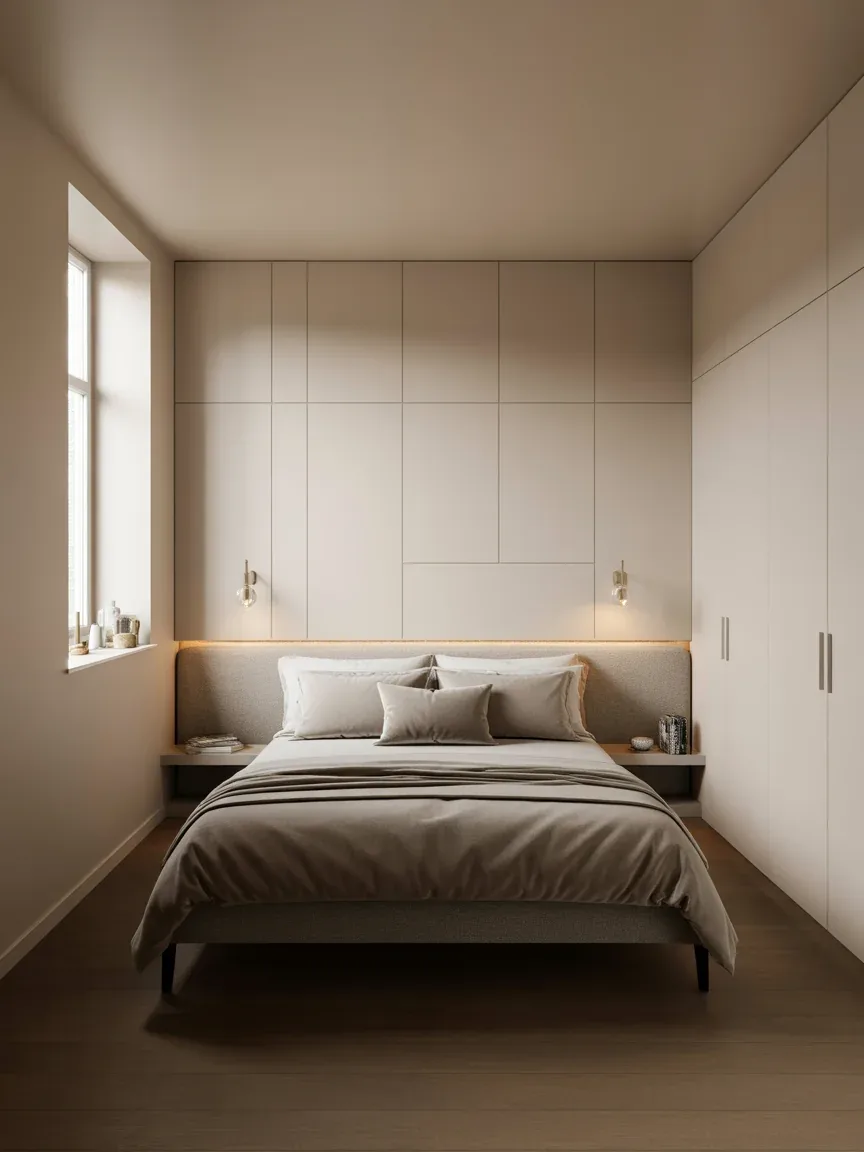
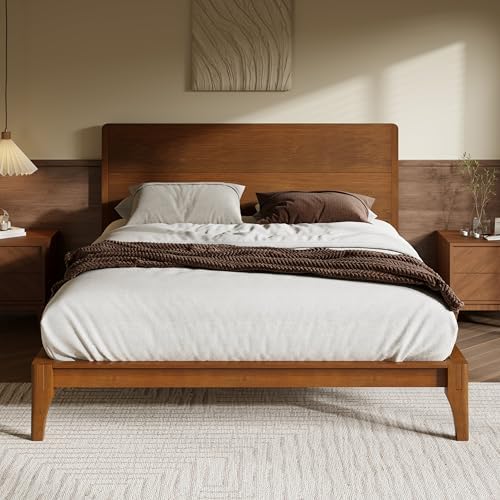
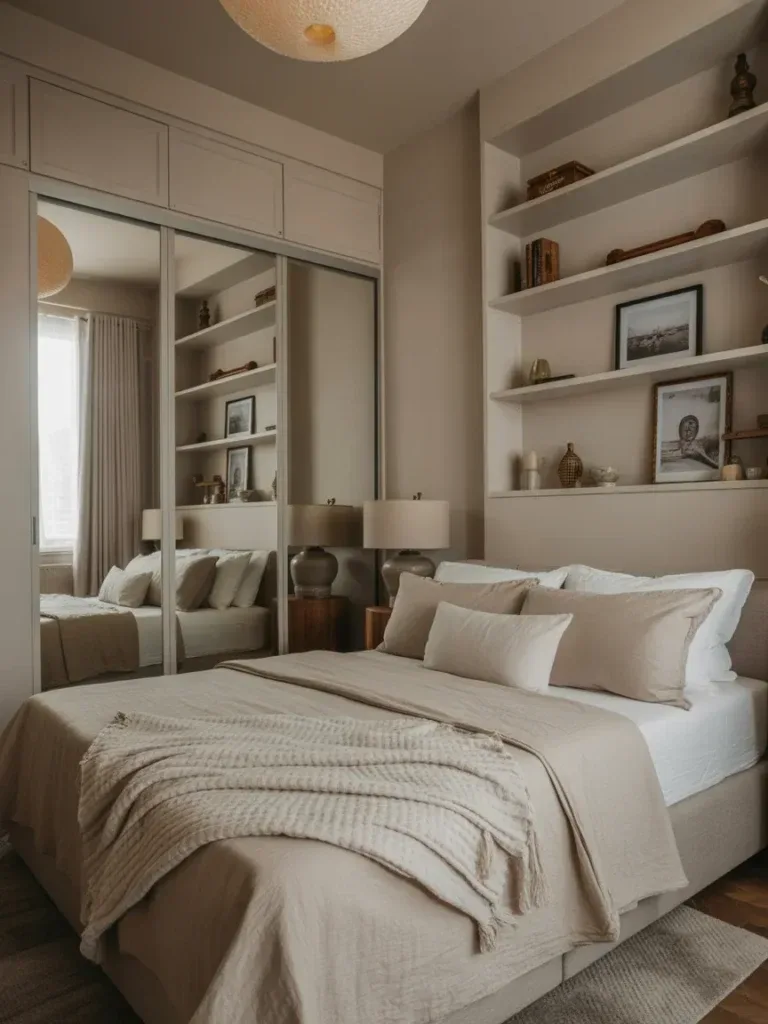
A small bedroom can feel cozy and stylish… or like a storage closet that lost a fight with your laundry pile. The difference usually comes down to smart planning. When you combine a clever layout with the right wardrobe interior design, even the tiniest room starts working harder for you. You don’t need a massive renovation budget or magical architecture tricks either. You just need smarter storage, better furniture choices, and a little strategy. Let’s get into it. Start with the Bed Placement First Before you even think about wardrobes, figure out where the bed belongs. Seriously. Too many people shove furniture around randomly and hope for the best. Chaos. Place the bed where it leaves the most open walking space. Usually, that means centering it on the longest wall or pushing it against one side if the room feels super tight. Here’s the golden rule: your wardrobe should support the room layout, not fight it. A few quick tips: Leave at least 24 inches of walking space Avoid blocking windows with bulky furniture Use wall-mounted lighting instead of chunky bedside lamps Skip oversized headboards unless you enjoy bumping into things daily Merax Queen Size Bamboo Platform Bed Frame with Tall Headboard, B… New Upgrade: The wooden support rods & legs in the middle of the bed have been replaced with metal ones for added stabil… Attractive Queen Bed Frame: Natural bamboo textures highlight rustic charm, and clean contours outline a pretty look tha… Excellent Use Experience: Bamboo material creates a clean, fresh sleeping environment without any discomfort. The noisel… $322.99 Buy on Amazon Choose a Wardrobe That Fits Your Lifestyle Not every wardrobe works for every person. A fashion lover with fifty jackets needs different storage than someone who owns three hoodies and pure confidence. Think about how you actually use your clothes. Sliding Door Wardrobes Save Serious Space Swing doors eat up floor space fast. Sliding doors stay compact and make small rooms feel cleaner. They also look modern without trying too hard. Bonus points if you choose mirrored sliding doors because mirrors instantly make a room feel bigger. Floor-to-Ceiling Designs Work Better Short wardrobes waste valuable upper space. Go all the way to the ceiling instead. Use the top sections for: Seasonal clothing Extra bedding Travel bags Stuff you swear you’ll use someday Vertical storage changes everything in small bedrooms. MooMee Striped Duvet Cover Set 100% Washed Cotton Linen Like Text… Superior Material: Made of 100% washed cotton, like your favorite, soft comfy, well-worn cotton shirt, breathable to kee… Great Texture & Comfort: Looks like linen, feels like cotton, with a lived-in, slightly wrinkled look, which offers that… Queen Size Package Includes: Duvet Cover (1 piece): 90″W x 90″L; Pillowcases (2 pieces): 20″W x 26″L; Duvet/comforter in… $74.99 Buy on Amazon Focus on Smart Wardrobe Interior Design The inside matters just as much as the outside. Honestly, maybe more. A beautiful wardrobe with terrible organization turns into a black hole where socks disappear forever. Divide Storage Into Zones Create dedicated sections inside the wardrobe: Hanging space for shirts and dresses Drawers for smaller items Shelves for folded clothes Hidden bins for accessories This setup keeps everything easier to find. No more digging through random piles at 7 AM while questioning your life choices. Use Double Hanging Rails Double rails instantly double hanging storage. Place one rail higher for longer clothes and another below for shirts, pants, or jackets. It’s one of the easiest ways to maximize a tiny wardrobe. Add Pull-Out Accessories Pull-out storage feels ridiculously satisfying. IMO, everyone should have at least one. Consider: Pull-out shoe racks Sliding jewelry trays Pull-out laundry baskets Retractable tie or belt holders These little upgrades prevent clutter from spreading across the room like an invading army. erosoei Metal Armoire Wardrobe Closet, 71 "Metal Clothing Storage… 【Large capacity wardrobe】The high steel wardrobe and storage cabinet are designed to meet a large number of storage need… 【Heavy metal storage cabinets】Metal wardrobes and storage cabinets are made of large-sized cold-rolled steel plates, wit… 【Safe and Practical Design】Our metal locker storage cabinet comes with adjustable partitions and free hanging rods, maki… $179.99 Buy on Amazon Use Multi-Functional Furniture Everywhere Small bedrooms don’t have room for useless furniture. Every piece should earn its spot. That cute chair holding clean clothes? Yeah, we all know it’s actually a laundry monument. Instead, focus on furniture with hidden storage. Best Multi-Use Pieces for Small Bedrooms Ottoman beds with under-storage Floating nightstands Foldable desks Storage benches Wall-mounted shelves Furniture that multitasks keeps the room feeling open instead of cramped. Keep the Color Palette Light and Simple Dark colors can look dramatic, but small bedrooms need brightness. Otherwise, the room starts feeling like a cave with Wi-Fi. Stick with: Soft whites Warm beige Light gray Pale sage Muted earth tones This doesn’t mean your room needs to look boring. Add texture through bedding, rugs, or wood finishes instead of overwhelming the space with heavy colors. Mirrors Help More Than You Think Mirrors bounce light around the room and visually expand the space. A mirrored wardrobe door works especially well because it combines two functions without adding clutter. Smart and pretty? Love that. Declutter Ruthlessly Before Organizing Here’s the uncomfortable truth: no wardrobe design can save you from owning seventeen “maybe someday” outfits. Before organizing anything, declutter hard. Ask yourself: Do I actually wear this? Does this fit my lifestyle now? Would I buy this again today? If the answer is no, donate it. Small bedrooms work best when you own less stuff. Revolutionary concept, I know. Storage Containers Make a Huge Difference Once you declutter, use matching storage boxes or baskets inside the wardrobe. This creates a cleaner look instantly and prevents tiny items from becoming chaotic messes. Clear containers work great for: Accessories Socks Workout gear Seasonal items Everything gets a home. Your future self will thank you. Don’t Ignore Lighting Bad lighting makes even the nicest bedroom feel cramped and gloomy. Layer your lighting instead of relying on one harsh ceiling bulb that feels straight out of an interrogation room. Use: Warm LED ceiling lights Wall sconces Under-shelf wardrobe lighting Soft bedside lighting Wardrobe Lighting Is a Game-Changer Built-in wardrobe lighting sounds fancy, but it’s surprisingly practical. Motion-sensor LED strips help you see everything clearly without turning on the entire room light. No more hunting for black socks in darkness like a confused raccoon. FYI, warm white lighting usually feels cozier than cool-toned lighting in bedrooms. FAQ How big should a wardrobe be in a small bedroom? It depends on your storage needs, but floor-to-ceiling wardrobes with sliding doors usually work best. They maximize vertical space without crowding the room. Are mirrored wardrobes good for small bedrooms? Yes, absolutely. Mirrors reflect light and create the illusion of more space. They also eliminate the need for a separate standing mirror. What colors make a small bedroom look bigger? Light shades like white, beige, pale gray, and soft green help open up the room visually. Avoid overly dark or heavy color schemes if the room already feels tight. How do I organize a tiny wardrobe efficiently? Use storage zones, double hanging rails, pull-out accessories, and matching storage bins. Keep frequently used items easy to reach. Should I use open shelving in a small bedroom? Only if you can keep it tidy. Open shelves can look stylish, but clutter becomes very visible fast. Closed storage usually keeps small rooms looking calmer. What’s the biggest mistake people make in small bedrooms? Buying oversized furniture. Huge beds, bulky wardrobes, and chunky nightstands overwhelm the space almost immediately. Conclusion Planning a small bedroom with smart wardrobe interior design doesn’t require magic. It just requires intention. Focus on layout first, maximize vertical storage, choose multi-functional furniture, and keep clutter under control. The goal isn’t to cram more stuff into the room. The goal is to make the room feel calm, functional, and easy to live in. And honestly? That feels way better than owning five extra sweaters you forgot existed anyway.
A small bedroom can feel cozy and stylish… or like a storage closet that lost a fight with your laundry pile. The difference usually comes down to smart planning. When you combine a clever layout with the right wardrobe interior design, even the tiniest room starts working harder for you.
You don’t need a massive renovation budget or magical architecture tricks either. You just need smarter storage, better furniture choices, and a little strategy. Let’s get into it.
Before you even think about wardrobes, figure out where the bed belongs. Seriously. Too many people shove furniture around randomly and hope for the best. Chaos.
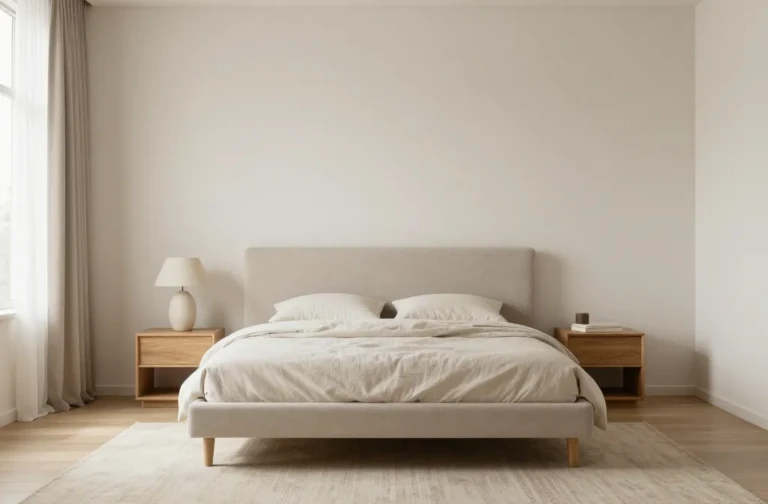
Place the bed where it leaves the most open walking space. Usually, that means centering it on the longest wall or pushing it against one side if the room feels super tight.
Here’s the golden rule: your wardrobe should support the room layout, not fight it.
A few quick tips:
Leave at least 24 inches of walking space
Avoid blocking windows with bulky furniture
Use wall-mounted lighting instead of chunky bedside lamps
Skip oversized headboards unless you enjoy bumping into things daily
Not every wardrobe works for every person. A fashion lover with fifty jackets needs different storage than someone who owns three hoodies and pure confidence.
Think about how you actually use your clothes.
Sliding Door Wardrobes Save Serious Space
Swing doors eat up floor space fast. Sliding doors stay compact and make small rooms feel cleaner.
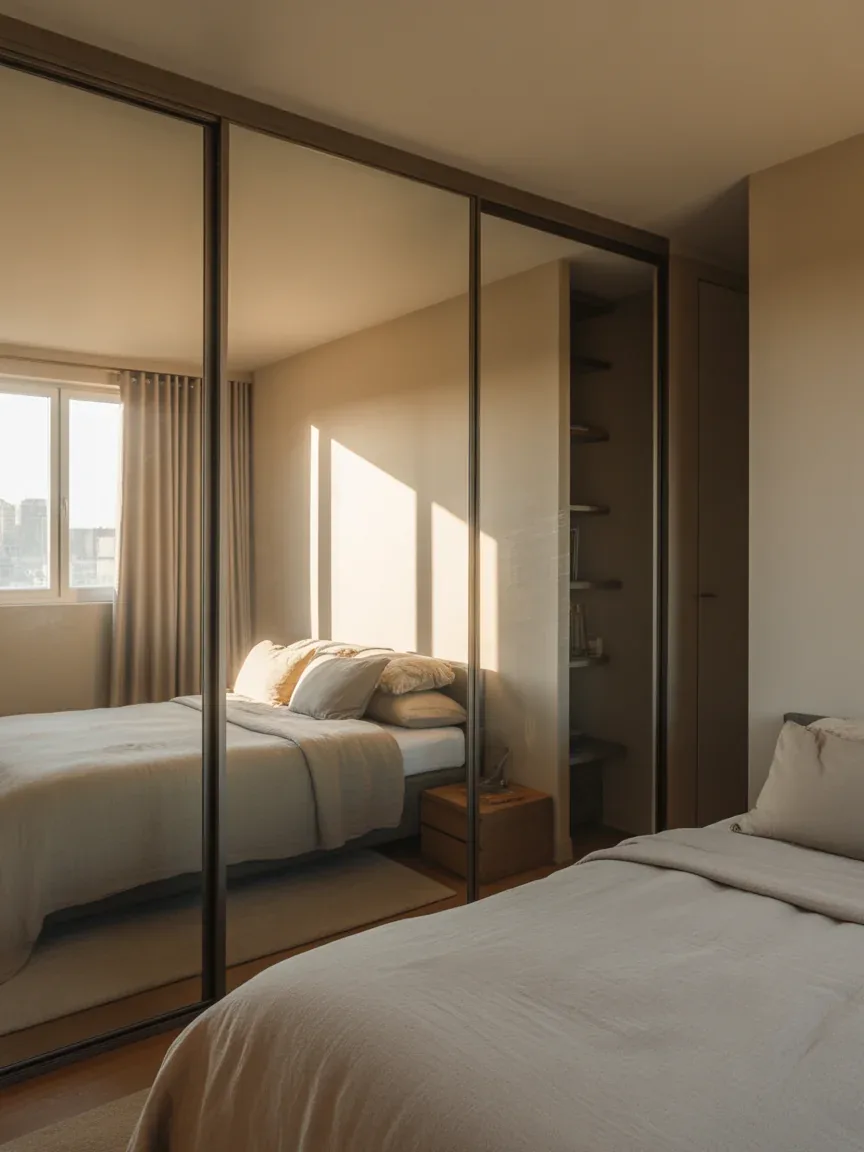
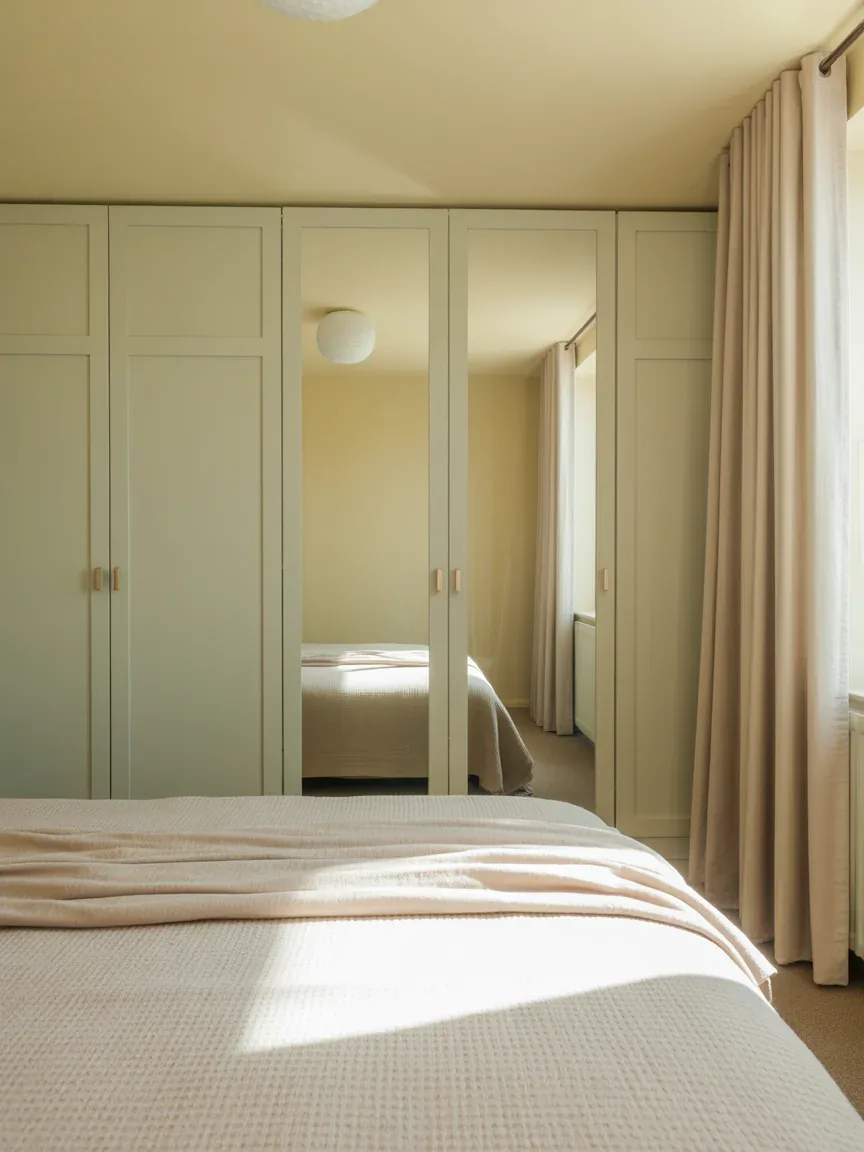
They also look modern without trying too hard. Bonus points if you choose mirrored sliding doors because mirrors instantly make a room feel bigger.
Dark colors can look dramatic, but small bedrooms need brightness. Otherwise, the room starts feeling like a cave with Wi-Fi.
Stick with:
Soft whites
Warm beige
Light gray
Pale sage
Muted earth tones
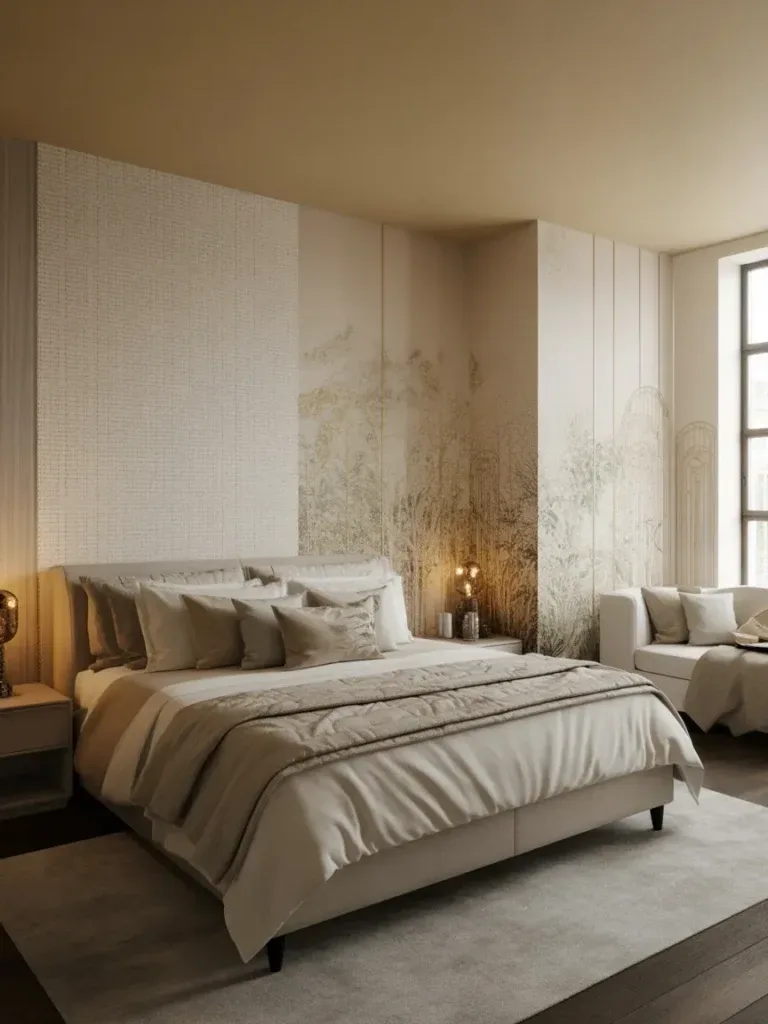
This doesn’t mean your room needs to look boring. Add texture through bedding, rugs, or wood finishes instead of overwhelming the space with heavy colors.
Mirrors Help More Than You Think
Mirrors bounce light around the room and visually expand the space.
A mirrored wardrobe door works especially well because it combines two functions without adding clutter. Smart and pretty? Love that.
Bad lighting makes even the nicest bedroom feel cramped and gloomy.
Layer your lighting instead of relying on one harsh ceiling bulb that feels straight out of an interrogation room.
Use:
Warm LED ceiling lights
Wall sconces
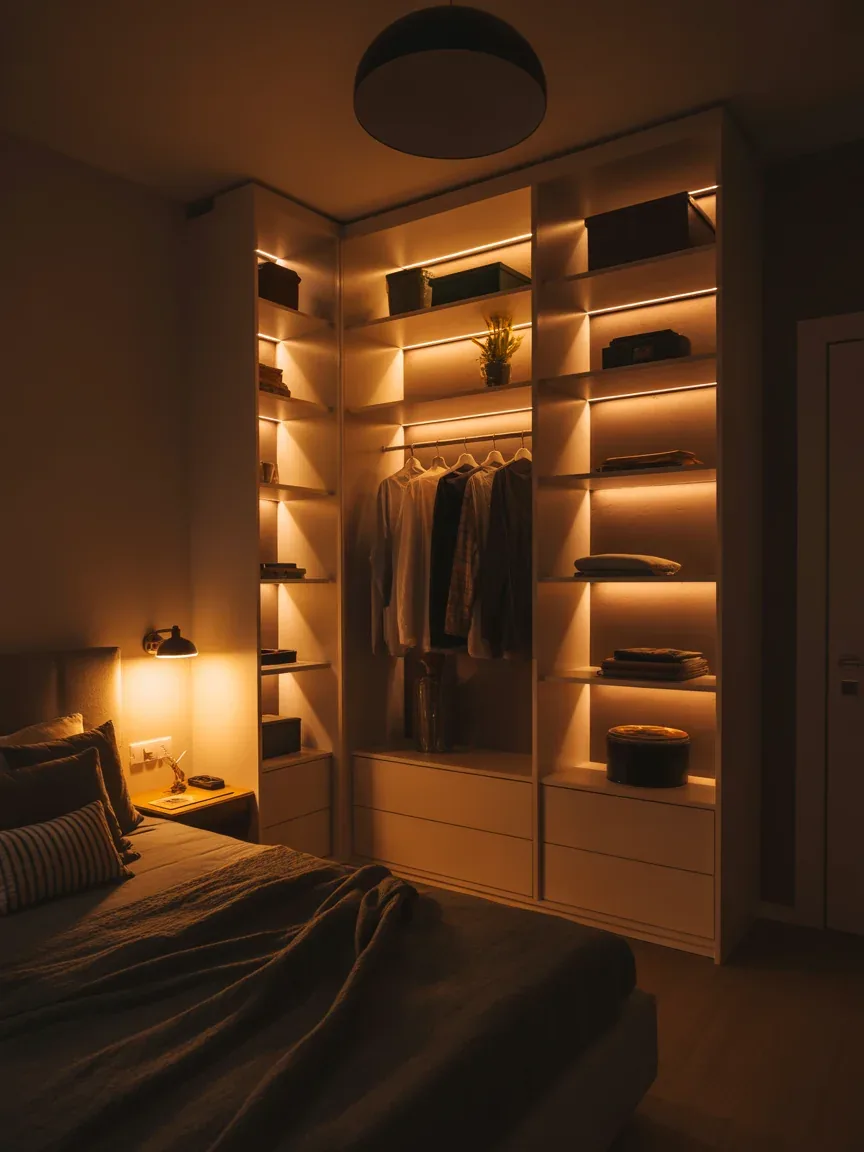
Under-shelf wardrobe lighting
Soft bedside lighting
Wardrobe Lighting Is a Game-Changer
Built-in wardrobe lighting sounds fancy, but it’s surprisingly practical.
Motion-sensor LED strips help you see everything clearly without turning on the entire room light. No more hunting for black socks in darkness like a confused raccoon.
FYI, warm white lighting usually feels cozier than cool-toned lighting in bedrooms.
FAQ
How big should a wardrobe be in a small bedroom?
It depends on your storage needs, but floor-to-ceiling wardrobes with sliding doors usually work best. They maximize vertical space without crowding the room.
Are mirrored wardrobes good for small bedrooms?
Yes, absolutely. Mirrors reflect light and create the illusion of more space. They also eliminate the need for a separate standing mirror.
What colors make a small bedroom look bigger?
Light shades like white, beige, pale gray, and soft green help open up the room visually. Avoid overly dark or heavy color schemes if the room already feels tight.
How do I organize a tiny wardrobe efficiently?
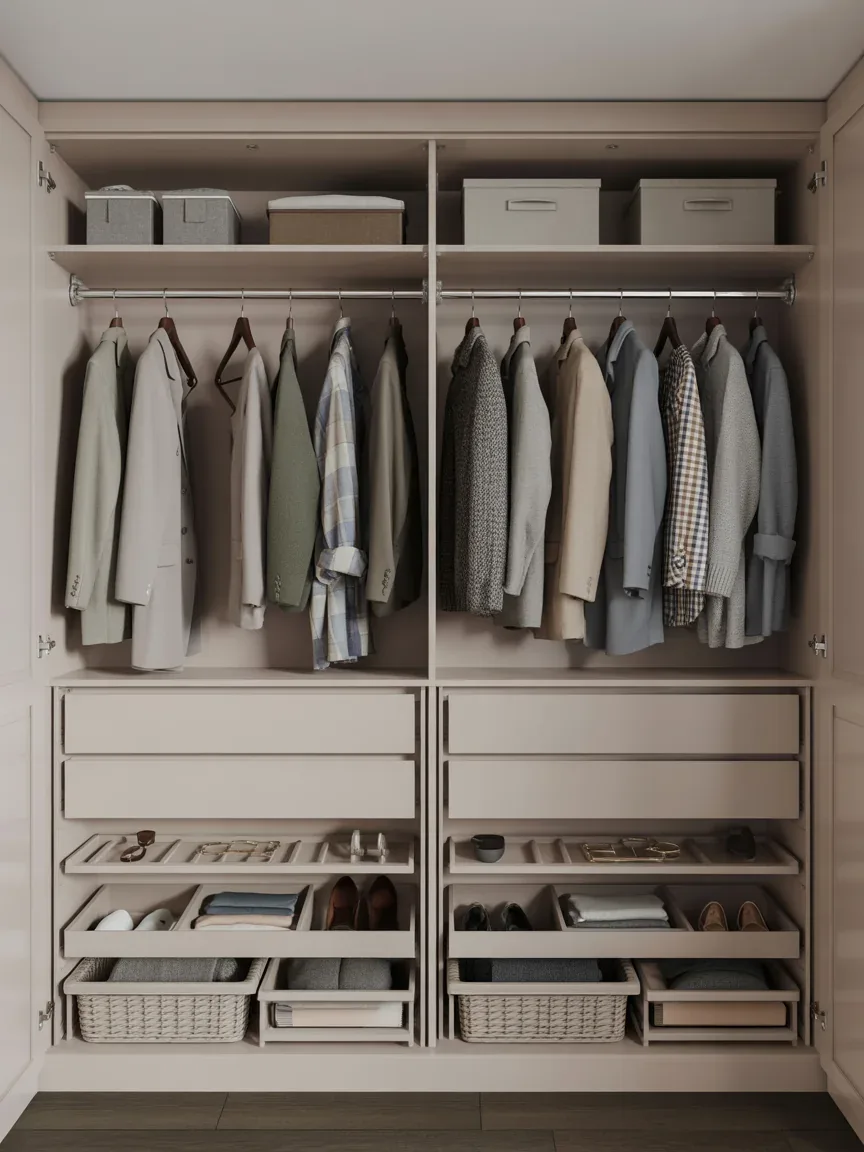
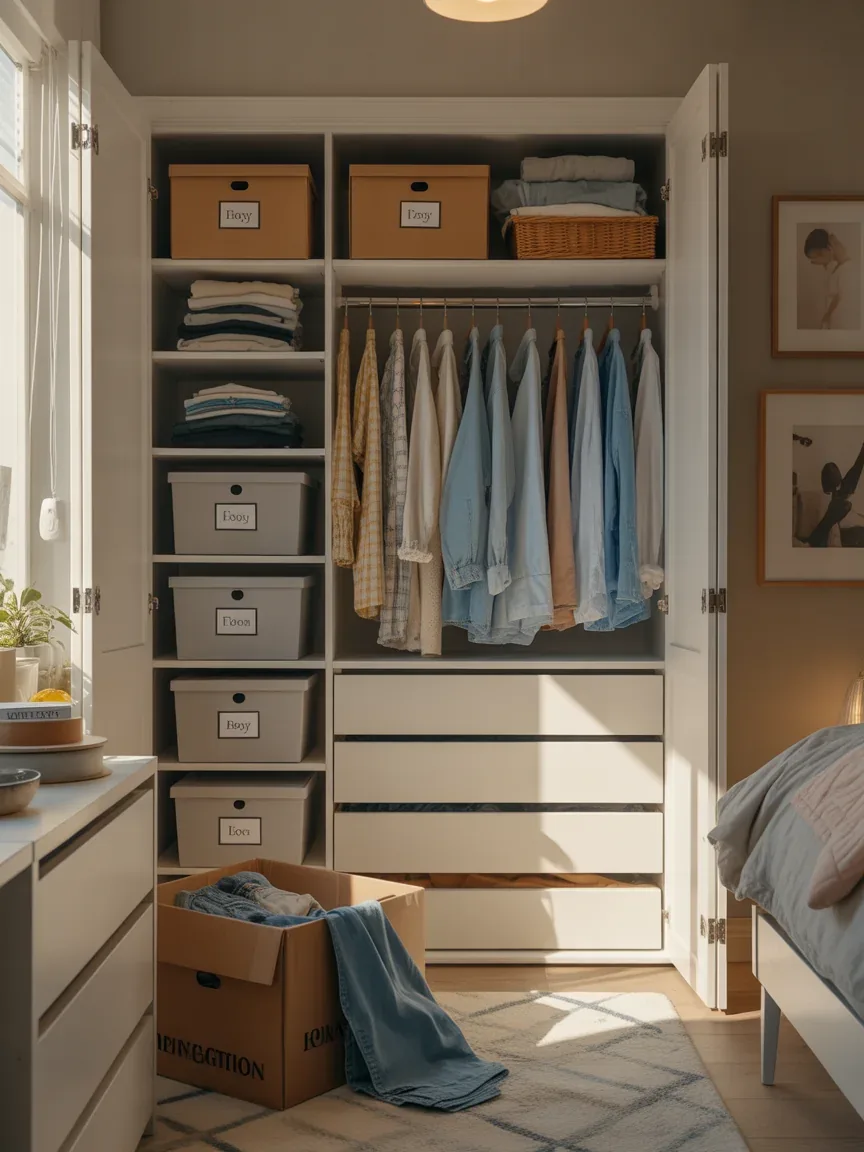
Use storage zones, double hanging rails, pull-out accessories, and matching storage bins. Keep frequently used items easy to reach.
Should I use open shelving in a small bedroom?
Only if you can keep it tidy. Open shelves can look stylish, but clutter becomes very visible fast. Closed storage usually keeps small rooms looking calmer.
What’s the biggest mistake people make in small bedrooms?
Buying oversized furniture. Huge beds, bulky wardrobes, and chunky nightstands overwhelm the space almost immediately.
Conclusion
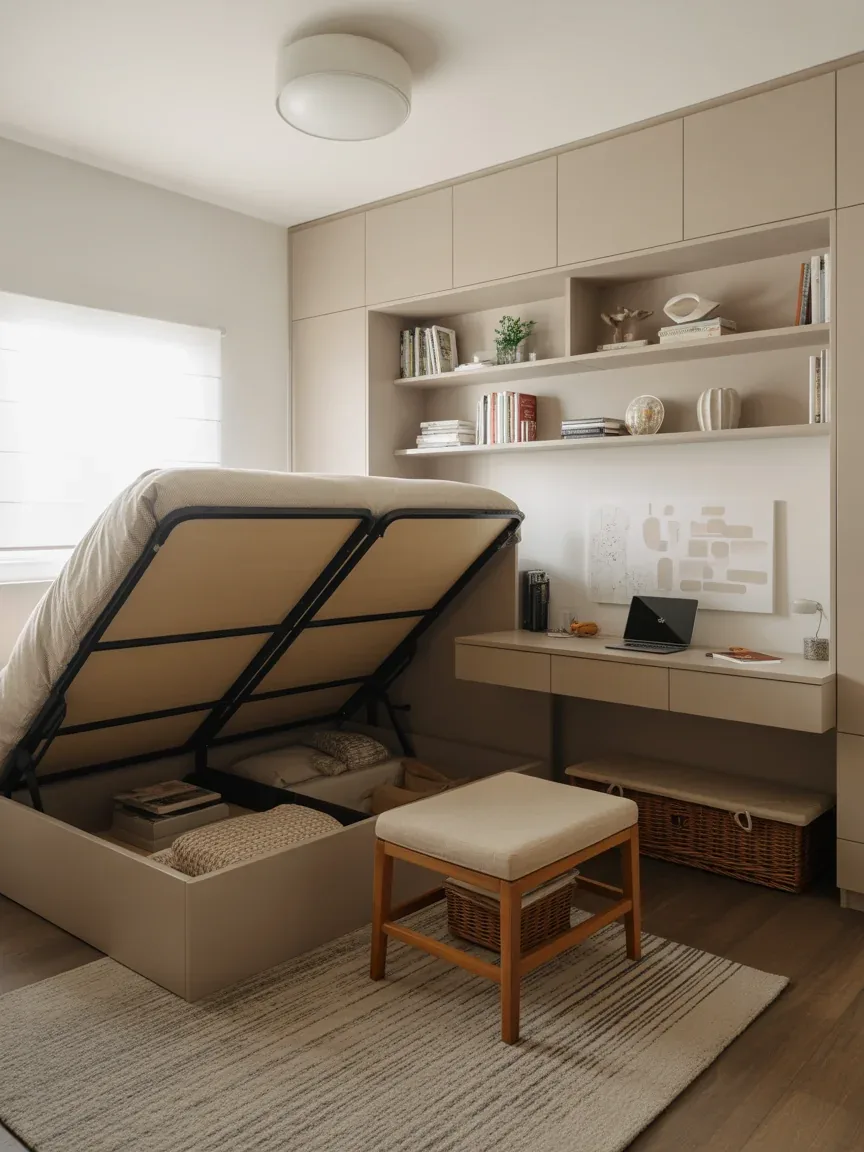
Planning a small bedroom with smart wardrobe interior design doesn’t require magic. It just requires intention. Focus on layout first, maximize vertical storage, choose multi-functional furniture, and keep clutter under control.
The goal isn’t to cram more stuff into the room. The goal is to make the room feel calm, functional, and easy to live in. And honestly? That feels way better than owning five extra sweaters you forgot existed anyway.
Listen to this article 10 10 0:00 / 0:00 Speed 0.75×1×1.25×1.5×2× Your bedroom walls are doing way more work than you think. The right wallpaper can instantly turn a basic room into something that feels designer-level polished. And no, you don’t need a full renovation or a massive budget to pull it off. These ideas…
Listen to this article 10 10 0:00 / 0:00 Speed 0.75×1×1.25×1.5×2× Sharing a small bedroom doesn’t have to feel like a daily game of human Tetris. With the right layout, smart storage, and a little personality, even the tiniest space can feel like a dreamy retreat for two. Think cozy corners, clever furniture, and designs…
Listen to this article 10 10 0:00 / 0:00 Speed 0.75×1×1.25×1.5×2× A great bedroom shouldn’t feel like a showroom. The best modern bedroom interior ideas focus on how a space actually feels to live in: clean lines, calming textures, and layered light that make the room feel like an intentional retreat rather than a leftover…
Listen to this article 10 10 0:00 / 0:00 Speed 0.75×1×1.25×1.5×2× Want a living room that feels like a deep breath? That’s exactly what organic modern design delivers—clean lines, soft textures, and just enough nature to keep things grounded. It’s not sterile minimalism, and it’s definitely not cluttered chaos. It’s that sweet spot in between…
Listen to this article 10 10 0:00 / 0:00 Speed 0.75×1×1.25×1.5×2× A tiny bedroom doesn’t mean tiny dreams. In fact, small spaces often push you to get more creative—and that’s where the magic happens. With the right ideas, your compact room can feel stylish, functional, and way bigger than it actually is. Ready to turn…
Listen to this article 10 10 0:00 / 0:00 Speed 0.75×1×1.25×1.5×2× I painted my bedroom white four different times before I finally gave up and went dark. Every single time, it looked “fine” — clean, safe, forgettable. Then I tried one of these chocolate bedroom ideas on a whim (a deep cocoa accent wall, nothing…