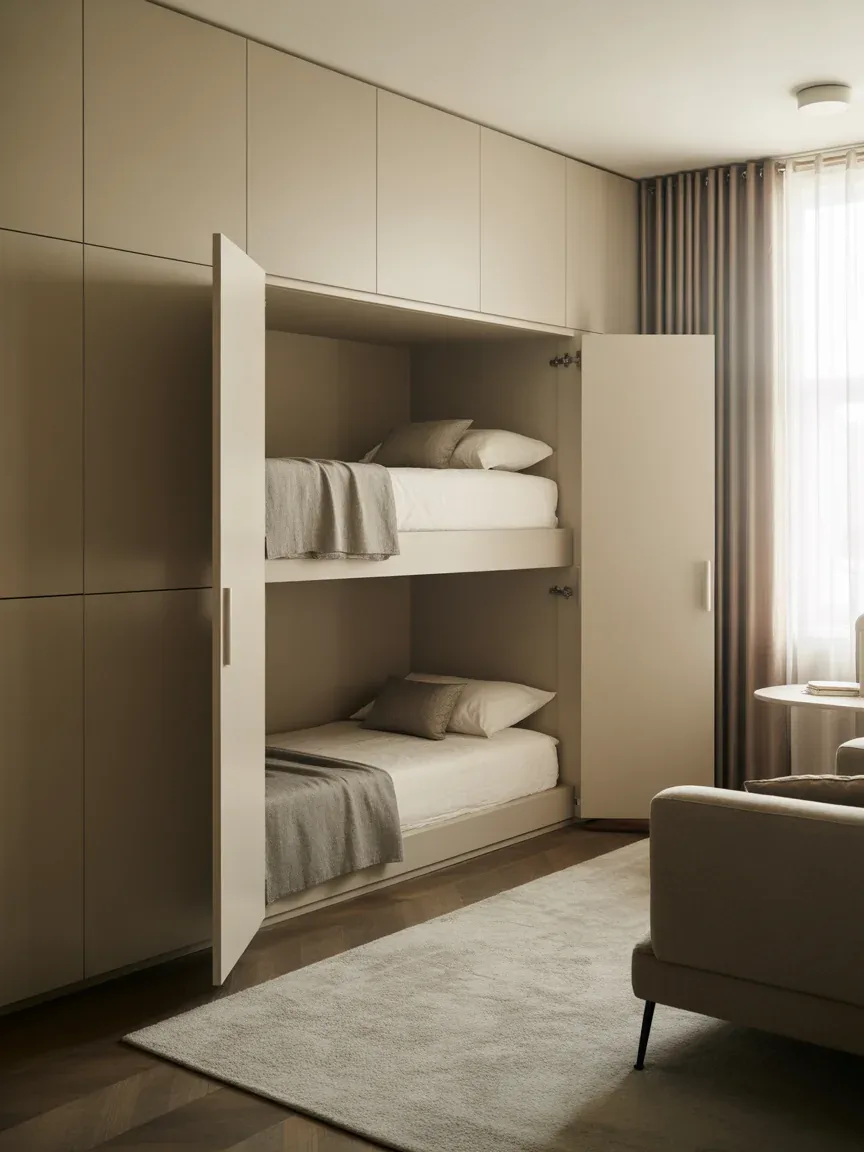
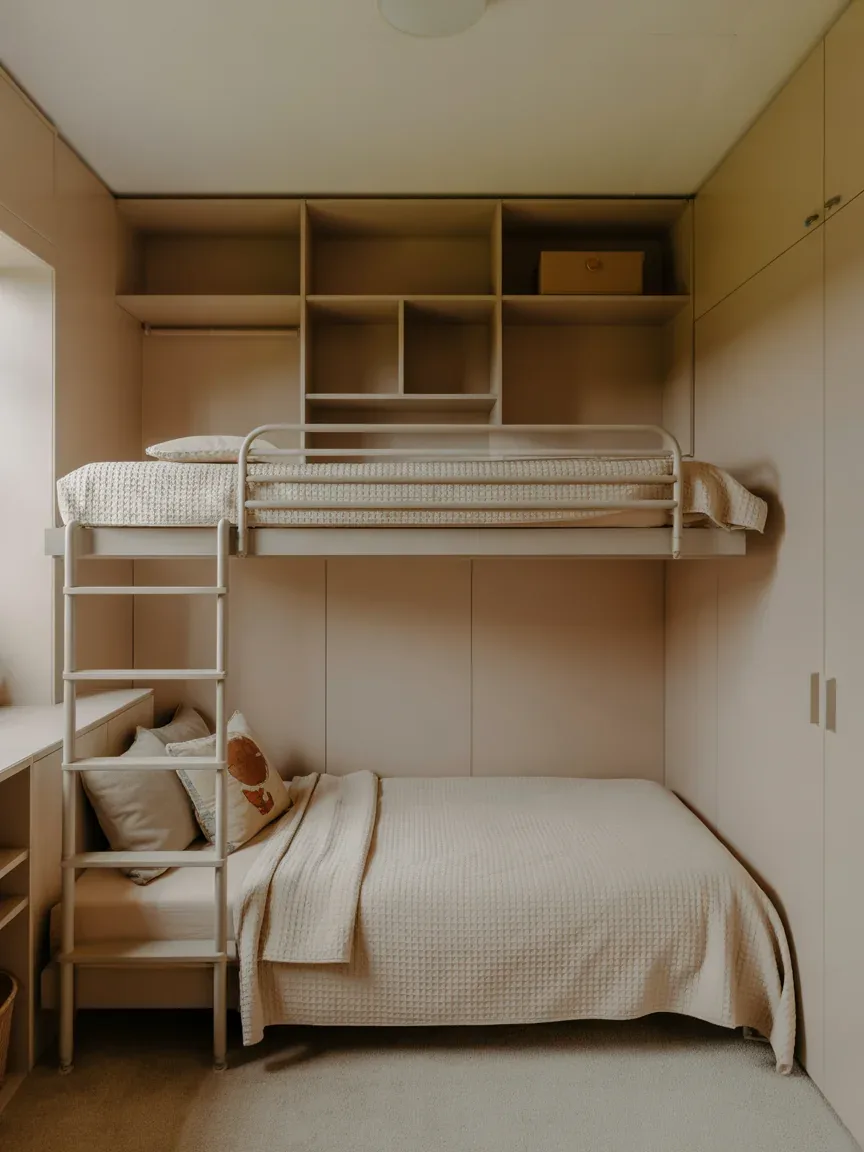
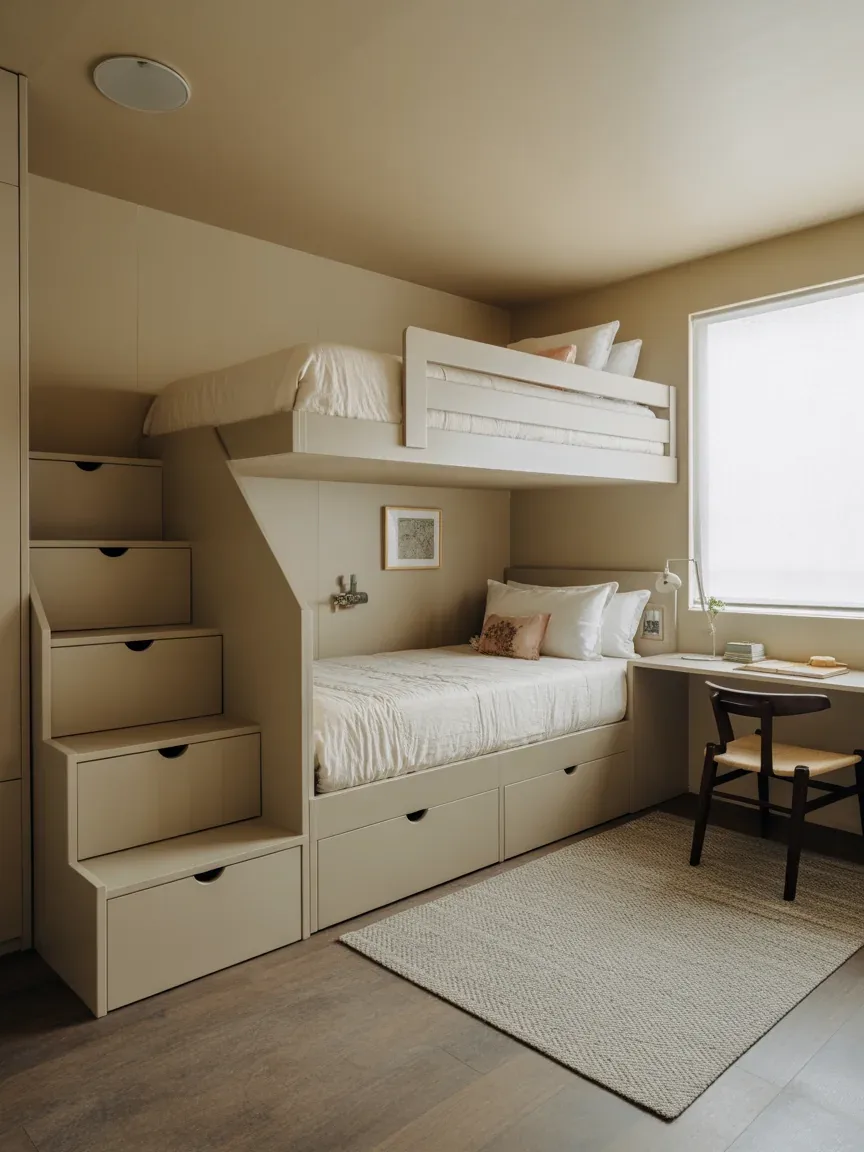
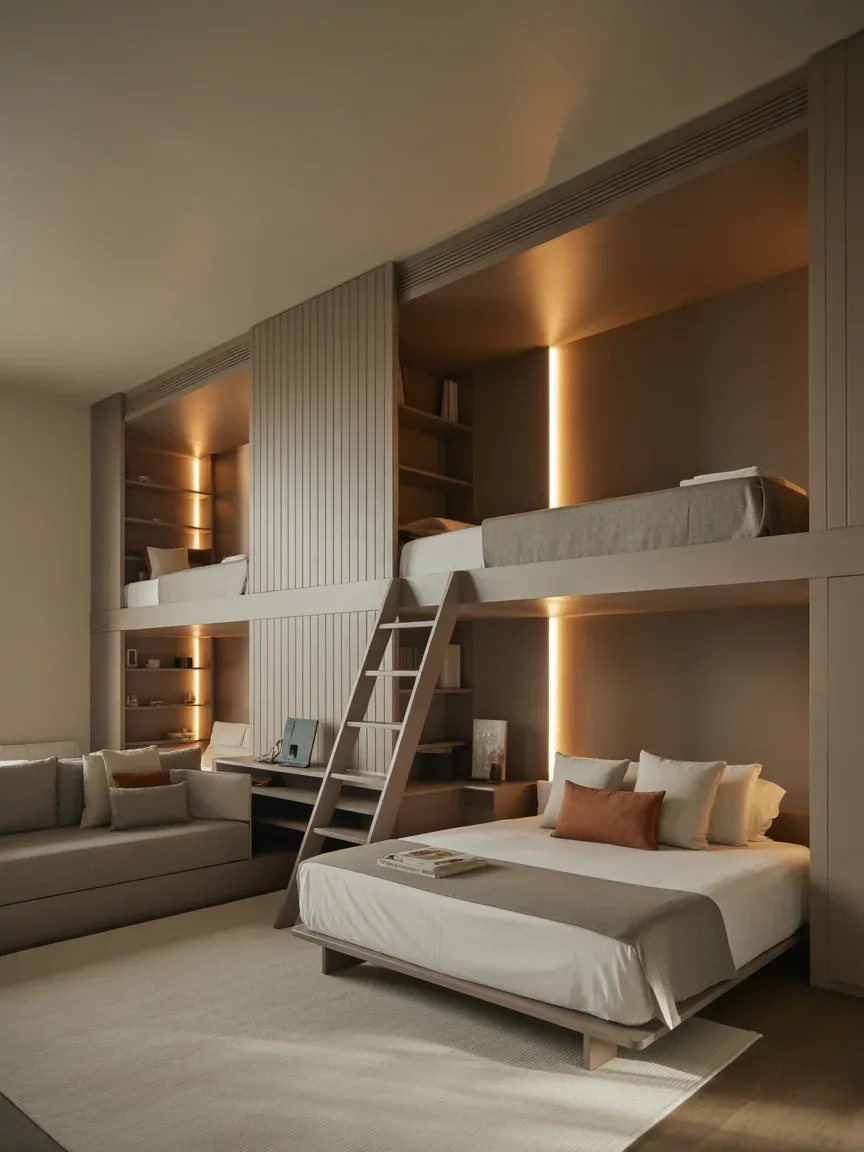
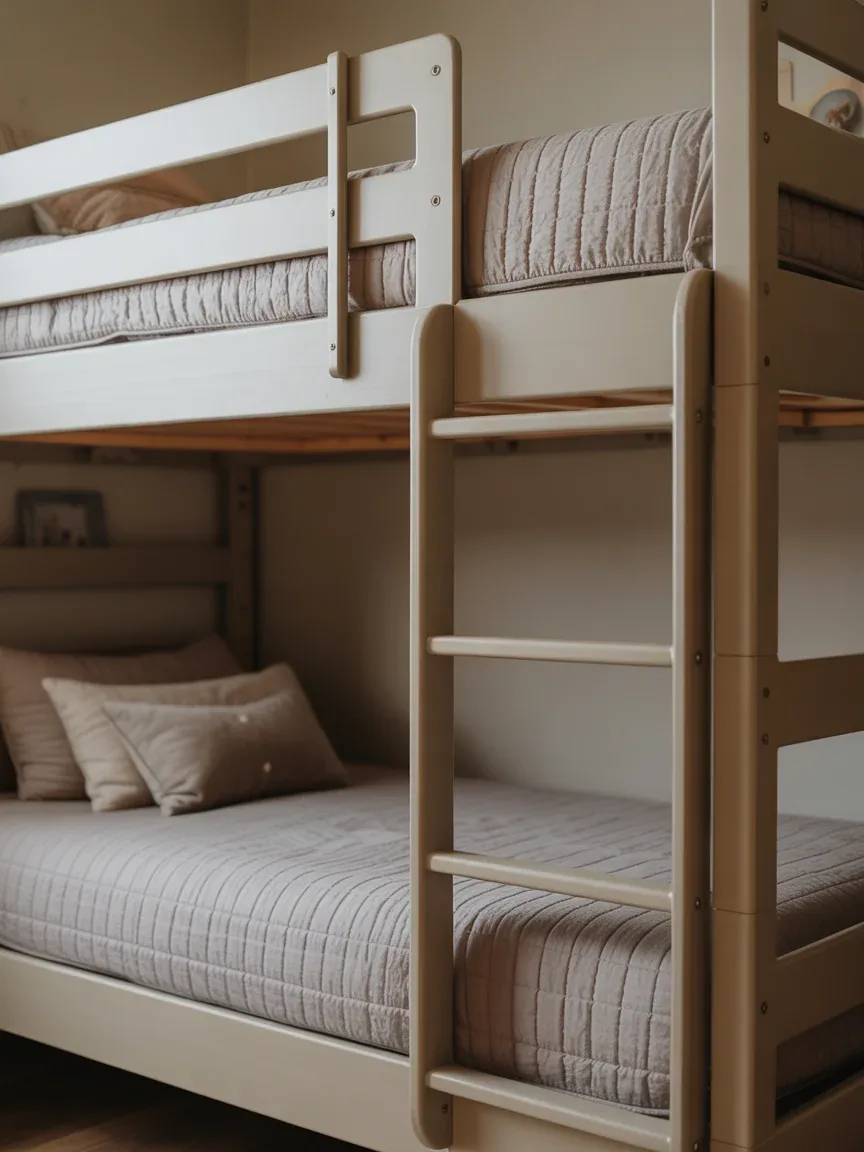
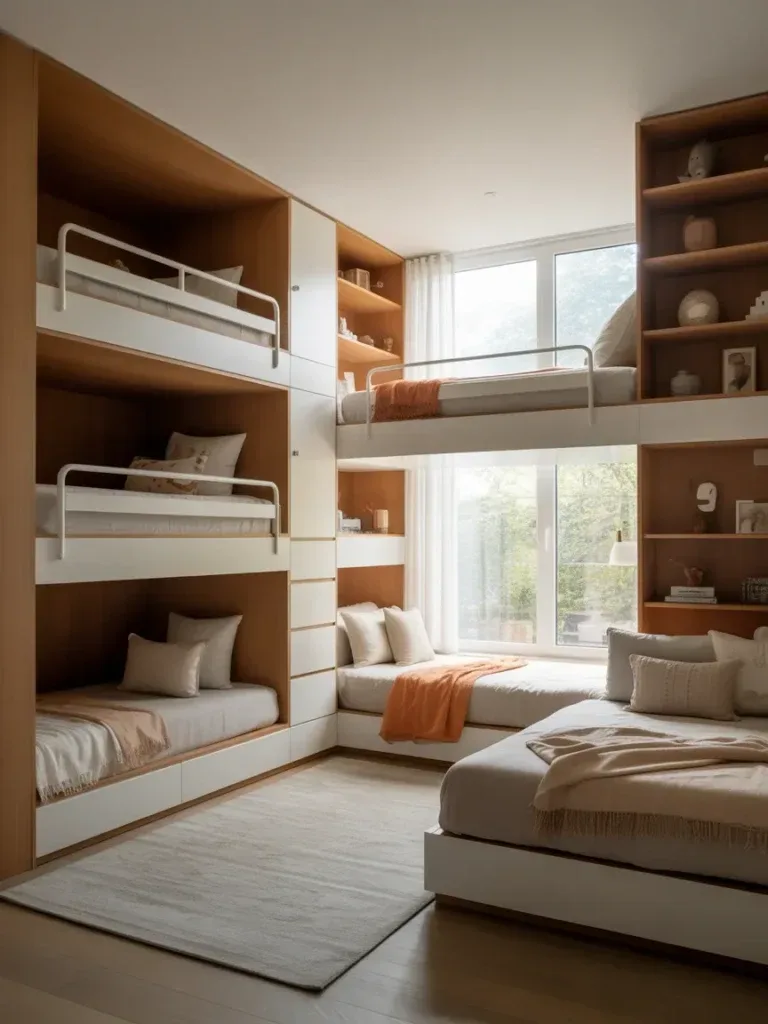
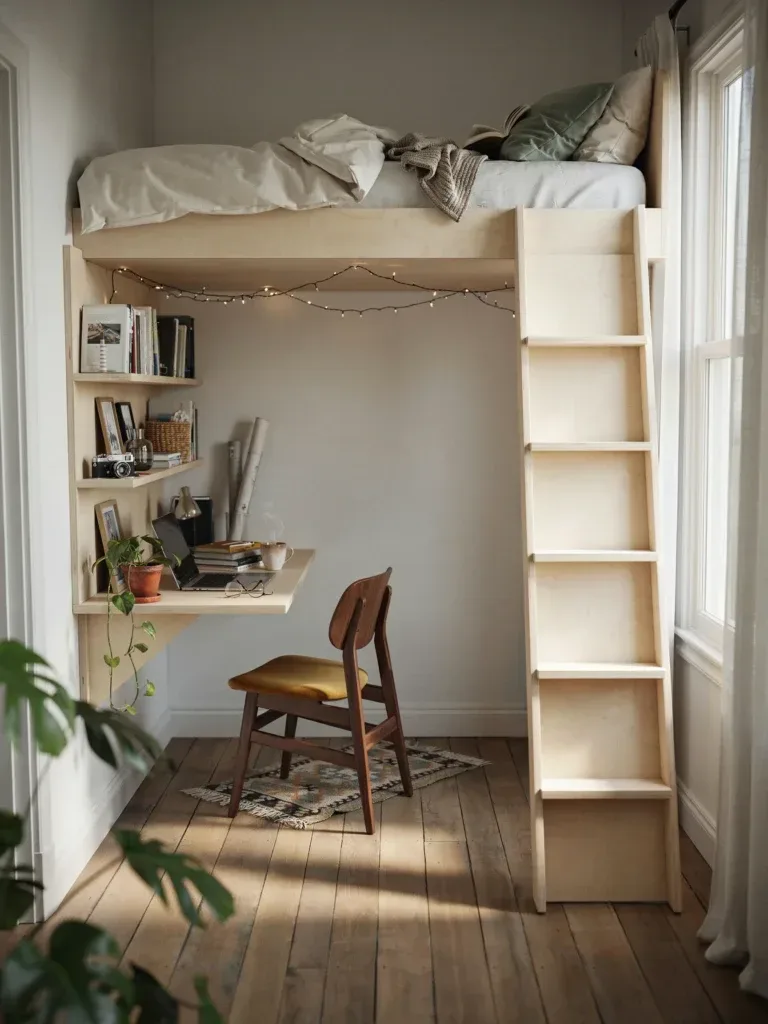
Bunk beds aren’t just for cramped kids’ rooms anymore. They’ve evolved into smart, stylish solutions that can actually make your space feel bigger (yes, really). Whether you’re dealing with a shoebox-sized bedroom or a roomy layout that still needs flexibility, there’s a bunk setup that fits. Let’s break down the best bunk bed ideas for every room size—without the boring design lecture. Why Bunk Beds Are the Ultimate Space Hack Let’s be honest—floor space is precious. And bunk beds? They’re basically real estate geniuses. You stack sleeping areas vertically, which instantly frees up room for desks, storage, or just breathing space. That’s a win whether you’re designing for kids, guests, or even yourself. Photo by Patrick Robert Doyle on Unsplash Plus, modern designs don’t scream “summer camp.” Think sleek built-ins, hidden beds, and loft setups that look straight out of a Pinterest board. Built-In Bunk Beds: Custom, Clean, and Crazy Efficient If you want that polished, “this room was designed by a pro” look, built-ins are your best bet. These beds integrate directly into the walls or cabinetry, making everything feel seamless. No awkward gaps, no wasted corners—just clean lines and maximum efficiency. Photo by Mike Winkler on Unsplash Why People Love Built-Ins Perfect for small rooms where every inch counts Adds built-in storage like drawers or shelves Feels permanent and high-end When They Make the Most Sense Built-ins shine in: Shared kids’ rooms Vacation homes Narrow or oddly shaped spaces The only downside? You commit. You can’t just move them around on a whim, so make sure your layout works long-term. Lofted Bunk Beds: Open Space Meets Smart Design Lofted beds flip the bunk concept on its head—literally. Instead of stacking two beds, you lift one and use the space underneath. Photo by benjamin lehman on Unsplash And honestly, this setup feels like unlocking a cheat code for small rooms. What Goes Underneath? That’s where things get fun: A study desk setup for productivity A cozy reading nook or lounge area Extra storage or even a mini wardrobe Who Should Consider Lofted Beds? Teens who need both sleep and study zones Adults in studio apartments (yes, it works) Anyone trying to maximize vertical space IMO, lofted beds offer the best balance between function and style. Photo by Mike Winkler on Unsplash Hidden Bunk Beds: The Ultimate Space Illusion Now we’re getting fancy. Hidden bunk beds—also called Murphy bunks or fold-away beds—disappear when you don’t need them. It’s like your room has a secret identity. How They Work Fold into the wall or a cabinet Slide out from behind panels Sometimes even convert from sofas or shelving units Why They’re Worth It Ideal for multi-purpose rooms Keeps your space looking clean and uncluttered Perfect for guests without dedicating a full room If you love minimalism or just hate visual clutter, this option feels like magic. Photo by Pierre Blaché on Unsplash Bunk Beds for Tiny Rooms (Yes, Even Yours) Think your room is too small for bunk beds? Nope. You just need smarter designs. Go Vertical or Go Home Choose tall, slim frames Use wall-mounted ladders or stairs Add built-in shelves to eliminate extra furniture Keep It Light Stick to light colors to avoid a cramped feel Use open frames instead of bulky designs Tiny rooms benefit the most from bunk beds—you just have to avoid heavy, clunky styles. Medium-Sized Rooms: More Flexibility, More Fun Now we’re talking options. With a bit more space, you can play around with layout and functionality. Mix and Match Features Combine a bunk with a workspace or seating area Add stairs with built-in storage (bonus points for organization) Try L-shaped bunks for a more open layout Medium rooms let you balance style and practicality without sacrificing comfort. Large Rooms: Make Bunk Beds a Statement Got space to spare? Great—now make your bunk beds the star of the show. Design Ideas That Stand Out Floor-to-ceiling built-ins with lighting Double bunk setups for sleepovers or big families Luxury finishes like wood paneling or upholstered frames Don’t Waste the Space Even in large rooms, bunk beds help create zones: Sleeping Lounging Playing or working Instead of empty corners, you get a purpose-driven layout that still looks amazing. Safety and Comfort: Don’t Skip This Part Okay, quick reality check. Cool design means nothing if the bed feels unsafe or uncomfortable. Key Things to Look For Sturdy railings on top bunks Easy-to-climb ladders or stairs Good mattress support (no sagging, please) Who Gets the Top Bunk? Classic rule: older kids (or the most coordinated person) take the top. It’s just common sense. Also, don’t forget ceiling height. Nobody wants to sit up and smack their head first thing in the morning. FAQ Are bunk beds only for kids? Not at all. Adults use lofted and hidden bunk beds all the time, especially in small apartments. The designs today look way more sophisticated than the ones you remember. What’s the safest type of bunk bed? Built-in and low-profile bunks tend to feel the most stable. Just make sure you get solid construction and proper guardrails. Can bunk beds work in a small room? Absolutely. In fact, they work best there. Choose vertical designs and avoid bulky frames to keep the space feeling open. Are hidden bunk beds expensive? They can cost more upfront because of the mechanism and installation. But if you need a multi-functional space, they’re worth every penny. How much ceiling height do I need? Ideally, you want at least 2–3 feet of clearance above the top bunk. That way, no one feels cramped or hits their head. What’s better: ladder or stairs? Stairs win for comfort and safety, especially for kids. But ladders save space, so it depends on your room size. Conclusion Bunk beds have come a long way from their basic, clunky beginnings. Whether you go for built-in, lofted, or hidden designs, you can transform any room into something smarter and more functional. The trick? Match the style to your space and your lifestyle. Small room? Go vertical. Multi-use space? Hide it. Want a polished look? Build it in. At the end of the day, the best bunk bed isn’t just about sleeping—it’s about making your space actually work for you.
Bunk beds aren’t just for cramped kids’ rooms anymore. They’ve evolved into smart, stylish solutions that can actually make your space feel bigger (yes, really). Whether you’re dealing with a shoebox-sized bedroom or a roomy layout that still needs flexibility, there’s a bunk setup that fits. Let’s break down the best bunk bed ideas for every room size—without the boring design lecture.
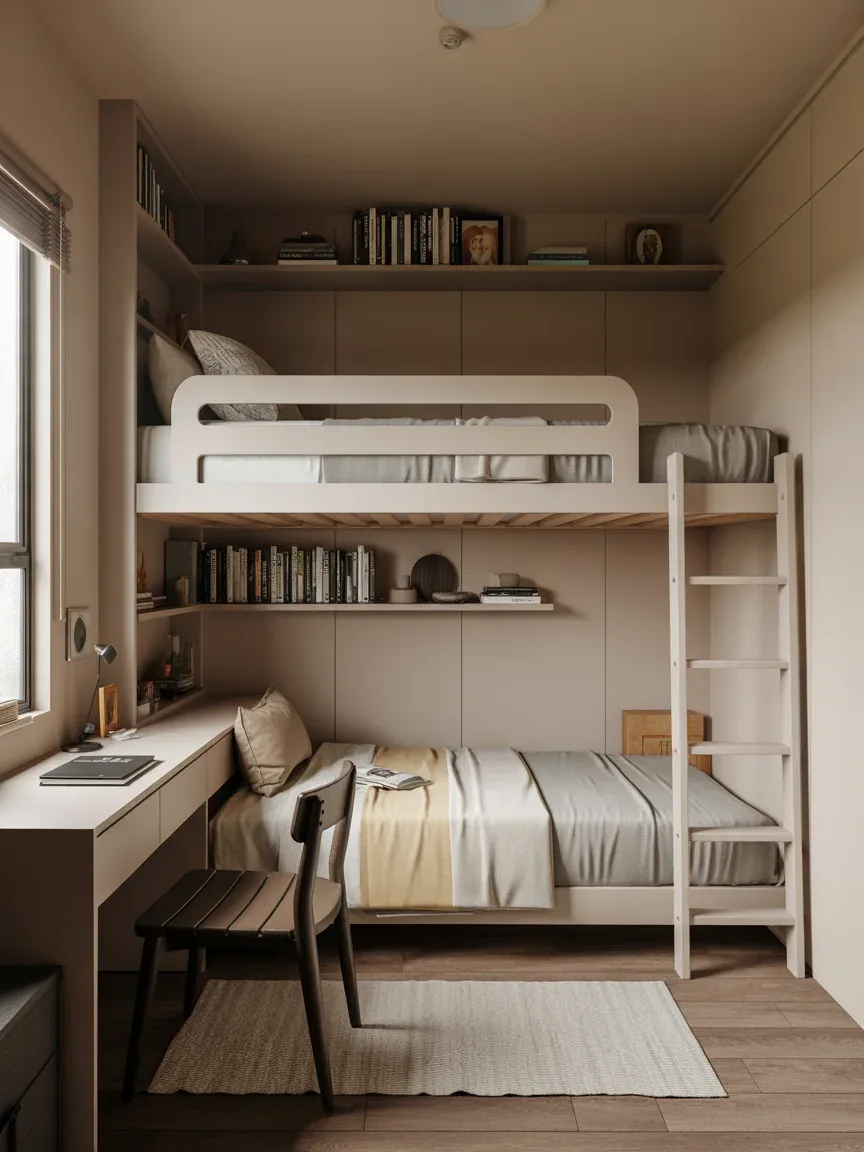
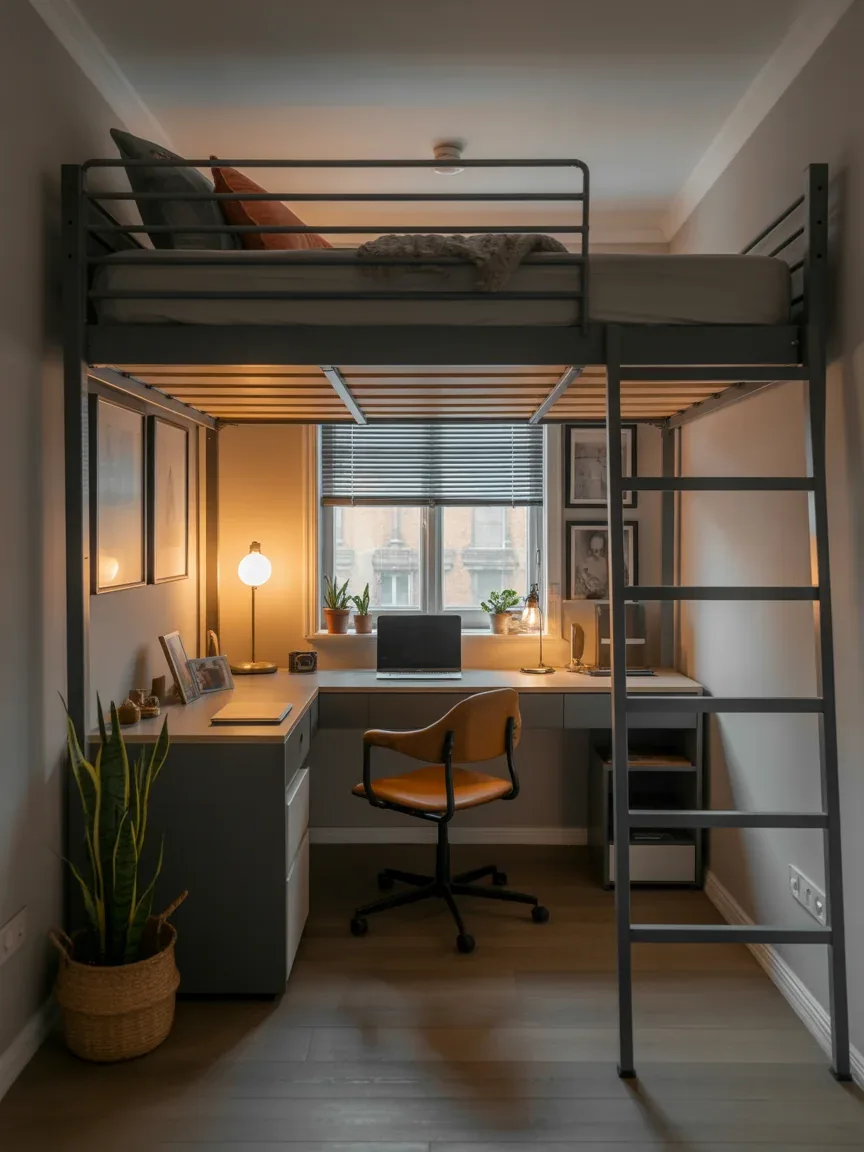
You stack sleeping areas vertically, which instantly frees up room for desks, storage, or just breathing space. That’s a win whether you’re designing for kids, guests, or even yourself.
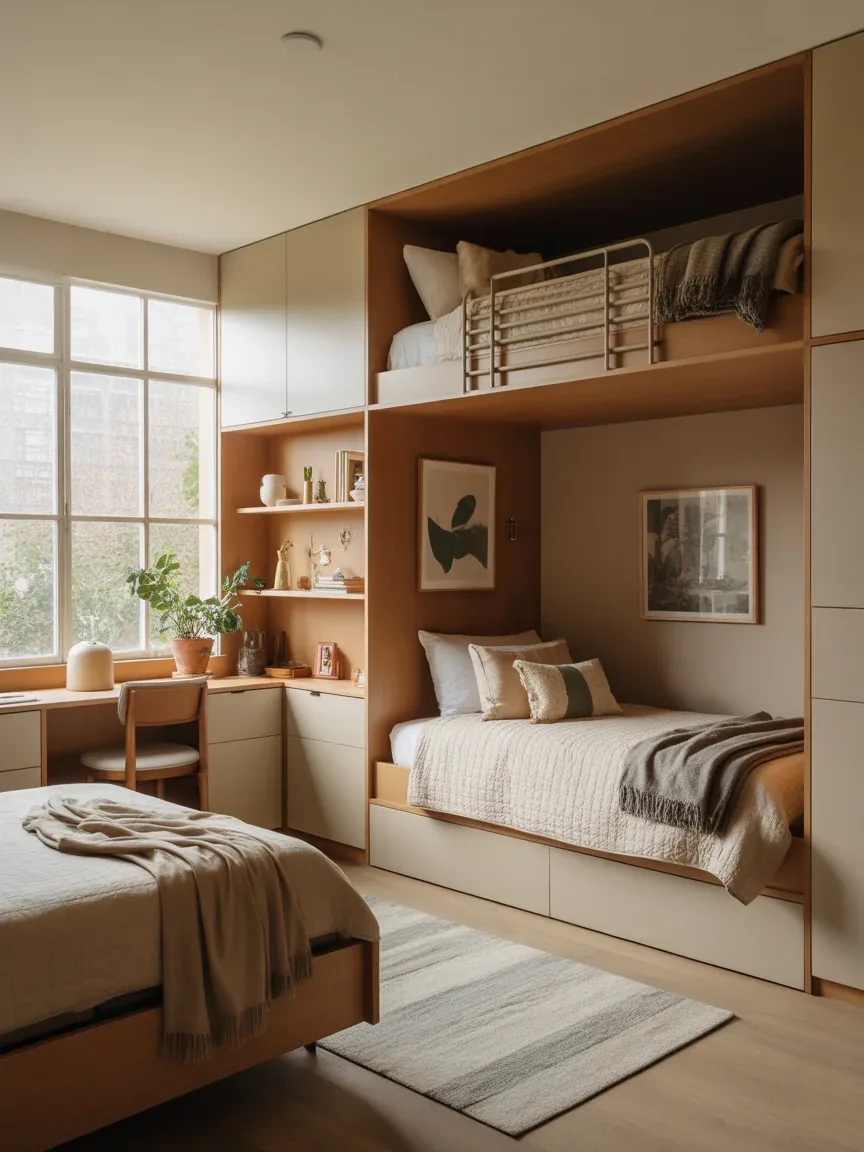
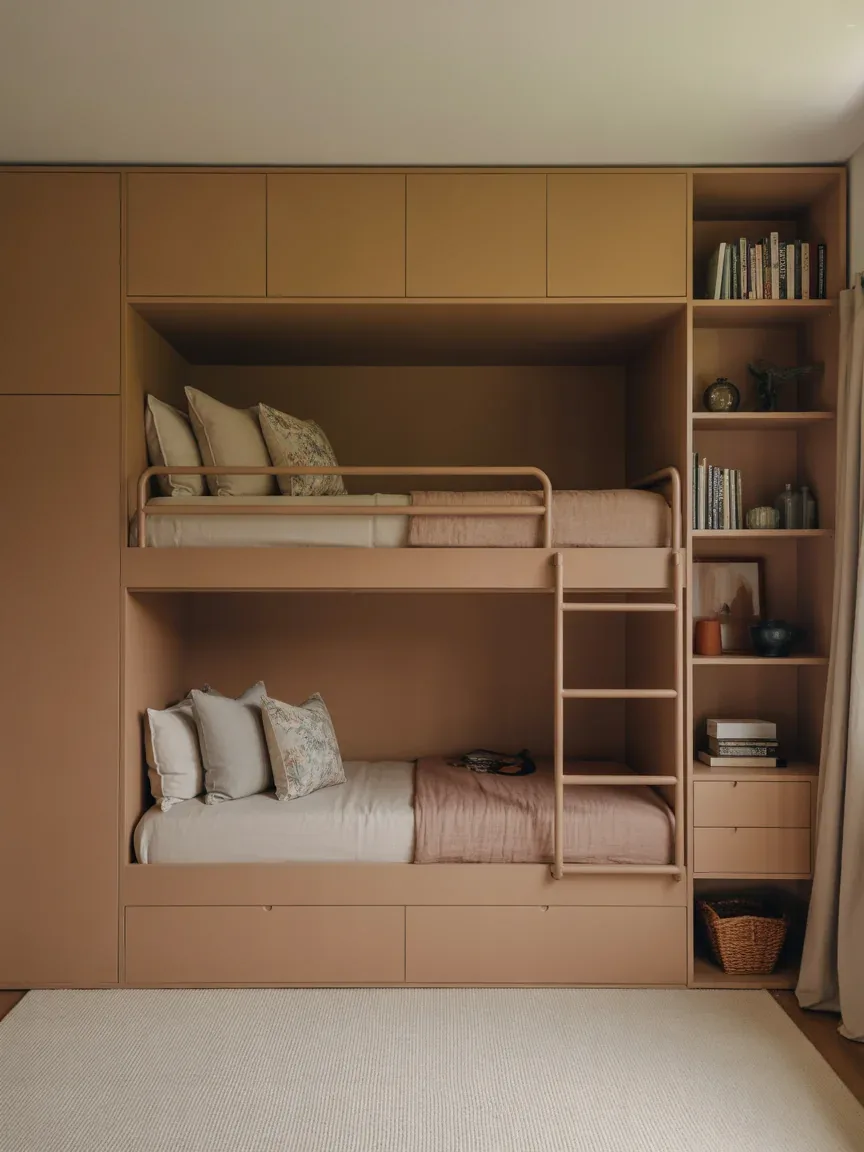
If you want that polished, “this room was designed by a pro” look, built-ins are your best bet.
These beds integrate directly into the walls or cabinetry, making everything feel seamless. No awkward gaps, no wasted corners—just clean lines and maximum efficiency.
Okay, quick reality check. Cool design means nothing if the bed feels unsafe or uncomfortable.
Key Things to Look For
Sturdy railings on top bunks
Easy-to-climb ladders or stairs
Good mattress support (no sagging, please)
Who Gets the Top Bunk?
Classic rule: older kids (or the most coordinated person) take the top. It’s just common sense.
Also, don’t forget ceiling height. Nobody wants to sit up and smack their head first thing in the morning.
FAQ
Are bunk beds only for kids?
Not at all. Adults use lofted and hidden bunk beds all the time, especially in small apartments. The designs today look way more sophisticated than the ones you remember.
What’s the safest type of bunk bed?
Built-in and low-profile bunks tend to feel the most stable. Just make sure you get solid construction and proper guardrails.
Can bunk beds work in a small room?
Absolutely. In fact, they work best there. Choose vertical designs and avoid bulky frames to keep the space feeling open.
Are hidden bunk beds expensive?
They can cost more upfront because of the mechanism and installation. But if you need a multi-functional space, they’re worth every penny.
How much ceiling height do I need?
Ideally, you want at least 2–3 feet of clearance above the top bunk. That way, no one feels cramped or hits their head.
What’s better: ladder or stairs?
Stairs win for comfort and safety, especially for kids. But ladders save space, so it depends on your room size.
Conclusion
Bunk beds have come a long way from their basic, clunky beginnings. Whether you go for built-in, lofted, or hidden designs, you can transform any room into something smarter and more functional.
The trick? Match the style to your space and your lifestyle. Small room? Go vertical. Multi-use space? Hide it. Want a polished look? Build it in.
At the end of the day, the best bunk bed isn’t just about sleeping—it’s about making your space actually work for you.
Listen to this article 10 10 0:00 / 0:00 Speed 0.75×1×1.25×1.5×2× A bathroom can be more than the place where you brush your teeth while half-awake and question your life choices in the mirror. With the right paint color, it can actually feel like a mini retreat—a place where the stress melts off before your…
Listen to this article 10 10 0:00 / 0:00 Speed 0.75×1×1.25×1.5×2× Bunk beds aren’t just for summer camps and chaotic siblings anymore. They’ve officially leveled up into sleek, stylish, and seriously clever design features. Whether you’re dealing with a tiny room or just want to maximize every inch, these ideas prove you don’t have to…
Listen to this article 10 10 0:00 / 0:00 Speed 0.75×1×1.25×1.5×2× Small bedrooms can feel like a daily game of Tetris. You need a place to sleep, store your stuff, work, relax, and somehow still leave room to walk without bumping into furniture. That’s where a DIY loft bed comes to the rescue. A well-built…
Listen to this article 10 10 0:00 / 0:00 Speed 0.75×1×1.25×1.5×2× I often find open plan kitchen living rooms transform how you use your home, blending cooking, eating and relaxing into one sociable space that fits modern UK life. You’ll discover practical guidance on planning, layout and styling to make an open plan scheme work for your household and your…
Listen to this article 10 10 0:00 / 0:00 Speed 0.75×1×1.25×1.5×2× Some bedrooms look stylish but feel cold. Others feel cozy but lack personality. The magic of a mid-century eclectic bedroom comes from mixing the best of both worlds: retro charm, modern comfort, and just enough unexpected detail to make the space feel uniquely yours….
Listen to this article 10 10 0:00 / 0:00 Speed 0.75×1×1.25×1.5×2× There’s a specific kind of relief that comes from walking into a well-designed bedroom after a long day. Good modern bedroom interiors aren’t about cold minimalism or showroom perfection — they’re about warmth, function, and just enough personality to make the space feel like…