They want practical, stylish ideas to shape every room in a seven-bedroom home, and this article guides those choices with clear design direction. You will find approachable inspiration that balances color, lighting, storage, furniture, and textiles so each bedroom feels purposeful and personal. They will explore nature-inspired palettes, layered lighting, built-in shelving, and mixes of modern minimalism and cozy fabrics, plus tips for textured accent walls and smart layouts for compact rooms. The focus stays on key design principles and simple ways to personalize every space. Table of Contents1) Nature-inspired color palettes with earthy tones2) Multilayered lighting combining ambient and task lights3) Incorporating built-in shelving for organized storage4) Mixing modern minimalist furniture with cozy textiles5) Soft, breathable bedding in natural fabrics like linen6) Accent walls with textured wallpapers or wood panels7) Compact furniture layouts for maximizing small spacesKey Design Principles for 7 Bedroom HomesMaximizing Functional SpaceEnsuring Cohesive Interior FlowLighting Strategies for Large ResidencesPersonalizing Each BedroomIntegrating Themes and Color PalettesIncorporating Custom Storage Solutions 1) Nature-inspired color palettes with earthy tones They choose palettes drawn from soil, stone, and foliage—clay terracotta, warm taupe, muted olive, and soft sand. These hues anchor a bedroom and create a calm, grounded atmosphere without feeling flat. Layering matters: a chalky white wall, a moss-green throw, and walnut furniture add depth and keep the scheme balanced. Texture—linen, woven baskets, and matte ceramics—enhances the natural feel and prevents monotony. MIULEE 100% Blackout Linen Textured Curtains for Bedroom Solid Th… SIZE & MATERIAL:Set includes 2 panels blackout curtains(52″ Wide by 84″ Long). Each panel has 8 grommets.The interior di… BLACKOUT CURTAINS: Thermal insulated blackout curtains could block 100% light out to darken your room completely.Suitabl… TRIPE WEAVE TECHNOLOGY:We adopt tripe weave technology to make material. With the help of this technology, curtains coul… $27.74 Buy on Amazon Light affects how earth tones read, so they test samples in morning and evening light. Cooler mornings can make greens appear brighter, while evening light warms up reds and browns. They pair earthy tones with limited accents—charcoal, muted blue, or ochre—to add interest and guide the eye. The result feels intentional and restful, suitable for a bedroom focused on comfort and quiet elegance. Vanselia Ceramic Flower Vase Home Decor – Large Tall Farmhouse Ta… 【Perfect Size】Measuring 6.3 inches wide and 12 inches high, ideal for both fresh and artificial flowers. 【Handcrafted & Rich in Texture】Featuring intricate detailing and a rich texture, this large vase complements a variety o… 【Waterproof & Versatile】Featuring a waterproof interior, tall ceramic vase can hold water for fresh flowers or display f… $34.99 Buy on Amazon 2) Multilayered lighting combining ambient and task lights They should start with a reliable ambient layer that provides even, general illumination for the whole bedroom. A dimmable ceiling fixture or recessed lights let them set a comfortable base brightness for different times of day. They can add task lights where specific activities occur, such as bedside reading, dressing, or working. Adjustable wall sconces, swing-arm lamps, or directed LED strips concentrate light exactly where it’s needed without overlighting the room. Combining both layers gives flexibility: ambient light establishes mood, while task light delivers function. They can program scenes or use separate switches so one layer can operate independently of the other. Keep color temperature consistent between layers to avoid visual clash; warm-white tones around 2700–3000K usually feel cozy in bedrooms. Position task lights to minimize glare and shadows, and choose fixtures that complement the room’s style for a cohesive look. Govee 32.8ft White LED Strip Lights, 6500K Dimmable LED Light Str… Illuminate Every Corner: Comes with 2 rolls of 16.4ft LED light strips, 600 daylight white LEDs, it boasts bright 6500K … Dim to Desired Level: 6 levels of brightness allow you to safely adjust your LED lights for various occasions. Simply us… Set up in Minutes: Simply stick the LED light strip on clean, dry surface for use. Cutting design enables you to trim it… Buy on Amazon 3) Incorporating built-in shelving for organized storage Built-in shelving makes efficient use of wall space and reduces the need for extra furniture. It creates a streamlined look that helps a bedroom feel less cluttered. They can be tailored to fit niches, alcoves, or full walls, which maximizes storage without sacrificing floor area. Adjustable shelves accommodate changing needs, from books to folded linens or decorative items. Integrated drawers or cabinets at lower levels hide everyday items and keep surfaces tidy. Open shelves above display personal touches while preserving easy access. Careful placement of lighting prevents deep shelves from becoming dark and hard to reach. A simple LED strip or recessed puck lights improve visibility and highlight objects without adding bulk. Custom finishes and consistent trim tie built-ins into the room’s architectural style. When planned well, built-in shelving boosts storage capacity and enhances the bedroom’s overall design. OIAHOMY Storage Basket, Woven Baskets for Storage, Cotton Rope Ba… cotton Multifunctional Storage Basket:13″x9.85″x8.7″inch, large capacity, convenient to store more daily necessities.Our basket… High Quality Cotton Rope Woven: Woven cotton thread is very soft and don’t damage your floors and furniture. Seamless de… $24.69 Buy on Amazon 4) Mixing modern minimalist furniture with cozy textiles They place clean-lined, low-profile furniture as a neutral framework to keep the room feeling open and orderly. Simple shapes and restrained finishes provide visual calm and make textiles the focal point. They soften the minimalist base with layered textiles—throws, area rugs, and oversized pillows—to add warmth without clutter. Natural fibers like linen, cotton, and wool introduce texture and tactile comfort while staying true to a pared-back palette. They balance scale by pairing sleek nightstands or a platform bed with a chunky knit throw or boucle accent chair. Contrast in texture creates depth, so a matte wood or metal frame looks intentional next to plush fabrics. They use color sparingly: warm neutrals or muted tones enhance coziness while preserving minimalism. Strategic placement of textiles—at the foot of the bed, a reading nook, or across a bench—keeps the look curated and functional. 5) Soft, breathable bedding in natural fabrics like linen They choose linen and other natural fibers for breathability and a relaxed, lived-in look. Linen wicks moisture, regulates temperature, and softens with each wash without losing durability. Layering works well: a crisp cotton percale sheet, a linen duvet cover, and a lightweight wool or knit throw add texture and function. These combinations balance warmth and airflow, making the bed comfortable year-round. Neutral, earthy tones enhance a calm atmosphere while allowing patterns or colors in pillows to stand out. Natural dyes and undyed fibers also reduce chemical finishes, which some people prefer for sensitive skin. Maintenance remains simple—air drying or gentle machine cycles preserve fibers and texture. They should rotate and wash bedding according to manufacturer guidelines to maintain appearance and performance. 6) Accent walls with textured wallpapers or wood panels They add depth and personality without overwhelming the room. Textured wallpaper introduces pattern and tactile interest while staying relatively quick to install. Wood panels bring warmth and architectural presence that works well behind a bed. Simple horizontal planks create a modern, calming backdrop; geometric or three-dimensional panels add drama and shadow. They pair easily with neutral bedding and minimal decor to let the wall remain a focal point. Designers often use accent pillows, a slim console, or a single large artwork to complement the texture without clutter. Installation choices affect budget and finish; peel-and-stick wallpapers offer a rental-friendly option, while solid wood or engineered panels require more time and tools. Either approach elevates the bedroom’s character and supports a range of styles from rustic to contemporary. 7) Compact furniture layouts for maximizing small spaces They prioritize multifunctional pieces like platform beds with built-in storage and desks that fold away when not in use. These choices free floor space and reduce visual clutter without sacrificing comfort. He or she should place larger pieces against walls to open circulation paths and create a clear center zone. Angling a slim dresser or mounting shelves above the bed uses vertical space while keeping the floor clear. They can layer lighting—task lights for work areas and softer fixtures by the bed—to define zones without bulky partitions. Mirrors and light, consistent color palettes amplify the sense of space without altering the layout. Choose furniture with exposed legs or slim profiles to make the room feel airier. Every piece should earn its place: storage ottomans, wall-mounted nightstands, and narrow wardrobes deliver function in a compact footprint. Key Design Principles for 7 Bedroom Homes A successful seven-bedroom layout prioritizes efficient circulation, clear zoning, and layered lighting to serve multiple household functions. Thoughtful room sizing, scalable storage, and intentional placement of shared spaces keep daily life manageable for large or multi-generational households. Maximizing Functional Space They should size bedrooms to match their use: primary suites at 180–250 sq ft, guest rooms at 120–140 sq ft, and flexible bedrooms (home office or nursery) around 100–120 sq ft. Place closets or built-ins in every bedroom to avoid ad hoc furniture that clutters circulation paths. Use dual-purpose rooms to reduce wasted space. Examples: a bedroom with a built-in desk and fold-down bed for occasional guests, or a bunk-room with integrated storage and study nooks for children. Locate a laundry on the bedroom level to cut long carrying routes and add a utility sink for quick cleanups. Plan vertical storage and utility zones—linen closets near baths, attic access for seasonal items, and a centralized mechanical closet. Keep corridors wide enough for furniture moves: 42–48 inches minimum in primary circulation routes. Ensuring Cohesive Interior Flow They should group private spaces and social spaces into clear zones to reduce cross-traffic. Stack primary bedrooms and secondary bedrooms on quieter sides of the house; place the kitchen and family room where they can access the backyard and dining easily. Create transition spaces that signal a change in function: a small landing, foyer, or visual material change. These improve wayfinding and privacy without adding square footage. Use sightlines to connect major spaces while maintaining acoustical separation—partial walls, pocket doors, and glass transoms work well. Design circulation loops to avoid dead-end hallways. A simple loop between kitchen, dining, and living areas keeps daily flow efficient. For multi-generational plans, include a private suite with its own entry or adjacent living alcove to enhance independence. Lighting Strategies for Large Residences They should layer lighting: general (recessed or cove), task (under-cabinet, bedside), and accent (wall washers, picture lights). Place dimmers on main circuits to adapt rooms for activity, sleep, or gatherings, saving energy and improving comfort. Maximize natural light with well-placed windows and clerestories. For deep plans, add light wells or interior courtyards to bring daylight into central zones. Use glazing with appropriate solar control—low-E coatings or overhangs—to reduce glare and heat gain. Pay attention to nighttime safety and ambiance. Install continuous path lighting in corridors and stairs, and provide separate circuits for outside security and porch lighting. Specify uniform color temperature across connected spaces (2700–3000K for living areas, slightly cooler for task zones) to maintain visual harmony. Personalizing Each Bedroom Personal touches should reflect daily routines, storage needs, and aesthetic preferences. Thoughtful color choices and built-in storage make each room more functional and expressive. Integrating Themes and Color Palettes They should select a dominant color and two supporting shades to anchor the room. For example, a navy primary with warm beige and brass accents creates depth; a sage green primary with cream and matte black hardware produces a calm, modern feel. Use the dominant color on one wall, bedding, or a large rug to avoid overwhelming the space. Texture matters as much as hue. Layer linen curtains, a wool throw, and a low-pile rug to add tactile contrast without adding visual clutter. Limit patterned pieces to one or two elements—such as a patterned pillow and artwork—to keep the theme coherent. Lighting defines color perception. Install adjustable warm-white overheads and add task lamps with color-correcting bulbs by the bed or desk. They should test paint and fabric samples at different times of day to confirm the palette reads as intended. Incorporating Custom Storage Solutions They should prioritize custom storage that matches room dimensions and daily habits. Built-in wardrobes with adjustable shelving and full-height drawers use vertical space efficiently in small rooms. For a loft or low-ceiling space, shallow wall-mounted cabinets and under-bed drawers maximize capacity without blocking sightlines. Create zones: clothing, work, and relaxation. A bedside drawer with a charging tray keeps nightly essentials organized. A small desk module with cable management keeps work items contained and easy to hide. Choose finishes that integrate with the room’s palette—matte laminate for a modern look or stained wood for warmth. Hardware should be consistent (same finish on handles and hooks) to maintain visual order. Design for accessibility: pull-out shelves, soft-close drawers, and labeled bins reduce friction and keep the personalized system functioning long-term.
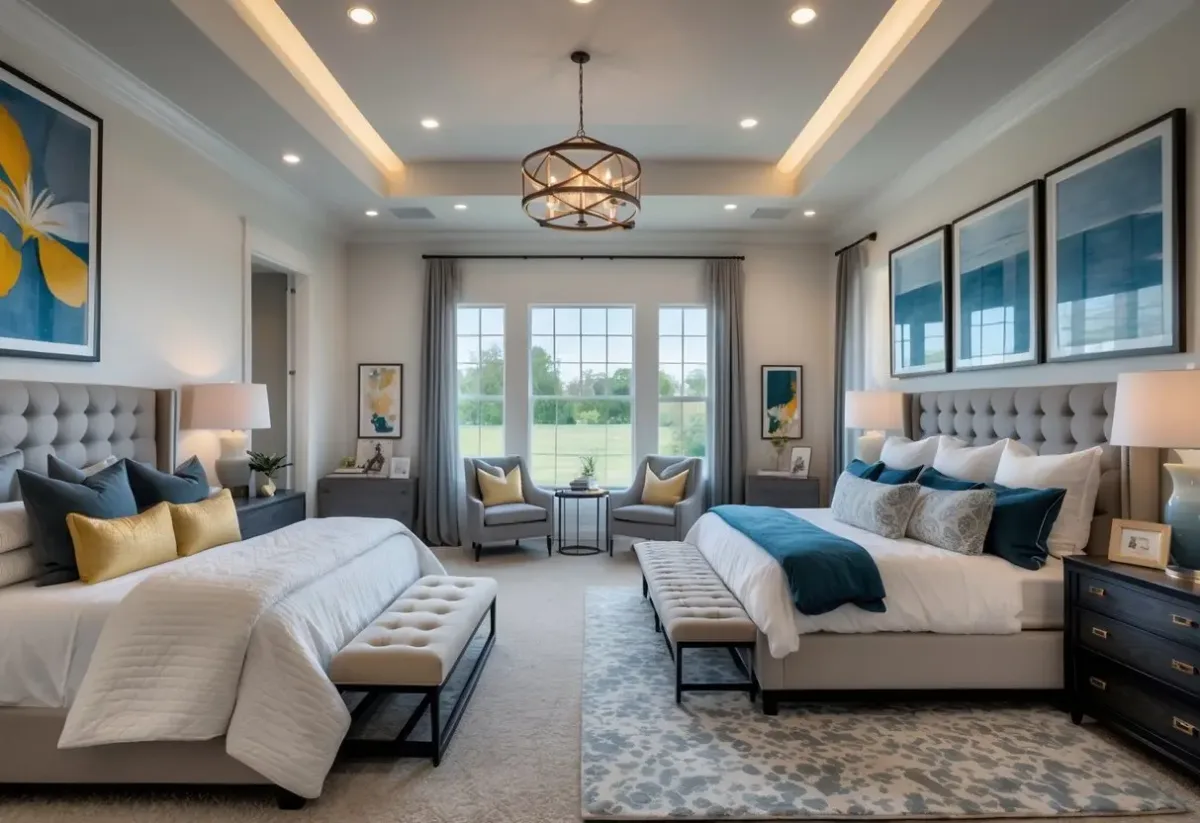
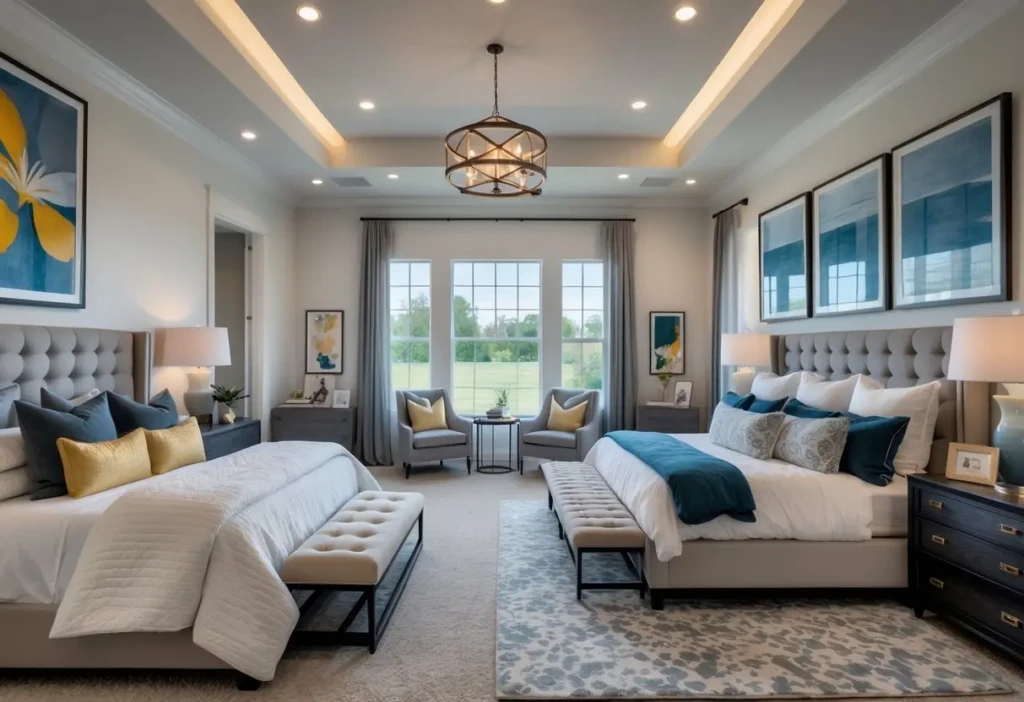
They want practical, stylish ideas to shape every room in a seven-bedroom home, and this article guides those choices with clear design direction. You will find approachable inspiration that balances color, lighting, storage, furniture, and textiles so each bedroom feels purposeful and personal.
They will explore nature-inspired palettes, layered lighting, built-in shelving, and mixes of modern minimalism and cozy fabrics, plus tips for textured accent walls and smart layouts for compact rooms. The focus stays on key design principles and simple ways to personalize every space.
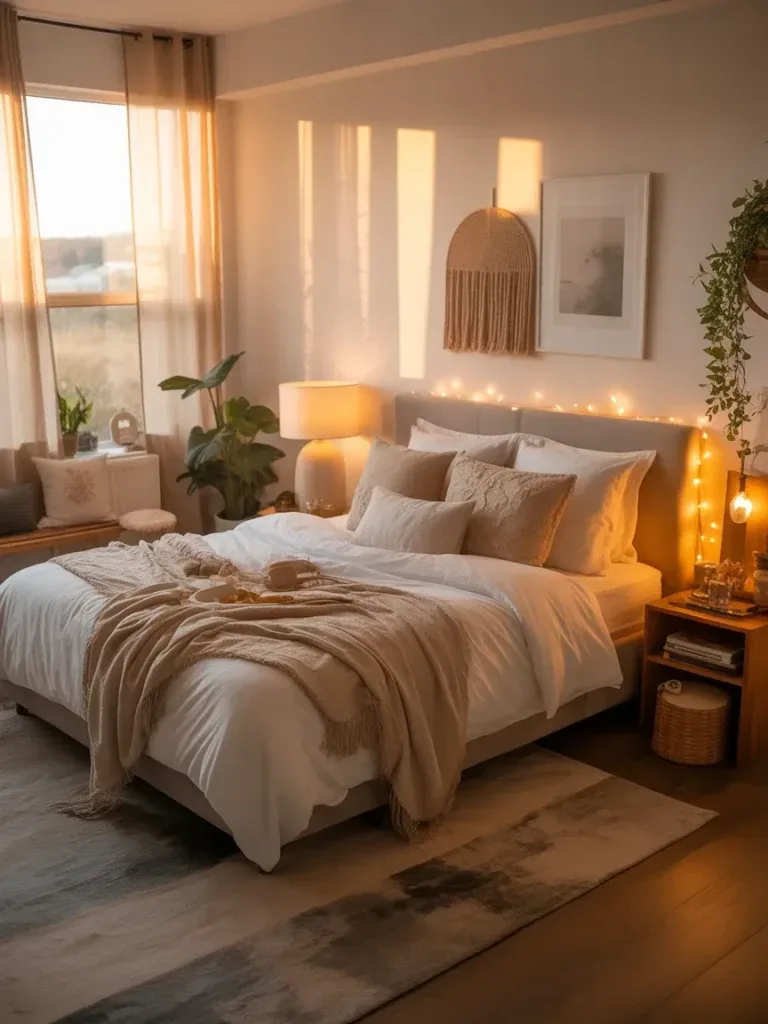
They choose palettes drawn from soil, stone, and foliage—clay terracotta, warm taupe, muted olive, and soft sand. These hues anchor a bedroom and create a calm, grounded atmosphere without feeling flat.
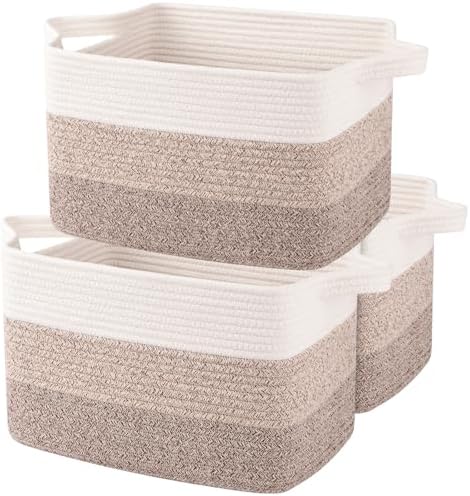
Layering matters: a chalky white wall, a moss-green throw, and walnut furniture add depth and keep the scheme balanced. Texture—linen, woven baskets, and matte ceramics—enhances the natural feel and prevents monotony.
Light affects how earth tones read, so they test samples in morning and evening light. Cooler mornings can make greens appear brighter, while evening light warms up reds and browns.
They pair earthy tones with limited accents—charcoal, muted blue, or ochre—to add interest and guide the eye. The result feels intentional and restful, suitable for a bedroom focused on comfort and quiet elegance.
They should start with a reliable ambient layer that provides even, general illumination for the whole bedroom. A dimmable ceiling fixture or recessed lights let them set a comfortable base brightness for different times of day.
They can add task lights where specific activities occur, such as bedside reading, dressing, or working. Adjustable wall sconces, swing-arm lamps, or directed LED strips concentrate light exactly where it’s needed without overlighting the room.
Combining both layers gives flexibility: ambient light establishes mood, while task light delivers function. They can program scenes or use separate switches so one layer can operate independently of the other.
Keep color temperature consistent between layers to avoid visual clash; warm-white tones around 2700–3000K usually feel cozy in bedrooms. Position task lights to minimize glare and shadows, and choose fixtures that complement the room’s style for a cohesive look.
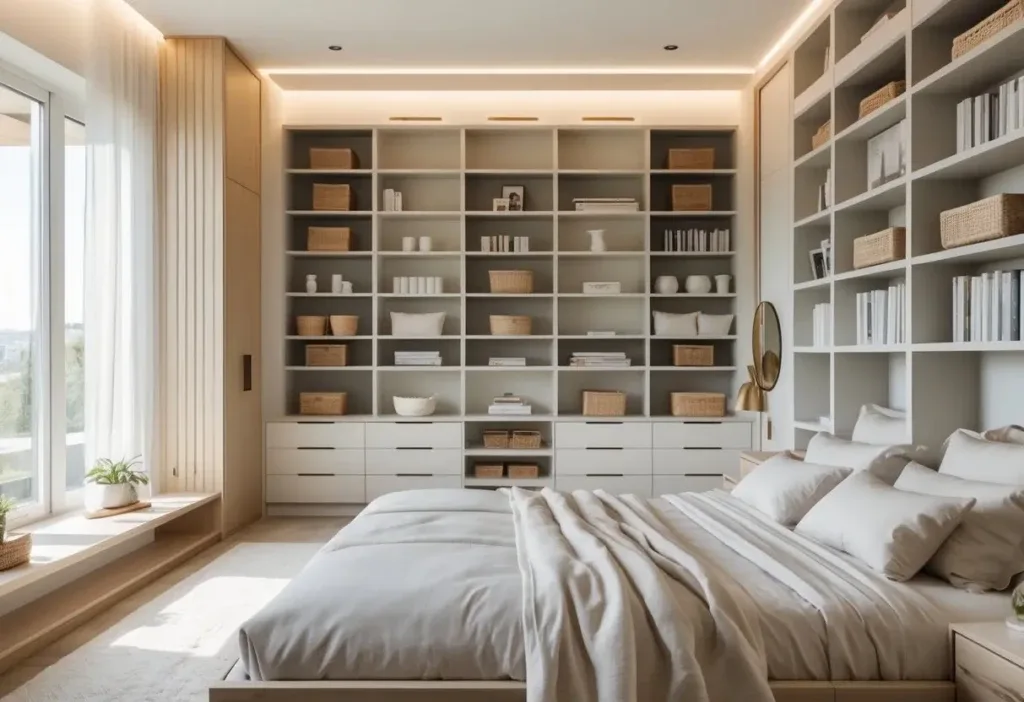
Built-in shelving makes efficient use of wall space and reduces the need for extra furniture. It creates a streamlined look that helps a bedroom feel less cluttered.
They can be tailored to fit niches, alcoves, or full walls, which maximizes storage without sacrificing floor area. Adjustable shelves accommodate changing needs, from books to folded linens or decorative items.
Integrated drawers or cabinets at lower levels hide everyday items and keep surfaces tidy. Open shelves above display personal touches while preserving easy access.
Careful placement of lighting prevents deep shelves from becoming dark and hard to reach. A simple LED strip or recessed puck lights improve visibility and highlight objects without adding bulk.
Custom finishes and consistent trim tie built-ins into the room’s architectural style. When planned well, built-in shelving boosts storage capacity and enhances the bedroom’s overall design.
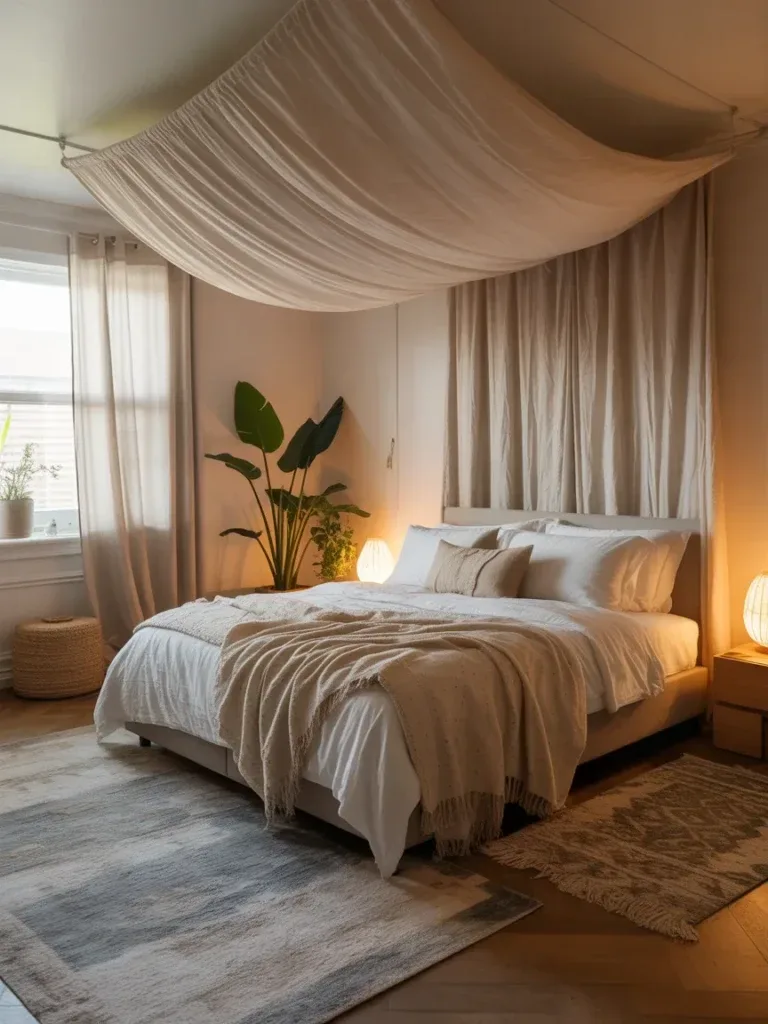
They place clean-lined, low-profile furniture as a neutral framework to keep the room feeling open and orderly. Simple shapes and restrained finishes provide visual calm and make textiles the focal point.
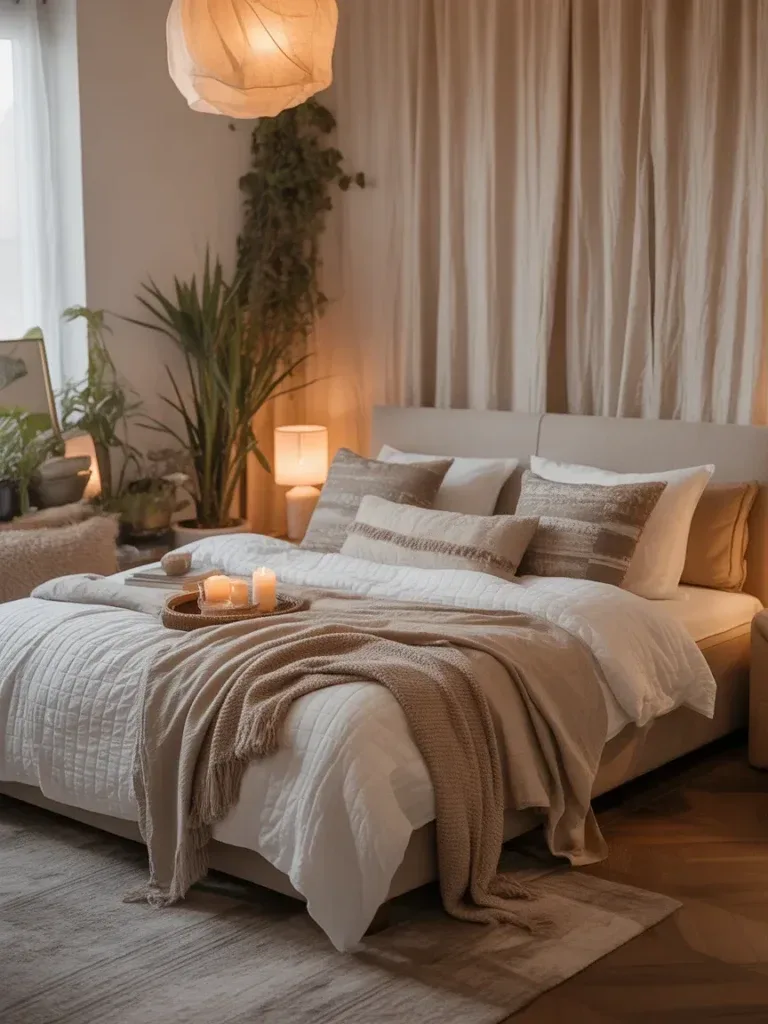
They soften the minimalist base with layered textiles—throws, area rugs, and oversized pillows—to add warmth without clutter. Natural fibers like linen, cotton, and wool introduce texture and tactile comfort while staying true to a pared-back palette.
They balance scale by pairing sleek nightstands or a platform bed with a chunky knit throw or boucle accent chair. Contrast in texture creates depth, so a matte wood or metal frame looks intentional next to plush fabrics.
They use color sparingly: warm neutrals or muted tones enhance coziness while preserving minimalism. Strategic placement of textiles—at the foot of the bed, a reading nook, or across a bench—keeps the look curated and functional.
5) Soft, breathable bedding in natural fabrics like linen
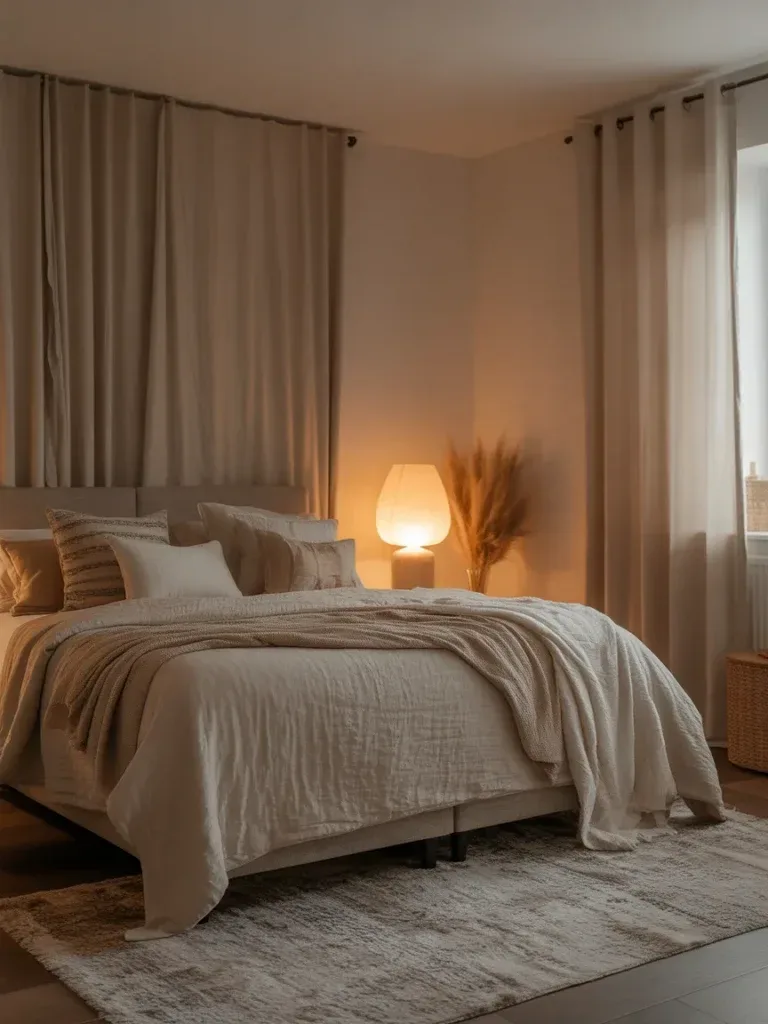
They choose linen and other natural fibers for breathability and a relaxed, lived-in look. Linen wicks moisture, regulates temperature, and softens with each wash without losing durability.
Layering works well: a crisp cotton percale sheet, a linen duvet cover, and a lightweight wool or knit throw add texture and function. These combinations balance warmth and airflow, making the bed comfortable year-round.
Neutral, earthy tones enhance a calm atmosphere while allowing patterns or colors in pillows to stand out. Natural dyes and undyed fibers also reduce chemical finishes, which some people prefer for sensitive skin.
Maintenance remains simple—air drying or gentle machine cycles preserve fibers and texture. They should rotate and wash bedding according to manufacturer guidelines to maintain appearance and performance.
6) Accent walls with textured wallpapers or wood panels
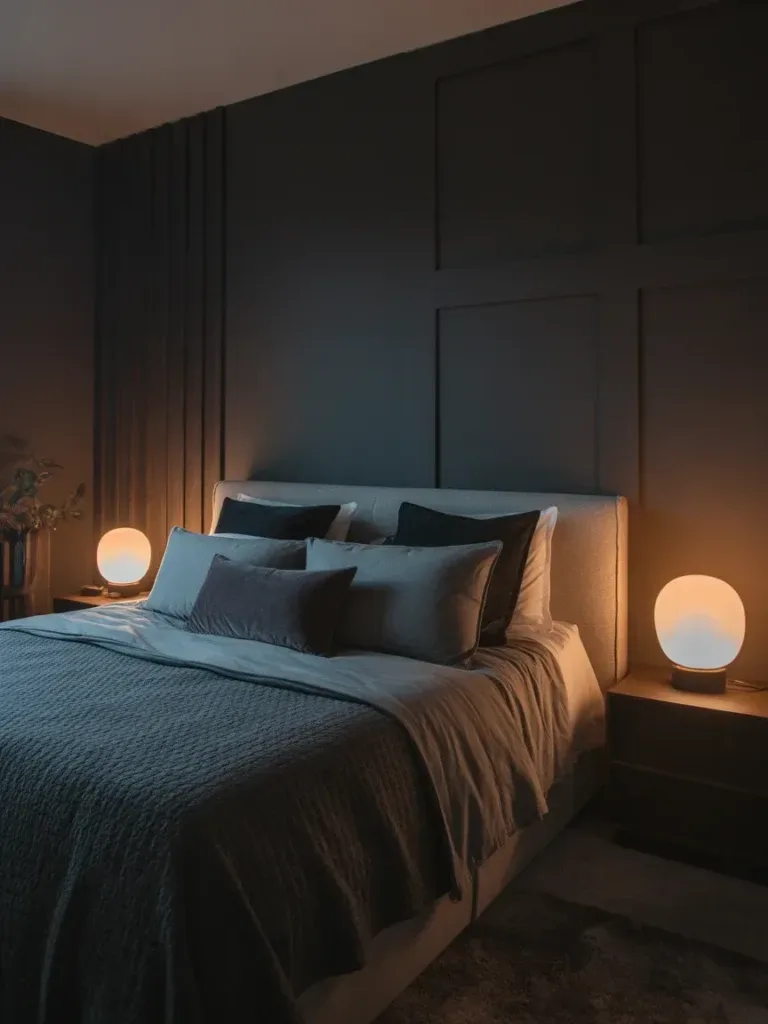
They add depth and personality without overwhelming the room. Textured wallpaper introduces pattern and tactile interest while staying relatively quick to install.
Wood panels bring warmth and architectural presence that works well behind a bed. Simple horizontal planks create a modern, calming backdrop; geometric or three-dimensional panels add drama and shadow.
They pair easily with neutral bedding and minimal decor to let the wall remain a focal point. Designers often use accent pillows, a slim console, or a single large artwork to complement the texture without clutter.
Installation choices affect budget and finish; peel-and-stick wallpapers offer a rental-friendly option, while solid wood or engineered panels require more time and tools. Either approach elevates the bedroom’s character and supports a range of styles from rustic to contemporary.
7) Compact furniture layouts for maximizing small spaces
They prioritize multifunctional pieces like platform beds with built-in storage and desks that fold away when not in use. These choices free floor space and reduce visual clutter without sacrificing comfort.
He or she should place larger pieces against walls to open circulation paths and create a clear center zone. Angling a slim dresser or mounting shelves above the bed uses vertical space while keeping the floor clear.
They can layer lighting—task lights for work areas and softer fixtures by the bed—to define zones without bulky partitions. Mirrors and light, consistent color palettes amplify the sense of space without altering the layout.
Choose furniture with exposed legs or slim profiles to make the room feel airier. Every piece should earn its place: storage ottomans, wall-mounted nightstands, and narrow wardrobes deliver function in a compact footprint.
A successful seven-bedroom layout prioritizes efficient circulation, clear zoning, and layered lighting to serve multiple household functions. Thoughtful room sizing, scalable storage, and intentional placement of shared spaces keep daily life manageable for large or multi-generational households.
Maximizing Functional Space
They should size bedrooms to match their use: primary suites at 180–250 sq ft, guest rooms at 120–140 sq ft, and flexible bedrooms (home office or nursery) around 100–120 sq ft. Place closets or built-ins in every bedroom to avoid ad hoc furniture that clutters circulation paths.
Use dual-purpose rooms to reduce wasted space. Examples: a bedroom with a built-in desk and fold-down bed for occasional guests, or a bunk-room with integrated storage and study nooks for children. Locate a laundry on the bedroom level to cut long carrying routes and add a utility sink for quick cleanups.
Plan vertical storage and utility zones—linen closets near baths, attic access for seasonal items, and a centralized mechanical closet. Keep corridors wide enough for furniture moves: 42–48 inches minimum in primary circulation routes.
Ensuring Cohesive Interior Flow
They should group private spaces and social spaces into clear zones to reduce cross-traffic. Stack primary bedrooms and secondary bedrooms on quieter sides of the house; place the kitchen and family room where they can access the backyard and dining easily.
Create transition spaces that signal a change in function: a small landing, foyer, or visual material change. These improve wayfinding and privacy without adding square footage. Use sightlines to connect major spaces while maintaining acoustical separation—partial walls, pocket doors, and glass transoms work well.
Design circulation loops to avoid dead-end hallways. A simple loop between kitchen, dining, and living areas keeps daily flow efficient. For multi-generational plans, include a private suite with its own entry or adjacent living alcove to enhance independence.
Lighting Strategies for Large Residences
They should layer lighting: general (recessed or cove), task (under-cabinet, bedside), and accent (wall washers, picture lights). Place dimmers on main circuits to adapt rooms for activity, sleep, or gatherings, saving energy and improving comfort.
Maximize natural light with well-placed windows and clerestories. For deep plans, add light wells or interior courtyards to bring daylight into central zones. Use glazing with appropriate solar control—low-E coatings or overhangs—to reduce glare and heat gain.
Pay attention to nighttime safety and ambiance. Install continuous path lighting in corridors and stairs, and provide separate circuits for outside security and porch lighting. Specify uniform color temperature across connected spaces (2700–3000K for living areas, slightly cooler for task zones) to maintain visual harmony.
Personalizing Each Bedroom
Personal touches should reflect daily routines, storage needs, and aesthetic preferences. Thoughtful color choices and built-in storage make each room more functional and expressive.
Integrating Themes and Color Palettes
They should select a dominant color and two supporting shades to anchor the room. For example, a navy primary with warm beige and brass accents creates depth; a sage green primary with cream and matte black hardware produces a calm, modern feel. Use the dominant color on one wall, bedding, or a large rug to avoid overwhelming the space.
Texture matters as much as hue. Layer linen curtains, a wool throw, and a low-pile rug to add tactile contrast without adding visual clutter. Limit patterned pieces to one or two elements—such as a patterned pillow and artwork—to keep the theme coherent.
Lighting defines color perception. Install adjustable warm-white overheads and add task lamps with color-correcting bulbs by the bed or desk. They should test paint and fabric samples at different times of day to confirm the palette reads as intended.
Incorporating Custom Storage Solutions
They should prioritize custom storage that matches room dimensions and daily habits. Built-in wardrobes with adjustable shelving and full-height drawers use vertical space efficiently in small rooms. For a loft or low-ceiling space, shallow wall-mounted cabinets and under-bed drawers maximize capacity without blocking sightlines.
Create zones: clothing, work, and relaxation. A bedside drawer with a charging tray keeps nightly essentials organized. A small desk module with cable management keeps work items contained and easy to hide.
Choose finishes that integrate with the room’s palette—matte laminate for a modern look or stained wood for warmth. Hardware should be consistent (same finish on handles and hooks) to maintain visual order. Design for accessibility: pull-out shelves, soft-close drawers, and labeled bins reduce friction and keep the personalized system functioning long-term.
Listen to this article 10 10 0:00 / 0:00 Speed 0.75×1×1.25×1.5×2× Fairy lights have this sneaky way of turning even the most basic bedroom into something straight out of a dream. One minute it’s just your bed and a wall, and the next—it’s a cozy, glowing escape you never want to leave. If your room…
Listen to this article 10 10 0:00 / 0:00 Speed 0.75×1×1.25×1.5×2× Your bedroom should feel like a hug at the end of a long day—not a cold, uninspired box. If it doesn’t make you want to flop onto the bed immediately, something’s off. The good news? You don’t need a full makeover or a massive…
Listen to this article 10 10 0:00 / 0:00 Speed 0.75×1×1.25×1.5×2× Your bedroom should feel like a hug at the end of a long day. Not just a place to sleep, but a space that instantly melts stress the second you walk in. Think soft textures, warm lighting, and that “I never want to leave”…
Listen to this article 10 10 0:00 / 0:00 Speed 0.75×1×1.25×1.5×2× Ever walk into a bedroom and instantly feel calmer, like your shoulders just drop on their own? That’s the vibe we’re chasing here. Cozy doesn’t mean boring—it means layered, personal, and just the right amount of dreamy. Whether you love soft neutrals or bold…
Listen to this article 10 10 0:00 / 0:00 Speed 0.75×1×1.25×1.5×2× Ready to turn your bedroom into the kind of place you never want to leave? We’re talking soft lighting, layered textures, and that “just five more minutes” feeling—every single night. These ideas aren’t just pretty; they’re seriously livable. Let’s build your coziest sleep space…
Listen to this article 10 10 0:00 / 0:00 Speed 0.75×1×1.25×1.5×2× Craving a bedroom that feels like a warm hug after a long day? Dark, moody spaces do exactly that—when done right. Think less “gloomy cave” and more “luxury retreat you never want to leave.” These ideas lean into rich tones, layered textures, and cozy…