9 Master Bedrooms Decor Cozy Relaxing: Calm, Cozy Bedrooms You’Ll Love
Cozy and relaxing get thrown around a lot in bedroom design, but they’re not the same target. Cozy is about texture and warmth — the stuff you touch. Relaxing is about what your nervous system does the second you walk in: light, sound, clutter, air. A good master bedroom does both, and most bedrooms that feel “off” are only missing one or two of the nine things below, not all of them.
Quick Takeaways
- Layer at least three different textures on the bed — one flat, one plush, one knit or woven.
- Keep your palette to 2–3 main tones; let the wood, not the wall color, add warmth.
- Dimmer switches and warm-white bulbs (2700K–3000K) do more for “cozy” than any decor purchase.
- A separate seating nook, even a single chair, changes how the whole room functions — not just how it looks.
- Personal items should feel curated, not displayed — three well-placed pieces beat a shelf of ten.
1. Layer Textures Like You Mean It
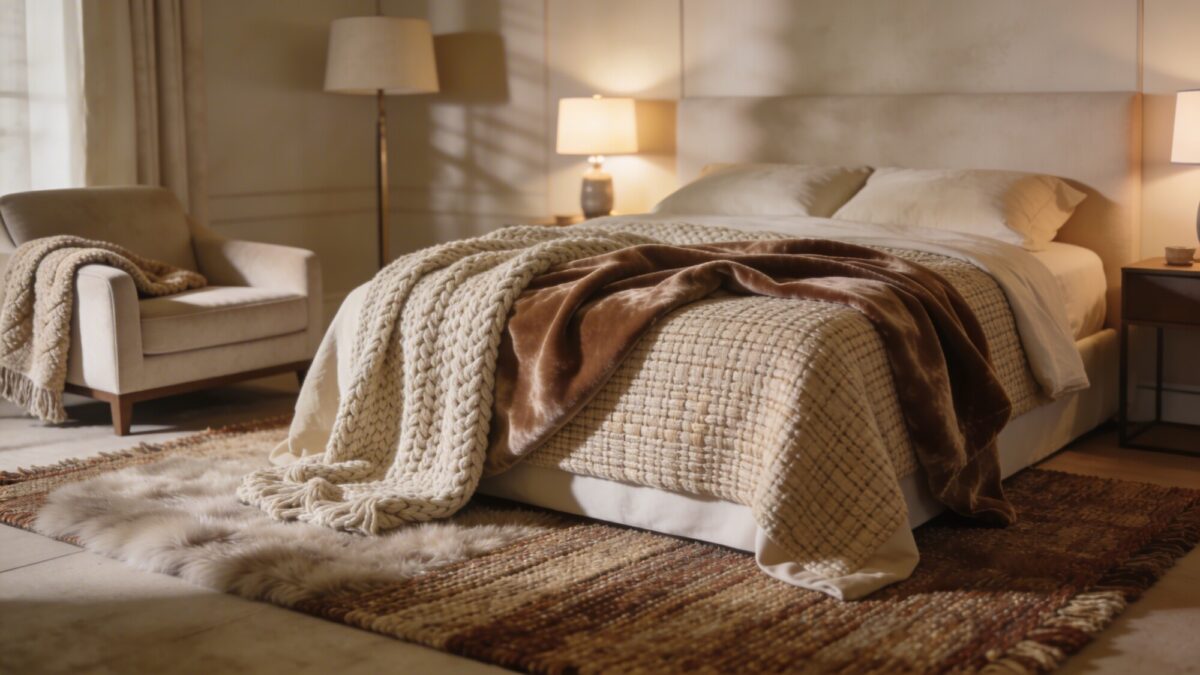
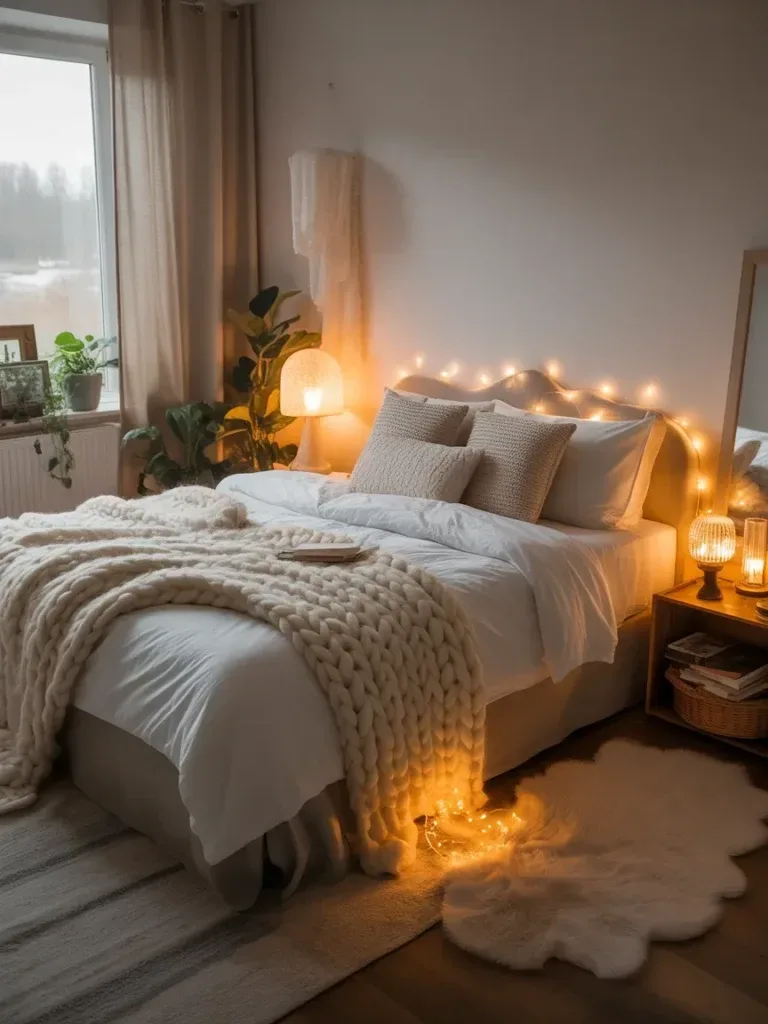
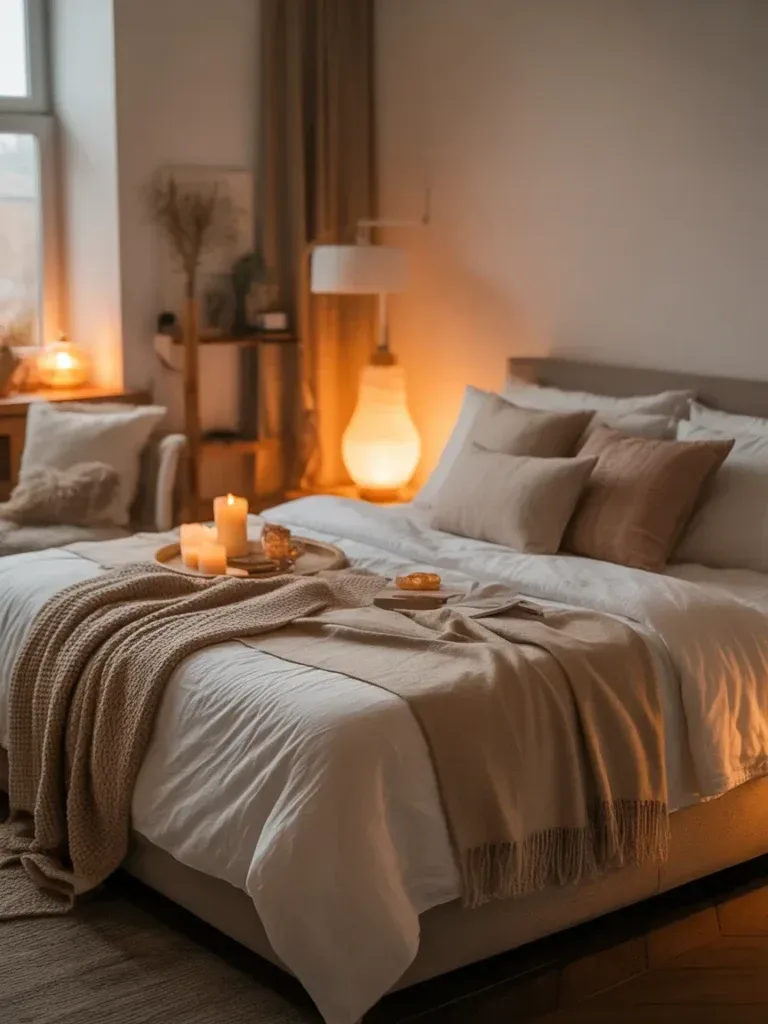
A cozy bedroom needs texture variety more than it needs more stuff. One flat weave (your sheets), one plush layer (a duvet or velvet throw), and one knit or woven piece (a chunky throw blanket or a textured rug) is enough — you don’t need five different fabrics competing on one bed.
The mistake I see most is people matching every texture in tone but forgetting to vary the texture itself, so the bed ends up looking flat in photos even though it’s soft in person. Put a nubby knit throw against a smooth velvet pillow and the contrast alone reads as “considered” rather than “matching set purchased together.”
2. Pick a Calming Palette and Actually Stick to It
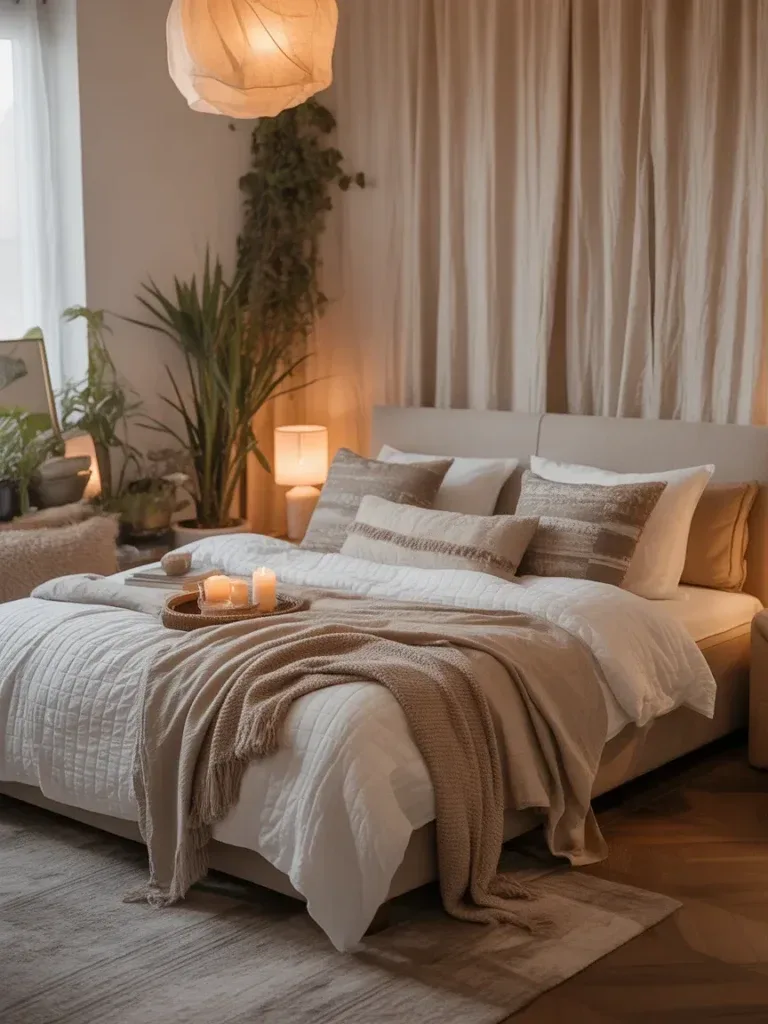
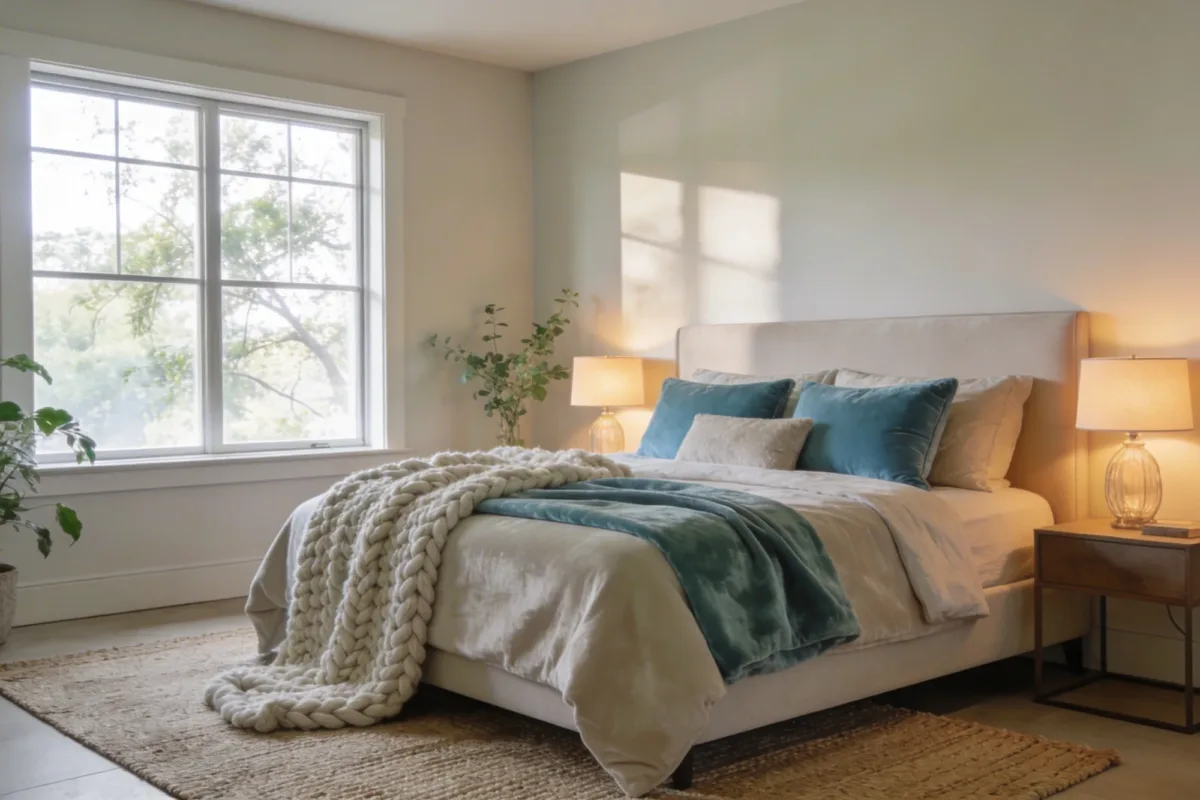
Color sets the tone before anyone notices a single object in the room. Soft neutrals, sage or olive greens, and dusty blues read as calm because they’re desaturated — none of them shout for attention on their own.
Keep it to 2–3 main tones and let accessories carry any additional color, rather than repainting a wall every time you want variety. This is also where the neutral bedroom aesthetic and the Scandinavian-leaning look overlap — if you’ve seen the term makuuhuoneen sisustus skandinaavinen in Finnish design searches, it’s describing this same restraint: light wood, muted tone, nothing competing for the eye. Natural light should guide the shade you pick, too — a north-facing room with cooler light can go warmer on the walls to balance it out, while a south-facing room with strong afternoon sun can handle a cooler, more muted tone without feeling cold.
3. Make the Bed the Actual Star
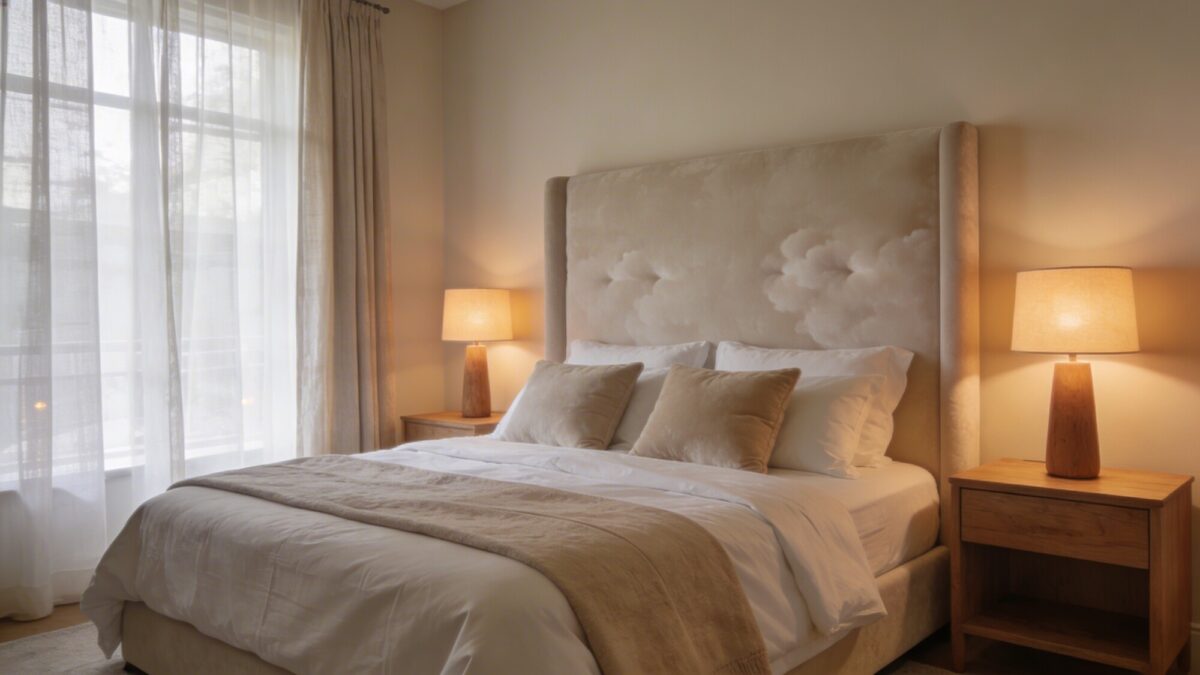
Everything else in this list supports the bed — it shouldn’t compete with it. A tall upholstered headboard in linen or a similar matte fabric anchors the wall behind it, and a king bed especially needs that visual weight, or the headboard reads as too small for the frame.
Sheets matter more than most people budget for. A well-woven percale or sateen in a mid-range thread count sleeps better and looks crisper over years of washing than an inflated thread-count sheet made from short-staple cotton. Pair that with a mattress that actually matches your sleep style — side sleepers generally want more give at the shoulder and hip than back sleepers do — and the “hotel bed” feeling follows without needing to buy anything decorative at all.
4. Get the Lighting Layers Right
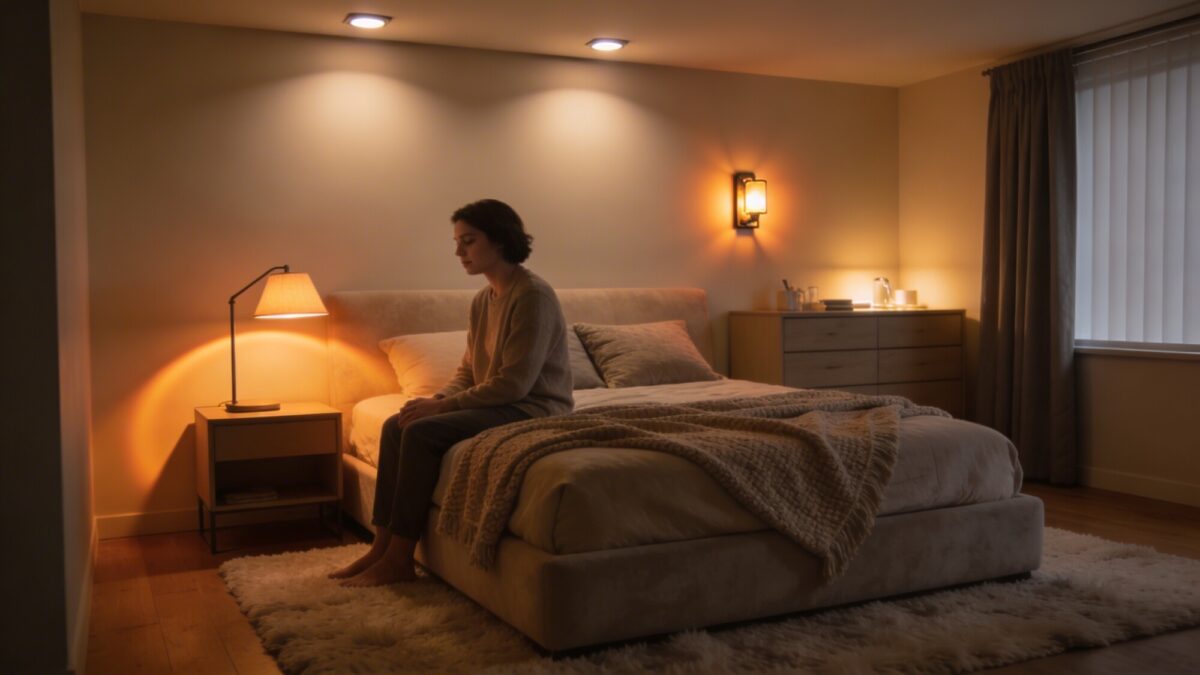
Lighting is the fastest, cheapest fix on this whole list, and it’s the one people skip because it doesn’t show up well in a single before-and-after photo. What actually matters:
- Dimmer switches on your main ceiling light or recessed cans
- Warm LED bulbs in the 2700K–3000K range — anything cooler starts to feel clinical rather than cozy
- A soft, adjustable table lamp or wall sconce for reading that doesn’t wash out the whole room
Use the warm, dim setting in the evening and a brighter, more neutral light for getting dressed or doing makeup in the morning. If you only fix one thing from this whole article, put your main light on a dimmer — it’s usually a $15–20 part and an hour of work if you’re comfortable with basic electrical, or a quick job for an electrician if you’re not.
5. Storage That Doesn’t Undercut the Warmth
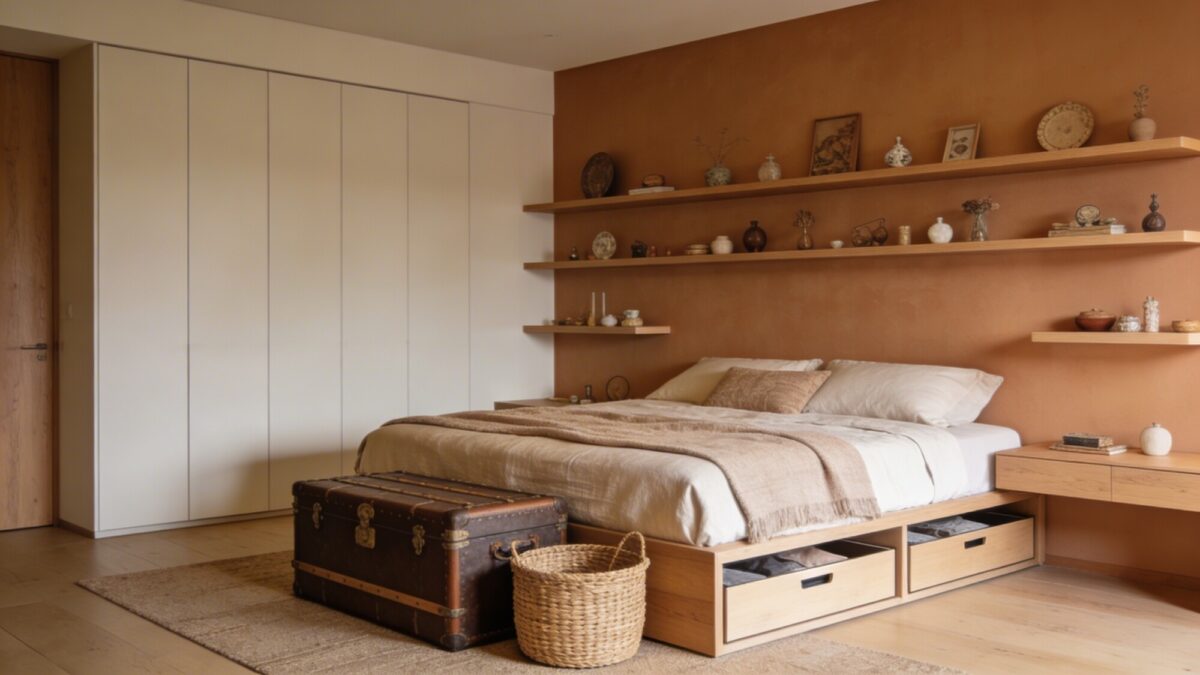
Clutter is the fastest way to turn a well-decorated bedroom back into a stressful one, no matter how good the color palette or the sheets are. Under-bed drawers or baskets handle seasonal items without eating closet space. A trunk or woven basket at the foot of the bed is both storage and a design element — it doesn’t read as “storage” the way a plastic bin would.
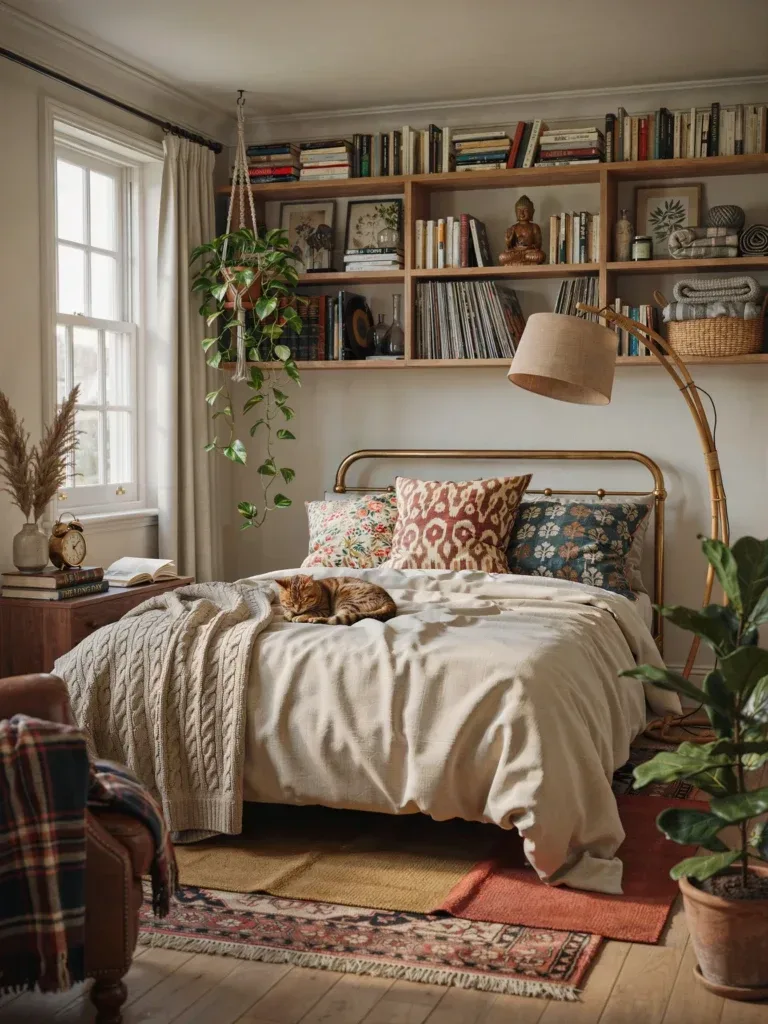
Floating shelves are worth it if you’ll actually curate what goes on them. The trade-off is real: open shelving looks great with five carefully chosen objects and looks cluttered with fifteen random ones. If you know you’ll pile things on a flat surface regardless of intention, closed storage will serve the room better long-term.
6. Build a Small Nook for Rituals, Not Just Sleep
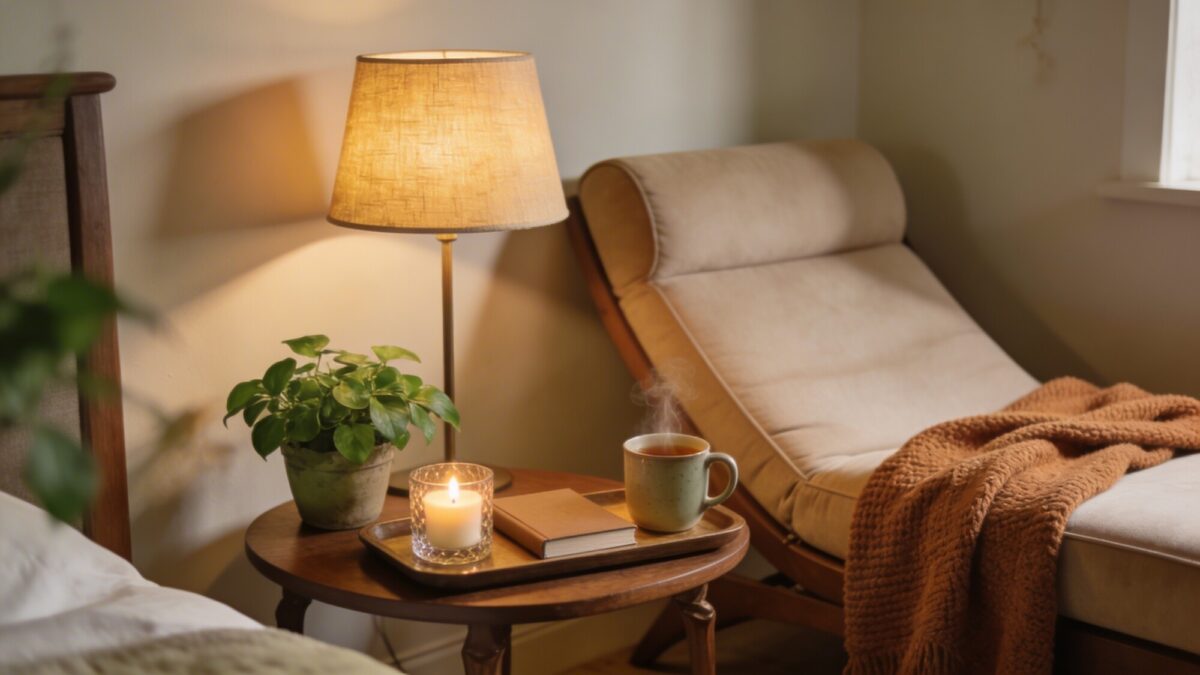
A single comfortable chair with a small side table gives the room a second purpose beyond sleeping — morning coffee, journaling, reading before bed, whatever your actual routine is. This matters more than it sounds: a bedroom that’s only used for sleep tends to feel purely functional, while one with even a small ritual space feels lived-in and calmer to be in.
You don’t need much — a chair, a lamp, a small table for a book and a mug. The point is separating “wind-down space” from “bed,” so the bed itself stays associated with actual sleep rather than scrolling or working.
7. Bring In Real Plants and Natural Materials
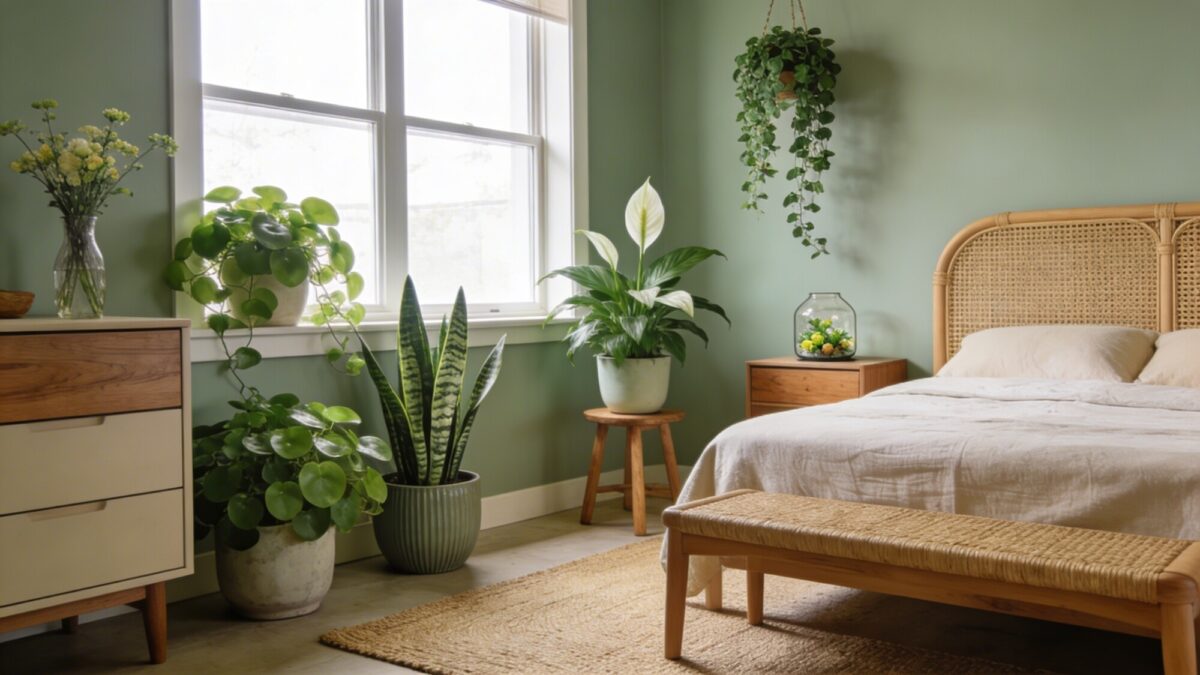
A few low-maintenance plants — pothos, snake plant, or a peace lily — add life and a bit of texture without demanding much care. Snake plants in particular tolerate low light and irregular watering, which makes them a reasonable pick for a bedroom that doesn’t get strong direct sun.
Natural materials do similar work: a jute rug, rattan accents, or a light wood bedroom setup all read as warm without adding visual noise. This is the light wood bedroom ideas territory — pale oak or ash furniture against a muted wall keeps the room feeling grounded rather than sparse, which is the usual complaint about minimalist rooms that skip wood tones entirely.
8. Add Personal Touches Without Overdoing It
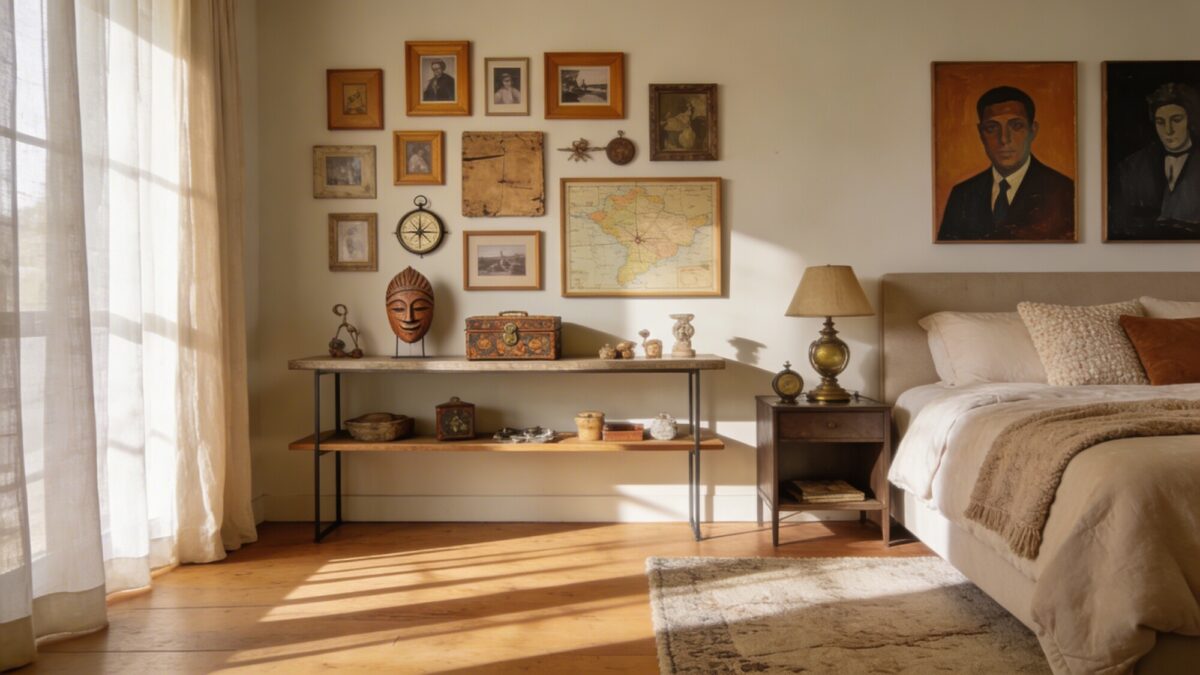
A bedroom decorated entirely from a catalog looks nice and feels like nobody lives there. Framed photos, travel finds, and a couple of heirloom pieces are what make it feel like your room specifically. The trick is restraint: three or four meaningful items, matching frames if you’re grouping photos, and enough negative space around them that they read as intentional rather than accumulated.
Bedroom Decor Style Comparison
| Style | Color Approach | Best Fit For |
|---|---|---|
| Bedroom decor minimalist | 1–2 tones, minimal decor, high negative space | People who want a calm room and don’t want to maintain much decor |
| Neutral bedroom aesthetic | Warm neutrals with subtle texture variation | People who want warmth without color commitment |
| Luxury bedroom neutral tones | Neutrals plus one richer material (velvet, brass, linen) | People who want the calm of neutral but a bit more visual weight |
9. Close the Loop With Scent and Sound
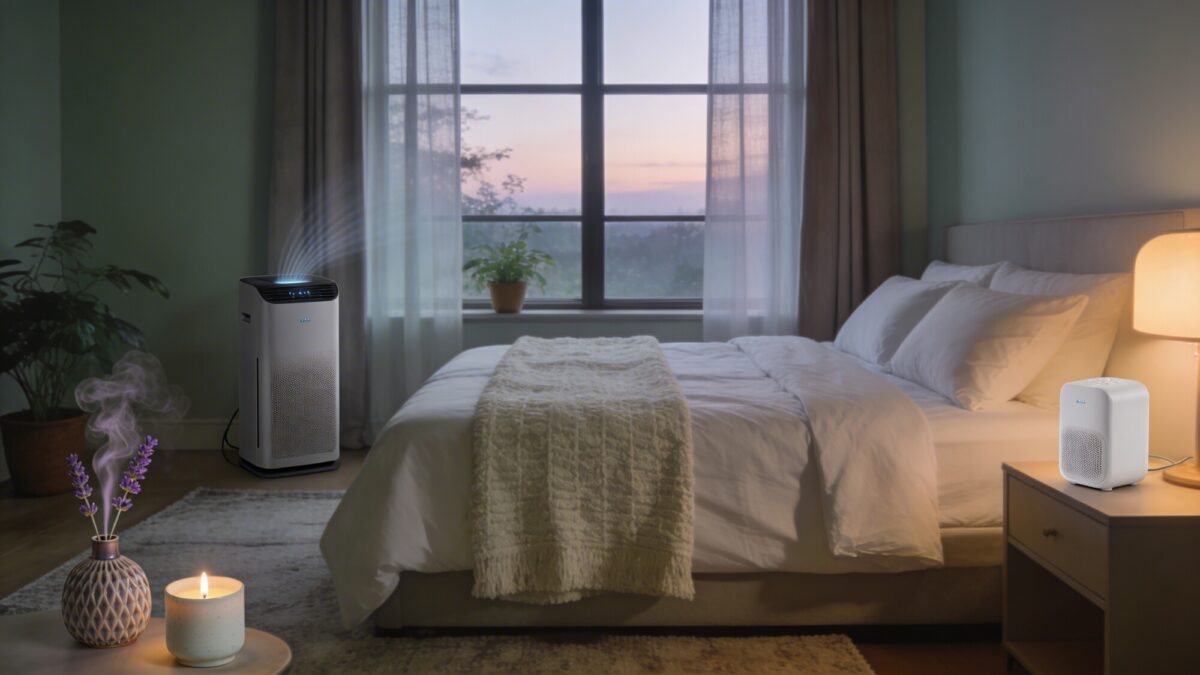
Scent and sound are the last details, and they matter more than their small footprint suggests. A diffuser or candle in a calming scent like lavender or cedar, plus a white-noise machine or a quiet playlist, signal to your body that it’s time to wind down — the same way a familiar bedtime routine does for a kid.
A small air purifier or just cracking a window for cross-breeze rounds this out. None of this needs to be elaborate; it’s the last 10% of the room that people notice without being able to say why it feels different from a bedroom that looks identical on paper.
Things to Consider Before You Start
- Decide whether you’re going minimalist or layered-cozy before buying anything — mixing the two philosophies half-and-half is usually what makes a room feel unfinished
- Test your lighting plan at night, not during the day, since that’s when the “cozy” effect actually needs to show up
- Pick your 2–3 main colors before shopping for textiles, not after
- If you’re prone to clutter, choose closed storage over open shelving even if it costs more
FAQ
What’s the fastest way to make a master bedroom feel cozier?
Lighting. Put your main fixture on a dimmer and switch to warm-white bulbs (2700K–3000K). It’s the single change with the best ratio of effort to result.
How many textures should I layer on a bed?
Three is usually enough — one flat (sheets), one plush (duvet or velvet throw), one knit or woven (a chunky blanket). More than that starts to look busy rather than intentional.
Is a neutral palette boring?
Not if you vary texture and add one richer material — brass hardware, a velvet chair, linen curtains. The color staying quiet is what lets those materials stand out; a busy palette would compete with them instead.
Do I need a lot of plants to get the calming effect?
No — two or three low-maintenance plants like a pothos or snake plant do the job. A bedroom “jungle” isn’t necessary and can actually work against a minimalist palette.
What’s the biggest mistake people make trying to cozy up a bedroom?
Adding more decorative objects instead of fixing lighting and storage first. A cluttered surface undercuts a nice color palette every time — clear the room out before you add anything new to it.
Our Verdict
If you can only tackle two or three of these nine, do lighting, texture layering, and storage — in that order. They’re the changes that affect how the room functions every single day, not just how it photographs. Color palette and personal touches matter, but they’re the finishing layer, not the foundation. For more on the fuller luxury-neutral direction, our guide on luxury master bedroom decor ideas that feel like a five-star hotel goes deeper, and if lighting specifically is your weak point, how to create a cozy bedroom aesthetic at night with soft lighting is worth reading next.