You’ll find practical inspiration and clear strategies to shape a minimalist living room that feels calm, functional, and timeless. This article shows seven real-room examples and the core principles behind them so you can adopt neutral palettes, smart storage, durable furnishings, and simple layouts that actually work in daily life. Expect ideas that focus on light, texture, and purposeful pieces rather than decoration for its own sake, plus tips to keep your space clutter-free and comfortable. Each example illustrates how to balance openness with warmth so your living room stays inviting while staying intentionally simple. 1) Use a neutral color palette with shades of white, beige, and gray to create calmness Choose a base of white or off-white to open the room and reflect natural light. This gives your living space a clean, airy foundation without visual clutter. Layer in beige and warm taupe to introduce subtle warmth and depth. These tones keep the palette cohesive while preventing a sterile feel. Add cool grays for contrast and to anchor seating or architectural features. A few gray accents can provide modernity and balance within the neutral scheme. G-SAFAVA 22″ Wood Table Lamps Mid Century Modern Lamp for Bedroom… Stable Metal Base & Solid Wood Pole: This 22-inch mid century modern lamp features a thickened solid wood pole and a dur… Stylish Pull Chain Switch: This nightstand lamp features a convenient pull cord switch that can be easily operated from … Soft-Light Linen Lampshade: This night stand lamp’s lampshade is made of high-quality linen, diffusing soft light withou… Buy on Amazon Keep finishes and textures varied—matte paint, linen upholstery, and a low-pile rug—to make the space feel intentional rather than flat. Texture becomes your main tool when color stays restrained. Use restraint with accent colors; one muted green or soft blue in a plant or a single throw can refresh the palette without breaking the calming effect. Maintain simple lines and uncluttered surfaces to let the neutrals do the work. 2) Incorporate clean-lined, functional furniture that emphasizes simplicity Choose furniture with straight or gently rounded profiles and minimal ornamentation. You want pieces that read as intentional rather than decorative. Prioritize function: storage-capable sofas, multipurpose coffee tables, and streamlined shelving keep surfaces clear. Each item should earn its place by serving a purpose. Stick to neutral or muted tones to maintain visual calm, and vary texture to avoid a flat appearance. A single tactile throw or a wool rug adds warmth without clutter. ANSSO Wool Rugs 8×10 for Living Room,80% Merino Wool and 20% Cott… Selected Luxurious Merino Wool: Our wool rug are made of high-quality 15-20 micron Merino wool. Compared with ordinary w… 80% Merino Wool + 20% Organic Cotton: Why we don’t make 100% wool? Adding 20% pure cotton can make the rug less likely t… Powerful Moisture Wicking Ability: The wool we choose is between 15-20 microns, which has strong moisture absorption and… $299.99 Buy on Amazon Scale furniture to room proportions so circulation remains easy and sightlines stay open. Low-profile seating and slim legs create an airy feel while keeping the layout practical. Select quality over quantity; one well-made sofa and a compact armchair often serve better than many small, mismatched items. This restraint reinforces the minimalist aesthetic and improves daily use. 3) Maximize natural light to enhance openness and connection to the outdoors Orient your seating and key furniture toward windows to make the most of incoming light. You’ll create a brighter focal area and reduce the need for artificial lighting during the day. Choose large, unobstructed window openings or slim-framed glass to increase visual connection with the exterior. If privacy is a concern, use sheer treatments that diffuse light while preserving views. Back Tab Linen Curtains 96 inches Long 2 Panels Set for Living Ro… 30% Linen, 70% Polyester READY MADE: 2 Linen Curtain Panels per package.Each panel measures 52 inches wide by 96 inches long. Top design of Back … LINEN BLEND FABRIC: Crafted from rich flax linen fabric blended with polyester featuring a neutral linen shade, those pa… $23.75 Buy on Amazon Reflective surfaces like pale walls, low-sheen paint, and strategically placed mirrors help bounce daylight deeper into the room. Light-colored floors and minimal heavy textiles also prevent the space from feeling heavy or closed in. Introduce skylights or sun tunnels where wall windows aren’t possible; they bring overhead daylight that feels natural and expansive. Combine fixed glazing with operable elements so you maintain airflow as well as light. Keep window sills clear and avoid bulky window furniture that blocks the light path. Small changes in layout and material choice have a big impact on how open and connected your living room feels. 4) Add built-in storage solutions to keep clutter out of sight Built-in storage makes the most of wall and floor space while keeping surfaces clear. You can integrate shelving, cabinets, or a media unit that hides wires and devices for a cleaner visual field. Choose units with recessed handles or push-to-open doors to maintain minimalist lines. Include adjustable shelving so the storage adapts as your needs change. Consider under-seat drawers, storage within window benches, or cabinets fitted beneath stairs if your layout allows. These options store items you use often without disrupting the room’s calm aesthetic. Match finishes to wall tones or use a subtle contrast to keep the look intentional and simple. Thoughtful placement prevents overcrowding and preserves the minimalist feeling you want. 5) Include textured elements like wool rugs or linen cushions for warmth Add a wool rug to anchor the seating area and soften hard flooring. You’ll get tactile warmth underfoot and visual depth without crowding the minimalist layout. Layer linen cushions on your sofa for a relaxed, natural look. Linen breathes and wears softly over time, giving your space quiet character while keeping the palette restrained. Mix textures thoughtfully: pair a chunky knit throw with a smooth leather chair or a jute basket beside a metal side table. Small contrasts create interest and keep the room from feeling flat. Keep accessories few and purposeful. One or two textured pieces per area preserve the clean lines you want while introducing comfort and sensory variety. 6) Opt for quality over quantity by selecting timeless, durable pieces Choose fewer pieces that perform well and age gracefully rather than filling the room with short-lived items. You save money and reduce clutter when each item earns its place through function and finish. Look for solid construction: joined frames, hardwoods, and high-density upholstery resist wear. Neutral colors and simple silhouettes fit changing styles, so a sofa or coffee table can work for years. Prioritize materials that develop character, like oiled wood or full-grain leather, rather than trendy veneers. Durable choices also make maintenance straightforward, which keeps your living room looking intentional with minimal effort. Buy pieces that serve multiple roles—seating that stores, tables that expand, or lighting with adjustable output. This keeps your layout flexible and supports a minimalist aesthetic without sacrificing comfort. 7) Create an open floor plan to maintain a spacious feeling An open floor plan removes unnecessary walls so your living, dining, and kitchen areas flow together. You gain sightlines and natural light that make the whole space feel larger without adding more furniture. Use consistent flooring and a cohesive color palette to tie the zones together. This keeps visual clutter low while preserving distinct functions through furniture placement rather than partitions. Define areas with rugs, a sofa back, or a low console instead of tall dividers. These subtle cues help you move between activities while maintaining an airy, uncluttered atmosphere. Keep circulation paths clear and scale furniture to the room so movement feels effortless. Minimal storage solutions and careful editing of decor prevent an open plan from feeling sparse or chaotic. Key Principles of Minimalist Living Room Design Focus on space, color, and durable furnishings to create a calm, functional room. Prioritize clear sightlines, a restrained palette, and multiuse, well-made pieces. Emphasizing Open Space Keep sightlines clear by arranging furniture with at least 18–24 inches of walking space around seating areas. Position your sofa and chairs so they don’t block windows or doorways; this improves flow and makes the room feel larger. Limit surface items to what you use daily. Store remotes, books, and throws in a single low-profile console or a hidden drawer to reduce visual clutter and simplify cleaning. Use scale deliberately: choose one larger focal piece (sofa or rug) rather than many small items. That creates balance and helps you avoid crowded compositions. Lighting plays a role in perceived openness. Incorporate layered lighting—a central fixture plus a floor lamp and recessed or wall lights—so you can control brightness without adding decorative objects. Neutral Color Palettes Select three core neutrals—one for walls, one for large furniture, and one for accents. For example: warm white walls, a mid-gray sofa, and beige or walnut accents. This creates cohesion while allowing subtle contrast. Limit bold colors to single accent pieces like a throw pillow or a plant pot. Use texture (linen, wool, matte wood) to add visual interest without introducing new hues. Aim for consistent undertones across surfaces; mixing warm- and cool-toned neutrals can feel disjointed. Test samples in your room’s light before committing to paint or upholstery. Use finishes to reinforce the palette: matte paints, brushed metal lamp bases, and satin wood grains keep reflections low and maintain the calm aesthetic. Investing in Quality Over Quantity Choose multifunctional pieces that last—think a solid-wood coffee table with storage or a sofa built on kiln-dried hardwood. One well-made item often outperforms several cheaper ones. Evaluate materials for durability and repairability. Leather or performance fabrics resist wear; removable cushion covers make cleaning easier. Check joinery and warranty terms before buying. Buy fewer pieces but higher quality: a single, durable sofa plus a compact side table beats multiple low-cost seating options. That reduces waste and keeps your room uncluttered. Prioritize comfort and maintenance as part of value. If a piece won’t hold up to daily use, it undermines the minimalist goal of sustained simplicity. How to Maintain a Minimalist Living Room Keep surfaces clear, limit decorative items, and make storage work for you. Set simple routines that prevent clutter from returning and pick furniture that performs more than one task. Decluttering Habits Start with a regular five- to ten-minute nightly tidy. Put away remotes, magazines, and stray chargers into designated baskets or a single drawer so surfaces stay visually calm. Adopt a “one-in, one-out” rule for décor and small purchases. When you bring in a new pillow, candle, or framed photo, remove an existing item of similar size or function to maintain balance. Use three quick categories when sorting: keep, relocate, donate. Be specific: keep only items you use weekly or that add clear visual value; relocate items belonging to other rooms immediately; donate anything unused for six months. Schedule a quarterly purge focused on textiles, paperwork, and electronics. Use labeled storage for seasonal items and hide cables with a simple cable box or under-furniture clips to keep lines clean. Choosing Multifunctional Furniture Select a sofa with built-in storage or a sectional that includes a hidden compartment for blankets and games. This reduces visible storage furniture and keeps the footprint minimal. Choose a coffee table with drawers or a lift-top surface so you can stow reading materials and chargers. If you need seating for guests, pick ottomans that double as storage and extra seating. Prioritize pieces that match more than one need: a console that works as an entry table and media center, a slim bookshelf that also acts as a room divider. Measure doorways and pathways before buying to ensure pieces fit without crowding. Opt for neutral finishes and simple forms to let multifunctional items blend with the room. Keep labels or a simple inventory list for hidden storage so you can retrieve items quickly without creating clutter.
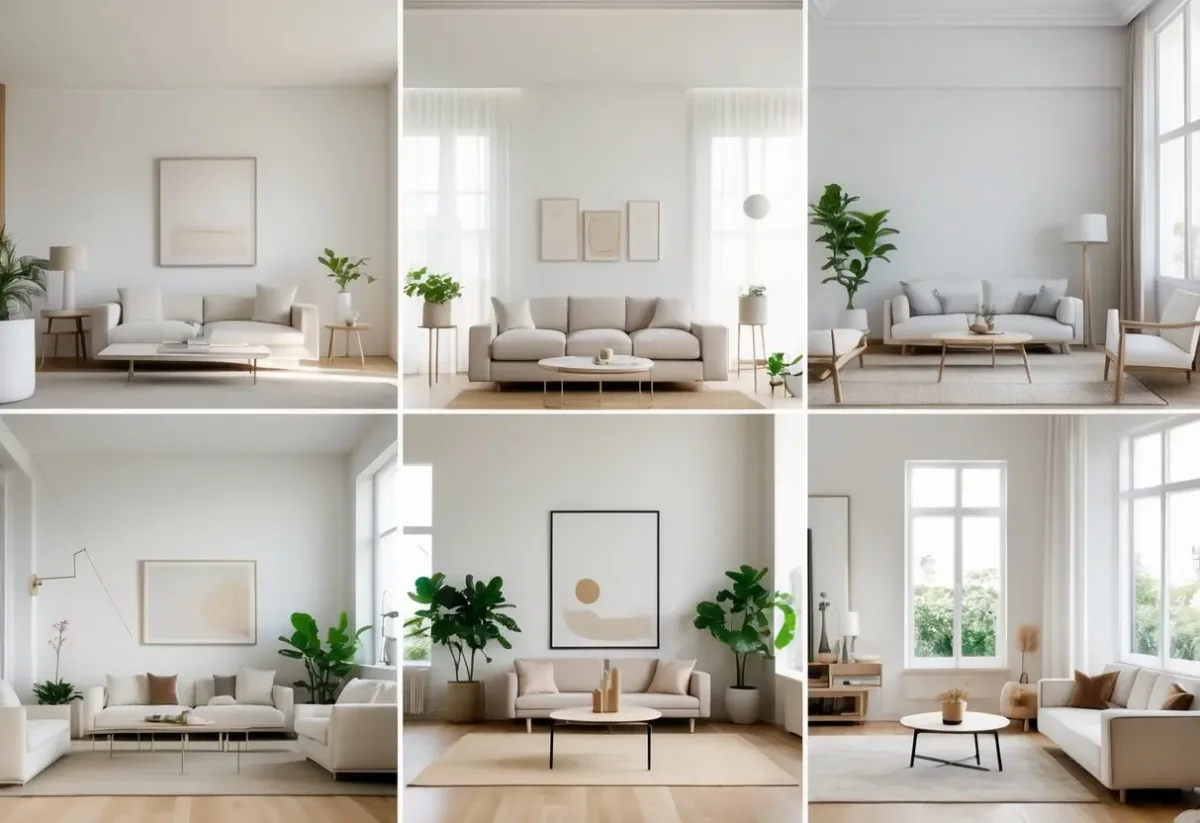
You’ll find practical inspiration and clear strategies to shape a minimalist living room that feels calm, functional, and timeless. This article shows seven real-room examples and the core principles behind them so you can adopt neutral palettes, smart storage, durable furnishings, and simple layouts that actually work in daily life.
Expect ideas that focus on light, texture, and purposeful pieces rather than decoration for its own sake, plus tips to keep your space clutter-free and comfortable. Each example illustrates how to balance openness with warmth so your living room stays inviting while staying intentionally simple.
Choose a base of white or off-white to open the room and reflect natural light. This gives your living space a clean, airy foundation without visual clutter.
Layer in beige and warm taupe to introduce subtle warmth and depth. These tones keep the palette cohesive while preventing a sterile feel.
Add cool grays for contrast and to anchor seating or architectural features. A few gray accents can provide modernity and balance within the neutral scheme.
Keep finishes and textures varied—matte paint, linen upholstery, and a low-pile rug—to make the space feel intentional rather than flat. Texture becomes your main tool when color stays restrained.
Use restraint with accent colors; one muted green or soft blue in a plant or a single throw can refresh the palette without breaking the calming effect. Maintain simple lines and uncluttered surfaces to let the neutrals do the work.
2) Incorporate clean-lined, functional furniture that emphasizes simplicity
Prioritize function: storage-capable sofas, multipurpose coffee tables, and streamlined shelving keep surfaces clear. Each item should earn its place by serving a purpose.
Stick to neutral or muted tones to maintain visual calm, and vary texture to avoid a flat appearance. A single tactile throw or a wool rug adds warmth without clutter.
Scale furniture to room proportions so circulation remains easy and sightlines stay open. Low-profile seating and slim legs create an airy feel while keeping the layout practical.
Select quality over quantity; one well-made sofa and a compact armchair often serve better than many small, mismatched items. This restraint reinforces the minimalist aesthetic and improves daily use.
3) Maximize natural light to enhance openness and connection to the outdoors
Orient your seating and key furniture toward windows to make the most of incoming light. You’ll create a brighter focal area and reduce the need for artificial lighting during the day.
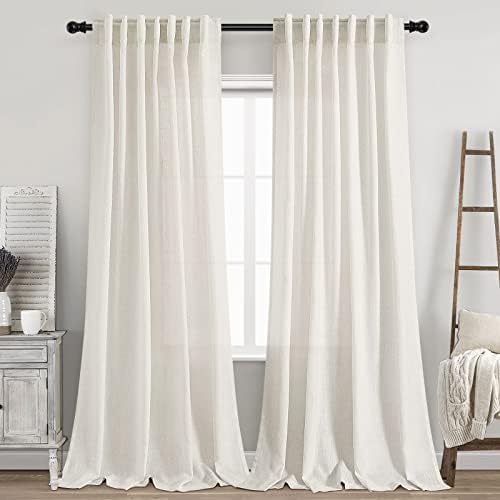
Choose large, unobstructed window openings or slim-framed glass to increase visual connection with the exterior. If privacy is a concern, use sheer treatments that diffuse light while preserving views.
Reflective surfaces like pale walls, low-sheen paint, and strategically placed mirrors help bounce daylight deeper into the room. Light-colored floors and minimal heavy textiles also prevent the space from feeling heavy or closed in.
Introduce skylights or sun tunnels where wall windows aren’t possible; they bring overhead daylight that feels natural and expansive. Combine fixed glazing with operable elements so you maintain airflow as well as light.
Keep window sills clear and avoid bulky window furniture that blocks the light path. Small changes in layout and material choice have a big impact on how open and connected your living room feels.
4) Add built-in storage solutions to keep clutter out of sight
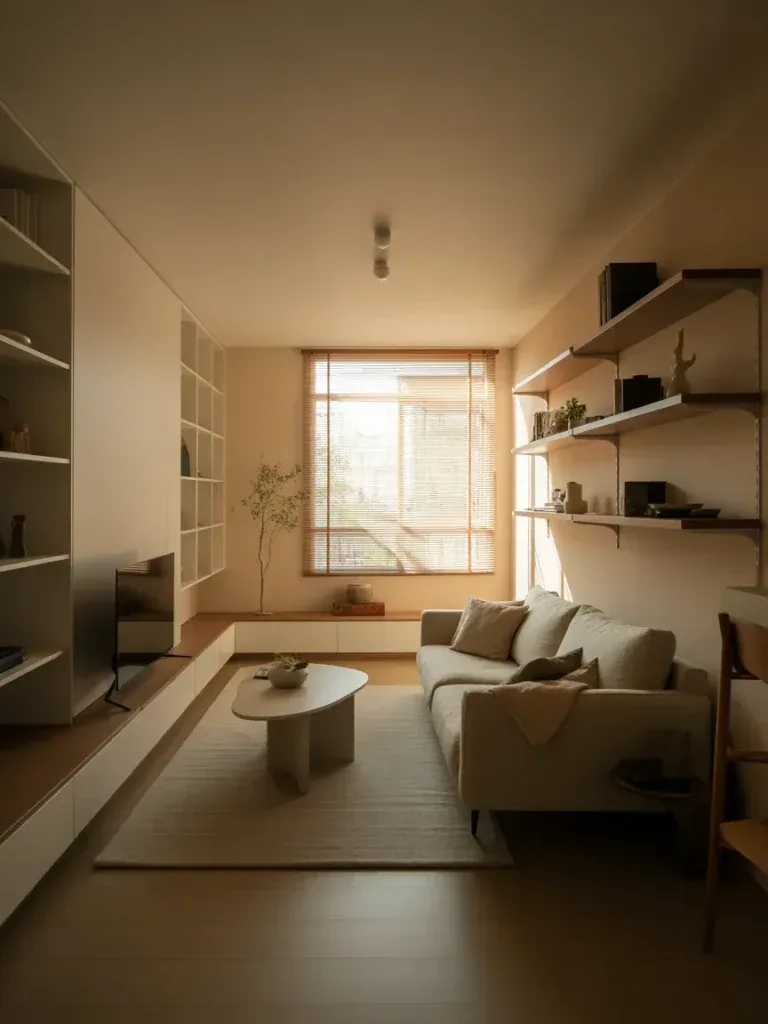
Built-in storage makes the most of wall and floor space while keeping surfaces clear. You can integrate shelving, cabinets, or a media unit that hides wires and devices for a cleaner visual field.
Choose units with recessed handles or push-to-open doors to maintain minimalist lines. Include adjustable shelving so the storage adapts as your needs change.
Consider under-seat drawers, storage within window benches, or cabinets fitted beneath stairs if your layout allows. These options store items you use often without disrupting the room’s calm aesthetic.
Match finishes to wall tones or use a subtle contrast to keep the look intentional and simple. Thoughtful placement prevents overcrowding and preserves the minimalist feeling you want.
5) Include textured elements like wool rugs or linen cushions for warmth
Add a wool rug to anchor the seating area and soften hard flooring. You’ll get tactile warmth underfoot and visual depth without crowding the minimalist layout.
Layer linen cushions on your sofa for a relaxed, natural look. Linen breathes and wears softly over time, giving your space quiet character while keeping the palette restrained.
Mix textures thoughtfully: pair a chunky knit throw with a smooth leather chair or a jute basket beside a metal side table. Small contrasts create interest and keep the room from feeling flat.
Keep accessories few and purposeful. One or two textured pieces per area preserve the clean lines you want while introducing comfort and sensory variety.
6) Opt for quality over quantity by selecting timeless, durable pieces
Choose fewer pieces that perform well and age gracefully rather than filling the room with short-lived items. You save money and reduce clutter when each item earns its place through function and finish.
Look for solid construction: joined frames, hardwoods, and high-density upholstery resist wear. Neutral colors and simple silhouettes fit changing styles, so a sofa or coffee table can work for years.
Prioritize materials that develop character, like oiled wood or full-grain leather, rather than trendy veneers. Durable choices also make maintenance straightforward, which keeps your living room looking intentional with minimal effort.
Buy pieces that serve multiple roles—seating that stores, tables that expand, or lighting with adjustable output. This keeps your layout flexible and supports a minimalist aesthetic without sacrificing comfort.
7) Create an open floor plan to maintain a spacious feeling
An open floor plan removes unnecessary walls so your living, dining, and kitchen areas flow together. You gain sightlines and natural light that make the whole space feel larger without adding more furniture.
Use consistent flooring and a cohesive color palette to tie the zones together. This keeps visual clutter low while preserving distinct functions through furniture placement rather than partitions.
Define areas with rugs, a sofa back, or a low console instead of tall dividers. These subtle cues help you move between activities while maintaining an airy, uncluttered atmosphere.
Keep circulation paths clear and scale furniture to the room so movement feels effortless. Minimal storage solutions and careful editing of decor prevent an open plan from feeling sparse or chaotic.
Key Principles of Minimalist Living Room Design
Focus on space, color, and durable furnishings to create a calm, functional room. Prioritize clear sightlines, a restrained palette, and multiuse, well-made pieces.
Emphasizing Open Space
Keep sightlines clear by arranging furniture with at least 18–24 inches of walking space around seating areas. Position your sofa and chairs so they don’t block windows or doorways; this improves flow and makes the room feel larger.
Limit surface items to what you use daily. Store remotes, books, and throws in a single low-profile console or a hidden drawer to reduce visual clutter and simplify cleaning.
Use scale deliberately: choose one larger focal piece (sofa or rug) rather than many small items. That creates balance and helps you avoid crowded compositions.
Lighting plays a role in perceived openness. Incorporate layered lighting—a central fixture plus a floor lamp and recessed or wall lights—so you can control brightness without adding decorative objects.
Neutral Color Palettes
Select three core neutrals—one for walls, one for large furniture, and one for accents. For example: warm white walls, a mid-gray sofa, and beige or walnut accents. This creates cohesion while allowing subtle contrast.
Limit bold colors to single accent pieces like a throw pillow or a plant pot. Use texture (linen, wool, matte wood) to add visual interest without introducing new hues.
Aim for consistent undertones across surfaces; mixing warm- and cool-toned neutrals can feel disjointed. Test samples in your room’s light before committing to paint or upholstery.
Use finishes to reinforce the palette: matte paints, brushed metal lamp bases, and satin wood grains keep reflections low and maintain the calm aesthetic.
Investing in Quality Over Quantity
Choose multifunctional pieces that last—think a solid-wood coffee table with storage or a sofa built on kiln-dried hardwood. One well-made item often outperforms several cheaper ones.
Evaluate materials for durability and repairability. Leather or performance fabrics resist wear; removable cushion covers make cleaning easier. Check joinery and warranty terms before buying.
Buy fewer pieces but higher quality: a single, durable sofa plus a compact side table beats multiple low-cost seating options. That reduces waste and keeps your room uncluttered.
Prioritize comfort and maintenance as part of value. If a piece won’t hold up to daily use, it undermines the minimalist goal of sustained simplicity.
How to Maintain a Minimalist Living Room
Keep surfaces clear, limit decorative items, and make storage work for you. Set simple routines that prevent clutter from returning and pick furniture that performs more than one task.
Decluttering Habits
Start with a regular five- to ten-minute nightly tidy. Put away remotes, magazines, and stray chargers into designated baskets or a single drawer so surfaces stay visually calm.
Adopt a “one-in, one-out” rule for décor and small purchases. When you bring in a new pillow, candle, or framed photo, remove an existing item of similar size or function to maintain balance.
Use three quick categories when sorting: keep, relocate, donate. Be specific: keep only items you use weekly or that add clear visual value; relocate items belonging to other rooms immediately; donate anything unused for six months.
Schedule a quarterly purge focused on textiles, paperwork, and electronics. Use labeled storage for seasonal items and hide cables with a simple cable box or under-furniture clips to keep lines clean.
Choosing Multifunctional Furniture
Select a sofa with built-in storage or a sectional that includes a hidden compartment for blankets and games. This reduces visible storage furniture and keeps the footprint minimal.
Choose a coffee table with drawers or a lift-top surface so you can stow reading materials and chargers. If you need seating for guests, pick ottomans that double as storage and extra seating.
Prioritize pieces that match more than one need: a console that works as an entry table and media center, a slim bookshelf that also acts as a room divider. Measure doorways and pathways before buying to ensure pieces fit without crowding.
Opt for neutral finishes and simple forms to let multifunctional items blend with the room. Keep labels or a simple inventory list for hidden storage so you can retrieve items quickly without creating clutter.
Listen to this article 10 10 0:00 / 0:00 Speed 0.75×1×1.25×1.5×2× An elegant living room decor modern style isn’t about buying more — it’s about a handful of decisions repeated consistently across the room: texture, light, one focal point, and then knowing when to stop adding things. If your living room feels flat rather than…
Listen to this article 10 10 0:00 / 0:00 Speed 0.75×1×1.25×1.5×2× Tiny living room? No problem. You don’t need more square footage—you need smarter design. The trick is squeezing function, style, and storage into every inch without turning your space into a clutter cave. Ready to make your small living room feel bigger, calmer, and…
Listen to this article 10 10 0:00 / 0:00 Speed 0.75×1×1.25×1.5×2× Every glossy elegant living room decor magazine cover has the same trick behind it: a handful of deliberate choices, repeated in every corner of the frame. It’s not a bigger budget. It’s fewer, better decisions about texture, light, and what gets left out. If…
Listen to this article 10 10 0:00 / 0:00 Speed 0.75×1×1.25×1.5×2× The second that crisp fall air hits, your living room suddenly feels… unfinished. That lightweight summer setup just doesn’t cut it when all you want is a chunky blanket, warm lighting, and a couch you can disappear into for three hours. Luckily, fall decor…
Listen to this article 10 10 0:00 / 0:00 Speed 0.75×1×1.25×1.5×2× Elegant Moroccan living room decor has a narrow line to walk — go too far and the room reads as a themed rental rather than a home; hold back too much and you lose the warmth that makes the style worth doing in the…
Listen to this article 10 10 0:00 / 0:00 Speed 0.75×1×1.25×1.5×2× Done wrong, elegant minimalist living room decor ends up looking empty rather than calm — a sofa, a rug, nothing else, and a room that feels unfinished instead of intentional. Done right, it’s the opposite: fewer objects, but each one earning its place. If…