You can transform your living room into a calm, functional space that feels purposeful and open without stripping away comfort or character. This article shows six practical minimalist interior approaches that help you balance clean design, cozy textures, and smart storage so your room looks intentional and uncluttered. Expect guidance on calming color choices, streamlined furniture, natural materials, built-in storage, soft textiles, and focused lighting to help you create and maintain a minimalist living room that works for daily life. 1) Use a neutral color palette with shades of white, beige, and soft gray to create a calming backdrop. Choose whites, warm beiges, and soft grays to form a cohesive, low-contrast base for your living room. These tones reduce visual clutter and help furnishings and textures stand out without competing for attention. Layer similar neutrals in different finishes—matte paint, a slightly glossy trim, and textured fabrics—to add depth while keeping the look restrained. A single darker gray or taupe accent can anchor the space without breaking the minimalist feel. Keep accent colors minimal and intentional; a muted blue or clay tone in a throw pillow or artwork adds interest without overwhelming the palette. Natural light enhances neutrals, so maximize windows and use sheer treatments to maintain openness and calm. Handwoven Wool Area Rug – Hand Woven Natural Carpet Rugs- Bedroom… SIZE: 5′ W x 8′ L , Pile height is 0.25 inches (Medium Pile) FIBER: 70% Wool 30% Cotton – Made from high quality fibers. The rug is durable, soft on touch and kids and pet friendly…. HAND-WOVEN: Crafted with love and care, hand made rugs carry the spirit of the artisans that made them. Each piece is ma… $179.99 Buy on Amazon Select furniture with clean lines in complementary neutral tones to maintain visual flow. When you rely on a neutral foundation, texture and proportion become the primary tools for creating warmth and balance. 2) Incorporate sleek, modern furniture with clean lines and simple shapes for a streamlined look. Choose furniture with straight or gently curved lines to keep visual clutter low and maintain a cohesive silhouette. A streamlined sofa or a low-profile coffee table anchors the room without competing for attention. Prioritize pieces that balance form and function; thin metal or wooden legs, narrow arms, and uncluttered surfaces convey modern minimalism. Select multipurpose items — a console with hidden storage or nesting tables — to reduce accessories and keep surfaces clear. GreenForest Coffee Table for Living Room with Round Corners Farmh… Round Corners Design: Round and smoothly corners, no worries about your kids or pets chasing and playing around it or si… Sturdy Construction: X shape support legs ensure durability;sturdiness and weight capacity up to 200 pounds,High quality… Ample Storage Space: Storage shelves provides extra storage and display space to make your things handy and keeps the sp… $85.49 Buy on Amazon Stick to simple shapes like rectangles, circles, and soft arcs to create visual order. Use one or two tactile materials, such as matte wood and wool, so the space feels warm without becoming busy. Scale furniture to your room so walkways stay open and natural light moves freely. Limit ornamentation and choose a restrained palette to let the furniture’s shape and proportion define the aesthetic. 3) Add natural materials like wood and linen to bring warmth without clutter. Use wood and linen as primary accents to add warmth while keeping lines clean. A simple oak coffee table or a slim-framed bookshelf introduces organic grain without visual noise. Layer linen throw pillows or curtains for soft texture that still reads minimal. Linen breathes, drapes naturally, and wears in a way that adds character rather than clutter. LDAILY Moccha Acacia Wood Outdoor Daybed – Wooden Loveseat Sofa w… [Multi-Angle Backrest] Enjoy customized relaxation with the 4-level adjustable backrest of this patio daybed, secured wi… [Acacia Wood Construction] Crafted from selected premium acacia wood, this 2-piece furniture set is anti-crack, splinter… [Endless Comfort with Cushions & Pillows] Experience endless comfort with seat, back, ottoman cushions, and 2 pillows fi… $389.99 Buy on Amazon Choose pieces with restrained shapes and visible craftsmanship. A single statement wood console or a pair of linen-covered dining chairs makes an impact without filling the room. Mix scales and finishes sparingly to avoid a crowded look. Match the wood tone to existing elements and keep fabrics in a narrow, warm palette for cohesion. Include one or two tactile elements—a woven jute rug or a wool throw—to create depth beneath the minimalist framework. These touches make the space feel lived-in while preserving its calm. 4) Opt for built-in storage solutions to keep surfaces clear and maintain openness. Choose built-ins that follow your room’s lines so storage feels integrated rather than added on. Floor-to-ceiling cabinets, recessed shelving, or under-seat drawers tuck belongings away and free tabletop and floor space. Use concealed doors or push-to-open hardware for a seamless look. This minimizes visual clutter and lets your eye rest, which reinforces a minimalist aesthetic. Select finishes that match or subtly contrast your walls to maintain cohesion. A consistent palette keeps the room feeling open while still providing ample, organized storage. Plan for the items you actually own: media, blankets, and everyday items need different configurations. Customizing shelf heights and drawer sizes prevents wasted space and reduces the urge to leave things out. 5) Use plush textiles such as velvet pillows and wool rugs to add comfort without complexity. Introduce a few plush pieces to soften clean lines and add tactile interest without crowding the space. Velvet pillows offer rich color and a subtle sheen that reads luxurious while keeping forms simple. Choose a wool rug in a muted tone to anchor seating and dampen sound. The natural texture of wool adds warmth and durability, so you get comfort and function without extra visual clutter. Limit patterns and keep a restrained palette to maintain minimalist clarity. Vary scale—one low-pile rug, two velvet cushions—to create depth using only a small number of items. Pay attention to proportion and maintenance. Select pillow sizes and rug dimensions that suit your furniture, and pick fabrics with easy-care options to keep the room feeling intentional and tidy. 6) Choose statement lighting fixtures with minimalist design to enhance ambiance Pick a single, well-proportioned fixture as a focal point to keep the room visually simple yet intentional. A sculptural pendant or streamlined chandelier can provide character without cluttering the space. Match the fixture’s finish or silhouette to one other element in the room, such as a metal side table or picture frame. That subtle repetition ties the design together and preserves the minimalist clarity. Prioritize dimmable options and layered control so you can shift from bright task light to soft ambient glow. This flexibility supports multiple activities while maintaining the calm, understated mood you want. Select fixtures with clean lines, neutral tones, and high-quality materials for longevity and visual restraint. Bold shapes work when they’re balanced by restrained detailing and adequate negative space around them. Principles of Minimalist Living Room Interior Design You’ll aim for calm, clarity, and function through intentional choices: pared-down furnishings, a restrained palette, and purposeful storage. Prioritize quality, sightlines, and circulation so every element earns its place. Defining Features of Minimalist Spaces Minimalist living rooms center on simple geometry and clean lines. Choose furniture with uncluttered silhouettes—low-profile sofas, streamlined media units, and a single statement chair—to keep sightlines open. Use a limited color palette: two to three neutrals with one accent color. This reduces visual noise and makes the room feel cohesive. Textures—linen, wool, matte wood, and brushed metal—add tactile interest without heavy ornamentation. Focus on function: every piece should serve a use or a clear aesthetic purpose. Keep surfaces largely clear; store items in concealed cabinetry or a single curated shelf. Lighting should be layered and discreet—recessed lights, a slim floor lamp, and task lighting where you read or work. Benefits of a Minimalist Approach You’ll gain easier maintenance and faster cleaning with fewer objects and simpler surfaces. That reduces daily decision fatigue because fewer items demand attention. A minimalist layout improves movement and social interaction by creating defined circulation paths and open conversation zones. It also enhances acoustic clarity—fewer reflective clutter pieces means sound travels more predictably. Investing in fewer, higher-quality pieces often yields better longevity and cost-per-use over time. Finally, a restrained design helps you highlight a single artwork, a textured rug, or a plant, turning those selected items into genuine focal points. How to Maintain a Minimalist Living Room Keep only what earns its place, store items so surfaces stay clear, and build simple routines that prevent clutter from returning. Focus on habits and systems that make upkeep effortless. Decluttering Strategies Start with a one-area, one-session rule: tackle the coffee table or a single shelf in 20–40 minutes. Sort items into four labeled bins — Keep, Donate, Store, Trash — and immediately remove Donate and Trash from the room to avoid decision fatigue. Ask three concrete questions for each item: Do you use it at least monthly? Does it serve a clear function? Do you love how it looks in this specific spot? Keep only items that answer “yes” to at least two questions. Use containment to reduce visual clutter: trays for remotes, a single bowl for keys, and a low-profile magazine rack. Limit decorative objects to one focal group per surface (3–5 pieces max) and rotate items seasonally to avoid accumulation. Long-Term Organization Tips Assign a permanent home for every category: media, throw blankets, chargers, and mail. Label drawers or baskets so returning items takes seconds. Choose furniture with hidden storage — an ottoman with a lid or a console with shallow drawers — to keep frequently used items accessible but out of sight. Create two short routines: a 5-minute nightly reset (fold blankets, clear surfaces, stash dishes) and a 15-minute weekly maintenance slot (put away deliveries, recycle papers, reassess surfaces). Use simple storage standards: clear bins for visibility, matching baskets for a uniform look, and cable clips to prevent cord tangles. Set a one-in-one-out rule for new purchases: bring home a new decorative piece only after removing one existing item. Schedule a quarterly 30–60 minute review to donate or archive items that slipped back in.
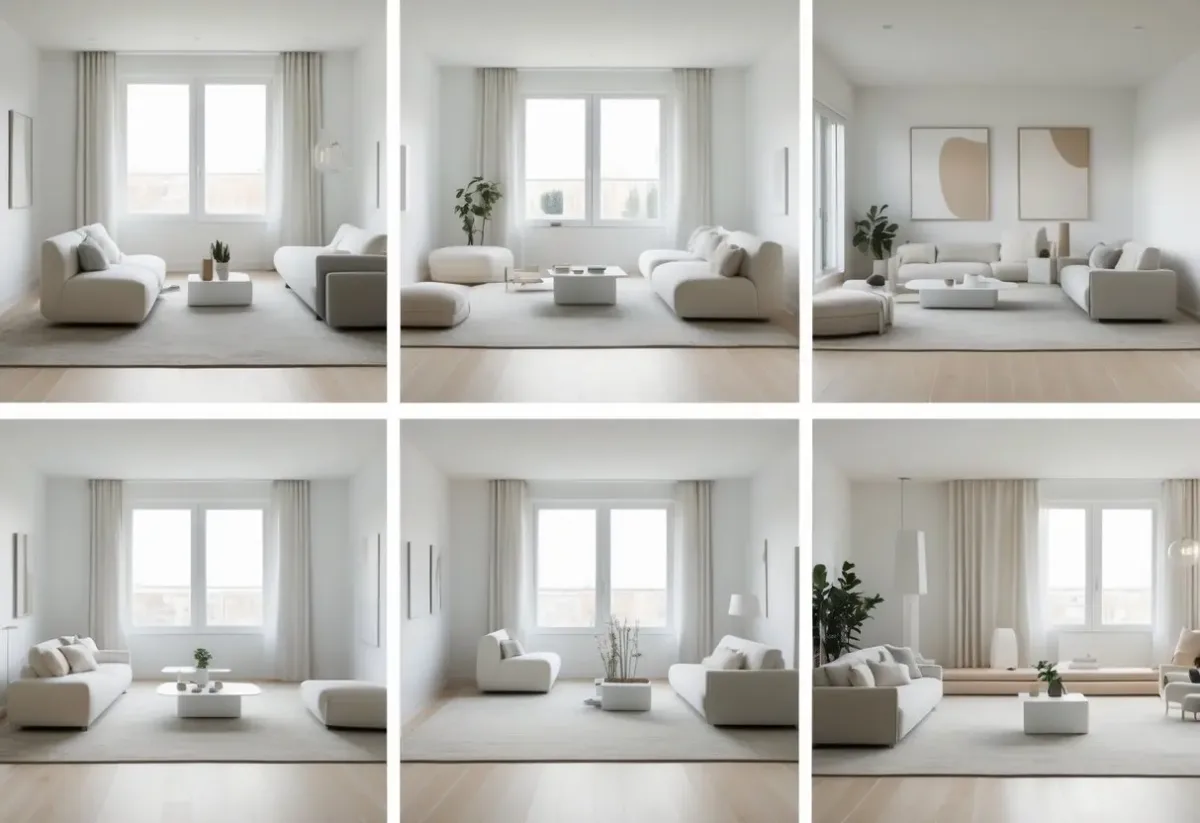
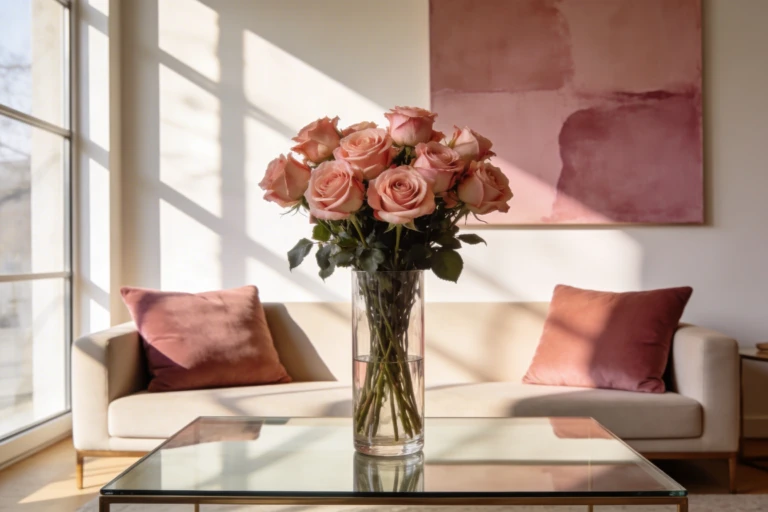
You can transform your living room into a calm, functional space that feels purposeful and open without stripping away comfort or character. This article shows six practical minimalist interior approaches that help you balance clean design, cozy textures, and smart storage so your room looks intentional and uncluttered.
Expect guidance on calming color choices, streamlined furniture, natural materials, built-in storage, soft textiles, and focused lighting to help you create and maintain a minimalist living room that works for daily life.
Choose whites, warm beiges, and soft grays to form a cohesive, low-contrast base for your living room. These tones reduce visual clutter and help furnishings and textures stand out without competing for attention.
Layer similar neutrals in different finishes—matte paint, a slightly glossy trim, and textured fabrics—to add depth while keeping the look restrained. A single darker gray or taupe accent can anchor the space without breaking the minimalist feel.
Keep accent colors minimal and intentional; a muted blue or clay tone in a throw pillow or artwork adds interest without overwhelming the palette. Natural light enhances neutrals, so maximize windows and use sheer treatments to maintain openness and calm.
Select furniture with clean lines in complementary neutral tones to maintain visual flow. When you rely on a neutral foundation, texture and proportion become the primary tools for creating warmth and balance.
2) Incorporate sleek, modern furniture with clean lines and simple shapes for a streamlined look.
Choose furniture with straight or gently curved lines to keep visual clutter low and maintain a cohesive silhouette. A streamlined sofa or a low-profile coffee table anchors the room without competing for attention.
Prioritize pieces that balance form and function; thin metal or wooden legs, narrow arms, and uncluttered surfaces convey modern minimalism. Select multipurpose items — a console with hidden storage or nesting tables — to reduce accessories and keep surfaces clear.
Stick to simple shapes like rectangles, circles, and soft arcs to create visual order. Use one or two tactile materials, such as matte wood and wool, so the space feels warm without becoming busy.
Scale furniture to your room so walkways stay open and natural light moves freely. Limit ornamentation and choose a restrained palette to let the furniture’s shape and proportion define the aesthetic.
3) Add natural materials like wood and linen to bring warmth without clutter.
Use wood and linen as primary accents to add warmth while keeping lines clean. A simple oak coffee table or a slim-framed bookshelf introduces organic grain without visual noise.
Layer linen throw pillows or curtains for soft texture that still reads minimal. Linen breathes, drapes naturally, and wears in a way that adds character rather than clutter.
Choose pieces with restrained shapes and visible craftsmanship. A single statement wood console or a pair of linen-covered dining chairs makes an impact without filling the room.
Mix scales and finishes sparingly to avoid a crowded look. Match the wood tone to existing elements and keep fabrics in a narrow, warm palette for cohesion.
Include one or two tactile elements—a woven jute rug or a wool throw—to create depth beneath the minimalist framework. These touches make the space feel lived-in while preserving its calm.
4) Opt for built-in storage solutions to keep surfaces clear and maintain openness.
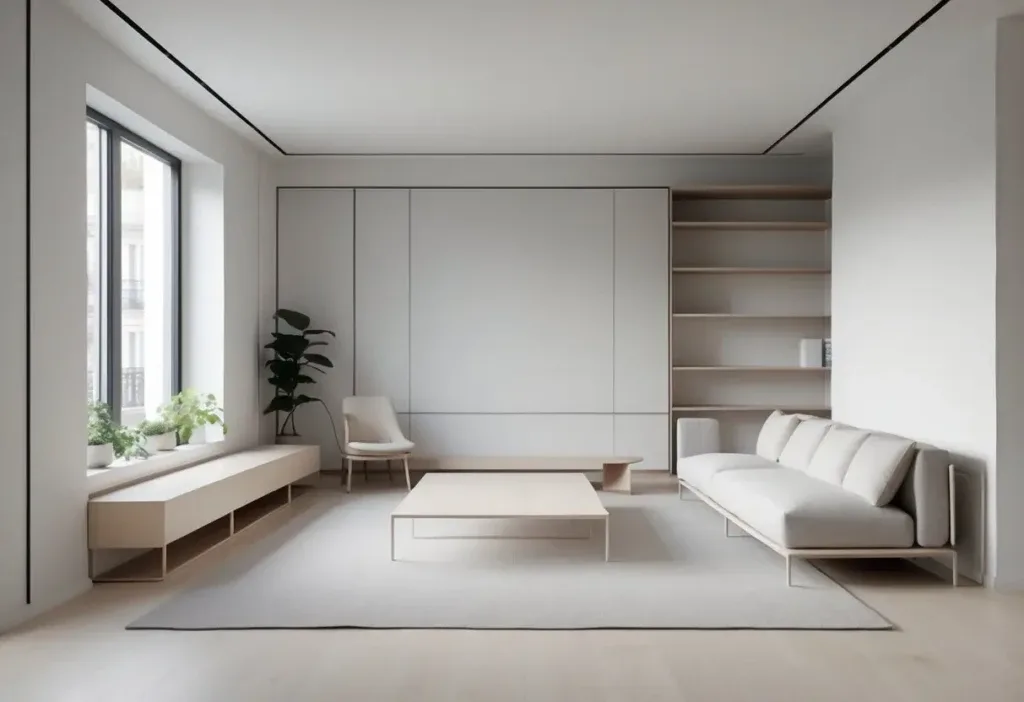
Choose built-ins that follow your room’s lines so storage feels integrated rather than added on. Floor-to-ceiling cabinets, recessed shelving, or under-seat drawers tuck belongings away and free tabletop and floor space.
Use concealed doors or push-to-open hardware for a seamless look. This minimizes visual clutter and lets your eye rest, which reinforces a minimalist aesthetic.
Select finishes that match or subtly contrast your walls to maintain cohesion. A consistent palette keeps the room feeling open while still providing ample, organized storage.
Plan for the items you actually own: media, blankets, and everyday items need different configurations. Customizing shelf heights and drawer sizes prevents wasted space and reduces the urge to leave things out.
5) Use plush textiles such as velvet pillows and wool rugs to add comfort without complexity.
Introduce a few plush pieces to soften clean lines and add tactile interest without crowding the space. Velvet pillows offer rich color and a subtle sheen that reads luxurious while keeping forms simple.
Choose a wool rug in a muted tone to anchor seating and dampen sound. The natural texture of wool adds warmth and durability, so you get comfort and function without extra visual clutter.
Limit patterns and keep a restrained palette to maintain minimalist clarity. Vary scale—one low-pile rug, two velvet cushions—to create depth using only a small number of items.
Pay attention to proportion and maintenance. Select pillow sizes and rug dimensions that suit your furniture, and pick fabrics with easy-care options to keep the room feeling intentional and tidy.
6) Choose statement lighting fixtures with minimalist design to enhance ambiance
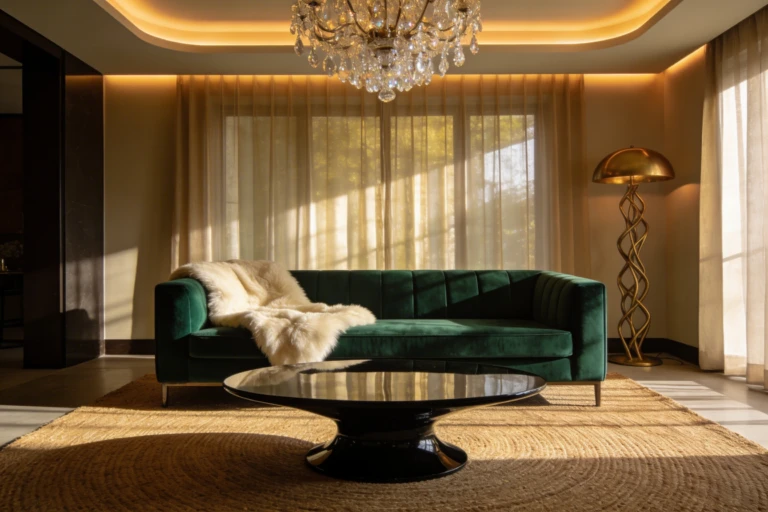
Pick a single, well-proportioned fixture as a focal point to keep the room visually simple yet intentional. A sculptural pendant or streamlined chandelier can provide character without cluttering the space.
Match the fixture’s finish or silhouette to one other element in the room, such as a metal side table or picture frame. That subtle repetition ties the design together and preserves the minimalist clarity.
Prioritize dimmable options and layered control so you can shift from bright task light to soft ambient glow. This flexibility supports multiple activities while maintaining the calm, understated mood you want.
Select fixtures with clean lines, neutral tones, and high-quality materials for longevity and visual restraint. Bold shapes work when they’re balanced by restrained detailing and adequate negative space around them.
Principles of Minimalist Living Room Interior Design
You’ll aim for calm, clarity, and function through intentional choices: pared-down furnishings, a restrained palette, and purposeful storage. Prioritize quality, sightlines, and circulation so every element earns its place.
Defining Features of Minimalist Spaces
Minimalist living rooms center on simple geometry and clean lines. Choose furniture with uncluttered silhouettes—low-profile sofas, streamlined media units, and a single statement chair—to keep sightlines open.
Use a limited color palette: two to three neutrals with one accent color. This reduces visual noise and makes the room feel cohesive. Textures—linen, wool, matte wood, and brushed metal—add tactile interest without heavy ornamentation.
Focus on function: every piece should serve a use or a clear aesthetic purpose. Keep surfaces largely clear; store items in concealed cabinetry or a single curated shelf. Lighting should be layered and discreet—recessed lights, a slim floor lamp, and task lighting where you read or work.
Benefits of a Minimalist Approach
You’ll gain easier maintenance and faster cleaning with fewer objects and simpler surfaces. That reduces daily decision fatigue because fewer items demand attention.
A minimalist layout improves movement and social interaction by creating defined circulation paths and open conversation zones. It also enhances acoustic clarity—fewer reflective clutter pieces means sound travels more predictably.
Investing in fewer, higher-quality pieces often yields better longevity and cost-per-use over time. Finally, a restrained design helps you highlight a single artwork, a textured rug, or a plant, turning those selected items into genuine focal points.
How to Maintain a Minimalist Living Room
Keep only what earns its place, store items so surfaces stay clear, and build simple routines that prevent clutter from returning. Focus on habits and systems that make upkeep effortless.
Decluttering Strategies
Start with a one-area, one-session rule: tackle the coffee table or a single shelf in 20–40 minutes. Sort items into four labeled bins — Keep, Donate, Store, Trash — and immediately remove Donate and Trash from the room to avoid decision fatigue.
Ask three concrete questions for each item: Do you use it at least monthly? Does it serve a clear function? Do you love how it looks in this specific spot? Keep only items that answer “yes” to at least two questions.
Use containment to reduce visual clutter: trays for remotes, a single bowl for keys, and a low-profile magazine rack. Limit decorative objects to one focal group per surface (3–5 pieces max) and rotate items seasonally to avoid accumulation.
Long-Term Organization Tips
Assign a permanent home for every category: media, throw blankets, chargers, and mail. Label drawers or baskets so returning items takes seconds. Choose furniture with hidden storage — an ottoman with a lid or a console with shallow drawers — to keep frequently used items accessible but out of sight.
Create two short routines: a 5-minute nightly reset (fold blankets, clear surfaces, stash dishes) and a 15-minute weekly maintenance slot (put away deliveries, recycle papers, reassess surfaces). Use simple storage standards: clear bins for visibility, matching baskets for a uniform look, and cable clips to prevent cord tangles.
Set a one-in-one-out rule for new purchases: bring home a new decorative piece only after removing one existing item. Schedule a quarterly 30–60 minute review to donate or archive items that slipped back in.
Listen to this article 10 10 0:00 / 0:00 Speed 0.75×1×1.25×1.5×2× Getting an elegant apartment decor living room right usually has less to do with square footage than with the order you tackle things in. Texture and lighting cost little and change a lot; furniture and rugs cost more and should come after you know…
Listen to this article 10 10 0:00 / 0:00 Speed 0.75×1×1.25×1.5×2× Elegant Moroccan living room decor has a narrow line to walk — go too far and the room reads as a themed rental rather than a home; hold back too much and you lose the warmth that makes the style worth doing in the…
Listen to this article 10 10 0:00 / 0:00 Speed 0.75×1×1.25×1.5×2× You can spend a fortune on a living room and still have it feel flat, or spend almost nothing and have it feel considered. The difference usually comes down to a handful of decisions — texture, lighting, and what’s on the walls — rather…
Listen to this article 10 10 0:00 / 0:00 Speed 0.75×1×1.25×1.5×2× An elegant living room decor modern style isn’t about buying more — it’s about a handful of decisions repeated consistently across the room: texture, light, one focal point, and then knowing when to stop adding things. If your living room feels flat rather than…
Listen to this article 10 10 0:00 / 0:00 Speed 0.75×1×1.25×1.5×2× Getting an elegant home decor luxury living room right is less about spending big and more about knowing which few things actually read as “expensive” versus which just look busy. Texture, lighting, one strong focal piece, and restraint everywhere else — that’s most of…
Listen to this article 10 10 0:00 / 0:00 Speed 0.75×1×1.25×1.5×2× Roses in a living room can go one of two ways. Done well, they read as elegant living room decor with roses that feels collected over time — a bouquet here, a dusty-rose throw there, nothing shouting for attention. Done poorly, the room starts…