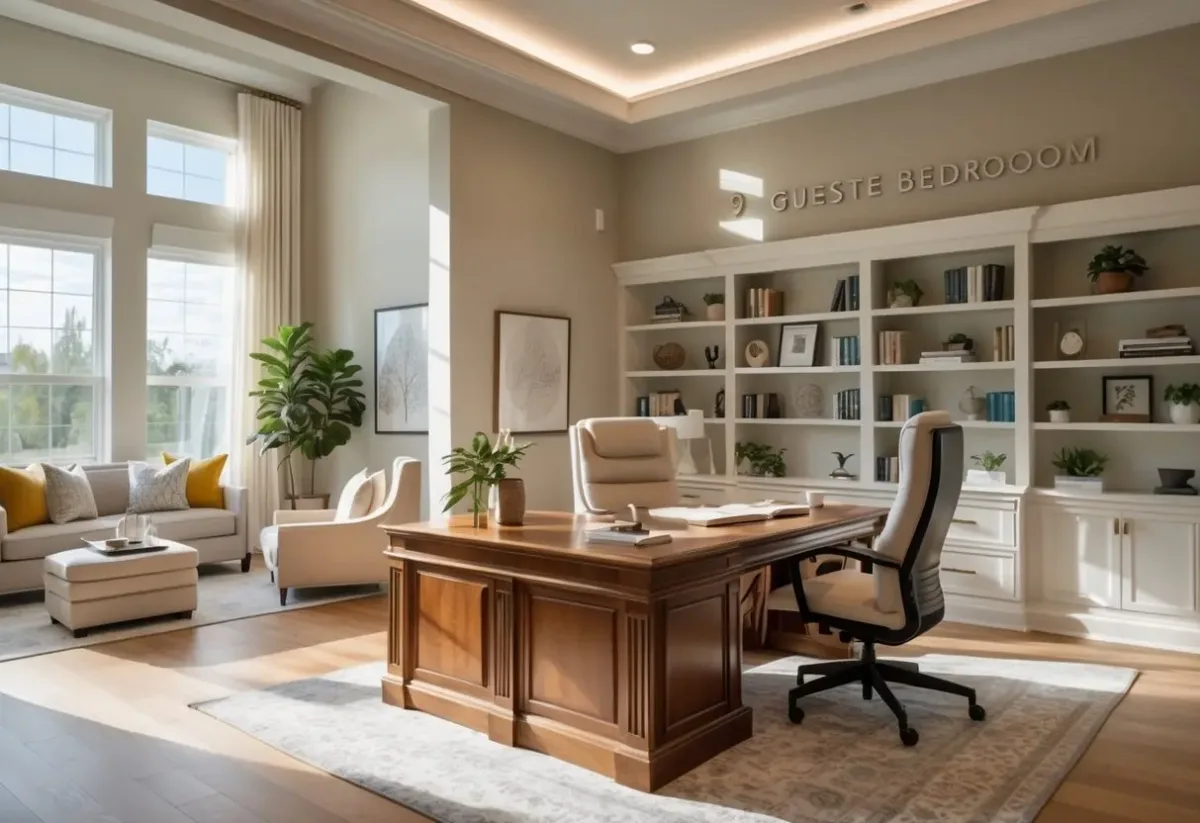
You can turn one room into two without sacrificing comfort or function. This article shows practical ways to blend a guest bedroom and a home office so your space works for overnight visitors and productive work sessions alike. You’ll find approachable design choices—space-saving beds, smart storage, calming color palettes, and lighting solutions—that keep the room feeling welcoming and efficient. Use these ideas to create a balanced, flexible space that supports work, rest, and easy hosting. Table of Contents1) Use a fold-down Murphy bed to save space and maintain functionality2) Incorporate a sleek desk with built-in storage for office supplies3) Add a comfortable sleeper sofa as a dual-purpose seating and guest bed4) Install floating shelves to maximize vertical storage without cluttering5) Choose a neutral color palette with soft blues or sandy neutrals for a calming atmosphere6) Use blackout curtains or blinds to ensure restful sleep for guests7) Incorporate a stylish task lamp with adjustable brightness for work and reading8) Add multi-functional furniture like ottomans with hidden storage9) Create a dedicated charging station for electronics to keep the space organizedDesign Considerations for a 9 Guest Bedroom Home OfficeMaximizing Space EfficiencyBlending Work and ComfortTips for Maintaining Privacy and ProductivitySoundproofing StrategiesSmart Storage Solutions 1) Use a fold-down Murphy bed to save space and maintain functionality A fold-down Murphy bed frees up floor space by tucking vertically into a cabinet when not in use. You keep a full-size sleeping surface without dedicating the room to a permanent bed. Choose a model with integrated shelving or a desk to double as your workspace during the day. That lets you switch between office and guest room functions in seconds. Measure the wall and clearance carefully before buying to ensure the bed can open without hitting furniture or doors. Consider soft-close mechanisms and sturdy hardware for smooth, safe operation. If you share the room with daily work, orient the bed so laptops and monitors stay accessible when the bed is stowed. Built-in lighting and USB ports add convenience for both work and overnight guests. 2) Incorporate a sleek desk with built-in storage for office supplies Choose a desk that blends clean lines with practical storage so your guest room stays tidy without feeling like a full-time office. Drawers, slim cabinets, and concealed compartments let you store pens, chargers, and paperwork out of sight when guests arrive. Pick finishes and hardware that match the room’s decor to keep the space cohesive and calm. Floating desks or wall-mounted units save floor area and create a lighter visual footprint while still offering usable storage. Prioritize shallow drawers and divided trays for small items so everything has a place and you avoid cluttered surfaces. If you need filing, include a narrow vertical drawer or a removable box you can tuck under the bed when hosting guests. Opt for durable materials and soft-close hardware to reduce noise and wear. That makes the desk feel intentional and guest-ready while keeping your daily workflow efficient. 3) Add a comfortable sleeper sofa as a dual-purpose seating and guest bed Choose a sleeper sofa with a reliable mattress and easy-open mechanism so your workspace converts quickly when guests arrive. Test the mattress thickness and support in person or check return policies if buying online. Position the sofa where it serves daytime seating and still leaves room to unfold at night. Leave a clear pathway for pulling out the bed to avoid moving office furniture each time. Select a style that matches your office aesthetic and offers useful features like built-in storage or removable, washable covers. Those details keep the room tidy and make maintenance simple between uses. Keep bedding stored nearby in a closet or a storage ottoman to streamline setup. A few attractive throw pillows and a lightweight duvet make the guest bed feel intentional without stealing office function. 4) Install floating shelves to maximize vertical storage without cluttering Floating shelves free up floor space while keeping essentials within reach, so you can fit both a bed and a workspace in a small room. Mount a few above your desk to hold books, office supplies, or a lamp without crowding the desktop. Choose sturdy shelves and anchor them into studs when you expect heavier loads like reference books or electronics. For lighter items, use high-strength anchors or adhesive systems that won’t damage rental walls. Vary shelf heights to store different items: low for binders, mid-level for frequently used items, and higher for decor or infrequently needed supplies. This layered approach keeps the room looking tidy and makes the most of vertical space. Keep styling simple to avoid visual clutter; use baskets or boxes to corral small items. Add under-shelf lighting or a small plant to make the office feel intentional rather than crowded. 5) Choose a neutral color palette with soft blues or sandy neutrals for a calming atmosphere Pick a neutral palette anchored by soft blues, warm beiges, or muted grays to keep the room feeling calm and cohesive. These tones reduce visual clutter and make it easier to shift the space between work mode and rest. Use soft blue on an accent wall or in textiles to introduce a subtle coolness that promotes focus without feeling clinical. Sandy neutrals on larger surfaces—walls, rugs, or cabinetry—add warmth and help furniture and decor read as intentional rather than competing. Layer textures and finishes within the neutral range to prevent the room from looking flat; think linen bedding, a woven rug, and matte-painted trim. Keep contrast low to moderate so your office equipment blends in, while small darker accents (lamp bases, frames) provide visual anchors. Choose paint and fabric samples and view them at different times of day. Natural and artificial light shift blues and neutrals differently, so test before committing to ensure the palette supports both productive work and restful stays. 6) Use blackout curtains or blinds to ensure restful sleep for guests Install blackout curtains or blinds so incoming light won’t wake sensitive sleepers. They block most daylight and streetlight, which helps guests fall asleep faster and stay asleep longer. Choose coverings with dense fabric or multi-layer construction for the best light control. Roller blackout blinds, heavy-lined curtains, or layered window treatments work well depending on your window size and style. Fit the treatment to the window to reduce gaps at the edges; consider wraparound tracks or side channels for near-total darkening. For rooms used as both an office and a guest bedroom, keep a simple cord or remote control to make switching modes quick and easy. Blackout options also reduce glare when guests use screens for late-night reading or work. Maintain them by vacuuming or spot-cleaning according to the manufacturer’s instructions to preserve appearance and performance. 7) Incorporate a stylish task lamp with adjustable brightness for work and reading Choose a task lamp that matches your room’s style while prioritizing function. A lamp with adjustable brightness and color temperature helps you switch easily between focused work and relaxed reading. Position the lamp to reduce glare on screens and shadows on paperwork; an adjustable arm or swing joint makes this simple. Aim for a lamp with an E26 base or integrated LED options so you can change bulbs or rely on efficient built-in light. Look for features that matter to you: dimming levels, color temperature control, and a stable base or clamp for desk edges. These options let you fine-tune light for late-night emails or morning reading without disturbing guests. Select a design that doubles as decor—industrial metal, matte modern, or warm brass can all elevate the space. A compact footprint preserves room for guest essentials and keeps the workspace uncluttered. 8) Add multi-functional furniture like ottomans with hidden storage Choose an ottoman that opens or has a removable top to store extra bedding, office supplies, or guest toiletries. This keeps essentials close but out of sight, so the room stays tidy without extra furniture. Look for pieces that serve more than one purpose—a cushioned ottoman can act as seating, a footrest, and a place to set a tray when guests arrive. Pick durable upholstery and a lid that’s easy to lift for frequent use. Position the ottoman near the bed or under a wall-mounted desk to maximize circulation space. If you need tech storage, opt for models with cable pass-throughs or compartments sized for chargers and power strips. Match the ottoman’s style to the room so it blends with both work and sleep zones. A neutral color or simple texture will suit varying uses and make transitions between guest and office functions smoother. 9) Create a dedicated charging station for electronics to keep the space organized Designate a single surface or drawer near an outlet for charging so devices have a predictable home. A compact power strip with surge protection and a few USB ports reduces bulk and protects your gear. Use simple organizers — a shallow tray, a mail sorter, or a small shelf — to keep phones, tablets, and cables separated. Label spots or use cable clips so guests and you can plug in without hunting for cords. Hide bulky adapters and spare chargers in a basket or closed box to keep the room tidy. Consider a charging mat or multi-device dock if you regularly charge several items at once. Keep frequently used cables and an extra universal charger accessible for guests. Check the station periodically for frayed cables and replace anything that shows wear. Design Considerations for a 9 Guest Bedroom Home Office Prioritize efficient layout, storage, and lighting so the room performs as a productive workspace and a comfortable guest retreat. Balance furniture scale, traffic flow, and quick-change solutions to switch between uses in minutes. Maximizing Space Efficiency Place the desk against a wall or in front of a window to free floor space; choose a desk no wider than 48–60 inches for a standard guest room to keep circulation clear. Use vertical storage: floor-to-ceiling shelving, wall-mounted cabinets, and pegboards keep supplies accessible without crowding the room. Pick multipurpose furniture: a twin murphy bed or a daybed with under-drawers provides sleep space and storage. Add a small rolling file cart that tucks under the desk and a slim wardrobe or armoire with built-in shelves for linens. Keep a two- to three-foot clear path from the door to the bed and desk for easy guest access. Consider zones with rugs or different paint tones: define the work area separately from the sleeping area to visually organize the room. Use compact tech solutions—wireless charging pads, a single docking station, and cable raceways—to reduce clutter. Blending Work and Comfort Invest in an ergonomic desk chair that converts to comfortable seating for guests; a chair with removable lumbar support and a simple ottoman nearby works well. Aim for a mattress option that’s both supportive and space-efficient—fold-away mattresses or high-quality trundles solve occasional overnight needs without a bulky frame. Control lighting with layered options: task lighting (adjustable desk lamp), ambient overhead (dimmable LED), and bedside sconces. Provide outlets and USB ports near the bed and desk; install a small charging station labeled for guest use. Keep a curated guest kit in a drawer: fresh sheets, a towel, a bedside water carafe, and a small box of toiletries. Use muted, calming colors and minimal decor to reduce visual distraction while working and to create a restful guest atmosphere. Include a few personal touches—an extra blanket, a clock, a small plant—to make the space welcoming without compromising function. Tips for Maintaining Privacy and Productivity Focus on blocking noise and sightlines while keeping work tools tidy and accessible. Prioritize treatments and storage that switch quickly between office mode and guest-ready mode. Soundproofing Strategies Treat the most common noise paths first: door gaps, windows, and thin walls. Install a solid-core door or add a door sweep and acoustic weatherstripping to reduce hallway and HVAC noise by several decibels.Hang heavy curtains (thermal or acoustic-rated) over windows and, if needed, a second layer of lighter sheers for daytime privacy without darkening the room completely. Add soft surfaces to absorb sound: a dense area rug, upholstered headboard, and fabric wall panels behind your desk block reflections and reduce echo. If you share walls with noisy rooms, consider a bookshelf filled with books against the shared wall — it acts as a practical sound absorber.For temporary isolation during calls, use a portable acoustic screen behind the desk or a noise-canceling headset. These steps give you measurable improvements without major renovation. Smart Storage Solutions Designate two clear zones: daily work items and guest essentials. Use a small filing cabinet on casters under the desk for your active papers and a lockable drawer for sensitive documents. Label drawers and use clear-front bins for electronics to speed cleanup when guests arrive. Install shallow built-in shelving or recessed cubbies to hold office supplies and display minimal décor that doubles as guest-friendly items (books, a small lamp, spare toiletries). Use baskets or decorative boxes on open shelves to hide chargers, adapters, and cables.Keep a dedicated “guest kit” in a nightstand or top shelf: fresh linens, a towel, a universal charger, and a small tray for jewelry. This lets you switch the room from work to hospitality in under five minutes.
You can turn one room into two without sacrificing comfort or function. This article shows practical ways to blend a guest bedroom and a home office so your space works for overnight visitors and productive work sessions alike.
You’ll find approachable design choices—space-saving beds, smart storage, calming color palettes, and lighting solutions—that keep the room feeling welcoming and efficient. Use these ideas to create a balanced, flexible space that supports work, rest, and easy hosting.
A fold-down Murphy bed frees up floor space by tucking vertically into a cabinet when not in use. You keep a full-size sleeping surface without dedicating the room to a permanent bed.
Choose a model with integrated shelving or a desk to double as your workspace during the day. That lets you switch between office and guest room functions in seconds.
Measure the wall and clearance carefully before buying to ensure the bed can open without hitting furniture or doors. Consider soft-close mechanisms and sturdy hardware for smooth, safe operation.
If you share the room with daily work, orient the bed so laptops and monitors stay accessible when the bed is stowed. Built-in lighting and USB ports add convenience for both work and overnight guests.
Choose a desk that blends clean lines with practical storage so your guest room stays tidy without feeling like a full-time office. Drawers, slim cabinets, and concealed compartments let you store pens, chargers, and paperwork out of sight when guests arrive.
Pick finishes and hardware that match the room’s decor to keep the space cohesive and calm. Floating desks or wall-mounted units save floor area and create a lighter visual footprint while still offering usable storage.
Prioritize shallow drawers and divided trays for small items so everything has a place and you avoid cluttered surfaces. If you need filing, include a narrow vertical drawer or a removable box you can tuck under the bed when hosting guests.
Opt for durable materials and soft-close hardware to reduce noise and wear. That makes the desk feel intentional and guest-ready while keeping your daily workflow efficient.
3) Add a comfortable sleeper sofa as a dual-purpose seating and guest bed
Choose a sleeper sofa with a reliable mattress and easy-open mechanism so your workspace converts quickly when guests arrive. Test the mattress thickness and support in person or check return policies if buying online.
Position the sofa where it serves daytime seating and still leaves room to unfold at night. Leave a clear pathway for pulling out the bed to avoid moving office furniture each time.
Select a style that matches your office aesthetic and offers useful features like built-in storage or removable, washable covers. Those details keep the room tidy and make maintenance simple between uses.
Keep bedding stored nearby in a closet or a storage ottoman to streamline setup. A few attractive throw pillows and a lightweight duvet make the guest bed feel intentional without stealing office function.
4) Install floating shelves to maximize vertical storage without cluttering
Floating shelves free up floor space while keeping essentials within reach, so you can fit both a bed and a workspace in a small room. Mount a few above your desk to hold books, office supplies, or a lamp without crowding the desktop.
Choose sturdy shelves and anchor them into studs when you expect heavier loads like reference books or electronics. For lighter items, use high-strength anchors or adhesive systems that won’t damage rental walls.
Vary shelf heights to store different items: low for binders, mid-level for frequently used items, and higher for decor or infrequently needed supplies. This layered approach keeps the room looking tidy and makes the most of vertical space.
Keep styling simple to avoid visual clutter; use baskets or boxes to corral small items. Add under-shelf lighting or a small plant to make the office feel intentional rather than crowded.
5) Choose a neutral color palette with soft blues or sandy neutrals for a calming atmosphere
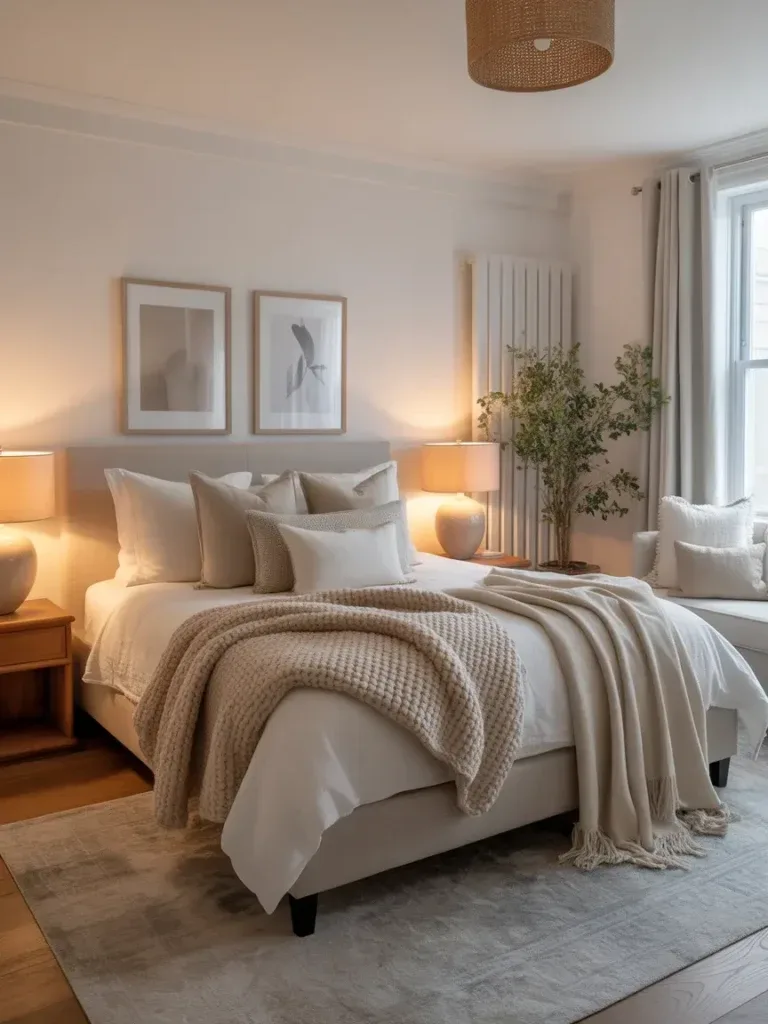
Pick a neutral palette anchored by soft blues, warm beiges, or muted grays to keep the room feeling calm and cohesive. These tones reduce visual clutter and make it easier to shift the space between work mode and rest.
Use soft blue on an accent wall or in textiles to introduce a subtle coolness that promotes focus without feeling clinical. Sandy neutrals on larger surfaces—walls, rugs, or cabinetry—add warmth and help furniture and decor read as intentional rather than competing.
Layer textures and finishes within the neutral range to prevent the room from looking flat; think linen bedding, a woven rug, and matte-painted trim. Keep contrast low to moderate so your office equipment blends in, while small darker accents (lamp bases, frames) provide visual anchors.
Choose paint and fabric samples and view them at different times of day. Natural and artificial light shift blues and neutrals differently, so test before committing to ensure the palette supports both productive work and restful stays.
Install blackout curtains or blinds so incoming light won’t wake sensitive sleepers. They block most daylight and streetlight, which helps guests fall asleep faster and stay asleep longer.
Choose coverings with dense fabric or multi-layer construction for the best light control. Roller blackout blinds, heavy-lined curtains, or layered window treatments work well depending on your window size and style.
Fit the treatment to the window to reduce gaps at the edges; consider wraparound tracks or side channels for near-total darkening. For rooms used as both an office and a guest bedroom, keep a simple cord or remote control to make switching modes quick and easy.
Blackout options also reduce glare when guests use screens for late-night reading or work. Maintain them by vacuuming or spot-cleaning according to the manufacturer’s instructions to preserve appearance and performance.
7) Incorporate a stylish task lamp with adjustable brightness for work and reading
Choose a task lamp that matches your room’s style while prioritizing function. A lamp with adjustable brightness and color temperature helps you switch easily between focused work and relaxed reading.
Position the lamp to reduce glare on screens and shadows on paperwork; an adjustable arm or swing joint makes this simple. Aim for a lamp with an E26 base or integrated LED options so you can change bulbs or rely on efficient built-in light.
Look for features that matter to you: dimming levels, color temperature control, and a stable base or clamp for desk edges. These options let you fine-tune light for late-night emails or morning reading without disturbing guests.
Select a design that doubles as decor—industrial metal, matte modern, or warm brass can all elevate the space. A compact footprint preserves room for guest essentials and keeps the workspace uncluttered.
8) Add multi-functional furniture like ottomans with hidden storage
Choose an ottoman that opens or has a removable top to store extra bedding, office supplies, or guest toiletries. This keeps essentials close but out of sight, so the room stays tidy without extra furniture.
Look for pieces that serve more than one purpose—a cushioned ottoman can act as seating, a footrest, and a place to set a tray when guests arrive. Pick durable upholstery and a lid that’s easy to lift for frequent use.
Position the ottoman near the bed or under a wall-mounted desk to maximize circulation space. If you need tech storage, opt for models with cable pass-throughs or compartments sized for chargers and power strips.
Match the ottoman’s style to the room so it blends with both work and sleep zones. A neutral color or simple texture will suit varying uses and make transitions between guest and office functions smoother.
9) Create a dedicated charging station for electronics to keep the space organized
Designate a single surface or drawer near an outlet for charging so devices have a predictable home. A compact power strip with surge protection and a few USB ports reduces bulk and protects your gear.
Use simple organizers — a shallow tray, a mail sorter, or a small shelf — to keep phones, tablets, and cables separated. Label spots or use cable clips so guests and you can plug in without hunting for cords.
Hide bulky adapters and spare chargers in a basket or closed box to keep the room tidy. Consider a charging mat or multi-device dock if you regularly charge several items at once.
Keep frequently used cables and an extra universal charger accessible for guests. Check the station periodically for frayed cables and replace anything that shows wear.
Design Considerations for a 9 Guest Bedroom Home Office
Prioritize efficient layout, storage, and lighting so the room performs as a productive workspace and a comfortable guest retreat. Balance furniture scale, traffic flow, and quick-change solutions to switch between uses in minutes.
Maximizing Space Efficiency
Place the desk against a wall or in front of a window to free floor space; choose a desk no wider than 48–60 inches for a standard guest room to keep circulation clear. Use vertical storage: floor-to-ceiling shelving, wall-mounted cabinets, and pegboards keep supplies accessible without crowding the room.
Pick multipurpose furniture: a twin murphy bed or a daybed with under-drawers provides sleep space and storage. Add a small rolling file cart that tucks under the desk and a slim wardrobe or armoire with built-in shelves for linens. Keep a two- to three-foot clear path from the door to the bed and desk for easy guest access.
Consider zones with rugs or different paint tones: define the work area separately from the sleeping area to visually organize the room. Use compact tech solutions—wireless charging pads, a single docking station, and cable raceways—to reduce clutter.
Blending Work and Comfort
Invest in an ergonomic desk chair that converts to comfortable seating for guests; a chair with removable lumbar support and a simple ottoman nearby works well. Aim for a mattress option that’s both supportive and space-efficient—fold-away mattresses or high-quality trundles solve occasional overnight needs without a bulky frame.
Control lighting with layered options: task lighting (adjustable desk lamp), ambient overhead (dimmable LED), and bedside sconces. Provide outlets and USB ports near the bed and desk; install a small charging station labeled for guest use. Keep a curated guest kit in a drawer: fresh sheets, a towel, a bedside water carafe, and a small box of toiletries.
Use muted, calming colors and minimal decor to reduce visual distraction while working and to create a restful guest atmosphere. Include a few personal touches—an extra blanket, a clock, a small plant—to make the space welcoming without compromising function.
Tips for Maintaining Privacy and Productivity
Focus on blocking noise and sightlines while keeping work tools tidy and accessible. Prioritize treatments and storage that switch quickly between office mode and guest-ready mode.
Soundproofing Strategies
Treat the most common noise paths first: door gaps, windows, and thin walls. Install a solid-core door or add a door sweep and acoustic weatherstripping to reduce hallway and HVAC noise by several decibels. Hang heavy curtains (thermal or acoustic-rated) over windows and, if needed, a second layer of lighter sheers for daytime privacy without darkening the room completely.
Add soft surfaces to absorb sound: a dense area rug, upholstered headboard, and fabric wall panels behind your desk block reflections and reduce echo. If you share walls with noisy rooms, consider a bookshelf filled with books against the shared wall — it acts as a practical sound absorber. For temporary isolation during calls, use a portable acoustic screen behind the desk or a noise-canceling headset. These steps give you measurable improvements without major renovation.
Smart Storage Solutions
Designate two clear zones: daily work items and guest essentials. Use a small filing cabinet on casters under the desk for your active papers and a lockable drawer for sensitive documents. Label drawers and use clear-front bins for electronics to speed cleanup when guests arrive.
Install shallow built-in shelving or recessed cubbies to hold office supplies and display minimal décor that doubles as guest-friendly items (books, a small lamp, spare toiletries). Use baskets or decorative boxes on open shelves to hide chargers, adapters, and cables. Keep a dedicated “guest kit” in a nightstand or top shelf: fresh linens, a towel, a universal charger, and a small tray for jewelry. This lets you switch the room from work to hospitality in under five minutes.
Listen to this article 10 10 0:00 / 0:00 Speed 0.75×1×1.25×1.5×2× Want a guest room that feels boutique and effortlessly chic? These six ideas mix comfort, style, and a little wow factor so visitors actually want to extend their stay. FYI, you’ll want to bookmark this for your next redecorating spree. 1. Create a Mini…
Listen to this article 10 10 0:00 / 0:00 Speed 0.75×1×1.25×1.5×2× Ever stayed somewhere so cozy you didn’t want to leave? That’s the goal here. A great guest bedroom isn’t just a place to crash—it’s a whole vibe that makes people feel cared for. Whether you host often or just want to impress that one…
Listen to this article 10 10 0:00 / 0:00 Speed 0.75×1×1.25×1.5×2× You want a guest room that feels hotel-chic but homey enough for brunch in your PJs. These seven ideas are practical, stylish, and totally doable without a remodel wizard on speed dial. FYI, your guests (and your future self) will thank you. 1. Smart…
Listen to this article 10 10 0:00 / 0:00 Speed 0.75×1×1.25×1.5×2× You can make a guest room feel roomy, cozy, and stylish with two twin beds arranged to suit how you host. This article shows simple, smart ways to place and style twin beds so your guests feel comfortable and the room stays practical. You’ll find…
Listen to this article 10 10 0:00 / 0:00 Speed 0.75×1×1.25×1.5×2× Ever walked into a guest room and thought… wow, I might “accidentally” extend my stay? That’s the energy we’re going for here. Small spaces don’t have to feel cramped or forgettable—they can feel thoughtful, stylish, and seriously cozy. Whether you’re working with a tiny…
Listen to this article 10 10 0:00 / 0:00 Speed 0.75×1×1.25×1.5×2× You want a guest bedroom that feels both cozy and modern without a lot of fuss. This article shows simple, practical ways to make your space calm, comfortable, and ready for visitors while keeping it stylish and useful for everyday life. You’ll learn easy…