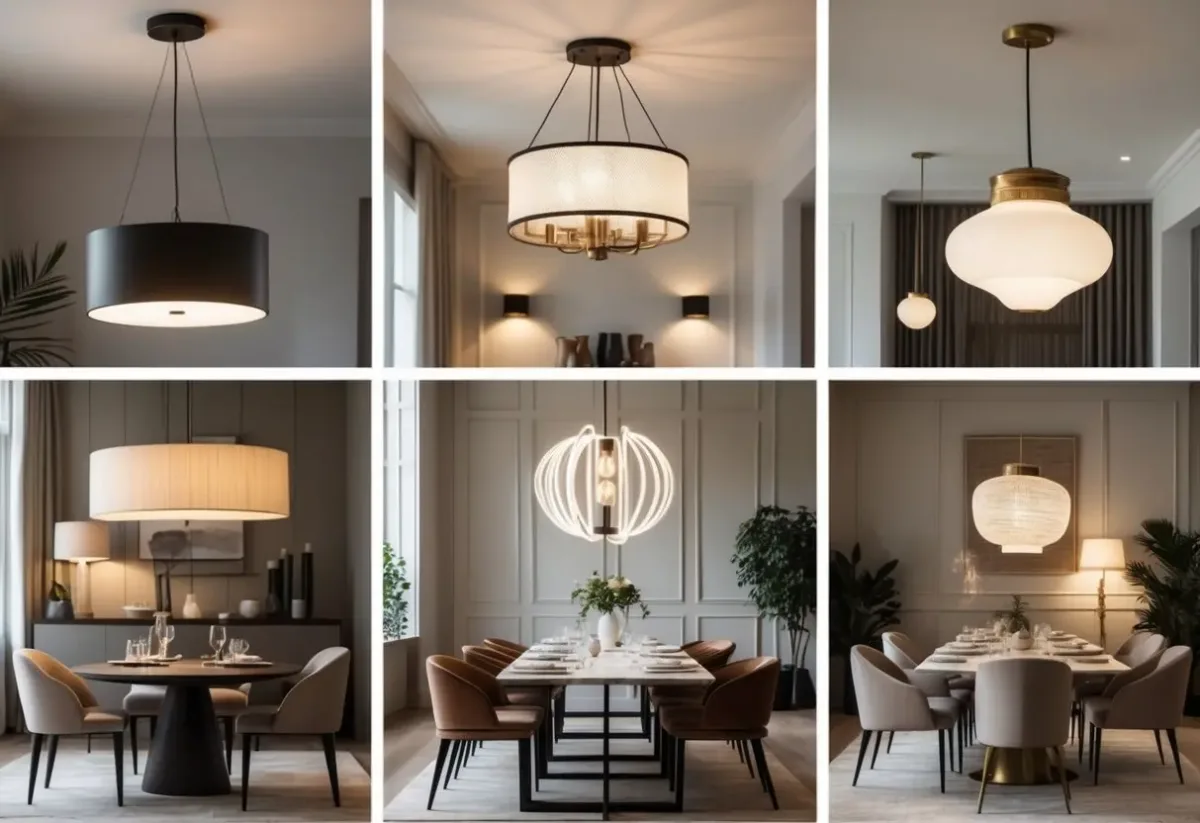
You want a dining room that looks intentional and functions well for every meal and gathering. This article shows seven lighting ideas and practical considerations to help you pick fixtures that match your style, scale, and lighting needs. You’ll explore a range of options—from warm, rustic chandeliers to sleek LED suspensions and adjustable dimmable pendants—plus tips on placement and installation so your chosen fixture performs as beautifully as it looks. Table of Contents1) Farmhouse Weathered Wood Chandelier2) Rope Pendant Light Fixture with Nautical Details3) Modern Minimalist LED Linear Suspension4) Brass Multi-Arm Sputnik Chandelier5) Dimmable Crystal Pendant Light6) Industrial Black Metal Cage Pendant7) Vintage Edison Bulb ClusterKey Considerations for Choosing Dining Room Light FixturesRoom Size and Ceiling HeightLighting Layering and AmbianceFixture Materials and FinishesInstallation and Placement TipsProper Fixture Height Above Dining TablesBalancing Multiple Light Sources 1) Farmhouse Weathered Wood Chandelier Choose a weathered wood chandelier to add rustic warmth and tactile texture to your dining room. Its aged finish and simple silhouette work well with wood tables, neutral walls, and woven accents. Look for fixtures that combine solid wood beams with metal brackets or chains for a balanced, durable design. Candle-style bulbs or exposed Edison bulbs preserve a farmhouse feel while providing even, inviting light. Scale the chandelier to your table: it should span about two-thirds the width of the table and hang 30–36 inches above the surface for comfortable sightlines. If your ceiling is high, raise the fixture and use a longer chain to keep proportions right. Install dimmable bulbs so you can shift from bright task lighting to softer ambiance for evenings. This lets you maintain function without sacrificing the lived-in, cozy character farmhouse lighting provides. Benkut Farmhouse Wagon Wheel Chandelier 23.6″ Walnut Rustic Chand… Wagon Wheel Chandelier: This Black Wood Chandelier is made of high-quality original wood and durable metal with an aged … Height Adjustable Wagon Wheel Light: This Round Rustic Chandelier Dia is 23.6″ with a 59″ adjustable chain. This Farmhou… Wide Application Farmhouse Chandelier: The 4-light design provides 360° light coverage that is soft and warm without bei… $149.00 Buy on Amazon 2) Rope Pendant Light Fixture with Nautical Details A rope pendant brings a coastal look while keeping the focus on function. You can choose natural hemp or braided rope wrapped around a metal frame to add texture without overwhelming the room. Position the fixture over your dining table at about 30–36 inches above the surface for balanced light and sightlines. Adjustable-height models let you change the mood from intimate dinners to brighter task lighting. Look for fixtures that combine rope with brass, driftwood, or sea-glass accents to reinforce the nautical theme. LED bulbs save energy and provide steady, warm illumination that complements the rustic materials. Use a cluster of small rope pendants for a modern boho arrangement, or pick a single oversized pendant as a focal point. Either approach creates a relaxed, maritime atmosphere that pairs well with natural wood or whitewashed finishes. dalattin 24 Pack LED Bulbs Daylight White 5000K, 60 Watt Equivale… 【Efficiency Meets Comfort】 Dalattin’s A19 engergy saving LED bulbs replace 60W incandescents with just 9W while deliveri… 【Enhanced Ambiance】 Boasting a high Color Rendering Index (CRI) of 80+, our bulbs bring out the truest hues in your surr… 【Eyes First, Safety Always】 Designed with eye care in mind, our non-flicker and non-dazzling technology reduces eye stra… $20.99 Buy on Amazon 3) Modern Minimalist LED Linear Suspension Choose a linear LED suspension when you want clean lines and even illumination over your dining table. The elongated profile delivers balanced light across the surface, reducing shadows and glare so your table looks consistent from end to end. Minimalist fixtures pair well with simple furniture and uncluttered decor, keeping focus on form and function. Many models use integrated LEDs for thin, uniform bars that require less visual space than clusters of pendants. You can select dimmable options to match different moods, from bright meal prep to softer evening dining. Look for adjustable hang height so the fixture sits correctly for your table size and ceiling height. Materials like matte metal or anodized aluminum keep the look restrained and durable. If you have an open-plan room, a linear suspension helps define the dining area without blocking sightlines. JTT 8FT LED Linear Light Fixture, 60W 3CCT 3000K/4000K/5000K CCT … 【Elegant Design】: Upgrade your lighting setup with the JTT 8FT Linkable LED Linear Office Light, featuring a study alumi… 【Energy Saving】: The linkable shop lights comes with a powerful 60W selectable output delivering 7500 lumens of brightne… 【Light Color Adjustable】: The lighting selectable color temperature options of 3000K, 4000K, and 5000K allow you to cust… $379.98 Buy on Amazon 4) Brass Multi-Arm Sputnik Chandelier A brass multi-arm Sputnik chandelier brings mid-century modern character to your dining room with a striking yet balanced silhouette. Its central sphere and radiating arms create an architectural focal point without overwhelming the space. You can choose versions with opal or frosted glass globes to soften light and reduce glare, making the fixture pleasant for meals and conversation. Many models accept standard E26 bulbs, including dimmable LEDs, so you can adjust brightness for ambiance. Adjustable rods or chains let you set the height to suit your table and ceiling; hang it lower for intimate dinners or higher for a more open look. The warm brass finish adds a timeless, versatile tone that complements wood, stone, and neutral palettes. RUIYEY Modern Chandelier Ceiling Light Fixture – Sputnik Chandeli… Height Adjustable Chandelier: The hanging height of this chandelier can be adjusted by changing the number of rods, maxi… Bulb Requirement: This farmhouse chandelier requires E26 bulbs, LED bulbs are recommended for saving energy and money. T… Modern Farmhouse Style Design: The rods of our chandelier adopt black spray paint technology, which is durable and does … $66.77 Buy on Amazon 5) Dimmable Crystal Pendant Light A dimmable crystal pendant light gives you precise control over atmosphere and brightness. Use brighter settings for tasks and lower levels to create a relaxed, intimate dining mood. Choose fixtures with a reliable dimmer-compatible driver or LED module to avoid flicker and ensure smooth transitions. Many modern crystal designs blend clear or faceted glass with minimalist metalwork, so you get sparkle without feeling ornate. Position the pendant about 30–36 inches above a standard dining table for balanced illumination and comfortable sight lines. If your table is longer, consider a linear cluster or two pendants spaced evenly to maintain even light across the surface. Crystal pendants reflect and refract light, adding visual interest without relying on color or pattern. Keep the wiring and mounting rated for dimming, and match the fixture’s color temperature to your other lights for a cohesive look. 6) Industrial Black Metal Cage Pendant An industrial black metal cage pendant adds structure and visual interest above your dining table. The open cage lets the bulb show, so choose a filament or warm LED bulb to control brightness and color temperature. You can use a single large pendant or a row of smaller cages for longer tables. Black metal pairs well with wood, brass accents, and neutral palettes, creating contrast without overpowering the room. Adjust the hanging height so the fixture sits about 30–36 inches above the tabletop for comfortable sightlines. The pendant’s simple silhouette works in modern, farmhouse, and eclectic interiors, giving your dining area a focused, stylish light source. 7) Vintage Edison Bulb Cluster A cluster of Edison bulbs creates a warm, tactile focal point above your dining table. You’ll highlight exposed filaments and glass shapes, which add vintage character without heavy ornamentation. Position the bulbs at varying heights to create depth and reduce glare. You can mix clear and amber bulbs to adjust color temperature and mood without changing fixtures. Choose dimmable LED Edison-style bulbs for energy efficiency and longer life while keeping the vintage look. Use a simple canopy or a grouping plate to organize cords neatly and maintain a clean silhouette. Keep scale and proportion in mind so the cluster complements your table and ceiling height. If your dining room feels small, opt for fewer bulbs or smaller glass shapes to avoid overwhelming the space. Key Considerations for Choosing Dining Room Light Fixtures Focus on scale, light quality, and finish to make fixtures functional and visually balanced. Prioritize measured proportions, layered illumination, and materials that match your room’s use and style. Room Size and Ceiling Height Measure your table and room before shopping. For a single fixture over a rectangular table, add the table length and width in feet, then convert to inches to get an approximate chandelier or pendant width (e.g., 6′ + 4′ = 10″ wide). For multiple pendants, plan spacing of 8–12 inches between shades and 12–20 inches from the table edge to the first/last pendant. Ceiling height dictates suspension. Hang the bottom of a fixture 30–36 inches above the table on an 8–9 foot ceiling; add 3 inches per additional foot of ceiling height. For ceilings under 8 feet, choose low-profile or semi-flush fixtures to keep sightlines open. Consider room scale beyond the table. In open-plan spaces, pick a fixture sized to the dining zone, not the whole room, and ensure doorways and walk paths remain unobstructed. Lighting Layering and Ambiance Layer three types of light: task, ambient, and accent. Task light should sit directly over the table—dimmable pendants or a chandelier with focused downward light work best for dining activities. Use bulbs at warm color temperatures (around 2700K) to keep skin tones and food colors natural. Ambient light fills the room; add wall sconces, a dimmable ceiling source, or recessed cans on separate circuits. Accent lights—picture lights, recessed adjustable trims, or LED strips—highlight architecture and create depth. Install a quality dimmer compatible with your chosen bulbs. Dimming gives you control for dinner, entertaining, or cleaning. Also plan switches so you can run only the table light when you want intimate mood and turn on ambient layers when needed. Fixture Materials and Finishes Choose materials for durability and maintenance. Metals like brass, nickel, and matte black resist wear and pair well with common dining finishes. Glass shades give soft, even diffusion but show dust; metal or fabric shades hide grime but affect light distribution differently. Match finishes to permanent room elements: coordinate with cabinet hardware, door handles, or a fireplace surround. If you change décor often, pick neutral finishes (brushed nickel, antique brass) that adapt. Consider coating and IP rating if the dining area sits near an open kitchen or exterior wall where moisture and cooking oils occur. Select bulbs and internal components rated for easy replacement and long life to reduce maintenance. Installation and Placement Tips Focus on exact measurements and layered lighting so your fixtures provide even illumination, comfortable sightlines, and flexible dimming for different activities. Proper Fixture Height Above Dining Tables Hang pendants or chandeliers so the bottom of the fixture sits 28–34 inches above a standard 30-inch-high table.If your ceiling is higher than 9 feet, add about 3 inches of height for every extra foot above 8 feet; for vaulted ceilings, measure along the lowest headspace path. Center the fixture over the table’s long axis, not the room’s center, to avoid awkward shadows. Use a level and measure from the table edge to ensure equal overhang on both ends.For multiple pendants, space them evenly with 12–18 inches between shades for a 6–8 foot table; increase spacing proportionally for longer tables. Consider sightlines: choose a fixture with a low-glare shade or downlight baffle to avoid shining directly into guests’ eyes. Install on an adjustable canopy or use a decorative chain for fine tuning. Balancing Multiple Light Sources Layer general, task, and accent lighting to create flexibility. Start with a dimmable central fixture for table tasks, then add recessed lights or wall sconces for ambient fill without casting harsh shadows. Place recessed cans at least 24–36 inches from the table edge and aim them toward walls to wash surfaces gently. Use wall sconces at eye level—about 60–66 inches from the floor—to add vertical light and reduce contrast between the table plane and surrounding walls. Add a secondary task source such as a nearby buffet lamp or directional track light for serving areas. Wire all major circuits to a multi-gang dimmer so you can combine settings: full for gatherings, low for intimate meals, and mixed for functional tasks.
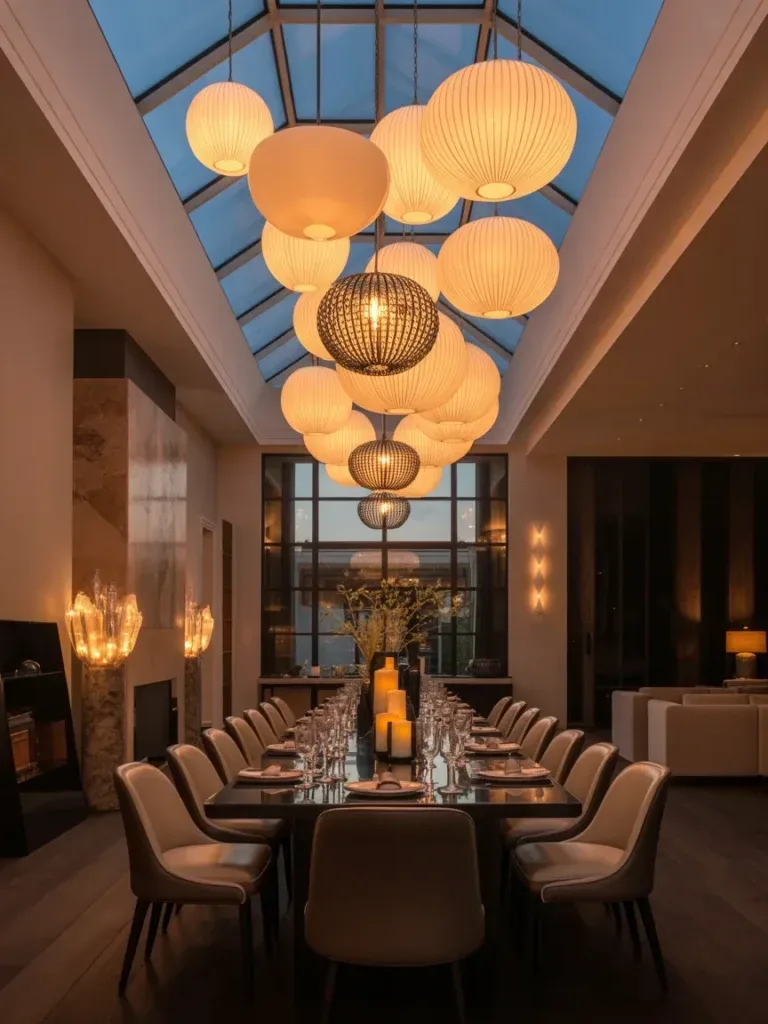
You want a dining room that looks intentional and functions well for every meal and gathering. This article shows seven lighting ideas and practical considerations to help you pick fixtures that match your style, scale, and lighting needs.
You’ll explore a range of options—from warm, rustic chandeliers to sleek LED suspensions and adjustable dimmable pendants—plus tips on placement and installation so your chosen fixture performs as beautifully as it looks.
Choose a weathered wood chandelier to add rustic warmth and tactile texture to your dining room. Its aged finish and simple silhouette work well with wood tables, neutral walls, and woven accents.
Look for fixtures that combine solid wood beams with metal brackets or chains for a balanced, durable design. Candle-style bulbs or exposed Edison bulbs preserve a farmhouse feel while providing even, inviting light.
Scale the chandelier to your table: it should span about two-thirds the width of the table and hang 30–36 inches above the surface for comfortable sightlines. If your ceiling is high, raise the fixture and use a longer chain to keep proportions right.
Install dimmable bulbs so you can shift from bright task lighting to softer ambiance for evenings. This lets you maintain function without sacrificing the lived-in, cozy character farmhouse lighting provides.
A rope pendant brings a coastal look while keeping the focus on function. You can choose natural hemp or braided rope wrapped around a metal frame to add texture without overwhelming the room.
Position the fixture over your dining table at about 30–36 inches above the surface for balanced light and sightlines. Adjustable-height models let you change the mood from intimate dinners to brighter task lighting.
Look for fixtures that combine rope with brass, driftwood, or sea-glass accents to reinforce the nautical theme. LED bulbs save energy and provide steady, warm illumination that complements the rustic materials.
Use a cluster of small rope pendants for a modern boho arrangement, or pick a single oversized pendant as a focal point. Either approach creates a relaxed, maritime atmosphere that pairs well with natural wood or whitewashed finishes.
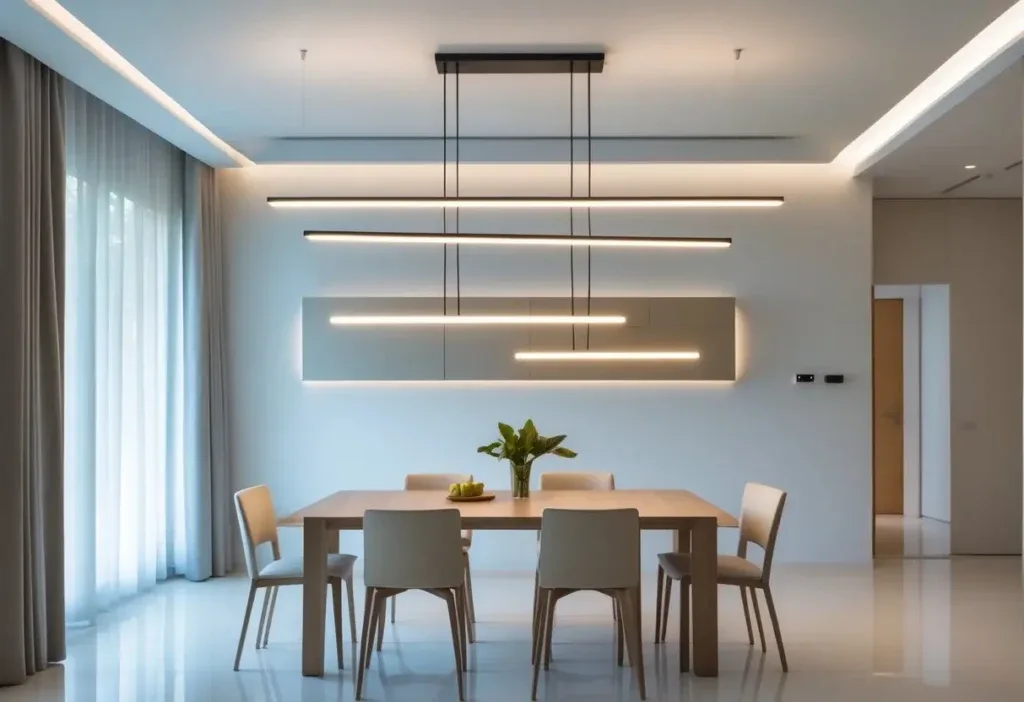
Choose a linear LED suspension when you want clean lines and even illumination over your dining table. The elongated profile delivers balanced light across the surface, reducing shadows and glare so your table looks consistent from end to end.
Minimalist fixtures pair well with simple furniture and uncluttered decor, keeping focus on form and function. Many models use integrated LEDs for thin, uniform bars that require less visual space than clusters of pendants.
You can select dimmable options to match different moods, from bright meal prep to softer evening dining. Look for adjustable hang height so the fixture sits correctly for your table size and ceiling height.
Materials like matte metal or anodized aluminum keep the look restrained and durable. If you have an open-plan room, a linear suspension helps define the dining area without blocking sightlines.
A brass multi-arm Sputnik chandelier brings mid-century modern character to your dining room with a striking yet balanced silhouette. Its central sphere and radiating arms create an architectural focal point without overwhelming the space.
You can choose versions with opal or frosted glass globes to soften light and reduce glare, making the fixture pleasant for meals and conversation. Many models accept standard E26 bulbs, including dimmable LEDs, so you can adjust brightness for ambiance.
Adjustable rods or chains let you set the height to suit your table and ceiling; hang it lower for intimate dinners or higher for a more open look. The warm brass finish adds a timeless, versatile tone that complements wood, stone, and neutral palettes.
A dimmable crystal pendant light gives you precise control over atmosphere and brightness. Use brighter settings for tasks and lower levels to create a relaxed, intimate dining mood.
Choose fixtures with a reliable dimmer-compatible driver or LED module to avoid flicker and ensure smooth transitions. Many modern crystal designs blend clear or faceted glass with minimalist metalwork, so you get sparkle without feeling ornate.
Position the pendant about 30–36 inches above a standard dining table for balanced illumination and comfortable sight lines. If your table is longer, consider a linear cluster or two pendants spaced evenly to maintain even light across the surface.
Crystal pendants reflect and refract light, adding visual interest without relying on color or pattern. Keep the wiring and mounting rated for dimming, and match the fixture’s color temperature to your other lights for a cohesive look.
An industrial black metal cage pendant adds structure and visual interest above your dining table. The open cage lets the bulb show, so choose a filament or warm LED bulb to control brightness and color temperature.
You can use a single large pendant or a row of smaller cages for longer tables. Black metal pairs well with wood, brass accents, and neutral palettes, creating contrast without overpowering the room.
Adjust the hanging height so the fixture sits about 30–36 inches above the tabletop for comfortable sightlines. The pendant’s simple silhouette works in modern, farmhouse, and eclectic interiors, giving your dining area a focused, stylish light source.
A cluster of Edison bulbs creates a warm, tactile focal point above your dining table. You’ll highlight exposed filaments and glass shapes, which add vintage character without heavy ornamentation.
Position the bulbs at varying heights to create depth and reduce glare. You can mix clear and amber bulbs to adjust color temperature and mood without changing fixtures.
Choose dimmable LED Edison-style bulbs for energy efficiency and longer life while keeping the vintage look. Use a simple canopy or a grouping plate to organize cords neatly and maintain a clean silhouette.
Keep scale and proportion in mind so the cluster complements your table and ceiling height. If your dining room feels small, opt for fewer bulbs or smaller glass shapes to avoid overwhelming the space.
Key Considerations for Choosing Dining Room Light Fixtures
Focus on scale, light quality, and finish to make fixtures functional and visually balanced. Prioritize measured proportions, layered illumination, and materials that match your room’s use and style.
Room Size and Ceiling Height
Measure your table and room before shopping. For a single fixture over a rectangular table, add the table length and width in feet, then convert to inches to get an approximate chandelier or pendant width (e.g., 6′ + 4′ = 10″ wide). For multiple pendants, plan spacing of 8–12 inches between shades and 12–20 inches from the table edge to the first/last pendant.
Ceiling height dictates suspension. Hang the bottom of a fixture 30–36 inches above the table on an 8–9 foot ceiling; add 3 inches per additional foot of ceiling height. For ceilings under 8 feet, choose low-profile or semi-flush fixtures to keep sightlines open.
Consider room scale beyond the table. In open-plan spaces, pick a fixture sized to the dining zone, not the whole room, and ensure doorways and walk paths remain unobstructed.
Lighting Layering and Ambiance
Layer three types of light: task, ambient, and accent. Task light should sit directly over the table—dimmable pendants or a chandelier with focused downward light work best for dining activities. Use bulbs at warm color temperatures (around 2700K) to keep skin tones and food colors natural.
Ambient light fills the room; add wall sconces, a dimmable ceiling source, or recessed cans on separate circuits. Accent lights—picture lights, recessed adjustable trims, or LED strips—highlight architecture and create depth.
Install a quality dimmer compatible with your chosen bulbs. Dimming gives you control for dinner, entertaining, or cleaning. Also plan switches so you can run only the table light when you want intimate mood and turn on ambient layers when needed.
Fixture Materials and Finishes
Choose materials for durability and maintenance. Metals like brass, nickel, and matte black resist wear and pair well with common dining finishes. Glass shades give soft, even diffusion but show dust; metal or fabric shades hide grime but affect light distribution differently.
Match finishes to permanent room elements: coordinate with cabinet hardware, door handles, or a fireplace surround. If you change décor often, pick neutral finishes (brushed nickel, antique brass) that adapt.
Consider coating and IP rating if the dining area sits near an open kitchen or exterior wall where moisture and cooking oils occur. Select bulbs and internal components rated for easy replacement and long life to reduce maintenance.
Focus on exact measurements and layered lighting so your fixtures provide even illumination, comfortable sightlines, and flexible dimming for different activities.
Proper Fixture Height Above Dining Tables
Hang pendants or chandeliers so the bottom of the fixture sits 28–34 inches above a standard 30-inch-high table. If your ceiling is higher than 9 feet, add about 3 inches of height for every extra foot above 8 feet; for vaulted ceilings, measure along the lowest headspace path.
Center the fixture over the table’s long axis, not the room’s center, to avoid awkward shadows. Use a level and measure from the table edge to ensure equal overhang on both ends. For multiple pendants, space them evenly with 12–18 inches between shades for a 6–8 foot table; increase spacing proportionally for longer tables.
Consider sightlines: choose a fixture with a low-glare shade or downlight baffle to avoid shining directly into guests’ eyes. Install on an adjustable canopy or use a decorative chain for fine tuning.
Balancing Multiple Light Sources
Layer general, task, and accent lighting to create flexibility. Start with a dimmable central fixture for table tasks, then add recessed lights or wall sconces for ambient fill without casting harsh shadows.
Place recessed cans at least 24–36 inches from the table edge and aim them toward walls to wash surfaces gently. Use wall sconces at eye level—about 60–66 inches from the floor—to add vertical light and reduce contrast between the table plane and surrounding walls.
Add a secondary task source such as a nearby buffet lamp or directional track light for serving areas. Wire all major circuits to a multi-gang dimmer so you can combine settings: full for gatherings, low for intimate meals, and mixed for functional tasks.
Listen to this article 10 10 0:00 / 0:00 Speed 0.75×1×1.25×1.5×2× Tiny dining rooms really know how to test your patience, don’t they? One oversized chair and suddenly you’re squeezing sideways like you’re in a crowded coffee shop at brunch hour. The good news? A round dining table can completely change the game without making…
Listen to this article 10 10 0:00 / 0:00 Speed 0.75×1×1.25×1.5×2× Your dining room lighting can either make dinner feel magical or make everyone look like they’re sitting inside a grocery store aisle. Harsh? Maybe. True? Absolutely. The right light over your dining table changes everything, from casual takeout nights to fancy holiday dinners that…
Listen to this article 10 10 0:00 / 0:00 Speed 0.75×1×1.25×1.5×2× I redid my dining room three times before I got it right, and honestly, the table was the problem every single time. A good dining table design modern luxury look isn’t about spending the most money — it’s about picking pieces that actually talk…
Listen to this article 10 10 0:00 / 0:00 Speed 0.75×1×1.25×1.5×2× Nothing changes a dining room faster than the right light fixture. One beautiful pendant or chandelier can make even the simplest table feel cozy, collected, and full of personality. If your dining space feels a little flat, these boho-inspired lighting ideas might be exactly…
Listen to this article 10 10 0:00 / 0:00 Speed 0.75×1×1.25×1.5×2× You want a dining light that looks right and works well. Choose a fixture that fits your table size, hangs 30–36 inches above the surface, and matches your room’s style so meals feel bright and balanced without glare or wasted space. This article will show you how to…