You want a living room that feels calm, useful, and stylish. Modern living room design mixes clean shapes, smart layouts, and natural materials so spaces look fresh while working for daily life. Start by choosing simple furniture, a clear layout, and layered lighting to make the room feel open, comfortable, and current. This article shows how to pick core elements, explore modern aesthetic styles, plan lighting, add decor that doubles as function, and choose eco-friendly options. It gives practical ideas you can use whether updating one corner or redoing the whole room. Table of ContentsCore Elements of Modern Living Room DesignEssential Furniture ChoicesColor Palettes and MaterialsSpatial Planning PrinciplesModern Aesthetic StylesMinimalist ApproachesMid-Century Modern InfluenceIndustrial TouchesLighting Strategies for Modern SpacesNatural Light OptimizationLayered Artificial LightingStatement FixturesDecor and Functionality EnhancementsAccent Walls and ArtIntegrating Smart TechnologyTextiles and AccessoriesSustainable and Eco-Friendly Design ChoicesGreen Materials SelectionEnergy-Efficient Features Core Elements of Modern Living Room Design A modern living room centers on clean lines, purposeful pieces, and a calm color base. It balances form and function with selected textures and a clear layout that supports daily use. 18″ Modern Black Chandelier for Dining Room, No Assembly Required… 【Black Chandelier Style & Design】This modern chandelier features a geometric square metal frame and a 4-light central ca… 【No Assembly Required & Easy Installation】The foyer lighting fixtures comes pre-assembled, simply unfold it and attach t… 【Upgraded Quality】Our chandelier for dining room is crafted with high-quality, durable materials to ensure lasting perfo… $69.99 Buy on Amazon Essential Furniture Choices Choose low-profile seating like a streamlined sofa and one or two armchairs with slim arms to keep sightlines open. Select a coffee table with a simple shape—rectangular glass or wood works well—and avoid overly ornate bases. Prioritize multifunctional pieces. A console with drawers near the entry or a storage ottoman offers hidden storage without adding visual clutter. Use pieces in durable fabrics such as performance linen or blended wool for long-term wear. Scale furniture to the room. Measure and leave at least 18–24 inches between the sofa and a coffee table for comfortable reach. Place seating to encourage conversation, typically facing one another or angled toward a focal wall or media unit. Color Palettes and Materials Stick to a neutral base: warm whites, soft greys, and muted beiges form the backdrop. Add one or two accent colors—navy, forest green, or terracotta—through pillows, rugs, or a single armchair to create focus without overwhelming the space. Mix materials for depth. Pair natural wood with matte metal and tactile textiles like wool or boucle. Use a large rug with a subtle pattern to anchor the zone and introduce texture. Choose finishes that read as calm and refined. Matte or satin metal hardware, unpolished wood grains, and soft matte paint keep the palette sophisticated. Limit bright, high-gloss surfaces to small accent pieces. Spatial Planning Principles Define zones by function, not by filling every corner. Place the main seating area around a focal point—fireplace, TV, or a view—and allow 30–36 inches for primary circulation paths where possible. Use layered lighting: an overhead fixture for general light, task lamps for reading, and accent lighting to highlight artwork or architectural details. This approach lets occupants adjust mood and brightness for different activities. Keep sightlines clear. Arrange furniture to preserve views and natural light. Floating furniture away from walls can create better flow in larger rooms, while built-ins work well in compact spaces to maximize storage without crowding. Modern Aesthetic Styles This section shows clear visual rules, furniture choices, and material cues that define three modern living room styles. Readers will find specific tips for layout, finishes, and key pieces to achieve each look. Minimalist Approaches Minimalist rooms rely on restrained color palettes, simple furniture, and empty space to create calm. Choose a neutral base like warm white, cool gray, or soft beige. Limit accent colors to one or two muted tones (olive, navy, clay) used in small rugs, a single throw, or one artwork. Furniture should have clean lines and low profiles. Prioritize a compact sofa, a streamlined media console, and a single statement chair. Avoid excess pieces; each item must earn its place by function or strong form. Storage hides clutter. Use built-in shelving, concealed cabinets, or a simple storage ottoman. Keep surfaces clear and use uniform containers. Lighting should be simple: recessed lights, a slim floor lamp, and one understated pendant. Mid-Century Modern Influence Mid-century modern mixes organic shapes, warm wood, and bold but controlled accents. Select a walnut or teak coffee table and a sofa with tapered wooden legs. Pair these with an iconic lounge chair or a low-profile credenza. Colors include mustard, teal, and burnt orange, balanced with neutrals. Use patterned textiles—geometric throws or a low-pile rug—to add personality without clutter. Artwork can be abstract or graphic; one large piece works better than many small ones. Function matters: arrange seating to encourage conversation and sightlines to the TV. Add brass or brushed metal lamps, and keep hardware minimal. Choose lighting with sculptural shapes to echo the furniture’s curves. Industrial Touches Industrial style uses raw materials, visible structure, and functional lighting for a modern edge. Exposed brick, concrete floors, or metal beams set the tone. If structural elements aren’t available, mimic them with a faux-brick wall panel or concrete-look tile. Furniture blends metal frames with reclaimed or dark-stained wood. A metal-legged sofa or a steel coffee table pairs well with leather seating. Choose darker colors—charcoal, espresso, deep green—and add a lighter rug to balance contrast. Lighting should be utilitarian: metal pendants, an angled task lamp, or Edison bulbs. Storage can be open shelving with visible brackets. Keep décor purposeful: a large clock, a single factory-style mirror, and a few plants soften the space without undermining the industrial feel. Lighting Strategies for Modern Spaces Use sunlight where possible, add layered artificial light for tasks and mood, and choose one or two bold fixtures to anchor the room. Focus on placement, color temperature, and dimming to make each area work well. Natural Light Optimization They should maximize window exposure by keeping window treatments minimal. Use sheer curtains or motorized blinds that lift fully during the day to let in direct and indirect sunlight. Position seating and work areas to benefit from daylight without causing glare on screens. A light-colored rug and matte wall paint help reflect light deeper into the room. Consider window films that reduce heat and UV without darkening the room. If privacy is needed, use top-down shades so the upper glass still admits light. Skylights and light tubes work well in interior living rooms or long layouts. Place reflective surfaces, like a slim mirror or high-sheen trim, opposite windows to bounce light into shadowed corners. Layered Artificial Lighting They should plan three layers: ambient, task, and accent. Ambient light fills the room with even illumination using recessed cans, a central flush fixture, or a dimmable LED track. Task lights focus on reading, work, and hobbies. Use adjustable floor lamps by the sofa, directional sconces for side tables, and under-shelf LEDs for media consoles. Accent lighting highlights art, plants, or architectural features. Small spotlights, picture lights, or wall washers create depth and visual interest. Set color temperature by function: 2700–3000K for warm relaxing zones, 3000–3500K for mixed-use areas, and cooler temps for detailed tasks. Add dimmers and smart controls for scene setting and energy savings. Statement Fixtures They should pick one focal fixture to define the room’s style without clutter. A sculptural chandelier, oversized pendant, or geometric LED fixture can anchor seating areas or above coffee tables. Scale matters: choose a fixture roughly one-third the width of the seating or table area. Hang pendants 28–34 inches above a coffee table, and chandeliers should clear headspace in circulation paths. Match finishes to the room’s palette—matte black, brushed brass, or chrome—but avoid too many competing metals. Consider integrated LEDs for slim profiles and long life. Use statement pieces sparingly alongside subtle supporting lights. This balances drama with daily function and keeps the space modern and livable. Decor and Functionality Enhancements Focus on bold yet simple touches that add personality and make the room work better. Emphasize a single strong visual element, smart systems that simplify daily use, and layered textiles that balance comfort with clean lines. Accent Walls and Art They should choose one wall as the focal point rather than covering the whole room. A matte charcoal paint or deep navy behind the sofa anchors seating and keeps the palette modern. Alternatively, consider textured wall panels or wood slats for subtle depth without busy patterns. Large-scale art works best: pick one piece at least two-thirds the width of the sofa, or group three frames in a tight grid for balance. Use floating shelves to display smaller pieces and rotate objects seasonally. Keep frames simple — black, white, or natural wood — to match a streamlined aesthetic. Add built-in lighting like an adjustable picture light or low-profile wall washers to highlight the feature. Avoid multiple competing walls; limit bold color or pattern to that single focal wall so the room stays calm and modern. Integrating Smart Technology They should prioritize devices that improve comfort and reduce clutter. A single smart hub connected to lighting, thermostat, and speakers keeps controls centralized. Use recessed smart switches and dimmers to maintain clean walls and let scenes set different moods without visible remotes. Choose a compact soundbar or ceiling speakers for better audio without large floor units. Smart blinds or motorized curtain tracks improve light control and protect furniture from sun damage. For voice control, place a small microphone device in a corner away from TV glare to avoid false triggers. Keep wiring hidden: run cables behind walls or inside console units. Use a single multi-outlet surge protector with labeled ports inside cabinets to manage chargers and streaming boxes. Prioritize devices that support common standards like Matter or major ecosystems to avoid future compatibility problems. Textiles and Accessories They should layer textiles to add warmth while keeping lines simple. Start with a low-profile sofa in a neutral fabric, then add two textured throw pillows and one patterned lumbar pillow for contrast. Use a wool or flatweave rug sized so the front legs of seating sit on it to anchor the layout. Window treatments should be streamlined: linen or cotton panels hung close to the ceiling make ceilings feel taller. Opt for durable, stain-resistant upholstery in high-use areas and keep accent fabrics removable for easy cleaning. Add a pouf or slim ottoman for extra seating that tucks away. Select accessories sparingly: a sculptural vase, one stack of books, and a tray for remotes keep surfaces useful and tidy. Use baskets or built-in drawers for hidden storage to maintain the uncluttered modern look. Sustainable and Eco-Friendly Design Choices This section explains practical choices that cut waste, lower energy use, and use safer materials. It covers durable material picks and simple energy upgrades that reduce bills and environmental impact. Green Materials Selection They should pick reclaimed wood, certified hardwood, or bamboo for flooring and shelving to avoid new timber harvesting. Reclaimed wood offers unique grain and patina, while bamboo grows fast and resists moisture. For upholstery, choose fabrics labeled GOTS or OEKO-TEX to reduce exposure to toxic dyes and chemicals. Use low-VOC or zero-VOC paints and finishes to improve indoor air quality. Natural fiber rugs made from wool, jute, or sisal last longer and shed fewer microplastics than synthetic carpets. When possible, buy modular furniture with replaceable parts to extend lifespan and reduce landfill waste. Consider secondhand or locally made pieces to cut transport emissions. Keep receipts and product labels to confirm certifications and warranty coverage. Energy-Efficient Features They can start by switching to LED bulbs rated 2700–3000K for warm light that uses 75% less energy than incandescents. Install dimmers and smart switches to control brightness and avoid wasted power. Choose Energy Star appliances for media centers, TVs, and smart hubs to lower standby and running consumption. Add programmable thermostats and zone heating controls to reduce HVAC load in the living room when unused. Improve insulation at windows with thermal curtains or cellular shades to cut heat loss and reduce heating demand. If replacing windows, pick double- or triple-glazed units with low-E coatings to boost efficiency. Seal gaps around frames and outlets to stop drafts.
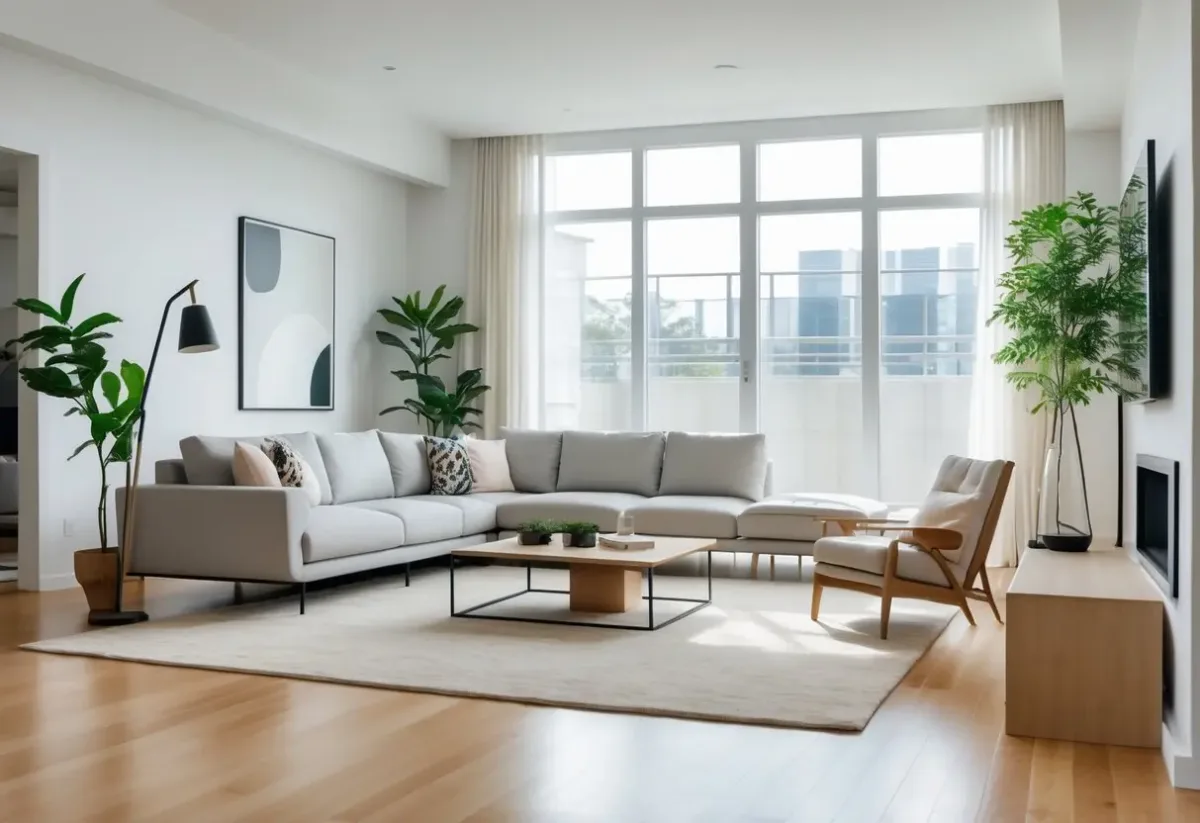
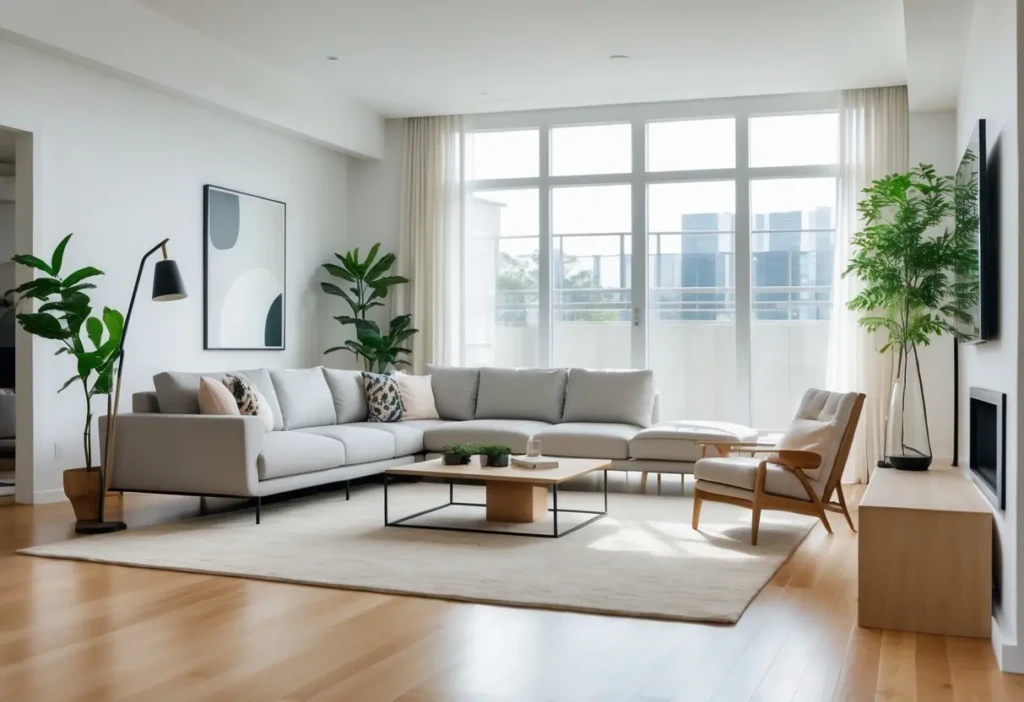
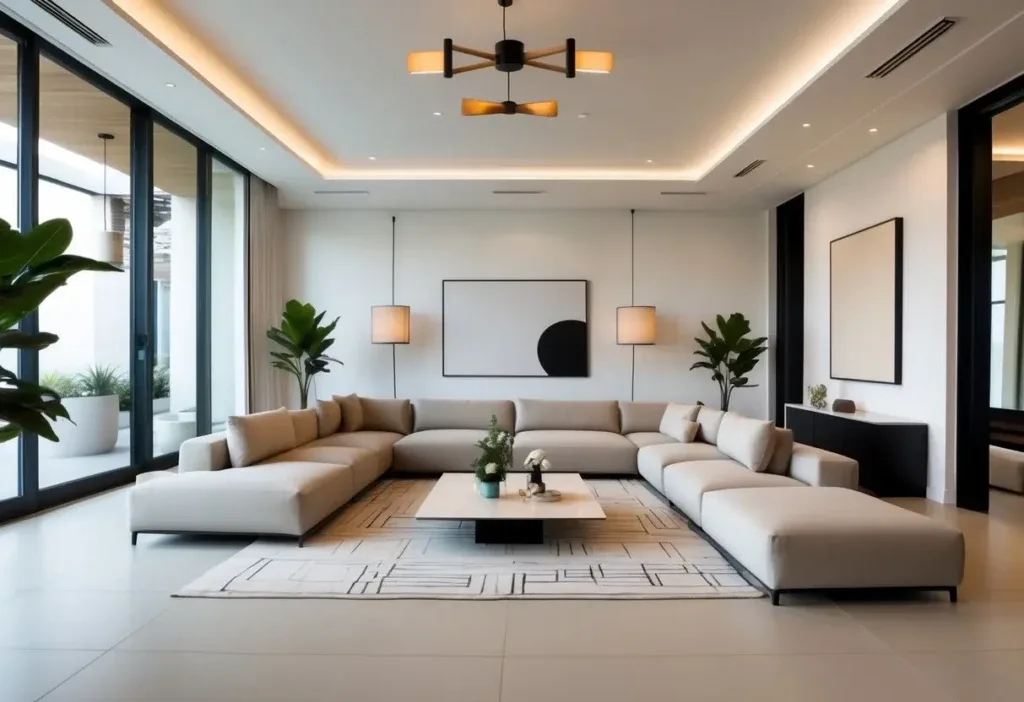
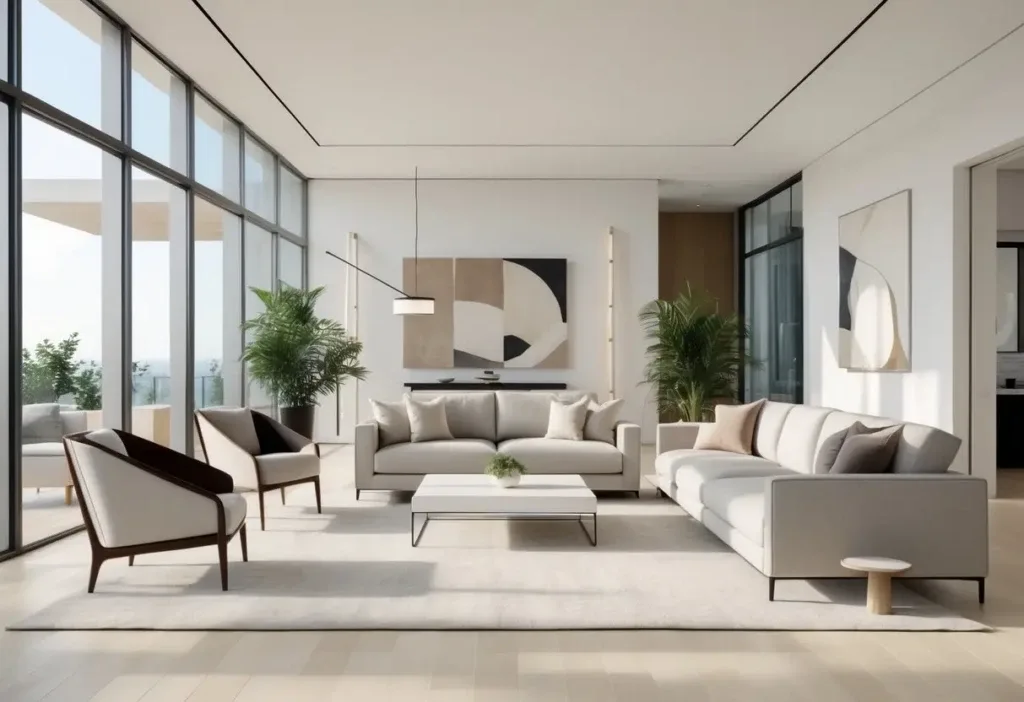
You want a living room that feels calm, useful, and stylish. Modern living room design mixes clean shapes, smart layouts, and natural materials so spaces look fresh while working for daily life. Start by choosing simple furniture, a clear layout, and layered lighting to make the room feel open, comfortable, and current.
This article shows how to pick core elements, explore modern aesthetic styles, plan lighting, add decor that doubles as function, and choose eco-friendly options. It gives practical ideas you can use whether updating one corner or redoing the whole room.
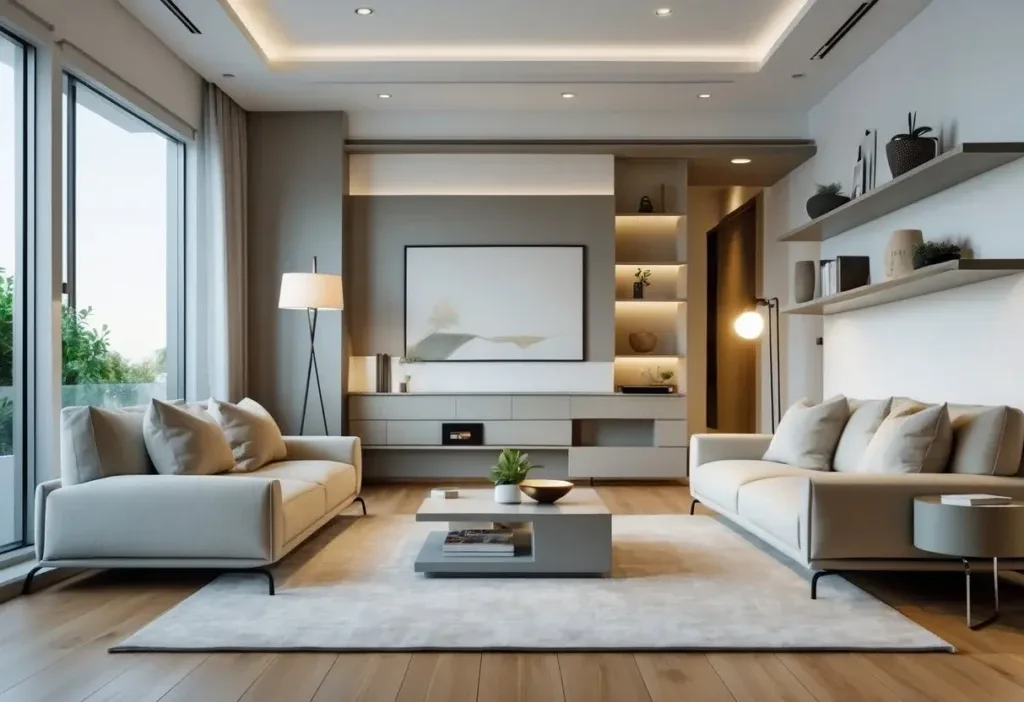
A modern living room centers on clean lines, purposeful pieces, and a calm color base. It balances form and function with selected textures and a clear layout that supports daily use.
Choose low-profile seating like a streamlined sofa and one or two armchairs with slim arms to keep sightlines open. Select a coffee table with a simple shape—rectangular glass or wood works well—and avoid overly ornate bases.
Prioritize multifunctional pieces. A console with drawers near the entry or a storage ottoman offers hidden storage without adding visual clutter. Use pieces in durable fabrics such as performance linen or blended wool for long-term wear.
Scale furniture to the room. Measure and leave at least 18–24 inches between the sofa and a coffee table for comfortable reach. Place seating to encourage conversation, typically facing one another or angled toward a focal wall or media unit.
Stick to a neutral base: warm whites, soft greys, and muted beiges form the backdrop. Add one or two accent colors—navy, forest green, or terracotta—through pillows, rugs, or a single armchair to create focus without overwhelming the space.
Mix materials for depth. Pair natural wood with matte metal and tactile textiles like wool or boucle. Use a large rug with a subtle pattern to anchor the zone and introduce texture.
Choose finishes that read as calm and refined. Matte or satin metal hardware, unpolished wood grains, and soft matte paint keep the palette sophisticated. Limit bright, high-gloss surfaces to small accent pieces.
Spatial Planning Principles
Define zones by function, not by filling every corner. Place the main seating area around a focal point—fireplace, TV, or a view—and allow 30–36 inches for primary circulation paths where possible.
Use layered lighting: an overhead fixture for general light, task lamps for reading, and accent lighting to highlight artwork or architectural details. This approach lets occupants adjust mood and brightness for different activities.
Keep sightlines clear. Arrange furniture to preserve views and natural light. Floating furniture away from walls can create better flow in larger rooms, while built-ins work well in compact spaces to maximize storage without crowding.
This section shows clear visual rules, furniture choices, and material cues that define three modern living room styles. Readers will find specific tips for layout, finishes, and key pieces to achieve each look.
Minimalist Approaches
Minimalist rooms rely on restrained color palettes, simple furniture, and empty space to create calm. Choose a neutral base like warm white, cool gray, or soft beige. Limit accent colors to one or two muted tones (olive, navy, clay) used in small rugs, a single throw, or one artwork.
Furniture should have clean lines and low profiles. Prioritize a compact sofa, a streamlined media console, and a single statement chair. Avoid excess pieces; each item must earn its place by function or strong form.
Storage hides clutter. Use built-in shelving, concealed cabinets, or a simple storage ottoman. Keep surfaces clear and use uniform containers. Lighting should be simple: recessed lights, a slim floor lamp, and one understated pendant.
Mid-Century Modern Influence
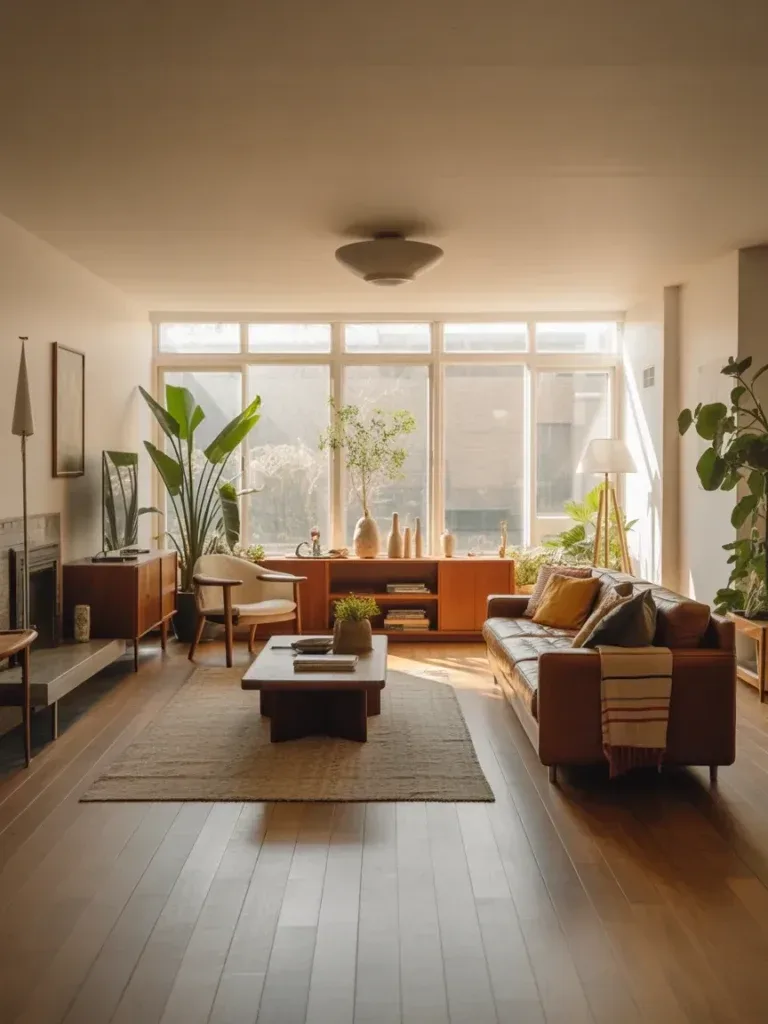
Mid-century modern mixes organic shapes, warm wood, and bold but controlled accents. Select a walnut or teak coffee table and a sofa with tapered wooden legs. Pair these with an iconic lounge chair or a low-profile credenza.
Colors include mustard, teal, and burnt orange, balanced with neutrals. Use patterned textiles—geometric throws or a low-pile rug—to add personality without clutter. Artwork can be abstract or graphic; one large piece works better than many small ones.
Function matters: arrange seating to encourage conversation and sightlines to the TV. Add brass or brushed metal lamps, and keep hardware minimal. Choose lighting with sculptural shapes to echo the furniture’s curves.
Industrial Touches
Industrial style uses raw materials, visible structure, and functional lighting for a modern edge. Exposed brick, concrete floors, or metal beams set the tone. If structural elements aren’t available, mimic them with a faux-brick wall panel or concrete-look tile.
Furniture blends metal frames with reclaimed or dark-stained wood. A metal-legged sofa or a steel coffee table pairs well with leather seating. Choose darker colors—charcoal, espresso, deep green—and add a lighter rug to balance contrast.
Lighting should be utilitarian: metal pendants, an angled task lamp, or Edison bulbs. Storage can be open shelving with visible brackets. Keep décor purposeful: a large clock, a single factory-style mirror, and a few plants soften the space without undermining the industrial feel.
Use sunlight where possible, add layered artificial light for tasks and mood, and choose one or two bold fixtures to anchor the room. Focus on placement, color temperature, and dimming to make each area work well.
Natural Light Optimization
They should maximize window exposure by keeping window treatments minimal. Use sheer curtains or motorized blinds that lift fully during the day to let in direct and indirect sunlight.
Position seating and work areas to benefit from daylight without causing glare on screens. A light-colored rug and matte wall paint help reflect light deeper into the room.
Consider window films that reduce heat and UV without darkening the room. If privacy is needed, use top-down shades so the upper glass still admits light.
Skylights and light tubes work well in interior living rooms or long layouts. Place reflective surfaces, like a slim mirror or high-sheen trim, opposite windows to bounce light into shadowed corners.
Layered Artificial Lighting
They should plan three layers: ambient, task, and accent. Ambient light fills the room with even illumination using recessed cans, a central flush fixture, or a dimmable LED track.
Task lights focus on reading, work, and hobbies. Use adjustable floor lamps by the sofa, directional sconces for side tables, and under-shelf LEDs for media consoles.
Accent lighting highlights art, plants, or architectural features. Small spotlights, picture lights, or wall washers create depth and visual interest.
Set color temperature by function: 2700–3000K for warm relaxing zones, 3000–3500K for mixed-use areas, and cooler temps for detailed tasks. Add dimmers and smart controls for scene setting and energy savings.
Statement Fixtures
They should pick one focal fixture to define the room’s style without clutter. A sculptural chandelier, oversized pendant, or geometric LED fixture can anchor seating areas or above coffee tables.
Scale matters: choose a fixture roughly one-third the width of the seating or table area. Hang pendants 28–34 inches above a coffee table, and chandeliers should clear headspace in circulation paths.
Match finishes to the room’s palette—matte black, brushed brass, or chrome—but avoid too many competing metals. Consider integrated LEDs for slim profiles and long life.
Use statement pieces sparingly alongside subtle supporting lights. This balances drama with daily function and keeps the space modern and livable.
Focus on bold yet simple touches that add personality and make the room work better. Emphasize a single strong visual element, smart systems that simplify daily use, and layered textiles that balance comfort with clean lines.
Accent Walls and Art
They should choose one wall as the focal point rather than covering the whole room. A matte charcoal paint or deep navy behind the sofa anchors seating and keeps the palette modern. Alternatively, consider textured wall panels or wood slats for subtle depth without busy patterns.
Large-scale art works best: pick one piece at least two-thirds the width of the sofa, or group three frames in a tight grid for balance. Use floating shelves to display smaller pieces and rotate objects seasonally. Keep frames simple — black, white, or natural wood — to match a streamlined aesthetic.
Add built-in lighting like an adjustable picture light or low-profile wall washers to highlight the feature. Avoid multiple competing walls; limit bold color or pattern to that single focal wall so the room stays calm and modern.
Integrating Smart Technology
They should prioritize devices that improve comfort and reduce clutter. A single smart hub connected to lighting, thermostat, and speakers keeps controls centralized. Use recessed smart switches and dimmers to maintain clean walls and let scenes set different moods without visible remotes.
Choose a compact soundbar or ceiling speakers for better audio without large floor units. Smart blinds or motorized curtain tracks improve light control and protect furniture from sun damage. For voice control, place a small microphone device in a corner away from TV glare to avoid false triggers.
Keep wiring hidden: run cables behind walls or inside console units. Use a single multi-outlet surge protector with labeled ports inside cabinets to manage chargers and streaming boxes. Prioritize devices that support common standards like Matter or major ecosystems to avoid future compatibility problems.
Textiles and Accessories
They should layer textiles to add warmth while keeping lines simple. Start with a low-profile sofa in a neutral fabric, then add two textured throw pillows and one patterned lumbar pillow for contrast. Use a wool or flatweave rug sized so the front legs of seating sit on it to anchor the layout.
Window treatments should be streamlined: linen or cotton panels hung close to the ceiling make ceilings feel taller. Opt for durable, stain-resistant upholstery in high-use areas and keep accent fabrics removable for easy cleaning. Add a pouf or slim ottoman for extra seating that tucks away.
Select accessories sparingly: a sculptural vase, one stack of books, and a tray for remotes keep surfaces useful and tidy. Use baskets or built-in drawers for hidden storage to maintain the uncluttered modern look.
This section explains practical choices that cut waste, lower energy use, and use safer materials. It covers durable material picks and simple energy upgrades that reduce bills and environmental impact.
Green Materials Selection
They should pick reclaimed wood, certified hardwood, or bamboo for flooring and shelving to avoid new timber harvesting. Reclaimed wood offers unique grain and patina, while bamboo grows fast and resists moisture. For upholstery, choose fabrics labeled GOTS or OEKO-TEX to reduce exposure to toxic dyes and chemicals.
Use low-VOC or zero-VOC paints and finishes to improve indoor air quality. Natural fiber rugs made from wool, jute, or sisal last longer and shed fewer microplastics than synthetic carpets. When possible, buy modular furniture with replaceable parts to extend lifespan and reduce landfill waste.
Consider secondhand or locally made pieces to cut transport emissions. Keep receipts and product labels to confirm certifications and warranty coverage.
Energy-Efficient Features
They can start by switching to LED bulbs rated 2700–3000K for warm light that uses 75% less energy than incandescents. Install dimmers and smart switches to control brightness and avoid wasted power.
Choose Energy Star appliances for media centers, TVs, and smart hubs to lower standby and running consumption. Add programmable thermostats and zone heating controls to reduce HVAC load in the living room when unused.
Improve insulation at windows with thermal curtains or cellular shades to cut heat loss and reduce heating demand. If replacing windows, pick double- or triple-glazed units with low-E coatings to boost efficiency. Seal gaps around frames and outlets to stop drafts.
Listen to this article 10 10 0:00 / 0:00 Speed 0.75×1×1.25×1.5×2× Mid-century modern never really left—it just got better at relaxing. Clean lines meet cozy textures, and suddenly your living room feels like a design magazine and a nap-friendly zone. If you’ve been craving that balance between stylish and livable, you’re in the right place….
Listen to this article 10 10 0:00 / 0:00 Speed 0.75×1×1.25×1.5×2× The right kitchen floor can make or break your farmhouse vibe. Seriously—cabinet color matters, sure, but if your flooring feels cold, flimsy, or weirdly shiny like a dentist’s office, the whole room suffers. Farmhouse kitchens need floors that look warm, feel welcoming, and can…
Listen to this article 10 10 0:00 / 0:00 Speed 0.75×1×1.25×1.5×2× Ready to make your living room look like it belongs on your dream Pinterest board? Good—because we’re not doing boring today. These ideas lean bold, cozy, aesthetic, and just a little bit extra (in the best way). Scroll carefully… you might end up redecorating…
Listen to this article 10 10 0:00 / 0:00 Speed 0.75×1×1.25×1.5×2× Your living room deserves more than just a couch and a coffee table. If you’ve been craving a space that feels relaxed but still looks like you actually tried, modern boho is your best friend. It’s cozy, layered, a little wild—but still polished enough…
Listen to this article 10 10 0:00 / 0:00 Speed 0.75×1×1.25×1.5×2× I used to think “luxury living room” meant crystal everything and a couch nobody was allowed to sit on. Then I actually started designing rooms for real people who, you know, want to eat popcorn on the sofa — and I realized modern luxury…
Listen to this article 10 10 0:00 / 0:00 Speed 0.75×1×1.25×1.5×2× The dollar store fall aisle is mostly foam pumpkins, plastic leaves, and craft-store basics — nothing that looks expensive on the shelf. What makes DIY dollar store fall decor look high-end isn’t the materials, it’s what you do to them before they hit your…