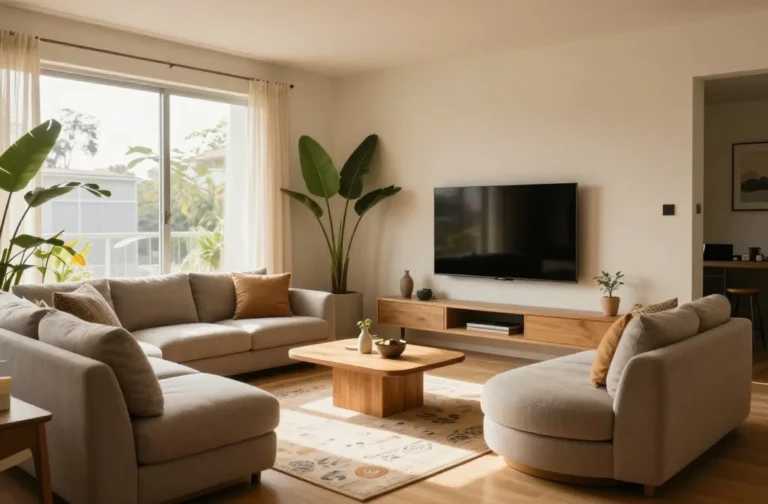
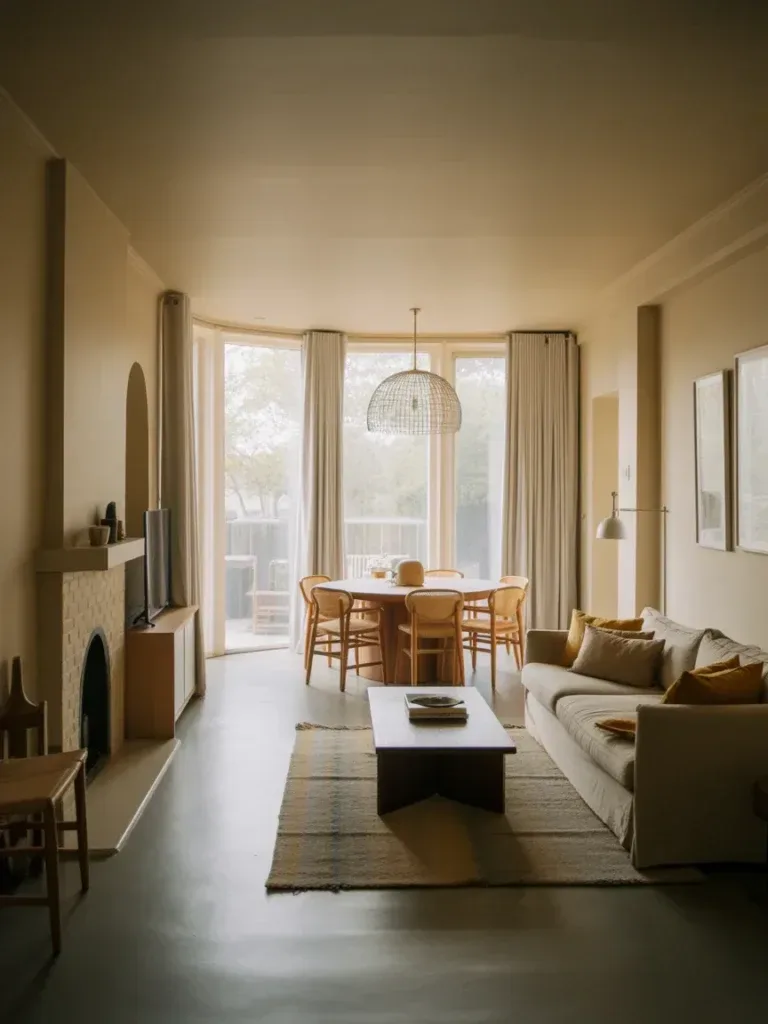
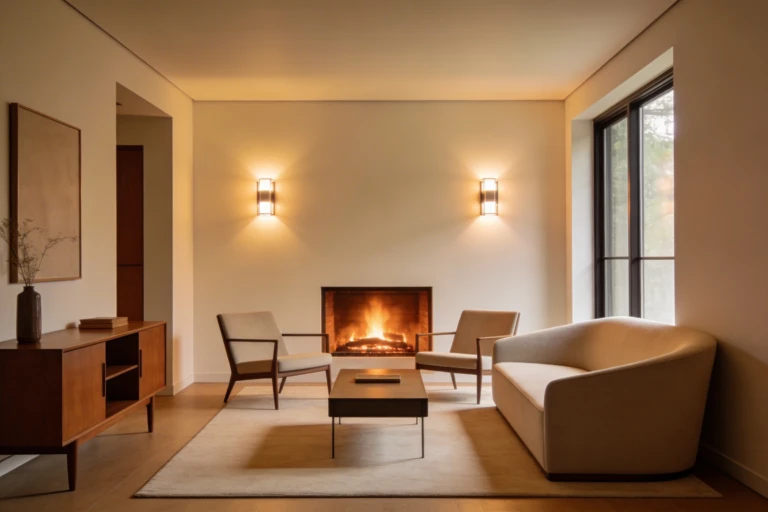
An compact living room doesn’t have to feel cramped. You can carve out a cozy, stylish hangout with a sectionaSmall Living Room Layout with Sectional: Cozy Space Hacks That Actually Work A sectional sounds like a bold move in a small room, but it’s often the smarter choice over a collection of separate chairs and a sofa. The right small living room layout with sectional gives you built-in seating, a natural traffic path, and a room that feels intentional rather than pieced together. This guide walks through how to size, place, and style a sectional in a compact space, plus the layout tricks that keep the room from feeling boxed in. Photo by Collov Home Design on Unsplash Quick-Reference: Key Takeaways Leave at least 18 inches of clear walking path along the traffic side of any sectional living room layout small space An L shape couch living room layout works best when the long side sits against a wall Modular sectionals adapt more easily to movie nights, guests, and everyday use Light upholstery, layered lighting, and a well-placed mirror all help a cozy small living room feel larger Keep coffee tables and side tables slim so they don’t compete with the sectional for floor space Why a Sectional Works Better Than a Sofa and Chairs in Small Rooms Sectionals are a genuine space-saver. They deliver built-in seating, often with a chaise or corner nook, without needing several separate chairs scattered around the room. In a narrow or oddly shaped room, a modern sectional living room setup can actually create a more natural flow than a traditional sofa-and-armchair arrangement. There’s also more usable surface area for people to stretch out, which matters more in a small sectional sofa living room than it would in a larger space with room to spare. How to Pick the Right Size Measure the room twice before ordering anything. Aim for a configuration that leaves at least 18 inches of walking path on the traffic side. A modular option gives you the flexibility to rearrange for guests or a movie marathon without buying a second couch, and it’s worth leaving room for a coffee table or ottoman with light legs or a see-through base so it doesn’t visually crowd the floor. Photo by Collov Home Design on Unsplash Layout Strategies That Maximize Space The goal of any small living room layout ideas built around a sectional is conversation-friendly seating where everyone can see each other and the TV or focal point, without the room feeling closed in. Anchor with a cornered sectional. Place the longer side against a wall and point the chaise toward the room’s center or a window, depending on where the light comes from. Define zones with a rug. A slim rug under the front legs of the sofa grounds the seating area, while a chair or pouf adds a secondary perch without crowding the space. Keep clearance at doors. Make sure doors and drawers can open fully without brushing against the upholstery. Light, Color, and the Feeling of Space Light wall colors and light upholstery bounce more light around the room. If the sectional itself is dark, lighter throw pillows or a bright throw blanket help wake the space up visually. Layering a mix of floor lamps, a ceiling fixture, and table lamps adds depth and makes the room read as bigger than its actual square footage. A well-placed mirror reflects light and adds a sense of depth, which matters even more in a cozy small living room with limited windows. Choosing the Right Sectional for a Small Room Look for something modular and versatile rather than bulky. The goal is a piece that hugs the corners of the room without swallowing the center of it. Photo by Spacejoy on Unsplash Materials and Maintenance Leather or performance fabric holds up well against kids and pets, since both wipe clean and resist stains. Lighter fabrics look fresh but often need more upkeep, so a durable microfiber or synthetic blend is worth considering in a busy household. Leg design matters more than it might seem: sleek legs create a sense of open space visually, while chunky bases tend to feel cozier but more closed in. Configurations Worth Considering L-shaped with the chaise on the longer side, aligned with the wall to open up traffic flow Modular pieces that rearrange for different scenarios, from movie night to hosting friends A rounded or curved sectional for a softer feel without corners that catch foot traffic For more ways to work a sectional into an open floor plan, this guide to small open-plan kitchen living room ideas covers layouts built around shared spaces. Accessorizing Without Cluttering Small rooms call for intentional decor, since the wrong accents can make a small living room design with sectional sofa feel crowded fast. Keep coffee tables streamlined with a slim profile that doesn’t eat into legroom Add vertical elements — tall plants, wall-mounted shelves, or artwork — to draw the eye upward Favor texture over pattern; a textured throw or a subtly patterned rug adds depth without shouting Smart Storage Ideas A sectional with hidden storage, or a nearby ottoman that opens up, keeps the room tidy and cuts down on visual clutter. Slim side tables with drawers hold remotes, chargers, and coasters without crowding the surface. For more decluttering approaches that pair well with a sectional layout, see these organized living room ideas. Tech-Friendly Seating Without the TV Taking Over The TV can be the room’s hero without stealing the show from the rest of the small living room interior design with sectional. Placement Tips Mounting the TV on the wall opposite the sofa keeps sightlines clean. If it has to sit on a stand, a low-profile console avoids looming over the seating area. For anyone who watches from the chaise end, angling the sectional slightly toward the TV reduces neck strain without cutting off sightlines for everyone else. If your room also handles a TV wall as its own design challenge, this piece on living rooms with a fireplace and TV covers a related layout puzzle. Cable Management Tricks Adhesive cable clips along the back edge of the sectional keep cords out of sight. A small cable box or a discreet basket behind the sofa hides power strips and chargers from view entirely. Small Room, Big Mood: Color and Layering Color choice can shift the perceived size of a room almost as much as furniture arrangement does. Monochrome schemes with a single pop of color, like a soft gray or taupe base paired with a bold accent pillow, tend to feel more expansive than busier palettes. White or cream walls reflect the most light, and warming them up with natural wood tones or warm metals keeps the room from feeling sterile. Layering texture through textiles rather than large patterns keeps everything feeling cohesive and calm. Small Living Room Layout with Sectional: Comparing Three Configurations ConfigurationBest ForTraffic FlowFlexibilityL-Shaped Against a WallNarrow or rectangular roomsClear path along one open sideLow — fixed footprintModular PiecesRooms that host varied gatheringsReconfigurable as neededHigh — rearranges for guests or movie nightCurved or RoundedRooms with awkward cornersSofter edges reduce snagged foot trafficMedium Things to Consider Before You Choose a Sectional Does the room have at least 18 inches of clearance for a walking path once the sectional is placed? Will the sectional block any doors, drawers, or vents when fully in place? Do you need modular pieces you can rearrange, or is a fixed L-shape enough? Is the upholstery practical for your household — kids, pets, guests? Where will the TV go relative to the chaise end of the sectional? Frequently Asked Questions Can a sectional fit in a tiny apartment living room? Yes. Choose a compact, modular sectional with a shallow depth, place it against a wall, and keep one side open to walkways. Vertical storage helps prevent the rest of the room from feeling overcrowded. How do I measure my space for a sectional? Measure the length and width of the area, including the door swing, and note any obstructions like radiators or outlets. Mapping out the preferred arrangement with painter’s tape on the floor beforehand makes it much easier to visualize scale before buying. What about rug size in a small living room with a sectional? Ideally, the rug extends under the front legs of the sofa and any chairs. In tighter spaces, a slightly smaller rug that still anchors the seating area reads as intentional rather than undersized. Are performance fabrics worth it for a sectional? Generally yes, especially with kids, pets, or a busy social calendar. Performance fabrics resist stains, wipe clean easily, and hold up better over time than many traditional upholstery options. How can I make a small living room feel bigger without moving walls? Maximize natural light, keep furniture low-profile, and leave sightlines open across the room. Mirrors, layered lighting, and a cohesive color palette all contribute to the illusion of more space. Our Verdict A well-chosen sectional can be the hero of a small living room, delivering comfort, function, and style without crowding the floor plan. Focusing on the right size, a modular option where possible, and purposeful, low-profile decor turns a compact space into a genuinely welcoming retreat. You don’t need to sacrifice personality to gain square footage — just the right layout and a few deliberate choices around size, placement, and light.
An compact living room doesn’t have to feel cramped. You can carve out a cozy, stylish hangout with a sectionaSmall Living Room Layout with Sectional: Cozy Space Hacks That Actually Work
A sectional sounds like a bold move in a small room, but it’s often the smarter choice over a collection of separate chairs and a sofa. The right small living room layout with sectional gives you built-in seating, a natural traffic path, and a room that feels intentional rather than pieced together.
This guide walks through how to size, place, and style a sectional in a compact space, plus the layout tricks that keep the room from feeling boxed in.
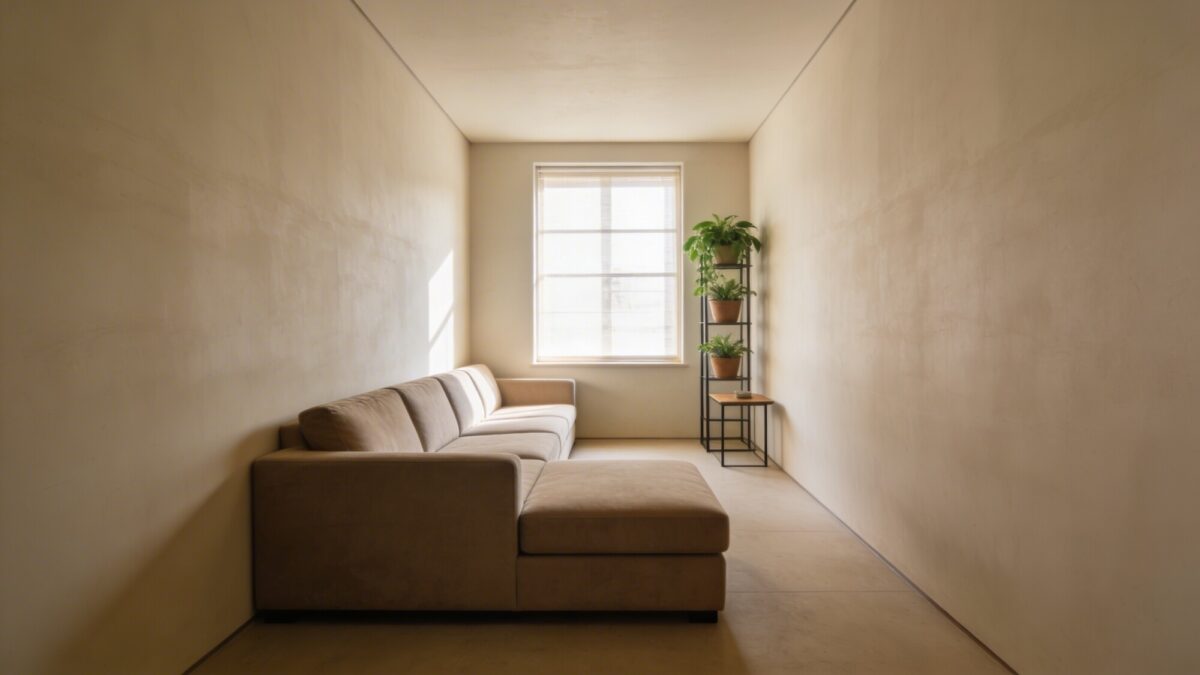
Sectionals are a genuine space-saver. They deliver built-in seating, often with a chaise or corner nook, without needing several separate chairs scattered around the room. In a narrow or oddly shaped room, a modern sectional living room setup can actually create a more natural flow than a traditional sofa-and-armchair arrangement.
There’s also more usable surface area for people to stretch out, which matters more in a small sectional sofa living room than it would in a larger space with room to spare.
How to Pick the Right Size
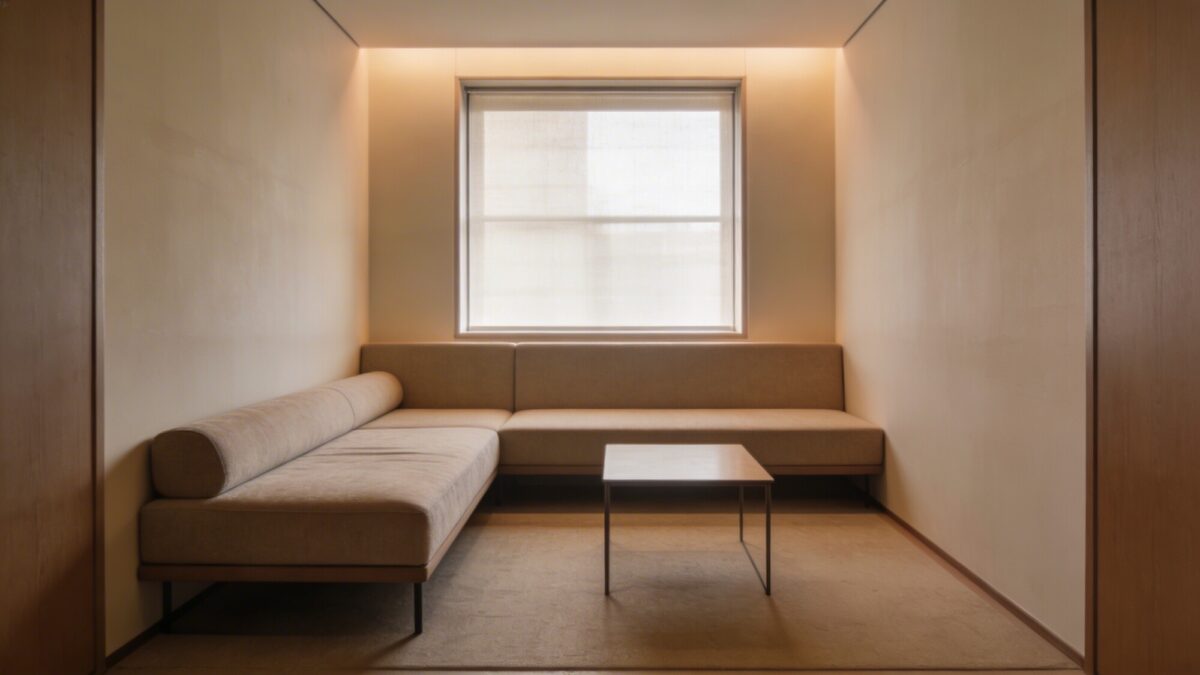
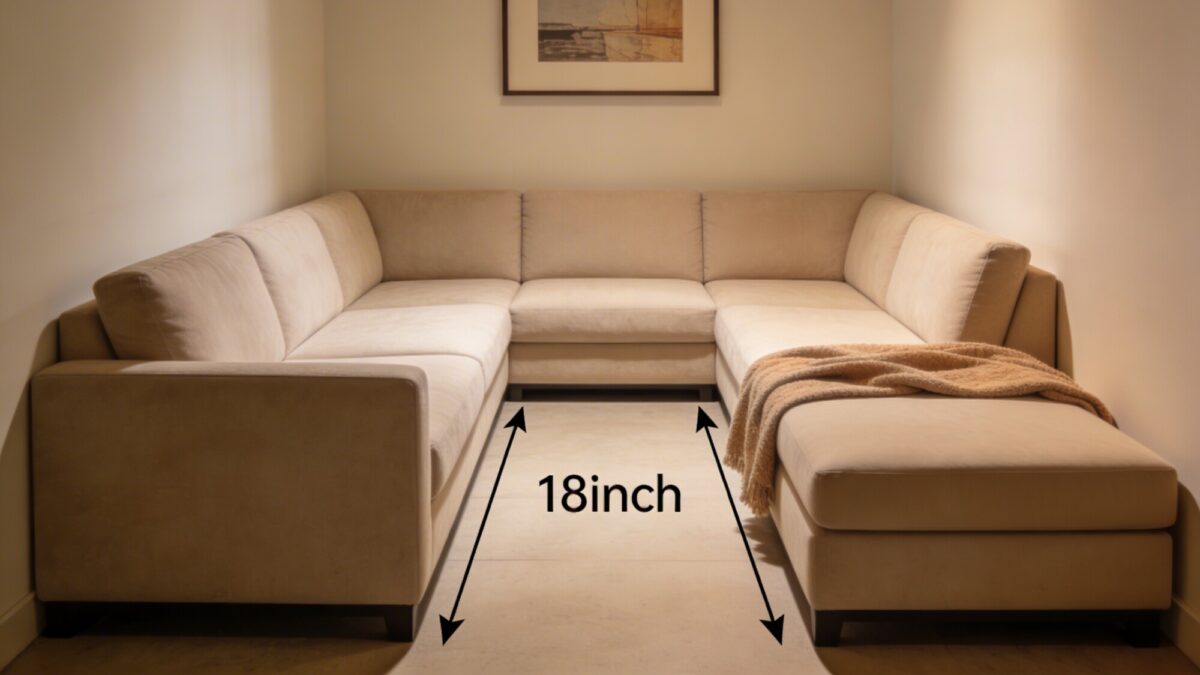
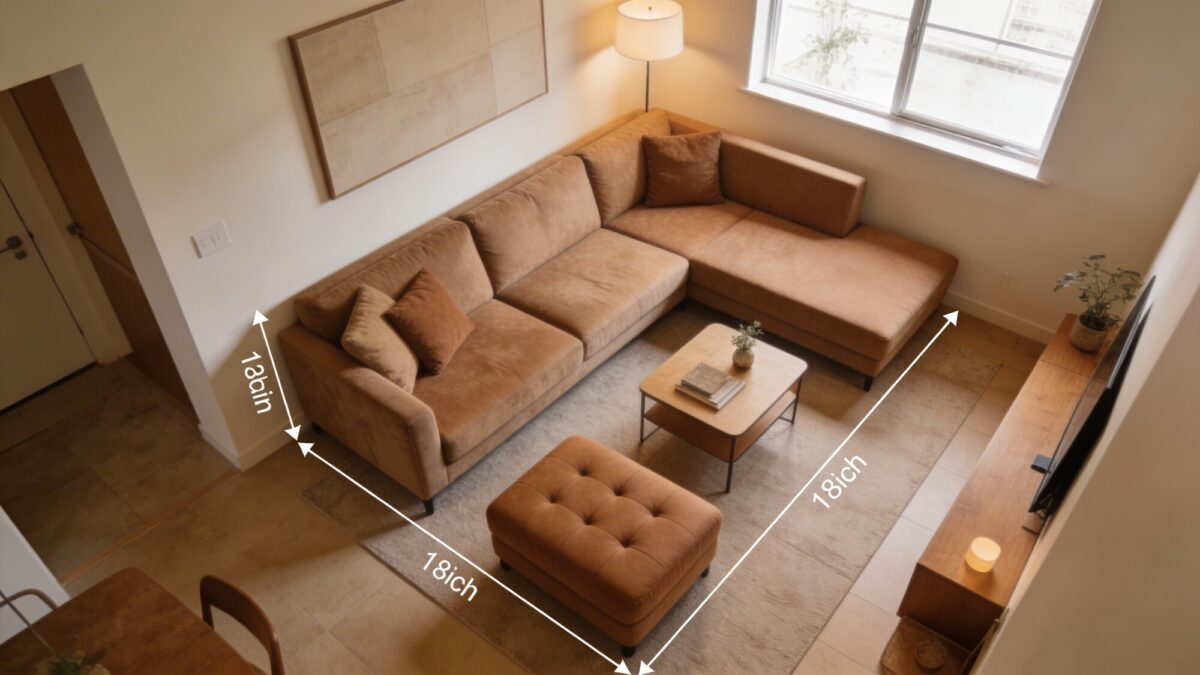
Measure the room twice before ordering anything. Aim for a configuration that leaves at least 18 inches of walking path on the traffic side. A modular option gives you the flexibility to rearrange for guests or a movie marathon without buying a second couch, and it’s worth leaving room for a coffee table or ottoman with light legs or a see-through base so it doesn’t visually crowd the floor.
The goal of any small living room layout ideas built around a sectional is conversation-friendly seating where everyone can see each other and the TV or focal point, without the room feeling closed in.
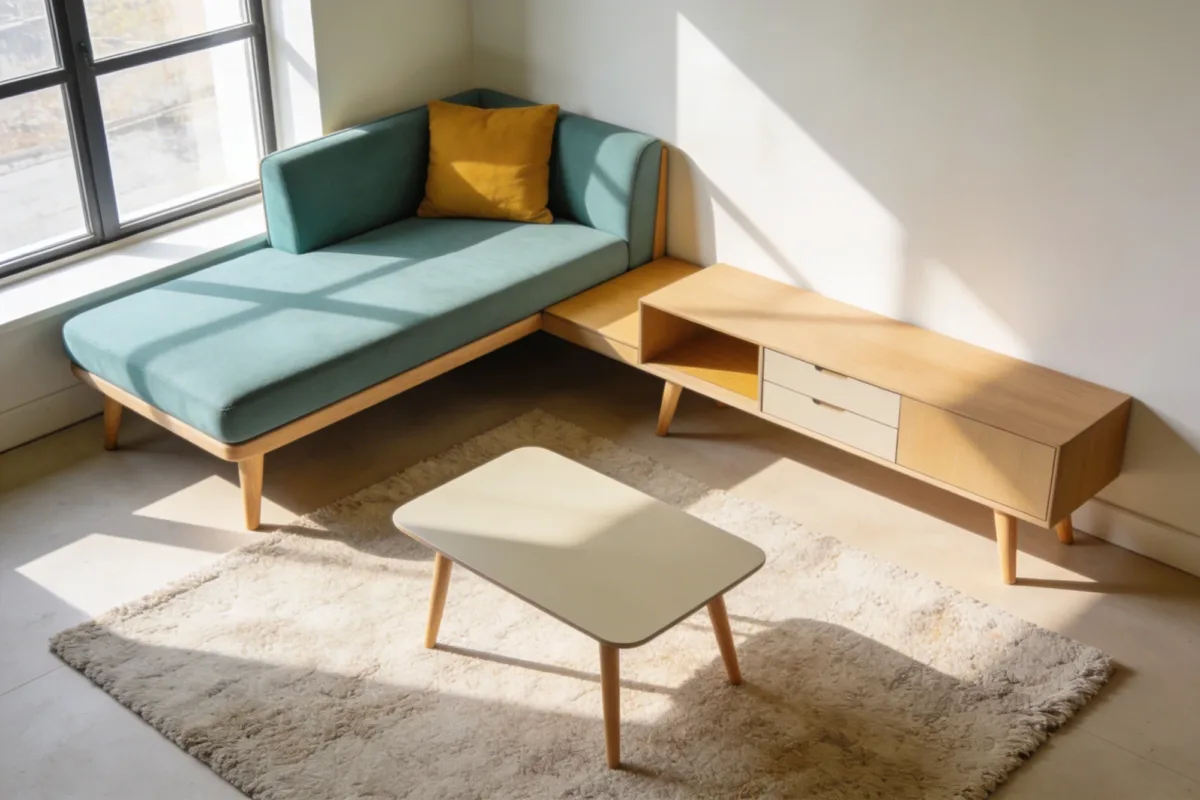
Anchor with a cornered sectional. Place the longer side against a wall and point the chaise toward the room’s center or a window, depending on where the light comes from.
Define zones with a rug. A slim rug under the front legs of the sofa grounds the seating area, while a chair or pouf adds a secondary perch without crowding the space.
Keep clearance at doors. Make sure doors and drawers can open fully without brushing against the upholstery.
Light, Color, and the Feeling of Space
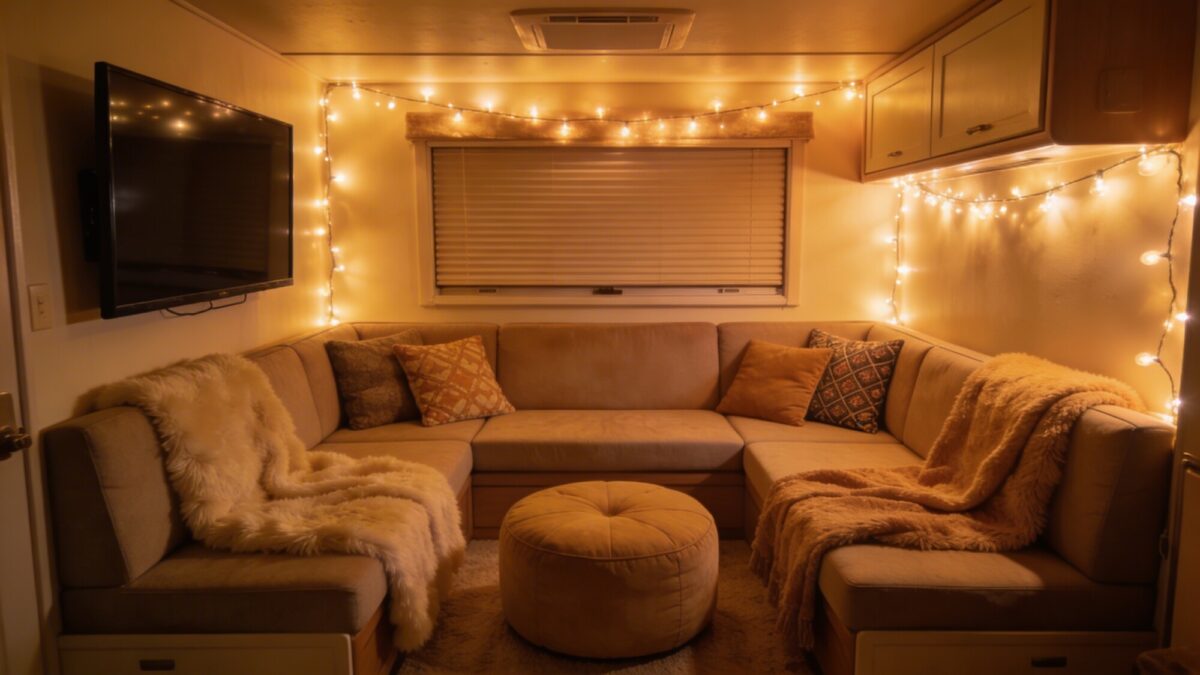
Light wall colors and light upholstery bounce more light around the room. If the sectional itself is dark, lighter throw pillows or a bright throw blanket help wake the space up visually. Layering a mix of floor lamps, a ceiling fixture, and table lamps adds depth and makes the room read as bigger than its actual square footage. A well-placed mirror reflects light and adds a sense of depth, which matters even more in a cozy small living room with limited windows.
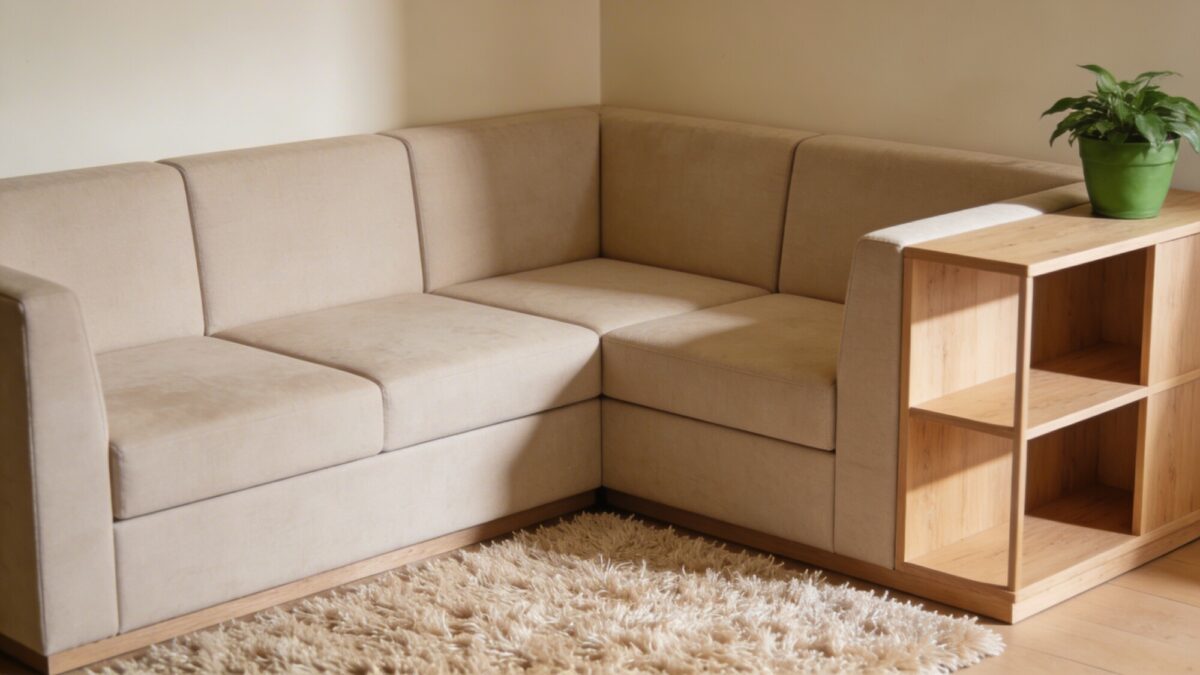
Leather or performance fabric holds up well against kids and pets, since both wipe clean and resist stains. Lighter fabrics look fresh but often need more upkeep, so a durable microfiber or synthetic blend is worth considering in a busy household. Leg design matters more than it might seem: sleek legs create a sense of open space visually, while chunky bases tend to feel cozier but more closed in.
Small rooms call for intentional decor, since the wrong accents can make a small living room design with sectional sofa feel crowded fast.
Keep coffee tables streamlined with a slim profile that doesn’t eat into legroom
Add vertical elements — tall plants, wall-mounted shelves, or artwork — to draw the eye upward
Favor texture over pattern; a textured throw or a subtly patterned rug adds depth without shouting
Smart Storage Ideas
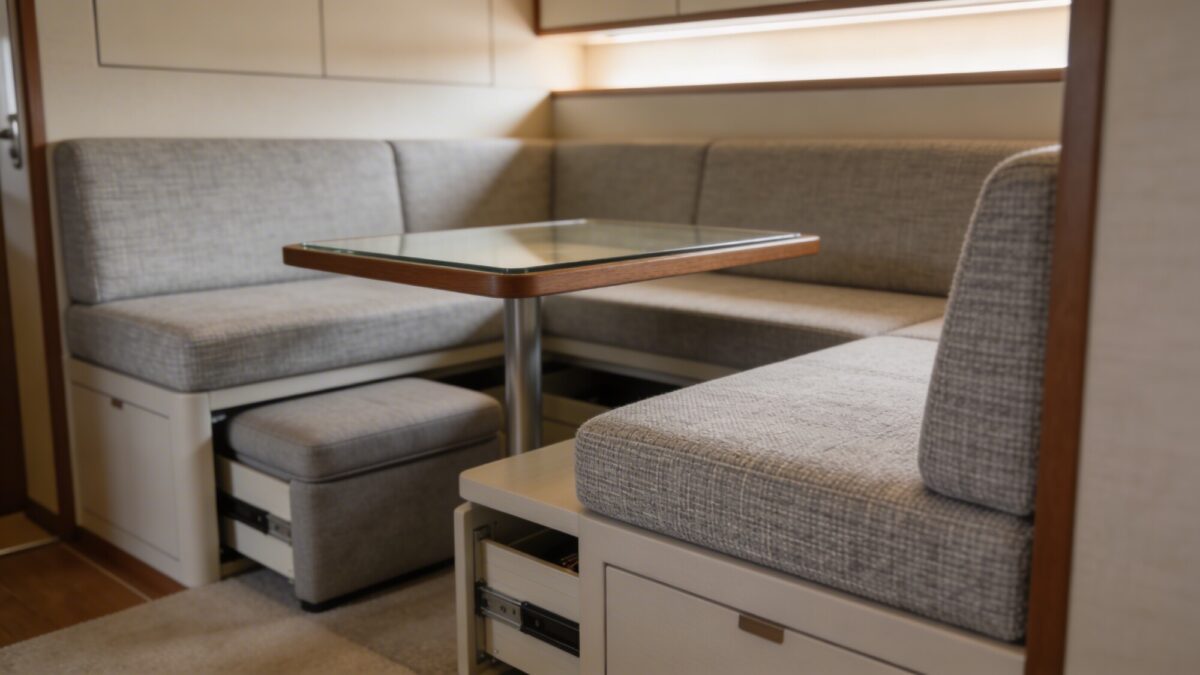
A sectional with hidden storage, or a nearby ottoman that opens up, keeps the room tidy and cuts down on visual clutter. Slim side tables with drawers hold remotes, chargers, and coasters without crowding the surface. For more decluttering approaches that pair well with a sectional layout, see these organized living room ideas.
The TV can be the room’s hero without stealing the show from the rest of the small living room interior design with sectional.
Placement Tips
Mounting the TV on the wall opposite the sofa keeps sightlines clean. If it has to sit on a stand, a low-profile console avoids looming over the seating area. For anyone who watches from the chaise end, angling the sectional slightly toward the TV reduces neck strain without cutting off sightlines for everyone else. If your room also handles a TV wall as its own design challenge, this piece on living rooms with a fireplace and TV covers a related layout puzzle.
Cable Management Tricks
Adhesive cable clips along the back edge of the sectional keep cords out of sight. A small cable box or a discreet basket behind the sofa hides power strips and chargers from view entirely.
Color choice can shift the perceived size of a room almost as much as furniture arrangement does. Monochrome schemes with a single pop of color, like a soft gray or taupe base paired with a bold accent pillow, tend to feel more expansive than busier palettes.
White or cream walls reflect the most light, and warming them up with natural wood tones or warm metals keeps the room from feeling sterile. Layering texture through textiles rather than large patterns keeps everything feeling cohesive and calm.
Small Living Room Layout with Sectional: Comparing Three Configurations
Configuration
Best For
Traffic Flow
Flexibility
L-Shaped Against a Wall
Narrow or rectangular rooms
Clear path along one open side
Low — fixed footprint
Modular Pieces
Rooms that host varied gatherings
Reconfigurable as needed
High — rearranges for guests or movie night
Curved or Rounded
Rooms with awkward corners
Softer edges reduce snagged foot traffic
Medium
Things to Consider Before You Choose a Sectional
Does the room have at least 18 inches of clearance for a walking path once the sectional is placed?
Will the sectional block any doors, drawers, or vents when fully in place?
Do you need modular pieces you can rearrange, or is a fixed L-shape enough?
Is the upholstery practical for your household — kids, pets, guests?
Where will the TV go relative to the chaise end of the sectional?
Frequently Asked Questions
Can a sectional fit in a tiny apartment living room?
Yes. Choose a compact, modular sectional with a shallow depth, place it against a wall, and keep one side open to walkways. Vertical storage helps prevent the rest of the room from feeling overcrowded.
How do I measure my space for a sectional?
Measure the length and width of the area, including the door swing, and note any obstructions like radiators or outlets. Mapping out the preferred arrangement with painter’s tape on the floor beforehand makes it much easier to visualize scale before buying.
What about rug size in a small living room with a sectional?
Ideally, the rug extends under the front legs of the sofa and any chairs. In tighter spaces, a slightly smaller rug that still anchors the seating area reads as intentional rather than undersized.
Are performance fabrics worth it for a sectional?
Generally yes, especially with kids, pets, or a busy social calendar. Performance fabrics resist stains, wipe clean easily, and hold up better over time than many traditional upholstery options.
How can I make a small living room feel bigger without moving walls?
Maximize natural light, keep furniture low-profile, and leave sightlines open across the room. Mirrors, layered lighting, and a cohesive color palette all contribute to the illusion of more space.
A well-chosen sectional can be the hero of a small living room, delivering comfort, function, and style without crowding the floor plan. Focusing on the right size, a modular option where possible, and purposeful, low-profile decor turns a compact space into a genuinely welcoming retreat.
You don’t need to sacrifice personality to gain square footage — just the right layout and a few deliberate choices around size, placement, and light.
Listen to this article 10 10 0:00 / 0:00 Speed 0.75×1×1.25×1.5×2× If your living room feels more closet than comfort, you’re in the right place. These ideas prove you don’t need a mansion to make a statement. Let’s get practical, playful, and a little cheeky about squeezing wow into small spaces. 1. Maximize Vertical Vibes…
Listen to this article 10 10 0:00 / 0:00 Speed 0.75×1×1.25×1.5×2× I didn’t think I “needed” a chaise lounge in my living room until I sat in one at a friend’s place for exactly four minutes and mentally redesigned my entire floor plan on the drive home. There’s something about a chaise lounge living room…
Listen to this article 10 10 0:00 / 0:00 Speed 0.75×1×1.25×1.5×2× A small living room doesn’t have to feel cramped. The right small living room layout ideas can turn an awkward footprint into a space that feels open, functional, and genuinely enjoyable to sit in. Whether you’re working around a TV, squeezing in a dining…
Listen to this article 10 10 0:00 / 0:00 Speed 0.75×1×1.25×1.5×2× Trying to squeeze a living room and dining area into one small space can feel like playing furniture Tetris on hard mode. But here’s the thing—you don’t need more square footage, you need smarter design. With the right layout tricks, color choices, and furniture…
Listen to this article 10 10 0:00 / 0:00 Speed 0.75×1×1.25×1.5×2× A fireplace is one of the easiest focal points to design around, but in a small room it can also be the thing that throws your whole layout off if furniture placement isn’t planned carefully. A well-planned small living room layout with fireplace as…
Listen to this article 10 10 0:00 / 0:00 Speed 0.75×1×1.25×1.5×2× Fitting a TV into a small living room without letting it take over the whole space comes down to layout, scale, and a few smart storage choices. Good small living room designs with tv treat the screen as one feature among several — not…