Small Living Room Layout with Sectional: Cozy Mastery
Thinking about a small living room? You’re not alone. A sectional can be the hero you didn’t know you Small Living Room Layout with a Sectional: Cozy, Functional Ideas
A sectional sounds like a big-room piece, but the right one can actually make a compact room easier to plan around. A well-scaled small living room layout built around a sectional gives you defined seating, a natural traffic path, and often more flexibility than two separate sofas would. Here’s how to choose, place, and style a sectional so it works with your space instead of against it.
Quick Takeaways
- Prioritize a low profile and slim arms — bulk is what makes a sectional feel oversized, not footprint alone.
- Corner or back-to-wall placement keeps the center of the room open for movement.
- Leave roughly 30 inches of clearance if the room doubles as a walking path.
- Light, neutral fabrics widen the visual footprint; bold accents add personality without adding bulk.
- Hidden storage inside the sectional or nearby ottomans keeps surfaces and floors clear.
Why a Sectional Works in a Small Living Room Layout
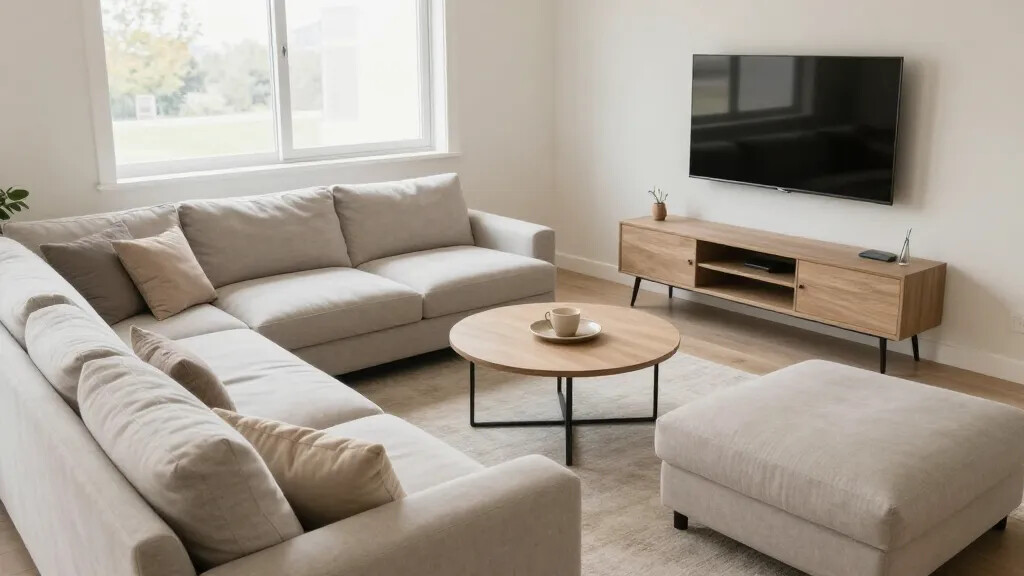
Sectionals aren’t just for big open-plan spaces. In a tight room, a well-chosen sectional can anchor the layout, define a clear seating zone, and still let traffic move freely around it. The trick is balancing scale, placement, and color rather than avoiding sectionals altogether.
You don’t have to sacrifice personality just because square footage is limited. A slim-profile sectional in a light fabric can feel just as intentional and stylish as a full sofa-and-loveseat pairing — often with a smaller physical footprint.
Choosing the Right Sectional for a Compact Footprint
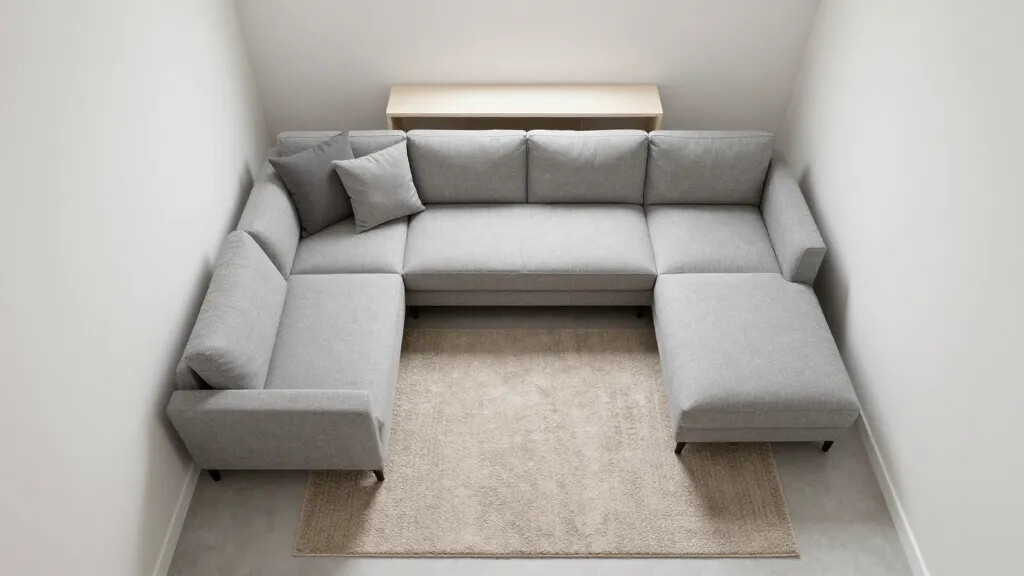
Size matters, but it isn’t the only factor in a good small living room layout. Depth, height, and arm style all affect how much visual and physical space a sectional actually takes up. A lower profile with a slim back visually expands the room, while a chaise or wedge shape can create a cozy lounging nook without eating up much extra floor space.
Key Questions to Ask Before You Buy
- How will the space actually be used — TV watching, conversation, naps, or all three?
- Do you need a chaise, a loveseat-style sectional, or a reclining option?
- Will it fit through your doorways and stairwells? Measure both before you order.
Layout Ideas That Maximize Flow and Function
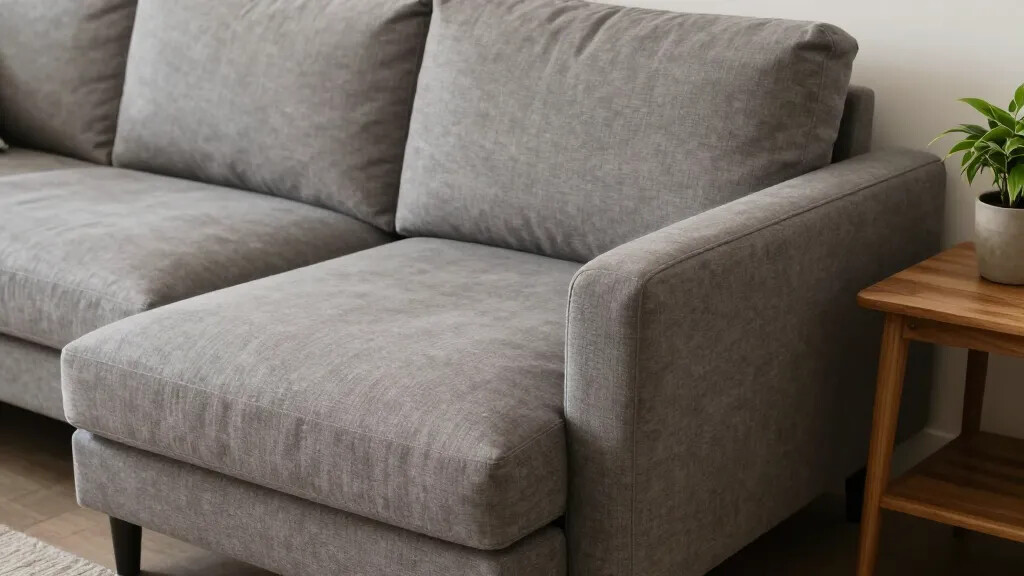
Small rooms benefit from a few reliable layout patterns rather than reinventing the wheel each time. These three approaches consistently show up in workable small living room layout ideas.
1. Corner-Sourced Comfort
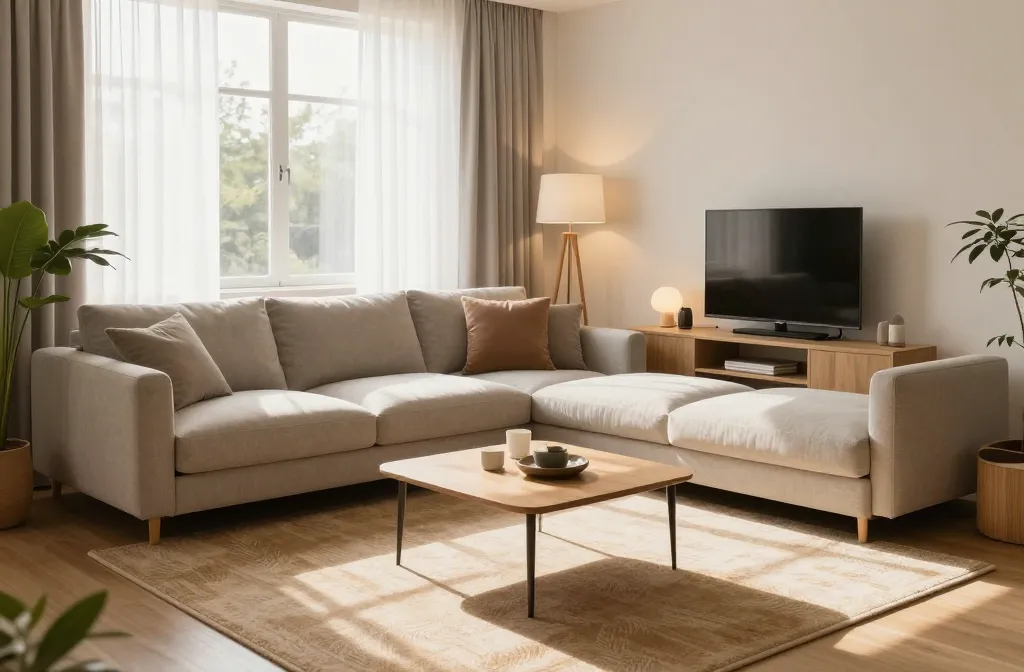
Place the sectional in a corner to anchor seating and free up the center of the room for movement. A slim coffee table and a rug that defines the seating zone — without boxing it in — completes the setup.
2. Back-to-Wall Approach
Push the sectional against a wall and float a small chair or ottoman opposite it. This creates a cozy conversational spot without turning the room into a tunnel of furniture.
3. Two-Tone Tactility
Choose a neutral main sectional with a bold accent color in pillows or an ottoman. The color pop draws the eye and makes the space feel intentional rather than crowded. For more layout patterns built specifically around sectionals, this collection of small living room layout with sectional hacks is worth browsing.
Fitting a TV and Dining Table Into the Same Small Living Room Layout
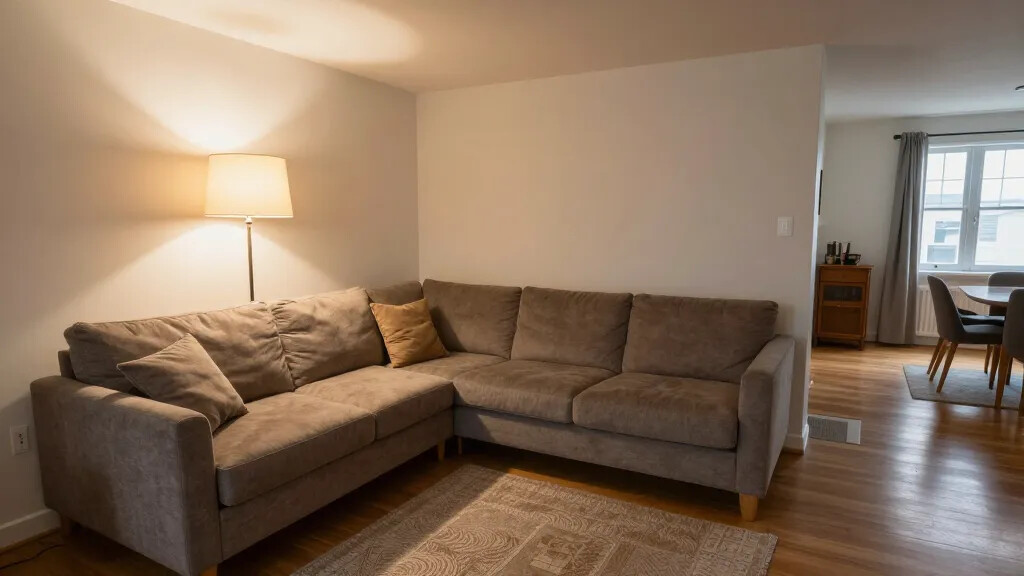
A sectional doesn’t have to compete with other must-haves like a TV or a small dining table — the two can share a footprint with the right zoning. When planning small living room layout ideas with tv and dining table needs in mind, treat the sectional as the anchor for the seating zone, then let the TV and dining spot sit along adjacent walls rather than fighting for the same sightline.
A wall-mounted TV opposite the sectional keeps the main seating zone clear, and a slim table pushed against a side wall can double as a dining spot without needing its own dedicated room. For more on placing a tv for small living room layouts specifically, this guide to a small living room layout with TV hacks covers screen placement and cable management in more depth. If the dining piece is the bigger challenge, this roundup of small living room ideas with a dining area offers zoning approaches that pair well with a sectional.
Choosing Colors and Fabrics That Breathe Life Into a Small Space
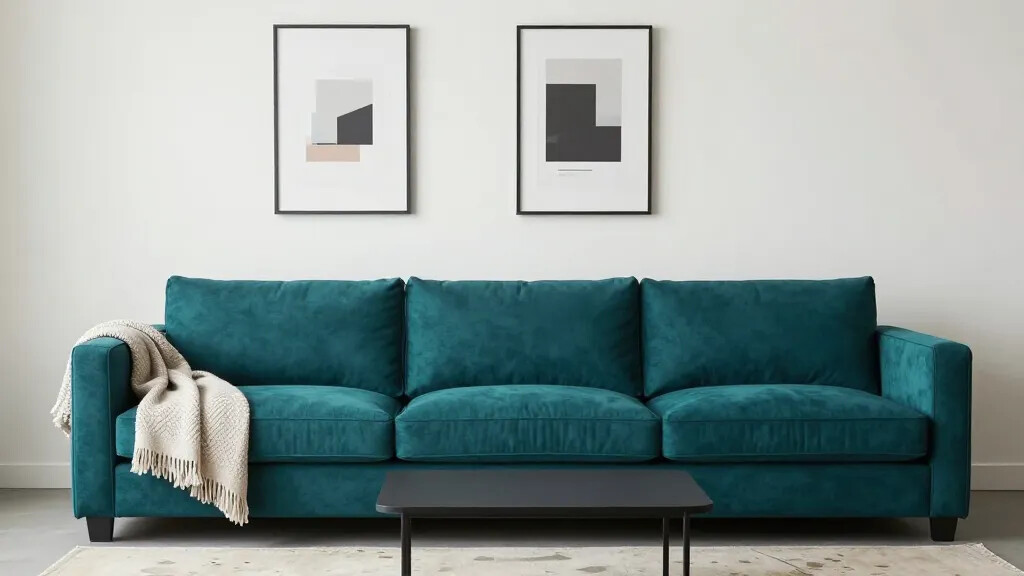
Color and texture can visually open up or shrink a room. Lighter tones reflect more light and tend to widen the sense of space, while darker hues can add coziness at the cost of some perceived square footage — the right choice depends on the mood you’re after.
| Fabric | Best For | Trade-off |
|---|---|---|
| Performance fabric | Homes with pets or spill-prone areas | Fewer luxe texture options |
| Linen | A casual, breathable everyday look | Wrinkles and shows wear faster |
| Velvet | A luxe feel without needing a large room | Shows pet hair and fingerprints more visibly |
Storage-Smart Ideas That Keep Clutter at Bay
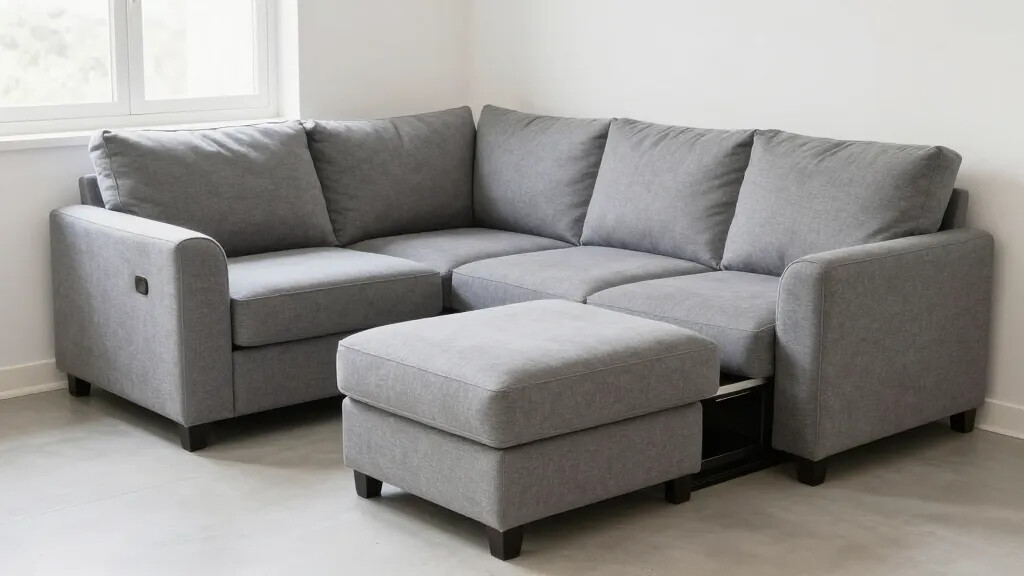
Sectionals often come with hidden storage built into the design, which is one of their biggest practical advantages in a small living room layout. Take advantage of it wherever possible instead of adding separate storage furniture that eats into floor space.
- Ottomans with lift-top lids for blankets and remotes.
- Sectional sections with built-in storage under the chaise.
- End tables with drawers or hidden compartments for smaller items.
- For more storage-forward layouts beyond the sectional itself, see these small living room ideas with smart storage.
Lighting That Makes the Space Feel Bigger
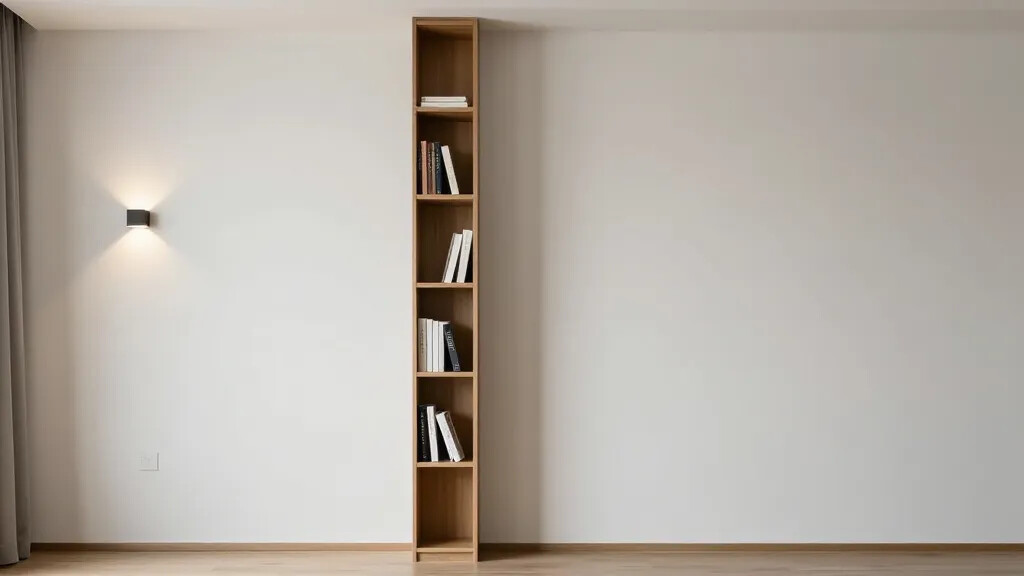
In small rooms, lighting does almost as much work as the furniture layout itself. Layer ambient, task, and accent lighting to eliminate flat shadows and add depth around the sectional.
Layering Tips
- Soft, warm bulbs add coziness without harsh glare.
- Dimmer switches let you shift the mood from daytime bright to evening relaxed.
- Mirrors reflect light and visually expand the room’s sense of depth.
Living Room TV Wall Ideas for Small Apartments
If your building layout leans more apartment than house, wall space is often the scarcest resource in the room. Living room tv wall ideas for small apartments home decor generally favor wall-mounted screens with a slim floating shelf or console below, which keeps floor space entirely open for the sectional and any walking path around it. Pairing a light-colored wall with a low-profile media unit keeps the whole wall from feeling heavy, even in a room with a full sectional taking up one side.
Accessorize Without Crowding
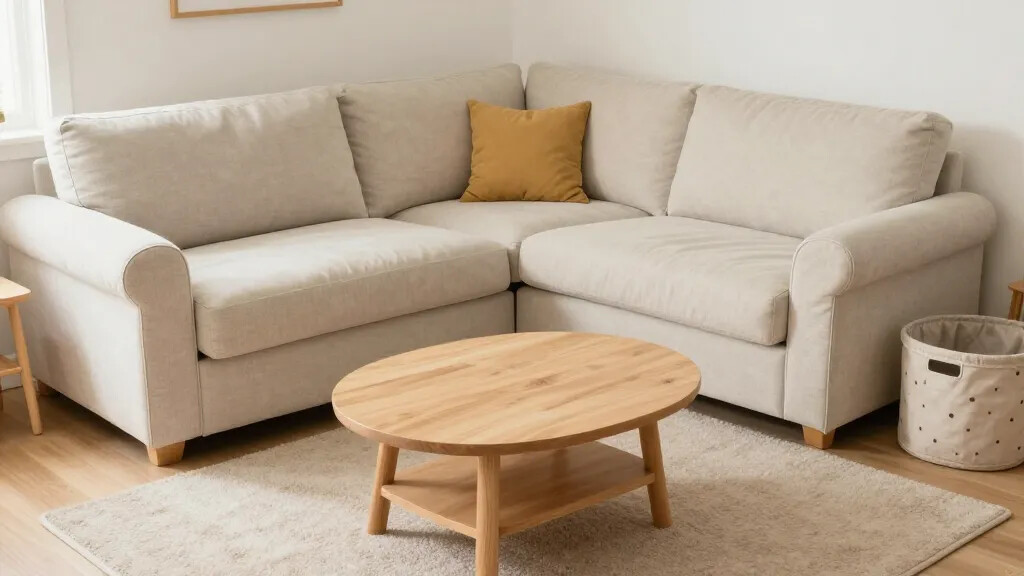
Less is more when you’re working with a compact footprint. Choose a few statement pieces that reflect your style, then stop — resist the urge to fill every remaining surface.
What to Avoid
- Overly large coffee tables that obstruct traffic around the sectional.
- Too many trinkets or busy patterns competing for attention.
- A rug that’s too small to properly define the seating area.
Checklist: Things to Consider Before You Buy a Sectional
- Have you measured the room, doorways, and stairwells for delivery?
- Does the sectional’s profile stay low enough to keep sightlines open?
- Is there at least 30 inches of clearance if the room doubles as a walking path?
- Does the fabric match how the room actually gets used — pets, kids, guests?
- Have you planned where the TV and any dining space will sit relative to the sectional?
FAQ
Is a sectional really the best choice for a small living room layout?
Yes, when chosen thoughtfully. A sectional can anchor a tight space, create a defined zone, and invite lounging. The key is scale, placement, and fabric choice — avoid anything blocky or bulky just to get a bigger look.
How do I arrange a sectional in a narrow room?
Try a corner or back-to-wall setup to maximize floor area in the middle of the room. Opt for a low-profile silhouette and keep the coffee table slim. If the room doubles as a traffic path, aim for at least 30 inches of clearance around the furniture.
Will a sectional with a chaise eat up too much space?
A chaise can actually help define a lounging zone without taking up more floor space than a traditional sofa. Angling it toward the room’s center helps flow, or a reversible chaise adds flexibility if you’re unsure of the best orientation.
Which colors help a small living room layout feel bigger?
Light neutrals and soft pastels reflect light and broaden the sense of space. Personality can still come through via bold accents in pillows, art, or a single standout rug.
How do I keep a small living room with a sectional from looking cluttered?
Lean on hidden storage, keep the color palette tight, and curate decor deliberately. If a piece can’t be tucked out of sight when not in use, it’s worth swapping for something sleeker.
Can I still fit a TV and small dining table alongside a sectional?
Yes — treat the sectional as the seating anchor, then place the TV on an opposite or perpendicular wall and a slim dining table along a side wall. This keeps each zone functional without any one piece crowding the others.
Our Recommendation
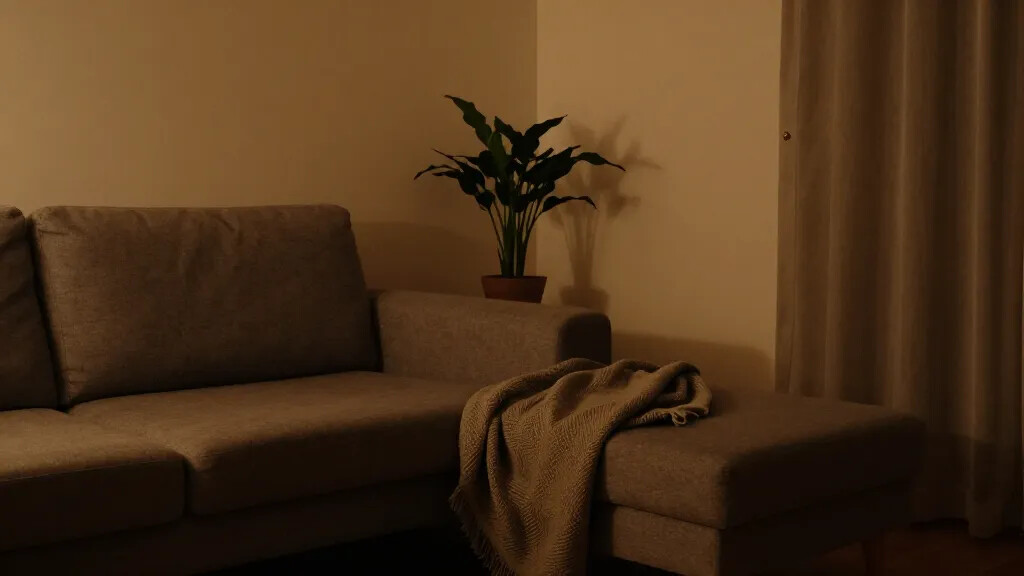
Small living rooms and sectionals work well together with the right plan. Start by sizing carefully, choose a layout pattern that keeps traffic flowing, and layer in color, texture, and lighting to give the space personality. If you’re still mapping out the broader room before committing to furniture, this small living room layout plan is a useful starting point. With the right scale and zoning, a compact room can feel bigger, more comfortable, and distinctly yours.