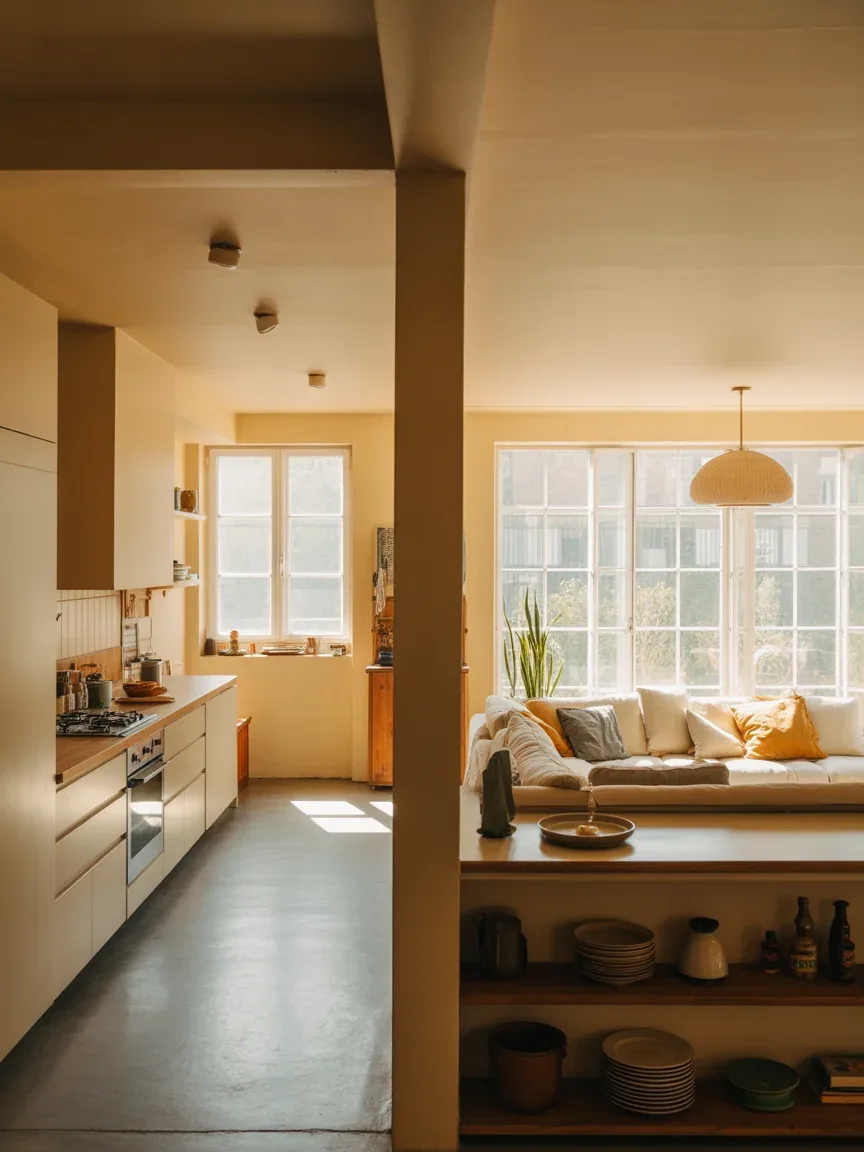
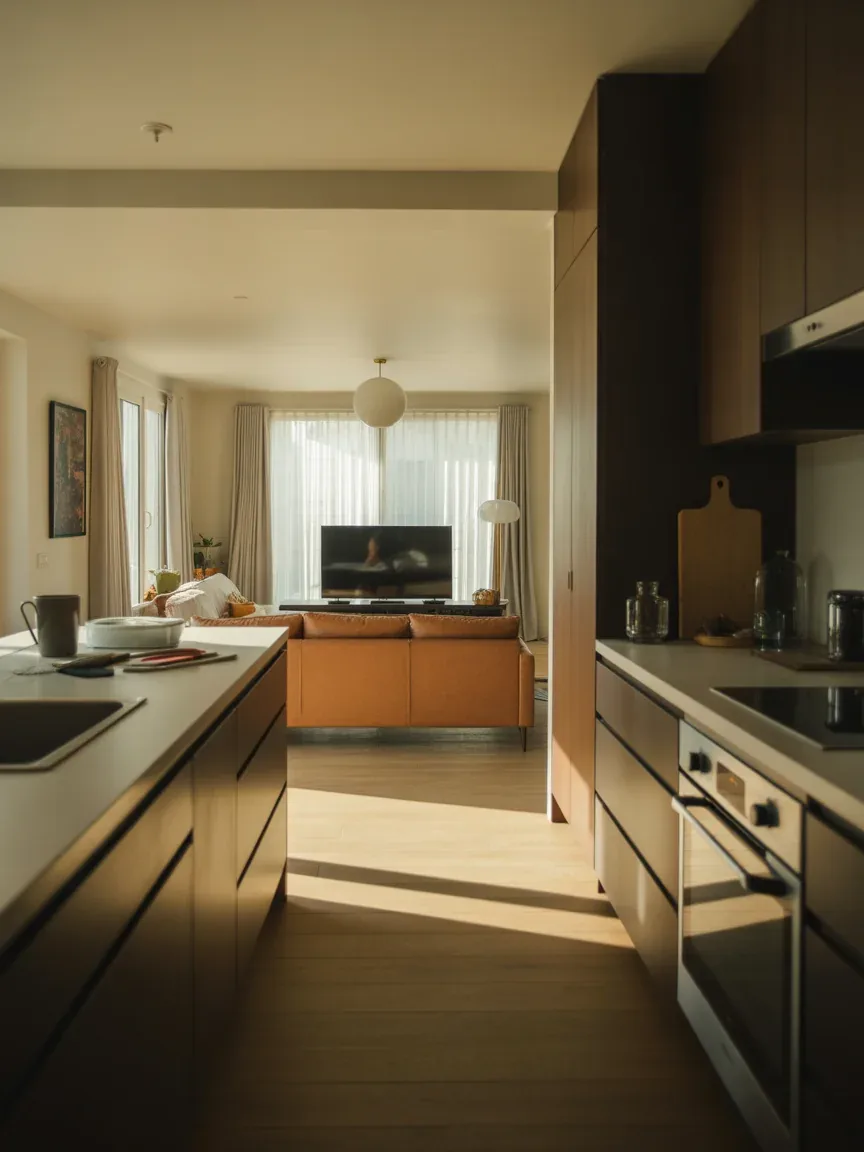
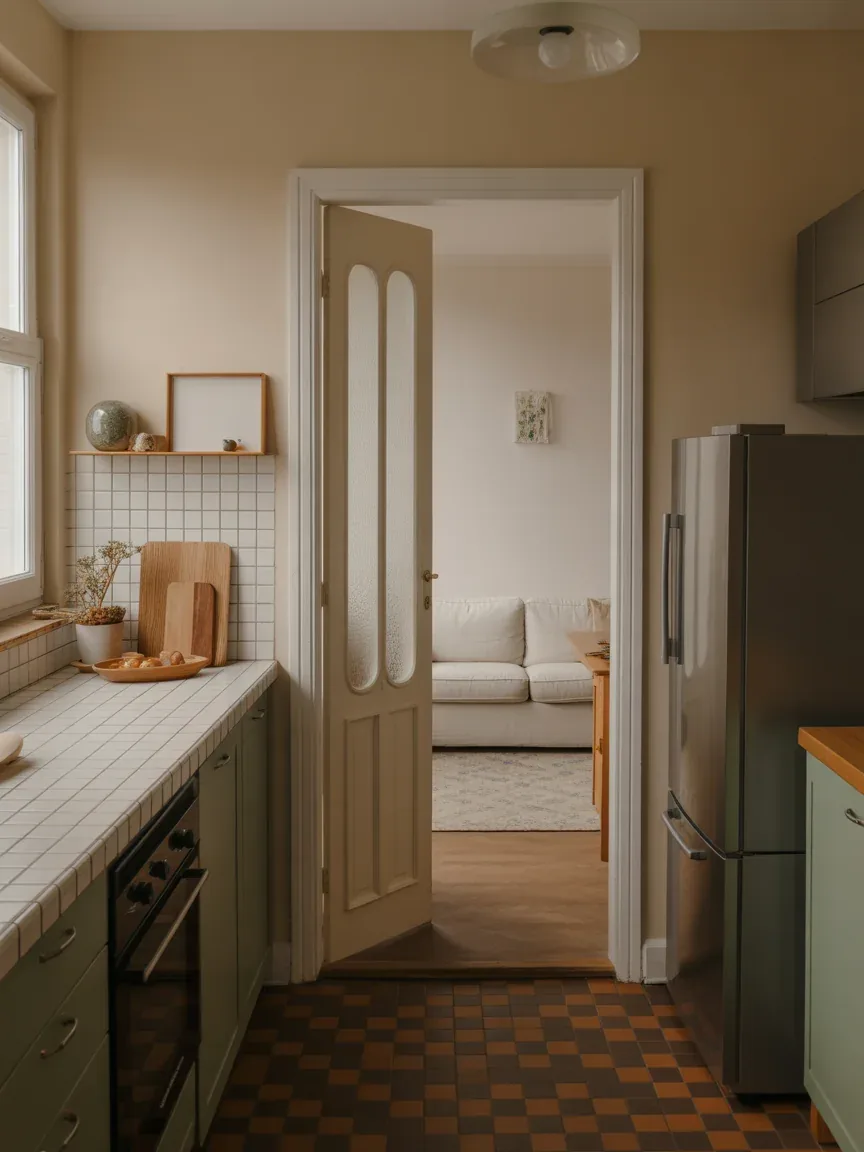
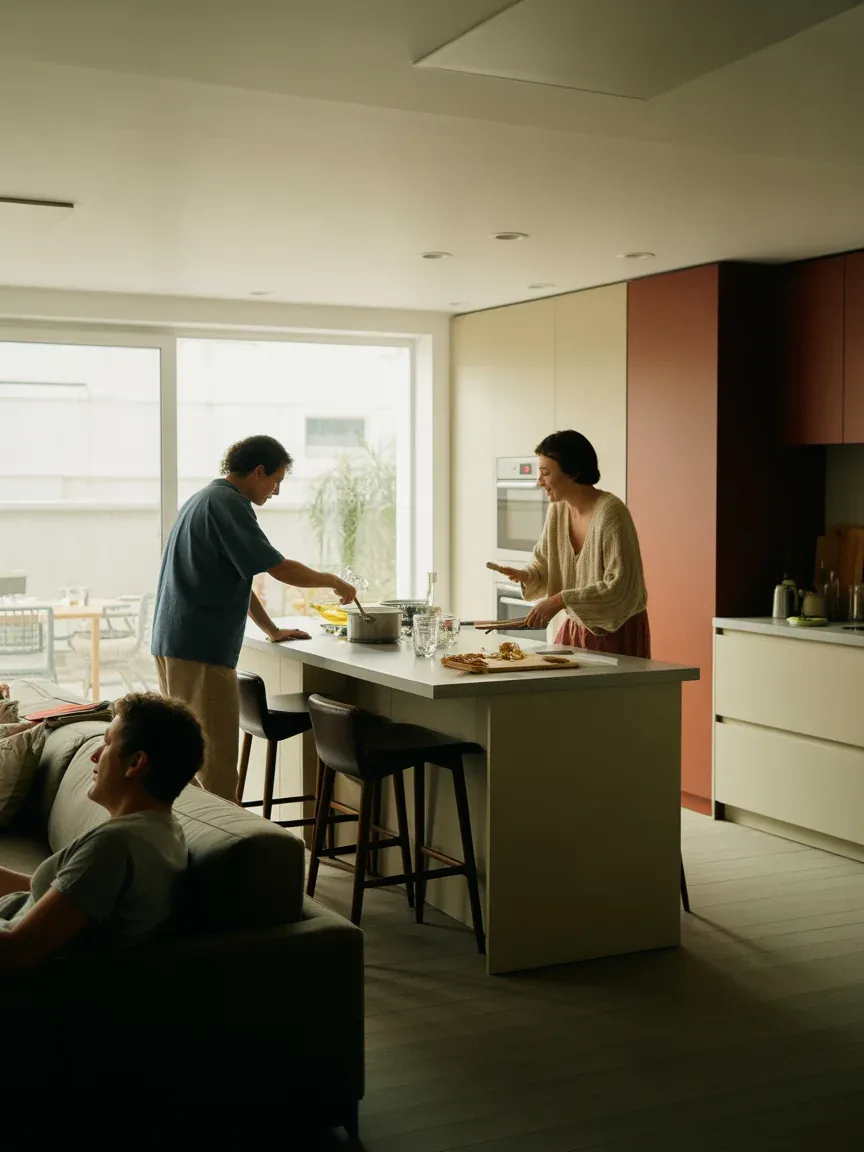
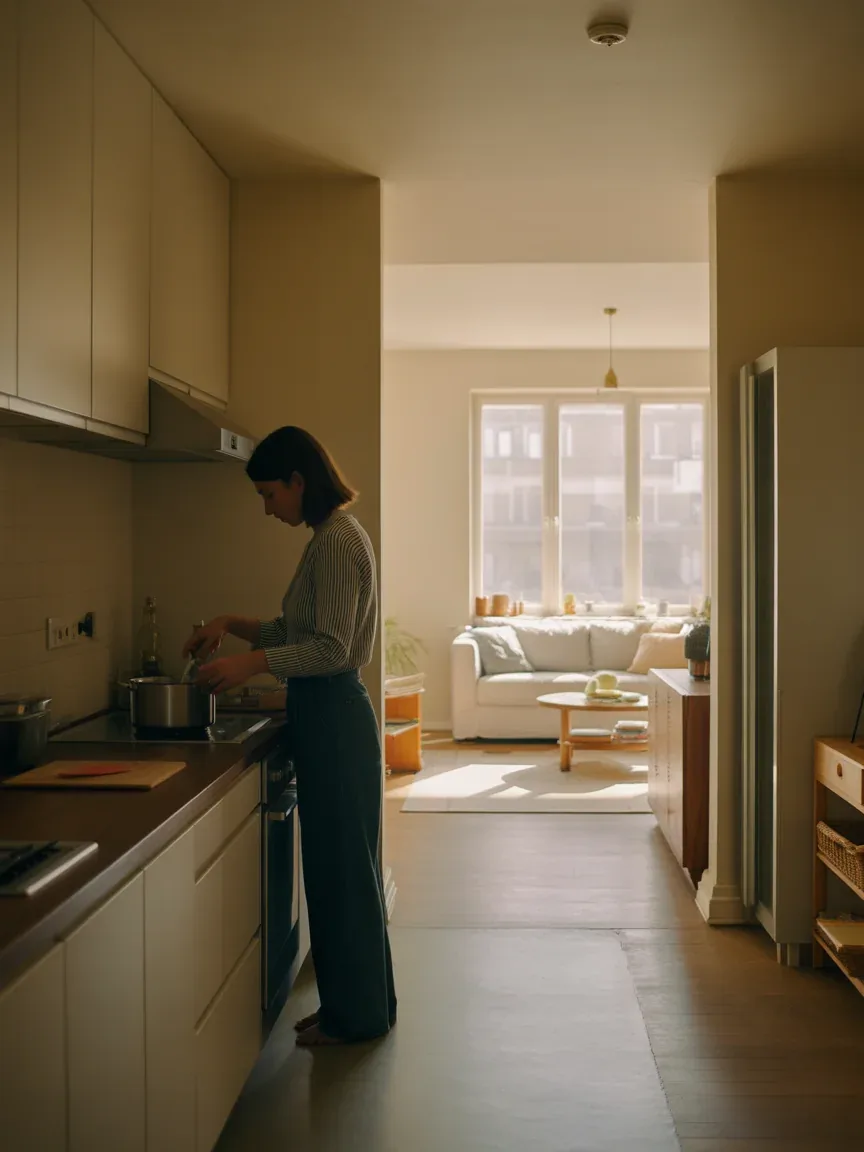
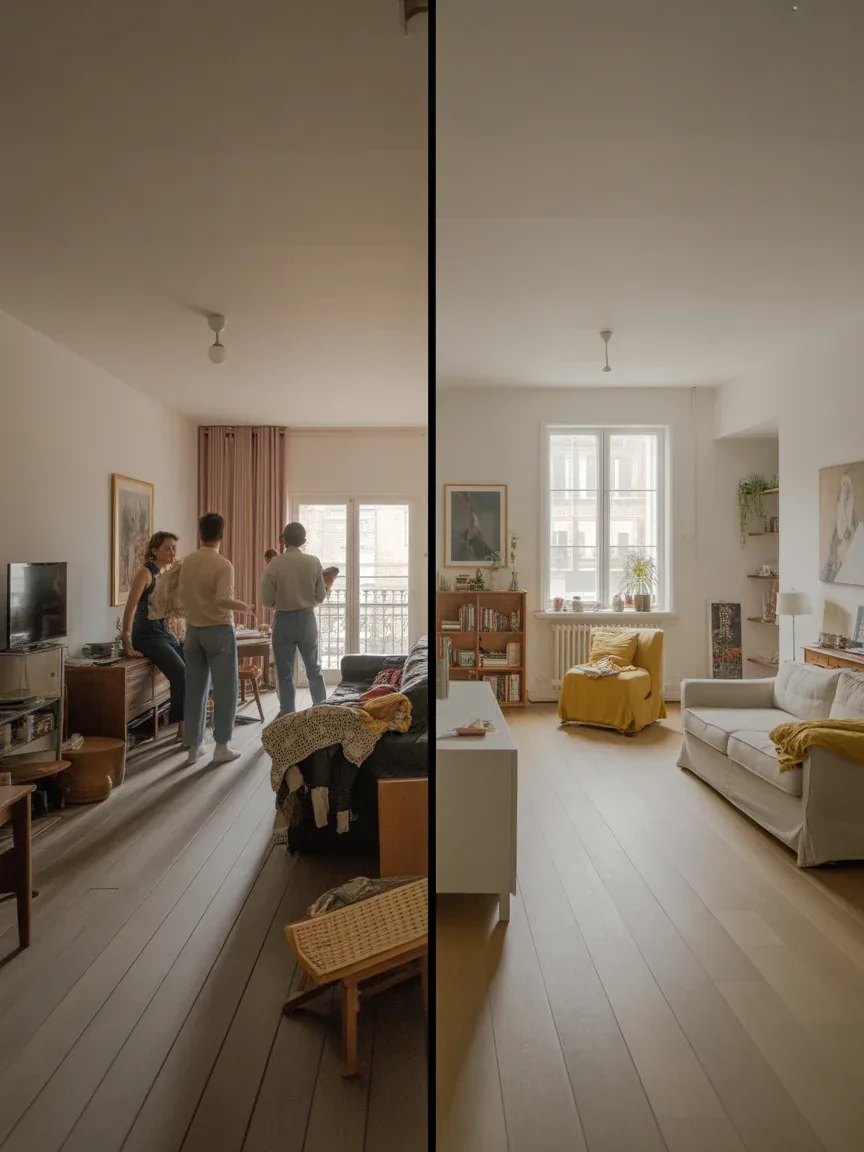
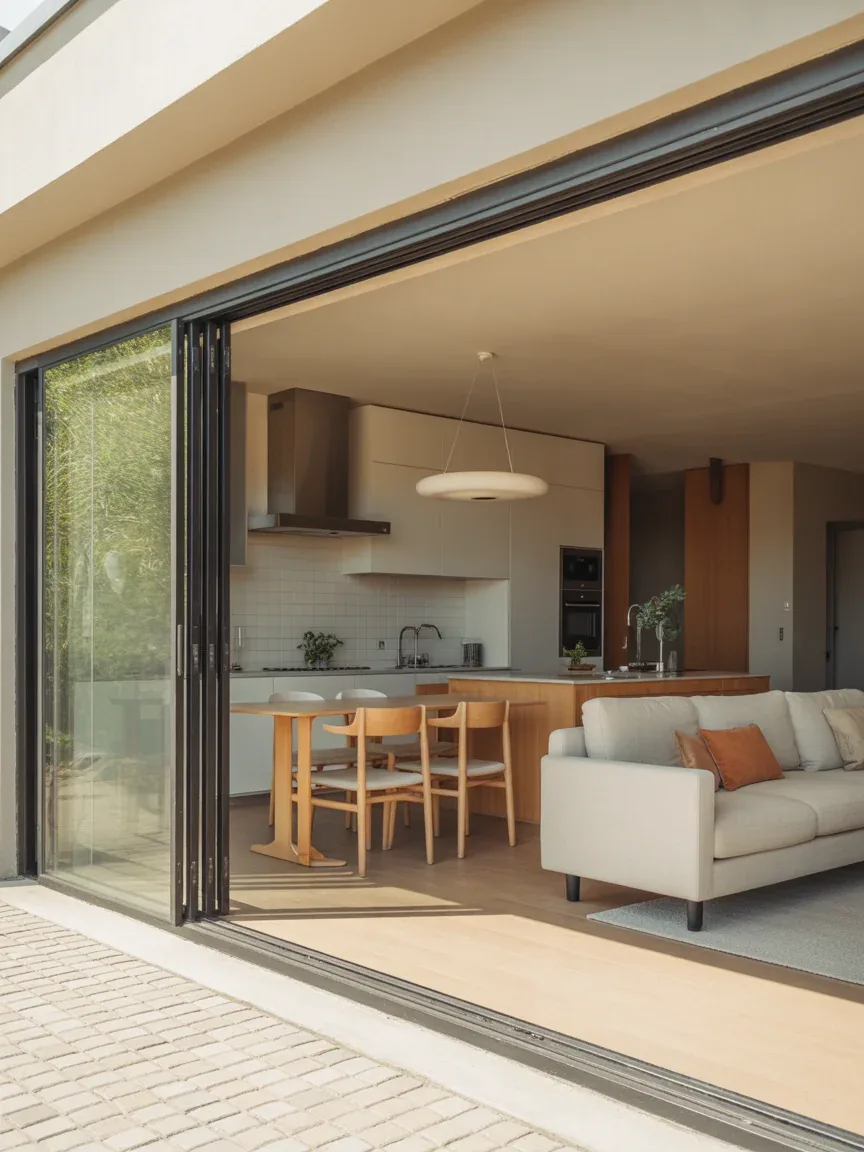
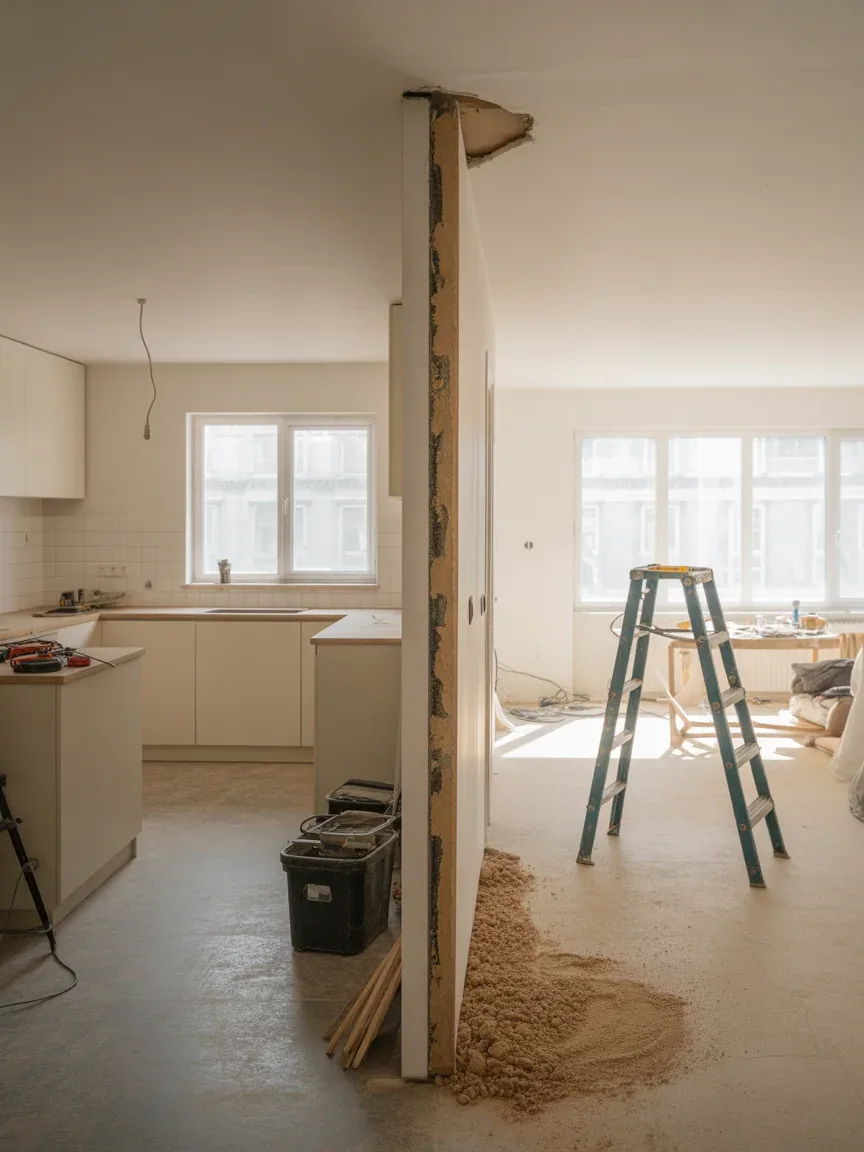
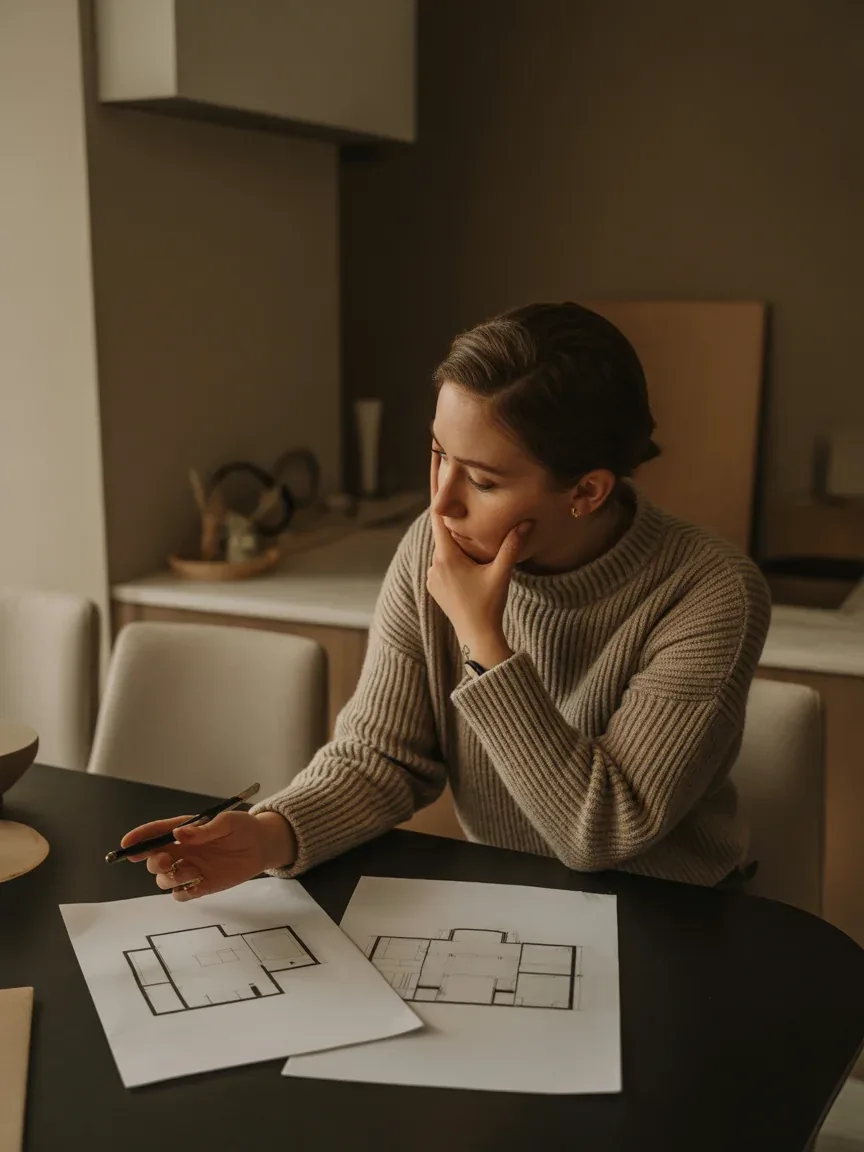
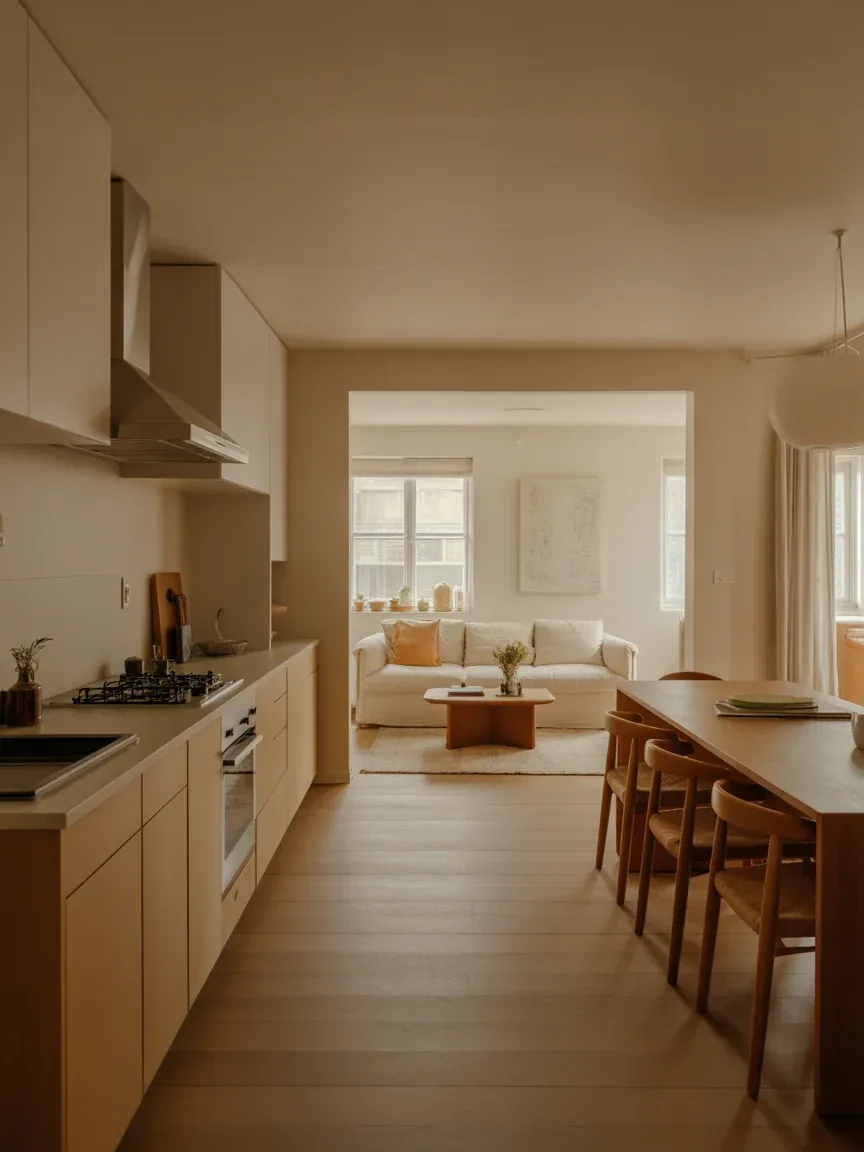
Trying to decide between an open plan or a separate kitchen living room? Yeah, it’s one of those choices that feels small—until you actually have to live with it every day. Your layout affects how you cook, relax, entertain, and even how messy your life looks. Let’s break it down so you can pick what actually works for you—not just what looks good on Pinterest. What Is an Open Plan Layout, Really? An open plan layout removes walls between your kitchen, dining, and living areas. Everything flows into one big shared space. Sounds dreamy, right? It’s all about connection and visibility. You cook while chatting with guests, keep an eye on kids, and enjoy a more spacious feel—even in smaller homes. Photo by Alex Tyson on Unsplash But let’s be honest: open plan also means your dirty dishes get VIP visibility. What Does a Separate Kitchen Living Room Offer? A separate layout keeps your kitchen isolated from the living area—usually with walls, doors, or clear divisions. This setup gives you defined spaces for different activities. Cooking happens in one zone, relaxing in another. Simple. Photo by Lisa Anna on Unsplash And yes, it also means you can hide your kitchen chaos when guests show up unexpectedly. Huge win. The Real Pros of Open Plan Living Open plan layouts get a lot of hype—and for good reason. More natural light flows through the space Makes small homes feel bigger Perfect for socializing while cooking Flexible furniture arrangement You basically get a multi-functional space that adapts to your lifestyle. Photo by Jasmijn Jansen on Unsplash Why People Love It You never feel cut off from the action. Hosting becomes easier because everyone hangs out in one shared space. Plus, if you hate feeling boxed in, this layout feels refreshing and modern. Where It Can Go Wrong Here’s the catch: Noise travels everywhere (blender + TV = chaos) Cooking smells linger in your living room Mess stays visible—always If you’re not naturally tidy, this layout will expose you real quick. Why Separate Layouts Still Win for Many Homes Separate kitchens may feel old-school, but they still make a lot of sense. Privacy while cooking Better noise control Easier to keep spaces clean-looking Stronger boundaries between work and relaxation IMO, this layout feels calmer—especially if you like structure. Best Situations for Separate Spaces This setup works great if: You cook often and need focus You work from home and want quiet You prefer a clutter-free living room It’s less “Instagram aesthetic,” but way more practical for some lifestyles. Lifestyle Check: What Kind of Person Are You? Let’s get real—this choice depends more on you than the house. Choose Open Plan If You: Love hosting and socializing Prefer a bright, airy feel Don’t mind a bit of visual mess Want a modern vibe Choose Separate Layout If You: Value privacy and quiet Cook heavily or frequently Like clean, defined zones Get stressed by clutter in sight Still unsure? Ask yourself: do you want your kitchen to be part of the show or behind the scenes? Design Flexibility and Resale Value Here’s something people don’t always think about—future value. Open plan layouts often appeal to buyers looking for modern homes. They photograph better and feel trendy. But separate kitchens attract buyers who want functionality and tradition—especially families. Quick Tip If you want the best of both worlds, consider: Sliding doors Glass partitions Half walls or breakfast bars You can create a semi-open layout that gives flexibility without full commitment. Cost and Practical Considerations Let’s talk money and effort. Open plan often requires structural changes (removing walls = $$$) Separate layouts may cost less upfront but feel less modern Also think about: Heating/cooling larger open spaces Ventilation (especially for open kitchens) Storage (open layouts often need smarter solutions) FYI, those hidden costs sneak up fast if you don’t plan ahead. FAQ Is open plan better for small homes? Yes, usually. Open layouts make small spaces feel bigger and brighter. Just stay organized—or it’ll feel cramped again. Do separate kitchens increase home value? Not necessarily, but they appeal to certain buyers. It depends on location and market trends. Can I convert a separate layout into open plan later? Yes, but it may require structural work. Always check if walls are load-bearing before grabbing a sledgehammer. Are open kitchens harder to maintain? They’re not harder to clean—but they’re harder to hide. Big difference. What’s the best compromise between the two? A semi-open layout with partitions or sliding doors gives flexibility without full exposure. Conclusion So, Open Plan vs Separate Kitchen Living Room: Which Layout Works Better? It comes down to your lifestyle, habits, and tolerance for visible mess. Open plan feels modern, social, and spacious—but demands discipline. Separate layouts offer privacy, control, and calm—but sacrifice that airy vibe. Pick the one that fits how you actually live—not how you think you should live. That’s the real upgrade.
Trying to decide between an open plan or a separate kitchen living room? Yeah, it’s one of those choices that feels small—until you actually have to live with it every day. Your layout affects how you cook, relax, entertain, and even how messy your life looks. Let’s break it down so you can pick what actually works for you—not just what looks good on Pinterest.
It’s all about connection and visibility. You cook while chatting with guests, keep an eye on kids, and enjoy a more spacious feel—even in smaller homes.
Listen to this article 10 10 0:00 / 0:00 Speed 0.75×1×1.25×1.5×2× “Cozy” gets used as a catch-all word in kitchen design, but in a real cozy kitchen design small farmhouse space, it comes down to a handful of specific, repeatable choices — warm bulb temperature, a tight color palette, and a layout that doesn’t fight…
Listen to this article 10 10 0:00 / 0:00 Speed 0.75×1×1.25×1.5×2× Dreaming of an outdoor kitchen but your wallet says “relax”? Good news—you don’t need a luxury budget to cook outside like a pro. With a few smart picks and a little DIY spirit, you can build a setup that looks great and works even…
Listen to this article 10 10 0:00 / 0:00 Speed 0.75×1×1.25×1.5×2× A U-shaped layout is one of the most efficient footprints for a small kitchen — three walls of counter and storage instead of one — but a small u shaped kitchen remodel farmhouse project has a specific failure mode: cramming in every farmhouse element…
Listen to this article 10 10 0:00 / 0:00 Speed 0.75×1×1.25×1.5×2× A small farmhouse kitchen lives or dies on decisions most people don’t think about until they’re standing in the room with a tape measure — where the trash can goes, how far the fridge door swings, whether the open shelf over the sink is…
Listen to this article 10 10 0:00 / 0:00 Speed 0.75×1×1.25×1.5×2× A smart kitchen remodel on a budget isn’t about doing less — it’s about doing the right things first. Most kitchens don’t need new bones. They need better light, better hardware, and a layout that stops fighting you every time you cook. Once you’ve…
Listen to this article 10 10 0:00 / 0:00 Speed 0.75×1×1.25×1.5×2× Kitchen walls deserve better than blank paint and one sad clock from the clearance aisle. If you’re chasing that cozy farmhouse look, wallpaper can completely change the mood of your kitchen without requiring a full renovation or a reality TV crew. From vintage-inspired florals…