Quartz vs Butcher Block: The Best Countertop for a Mid-Century Modern Kitchen That Stuns
You’re designing a mid-century modern kitchen, and suddenly… countertops become a personality crisis. Do you go sleek and polished or warm and organic? Quartz vs butcher block isn’t just a material choice—it’s a vibe decision. And yes, it will absolutely set the tone for your entire space.
Let’s break it down so you can pick the one that actually fits your style (and your lifestyle).
What Defines a Mid-Century Modern Kitchen Anyway?
Before choosing a countertop, you need to know what you’re working toward. Mid-century modern isn’t just “old but trendy.” It’s intentional.
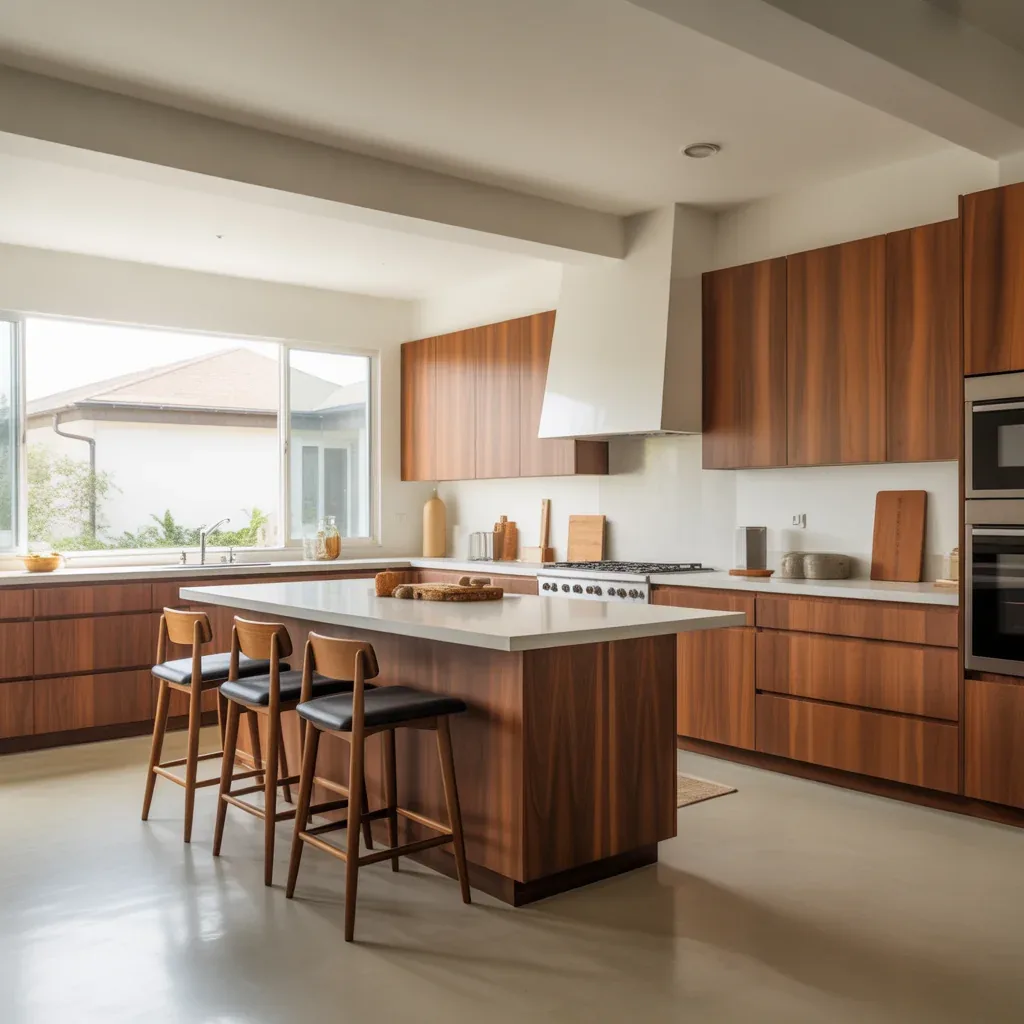
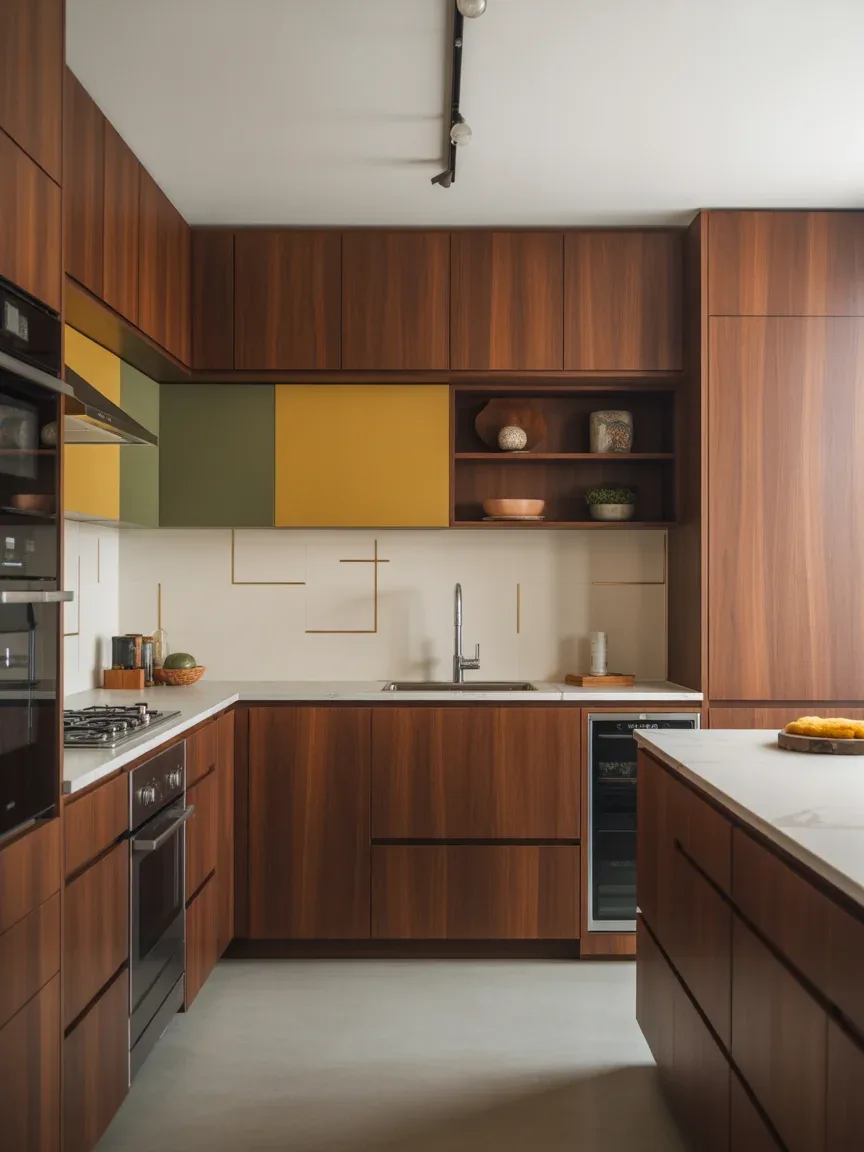
Think clean lines, organic shapes, warm woods, and minimal clutter. This style thrives on contrast—natural meets modern, soft meets structured.
You’ll often see:
- Flat-panel cabinets
- Wood tones like walnut or teak
- Bold accents (hello, mustard yellow or olive green)
- Minimal hardware
So where do countertops fit in? Right at the center. They either enhance the balance—or completely throw it off.
Quartz Countertops: Sleek, Polished, and Effortlessly Modern
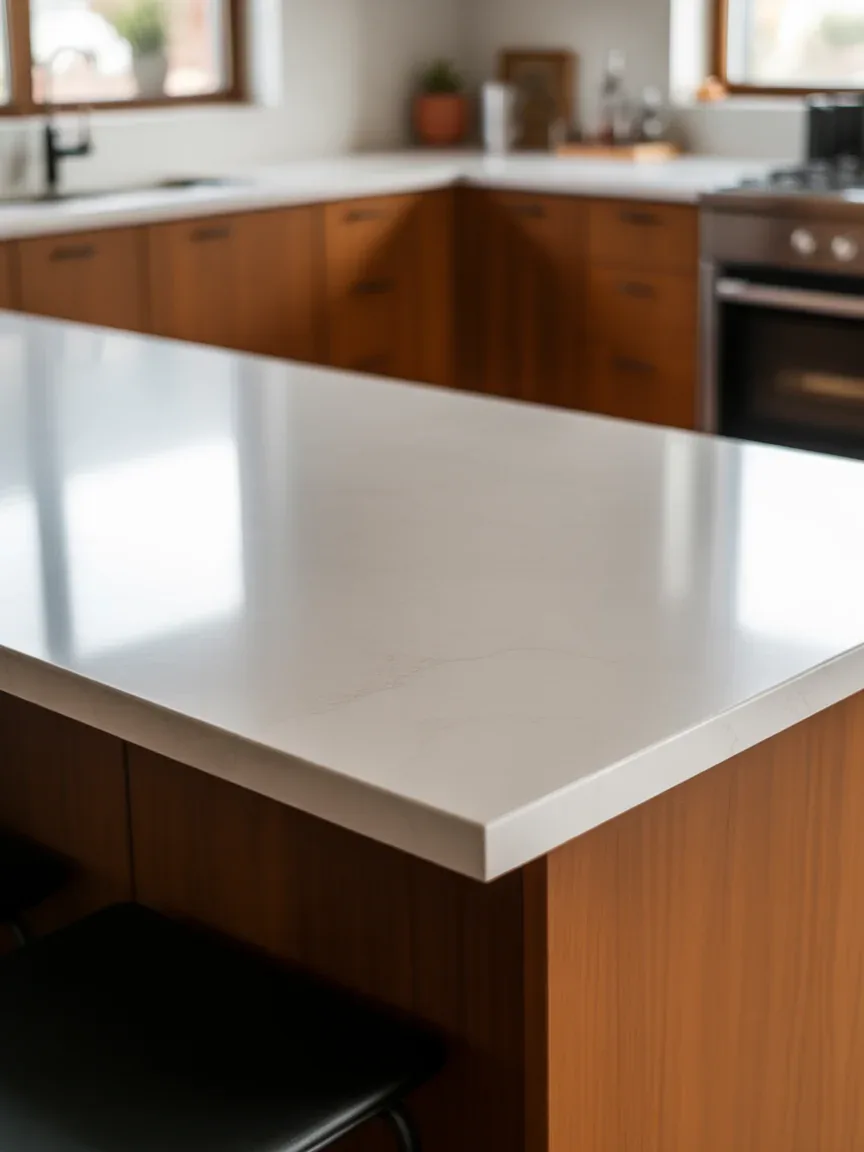
Quartz feels like the overachiever of countertops. It looks flawless and barely needs attention. Sounds tempting, right?
Why Quartz Works in Mid-Century Kitchens
Quartz brings that clean, streamlined aesthetic mid-century design loves. It pairs beautifully with wood cabinetry, creating that perfect mix of modern and natural.
Here’s what makes quartz shine:
- Consistent patterns for a tidy look
- Wide color range (from crisp white to dramatic black)
- Subtle veining that mimics stone without the chaos
If you want your kitchen to feel polished and intentional, quartz delivers.
The Practical Side (Because Real Life Exists)
Quartz isn’t just pretty—it’s low-maintenance.
- Non-porous surface = no staining headaches
- No sealing required
- Easy to clean (literally just wipe and go)
But—and there’s always a but—it can feel a little too perfect. Some people find it slightly cold or lacking character. If you crave warmth, quartz alone might not scratch that itch.
Butcher Block Countertops: Warm, Textured, and Full of Character
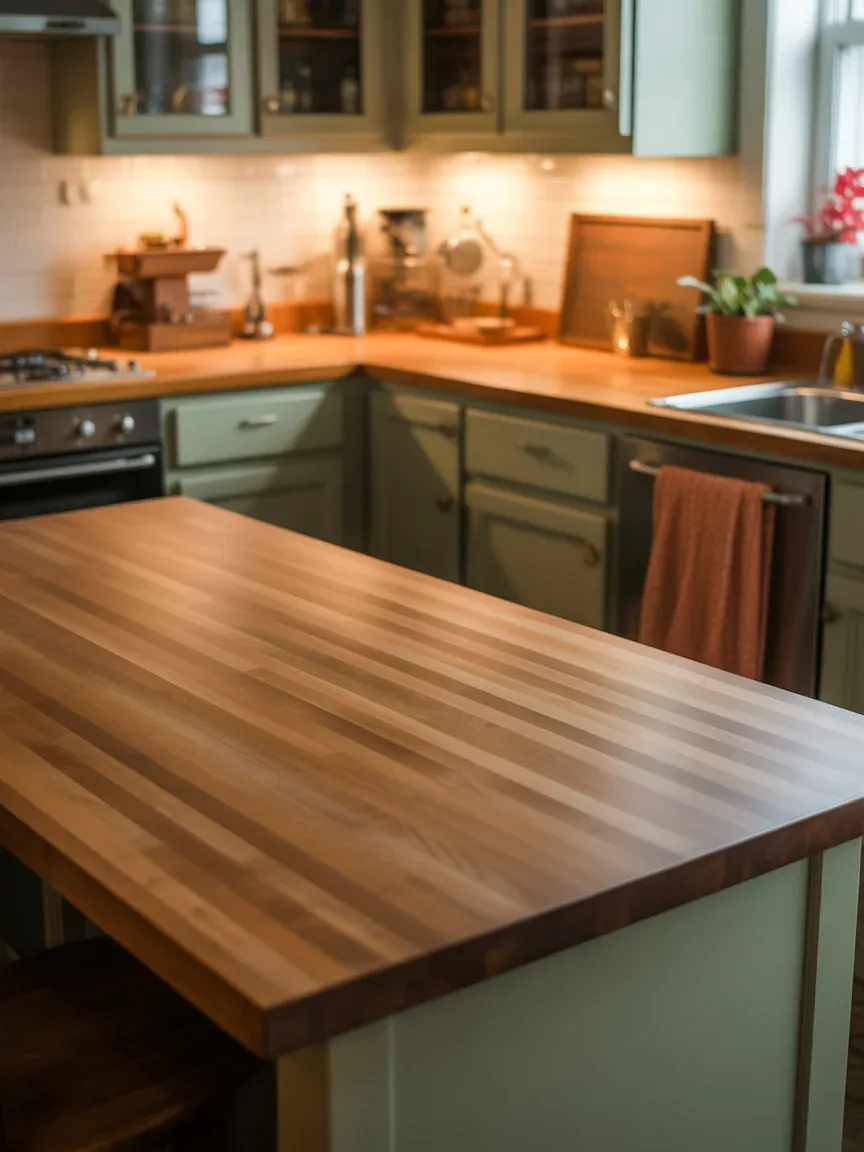
Butcher block walks into the room and instantly makes everything feel more inviting. It’s the cozy sweater of countertops.
Why Butcher Block Fits the Mid-Century Vibe
Mid-century design leans heavily into natural materials, and butcher block delivers that in spades. It adds warmth, texture, and authenticity.
Especially if you’re using:
- Walnut for rich, deep tones
- Maple for a lighter, airy feel
- Oak for a classic, durable look
It pairs beautifully with retro elements and softens modern edges. Honestly, it makes your kitchen feel lived-in—in a good way.
The Reality Check
Butcher block needs commitment. Not emotional—maintenance.
- Requires regular oiling
- Can scratch and dent over time
- Sensitive to water if neglected
That said, some people love this. The wear and tear create a patina that tells a story. Others? Not so much.
Style Showdown: Which One Looks More “Mid-Century”?
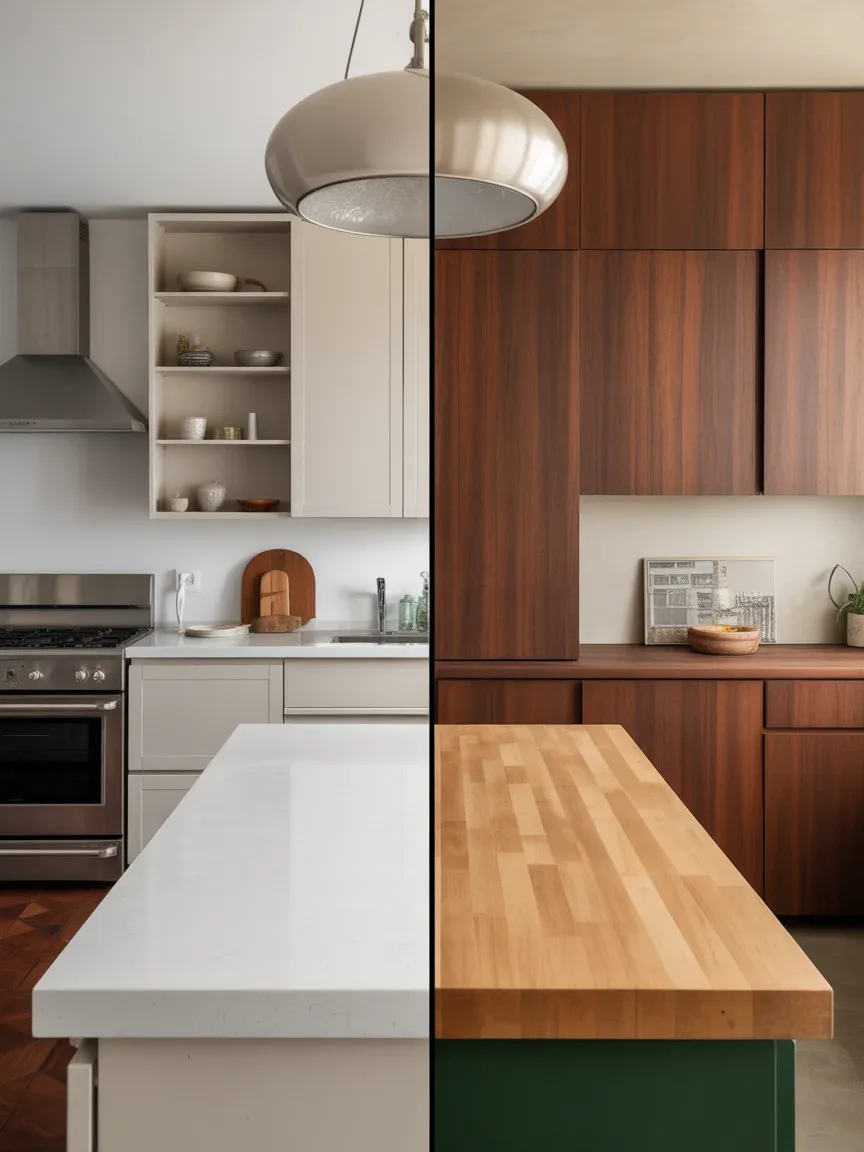
Let’s be real—both can work. But they bring different energy.
Quartz = Modern Edge
- Clean, minimal, structured
- Works best in sleek, high-contrast kitchens
- Feels slightly more contemporary than vintage
Butcher Block = Retro Warmth
- Organic, textured, inviting
- Leans into the authentic mid-century feel
- Adds visual softness
If your kitchen feels too cold, butcher block fixes that fast. If it feels too busy, quartz calms everything down.
So ask yourself: Do you want warmth or precision?
Mixing Both: The Secret Designer Trick
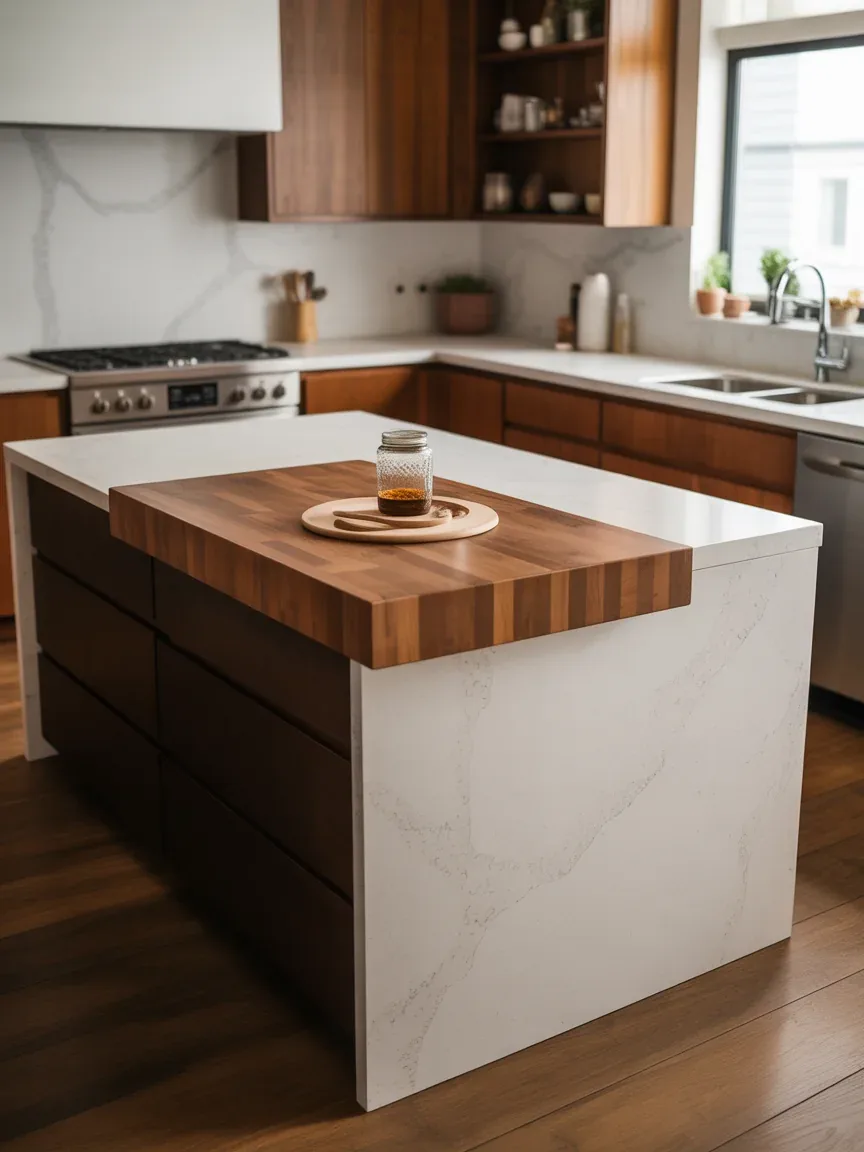
Here’s where things get interesting—you don’t actually have to choose just one.
Designers love combining quartz and butcher block. Why? Because it gives you the best of both worlds.
How to Pull It Off
- Use quartz on perimeter counters for durability
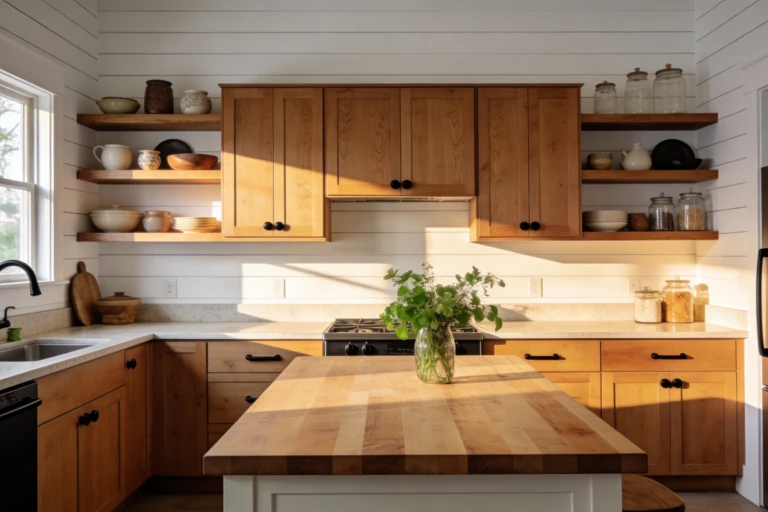
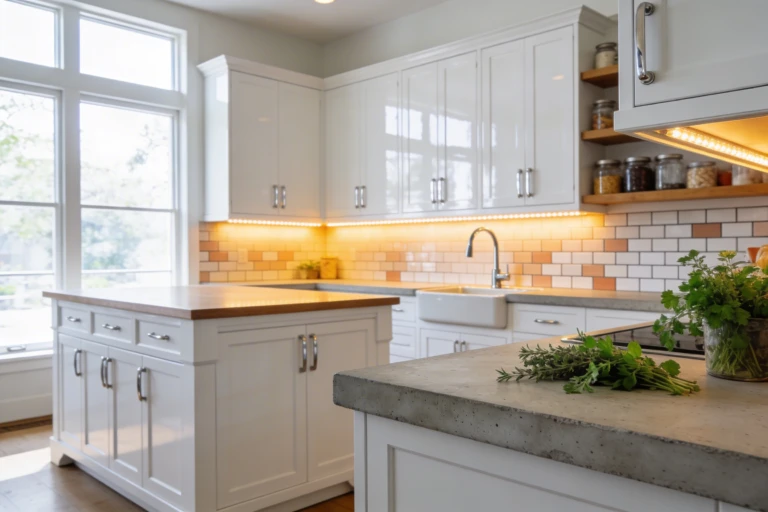
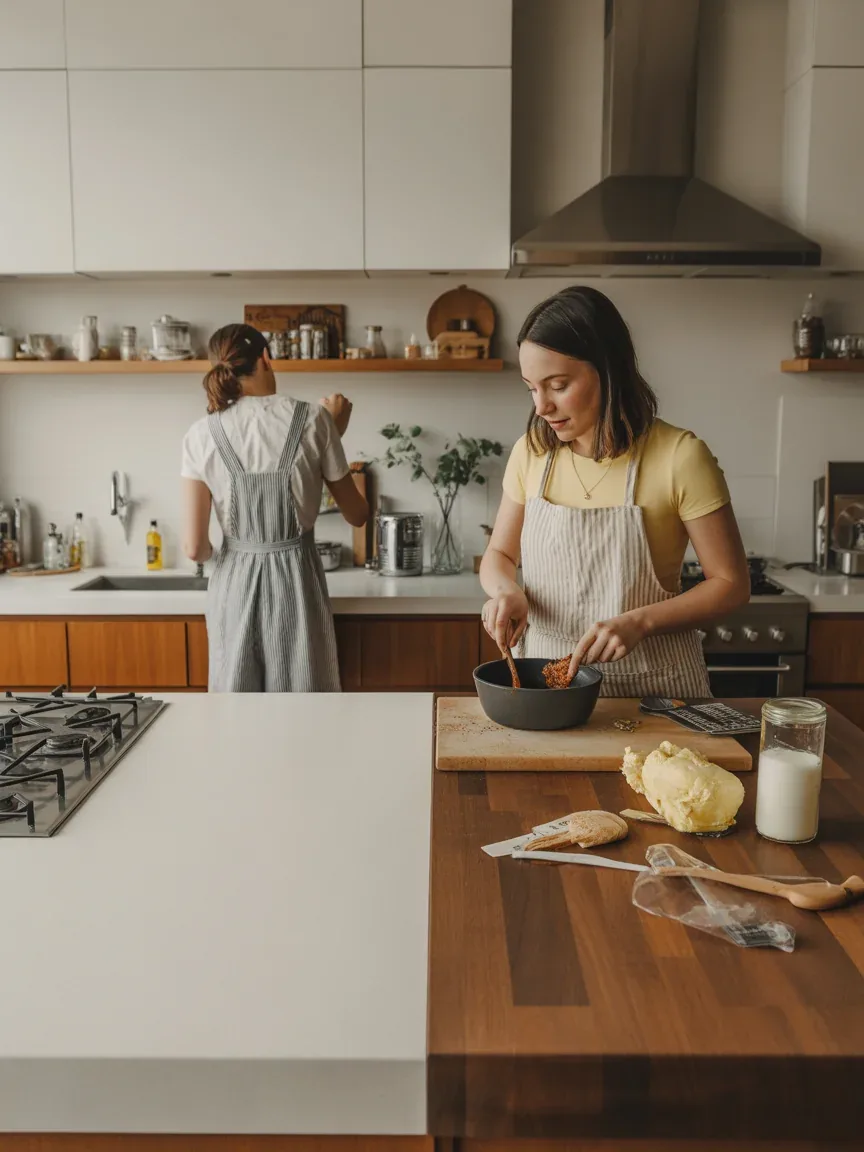
- Add butcher block on an island for warmth
- Or flip it—wood prep area, quartz workspace
This creates contrast without chaos. It also makes your kitchen feel layered and intentional instead of flat.
IMO, this is the sweet spot if you can swing it.
Cost, Durability, and Lifestyle Fit
Let’s talk money and real-life use, because aesthetics only go so far.
Quartz
- Higher upfront cost
- Extremely durable
- Low maintenance (huge win)
Butcher Block
- More affordable initially
- Requires ongoing care
- Can age beautifully—or poorly—depending on upkeep
If you cook a lot and hate maintenance, quartz wins. If you enjoy hands-on care and natural materials, butcher block feels more rewarding.
Lifestyle Questions to Ask Yourself
- Do you want set-it-and-forget-it or hands-on upkeep?
- Do you mind scratches, or do they drive you crazy?
- Are you going for showroom clean or cozy lived-in?
Your answers will point you in the right direction faster than any trend guide.
FAQ
Is quartz or butcher block better for resale value?
Quartz usually wins here. Buyers love low-maintenance, durable surfaces. But a well-maintained butcher block can still impress, especially in a stylish mid-century home.
Can butcher block handle heavy kitchen use?
Yes—but only if you maintain it. Regular oiling keeps it from drying out or cracking. Ignore it, and it will show.
Does quartz look too modern for mid-century design?
Not at all. Choose subtle patterns and pair it with wood elements. That balance keeps it grounded in mid-century style.
Can I cut directly on butcher block?
Technically yes, but you probably shouldn’t. It can damage the finish and lead to uneven wear. Use a cutting board—it’s easier.
Which one lasts longer?
Quartz lasts longer with minimal effort. Butcher block can last decades too—if you take care of it consistently.
Conclusion
So, quartz vs butcher block—which wins? Honestly, it depends on what kind of kitchen you want to live in.
If you love clean lines, easy upkeep, and a polished look, quartz feels like the obvious choice. If you crave warmth, texture, and a bit of character, butcher block brings that magic.
And if you can’t decide? Mix both and call it a design power move.