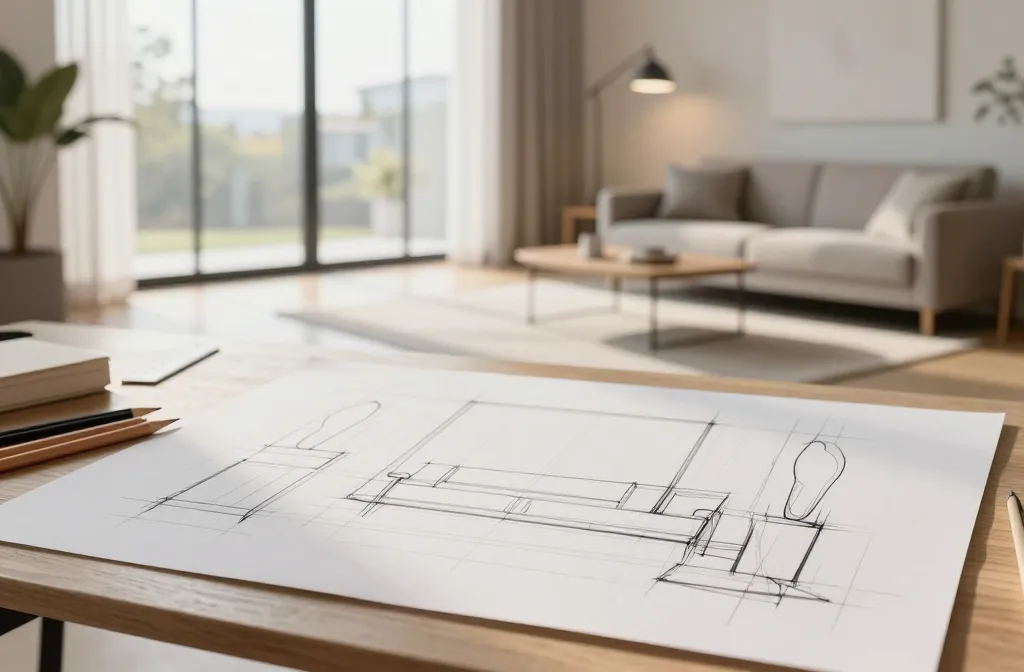
Interior Design Living Room Drawing: Your Space, Perfected
Standing in the middle of a living room trying to picture where the sofa should go rarely works out well. A proper interior design living room drawing solves that problem before you spend a cent — it’s a plan for color, scale, and flow, not just a pretty doodle. It’s the difference between a room that feels accidental and one that feels intentional. Grab a notebook, a pencil, and let’s turn scribbles into a workable plan.
Quick-Reference: Key Takeaways
- A living room drawing translates vague ideas (“I think the sofa fits here”) into real measurements before you buy anything.
- Map traffic flow first — aim for paths at least 36–42 inches wide so nobody trips over the coffee table.
- Leave 16–18 inches of legroom between a sofa and coffee table for comfortable movement.
- Sketch at least two or three layout options before committing to one, including any room dividers or partitions if your space is open-plan.
- Plan lighting in layers — ambient, task, and accent — directly on the drawing, not as an afterthought.
What an Interior Design Living Room Drawing Actually Does for You
A drawing turns guesswork into a real plan. Instead of assuming a sofa, rug, and coffee table will fit together, the sketch shows you exactly how they coexist in the space you actually have.
- It tests scale before you buy, so you avoid oversized furniture that overwhelms the room.
- It clarifies lighting and mood — where lamps go, where natural light falls, and how each corner feels at night.
- It reveals circulation paths, so you can spot pinch points before they become daily annoyances.
Start With a Clean Canvas: The Basics to Map Out
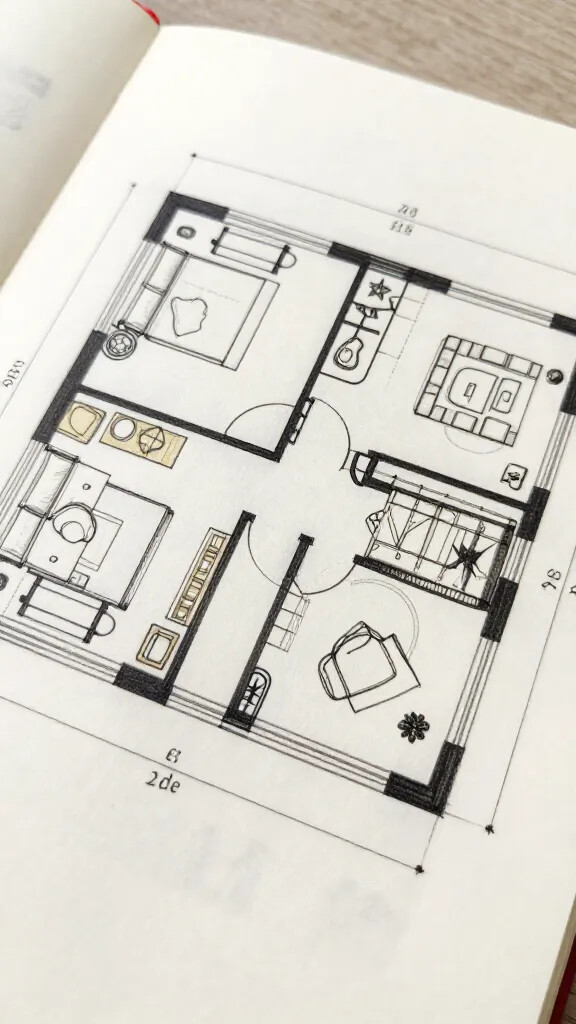
Before choosing furniture or colors, get the fundamentals of the room down on paper.
- Room measurements: walls, doorways, window placements, and ceiling height. Measure twice, draw once.
- Furniture footprints: sketch major pieces to scale. A simple grid and ruler work fine — no software required.
- Traffic flow: mark clear paths, ideally 36–42 inches wide, so movement through the room feels natural.
- Focal point: a fireplace, a view, or a statement art piece. Decide what anchors the room before placing everything else.
Choosing a Layout That Actually Feels Good
There’s no single “correct” living room layout — the right one depends on how you actually use the space.
- The two-sofa layout: great for conversation and social gatherings, though it can feel formal. Soften it with a rug and warm lighting.
- The sofa-as-divider approach: position a sofa to define the seating area while opening up the rest of the room — a simple way to introduce living room division without a full wall.
- The low-profile layout: a comfortable setup built for streaming, games, and long conversations, using a low sofa with movable chairs for flexibility.
If your living room is open-plan and you’re considering a physical divider rather than just furniture placement, sketch it into your drawing early — a wood partition or slatted panel changes both the traffic flow and the lighting plan, so it needs to be part of the layout from the start, not an afterthought.
Draw two or three layout options on the same page rather than settling on the first idea. For more full-room inspiration once you’ve nailed the basic shape, see these living room decor ideas.
Color and Texture on the Page: Planning the Mood
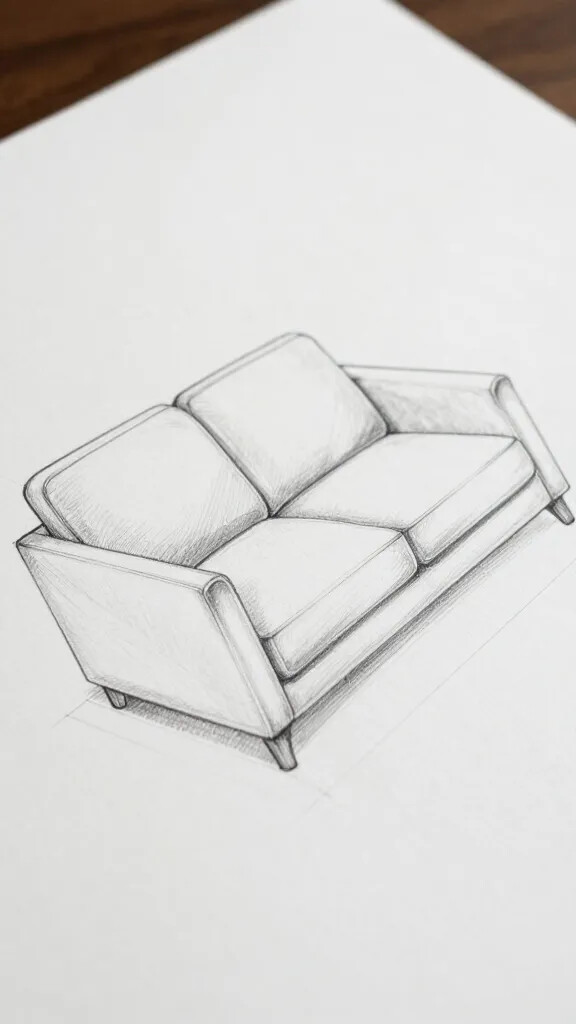
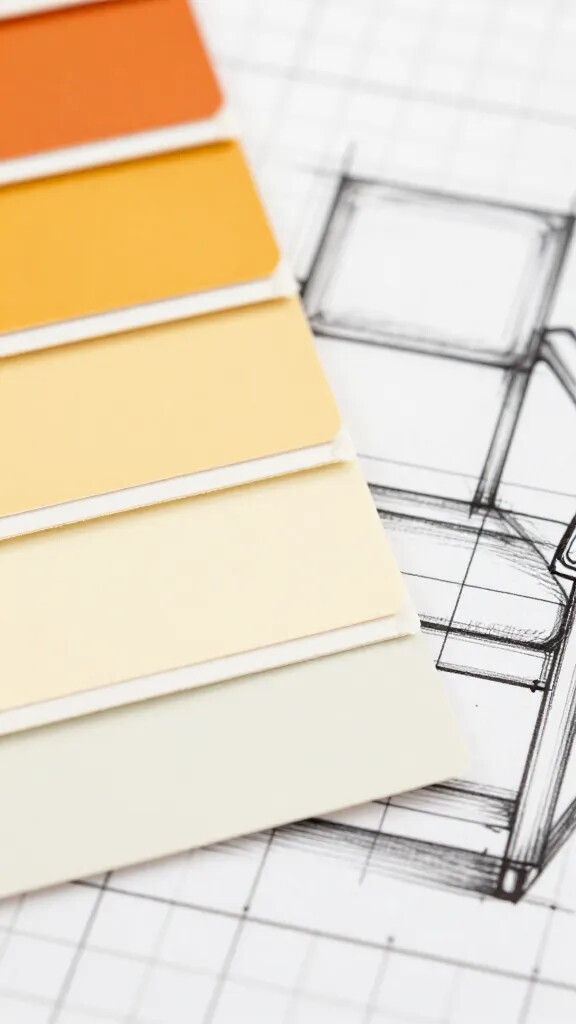
Once the layout is set, use the drawing to plan color and texture before you buy a single cushion.
- Base palette: pick 2–3 neutrals and 1–2 accent colors, and sketch small swatches next to each piece to check harmony.
- Texture map: note where velvet, linen, wood, or metal will sit. Visual variety keeps a neutral room from feeling flat.
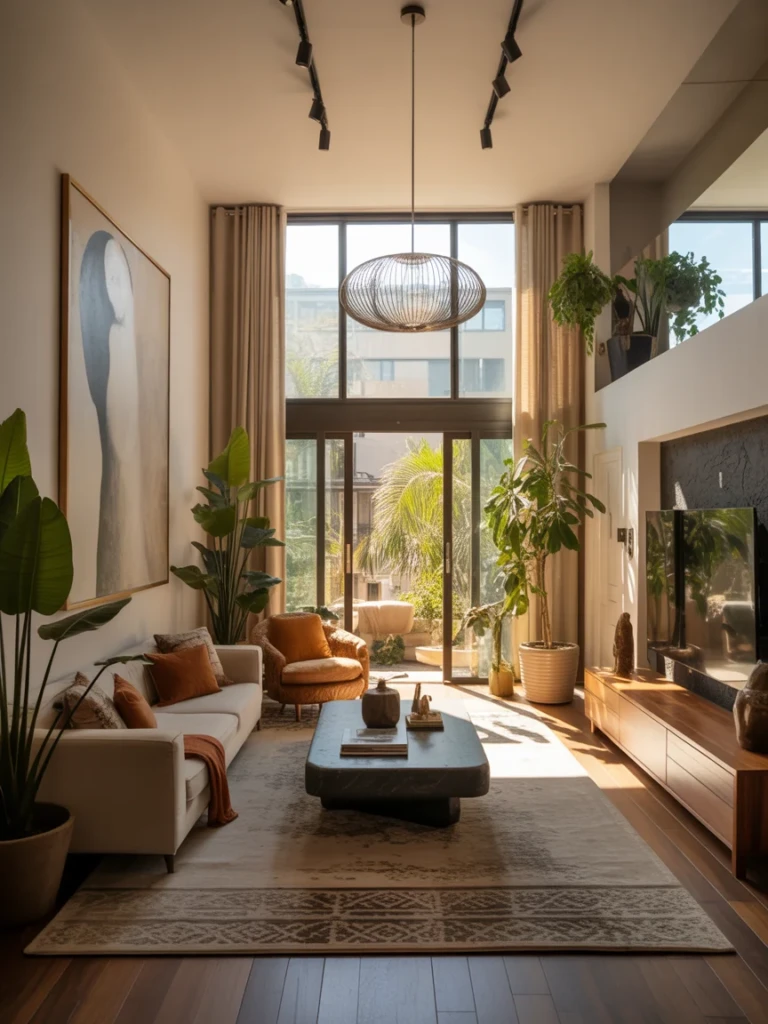
- Light play: mark window light direction and where warm versus cool lighting will go. Warm lighting tends to feel intimate; cool lighting reads as crisp and modern.
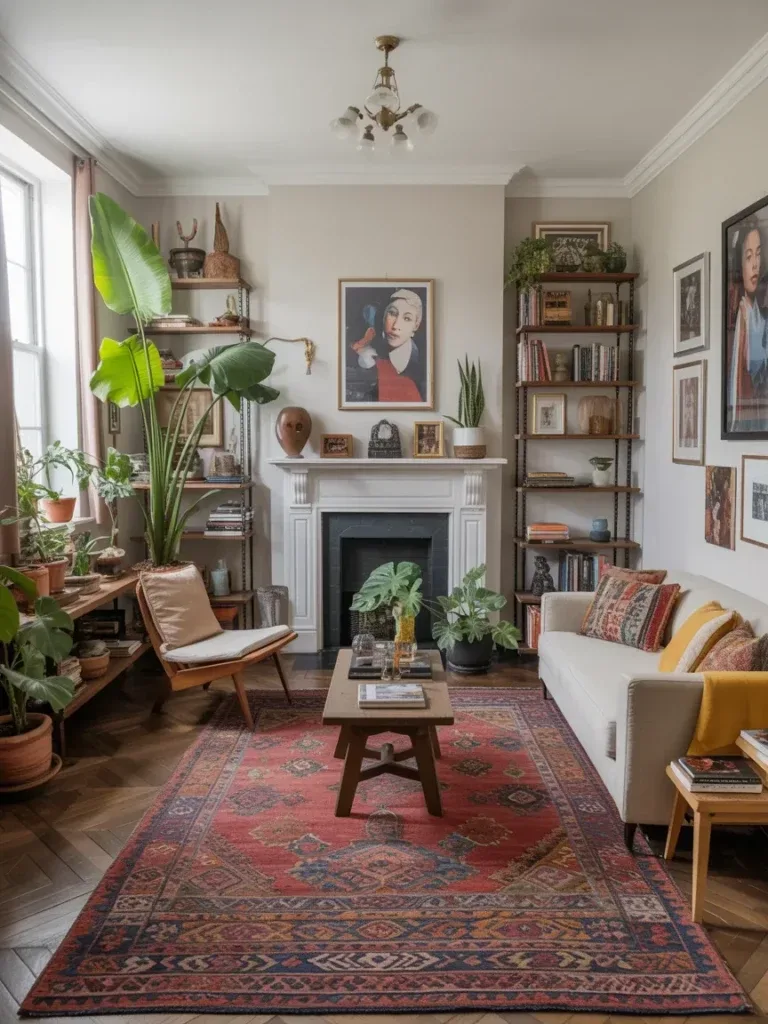
This is also the stage to decide on an overall style direction. If you’re drawn to a more relaxed, layered look, a boho interior design living room leans on mixed textures, warm woods, and plants — all things worth noting directly on your color-and-texture sketch so they don’t get lost later. For ideas on pulling that off, this guide on modern boho living room ideas is a useful reference point.
Furniture Scale and Placement: The Practical Bits
Getting the proportions right on paper prevents expensive mistakes later.
- Sofa size: measure length and depth, then compare against your wall length — a sofa that dominates the room throws off the whole balance.
- Rugs: a rug should ground the seating area. A good rule is to have all front furniture legs resting on the rug so nothing looks like it’s floating.
- Coffee tables: leave about 16–18 inches of legroom between the sofa and table for comfortable movement.
- Chairs and ottomans: these are your flexible pieces — sketch a couple as lightweight anchors that can shift as your needs change.
Lighting as the Unsung Hero
Lighting is easy to overlook on a floor plan, but it shapes how the whole room actually feels once furniture is in place.
- Mark layered lighting on your drawing: ambient (ceiling fixtures), task (floor and table lamps), and accent (wall sconces or uplights).
- Note where blinds or curtains will hang and how they’ll affect natural light throughout the day.
- Add a few accent touches — a reading lamp, a sconce to highlight art — without overdoing it.
Storage and Clutter Control
A forgiving room is one where clutter has somewhere to go. Your drawing should account for this early, not after the furniture arrives.
- Built-ins vs. free-standing: decide where remotes, books, and everyday items will actually live.
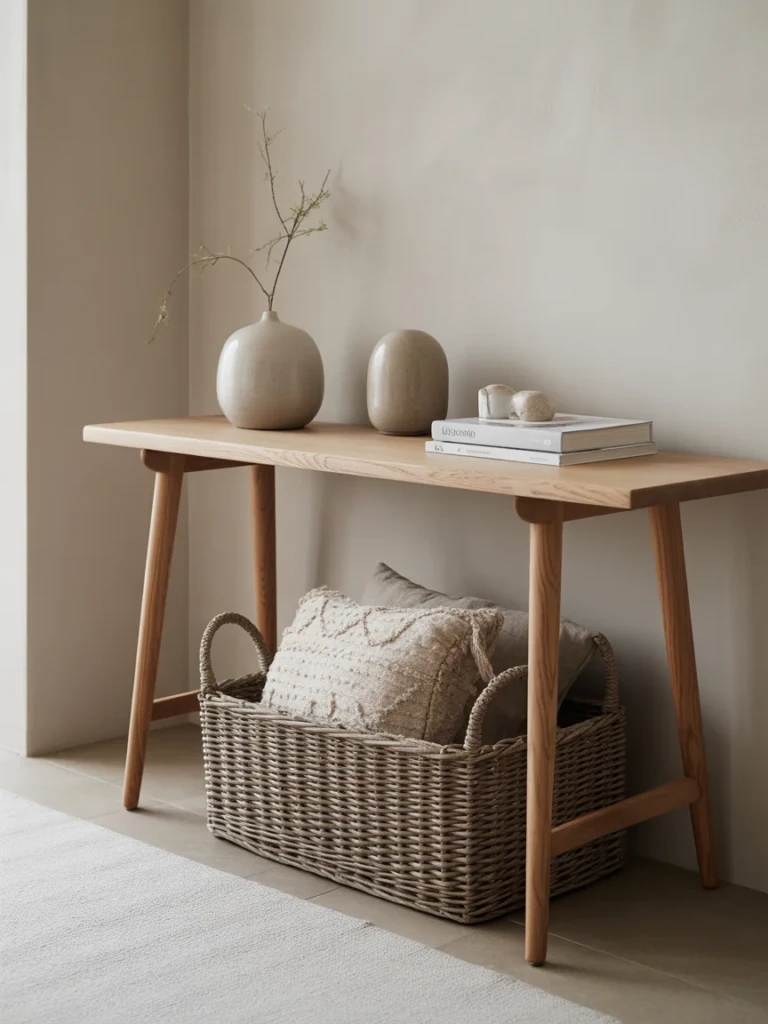
- Moveable storage: a storage ottoman or a rolling cart on the plan gives you flexibility without committing to built-ins.
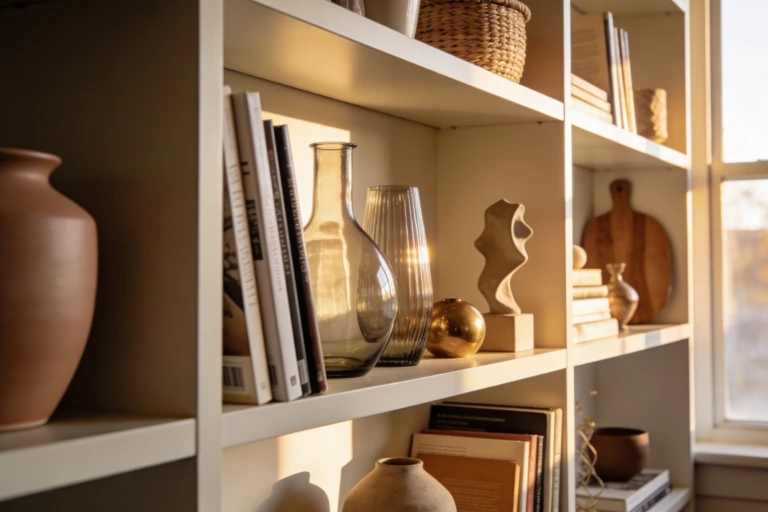
- Display zones: designate specific spots for show pieces for living room shelves — a few well-placed ceramics or plants read as intentional; scattered everywhere reads as clutter.
Detailing Elements That Make or Break the Space
Flooring Transitions
If you’re mixing materials, mark exactly where one ends and the other begins on your drawing. Rugs should clearly anchor each zone rather than overlapping awkwardly between them.
Art and Personality
Plan a main art piece and a few supporting accents before you commit to nail holes. A gallery wall sketched as a tidy grid feels formal, while a salon-style cluster feels more energetic — decide the vibe on paper first.
Things to Consider Before You Finalize Your Drawing
- Have you measured doorway widths and door swing space, not just wall length?
- Does your traffic flow allow at least 36 inches of clearance through main pathways?
- If you’re adding a room partition or divider, have you accounted for how it affects natural light?
- Have you sketched more than one layout option to compare against each other?
Bringing It All Together
Compare at least two or three layouts side by side. Which one invites conversation? Which feels easiest to actually live in? Use tracing paper or a second sheet to test furniture shifts without redrawing everything from scratch, and share the finished plan with housemates or a designer so everyone is working from the same picture.
FAQ: Interior Design Living Room Drawings
Do I need fancy software to draw a living room layout?
No. A simple grid, a ruler, and a pencil work fine. If you’d rather go digital, a basic floor plan app is enough — the goal is accurate measurements and a readable layout, not fancy rendering.
How accurate should my measurements be?
Precise enough that you won’t buy furniture that doesn’t fit. Measure twice, draw once, and include wall thickness and door swing space, especially near doorways.
Is it okay to mix styles in one drawing?
Yes — a drawing is the ideal place to test a mix before committing. You can experiment with clean modern lines, warmer boho textures, or a mid-century silhouette without buying anything yet.
How detailed should the final drawing be?
Aim for clarity over complexity: scale the major furniture pieces, mark rug edges, lighting placements, and traffic paths. You don’t need a full blueprint, just enough detail to guide your purchases.
What if I change my mind after buying everything?
That’s normal. A good drawing makes revisions easy — you can map new furniture footprints, adjust rug sizes, and recheck clearances without starting over.
How do I add personality without losing function?
Add a few bold accents — a statement lamp, a colorful throw, or a cluster of show pieces — and mark them on the drawing. If an element boosts the mood without blocking movement, it’s a keeper.
Our Verdict
An interior design living room drawing isn’t a formality — it’s what stands between a room that feels accidental and one that feels planned. It turns vague ideas into real proportions, mood into lighting choices, and impulse buys into a considered plan. Start with the basics, sketch a couple of layout options, and build color and lighting on top once the bones are right.
If you’re leaning toward a specific aesthetic once your layout is settled, these colorful boho living room ideas and mid-century modern living room ideas are good next stops for style direction.