How to Choose Curtains for Your Living Room Like a Designer (Without Regret)
Let’s be honest—curtains can either make your living room look like a magazine spread… or like you gave up halfway. They’re not just “window covers.” They frame your space, control light, and quietly scream your design taste.
The good news? You don’t need an interior designer to get it right. You just need a few smart decisions—and maybe to avoid that one tragic curtain mistake everyone makes.
Let’s break it down.
Start With Function First (Yes, Before Style)
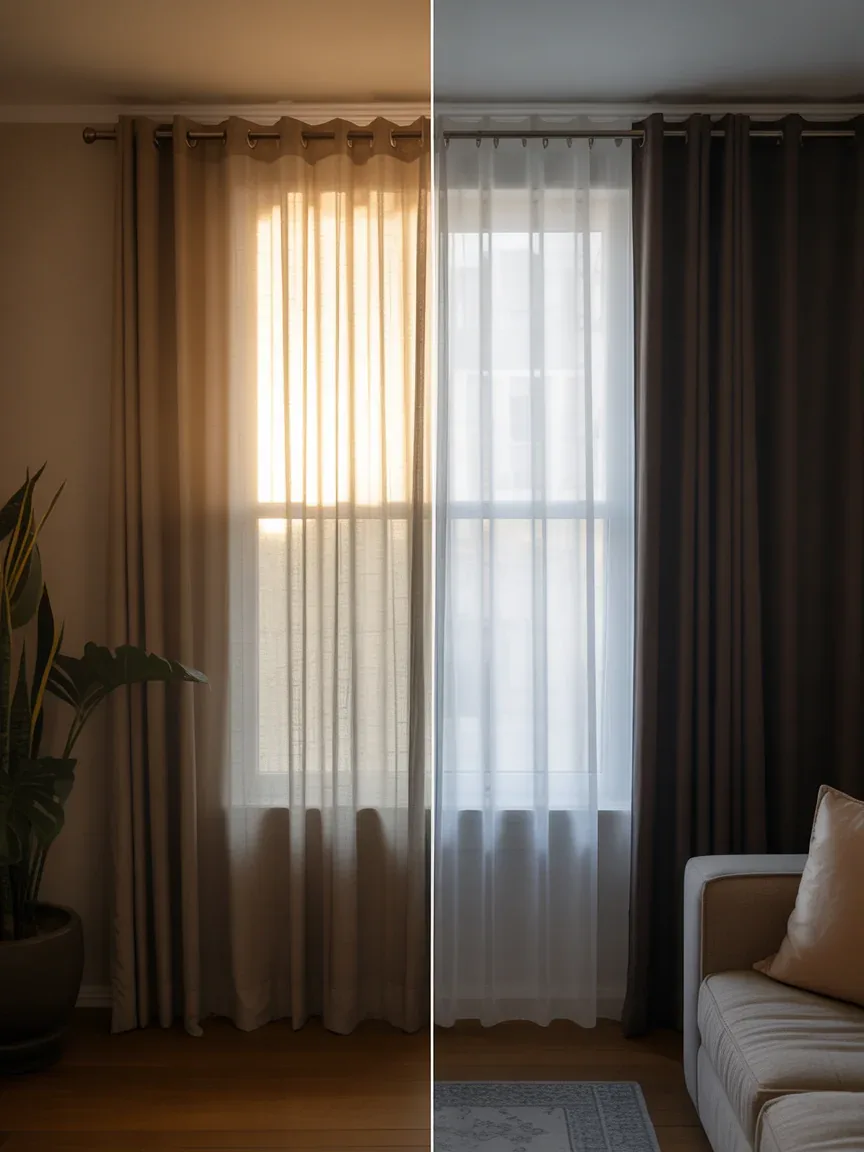
Before you fall in love with some dreamy linen drapes, ask yourself: what do I actually need these curtains to do?
Because function drives everything.
- Want more privacy? Go thicker.
- Hate harsh sunlight? You need light-blocking or blackout curtains.
- Love natural light? Sheers or light-filtering fabrics will do the job.
Common Curtain Goals
- Privacy: Heavier fabrics like velvet or layered curtains
- Light control: Blackout or thermal curtains
- Pure aesthetics: Sheer or semi-sheer fabrics
- Energy efficiency: Thermal-lined curtains (bonus: lower bills)
Pick your priority first. Otherwise, you’ll end up choosing something pretty… and completely useless.
Get the Length and Height Right (This Is Where Most People Mess Up)
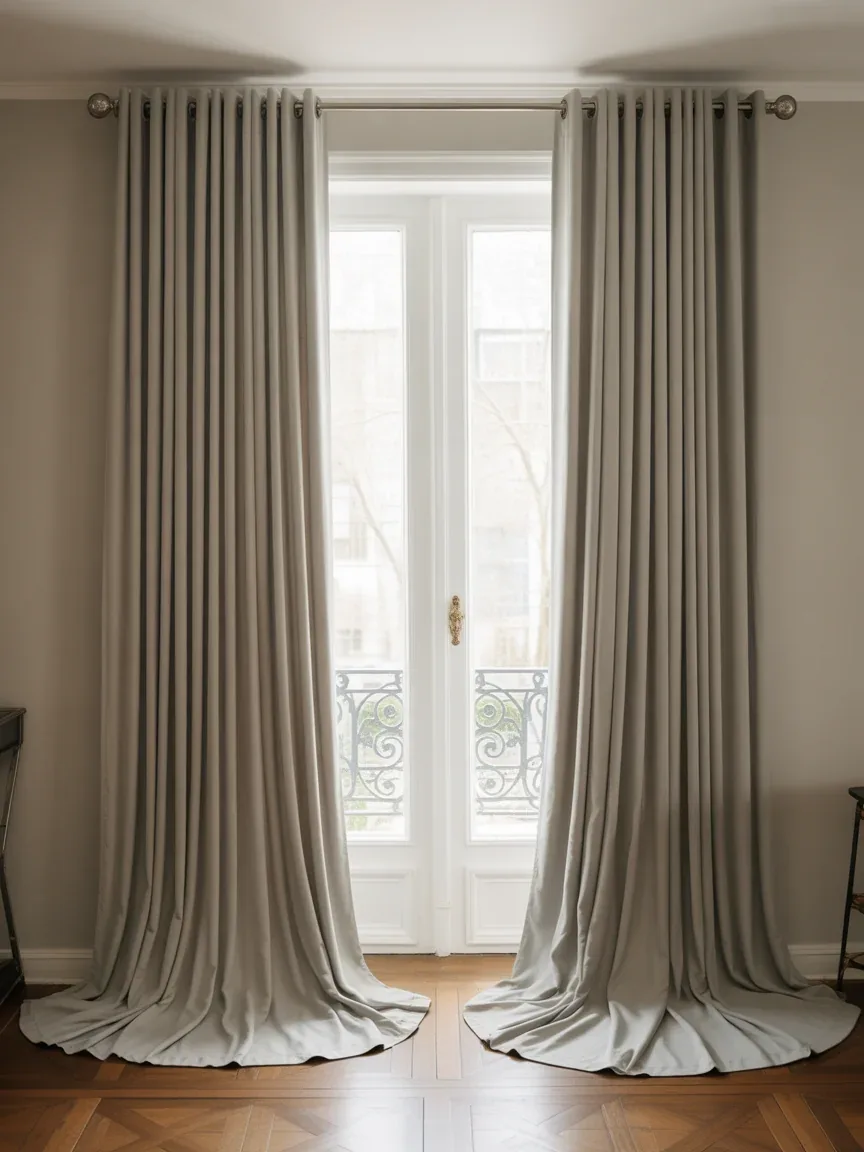
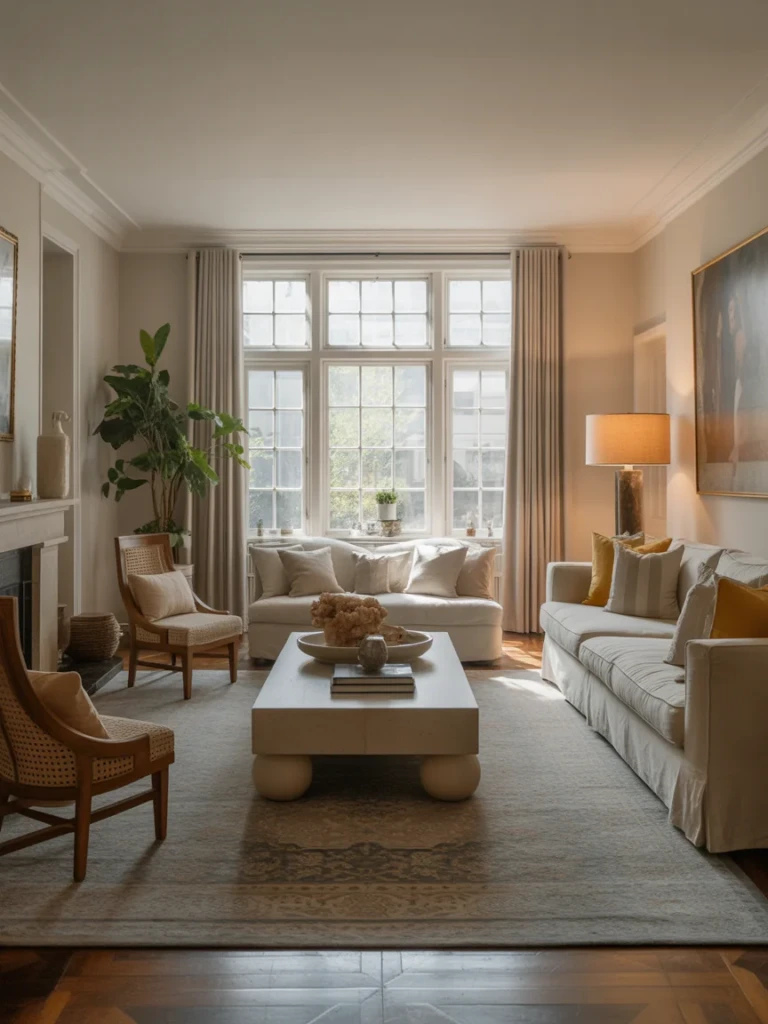
If your curtains hover awkwardly above the floor, I’m sorry—but they look wrong. Designers almost always go longer and higher.
Here’s the trick:
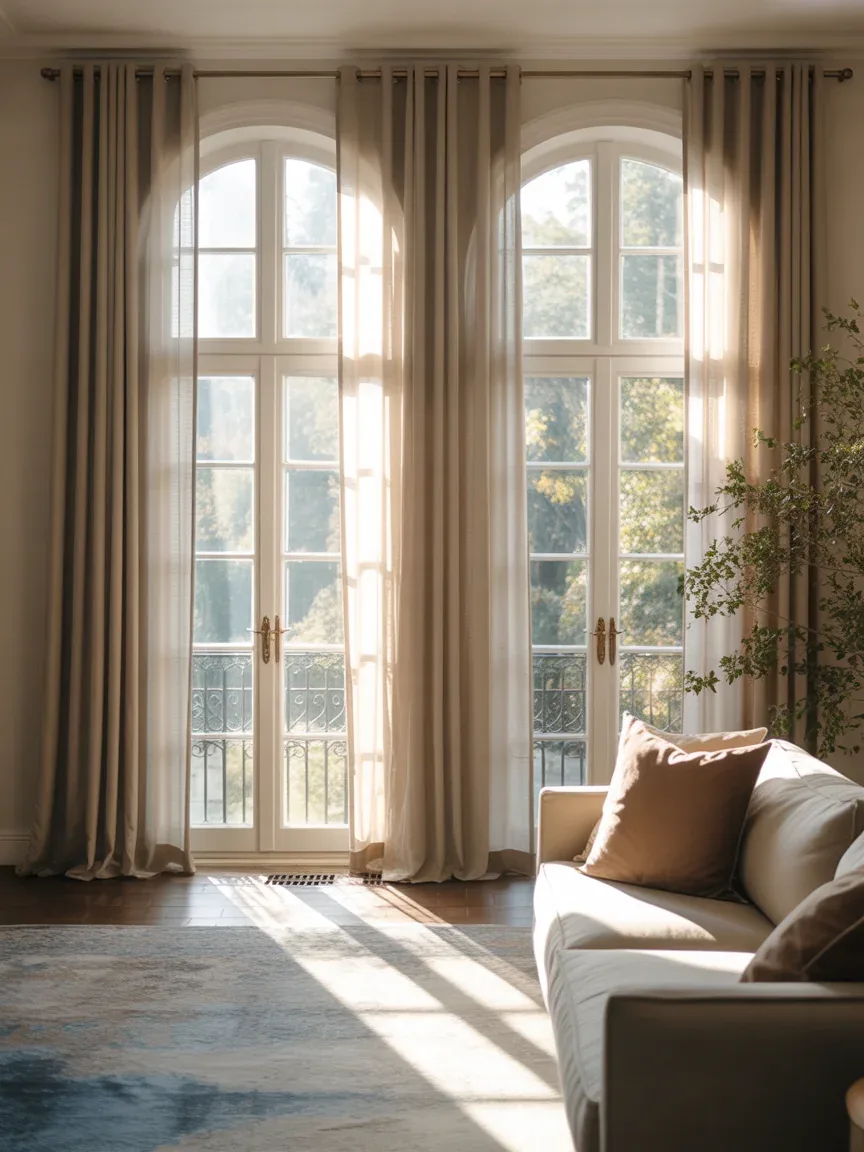
- Hang your curtain rod closer to the ceiling, not right above the window
- Let curtains just kiss the floor or slightly puddle (if you want drama)
Curtain Length Options
- Floor-length (best choice): Clean, modern, designer-approved
- Slight puddle: Luxe and dramatic (but harder to maintain)
- Above the sill: Only works for very specific styles (rarely in living rooms)
Short curtains shrink your room visually. Long curtains? Instant elegance.
Choose the Right Fabric (Texture Changes Everything)
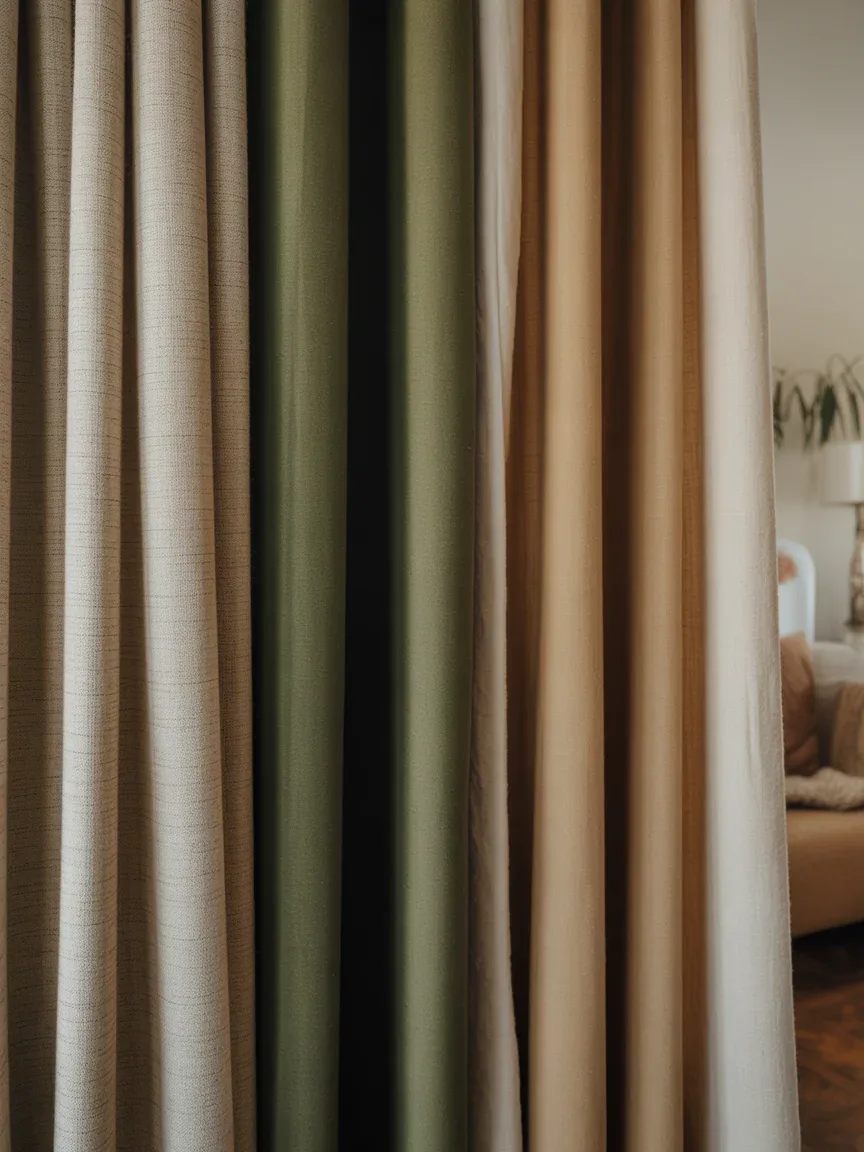
Fabric isn’t just about looks—it changes how your entire room feels.
Think about the vibe you want:
- Linen: Relaxed, airy, slightly wrinkled (in a good way)
- Velvet: Rich, dramatic, and cozy
- Cotton: Versatile and easygoing
- Silk: Elegant but high-maintenance (handle with care)
Designer Tip
Mix texture with your existing furniture. Got a sleek leather sofa? Add soft linen curtains for contrast. Already have a cozy room? Velvet can double down on that warmth.
Balance beats matching. Always.
Pick Colors That Actually Work (Not Just “Look Nice”)
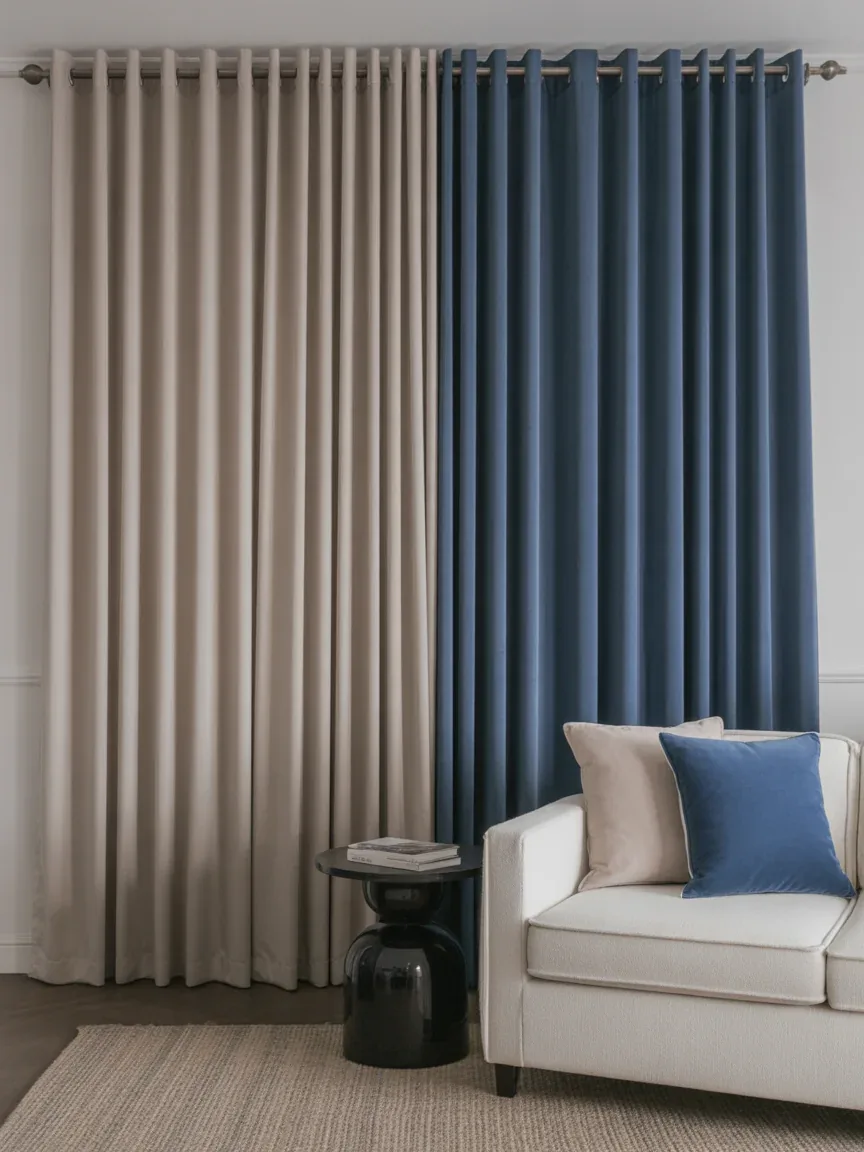
Choosing curtain color isn’t about picking your favorite shade—it’s about what works with your space.
Ask yourself:
- Do you want curtains to blend in or stand out?
- Is your room already busy with patterns?
Safe vs Bold Choices
- Safe: Whites, beiges, soft grays (timeless and flexible)
- Bold: Deep blues, emerald greens, terracotta (statement-making)
- Patterns: Only if the rest of your room feels calm
If your sofa, rug, and walls already compete for attention, keep curtains simple. IMO, curtains should support the room—not fight for dominance.
Hardware Matters More Than You Think
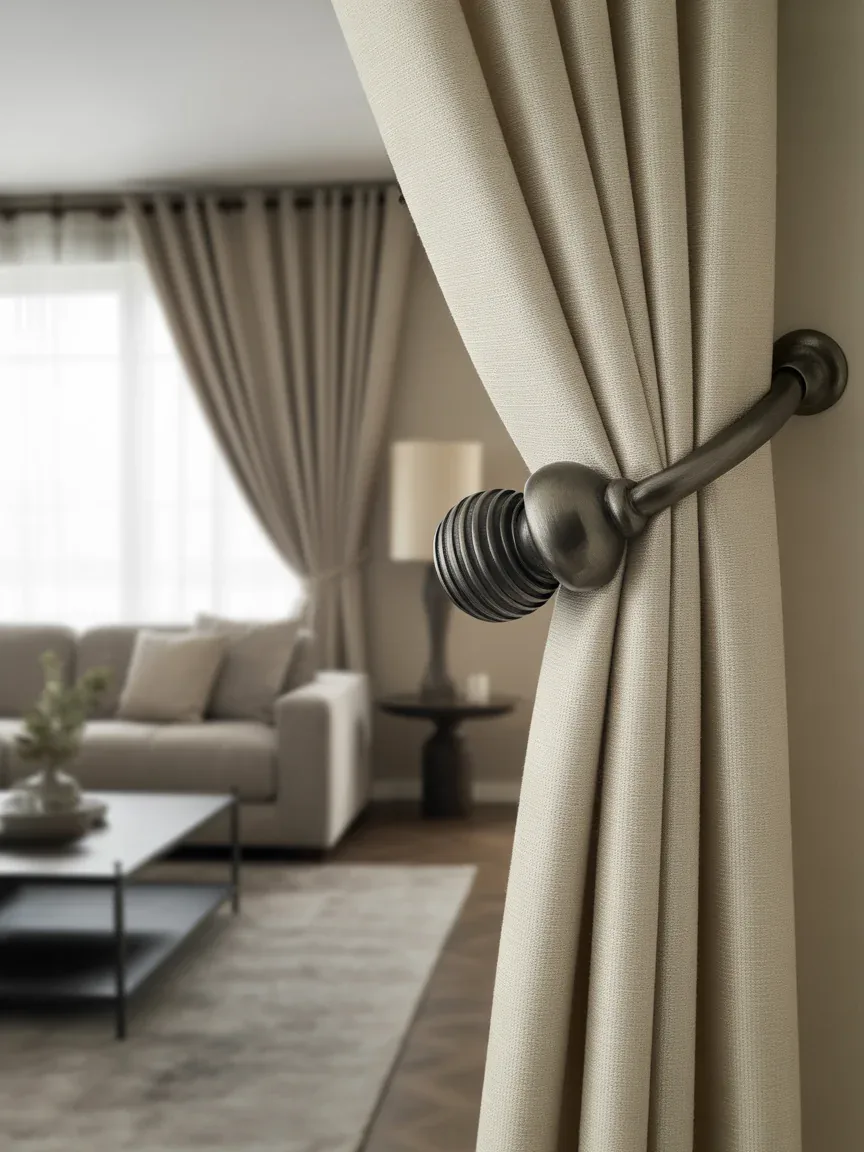
Yes, people notice your curtain rod. And yes, cheap hardware can ruin the whole look.
Think of it like jewelry for your windows.
What to Look For
- Metal rods (black, brass, chrome): Modern and clean
- Wooden rods: Warm and traditional
- Minimal finials: Sleek and contemporary
- Decorative finials: More classic or dramatic
And please—make sure your rod is wide enough. Curtains should sit outside the window frame when open, not block your light like stubborn gatekeepers.
Layer Like a Designer (Because One Curtain Is Boring)
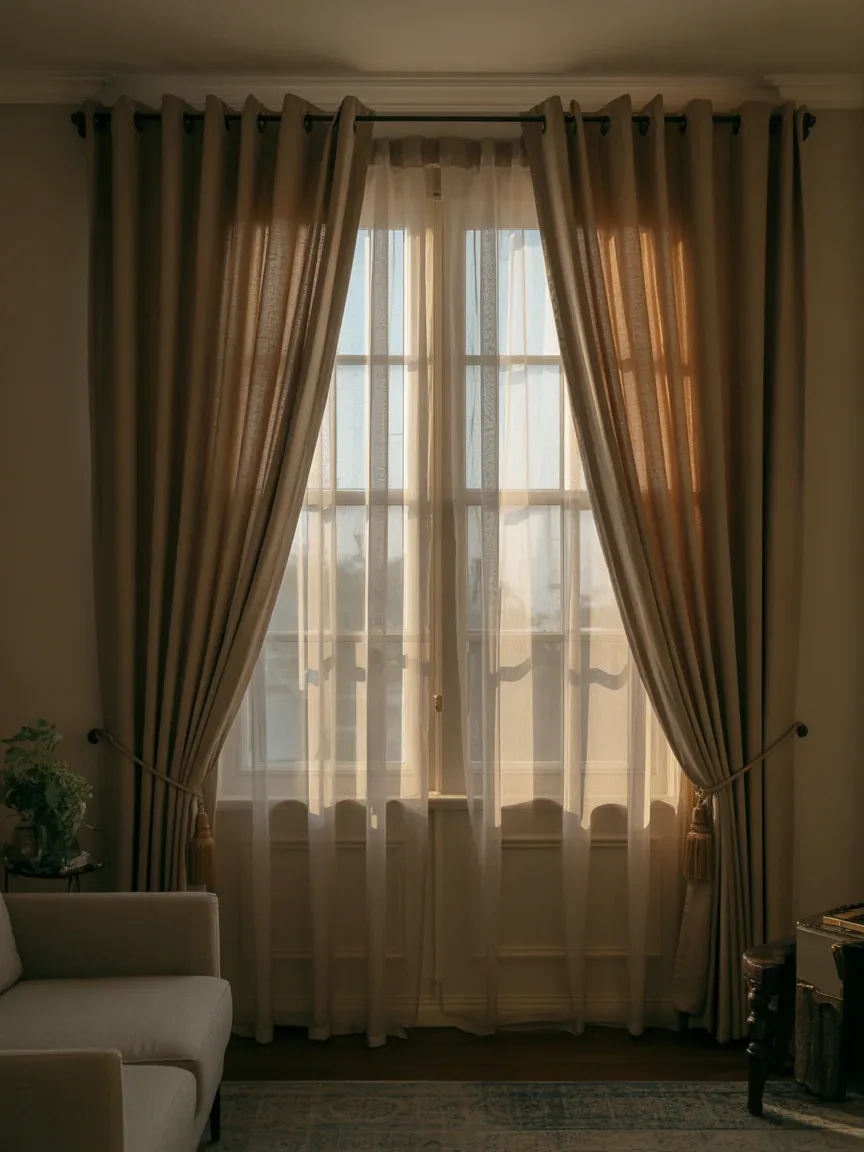
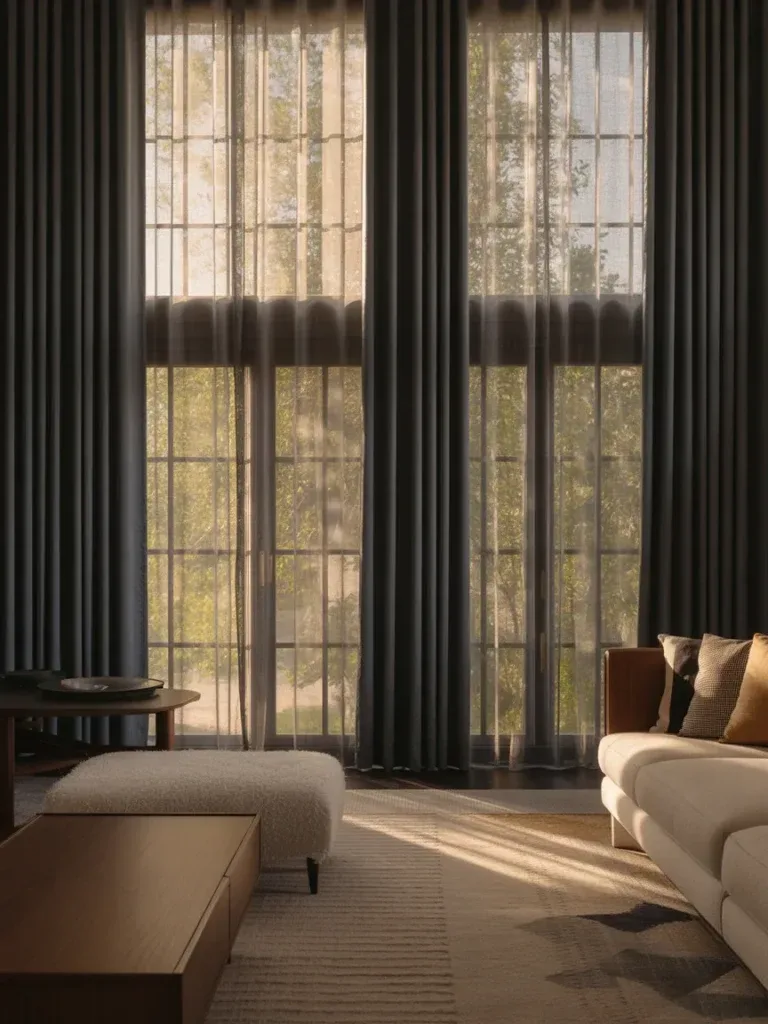
Want that Pinterest-worthy living room? Layer your curtains.
Seriously—it’s a game changer.
Popular Curtain Pairings
- Sheer + blackout: Light during the day, privacy at night
- Sheer + heavy drapes: Soft + dramatic combo
- Double rods: The easiest way to layer cleanly
Layering adds depth, flexibility, and that subtle “this looks expensive” vibe.
Don’t Forget Proportions (Scale Is Everything)
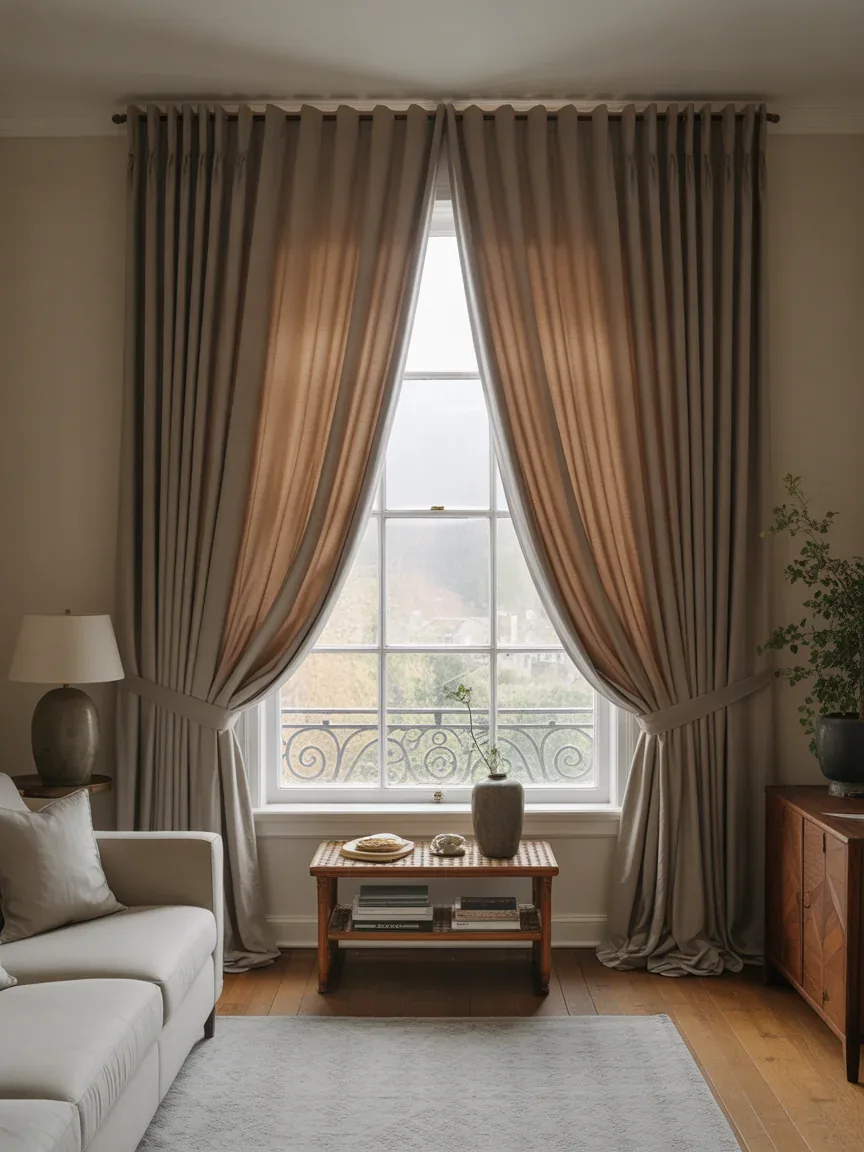
Ever seen curtains that feel… off, but you can’t explain why? It’s usually a proportion issue.
Here’s what to check:
- Curtains should be 2–2.5x the width of your window
- Panels should look full, not stretched thin
- Bigger rooms = wider, heavier curtains
Skinny curtains on a wide window? That’s a visual crime. Don’t do it.
FAQ
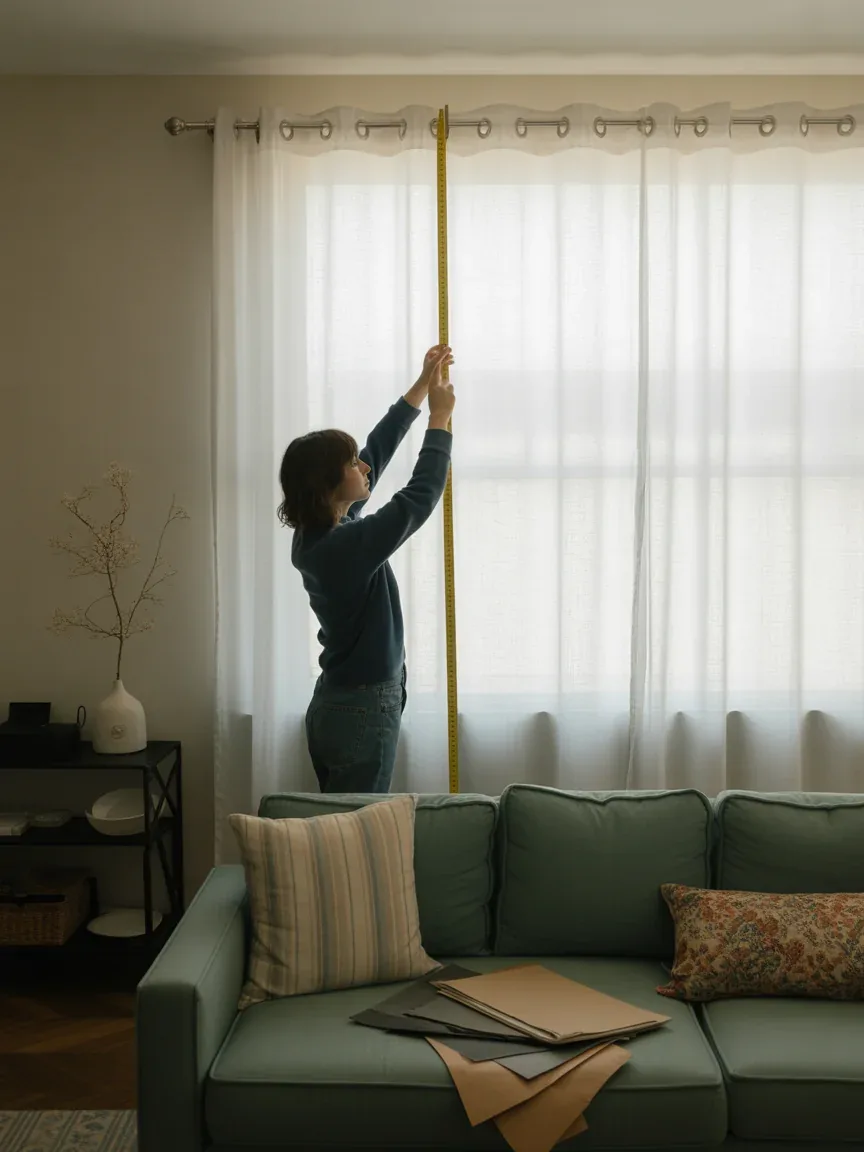
How many curtain panels should I use?
Use at least two panels per window for balance. Wider windows might need more. The goal: fullness, not scarcity.
Should curtains match the sofa or walls?
Neither exactly. Aim for complementing, not matching. Curtains should tie the room together, not copy-paste another element.
Are sheer curtains enough for a living room?
They work if you want light and openness. But for privacy or light control, layer them with heavier curtains.
What’s the most timeless curtain color?
Neutral tones like white, beige, and soft gray never go out of style. They adapt easily if you change your decor later.
How high should I hang curtain rods?
As high as possible—ideally 4–6 inches below the ceiling. This makes your room look taller instantly.
Are expensive curtains worth it?
Sometimes, yes. Higher-quality fabric hangs better and lasts longer. But smart styling matters more than price.
Conclusion
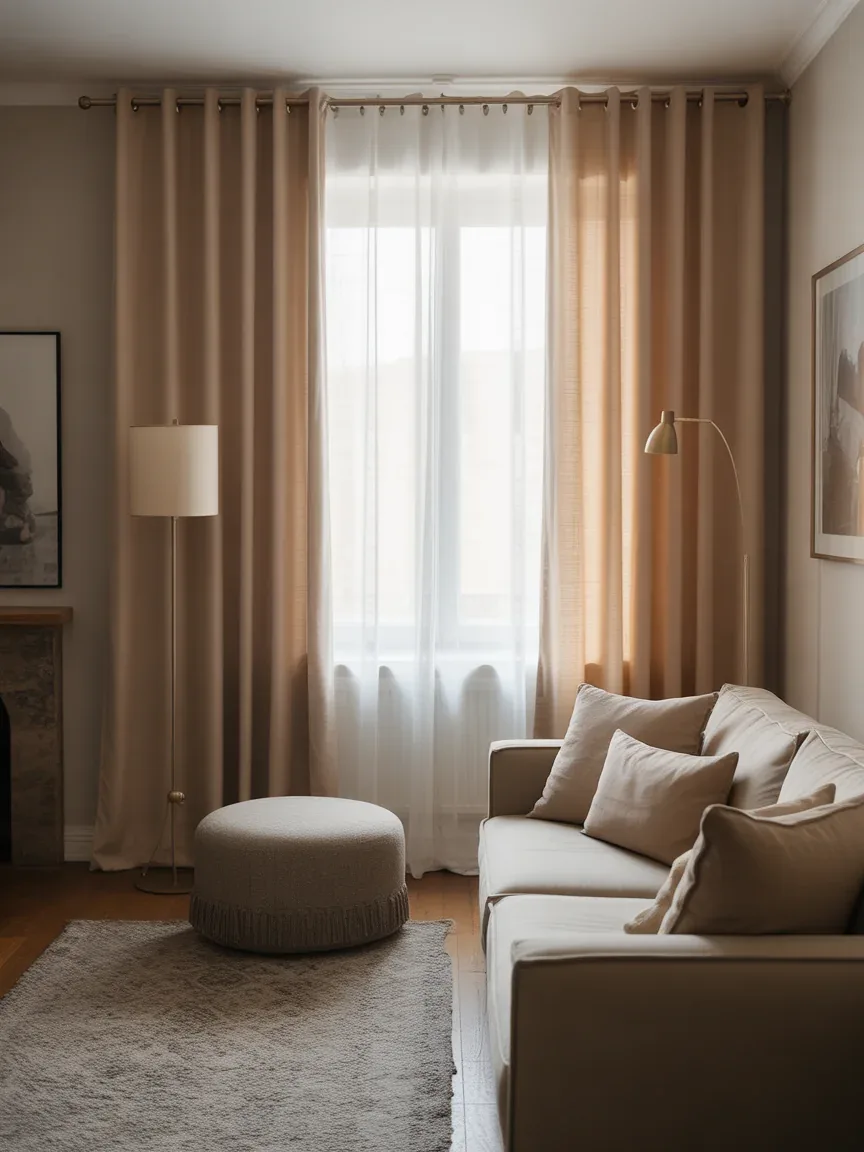
Choosing curtains like a designer isn’t about following strict rules—it’s about making intentional choices. Focus on function, length, fabric, and proportion, and you’ll already outperform most people.
And remember: curtains don’t just cover windows. They frame your space, set the mood, and quietly tell everyone, “Yeah, I know what I’m doing.”
Now go fix those too-short curtains.