How Many Lamps in a Living Room? Lighting Layout Secrets Designers Swear By
Ever walked into a living room that just felt right—cozy, balanced, and effortlessly stylish? Chances are, it wasn’t the sofa or rug doing all the work. It was the lighting. Figuring out how many lamps in a living room isn’t just about numbers—it’s about layering light like a pro.
Let’s break it down so you can stop guessing and start glowing (pun intended).
The Short Answer: How Many Lamps Do You Actually Need?
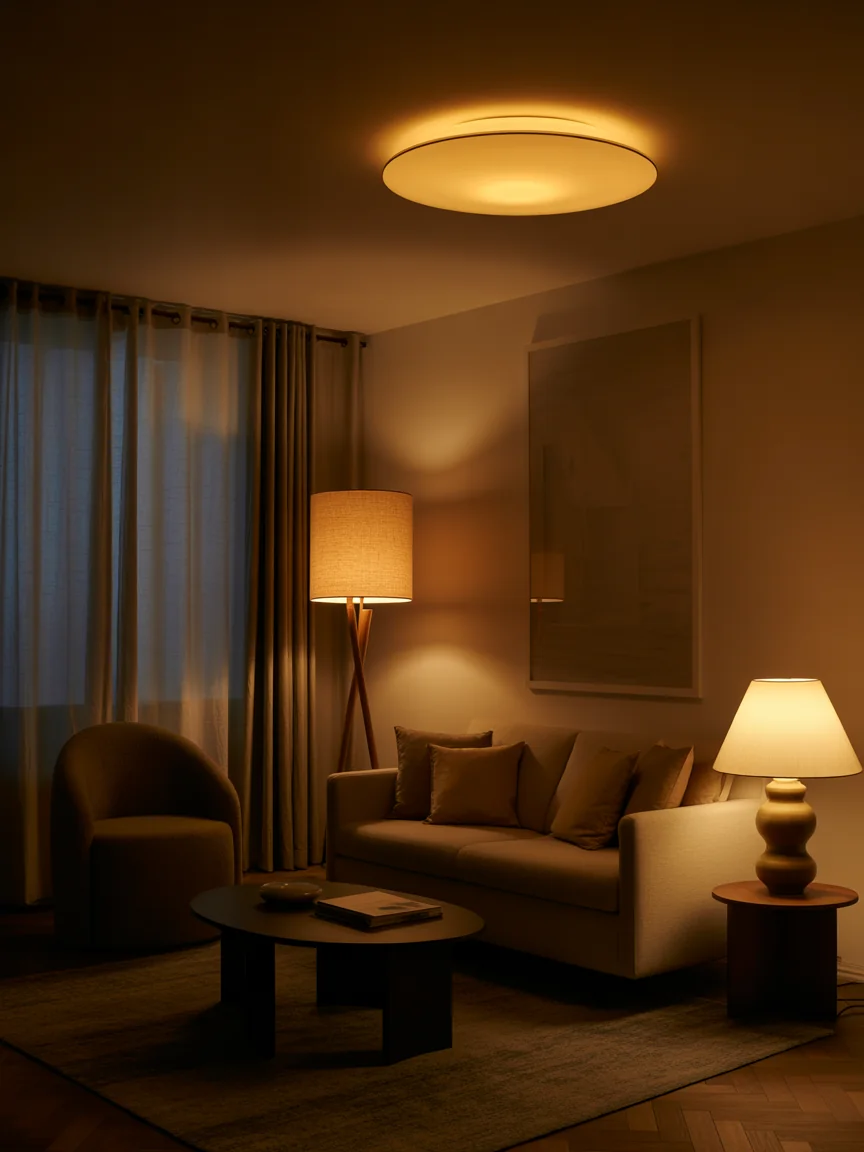
If you want a quick rule of thumb, here it is: most living rooms need 3–5 light sources. Not just lamps—light sources. That includes overhead lights, floor lamps, table lamps, and even wall sconces.
Why so many? Because relying on a single ceiling light is basically the lighting equivalent of eating plain toast. It works… but it’s not exciting.
Think in layers:
- Ambient lighting (overall brightness)
- Task lighting (reading, working)
- Accent lighting (mood and style)
A well-lit room blends all three. Lamps play a huge role in making that happen.
Why One Overhead Light Just Doesn’t Cut It
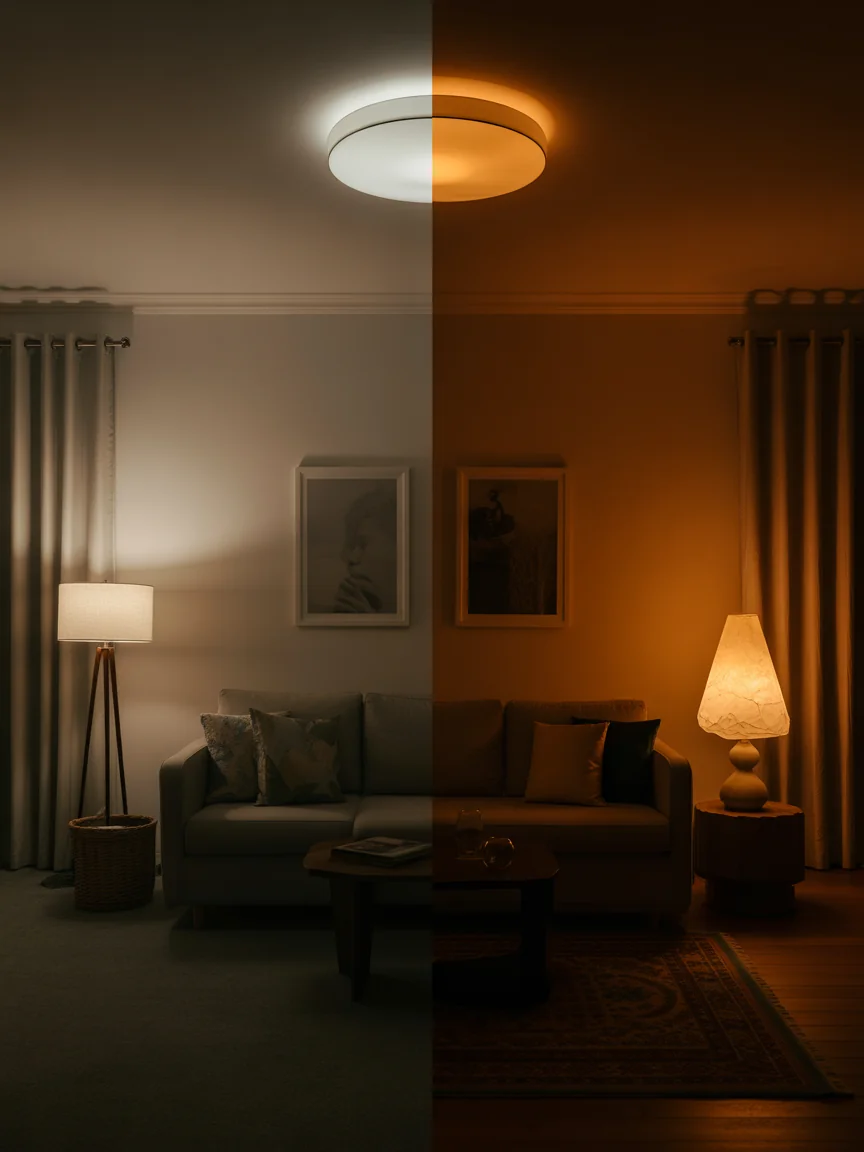
Let’s be honest—ceiling lights can feel harsh and uninviting. They flatten your space and kill the vibe instantly.
Here’s what happens when you rely only on overhead lighting:
- Shadows form in awkward places
- The room feels cold and clinical
- Your decor loses depth and character
Adding lamps softens everything. You create pools of light that make your living room feel warm and layered. IMO, this is where the magic happens.
The Ideal Lamp Layout (That Actually Works)
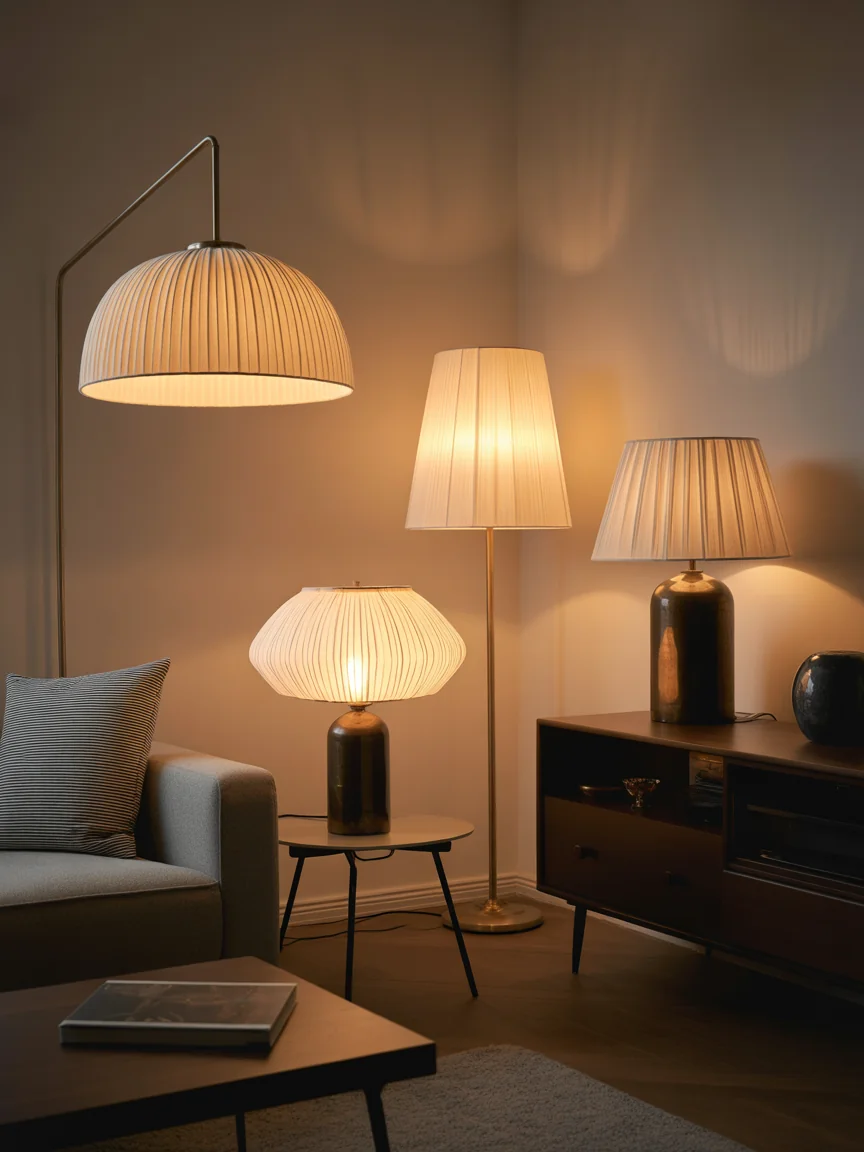
So where should you put these lamps? Don’t just scatter them randomly and hope for the best.
Start With the Corners
Corners tend to feel dark and forgotten. That’s your cue.
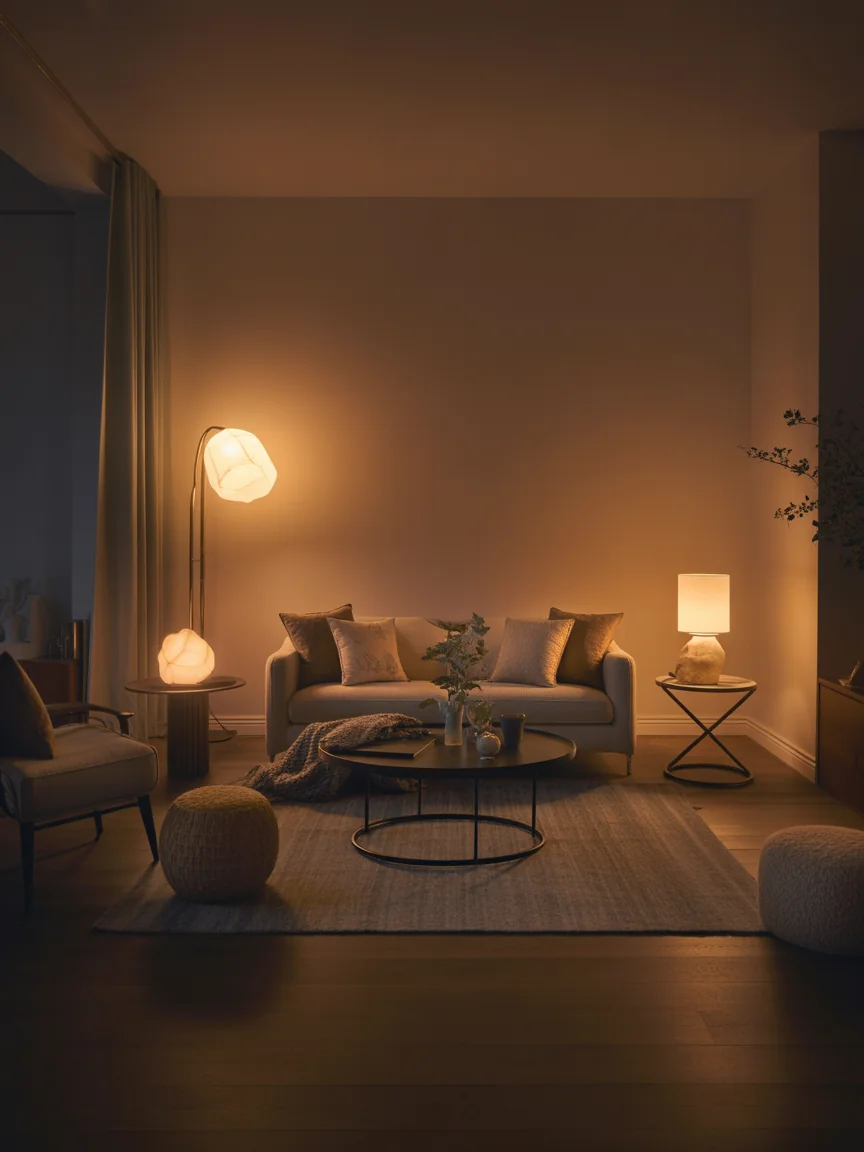
- Add a floor lamp in at least one corner
- Use it to anchor the space visually
- Choose a warm bulb for cozy vibes
Balance Both Sides of the Room
Symmetry isn’t mandatory, but balance matters.
- Place table lamps on side tables or consoles
- If you have a sofa, try a lamp on at least one side
- Avoid clumping all lamps in one area
Think About Eye-Level Lighting
Light hits differently depending on height. Mix it up.
- Floor lamps = mid to high-level light
- Table lamps = mid-level glow
- Accent lamps = low, cozy lighting
This layering creates depth and avoids that “spotlight interrogation room” look.
Matching Lamps to Your Living Room Size
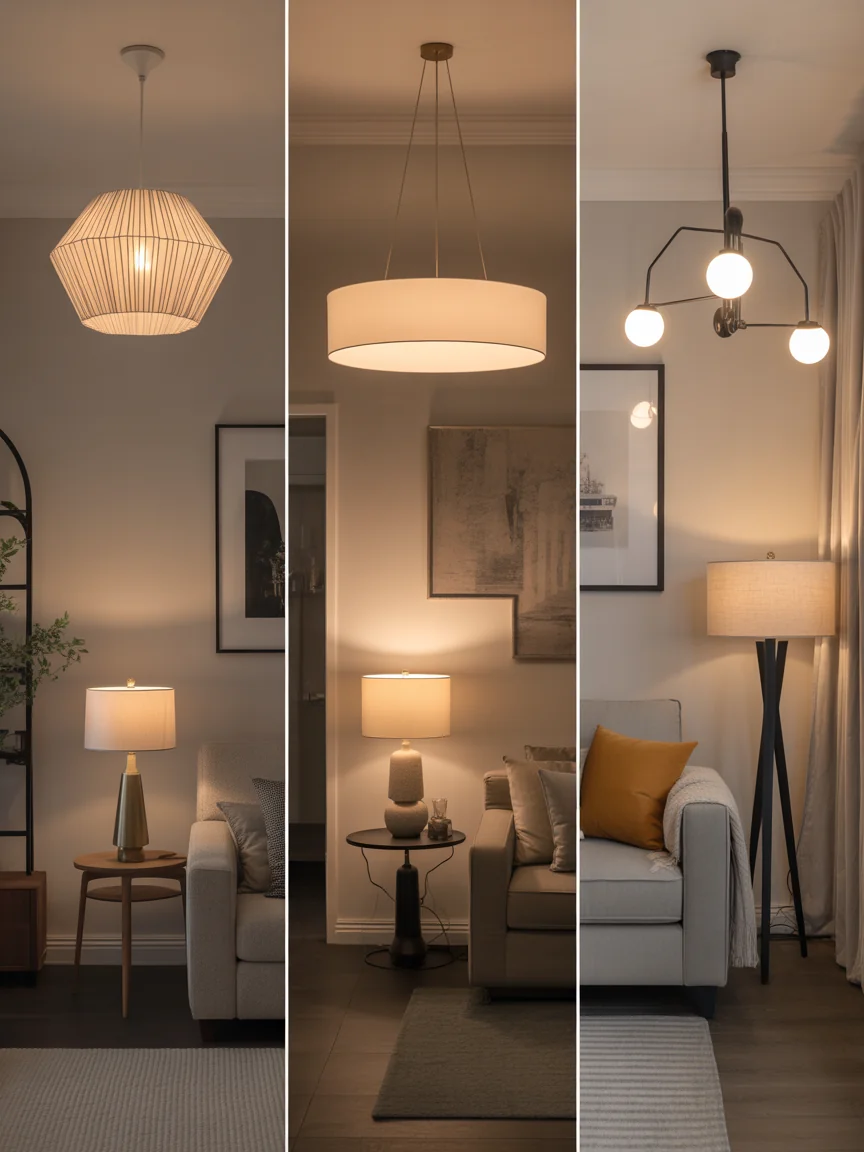
Not all living rooms need the same number of lamps. Size matters—sorry, it just does.
Small Living Room
Keep it simple but effective.
- 2–3 light sources total
- One floor lamp + one table lamp works great
- Optional: a small accent lamp
Avoid overcrowding. Too many lamps in a small space feels chaotic.
Medium Living Room
This is the sweet spot.
- 3–5 light sources
- Mix floor and table lamps
- Add one accent light for personality
You get flexibility without clutter.
Large Living Room
Go big or go home.
- 5–7 light sources
- Multiple seating zones? Each needs its own lighting
- Use a mix of lamp styles for variety
Big spaces need more light to feel intentional—not like a dim warehouse.
Choosing the Right Types of Lamps
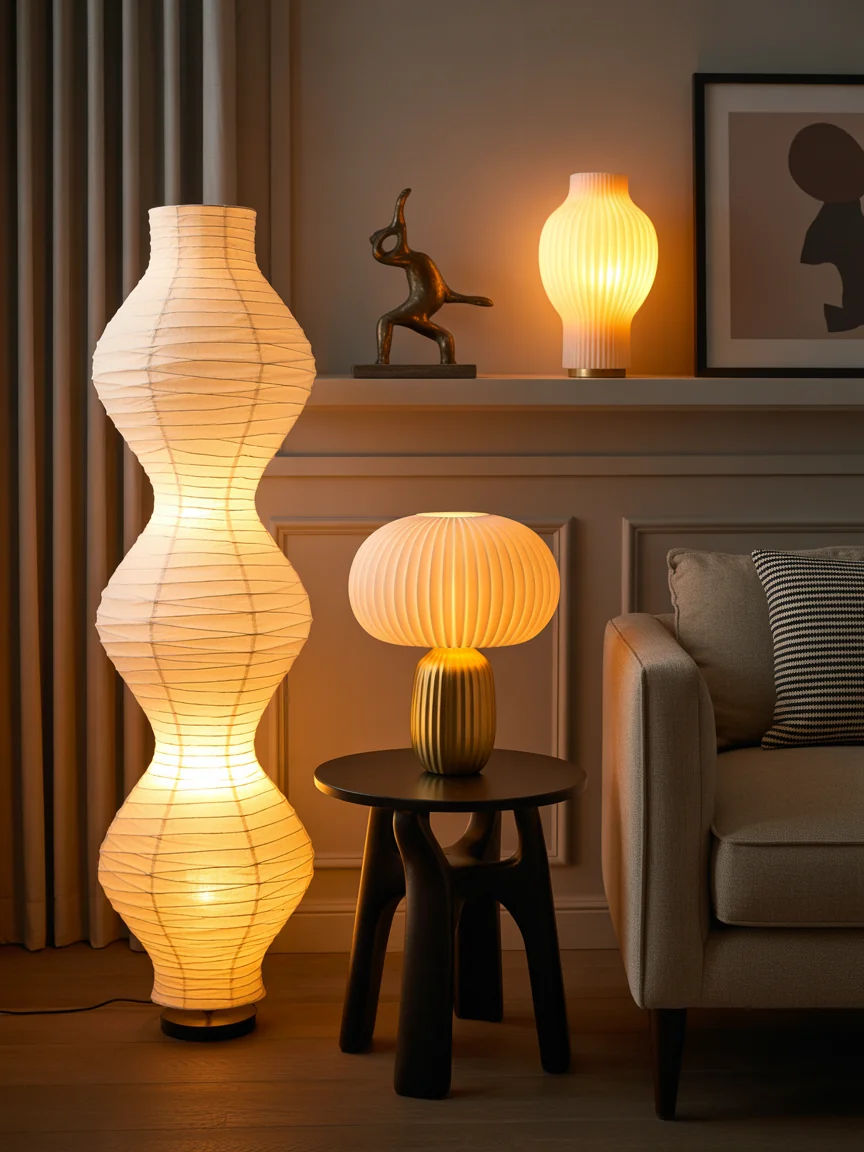
Not all lamps do the same job. Picking the right ones makes a huge difference.
Floor Lamps: The Statement Makers
- Great for corners and empty spaces
- Add height and drama
- Perfect for reading nooks
Table Lamps: The Workhorses
- Ideal for side tables and consoles
- Provide soft, focused light
- Easy to swap and style
Accent Lamps: The Mood Setters
- Smaller and decorative
- Add warmth and personality
- Think candles, mini lamps, or LED accents
Mix these types for a layered, designer-level look.
Common Lighting Mistakes (Yep, You’re Probably Making One)
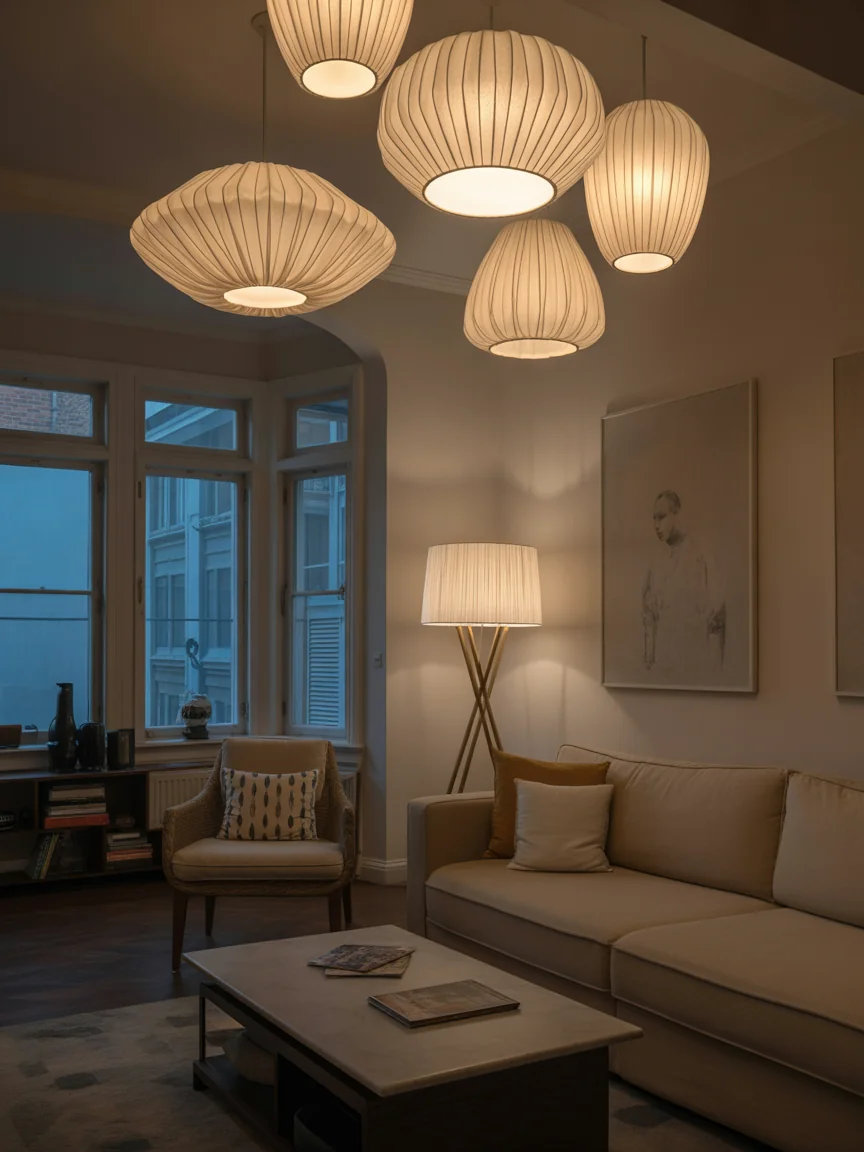
Let’s call them out so you can avoid them.
- Too few light sources
One lamp + one ceiling light = sad vibes
- All lamps at the same height
This flattens the room visually
- Using bulbs that are too bright or too cool
Warm light (2700K–3000K) feels way more inviting
- Ignoring dimmers
Dimmers = instant mood control. Seriously, get them
- Overmatching everything
Matching lamps can look stiff. Mix styles for character
How to Know You’ve Got It Right
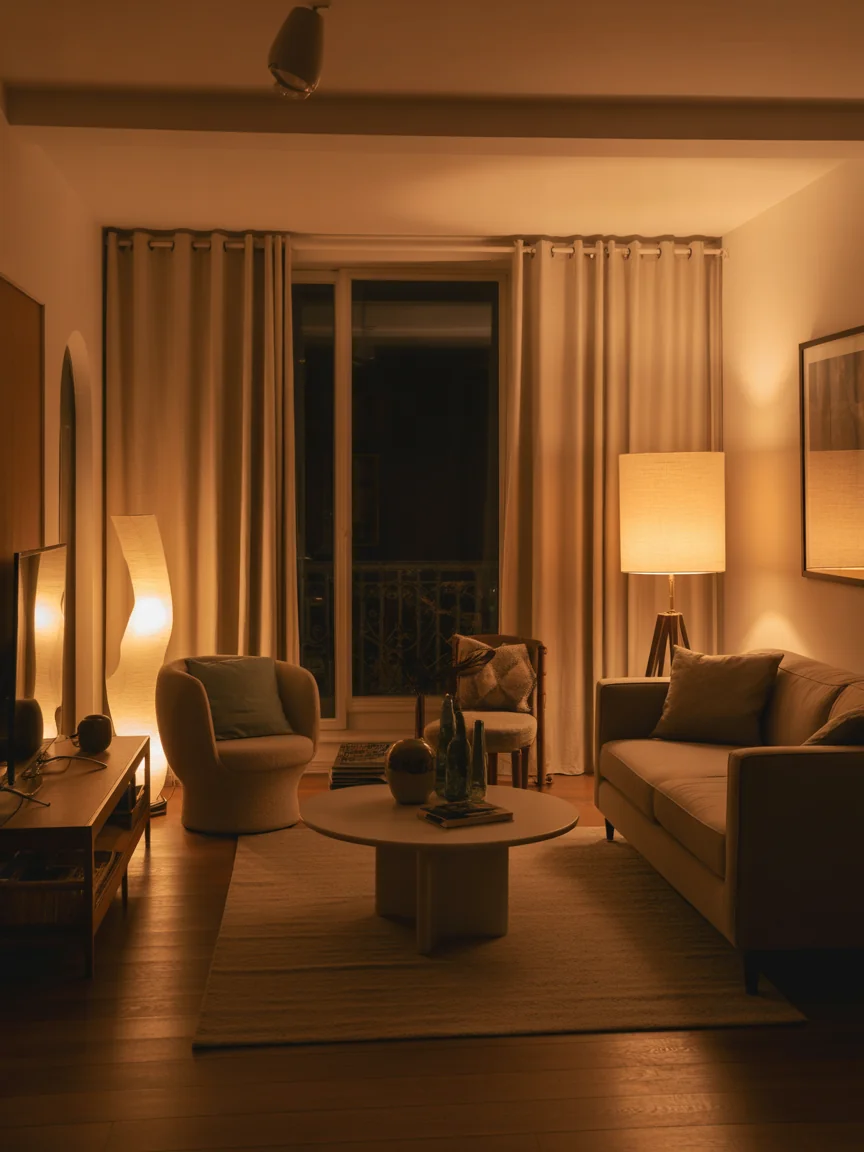
You don’t need a designer to tell you your lighting works. Just look for these signs:
- The room feels cozy at night without being dark
- No harsh shadows or glaring bright spots
- Every seating area has accessible light
- You can switch between bright and relaxed moods easily
If your living room makes you want to stay in, you nailed it.
FAQ
How many lamps are too many in a living room?
If your room feels cluttered or overly bright, you’ve gone too far. Stick to 3–7 light sources, depending on room size, and make sure each one serves a purpose.
Should all lamps match?
Nope. Matching lamps can look overly staged. Mix styles, shapes, or materials—but keep a consistent color palette for cohesion.
Where should I place a floor lamp?
Corners, next to sofas, or behind accent chairs work best. Place it where you need both light and visual balance.
What type of bulb should I use?
Go for warm white (2700K–3000K) bulbs. They create a cozy, inviting atmosphere—perfect for living rooms.
Do I need a lamp if I have ceiling lights?
Yes. Ceiling lights alone feel harsh. Lamps add warmth, depth, and flexibility.
Can I use only table lamps?
You can, but mixing in at least one floor lamp improves balance and adds height variation.
Conclusion
So, how many lamps in a living room? Enough to create layers, balance, and a vibe you actually enjoy. For most spaces, that means 3–5 well-placed light sources, not just one lonely ceiling fixture doing all the work.
Think of lighting as part function, part mood, part style. Get it right, and your living room transforms from “just okay” to “never want to leave.” And honestly, isn’t that the goal?