Dreaming of that airy, Pinterest-perfect kitchen but stuck choosing between floating shelves and traditional cabinets? You’re not alone. This debate pops up in almost every kitchen remodel because both options look great—until real life enters the chat with clutter, dust, and 17 mismatched coffee mugs. The truth? Neither option wins for everyone. The best choice depends on your cooking habits, storage needs, and how much “organized chaos” you can tolerate. Why This Debate Matters More Than You Think At first glance, floating shelves seem like the obvious cool-kid choice. They make kitchens feel bigger, brighter, and way more custom. Cabinets, meanwhile, can look a little… safe. Photo by Josh Davies on Unsplash But your kitchen isn’t just for looking pretty in listing photos. It has to function every single day. Choosing between shelves and cabinets affects: Storage capacity Cleaning routine Visual clutter Kitchen workflow Long-term resale appeal So yes, this decision matters more than picking a cute backsplash. Photo by Franco Debartolo on Unsplash IRONCK Kitchen Pantry Storage Cabinet 72.6″ H, with Barn Doors, D… Adjustable Shelf and Drawer: three adjustable shelves and one fixed shelf make sure that you always have room for whatev… Durable and Sturdy: Made of high-quality MDF board to Ensure Resistant and Durability, and wall attachments for added st… Elegant Pantries: It features classic X-patterned cabinets and sides that make it a great statement piece in any kitchen… Buy on Amazon Floating Shelves: Why Everyone Loves Them Floating shelves exploded in popularity for a reason. They create an open, breezy look that makes even small kitchens feel less boxed in. They Make the Space Feel Bigger Upper cabinets can visually crowd a kitchen, especially in smaller homes. Floating shelves open up wall space and let your eye travel more freely around the room. If your kitchen feels tight or dark, shelves can instantly lighten things up. Photo by Caroline Badran on Unsplash They Show Off Your Style Floating shelves basically turn your dishes into decor. They’re perfect for displaying: Pretty ceramic plates Matching glassware Cookbooks Plants Fancy olive oil bottles you swear you use If you love styling your home, shelves give you room to flex a little. Photo by Janay Peters on Unsplash They Encourage Organization Here’s the funny part: floating shelves force you to stay organized because everyone can see your mess. No more shoving random Tupperware into a cabinet and slamming it shut like it never happened. 55 Inch Long Floating Shelves for Wall 2 Pack, 12″D Wood Grain Ba… [SOLVES STORAGE PROBLEMS]: Eliminate counter clutter with these deep, practical shelves. Organize spices, jars, books, c… [AESTHETIC APPEAL]: The rustic wood grain finish adds character and warmth to any room. Complements modern, farmhouse, i… [BUILT TO LAST]: Features reinforced steel brackets and a bottom set screw to prevent sagging or sliding – a common issu… $127.99 Buy on Amazon The Downside of Floating Shelves Now for the less glamorous reality check. Photo by Salvo Media LLC on Unsplash Floating shelves look amazing in photos because those kitchens usually contain exactly four plates, three mugs, and zero evidence of actual cooking. Dust and Grease Build Up Fast Open shelving means everything sits exposed. That includes: Dust Cooking grease Steam residue Whatever mystery particles emerge when you fry bacon You’ll clean your dishes before using them more often than you’d expect. Clutter Shows Instantly One mismatched plastic cup and suddenly your “minimalist aesthetic” looks like a college apartment. Floating shelves demand visual discipline. If you hate constant tidying, they may drive you slightly insane. Storage Space Takes a Hit Shelves usually hold less than cabinets. They also don’t hide bulky appliances, pantry overflow, or your questionable collection of reusable water bottles. Homeforia Walnut 36 inch Floating Shelf, High End Solid Real Wood… TRANSFORM YOUR SPACE – Elevate your decor with our chic, modern floating shelves that ooze elegance. Your walls will nev… BUILT TO LAST – Discover the power of strength with our shelves designed to support even your heaviest items. Built to l… AUTHENTIC WOOD GRAIN – Enjoy the timeless elegance of real wood. Handcrafted from the finest 1.75″ Thick natural pine wo… $119.99 Buy on Amazon Why Cabinets Still Dominate Most Kitchens Cabinets remain popular because, frankly, they work. They may not scream “trendy,” but they solve a lot of practical problems. Cabinets Hide the Chaos This is their superpower. Cabinets let you: Store ugly appliances Hide clutter Keep random kitchen junk out of sight Maintain a cleaner visual look with minimal effort Sometimes the best decor choice is simply not seeing the mess. They Offer More Storage Cabinets maximize vertical and enclosed space. You can fit more items, stack more efficiently, and organize with inserts or pull-outs. For large families or serious home cooks, this matters a lot. They Protect Your Stuff Cabinets shield dishes and food items from grease, dust, and kitchen grime. That means less cleaning and less maintenance. Honestly? Huge win. The Drawbacks of Cabinets Cabinets aren’t perfect either. They Can Feel Heavy Too many upper cabinets can make a kitchen look closed-in and bulky, especially if they’re dark-colored. This effect gets worse in smaller kitchens with limited natural light. They Sometimes Look Generic Standard builder-grade cabinets don’t exactly scream personality. Without thoughtful design, cabinets can make a kitchen feel basic. That said, great hardware and custom finishes help a lot. The Hybrid Approach: The Best of Both Worlds? IMO, this is where most homeowners land—and for good reason. Mixing floating shelves and cabinets gives you style and practicality. How to Balance Them Well A popular layout includes: Cabinets on most upper walls for storage Floating shelves in one focal area Shelves around a window or range hood Open shelving on a small accent wall only This setup gives you the airy designer look without sacrificing your sanity. What to Put Where Use floating shelves for items that look nice and get used often: Everyday plates Drinking glasses Mugs Decorative bowls Plants Use cabinets for everything less photogenic: Bulk pantry goods Plastic containers Small appliances Cleaning supplies The air fryer you swear you use weekly How to Decide What Works Best for You Still torn? Ask yourself these questions. Are You Naturally Organized? If yes, floating shelves may work beautifully. If not? Be honest with yourself. Cabinets might save your peace. Do You Cook Often? Frequent cooking creates more grease, steam, and mess. Heavy-use kitchens generally benefit from more enclosed storage. Do You Need Maximum Storage? Families, meal preppers, and gadget lovers usually need cabinets. Shelf-only kitchens often work better for minimalists or smaller households. Do You Care About Trends vs Timelessness? Floating shelves feel current and stylish. Cabinets offer more timeless appeal and broader resale comfort. Trends change. Storage frustration lasts forever. Design Tips If You Choose Floating Shelves If you go the open-shelf route, do it right. Stick to Matching Dishware Random mismatched mugs create visual clutter fast. Cohesive dishware makes shelves look intentional instead of accidental. Don’t Overcrowd Them Leave breathing room between objects. Shelves should feel styled, not stuffed. Use Durable Materials Choose shelves made from sturdy wood or metal with proper wall support. Pretty shelves that sag in six months? Not ideal. FAQ FAQ Are Floating Shelves Going Out of Style? Not anytime soon. They’ve moved beyond trend status and become a staple in many modern, farmhouse, and transitional kitchens. That said, ultra-minimal shelf-only kitchens may feel less practical over time. Do Floating Shelves Add Value to a Home? They can enhance visual appeal, but buyers still prioritize functional storage. Most people prefer shelves as an accent, not a full cabinet replacement. Are Floating Shelves Hard to Maintain? Yes—more than cabinets. You’ll clean them more often because dishes stay exposed to dust and grease. Can Floating Shelves Hold Heavy Dishes? They can if installed correctly with proper anchors and supports. Cheap installation equals regret. Should Small Kitchens Use Shelves or Cabinets? It depends. Floating shelves can make a small kitchen feel larger visually, but cabinets often provide much-needed storage. Hybrid layouts usually work best. Conclusion When it comes to floating shelves vs cabinets, the “best” choice depends entirely on how you live—not just how you want your kitchen to photograph. Choose floating shelves if you love open, airy design, stay organized naturally, and don’t mind a little extra cleaning. Choose cabinets if you want maximum storage, less maintenance, and a place to hide your snack drawer chaos. And if you want my honest opinion? A thoughtful mix of both usually delivers the sweet spot: stylish enough for the mood board, practical enough for real life.
Dreaming of that airy, Pinterest-perfect kitchen but stuck choosing between floating shelves and traditional cabinets? You’re not alone. This debate pops up in almost every kitchen remodel because both options look great—until real life enters the chat with clutter, dust, and 17 mismatched coffee mugs.
The truth? Neither option wins for everyone. The best choice depends on your cooking habits, storage needs, and how much “organized chaos” you can tolerate.
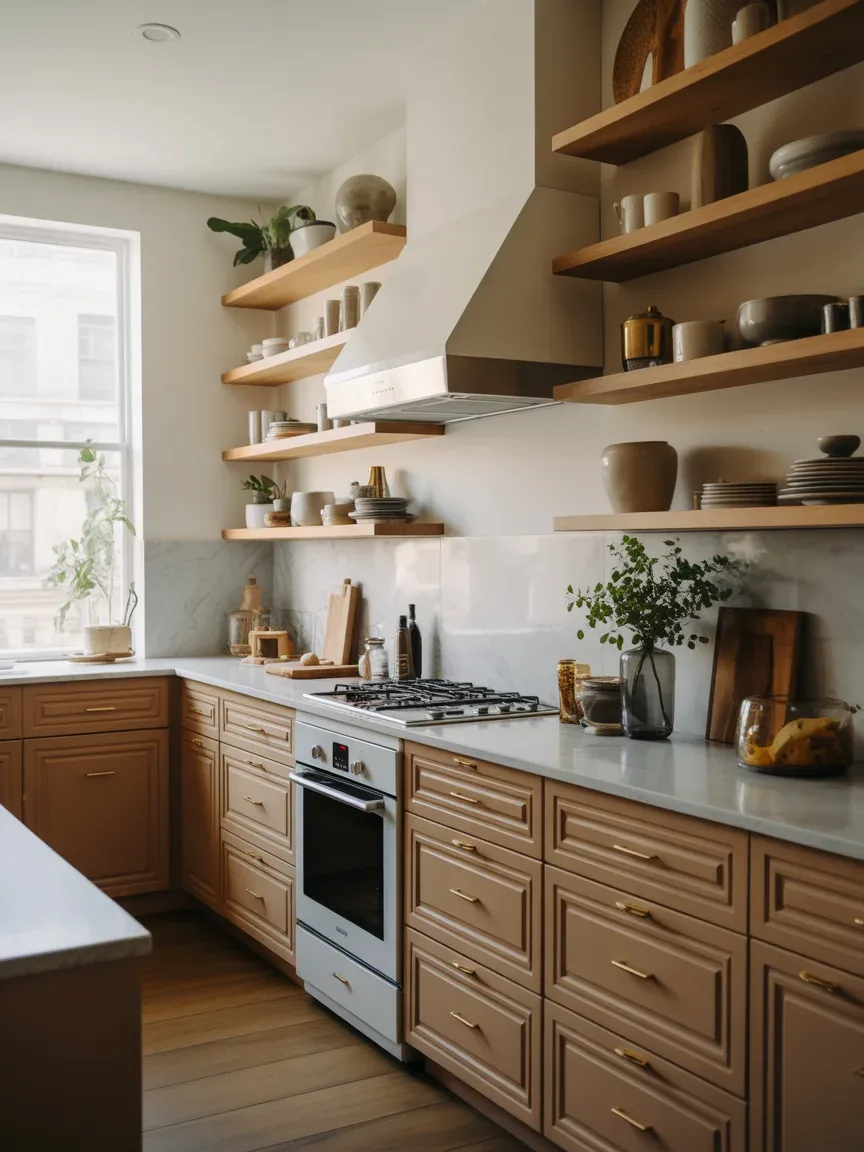
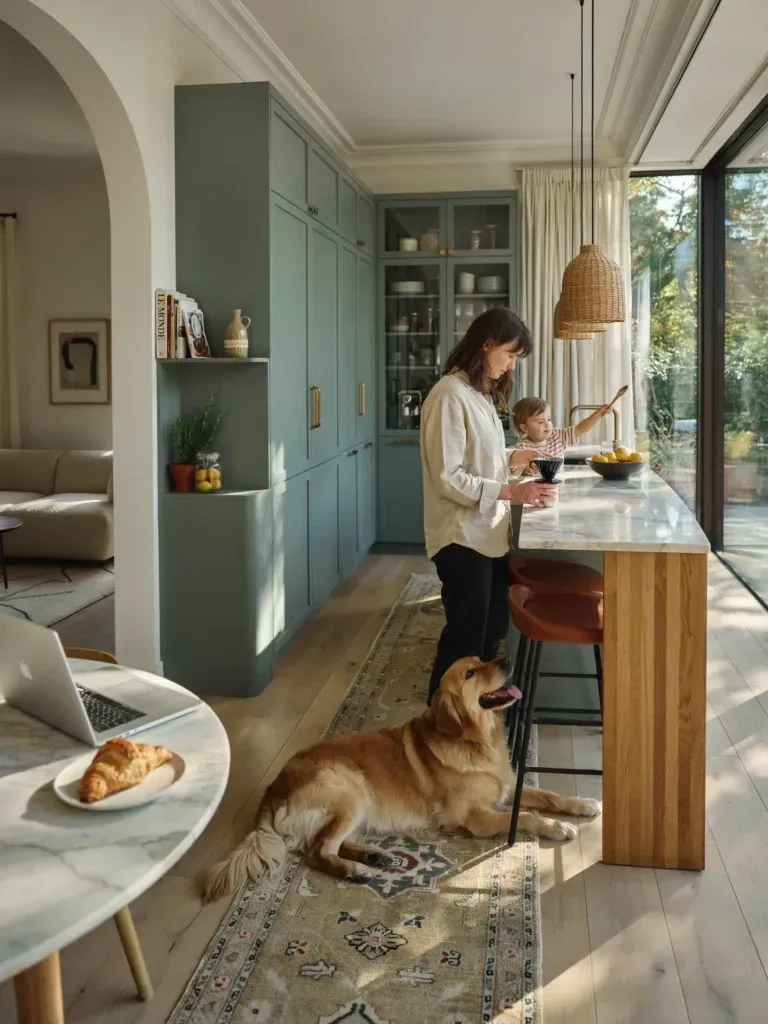
At first glance, floating shelves seem like the obvious cool-kid choice. They make kitchens feel bigger, brighter, and way more custom. Cabinets, meanwhile, can look a little… safe.
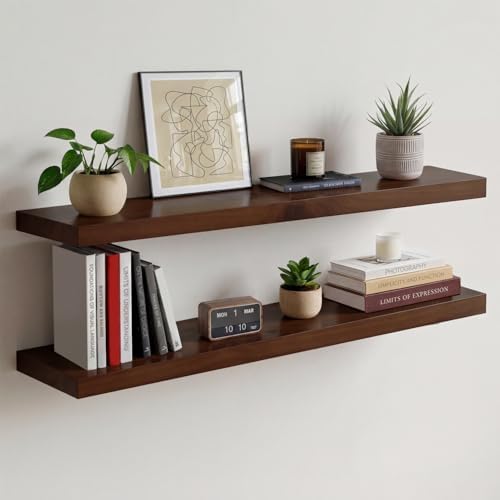
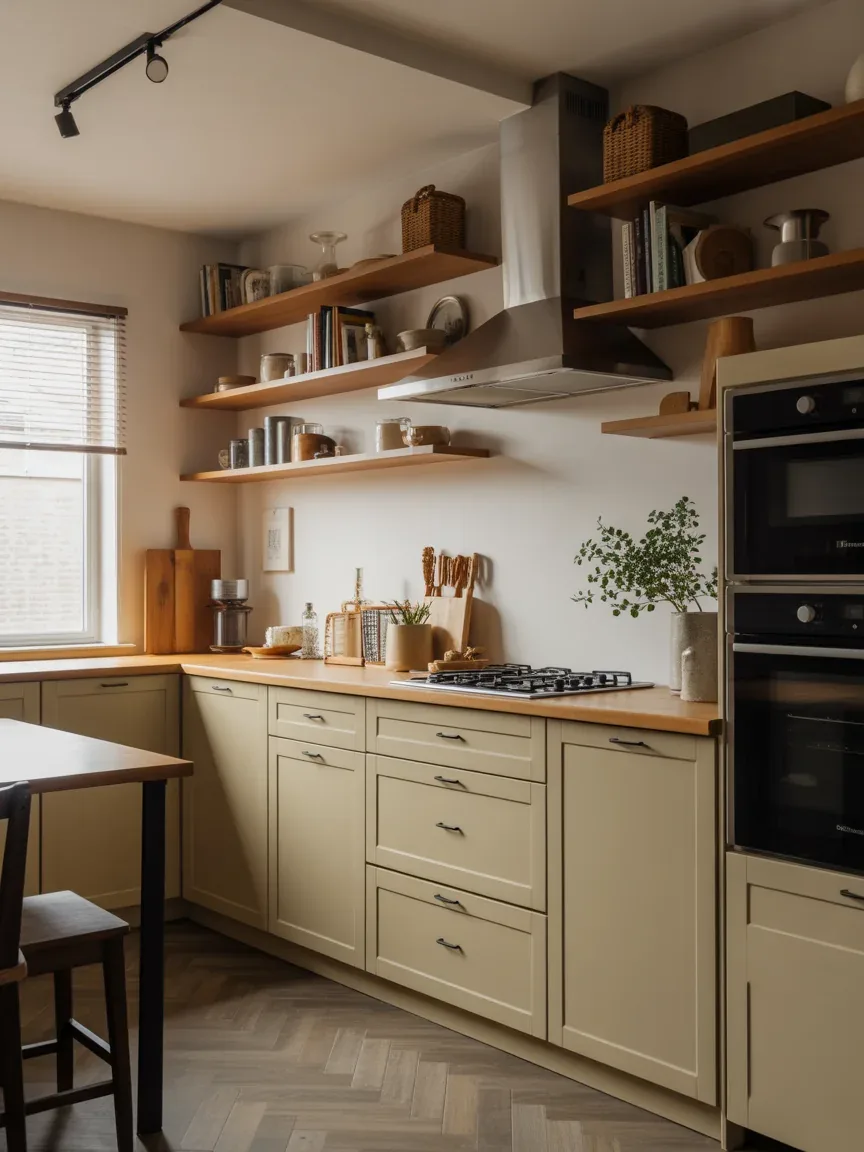
Floating shelves exploded in popularity for a reason. They create an open, breezy look that makes even small kitchens feel less boxed in.
They Make the Space Feel Bigger
Upper cabinets can visually crowd a kitchen, especially in smaller homes. Floating shelves open up wall space and let your eye travel more freely around the room.
If your kitchen feels tight or dark, shelves can instantly lighten things up.
Floating shelves look amazing in photos because those kitchens usually contain exactly four plates, three mugs, and zero evidence of actual cooking.
Dust and Grease Build Up Fast
Open shelving means everything sits exposed.
That includes:
Dust
Cooking grease
Steam residue
Whatever mystery particles emerge when you fry bacon
You’ll clean your dishes before using them more often than you’d expect.
Clutter Shows Instantly
One mismatched plastic cup and suddenly your “minimalist aesthetic” looks like a college apartment.
Floating shelves demand visual discipline. If you hate constant tidying, they may drive you slightly insane.
Storage Space Takes a Hit
Shelves usually hold less than cabinets. They also don’t hide bulky appliances, pantry overflow, or your questionable collection of reusable water bottles.
Not anytime soon. They’ve moved beyond trend status and become a staple in many modern, farmhouse, and transitional kitchens. That said, ultra-minimal shelf-only kitchens may feel less practical over time.
Do Floating Shelves Add Value to a Home?
They can enhance visual appeal, but buyers still prioritize functional storage. Most people prefer shelves as an accent, not a full cabinet replacement.
Are Floating Shelves Hard to Maintain?
Yes—more than cabinets. You’ll clean them more often because dishes stay exposed to dust and grease.
Can Floating Shelves Hold Heavy Dishes?
They can if installed correctly with proper anchors and supports. Cheap installation equals regret.
Should Small Kitchens Use Shelves or Cabinets?
It depends. Floating shelves can make a small kitchen feel larger visually, but cabinets often provide much-needed storage. Hybrid layouts usually work best.
Conclusion
When it comes to floating shelves vs cabinets, the “best” choice depends entirely on how you live—not just how you want your kitchen to photograph.
Choose floating shelves if you love open, airy design, stay organized naturally, and don’t mind a little extra cleaning. Choose cabinets if you want maximum storage, less maintenance, and a place to hide your snack drawer chaos.
And if you want my honest opinion? A thoughtful mix of both usually delivers the sweet spot: stylish enough for the mood board, practical enough for real life.
Listen to this article 10 10 0:00 / 0:00 Speed 0.75×1×1.25×1.5×2× Think your tiny backyard can’t handle an outdoor kitchen? Think again. You don’t need acres of space or a celebrity-level budget to cook, chill, and entertain outside. With a few smart design choices, your compact yard can feel like a high-end retreat. Let’s turn…
Listen to this article 10 10 0:00 / 0:00 Speed 0.75×1×1.25×1.5×2× The kitchen always steals the spotlight when someone tours a home. It’s where buyers imagine morning coffee, holiday baking, and late-night snacks, so every little detail matters. The good news? You don’t need a full renovation to make your kitchen look brighter, bigger, and…
Listen to this article 10 10 0:00 / 0:00 Speed 0.75×1×1.25×1.5×2× You’re designing a mid-century modern kitchen, and suddenly… countertops become a personality crisis. Do you go sleek and polished or warm and organic? Quartz vs butcher block isn’t just a material choice—it’s a vibe decision. And yes, it will absolutely set the tone for…
Listen to this article 10 10 0:00 / 0:00 Speed 0.75×1×1.25×1.5×2× Why settle for a basic backyard grill when you can create a space that feels like a five-star getaway? An outdoor kitchen isn’t just about cooking—it’s about vibes, comfort, and making every evening feel like a mini vacation. The good news? You don’t need…
Listen to this article 10 10 0:00 / 0:00 Speed 0.75×1×1.25×1.5×2× Most small kitchen farmhouse decor ideas fail for one reason: they’re sized for a kitchen with 40 linear feet of counter, not the 8 feet you’re actually working with. The ideas below are the ones that hold up in a genuinely small kitchen —…
Listen to this article 10 10 0:00 / 0:00 Speed 0.75×1×1.25×1.5×2× A great kitchen doesn’t need endless square footage to feel spacious, organized, and stylish. That’s exactly why the L-shaped layout remains one of the most popular kitchen designs around. It uses corners wisely, keeps traffic flowing smoothly, and creates plenty of opportunities for smart…