Choosing curtains for your living room sounds easy—until you realize the wrong pick can make the space feel like a cave or a fishbowl. Blackout and sheer curtains sit on opposite ends of the vibe spectrum, and both have serious pros depending on how you use your space. So which one actually makes sense for your living room? That depends on your light, privacy needs, and whether you enjoy being blinded by the afternoon sun. Let’s break it down without the fluff. What Blackout Curtains Actually Do Blackout curtains block most or all incoming light using tightly woven or layered fabric. They’re not just for bedrooms and dramatic people who sleep until noon. Photo by eduard on Unsplash In a living room, they help with: Reducing glare on TVs and screens Blocking harsh sunlight that fades furniture Keeping rooms cooler in summer and warmer in winter Adding privacy, especially at night If your living room gets blasted with direct sun all afternoon, blackout curtains can be a lifesaver. Nobody wants to feel like they’re lounging inside a toaster oven. OWENIE White Sheer Curtains 84 inches Long 2 Panels Set, Sheer Wh… 100% Polyester Sold as 2 Panels: Each package includes 2 pieces white sheer curtains. Each sheer curtain measures 42 inch width, 84 inc… Premium Fabric:Crafted from a high-quality polyester fabric, OWENIE sheer curtains offer a lightweight and smoother text… $7.92 Buy on Amazon Why People Love Sheer Curtains Sheer curtains do basically the opposite. They filter light instead of blocking it, creating that soft, airy glow you see in every Pinterest-perfect living room. Photo by Steinar Engeland on Unsplash People choose sheers because they: Let natural light pour in Make rooms feel larger and brighter Add softness without visual heaviness Create a relaxed, elegant vibe If your living room feels dark or small, sheer curtains can instantly make it feel more open. They’re the decor equivalent of good lighting in a selfie. MIULEE Butter Cream Sheer Curtains 84 Inches Long, 4 Panels Set, … PREMIUM MATERIAL FOR ELEGANT STYLE:Made from 100% high-quality polyester, MIULEE sheer curtains offer a soft, breathable… 4 PANELS FOR FULL WINDOW COVERAGE:Each set includes 4 panels (ranging from 42” W x 63” L to 42” W x 108” L), providing c… LIGHT FILTERING & PRIVACY PROTECTION:Our sheer curtains offer the perfect balance between light filtering and privacy. E… Buy on Amazon Blackout Curtains: Pros and Cons Blackout curtains have clear benefits, but they’re not perfect. Photo by Maria Orlova on Unsplash Pros Excellent Light Control You can darken the room almost completely. Great for movie nights, afternoon naps, or pretending you live in a luxury home theater. Better Energy Efficiency Photo by the blowup on Unsplash They help insulate windows, which can lower heating and cooling costs. Maximum Privacy Neighbors won’t see your weird couch-sprawling habits. Photo by Herbert Grambihler on Unsplash Cons Can Feel Heavy Dark or thick blackout panels sometimes make a room feel smaller or more formal. Less Daytime Brightness Obviously. If you keep them closed often, your living room may feel gloomy. Style Can Be Tricky Some blackout curtains look bulky if you choose the wrong fabric or color. Sheer Curtains: Pros and Cons Sheers bring beauty and softness, but they’re not exactly practical in every room. Pros Beautiful Natural Light They diffuse sunlight instead of blocking it, which creates a warm, glowy atmosphere. Lightweight and Airy Look Perfect for casual, modern, boho, coastal, or minimalist interiors. Budget-Friendly Options Many sheer curtains cost less than lined blackout panels. Cons Minimal Privacy at Night Once interior lights turn on, people outside can often see silhouettes. And no one needs that. Little to No Light Blocking They won’t help much with glare or overheating. Less Insulation They look pretty, but they won’t do much for temperature control. Which Is Better for Different Living Room Setups? There’s no universal winner here. The best choice depends on your room. Choose Blackout Curtains If… Your living room gets strong direct sunlight You watch TV there often Privacy matters because of nearby houses or street-facing windows You want better insulation and energy efficiency You prefer a cozy, dramatic aesthetic Choose Sheer Curtains If… Your room lacks natural light You want a bright, open, airy look Privacy isn’t a huge concern during the day You love soft, elegant styling Your living room leans casual or minimalist The Smartest Option? Layer Both Honestly, if you can’t decide, layer them. This gives you the best of both worlds: Sheers for daytime light Blackouts for privacy and darkness More visual depth and designer-style layering Flexible control throughout the day Layered curtains also make windows look bigger and more polished. It’s one of those designer tricks that works annoyingly well. Use a double curtain rod and hang the sheer panel closer to the window, with blackout curtains in front. Suddenly your living room looks way more expensive than it probably was. Style Considerations You Shouldn’t Ignore Curtains do more than control light—they affect the whole mood of the room. Blackout Curtains Look Best When: You choose lighter neutral tones instead of heavy dark colors The fabric has texture like linen-blend or velvet You hang them high and wide for drama Sheer Curtains Look Best When: They puddle slightly for softness You use white, ivory, or soft beige tones They’re paired with structured furniture for balance FYI: Cheap shiny polyester curtains can sabotage either look instantly. FAQ Can Blackout Curtains Still Look Stylish? Absolutely. Modern blackout curtains come in linen-look fabrics, textured weaves, velvet, and tailored pleats. They no longer scream “college dorm movie room.” Do Sheer Curtains Provide Any Privacy? During the day, yes—some. At night with lights on? Barely. You’ll need another layer if privacy matters after sunset. Are Blackout Curtains Too Heavy for a Small Living Room? Not necessarily. Choose light-colored blackout curtains and hang them high to keep the room feeling open. Can I Mix Blackout and Sheer Curtains Together? Yes, and IMO that’s often the best setup. Layering gives you flexibility, style, and practical light control. Which Option Is Better for Energy Savings? Blackout curtains. Their thicker fabric helps insulate windows and reduce heat transfer. What Curtain Length Works Best for Living Rooms? Floor-length almost always looks best. Short curtains tend to make windows look awkward unless you’re dealing with a very specific layout. Conclusion When it comes to blackout vs sheer curtains, the “best” choice depends entirely on how your living room functions. If you need privacy, glare control, and insulation, blackout curtains win easily. If you want brightness, softness, and an airy feel, sheer curtains take the crown. But if you want the real pro move? Layer both. That way, your living room stays bright when you want sunshine and cozy when you don’t. Pretty ideal, right?
Choosing curtains for your living room sounds easy—until you realize the wrong pick can make the space feel like a cave or a fishbowl. Blackout and sheer curtains sit on opposite ends of the vibe spectrum, and both have serious pros depending on how you use your space. So which one actually makes sense for your living room? That depends on your light, privacy needs, and whether you enjoy being blinded by the afternoon sun.
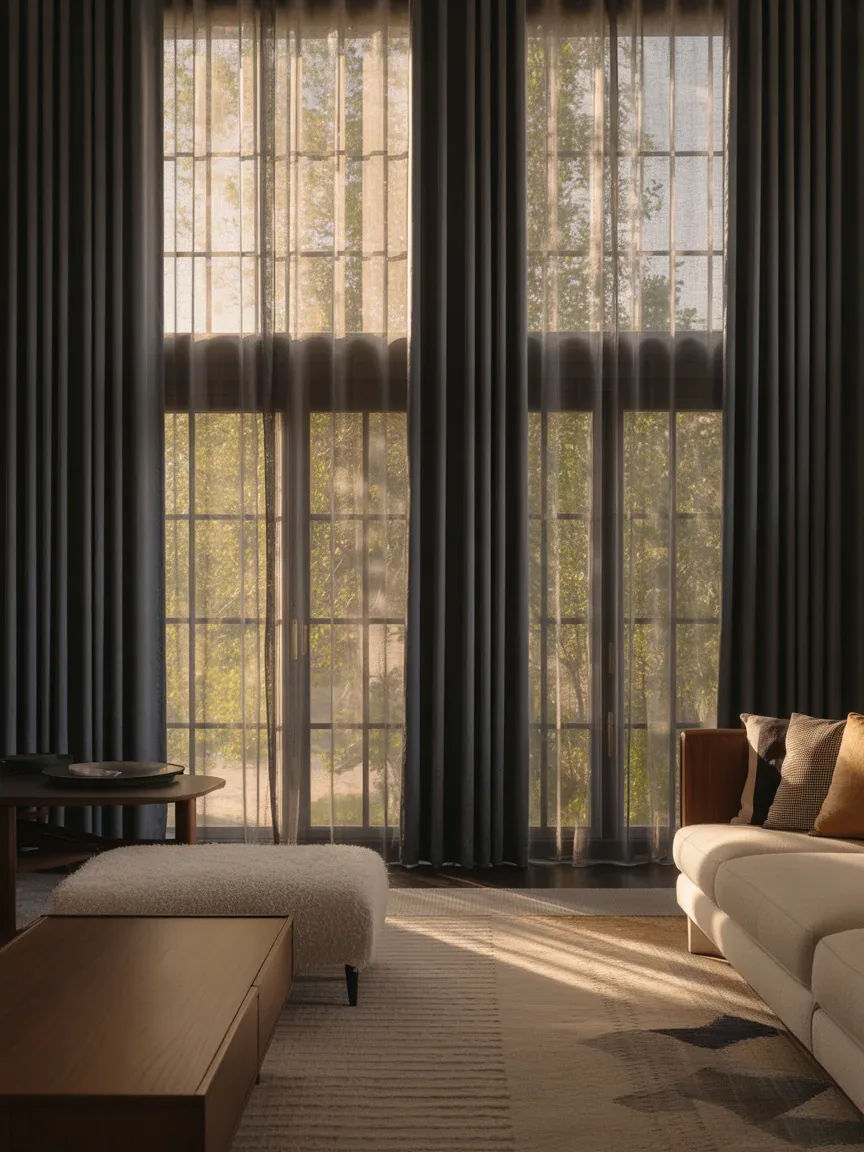
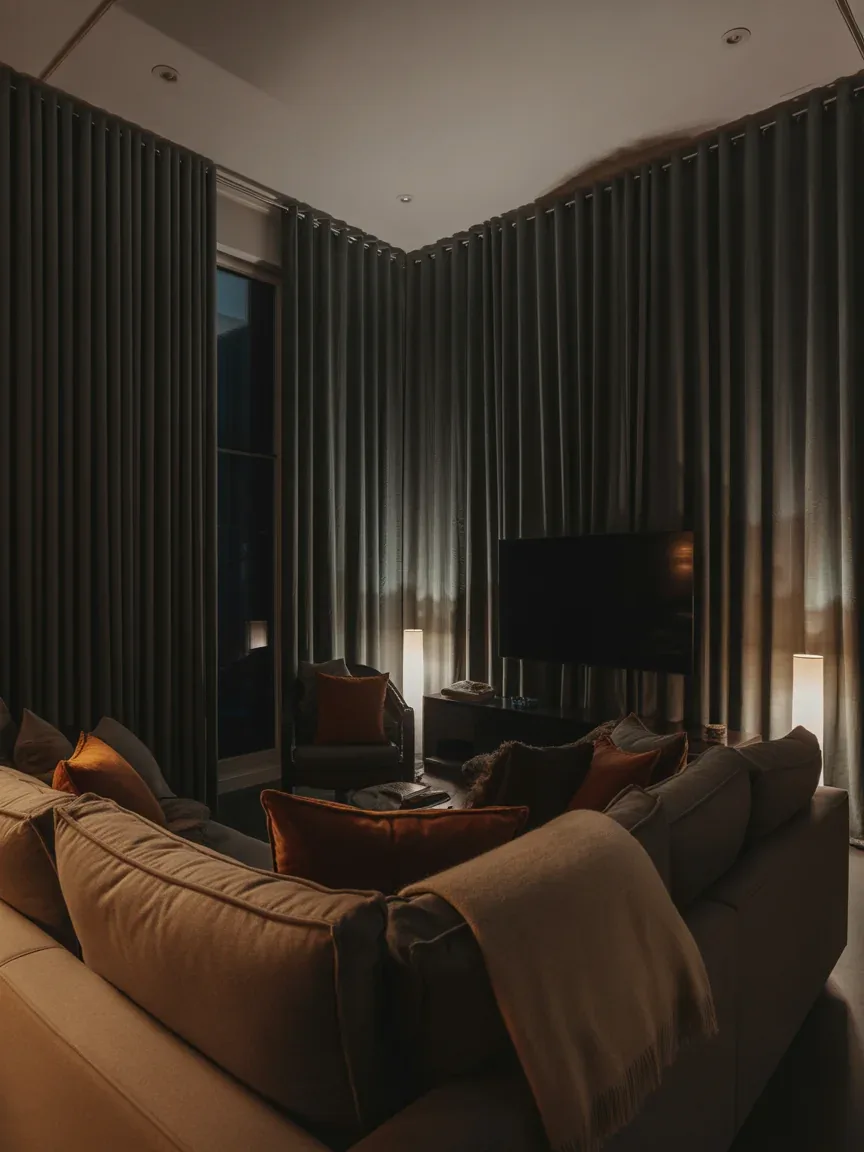
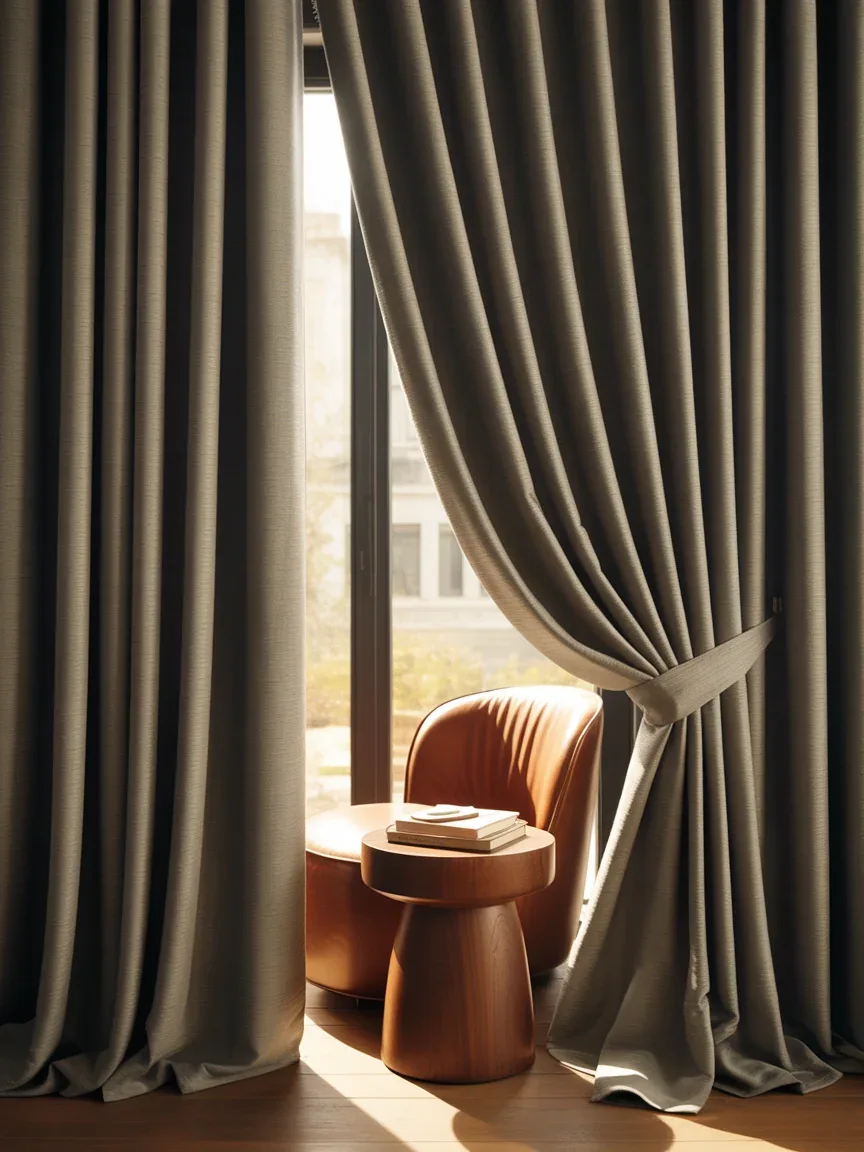
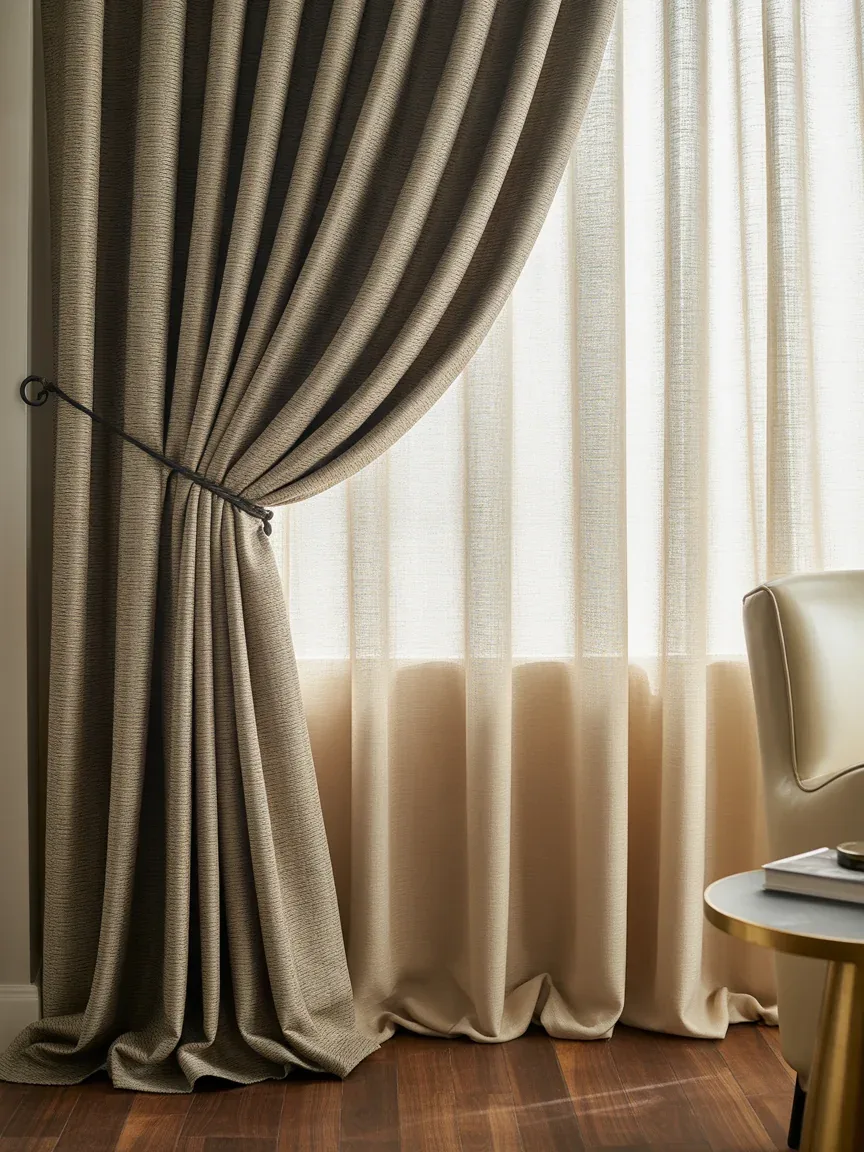
Blackout curtains block most or all incoming light using tightly woven or layered fabric. They’re not just for bedrooms and dramatic people who sleep until noon.
Keeping rooms cooler in summer and warmer in winter
Adding privacy, especially at night
If your living room gets blasted with direct sun all afternoon, blackout curtains can be a lifesaver. Nobody wants to feel like they’re lounging inside a toaster oven.
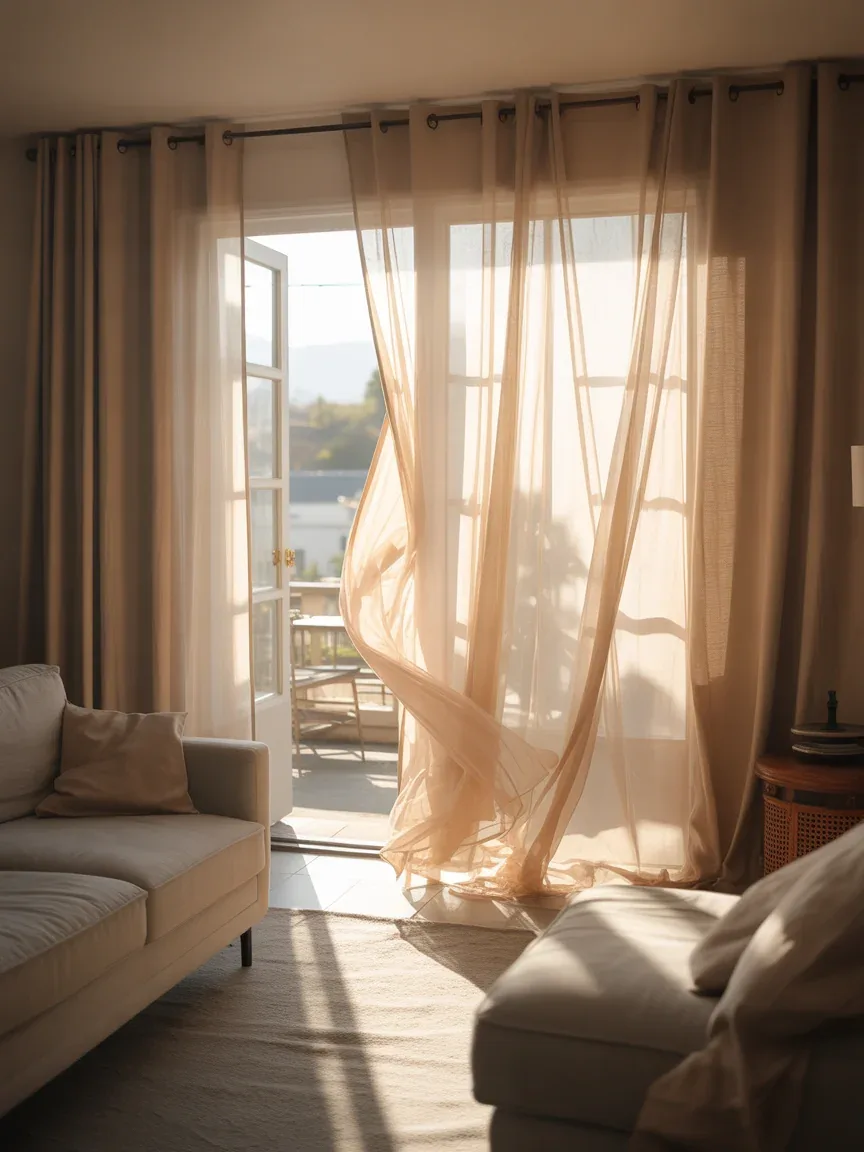
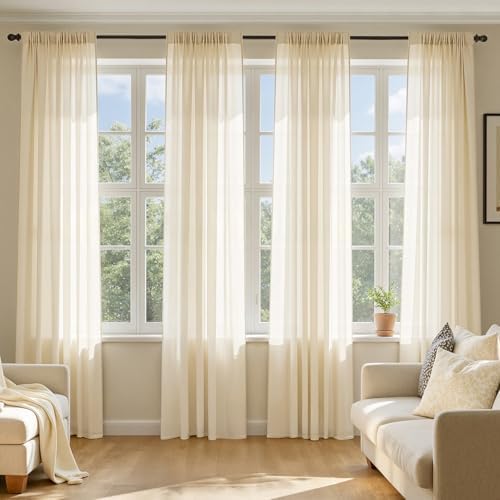
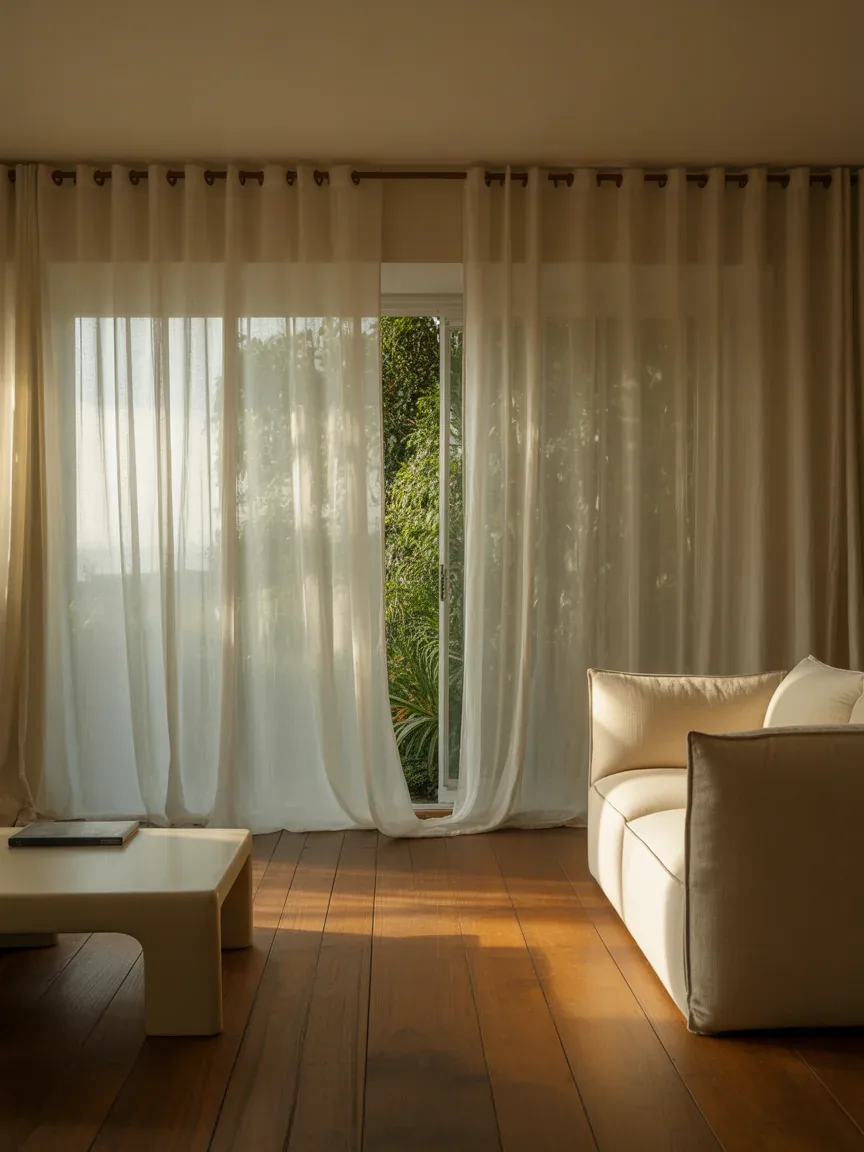
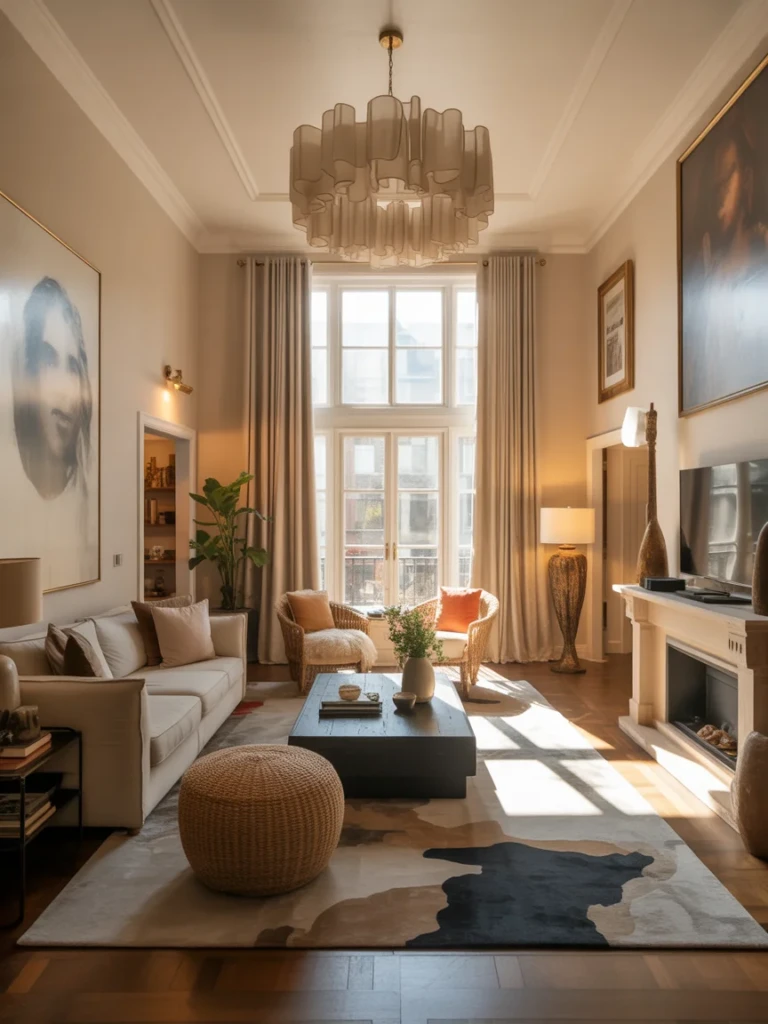
Sheer curtains do basically the opposite. They filter light instead of blocking it, creating that soft, airy glow you see in every Pinterest-perfect living room.
If your living room feels dark or small, sheer curtains can instantly make it feel more open. They’re the decor equivalent of good lighting in a selfie.
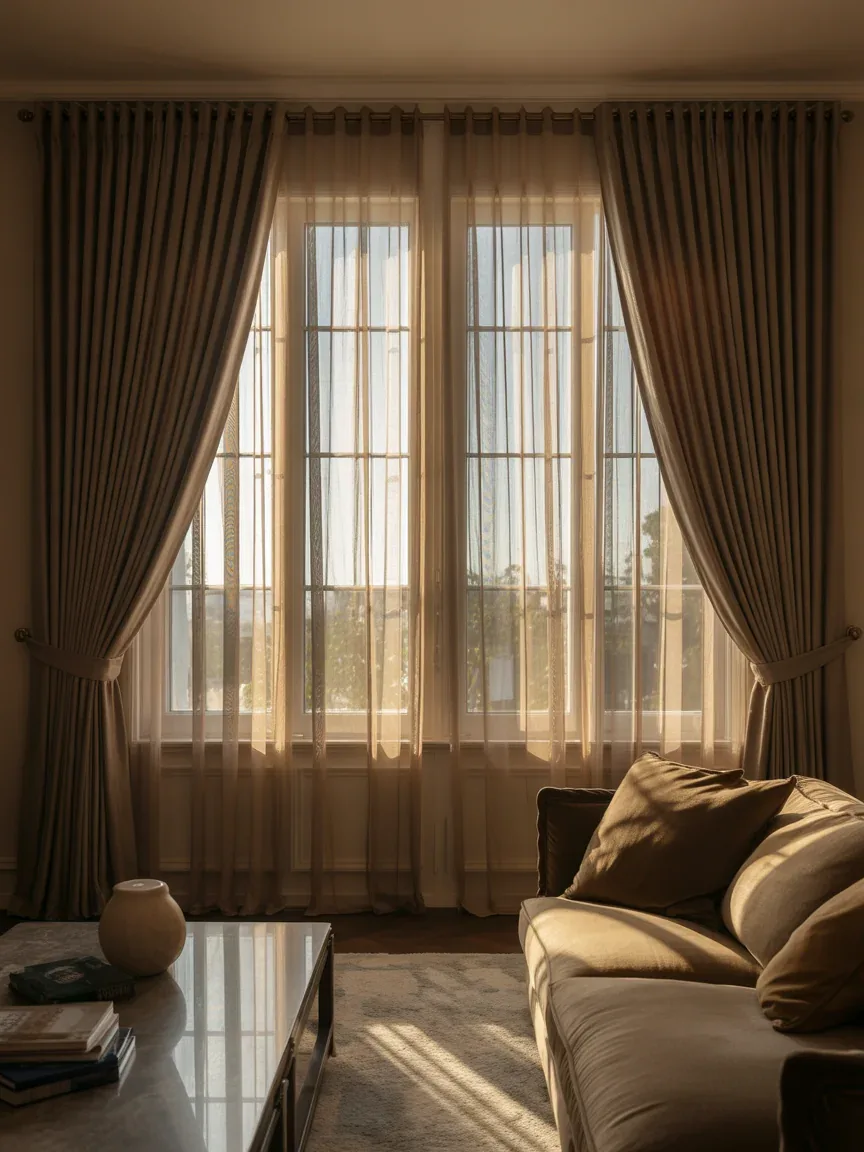
Layered curtains also make windows look bigger and more polished. It’s one of those designer tricks that works annoyingly well.
Use a double curtain rod and hang the sheer panel closer to the window, with blackout curtains in front. Suddenly your living room looks way more expensive than it probably was.
Curtains do more than control light—they affect the whole mood of the room.
Blackout Curtains Look Best When:
You choose lighter neutral tones instead of heavy dark colors
The fabric has texture like linen-blend or velvet
You hang them high and wide for drama
Sheer Curtains Look Best When:
They puddle slightly for softness
You use white, ivory, or soft beige tones
They’re paired with structured furniture for balance
FYI: Cheap shiny polyester curtains can sabotage either look instantly.
FAQ
Can Blackout Curtains Still Look Stylish?
Absolutely. Modern blackout curtains come in linen-look fabrics, textured weaves, velvet, and tailored pleats. They no longer scream “college dorm movie room.”
Do Sheer Curtains Provide Any Privacy?
During the day, yes—some. At night with lights on? Barely. You’ll need another layer if privacy matters after sunset.
Are Blackout Curtains Too Heavy for a Small Living Room?
Not necessarily. Choose light-colored blackout curtains and hang them high to keep the room feeling open.
Can I Mix Blackout and Sheer Curtains Together?
Yes, and IMO that’s often the best setup. Layering gives you flexibility, style, and practical light control.
Which Option Is Better for Energy Savings?
Blackout curtains. Their thicker fabric helps insulate windows and reduce heat transfer.
What Curtain Length Works Best for Living Rooms?
Floor-length almost always looks best. Short curtains tend to make windows look awkward unless you’re dealing with a very specific layout.
Conclusion
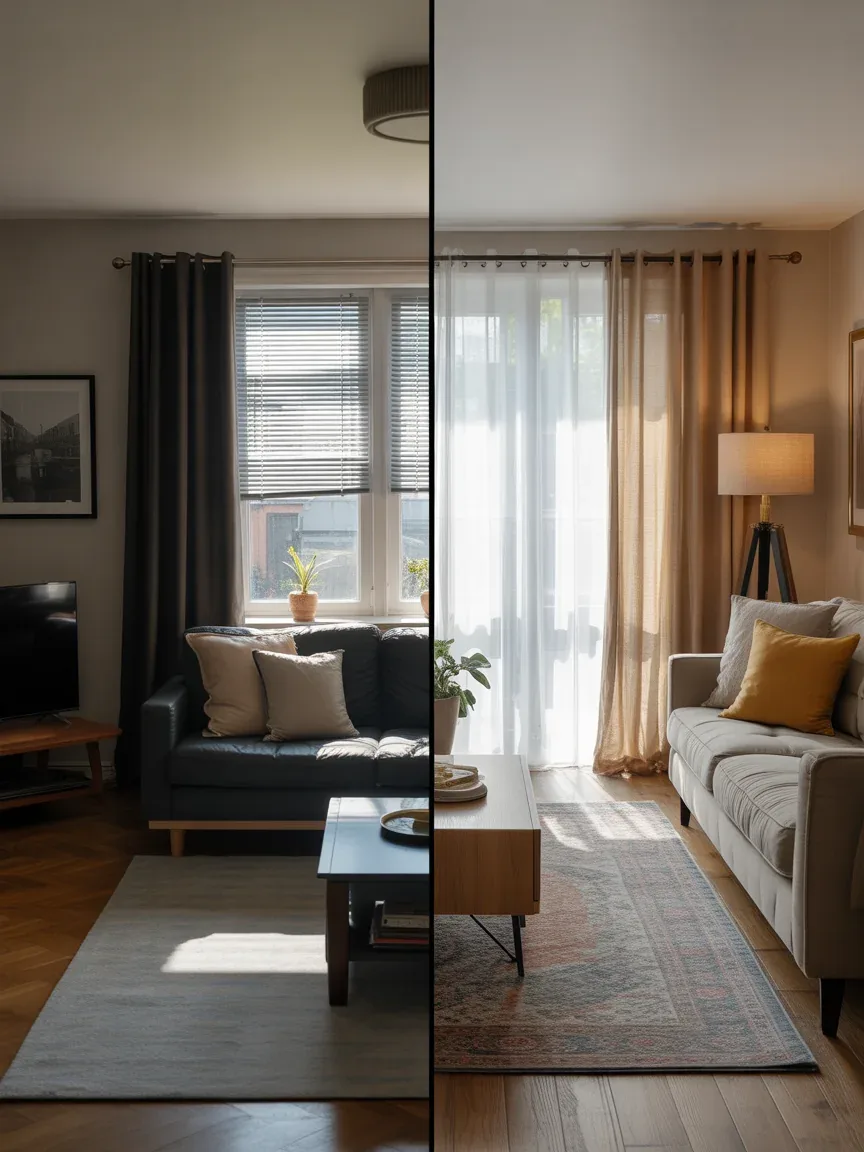
When it comes to blackout vs sheer curtains, the “best” choice depends entirely on how your living room functions. If you need privacy, glare control, and insulation, blackout curtains win easily. If you want brightness, softness, and an airy feel, sheer curtains take the crown.
But if you want the real pro move? Layer both.
That way, your living room stays bright when you want sunshine and cozy when you don’t. Pretty ideal, right?
Listen to this article 10 10 0:00 / 0:00 Speed 0.75×1×1.25×1.5×2× High ceilings look amazing… until your living room starts feeling like a chilly echo chamber. You’ve got all that vertical space, but somehow it feels empty instead of impressive. Sound familiar? Don’t worry—you don’t need a bigger budget, just smarter styling. Let’s turn that…
Listen to this article 10 10 0:00 / 0:00 Speed 0.75×1×1.25×1.5×2× A dark painted ceiling can completely change the way a room feels. It adds instant personality, creates visual depth, and delivers that custom designer look people usually assume costs a fortune. If you’ve only considered dark walls, wait until you see what happens when…
Listen to this article 10 10 0:00 / 0:00 Speed 0.75×1×1.25×1.5×2× These ideas are bite-sized, insanely practical, and totally doable on a budget. No fluff—just actionable tweaks that transform your lounging area into a stylish sanctuary. Ready to level up your living room without resorting to a full remodel? Let’s dive in. 1. Layer Textures…
Listen to this article 10 10 0:00 / 0:00 Speed 0.75×1×1.25×1.5×2× Sunken living rooms are back—and honestly, they never should’ve left. There’s something irresistibly cool about stepping down into a cozy, defined space that instantly feels more intimate. It’s retro, yes, but also surprisingly fresh when done right. If you want a living room that…
Listen to this article 10 10 0:00 / 0:00 Speed 0.75×1×1.25×1.5×2× Nothing hits quite like walking into a living room that feels warm, layered, and ridiculously cozy once fall rolls around. The second the air turns crisp, suddenly everyone wants chunky throws, glowing candles, and enough pillows to start a small mountain range. Honestly? Fall…
Listen to this article 10 10 0:00 / 0:00 Speed 0.75×1×1.25×1.5×2× Your backyard deserves more than two folding chairs and a sad little side table from 2014. The right outdoor furniture setup can turn even a basic patio into the kind of space people suddenly never want to leave. Think cozy sectionals, sleek fire pits,…