Small bedrooms for kids can quickly become cluttered and feel cramped without thoughtful planning. Maximizing space while maintaining a functional and comfortable environment is essential for both play and rest. The key to making a small kids’ bedroom work is using multifunctional furniture, creative storage solutions, and smart layout choices that adapt to a child’s changing needs. These strategies help create a room that feels larger and more organized without sacrificing style or comfort. With limited square footage, every inch counts. Simple changes like utilizing vertical space, choosing beds with built-in storage, and incorporating wall shelves can make a significant difference in transforming tight quarters into a practical and inviting space for children. Amazon Basics Foldable Metal Platform Bed Frame with Storage Spac… STURDY SUPPORT: This king bed frame, with no box spring needed, provides a noise-free, supportive foundation. The king s… DURABLE DESIGN: This king size bed frame metal crafted from durable steel, has reliable strength and longevity EASY SETUP: This king bed frame with storage offers a hassle-free, tool-free setup. With the folding mechanism, this kin… $157.48 Buy on Amazon Maximizing Space in Small Kids’ Bedrooms Maximizing Space in Small Kids’ Bedrooms Efficient use of furniture, storage under the bed, and vertical organizing can significantly increase the available space. These strategies help maintain a clutter-free environment while allowing room for play and study. Smart Furniture Choices Choosing furniture that serves multiple functions can save space in small bedrooms. Loft beds or bunk beds with built-in desks or drawers combine sleeping and storage areas, eliminating the need for extra pieces. Fold-away desks and chairs free up floor space when not in use. Low-profile beds make the room feel larger and allow for additional storage underneath. Some furniture pieces include hooks, shelves, or cubbies integrated into their design, making them ideal for keeping small toys, books, or clothes organized. Selecting lightweight or modular furniture also allows for easy rearrangement as needs change. QEEIG Bathroom Shelves Over Toilet – Wall Mounted Floating Shelve… Material: Medium Density Fiberboard, outlasts wood in damp bathroom environments Ample Depth: 6.7″D x 15.7″W x 1.5″H. 6.7″ depth suitable for books, basket or bath towels. 15.7″ width metal basket can … Sturdy Support: Holds 25 lbs without wobbling or sagging, thanks to strong steel brackets $27.82 Buy on Amazon Under-Bed Storage Solutions The space beneath a bed is often underutilized. Using rolling bins, drawers, or storage bags keeps items tucked away but easily accessible. Clear plastic containers let children see what’s inside without pulling everything out. Dividers can help separate clothes, toys, and bedding in this space. For younger kids, easy-to-pull storage containers reduce dependence on adult help. Bedding with built-in pockets or under-bed shoe organizers are additional options to maximize functionality. ClearSpace Oversized Moving Bags or Storage Bag – Large Moving Bo… EXTRA LARGE CAPACITY – With a generous size of 27″L x 11″W x 15″H , ClearSpace offers a remarkable volume of 86 liters (… MOVING BOX ALTERNATIVE – Equipped with long carry handles and additional side handles, our storage bags provide stabilit… DURABLE DESIGN – Made from woven polypropylene fabric, our moving bags are among the strongest in the market. They are r… $34.99 Buy on Amazon Vertical Storage Ideas Using wall space efficiently can open up floor area. Wall-mounted shelves and hooks create storage for books, toys, and clothes without cluttering the room. Pegboards offer customizable storage and can be adapted as children’s interests change. Tall bookshelves utilize vertical height while occupying minimal floor space. Installing hooks at child-friendly heights encourages independence in putting away items. Floating shelves above beds or desks keep essentials within reach while maximizing available wall space. Creative Bed Solutions for Small Rooms Creative Bed Solutions for Small Rooms Maximizing sleep and storage space is critical in small kids’ bedrooms. Beds that elevate or transform provide extra room for play, storage, or study areas. Smart design integrates multiple functions without overwhelming the room’s footprint. Bunk Beds and Loft Beds Bunk beds double sleeping space vertically, ideal for shared rooms. These beds free up floor space for play or furniture. Loft beds lift the sleeping area off the ground, creating usable room underneath. Low loft beds are often preferred because they offer clearance without making the room feel cramped. The space below can accommodate desks, dressers, or cozy reading nooks. Some loft beds include built-in drawers or stairs with storage to optimize every inch. Safety is a priority; guardrails and sturdy frames are essential. Modular designs allow for customization as a child grows, adapting from play areas to study zones without replacing the bed. Trundle Beds for Siblings Trundle beds are practical for siblings sharing a small room but not at the same time. The lower bed slides out from beneath the main bed, providing an extra sleeping surface without occupying additional floor space when not used. These beds work well for overnight guests or younger kids who might nap during the day. When combined with beds that have storage drawers underneath, trundle beds can further reduce clutter. They are easily integrated into various styles and room layouts. Parents benefit from the flexibility of having two beds in a compact footprint, making it a functional option for limited spaces. Convertible and Multifunctional Beds Convertible beds adapt based on the child’s needs, offering long-term usability. Examples include beds that transform into desks or seating areas, merging rest with study or play functions. Multifunctional beds often feature built-in storage such as drawers, shelves, or cubbies. This storage reduces the need for extra furniture and helps maintain organization. Some designs allow beds to fold or collapse, converting rooms between sleeping and activity zones quickly. This flexibility suits kids whose rooms serve multiple purposes throughout the day. Selecting furniture with multiple roles supports a clutter-free environment and maximizes every inch in a small bedroom. Color Schemes and Decor for Small Spaces Selecting the right colors and decor can open up a small bedroom visually and make it feel inviting. Strategic use of paint, patterns, and functional decorative elements can maximize space without sacrificing style or personality. Choosing Light and Bright Colors Light colors such as pastel blues, soft yellows, and gentle greens can enhance the sense of space by reflecting more light around the room. White or off-white walls provide a neutral backdrop that makes the room feel larger and brighter. Two-tone walls or subtle color blocking adds interest without overwhelming the space. Monochromatic schemes in varying shades of one color create depth while maintaining simplicity. Avoid dark, heavy colors, which can make small rooms feel cramped. Incorporating bright accents through bedding, rugs, or cushions adds vibrancy without crowding the room visually. Matte or satin finishes on walls reduce glare, maintaining a calming atmosphere. Using Wall Murals and Decals Wall murals and decals offer ways to personalize a child’s bedroom without taking up floor space. Large-scale murals depicting stars, animals, or landscapes can create an immersive environment that sparks imagination. Decals are flexible and easy to update as children grow. They add patterns or graphic elements without permanent changes. Placing murals or decals on one feature wall helps anchor the room and focuses visual interest without cluttering the entire space. Using removable decals ensures adjustability and supports evolving tastes. They also work well to delineate zones in multifunctional rooms, such as study versus play areas. Incorporating Decorative Storage Decorative storage solutions serve a dual purpose by keeping a small room tidy and adding to its overall look. Open shelving with colorful baskets or boxes can organize toys and books while introducing pops of color. Built-in units under beds or window seats maximize unused areas efficiently. Multifunctional furniture like beds with drawers or desks with shelves combines storage without expanding the footprint. Hooks, pegboards, and wall-mounted organizers hold items off the floor and reduce clutter. Choosing storage in shapes or styles that complement the room’s theme integrates practicality with decor seamlessly. Organized Study and Play Areas Efficient use of limited space in a child’s bedroom requires clear separation between study and play zones. Each area should support its function while maintaining order. Smart furniture choices and storage solutions help keep activities distinct yet accessible. Compact Study Nooks A dedicated study nook in a small bedroom can significantly improve focus. Floating desks or fold-away tables attached to walls save floor space while providing a sturdy surface. Installing wall shelves above the desk offers convenient storage for books, supplies, and decorative items without cluttering the area. Choosing a desk with built-in drawers or compartments helps organize stationery and paper. Positioning the nook near natural light reduces eye strain and enhances concentration. A comfortable chair sized to the child ensures posture support. Visual separation, such as a small rug or a half divider, defines the study space clearly from the rest of the room. Integrated Play Corners Play corners should encourage creativity while minimizing mess spread. Using vertical space with wall-mounted shelves or pegboards allows toys and art materials to be displayed and accessed easily. Low-profile bins or baskets within reach offer quick clean-up options. Loft beds with built-in desks or play areas underneath create multifunctional zones that save floor space. Soft, removable floor mats define play boundaries and protect the room. Integrating playful elements, like themed cushions or colorful storage containers, keeps the corner inviting while maintaining order. Toy Organization Tips Effective toy organization supports both tidiness and easy access. Labeling storage bins by toy type simplifies cleanup and retrieval. Transparent containers or open crates make contents visible, reducing the time spent searching. Stackable or rolling storage units fit easily under beds or in closets. Hooks and wall racks can hold items like dress-up clothes or sports gear. Regularly reviewing and rotating toys keeps the collection manageable and developmentally appropriate. Prioritizing multi-use storage ensures the room remains adaptable as the child grows. Personalizing a Child’s Small Bedroom Creating a personalized space in a small bedroom helps a child feel comfortable and inspired. Thoughtful touches that showcase their creativity and preferences can make the room truly their own without overcrowding. Displaying Artwork and Crafts Displaying a child’s artwork and crafts adds personality and encourages pride in their creations. Use wall-mounted frames, clipboards, or wire and clip systems to rotate pieces easily. This keeps the display fresh and saves surface space. Consider adding a corkboard or magnetic board near their desk or play area. It provides a dedicated spot for schoolwork and projects. Lightweight shelves can also hold 3D crafts or small trophies without cluttering floors. Using vertical space for displays is essential in a small bedroom. It maximizes visibility while keeping floors clear for play or furniture. Customizing Bedding and Textiles Custom bedding and textiles can instantly reflect a child’s interests and style. Choose patterns, colors, or themes they enjoy, but avoid overly large prints that overwhelm a small room. Smaller, simpler designs maintain visual balance. Mix and match pillows, blankets, and rugs to add texture and warmth. Items that serve multiple purposes, like a quilt doubling as a play mat, add practicality. Selecting fabrics that are easy to wash and durable helps maintain freshness. Personalization can extend to monogrammed pillows or DIY fabric painting for a unique touch. Creative Lighting Solutions for Small Bedrooms Effective lighting in a small bedroom balances brightness with space-saving. It enhances function and atmosphere without overcrowding the room. Different layers of lighting can add depth, while thoughtful night lights provide safety and comfort. Layered Lighting Approaches Layered lighting combines ambient, task, and accent lights to create a versatile environment. Ambient lighting, like ceiling fixtures or LED strips, offers overall illumination. Task lighting, such as desk lamps or bedside sconces, supports activities like reading or homework. Accent lights highlight features or add warmth, often using adjustable LEDs or spotlights. Using dimmable options allows for control of brightness levels, making the space adaptable for playtime, study, or rest. Wall-mounted fixtures and concealed LEDs save floor and surface space, crucial in small rooms. Fun and Functional Night Lights Night lights in kids’ bedrooms serve dual purposes: providing gentle illumination and enhancing safety. Motion-activated lights prevent stumbling in the dark, activating only when needed. Soft-glow options reduce stimulation, helping children fall asleep more easily. Creative night lights often feature child-friendly designs, such as animals or stars, integrating decor with practicality. Battery-operated or plug-in models can be placed strategically near the bed, closet, or bathroom door. Some come with adjustable brightness and timers to conserve energy and suit bedtime routines. Enhancing Functionality in Limited Spaces Enhancing Functionality in Limited Spaces Maximizing a small kid’s bedroom requires thoughtful design that prioritizes adaptability and visual openness. Practical furniture arrangements paired with smart visual tricks can expand both the room’s usability and its sense of space. These techniques help maintain order and comfort without overcrowding. Flexible Room Layouts Flexible layouts prioritize furniture that serves multiple purposes or can be easily rearranged. Loft beds with built-in desks or storage underneath create distinct zones for sleep and study without using extra floor space. Foldable or stackable chairs and tables offer options for changing needs, from playtime to homework. In small rooms, placing beds against walls and corners frees up central floor space. Using vertical storage like wall shelves keeps toys and books off the floor, making the room feel less cluttered. Creating cozy nooks with compact seating encourages quiet activities without compromising room flow. Using Mirrors to Increase Perceived Space Mirrors reflect light and create the illusion of depth, making tight spaces appear larger. Positioning a large mirror opposite a window doubles natural light, brightening the room. Even smaller mirrors strategically placed can reduce feelings of confinement. A full-length mirror on a door or a mirrored wardrobe door serves dual roles — practical use and visual expansion. Frameless or simple-framed mirrors work best to avoid adding bulk. Reflective surfaces enhance the playfulness and brightness of the room without taking up space.
Small bedrooms for kids can quickly become cluttered and feel cramped without thoughtful planning. Maximizing space while maintaining a functional and comfortable environment is essential for both play and rest.
The key to making a small kids’ bedroom work is using multifunctional furniture, creative storage solutions, and smart layout choices that adapt to a child’s changing needs. These strategies help create a room that feels larger and more organized without sacrificing style or comfort.
With limited square footage, every inch counts. Simple changes like utilizing vertical space, choosing beds with built-in storage, and incorporating wall shelves can make a significant difference in transforming tight quarters into a practical and inviting space for children.
Efficient use of furniture, storage under the bed, and vertical organizing can significantly increase the available space. These strategies help maintain a clutter-free environment while allowing room for play and study.
Smart Furniture Choices
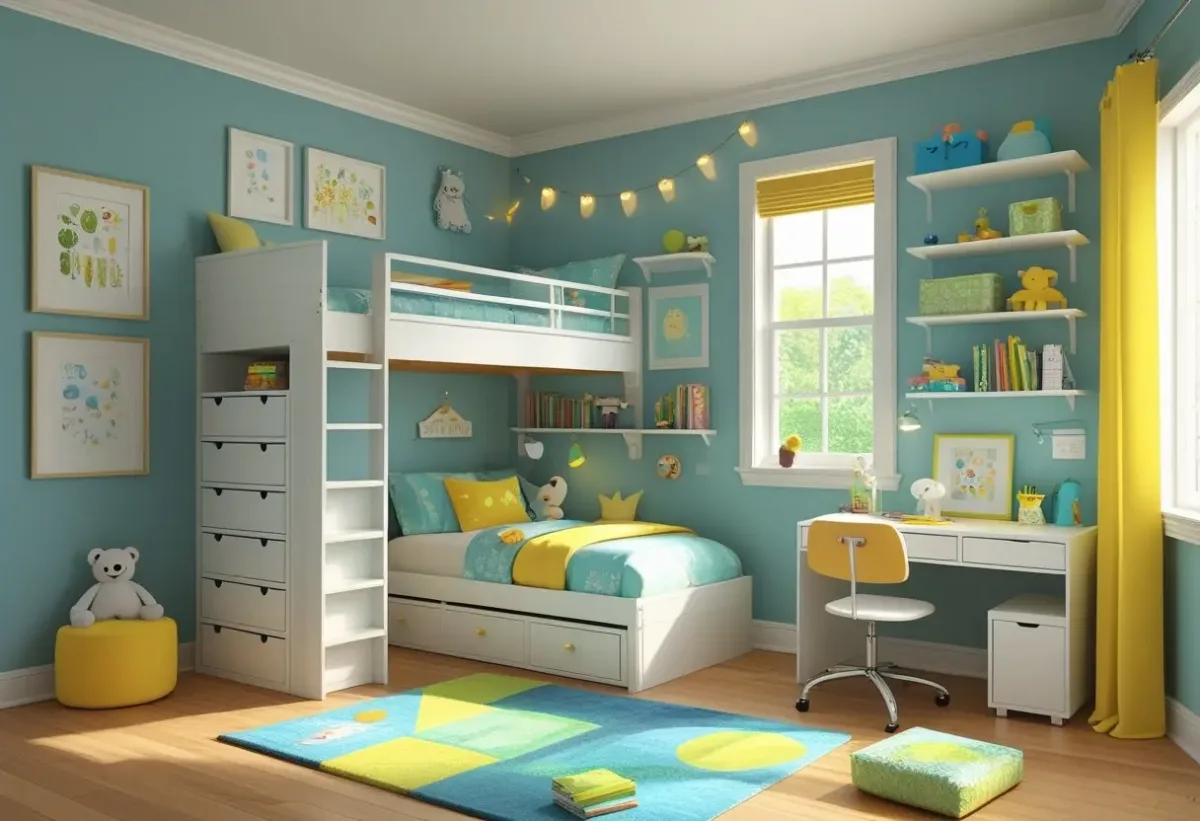
Choosing furniture that serves multiple functions can save space in small bedrooms. Loft beds or bunk beds with built-in desks or drawers combine sleeping and storage areas, eliminating the need for extra pieces.
Fold-away desks and chairs free up floor space when not in use. Low-profile beds make the room feel larger and allow for additional storage underneath.
Some furniture pieces include hooks, shelves, or cubbies integrated into their design, making them ideal for keeping small toys, books, or clothes organized. Selecting lightweight or modular furniture also allows for easy rearrangement as needs change.
The space beneath a bed is often underutilized. Using rolling bins, drawers, or storage bags keeps items tucked away but easily accessible.
Clear plastic containers let children see what’s inside without pulling everything out. Dividers can help separate clothes, toys, and bedding in this space.
For younger kids, easy-to-pull storage containers reduce dependence on adult help. Bedding with built-in pockets or under-bed shoe organizers are additional options to maximize functionality.
Using wall space efficiently can open up floor area. Wall-mounted shelves and hooks create storage for books, toys, and clothes without cluttering the room.
Pegboards offer customizable storage and can be adapted as children’s interests change. Tall bookshelves utilize vertical height while occupying minimal floor space.
Installing hooks at child-friendly heights encourages independence in putting away items. Floating shelves above beds or desks keep essentials within reach while maximizing available wall space.
Maximizing sleep and storage space is critical in small kids’ bedrooms. Beds that elevate or transform provide extra room for play, storage, or study areas. Smart design integrates multiple functions without overwhelming the room’s footprint.
Bunk Beds and Loft Beds
Bunk beds double sleeping space vertically, ideal for shared rooms. These beds free up floor space for play or furniture. Loft beds lift the sleeping area off the ground, creating usable room underneath.
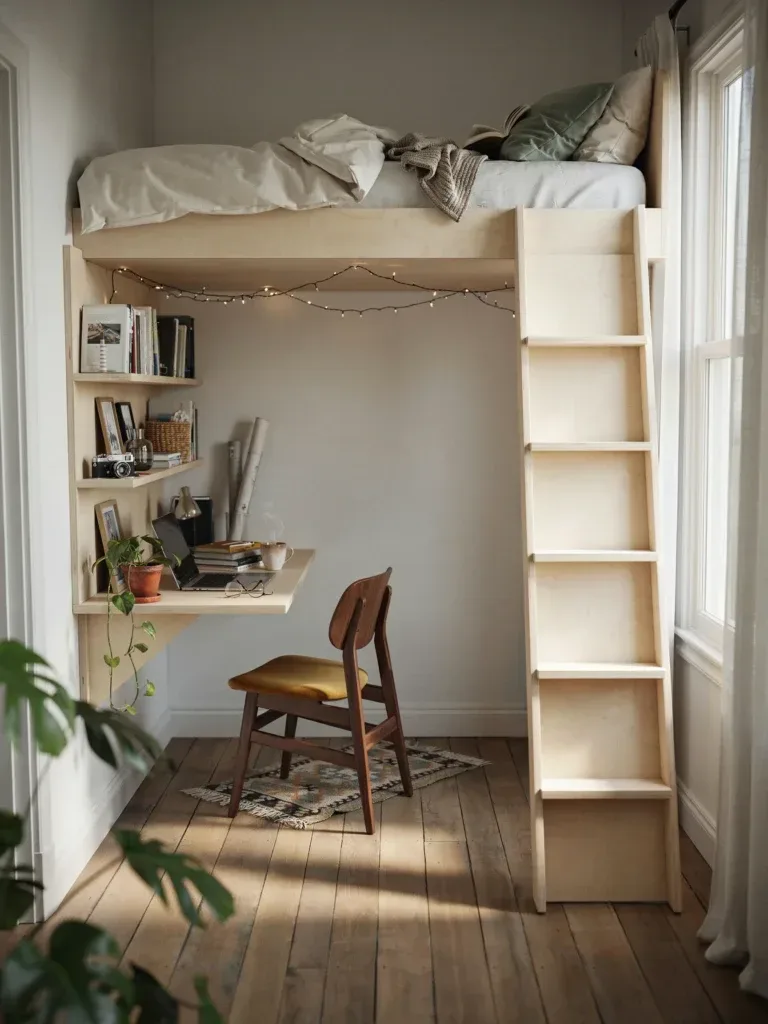
Low loft beds are often preferred because they offer clearance without making the room feel cramped. The space below can accommodate desks, dressers, or cozy reading nooks. Some loft beds include built-in drawers or stairs with storage to optimize every inch.
Safety is a priority; guardrails and sturdy frames are essential. Modular designs allow for customization as a child grows, adapting from play areas to study zones without replacing the bed.
Trundle Beds for Siblings
Trundle beds are practical for siblings sharing a small room but not at the same time. The lower bed slides out from beneath the main bed, providing an extra sleeping surface without occupying additional floor space when not used.
These beds work well for overnight guests or younger kids who might nap during the day. When combined with beds that have storage drawers underneath, trundle beds can further reduce clutter.
They are easily integrated into various styles and room layouts. Parents benefit from the flexibility of having two beds in a compact footprint, making it a functional option for limited spaces.
Convertible and Multifunctional Beds
Convertible beds adapt based on the child’s needs, offering long-term usability. Examples include beds that transform into desks or seating areas, merging rest with study or play functions.
Multifunctional beds often feature built-in storage such as drawers, shelves, or cubbies. This storage reduces the need for extra furniture and helps maintain organization.
Some designs allow beds to fold or collapse, converting rooms between sleeping and activity zones quickly. This flexibility suits kids whose rooms serve multiple purposes throughout the day.
Selecting furniture with multiple roles supports a clutter-free environment and maximizes every inch in a small bedroom.
Selecting the right colors and decor can open up a small bedroom visually and make it feel inviting. Strategic use of paint, patterns, and functional decorative elements can maximize space without sacrificing style or personality.
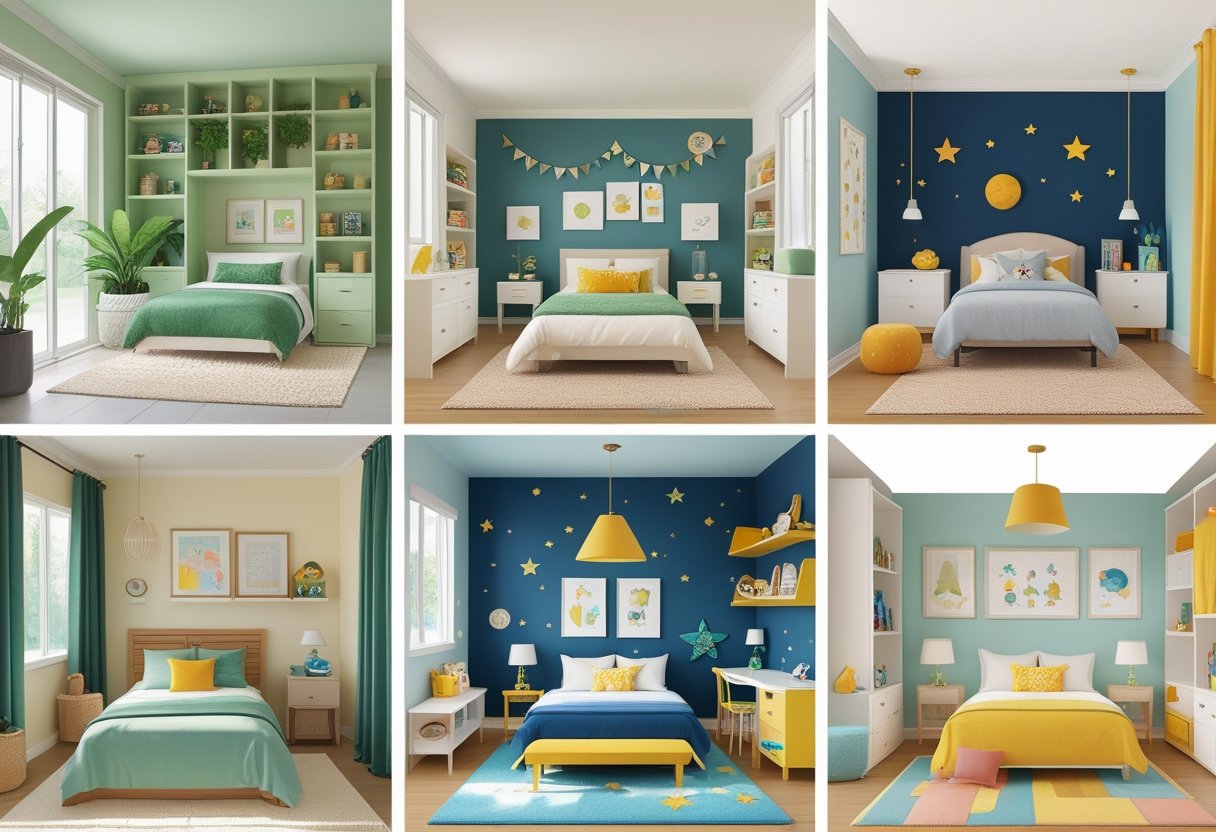
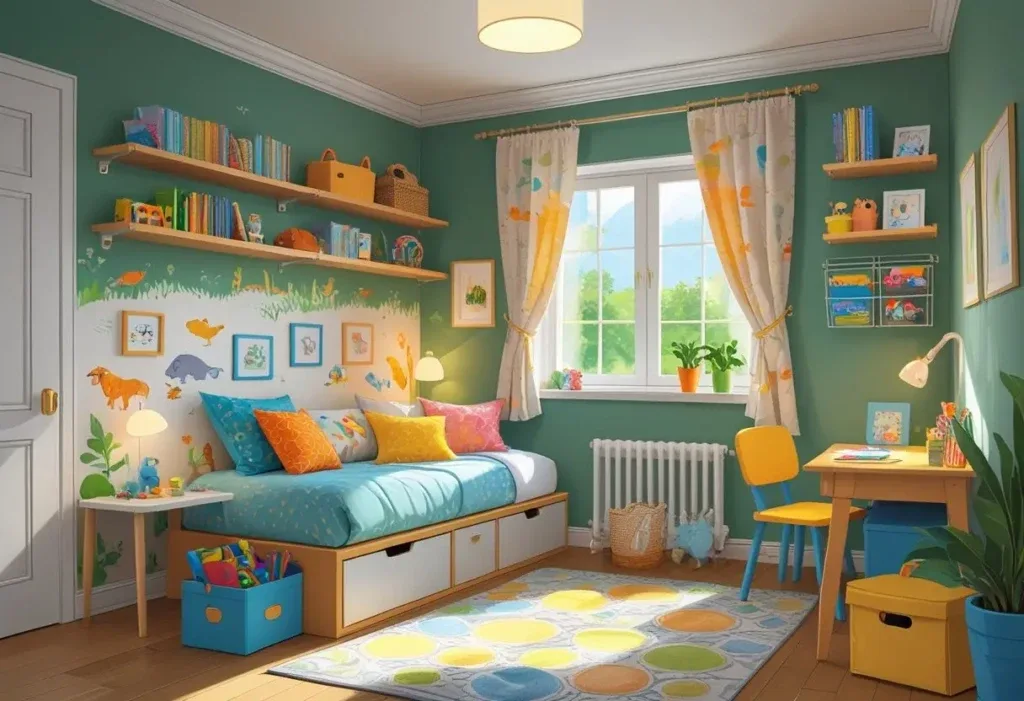
Light colors such as pastel blues, soft yellows, and gentle greens can enhance the sense of space by reflecting more light around the room. White or off-white walls provide a neutral backdrop that makes the room feel larger and brighter.
Two-tone walls or subtle color blocking adds interest without overwhelming the space. Monochromatic schemes in varying shades of one color create depth while maintaining simplicity. Avoid dark, heavy colors, which can make small rooms feel cramped.
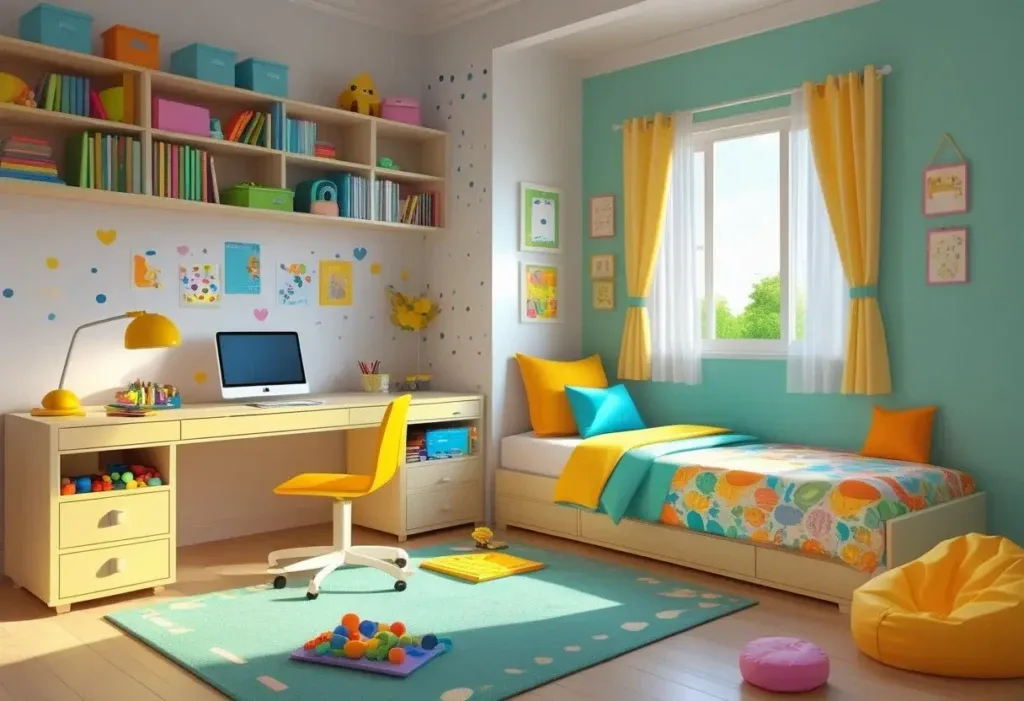
Incorporating bright accents through bedding, rugs, or cushions adds vibrancy without crowding the room visually. Matte or satin finishes on walls reduce glare, maintaining a calming atmosphere.
Using Wall Murals and Decals
Wall murals and decals offer ways to personalize a child’s bedroom without taking up floor space. Large-scale murals depicting stars, animals, or landscapes can create an immersive environment that sparks imagination.
Decals are flexible and easy to update as children grow. They add patterns or graphic elements without permanent changes. Placing murals or decals on one feature wall helps anchor the room and focuses visual interest without cluttering the entire space.
Using removable decals ensures adjustability and supports evolving tastes. They also work well to delineate zones in multifunctional rooms, such as study versus play areas.
Incorporating Decorative Storage
Decorative storage solutions serve a dual purpose by keeping a small room tidy and adding to its overall look. Open shelving with colorful baskets or boxes can organize toys and books while introducing pops of color.
Built-in units under beds or window seats maximize unused areas efficiently. Multifunctional furniture like beds with drawers or desks with shelves combines storage without expanding the footprint.
Hooks, pegboards, and wall-mounted organizers hold items off the floor and reduce clutter. Choosing storage in shapes or styles that complement the room’s theme integrates practicality with decor seamlessly.
Efficient use of limited space in a child’s bedroom requires clear separation between study and play zones. Each area should support its function while maintaining order. Smart furniture choices and storage solutions help keep activities distinct yet accessible.
Compact Study Nooks
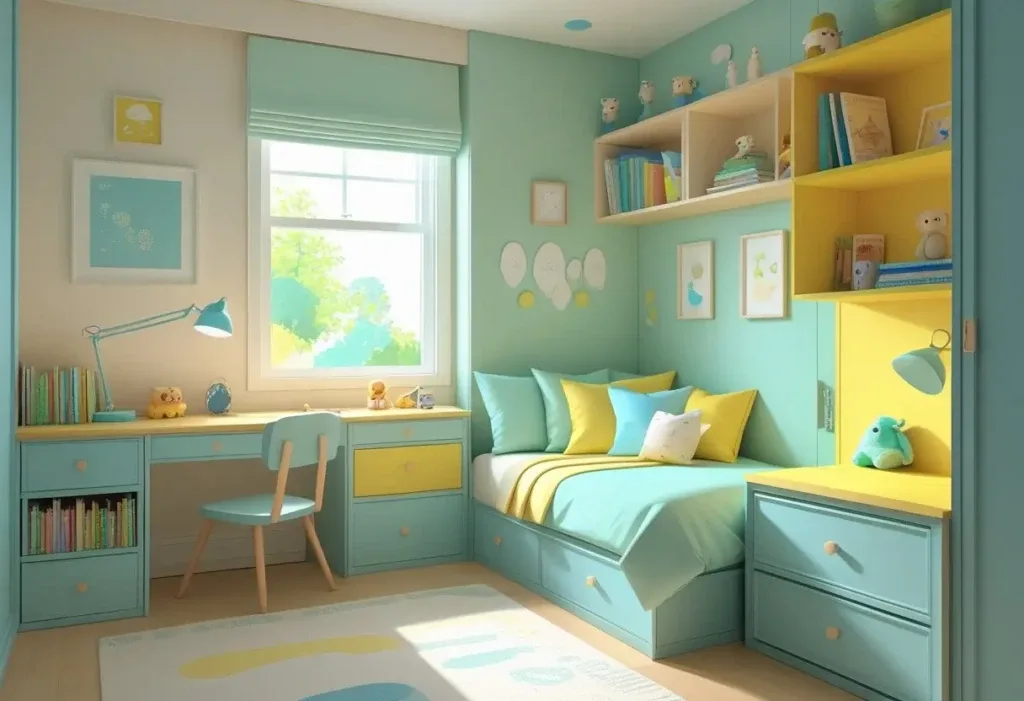
A dedicated study nook in a small bedroom can significantly improve focus. Floating desks or fold-away tables attached to walls save floor space while providing a sturdy surface. Installing wall shelves above the desk offers convenient storage for books, supplies, and decorative items without cluttering the area.
Choosing a desk with built-in drawers or compartments helps organize stationery and paper. Positioning the nook near natural light reduces eye strain and enhances concentration. A comfortable chair sized to the child ensures posture support. Visual separation, such as a small rug or a half divider, defines the study space clearly from the rest of the room.
Integrated Play Corners
Play corners should encourage creativity while minimizing mess spread. Using vertical space with wall-mounted shelves or pegboards allows toys and art materials to be displayed and accessed easily. Low-profile bins or baskets within reach offer quick clean-up options.
Loft beds with built-in desks or play areas underneath create multifunctional zones that save floor space. Soft, removable floor mats define play boundaries and protect the room. Integrating playful elements, like themed cushions or colorful storage containers, keeps the corner inviting while maintaining order.
Toy Organization Tips
Effective toy organization supports both tidiness and easy access. Labeling storage bins by toy type simplifies cleanup and retrieval. Transparent containers or open crates make contents visible, reducing the time spent searching.
Stackable or rolling storage units fit easily under beds or in closets. Hooks and wall racks can hold items like dress-up clothes or sports gear. Regularly reviewing and rotating toys keeps the collection manageable and developmentally appropriate. Prioritizing multi-use storage ensures the room remains adaptable as the child grows.
Creating a personalized space in a small bedroom helps a child feel comfortable and inspired. Thoughtful touches that showcase their creativity and preferences can make the room truly their own without overcrowding.
Displaying Artwork and Crafts
Displaying a child’s artwork and crafts adds personality and encourages pride in their creations. Use wall-mounted frames, clipboards, or wire and clip systems to rotate pieces easily. This keeps the display fresh and saves surface space.
Consider adding a corkboard or magnetic board near their desk or play area. It provides a dedicated spot for schoolwork and projects. Lightweight shelves can also hold 3D crafts or small trophies without cluttering floors.
Using vertical space for displays is essential in a small bedroom. It maximizes visibility while keeping floors clear for play or furniture.
Customizing Bedding and Textiles
Custom bedding and textiles can instantly reflect a child’s interests and style. Choose patterns, colors, or themes they enjoy, but avoid overly large prints that overwhelm a small room. Smaller, simpler designs maintain visual balance.
Mix and match pillows, blankets, and rugs to add texture and warmth. Items that serve multiple purposes, like a quilt doubling as a play mat, add practicality.
Selecting fabrics that are easy to wash and durable helps maintain freshness. Personalization can extend to monogrammed pillows or DIY fabric painting for a unique touch.
Effective lighting in a small bedroom balances brightness with space-saving. It enhances function and atmosphere without overcrowding the room. Different layers of lighting can add depth, while thoughtful night lights provide safety and comfort.
Layered Lighting Approaches
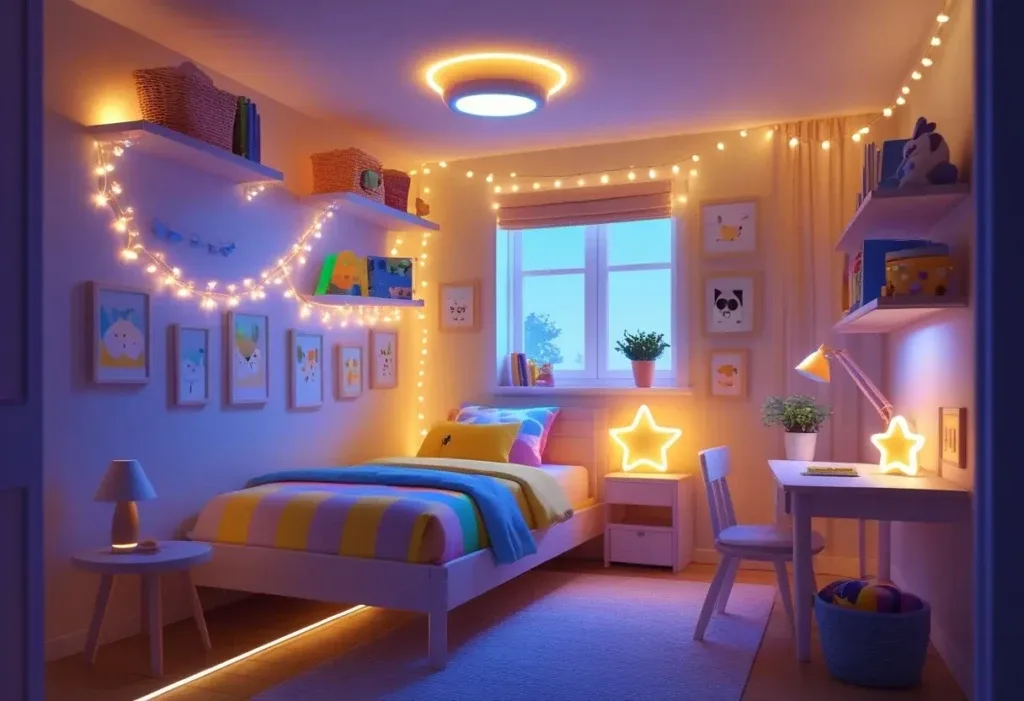
Layered lighting combines ambient, task, and accent lights to create a versatile environment. Ambient lighting, like ceiling fixtures or LED strips, offers overall illumination. Task lighting, such as desk lamps or bedside sconces, supports activities like reading or homework.
Accent lights highlight features or add warmth, often using adjustable LEDs or spotlights. Using dimmable options allows for control of brightness levels, making the space adaptable for playtime, study, or rest. Wall-mounted fixtures and concealed LEDs save floor and surface space, crucial in small rooms.
Fun and Functional Night Lights
Night lights in kids’ bedrooms serve dual purposes: providing gentle illumination and enhancing safety. Motion-activated lights prevent stumbling in the dark, activating only when needed. Soft-glow options reduce stimulation, helping children fall asleep more easily.
Creative night lights often feature child-friendly designs, such as animals or stars, integrating decor with practicality. Battery-operated or plug-in models can be placed strategically near the bed, closet, or bathroom door. Some come with adjustable brightness and timers to conserve energy and suit bedtime routines.
Maximizing a small kid’s bedroom requires thoughtful design that prioritizes adaptability and visual openness. Practical furniture arrangements paired with smart visual tricks can expand both the room’s usability and its sense of space. These techniques help maintain order and comfort without overcrowding.
Flexible Room Layouts
Flexible layouts prioritize furniture that serves multiple purposes or can be easily rearranged. Loft beds with built-in desks or storage underneath create distinct zones for sleep and study without using extra floor space. Foldable or stackable chairs and tables offer options for changing needs, from playtime to homework.
In small rooms, placing beds against walls and corners frees up central floor space. Using vertical storage like wall shelves keeps toys and books off the floor, making the room feel less cluttered. Creating cozy nooks with compact seating encourages quiet activities without compromising room flow.
Using Mirrors to Increase Perceived Space
Mirrors reflect light and create the illusion of depth, making tight spaces appear larger. Positioning a large mirror opposite a window doubles natural light, brightening the room. Even smaller mirrors strategically placed can reduce feelings of confinement.
A full-length mirror on a door or a mirrored wardrobe door serves dual roles — practical use and visual expansion. Frameless or simple-framed mirrors work best to avoid adding bulk. Reflective surfaces enhance the playfulness and brightness of the room without taking up space.
Listen to this article 10 10 0:00 / 0:00 Speed 0.75×1×1.25×1.5×2× Roses in a living room can go one of two ways. Done well, they read as elegant living room decor with roses that feels collected over time — a bouquet here, a dusty-rose throw there, nothing shouting for attention. Done poorly, the room starts…
Listen to this article 10 10 0:00 / 0:00 Speed 0.75×1×1.25×1.5×2× You know that feeling when you walk into a beach house and instantly exhale? That’s exactly what we’re recreating here—minus the plane ticket. These master bedroom ideas bring the calm, airy magic of the coast straight into your space. Ready to turn your bedroom…
Listen to this article 10 10 0:00 / 0:00 Speed 0.75×1×1.25×1.5×2× Tiny bedroom? No problem. Sharing it with another human (and their stuff)? That’s where things get interesting. The good news: a small space can feel insanely stylish and functional if you nail the layout. These ideas prove you don’t need more square footage—you just…
Listen to this article 10 10 0:00 / 0:00 Speed 0.75×1×1.25×1.5×2× Ready to give your bedroom a personality upgrade without knocking down walls? Wallpaper is that instant glow-up your space has been begging for. It sets the tone, adds texture, and can turn even the most basic room into something seriously special. Let’s dive into…
Listen to this article 10 10 0:00 / 0:00 Speed 0.75×1×1.25×1.5×2× Small bedrooms can feel like a daily game of Tetris. You need a place to sleep, store your stuff, work, relax, and somehow still leave room to walk without bumping into furniture. That’s where a DIY loft bed comes to the rescue. A well-built…
Listen to this article 10 10 0:00 / 0:00 Speed 0.75×1×1.25×1.5×2× Sharing a small bedroom can feel like a daily game of Tetris. Two people, twice the stuff, and somehow the room still needs to feel calm—not chaotic. The real question: should you keep things open and airy, or divide the space into zones? Let’s…