Bedroom Cupboard Designs Inside: Chic Organization Hacks
Going from a cramped, chaotic wardrobe to a calm, organized one can change your entire morning routine. The right bedroom cupboard designs aren’t really about fancy doors — they’re about thinking in layers, so every item has an actual home instead of a general vicinity.
This guide walks through layout, materials, drawer systems, lighting, and maintenance, so you can plan an interior that works as hard as you do.
Quick-Reference: What Makes a Great Cupboard Interior
- Layout: Distinct zones for hanging, folding, and accessories
- Materials: Durable, wipeable finishes that age well
- Drawers: Dividers and inserts so nothing gets lost
- Lighting: Warm, even light so you can actually see what you own
- Visibility: Clear bins and full-extension drawers over deep, dark shelves
- Maintenance: A few minutes a week keeps everything running smoothly
Why Bedroom Cupboard Interiors Matter More Than You Think
You spend a significant part of your day getting ready in front of your cupboard, so the interior should genuinely work for you. A well-planned layout saves real minutes every morning, and a tidy space tends to make the whole room feel calmer. The inside counts just as much as the doors — arguably more.
Layout Ideas That Actually Maximize Space

There are countless configurations out there, but a handful of core concepts consistently keep cupboards practical and good-looking.
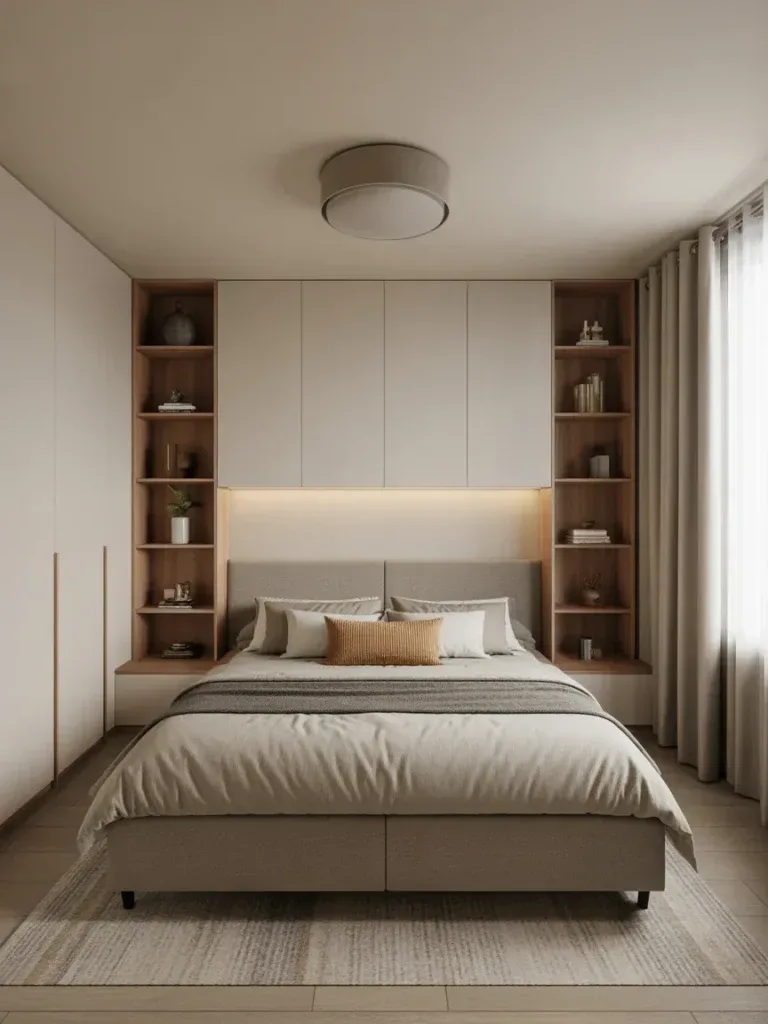
- Floor-to-ceiling shelving: Maximizes storage and makes the room feel taller, so nothing gets buried at the bottom.
- Split zones: Separate hanging, folding, and accessory storage so clothes, knitwear, and small items each have a designated spot.
- Pull-out organizers: Ideal for shoes, belts, and bags — no need to empty everything onto the bed to find one item.
- Compartmental drawers with dividers: Keep contents visible, which makes you far more likely to actually wear what you own.
Hanging vs. Folding Space: How to Decide
- If you own dresses, coats, or long robes, allocate a tall hanging zone for them.
- For t-shirts, jeans, and knitwear, open shelves or shallow drawers work better than hanging space.
- A retractable hanging rail is a smart addition for rotating seasonal items in and out.
If your bedroom is on the smaller side, this guide on planning a small bedroom wardrobe interior covers how to fit all of this into a tighter footprint.
Materials and Finishes That Age Gracefully
The inside of a cupboard needs to be sturdy, easy to wipe down, and reasonably pleasant to look at every morning. Here’s a straightforward breakdown of the main options.
| Material | Best For | Trade-Off |
|---|---|---|
| Laminate | Everyday durability on a budget | Less premium look than wood |
| Melamine | Budget-friendly, hides minor wear | Shorter lifespan than solid wood |
| Solid Wood / Veneer | Warmth and long-term durability | Higher cost, needs occasional care |
Whichever material you choose, soft-close hinges are worth the small upgrade — they keep the whole experience quieter, especially for early mornings.
Color and Contrast Inside the Cupboard
Light, bright interiors tend to feel bigger and cleaner, while darker interiors can look more luxe and hide dust better. If you go dark on the shelves, balancing with lighter doors elsewhere helps avoid a cave-like feel. Two-tone interiors often strike the best balance between drama and everyday practicality.
Smart Drawer Inserts and Dividers

Drawers are where chaos most often creeps in. The right inserts turn a drawer into a genuinely useful piece of organization rather than a junk catch-all.
- Accessory trays: Keep jewelry, watches, and sunglasses visible and easy to grab.
- Linen dividers: Prevent pajamas and loungewear from mixing in with everyday t-shirts.
- Sock and underwear organizers: Cut down on the daily morning treasure hunt.
- Shoe trays: Let you stack pairs without crushing them out of shape.
DIY or Professionally Installed?
If you’re handy, modular systems can be customized yourself with some careful measuring. For a fully seamless result, a professional can tailor pull-out solutions and ensure everything aligns precisely. Either route works — just plan for easy access to the items you reach for daily.
Lighting That Actually Helps You See Your Clothes
Good lighting is what makes a cupboard interior genuinely usable rather than a dim, half-guessed space.
- LED strip lights: Placed under shelves or along the hanging rail, they brighten the space without harsh glare.
- Motion sensors: Handy for early mornings or late nights when you don’t want to fumble for a switch.
- Warm white color temperature: Feels cozy and renders colors accurately, so you’re not misjudging an outfit in strange light.
Installing Lighting Without the Hassle
- Run wiring along the back of the cabinet, or opt for wireless, battery-powered fixtures.
- Place sensors where you naturally reach most often.
- Test the lighting at different times of day to make sure it’s neither too harsh nor too dim.
For a broader look at layering light throughout the room, this high-end bedroom lighting guide pairs well with cupboard-specific lighting choices.
Maximize Visibility With Clever Interiors

Visibility is everything in a well-designed cupboard — if you can’t see it, you’re far less likely to wear it. A few small tweaks make a big difference here.
- Full-extension drawers: Let you see the entire contents with a single pull, no digging required.
- Clear bins and labeled zones: Speed up outfit decisions and make tidying up much faster.
- Back-of-door racks: Hold belts, scarves, or perfume bottles without taking up shelf space.
Seasonal Rotation Without the Drama
Sort clothing into current-season and next-season groups. Store off-season items in labeled bins, or in a secondary closet if you have the space. This keeps your main cupboard focused on what you actually wear right now.
Budget-Smart Picks That Still Feel Luxe
A practical, good-looking interior doesn’t have to be expensive. Here’s how to get more value out of a modest budget.
- Modular systems: Grow with you — add or remove components as your wardrobe changes.
- Second-hand or upcycled units: A little sanding and a fresh coat of paint can go a long way.
- New hardware: Swapping handles or knobs instantly elevates an older cabinet.
- DIY organizers: Simple cardboard boxes or acrylic trays are a surprisingly effective starting point.
Checklist: Things to Consider Before You Redesign Your Cupboard
- Have you measured your space and mapped your typical outfit routine?
- Do you have enough hanging height for dresses, coats, or robes?
- Are your drawer depths suited to what you’re actually storing?
- Have you planned for lighting, not just shelving?
- Do you have a system for rotating seasonal items?
- Is your storage plan realistic for how your wardrobe might grow?
Maintenance Tips to Keep Interiors Fresh
- Dust weekly with a soft cloth, and wipe up spills immediately to prevent staining.
- Rotate clothes periodically to avoid stretching or misshaping fabric.
- Check hinges and slides every few months — a squeak is usually an early warning sign.
Frequently Asked Questions
What should I consider before buying a wardrobe interior system?
Measure your space carefully, then map your typical outfit routine. Prioritize hanging height, drawer depths, and whether you want built-in lighting, and think about whether your wardrobe is likely to grow over time.
Are glass doors inside cabinets worth it?
Glass doors can make a space feel lighter and show off a neatly organized interior, but they do show dust easily. If you don’t mind a bit of extra wiping, they’re a nice touch; otherwise, solid doors keep things looking tidy for longer.
How do I create a minimalist interior that still feels functional?
Stick to a simple color palette, lean on hidden storage, and use clear bins for visible items. Rotate out-of-season pieces and keep only what you actually wear — minimalism here is about purposeful space, not empty shelves.
What’s a budget-friendly upgrade that makes a big difference?
Replacing old hardware and adding soft-close hinges is quick, affordable, and instantly elevates the feel of the cupboard. Adding interior lighting removes shadowy corners for good.
Can I customize a ready-made system to fit odd spaces?
Yes — modular systems are particularly good for this. Measure any odd gaps, use adjustable shelves, and add extra drawers or pull-outs as needed to fit the space precisely.
Our Verdict: Turn Your Cupboard Into a Daily Assistant
A well-designed bedroom cupboard interior is more than storage — it’s a daily tool that either saves you time or costs you time, depending on how it’s planned. With smart zoning, durable materials, and a bit of thoughtful lighting, you can turn a chaotic wardrobe into a calm, efficient routine.
Define your zones, pick finishes you’ll actually enjoy touching every day, and give your clothes a proper home. Mornings get noticeably easier once everything has a place it’s meant to be.