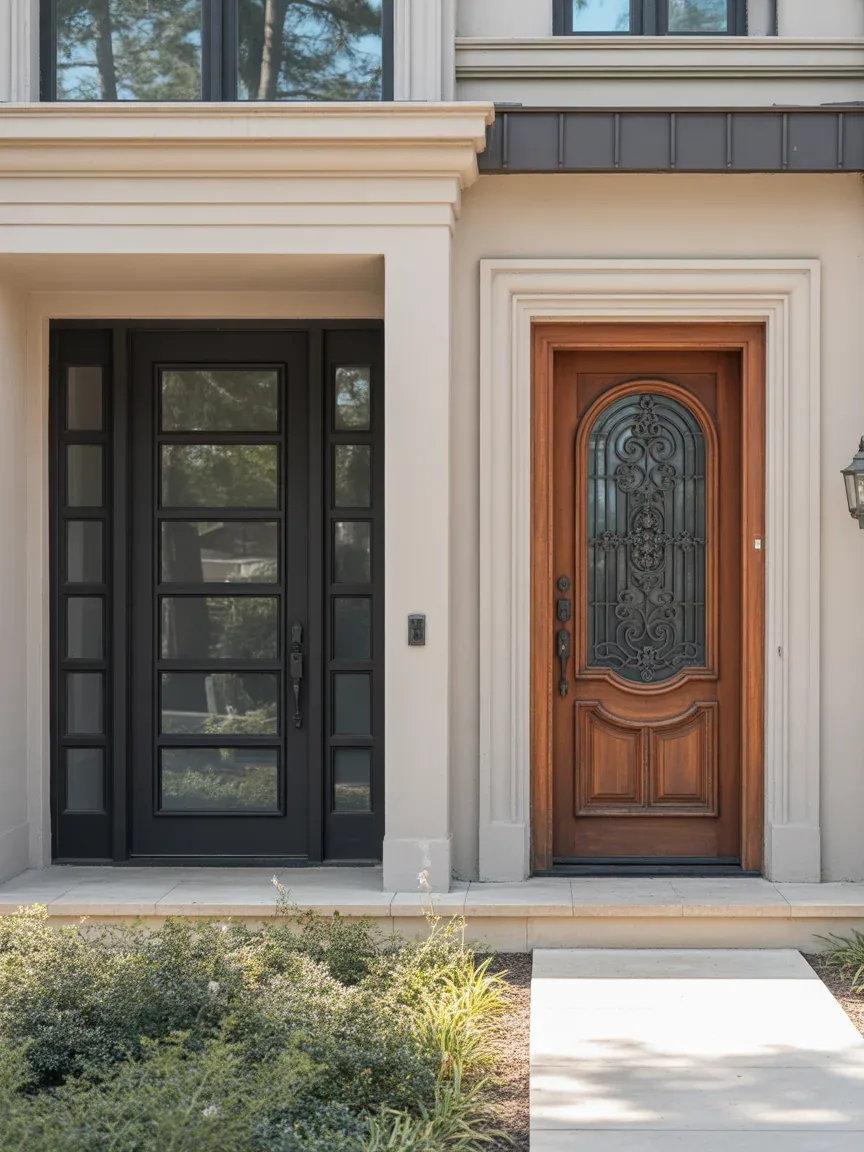
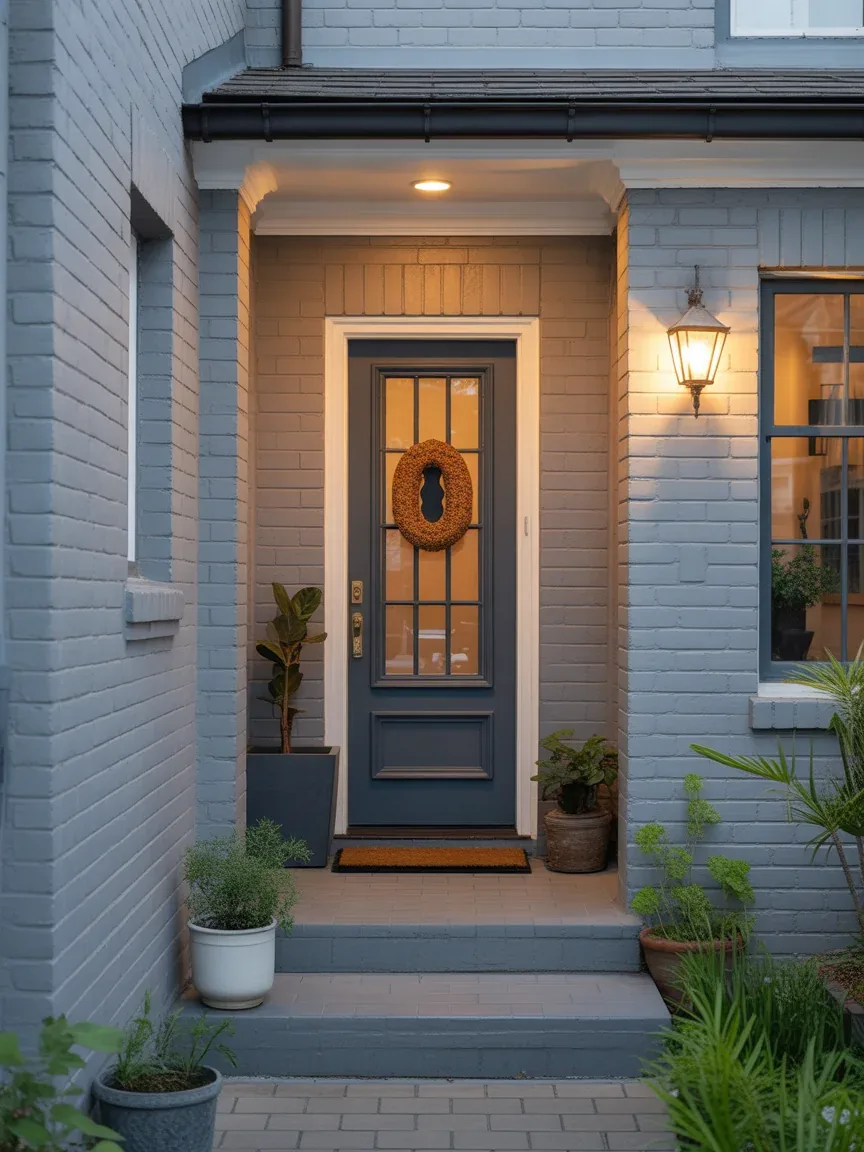
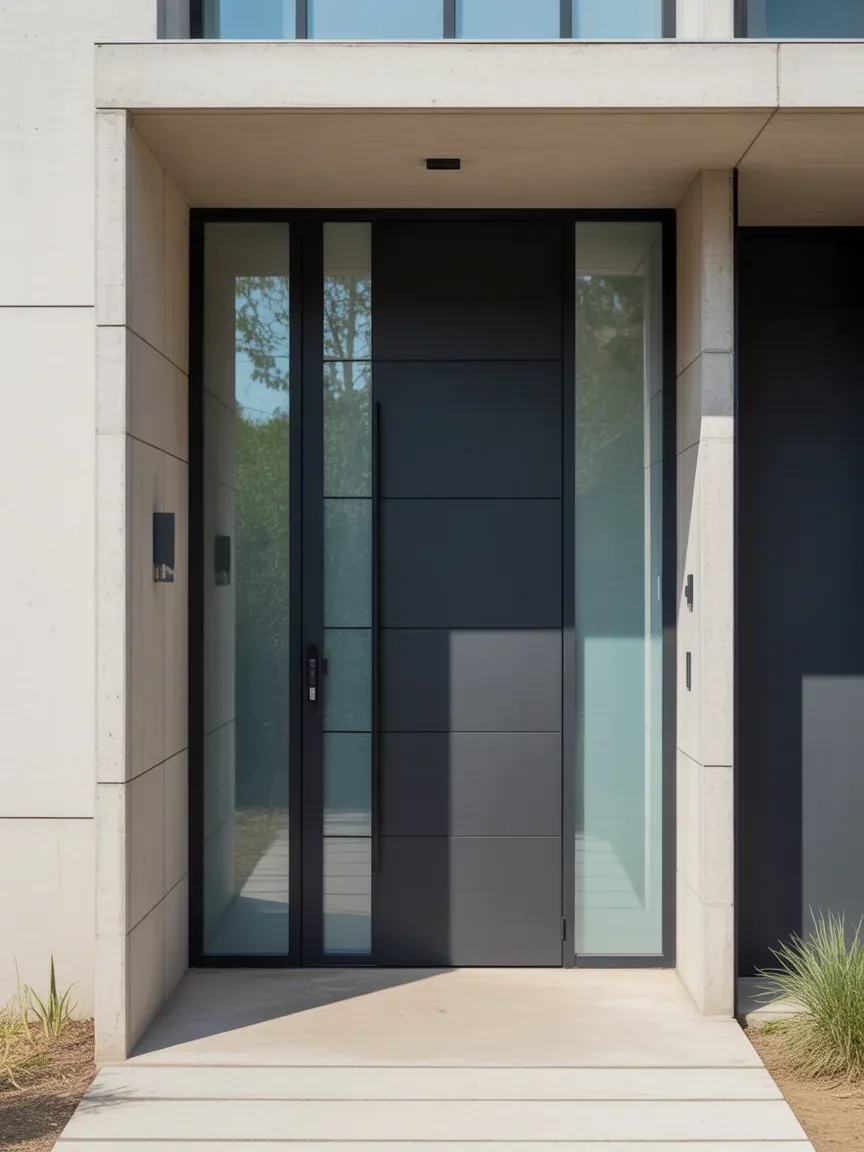
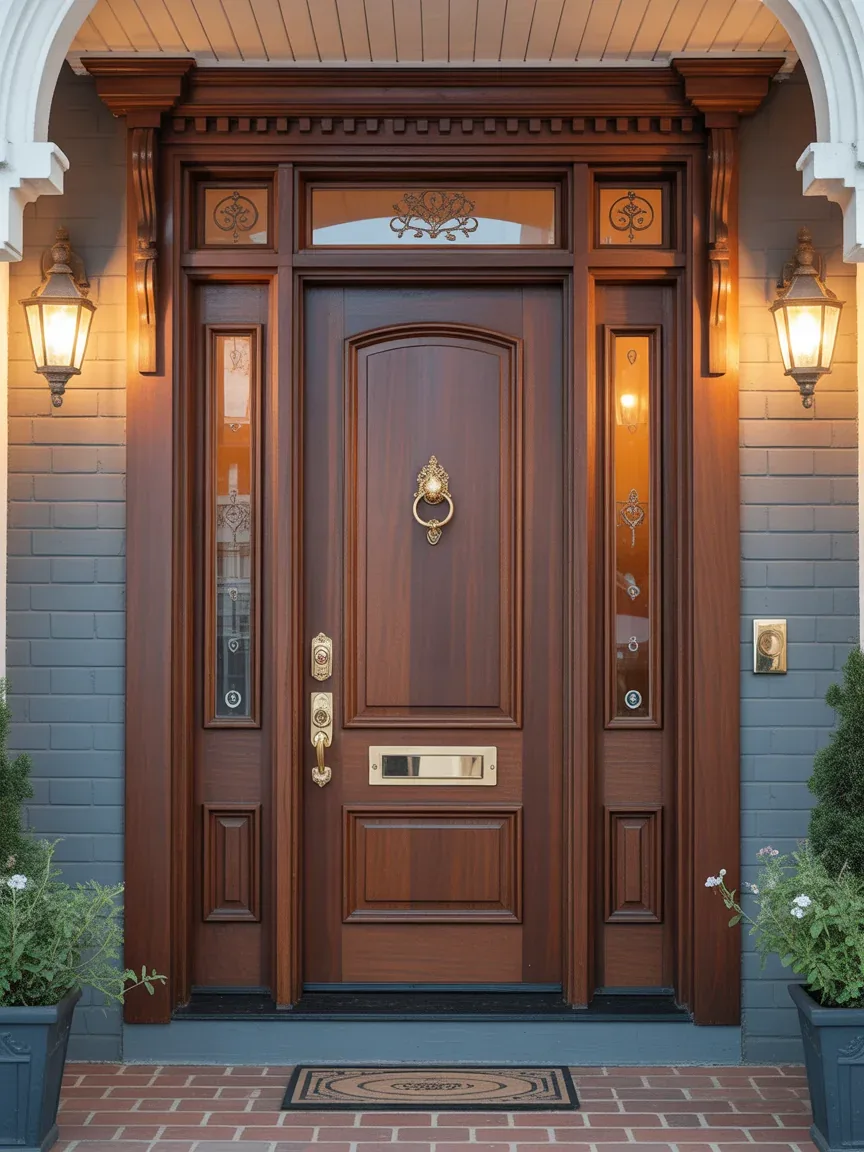
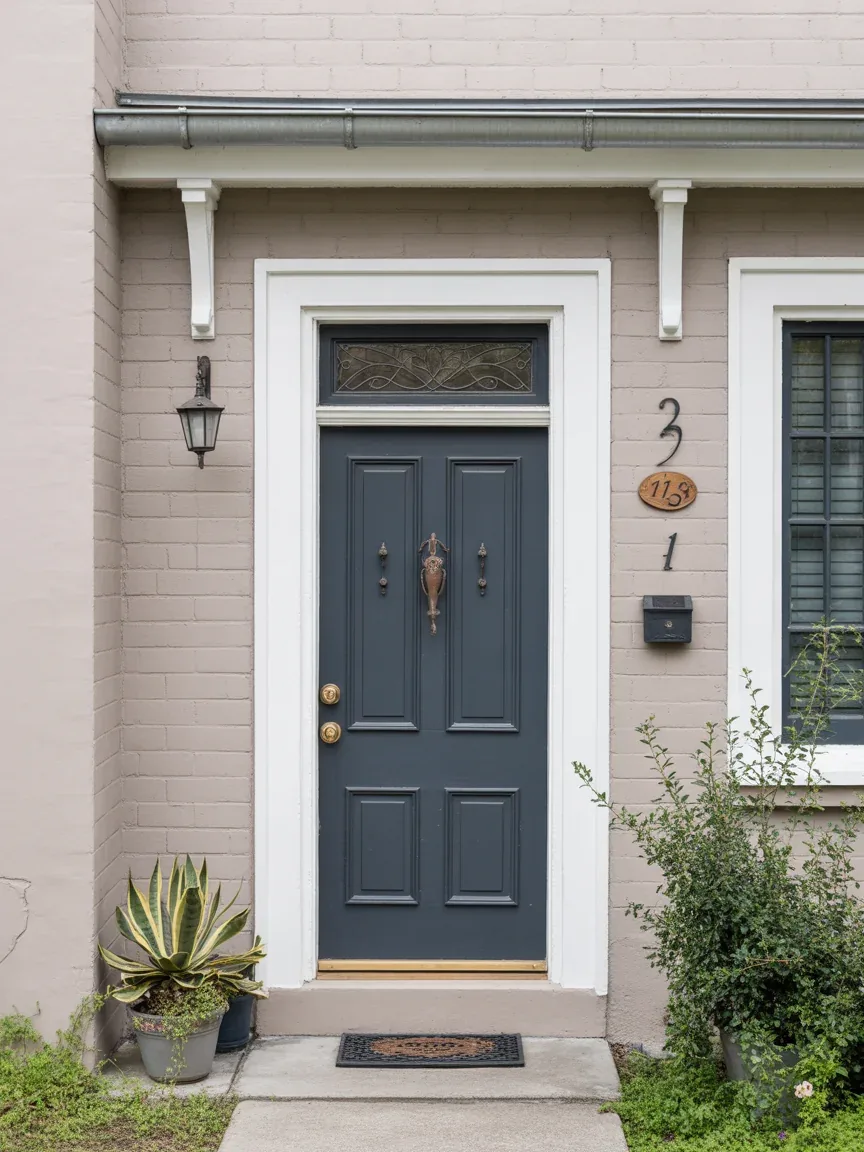
Your front door isn’t just an entry point—it’s your home’s handshake. It sets the tone before anyone even steps inside. So when it comes to Modern vs Classic Main Door Design: Which Style Adds More Curb Appeal?, the answer isn’t as obvious as you might think. Let’s break it down and figure out which style actually turns heads (and maybe even raises your property value). First Impressions Matter—A Lot People judge homes fast. Like, really fast. Your main door plays a huge role in that snap decision. A sleek, minimal door can scream “luxury and confidence,” while a detailed, traditional one whispers “warmth and timeless charm.” Neither is wrong—it depends on what vibe you want your home to give off. Photo by Clem Onojeghuo on Unsplash Ask yourself: do you want your home to feel like a modern magazine cover or a cozy classic retreat? What Defines a Modern Main Door? Modern doors lean into simplicity—but don’t confuse that with boring. They’re all about clean lines, bold materials, and understated elegance. Key Features of Modern Doors Flat panels or geometric patterns Materials like steel, glass, or engineered wood Neutral colors—black, white, gray, or natural wood tones Minimal hardware (often matte or brushed finishes) Modern doors often include glass inserts or side panels, which let in natural light. That alone can make your entrance feel more open and inviting. Photo by Markus Spiske on Unsplash Why People Love Modern Design It looks fresh and current Works well with contemporary architecture Low maintenance (no intricate carvings to clean—win) IMO, modern doors give off that “I have my life together” energy—even if your laundry says otherwise. What Makes a Classic Main Door Stand Out? Classic doors go the opposite direction—in the best way possible. They embrace detail, craftsmanship, and tradition. Key Features of Classic Doors Raised panels and ornate carvings Rich wood finishes like mahogany or walnut Decorative elements like brass knockers or handles Arched tops or symmetrical designs These doors often feel heavier—both physically and visually—and that’s part of their charm. Photo by Klim Musalimov on Unsplash Why Classic Design Still Wins Hearts Timeless appeal (it never really goes out of style) Adds a sense of warmth and elegance Pairs beautifully with traditional or colonial homes A classic door says, “Come in, stay awhile.” It’s less about impressing and more about inviting. Curb Appeal Showdown: Modern vs Classic So, which one actually wins when it comes to curb appeal? Short answer: it depends on your home’s overall style. Photo by Buchen WANG on Unsplash When Modern Doors Shine Modern doors boost curb appeal when: Your home has a contemporary or minimalist exterior You want a bold, standout entrance You prefer a clean, uncluttered look A modern door on a modern house? That’s harmony. A modern door on a traditional house? That can look… confused. When Classic Doors Take the Lead Classic doors win when: Photo by Devin H on Unsplash Your home features traditional architecture You want a timeless, welcoming feel You love intricate details and craftsmanship Putting a classic door on a modern home can feel like mixing oil and water. Not illegal—but definitely questionable. Materials Matter More Than You Think Let’s talk materials, because this choice can make or break your door—literally and visually. Popular Modern Materials Steel: Durable, secure, and sleek Glass: Adds light and a futuristic vibe Composite materials: Low maintenance and versatile Popular Classic Materials Solid wood: Rich, warm, and authentic Fiberglass (wood-look): Gives you the look without the upkeep Iron accents: Adds drama and elegance FYI, weather conditions matter too. If you live in a harsh climate, some materials age better than others. No one wants a door that looks tired after one season. Color Choices That Boost Curb Appeal Color plays a huge role in how your door gets noticed. Modern Door Colors Black for bold sophistication White for crisp minimalism Natural wood for warmth with a modern twist Classic Door Colors Deep brown or mahogany Navy blue or forest green Burgundy or rich red Want instant curb appeal? Contrast your door with your home’s exterior. A pop of color can turn a “meh” entrance into a “wow.” Can You Mix Modern and Classic? Short answer: yes—but tread carefully. Blending styles can look amazing if done right. For example: A modern door with subtle wood textures can soften a contemporary look A classic door with simplified panels can feel updated without losing charm The trick? Don’t go extreme in both directions. Balance is everything. Think of it like fashion—you can mix vintage and modern, but you wouldn’t wear a tuxedo jacket with gym shorts. (Well, you could… but should you?) FAQ Which door style adds more resale value? Both can increase value—if they match your home’s architecture. Buyers notice consistency more than style preference. Are modern doors more expensive than classic ones? Not always. Prices vary based on materials and customization. A high-end wooden classic door can easily cost more than a simple modern steel one. Which style is easier to maintain? Modern doors usually win here. Their simpler designs and materials require less upkeep compared to detailed wooden classics. Do glass panels reduce security? Not necessarily. Many modern doors use reinforced or double-glazed glass, which stays strong and secure. Can I repaint my door instead of replacing it? Absolutely. A fresh coat of paint can dramatically improve curb appeal—sometimes more than a full replacement. Conclusion So, Modern vs Classic Main Door Design: Which Style Adds More Curb Appeal? The truth is, neither style wins universally. Modern doors deliver sleek, bold impact. Classic doors bring warmth and timeless charm. The real winner? The one that fits your home’s personality. Pick the style that complements your architecture, reflects your taste, and makes you smile every time you walk up to it. Because at the end of the day, curb appeal isn’t just about impressing others—it’s about loving what you come home to.
Your front door isn’t just an entry point—it’s your home’s handshake. It sets the tone before anyone even steps inside. So when it comes to Modern vs Classic Main Door Design: Which Style Adds More Curb Appeal?, the answer isn’t as obvious as you might think. Let’s break it down and figure out which style actually turns heads (and maybe even raises your property value).
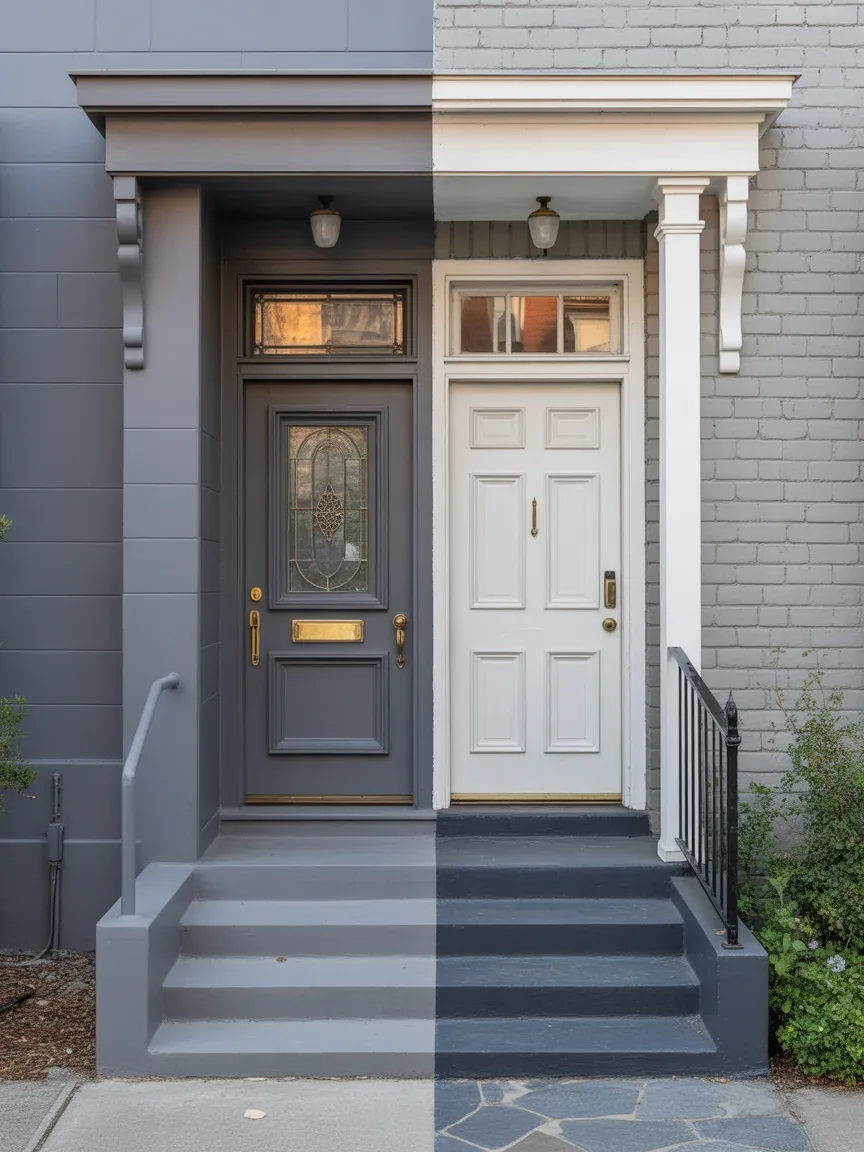
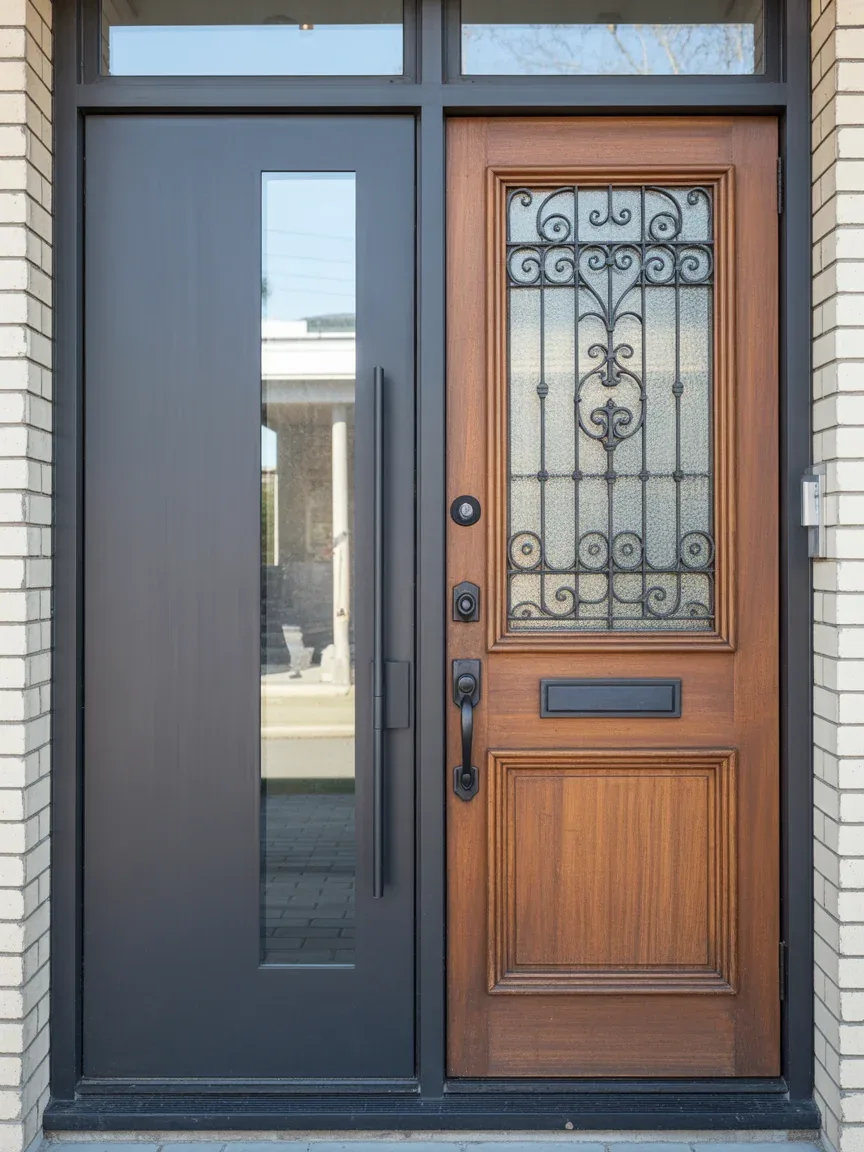
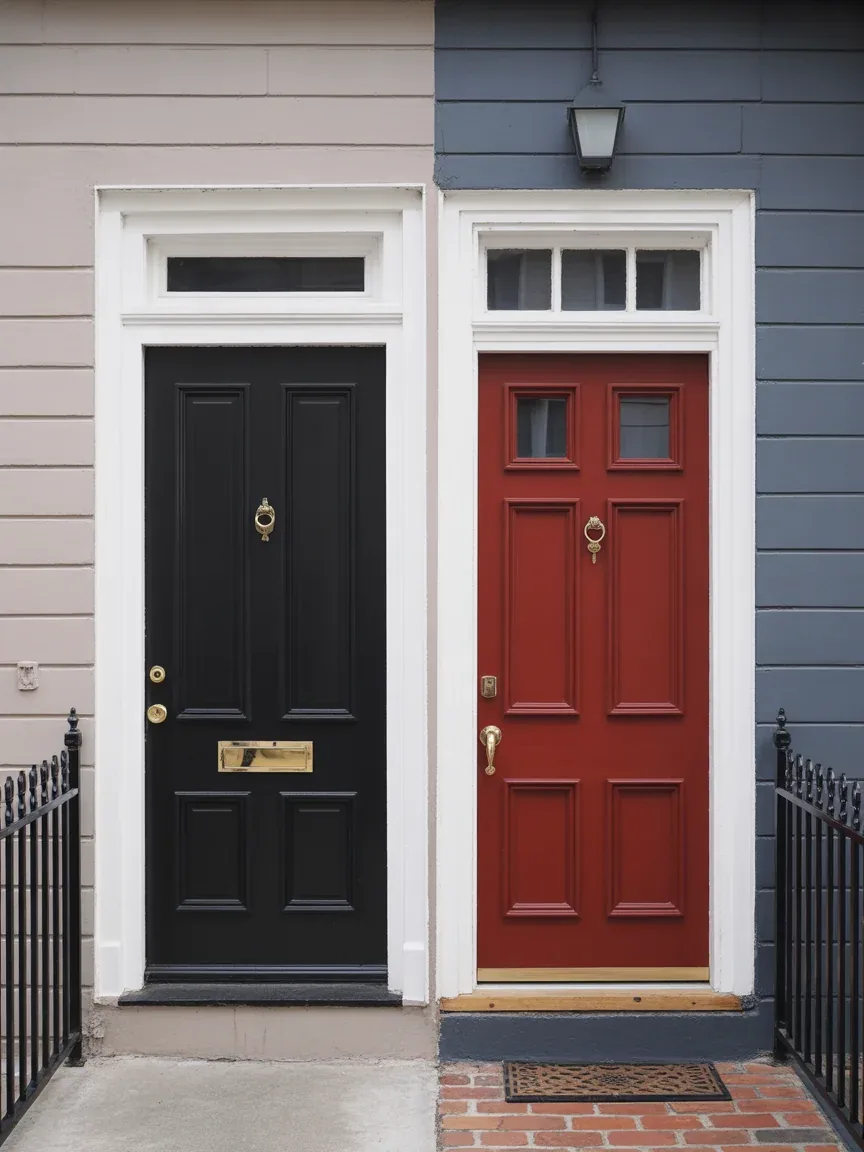
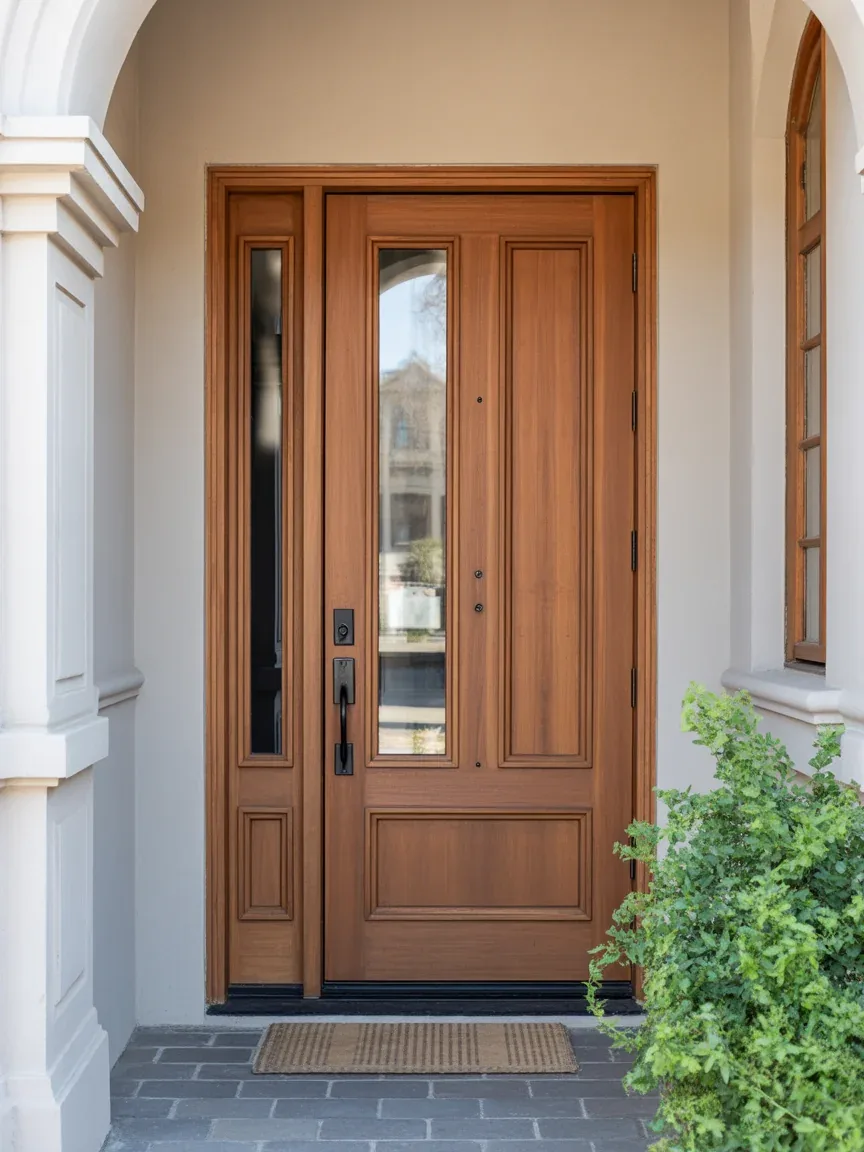
A sleek, minimal door can scream “luxury and confidence,” while a detailed, traditional one whispers “warmth and timeless charm.” Neither is wrong—it depends on what vibe you want your home to give off.
Let’s talk materials, because this choice can make or break your door—literally and visually.
Popular Modern Materials
Steel: Durable, secure, and sleek
Glass: Adds light and a futuristic vibe
Composite materials: Low maintenance and versatile
Popular Classic Materials
Solid wood: Rich, warm, and authentic
Fiberglass (wood-look): Gives you the look without the upkeep
Iron accents: Adds drama and elegance
FYI, weather conditions matter too. If you live in a harsh climate, some materials age better than others. No one wants a door that looks tired after one season.
Both can increase value—if they match your home’s architecture. Buyers notice consistency more than style preference.
Are modern doors more expensive than classic ones?
Not always. Prices vary based on materials and customization. A high-end wooden classic door can easily cost more than a simple modern steel one.
Which style is easier to maintain?
Modern doors usually win here. Their simpler designs and materials require less upkeep compared to detailed wooden classics.
Do glass panels reduce security?
Not necessarily. Many modern doors use reinforced or double-glazed glass, which stays strong and secure.
Can I repaint my door instead of replacing it?
Absolutely. A fresh coat of paint can dramatically improve curb appeal—sometimes more than a full replacement.
Conclusion
So, Modern vs Classic Main Door Design: Which Style Adds More Curb Appeal? The truth is, neither style wins universally.
Modern doors deliver sleek, bold impact. Classic doors bring warmth and timeless charm. The real winner? The one that fits your home’s personality.
Pick the style that complements your architecture, reflects your taste, and makes you smile every time you walk up to it. Because at the end of the day, curb appeal isn’t just about impressing others—it’s about loving what you come home to.
Listen to this article 10 10 0:00 / 0:00 Speed 0.75×1×1.25×1.5×2× Your curtains can make or break your living room—seriously. You could have a designer sofa and still miss the vibe if your windows look like an afterthought. That’s where velvet vs linen curtains comes in. One screams drama, the other whispers elegance… so which…
Listen to this article 10 10 0:00 / 0:00 Speed 0.75×1×1.25×1.5×2× Ever walk into a room and think, “Why does this look so much better than mine?” Chances are, it isn’t the expensive sofa or custom cabinetry stealing the show. It’s the carefully chosen home accent pieces that pull everything together. The good news? You…
Listen to this article 10 10 0:00 / 0:00 Speed 0.75×1×1.25×1.5×2× Let’s be honest—curtains can either make your living room look like a magazine spread… or like you gave up halfway. They’re not just “window covers.” They frame your space, control light, and quietly scream your design taste. The good news? You don’t need an…
Listen to this article 10 10 0:00 / 0:00 Speed 0.75×1×1.25×1.5×2× Good book shelf styling isn’t really about the books — it’s about what surrounds them. The same stack of hardcovers can look like a forgotten pile or a designer-curated moment depending on the texture, color, and proportion choices around it. If you’re pairing this…
Listen to this article 10 10 0:00 / 0:00 Speed 0.75×1×1.25×1.5×2× A backyard fire pit changes everything. One little flame, a few chairs, and suddenly people linger outside longer, tell better stories, and forget about scrolling their phones for five minutes. The best part? You don’t need a designer backyard or a giant budget to…
Listen to this article 10 10 0:00 / 0:00 Speed 0.75×1×1.25×1.5×2× My first apartment was 620 square feet, and for the first year I decorated it like I was scared of it — beige everything, one sad throw pillow, nothing on the walls because “renters can’t really decorate, right?” Wrong. Glam apartment decor completely changed…