Ever walk into a room and think, “Why does this look so much better than mine?” Chances are, it isn’t the expensive sofa or custom cabinetry stealing the show. It’s the carefully chosen home accent pieces that pull everything together. The good news? You don’t need a designer budget to create a polished, magazine-worthy space. A few smart additions can completely change how a room feels, making it look intentional, stylish, and surprisingly expensive. Start With Statement Lighting Lighting does much more than help you find your coffee table at night. It acts as jewelry for your home. A room with basic lighting often feels unfinished. Add a sculptural floor lamp, a striking pendant light, or an elegant table lamp, and suddenly the space gains personality. Look for lighting that: Adds visual interest even when turned off Complements your room’s style Creates warm, layered illumination Why Designers Love Layered Lighting Most designer-inspired spaces use multiple light sources instead of relying on one overhead fixture. Try combining: Ceiling lighting Table lamps Floor lamps Accent lighting This simple trick adds depth and makes rooms feel more inviting. Small Bedside Table Lamp for Bedroom, Minimalist Wood Base & Roun… 2700K Warm White Illumination: This small bedside lamp offers a cozy and comfortable light with a 2700K warm white tempe… Sleek and Modern Design: The table lamp’s minimalist and stylish design seamlessly integrates into various interior deco… Energy-Efficient LED Bulbs: Equipped with energy-saving LED bulbs, this small desk lamp not only provides stable and bri… $12.72 Buy on Amazon Decorative Trays Create Instant Organization Nothing ruins a polished interior faster than random clutter. Remote controls, candles, keys, and miscellaneous objects tend to multiply overnight. It’s almost impressive. That’s where decorative trays come in. Place a tray on a coffee table, console, or dresser and suddenly everyday items look curated instead of chaotic. The tray creates a visual boundary that helps everything feel intentional. Materials like marble, wood, brass, or woven rattan work especially well because they add texture while keeping things organized. Real Natural Marble Tray for Bathroom, Vanity, Kitchen and Deskto… 100% Natural Marble: Each tray is crafted from high-quality natural marble, mined from Italy’s rich mineral resources. T… Unique Marble Veining: Craftsmanship at its finest, each marble vanity tray boasts a unique, captivating veining pattern… Versatile Decoration Piece: More than just an organizer, this marble tray serves as a fantastic decor piece. Place it an… $35.99 Buy on Amazon Add Texture With Throw Pillows and Blankets A room without texture often feels flat, even if the furniture looks beautiful. Throw pillows and blankets provide one of the easiest ways to introduce dimension. They also let you experiment with colors and patterns without making a major commitment. When choosing textiles, mix: Linen Velvet Knit fabrics Faux fur Woven materials The contrast between different textures creates visual richness that designers use constantly. The Pillow Formula That Works If styling pillows feels overwhelming, keep it simple: 1. Start with larger neutral pillows. 2. Add one patterned option. 3. Finish with a smaller accent pillow. This layered approach looks balanced without feeling overdone. Oversized Artwork Makes a Huge Impact Many homeowners make one common mistake: choosing artwork that’s too small. A tiny frame floating on a large wall can make the entire room feel awkward. Larger artwork creates a stronger focal point and helps anchor the space. Whether you prefer abstract pieces, photography, landscapes, or black-and-white prints, scale matters. A single oversized piece often looks more sophisticated than several small pieces scattered around the wall. Gallery Walls Done Right If you love gallery walls, maintain consistency. Choose a common element such as: Similar frame colors Matching matting Coordinated color palettes Consistent spacing These details help the arrangement feel polished rather than random. Bring Life Into the Room With Greenery Want an interior design secret that never goes out of style? Add plants. Even the most beautiful room can feel lifeless without something natural in it. Plants introduce color, texture, and movement while softening hard surfaces. Popular options include: Snake plants Fiddle leaf figs Pothos Olive trees ZZ plants Not blessed with a green thumb? No problem. High-quality faux plants look surprisingly convincing these days. Just don’t choose the obviously plastic-looking ones. Your guests will notice. Probably immediately. Use Mirrors to Expand and Elevate Spaces Mirrors serve two important purposes. They reflect light and create the illusion of more space. That’s a pretty impressive resume for one accessory. A large mirror positioned across from a window helps distribute natural light throughout the room. Decorative mirrors also function as artwork, adding elegance without overwhelming the space. Best Places to Use Mirrors Consider placing mirrors: Above a console table Over a fireplace In entryways Opposite windows At the end of hallways These locations maximize both style and functionality. Style Shelves With Purpose Open shelving offers a fantastic opportunity to showcase personality, but it can quickly turn into a clutter magnet. The key lies in balance. Instead of filling every inch, combine decorative objects with empty space. Designers often refer to this as allowing a room to breathe. Mix different elements such as: Books Small sculptures Candles Vases Framed photos Natural materials Vary heights and shapes to keep arrangements visually interesting. Follow the Rule of Three Many designers rely on odd-number groupings. Three objects of varying heights often create a more natural and pleasing arrangement than perfectly symmetrical displays. It sounds oddly specific, but it works. FAQ What are home accent pieces? Home accent pieces are decorative items that enhance a room’s style and personality. Examples include lamps, mirrors, artwork, pillows, vases, trays, and decorative accessories. How many accent pieces should a room have? Focus on quality rather than quantity. A few thoughtfully selected accents usually create a stronger impact than filling every surface with decorations. What is the easiest accent piece to add? Throw pillows rank among the easiest and most affordable options. They instantly introduce color, texture, and visual interest. Do accent pieces need to match? Not exactly. They should complement each other rather than match perfectly. A mix of materials, colors, and textures often creates a more sophisticated look. Can accent pieces make a small room look bigger? Yes. Mirrors, properly scaled artwork, strategic lighting, and carefully selected accessories can help a small room feel larger and more open. How often should I update accent pieces? Many homeowners refresh accent pieces seasonally or once a year. Small updates keep spaces feeling current without requiring a complete redesign. Conclusion Creating a designer-inspired interior doesn’t require a massive renovation or an unlimited budget. The real magic often comes from the finishing touches. Statement lighting, oversized artwork, decorative trays, greenery, mirrors, and textured accessories work together to make a room feel polished, intentional, and beautifully complete. Focus on a handful of well-chosen accent pieces, and you’ll create a space that looks thoughtfully designed rather than accidentally assembled. That’s exactly the difference people notice when they walk through the door.
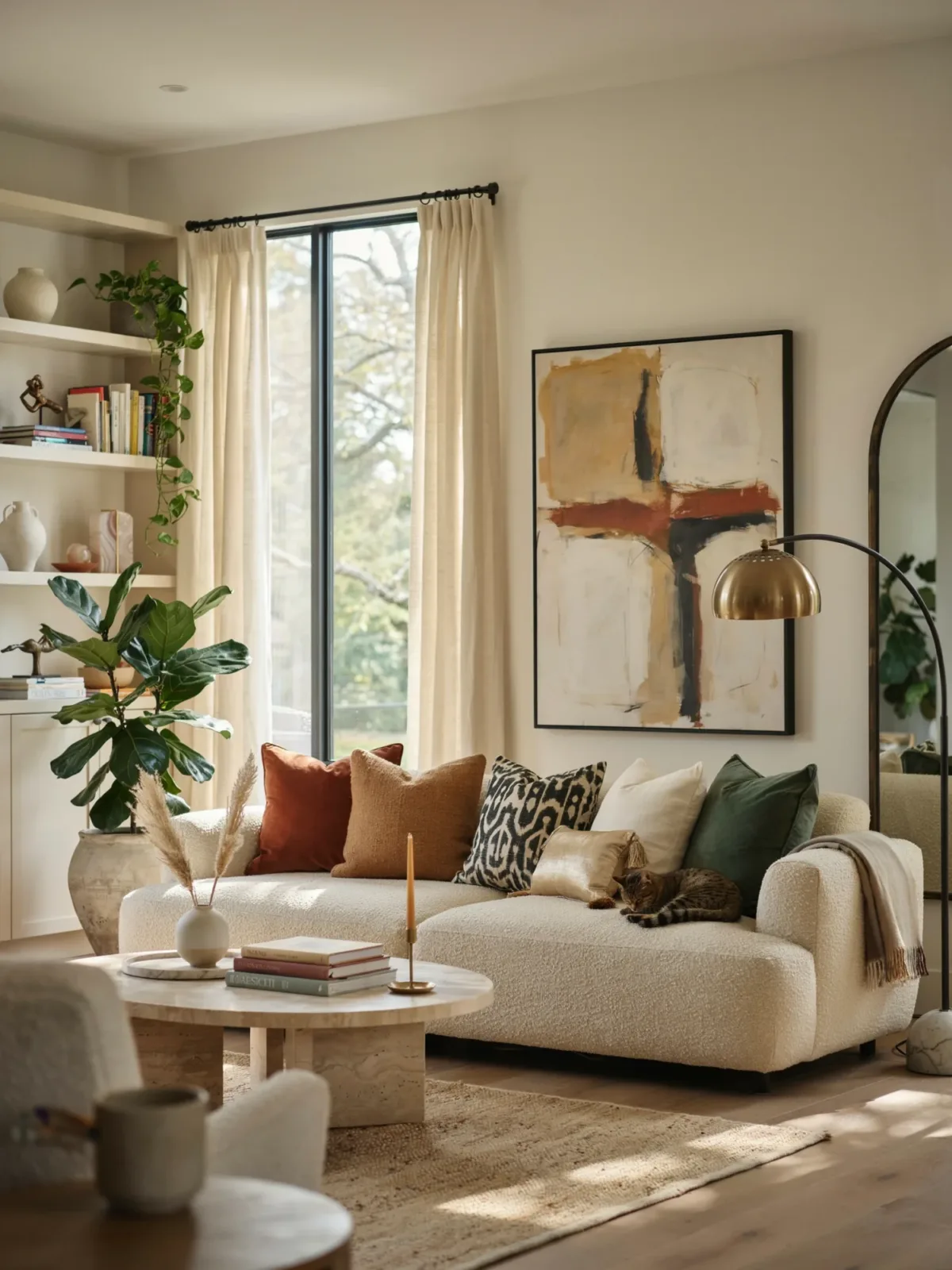
Ever walk into a room and think, “Why does this look so much better than mine?” Chances are, it isn’t the expensive sofa or custom cabinetry stealing the show. It’s the carefully chosen home accent pieces that pull everything together.
The good news? You don’t need a designer budget to create a polished, magazine-worthy space. A few smart additions can completely change how a room feels, making it look intentional, stylish, and surprisingly expensive.
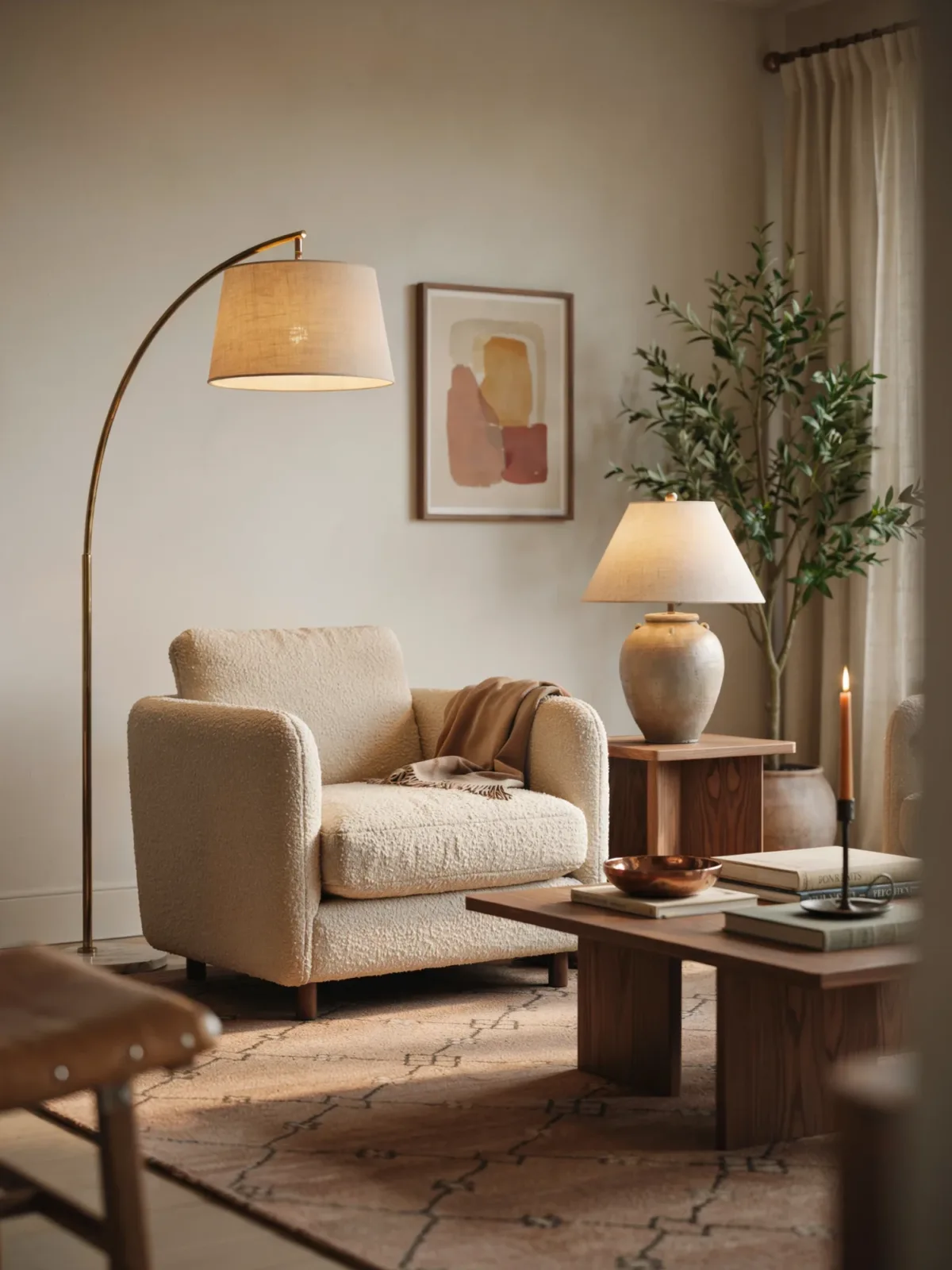
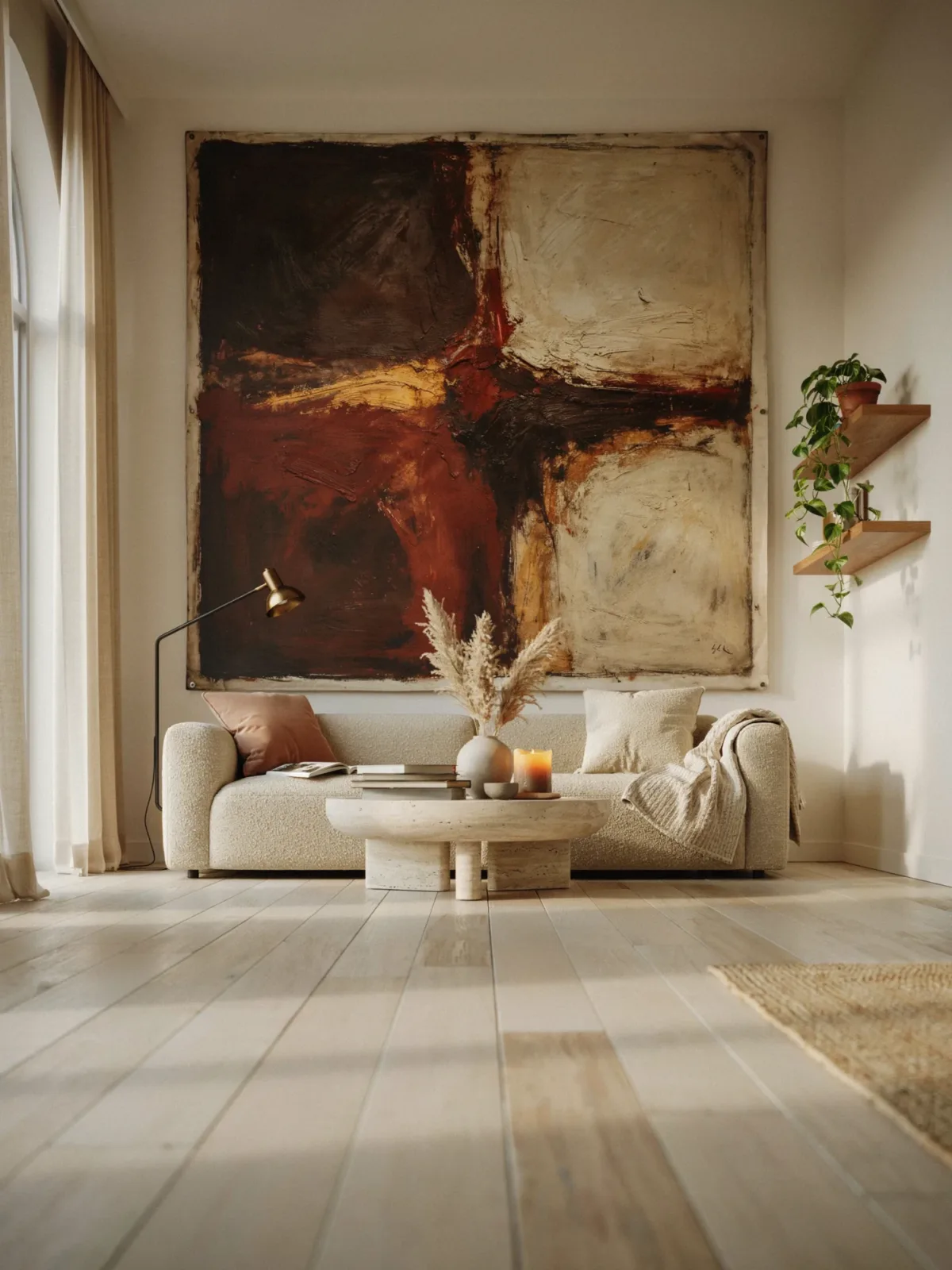
Lighting does much more than help you find your coffee table at night. It acts as jewelry for your home.
A room with basic lighting often feels unfinished. Add a sculptural floor lamp, a striking pendant light, or an elegant table lamp, and suddenly the space gains personality.
Look for lighting that:
Adds visual interest even when turned off
Complements your room’s style
Creates warm, layered illumination
Why Designers Love Layered Lighting
Most designer-inspired spaces use multiple light sources instead of relying on one overhead fixture.
Try combining:
Ceiling lighting
Table lamps
Floor lamps
Accent lighting
This simple trick adds depth and makes rooms feel more inviting.
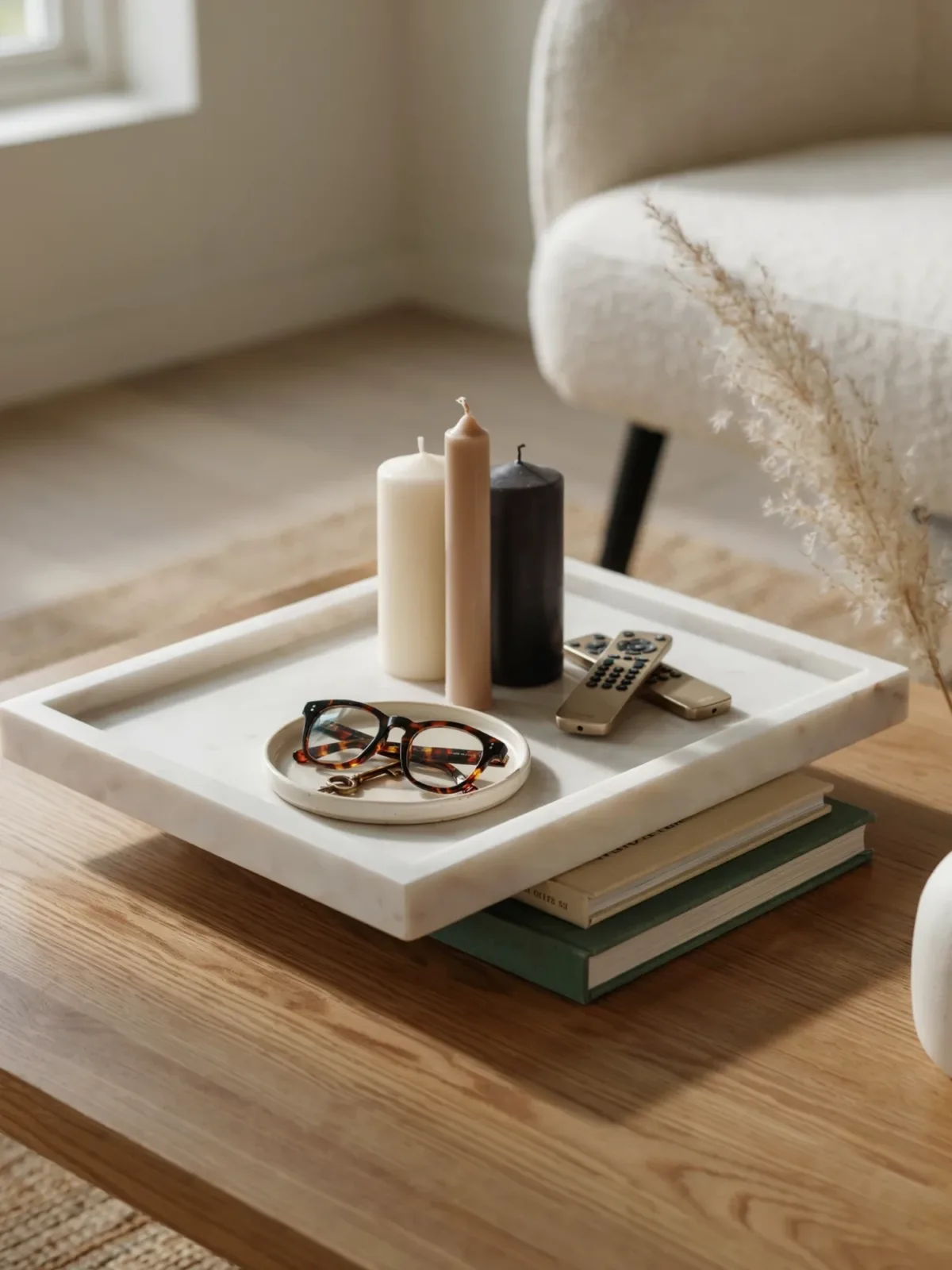
Nothing ruins a polished interior faster than random clutter. Remote controls, candles, keys, and miscellaneous objects tend to multiply overnight. It’s almost impressive.
That’s where decorative trays come in.
Place a tray on a coffee table, console, or dresser and suddenly everyday items look curated instead of chaotic. The tray creates a visual boundary that helps everything feel intentional.
Materials like marble, wood, brass, or woven rattan work especially well because they add texture while keeping things organized.
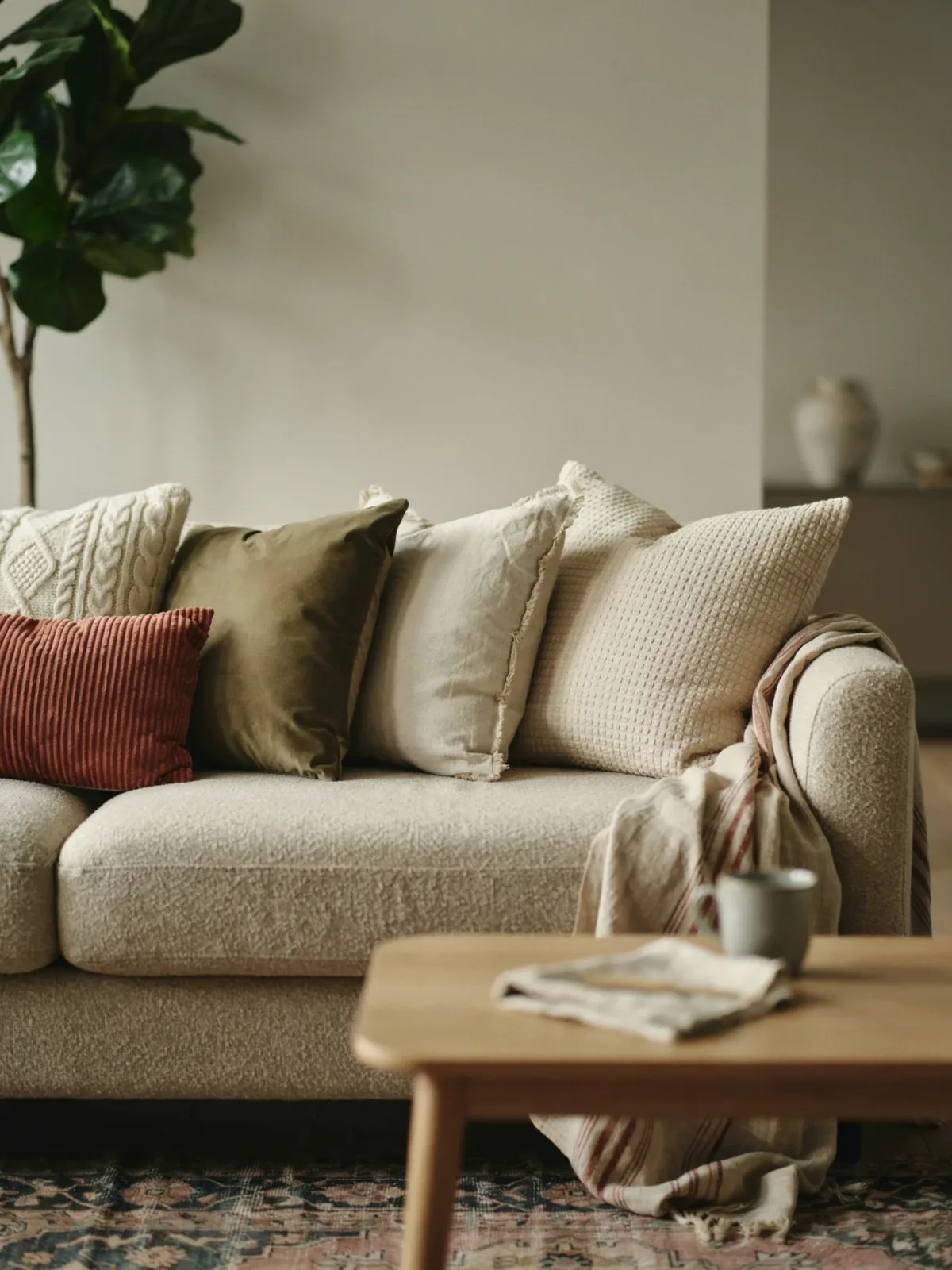
A room without texture often feels flat, even if the furniture looks beautiful.
Throw pillows and blankets provide one of the easiest ways to introduce dimension. They also let you experiment with colors and patterns without making a major commitment.
When choosing textiles, mix:
Linen
Velvet
Knit fabrics
Faux fur
Woven materials
The contrast between different textures creates visual richness that designers use constantly.
The Pillow Formula That Works
If styling pillows feels overwhelming, keep it simple:
1. Start with larger neutral pillows.
2. Add one patterned option.
3. Finish with a smaller accent pillow.
This layered approach looks balanced without feeling overdone.
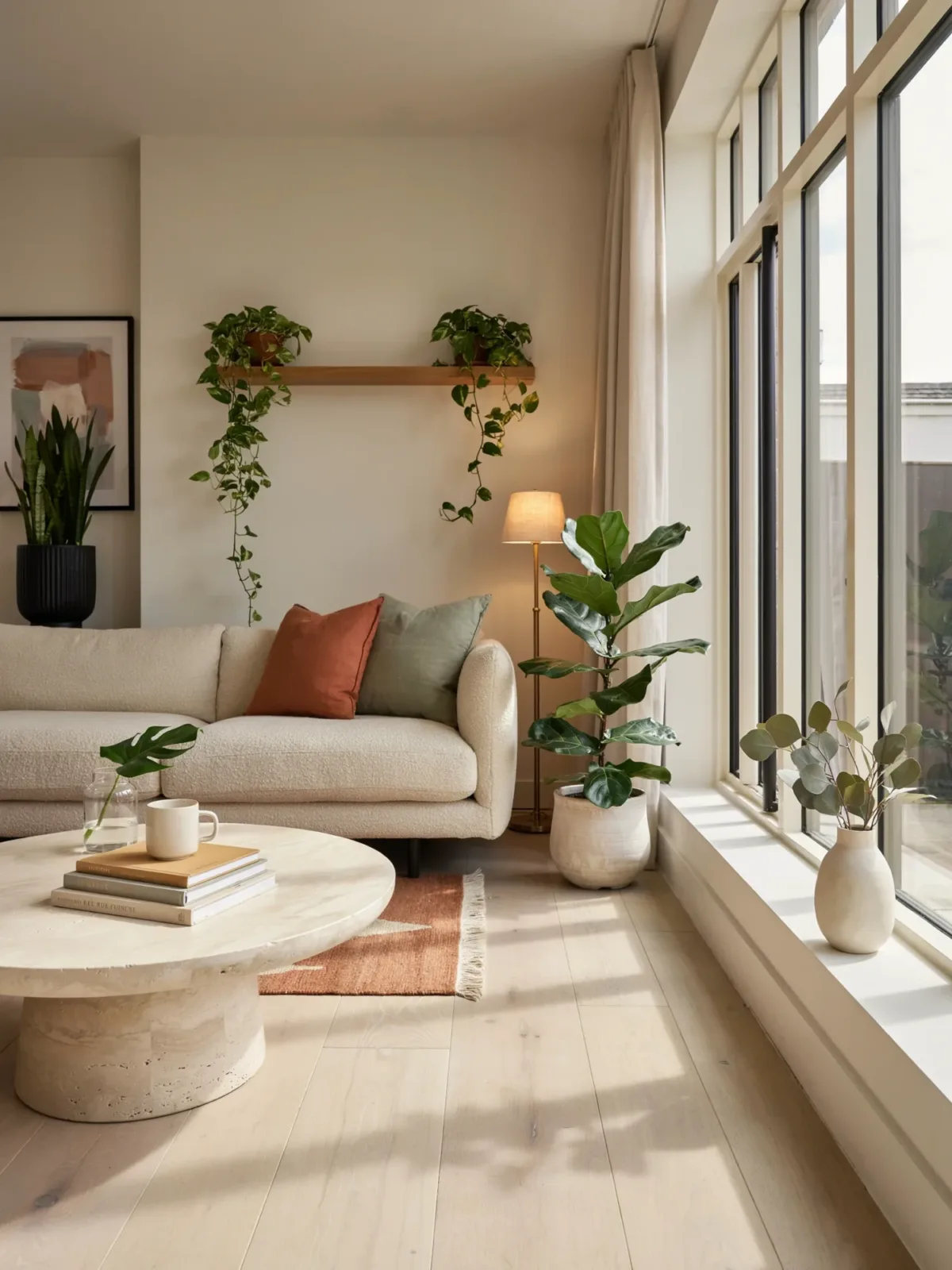
Want an interior design secret that never goes out of style? Add plants.
Even the most beautiful room can feel lifeless without something natural in it. Plants introduce color, texture, and movement while softening hard surfaces.
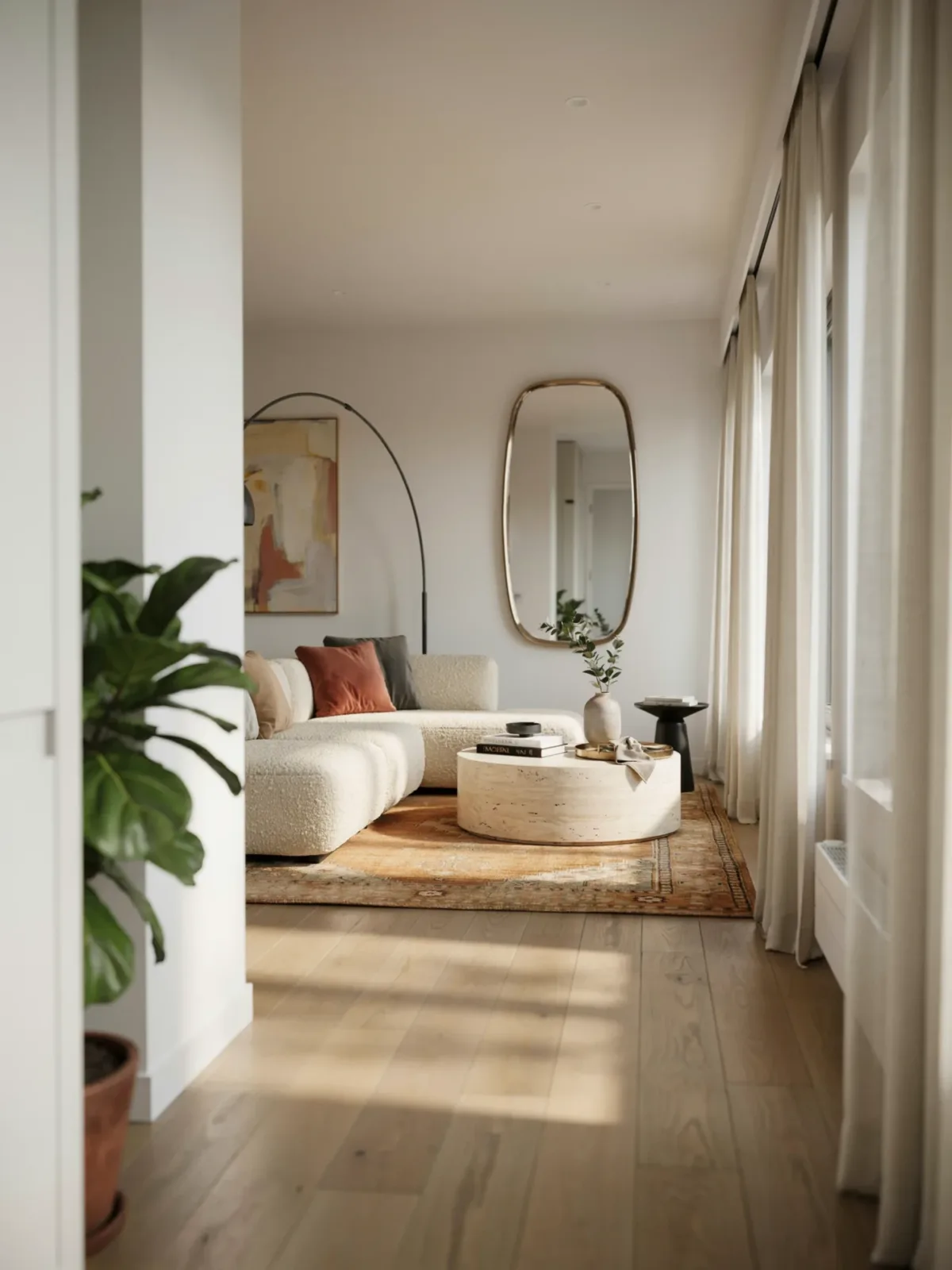
Mirrors serve two important purposes. They reflect light and create the illusion of more space.
That’s a pretty impressive resume for one accessory.
A large mirror positioned across from a window helps distribute natural light throughout the room. Decorative mirrors also function as artwork, adding elegance without overwhelming the space.
Best Places to Use Mirrors
Consider placing mirrors:
Above a console table
Over a fireplace
In entryways
Opposite windows
At the end of hallways
These locations maximize both style and functionality.
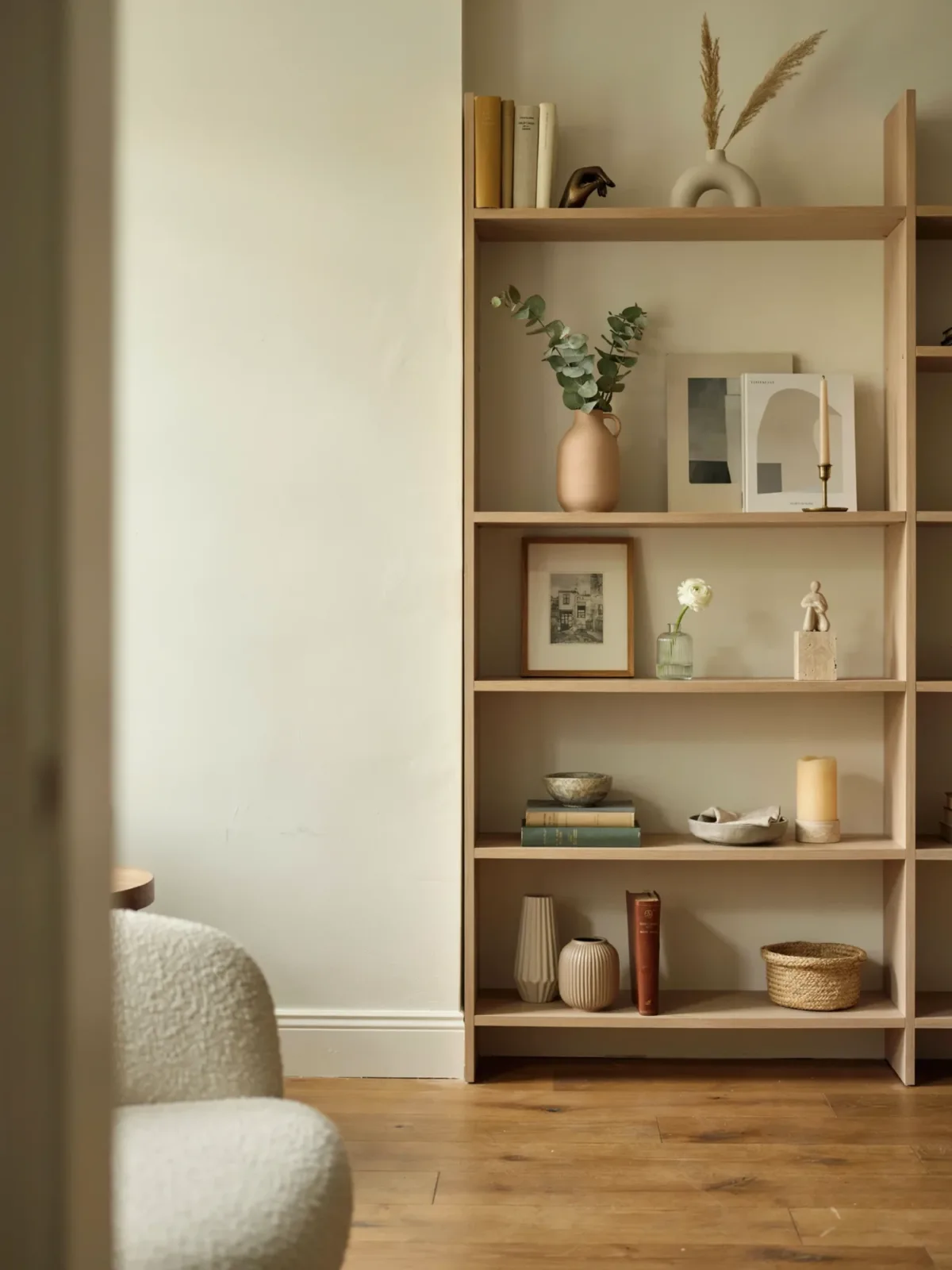
Open shelving offers a fantastic opportunity to showcase personality, but it can quickly turn into a clutter magnet.
The key lies in balance.
Instead of filling every inch, combine decorative objects with empty space. Designers often refer to this as allowing a room to breathe.
Mix different elements such as:
Books
Small sculptures
Candles
Vases
Framed photos
Natural materials
Vary heights and shapes to keep arrangements visually interesting.
Follow the Rule of Three
Many designers rely on odd-number groupings.
Three objects of varying heights often create a more natural and pleasing arrangement than perfectly symmetrical displays. It sounds oddly specific, but it works.
FAQ
What are home accent pieces?
Home accent pieces are decorative items that enhance a room’s style and personality. Examples include lamps, mirrors, artwork, pillows, vases, trays, and decorative accessories.
How many accent pieces should a room have?
Focus on quality rather than quantity. A few thoughtfully selected accents usually create a stronger impact than filling every surface with decorations.
What is the easiest accent piece to add?
Throw pillows rank among the easiest and most affordable options. They instantly introduce color, texture, and visual interest.
Do accent pieces need to match?
Not exactly. They should complement each other rather than match perfectly. A mix of materials, colors, and textures often creates a more sophisticated look.
Can accent pieces make a small room look bigger?
Yes. Mirrors, properly scaled artwork, strategic lighting, and carefully selected accessories can help a small room feel larger and more open.
How often should I update accent pieces?
Many homeowners refresh accent pieces seasonally or once a year. Small updates keep spaces feeling current without requiring a complete redesign.
Conclusion
Creating a designer-inspired interior doesn’t require a massive renovation or an unlimited budget. The real magic often comes from the finishing touches. Statement lighting, oversized artwork, decorative trays, greenery, mirrors, and textured accessories work together to make a room feel polished, intentional, and beautifully complete.
Focus on a handful of well-chosen accent pieces, and you’ll create a space that looks thoughtfully designed rather than accidentally assembled. That’s exactly the difference people notice when they walk through the door.
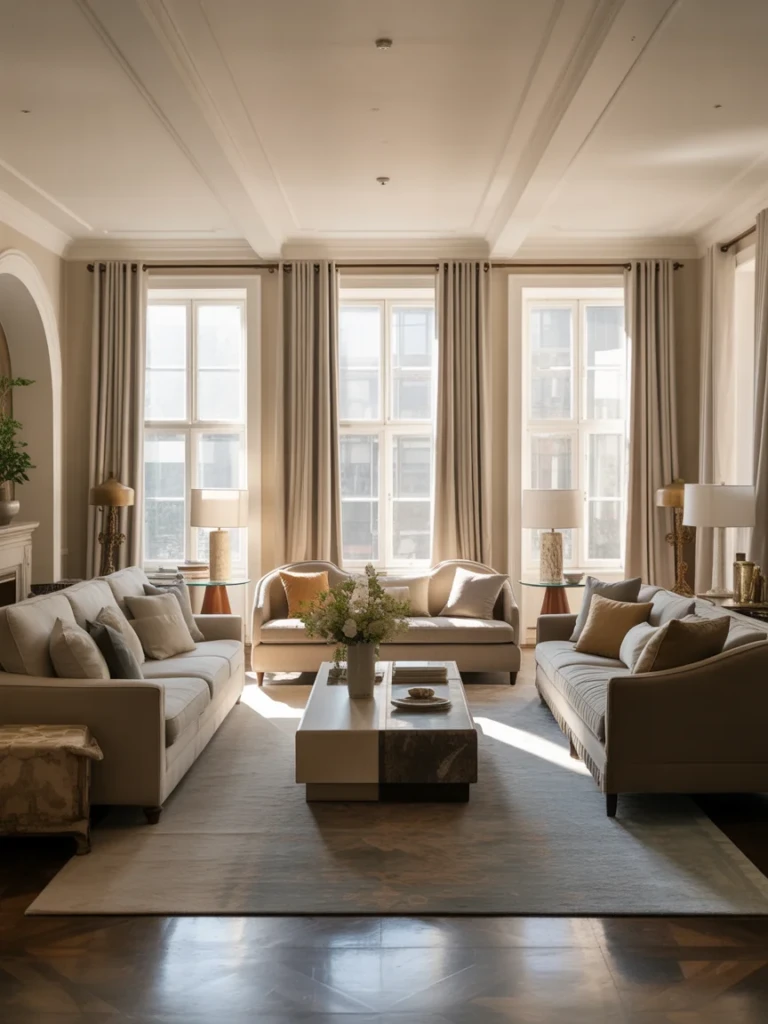
Listen to this article 10 10 0:00 / 0:00 Speed 0.75×1×1.25×1.5×2× Formal living rooms get a bad rap for being untouchable, cold, and honestly… a little boring. But what if you could keep the elegance and make it feel like somewhere people actually want to sit? That’s exactly what we’re doing here. These ideas prove…
Listen to this article 10 10 0:00 / 0:00 Speed 0.75×1×1.25×1.5×2× Choosing between blackout and sheer curtains sounds simple—until you realize it completely changes how your living room feels. Light, privacy, mood… it’s all tied to what hangs by your windows. Pick wrong, and your space feels off every single day. Pick right, and suddenly…
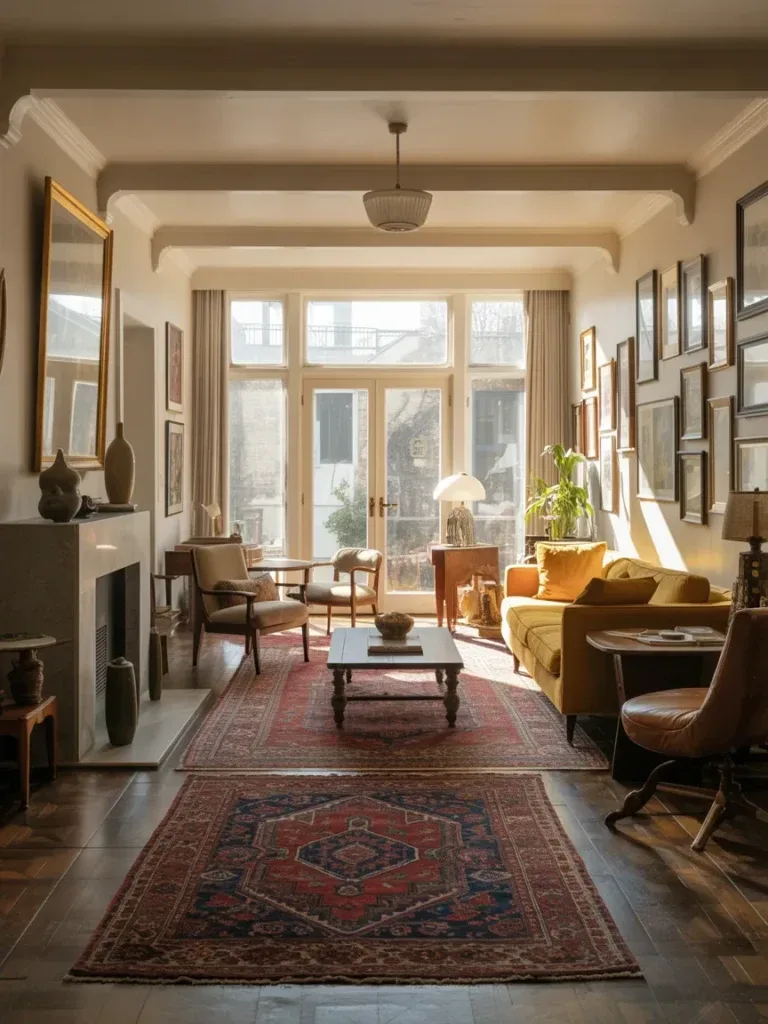
Listen to this article 10 10 0:00 / 0:00 Speed 0.75×1×1.25×1.5×2× Some living rooms look like they came straight from a furniture catalog. Others feel collected, personal, and full of stories. That’s where eclectic style shines. If you love mixing old treasures with sleek modern pieces, these living room ideas will help you create a…
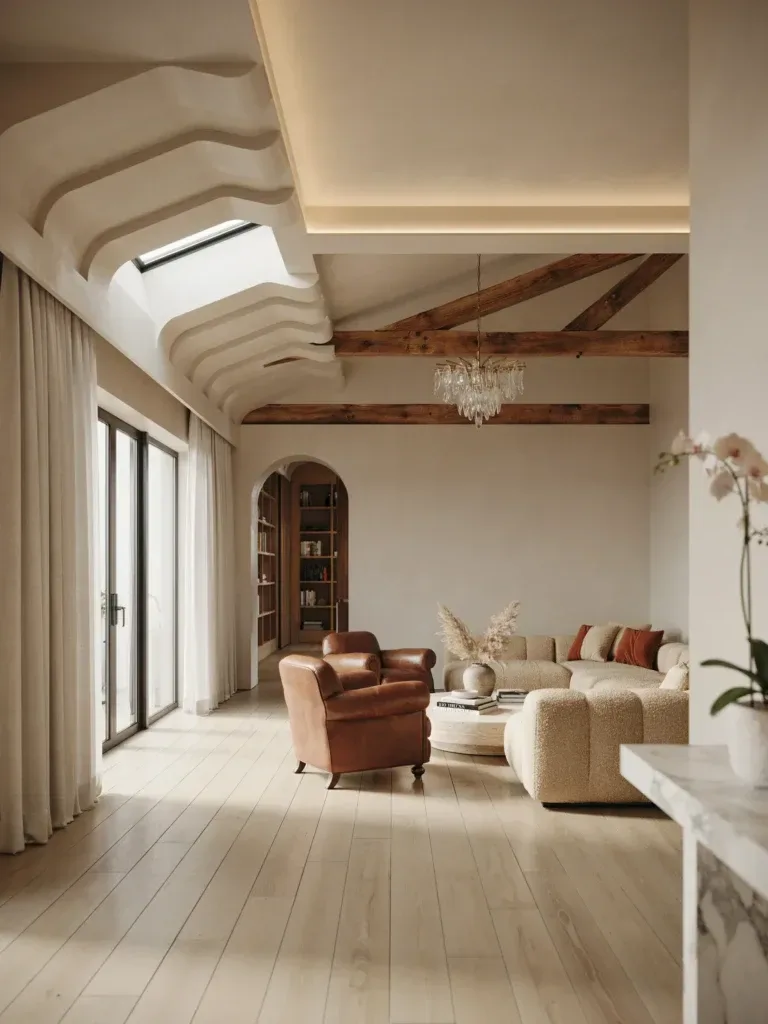
Listen to this article 10 10 0:00 / 0:00 Speed 0.75×1×1.25×1.5×2× A ceiling can do a lot more than sit quietly above your furniture. The right design turns a plain living room into a space that grabs attention the second someone walks through the door. Forget boring white surfaces and predictable layouts. These 16 stunning…
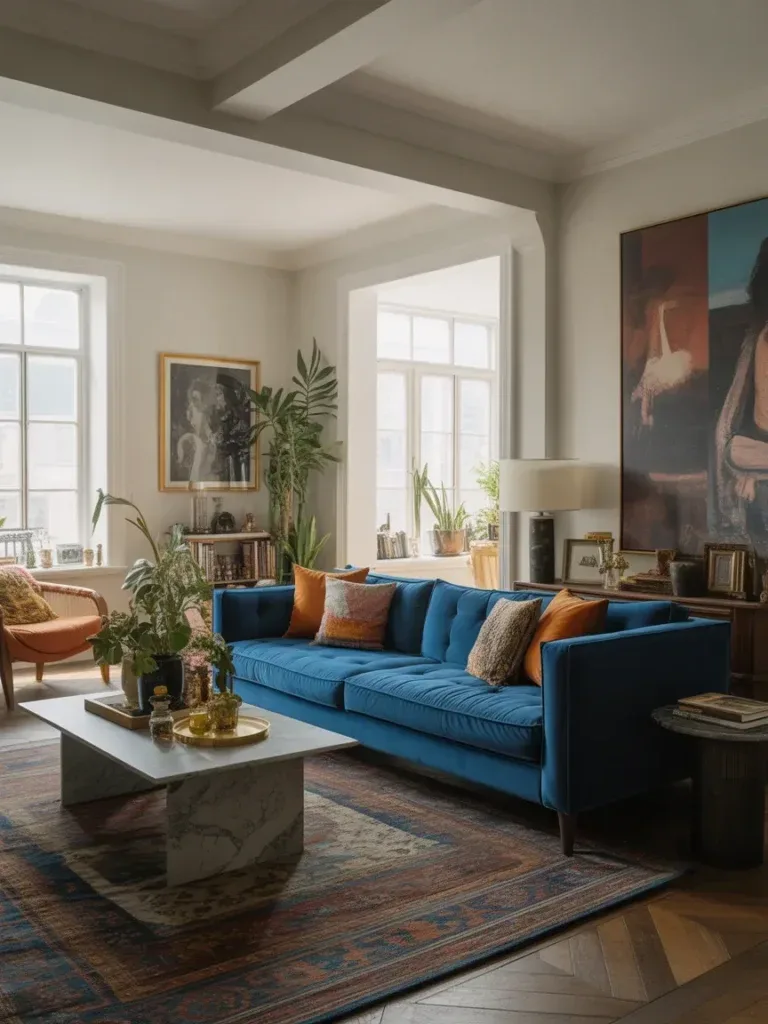
Listen to this article 10 10 0:00 / 0:00 Speed 0.75×1×1.25×1.5×2× Let’s be honest—blue couches are having a serious moment. They’re bold without being loud, stylish without trying too hard, and somehow manage to work in almost any aesthetic. Whether you’re into cozy neutrals or full-on color explosions, a blue sofa can anchor your entire…
Listen to this article 10 10 0:00 / 0:00 Speed 0.75×1×1.25×1.5×2× Pantry doors don’t get enough credit. They’re basically the gatekeepers of your snack stash and a huge design opportunity. Why settle for boring when you could have something that actually elevates your kitchen? Let’s fix that with ideas that are equal parts practical and…