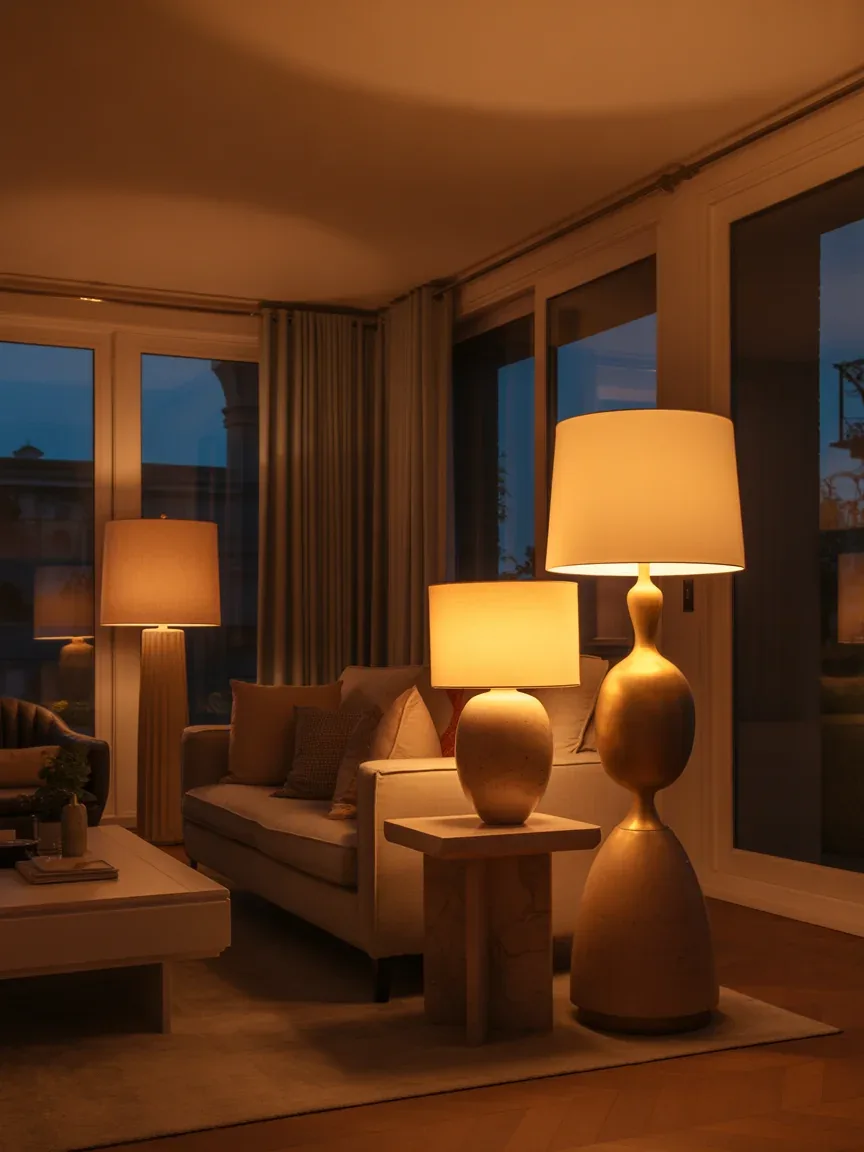
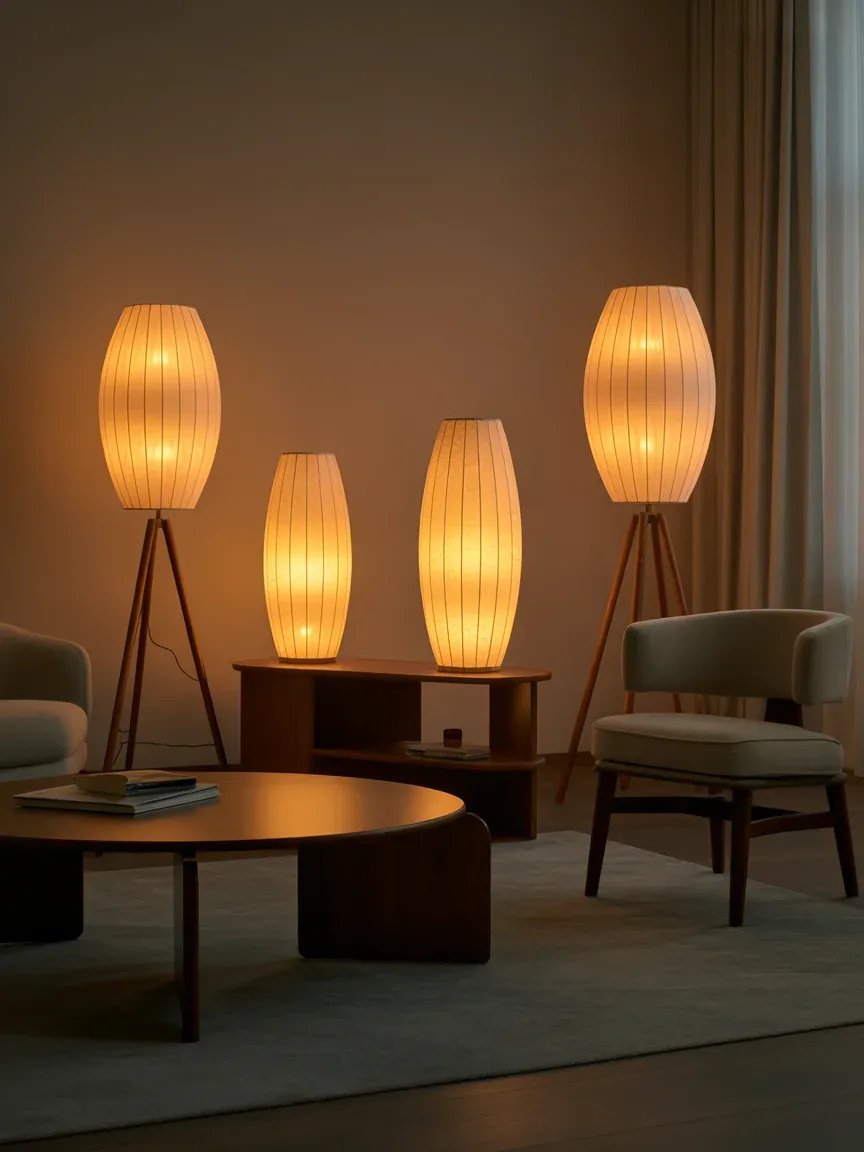
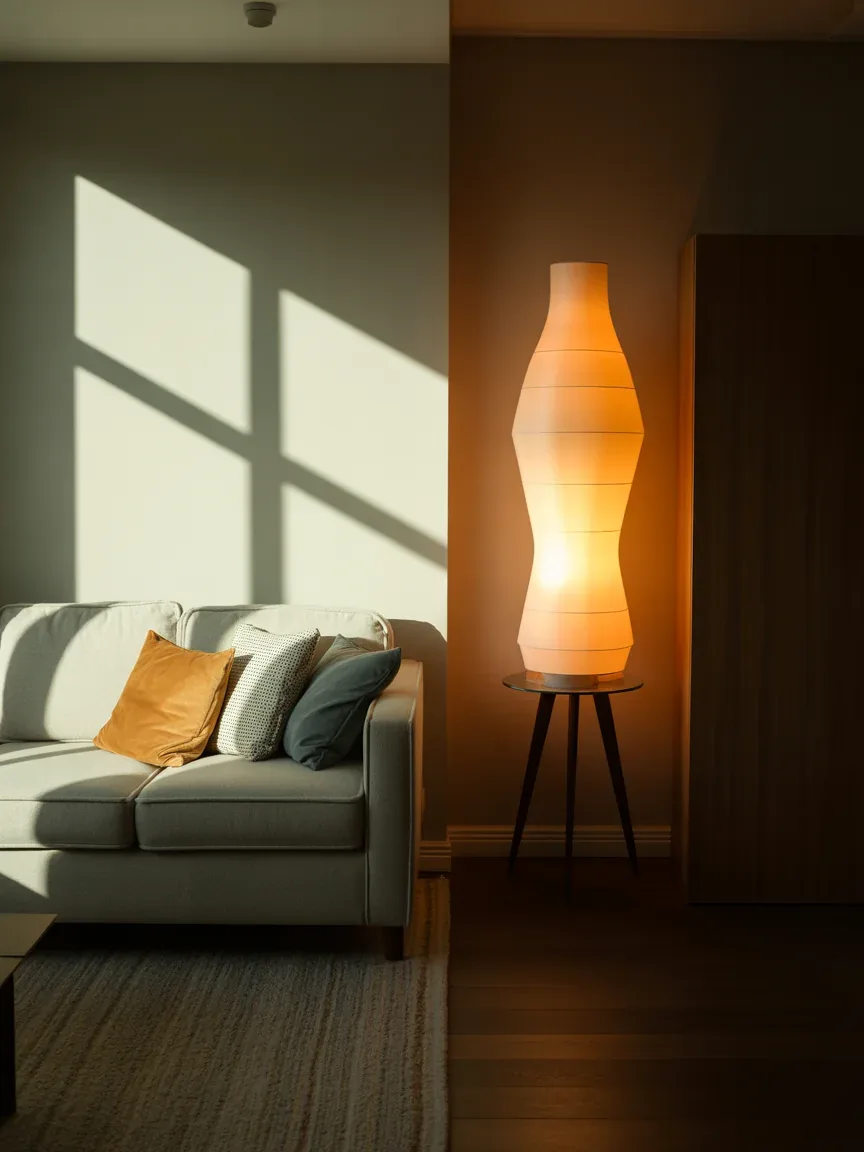
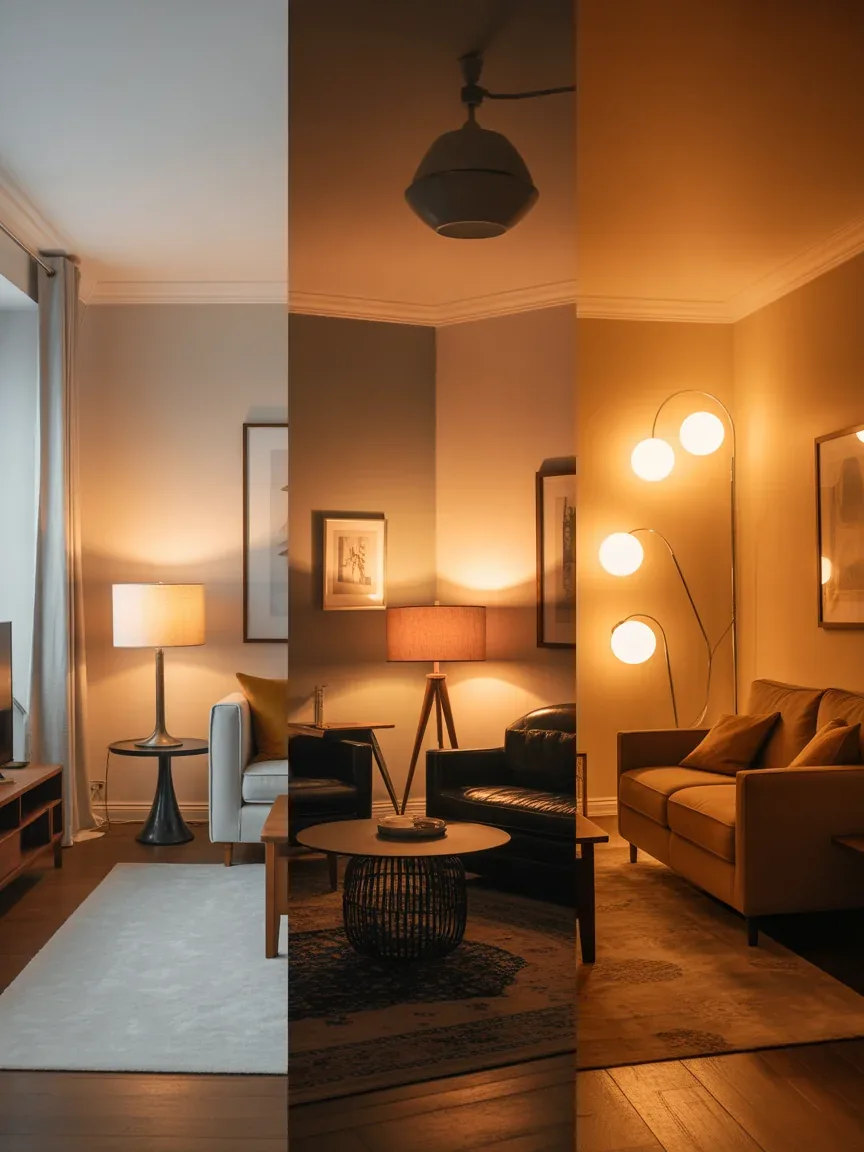
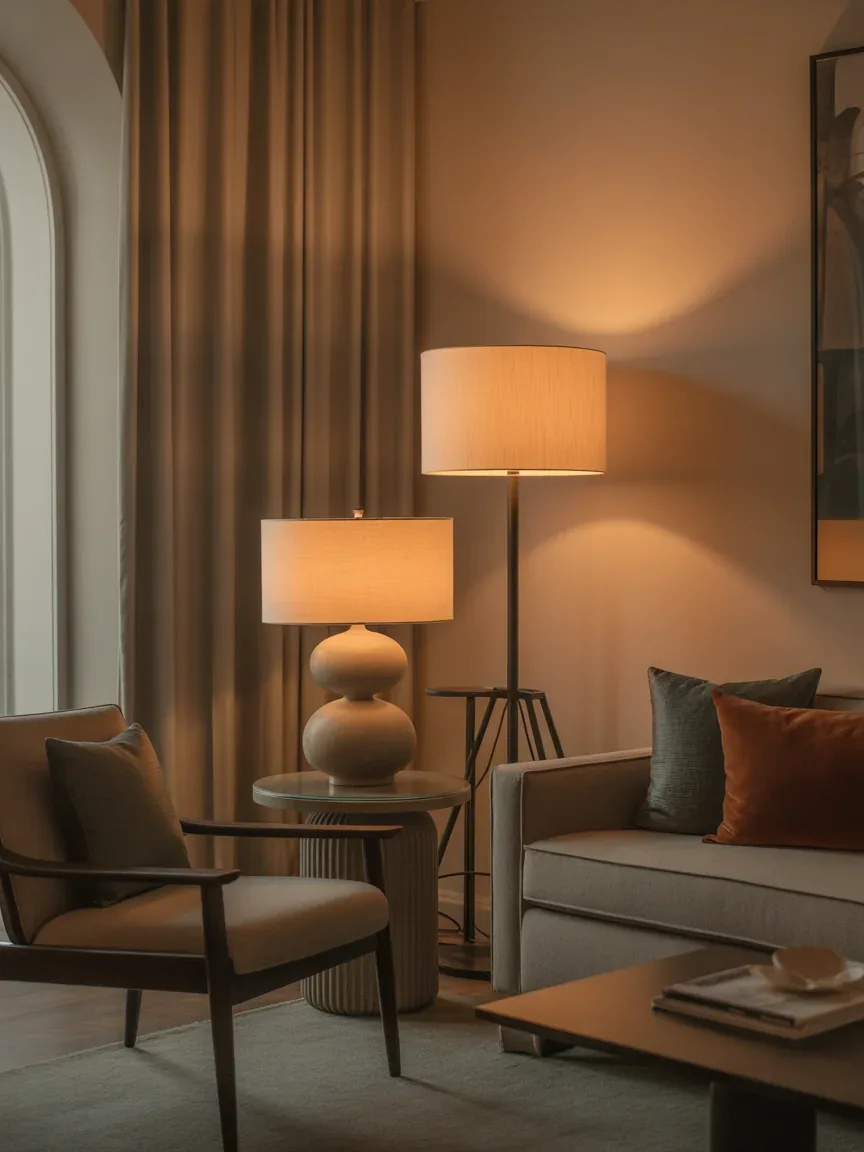
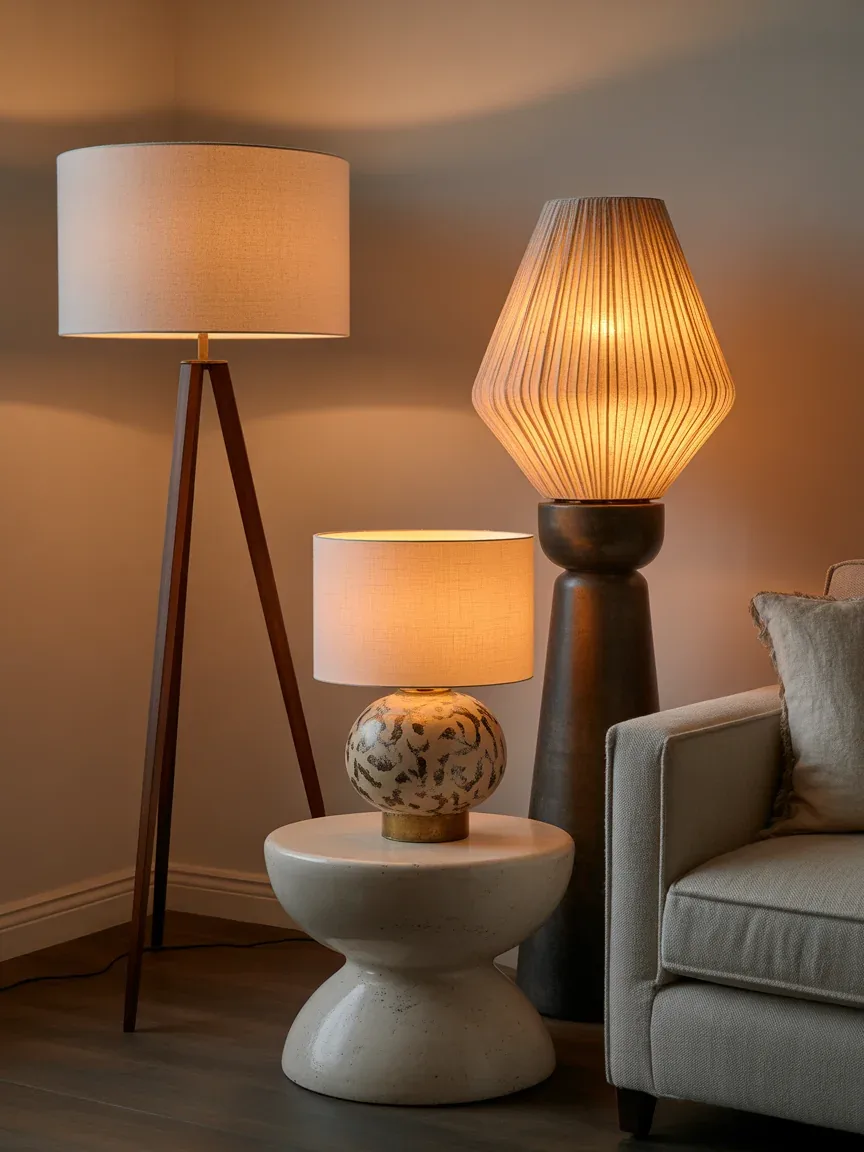
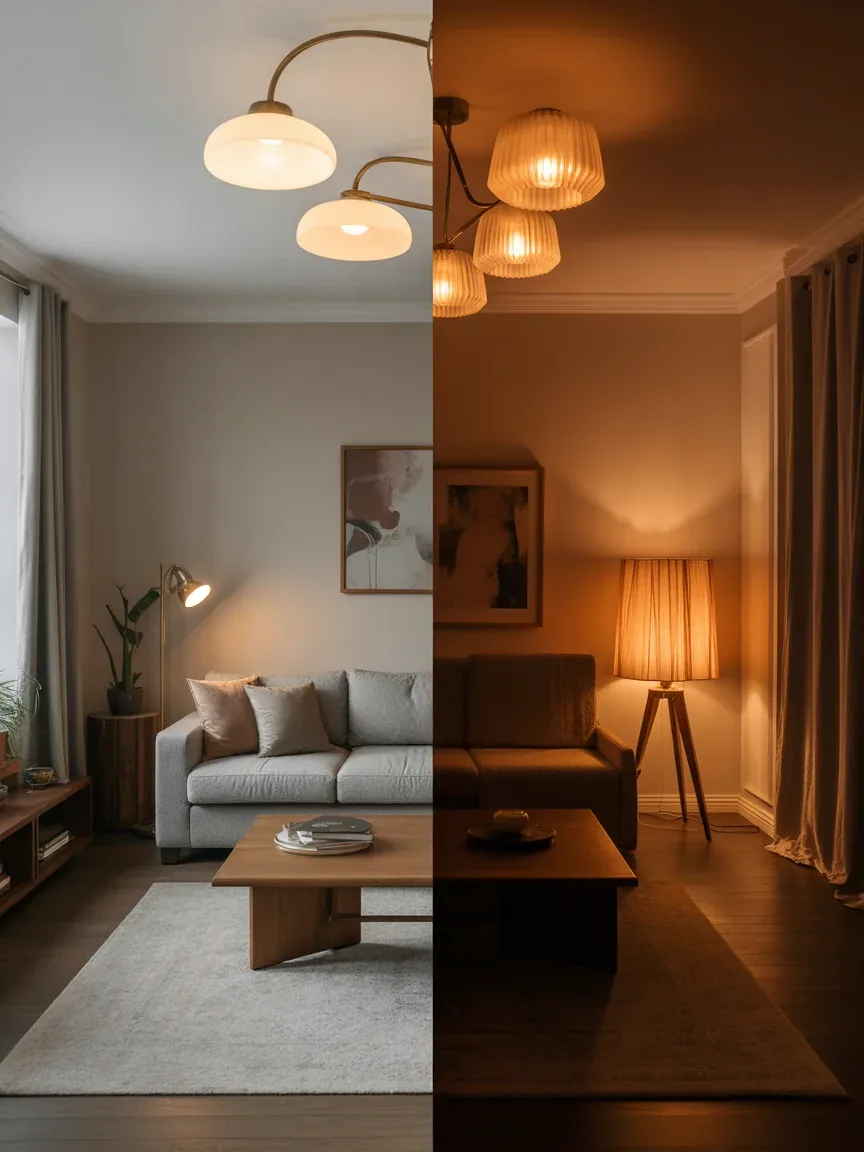
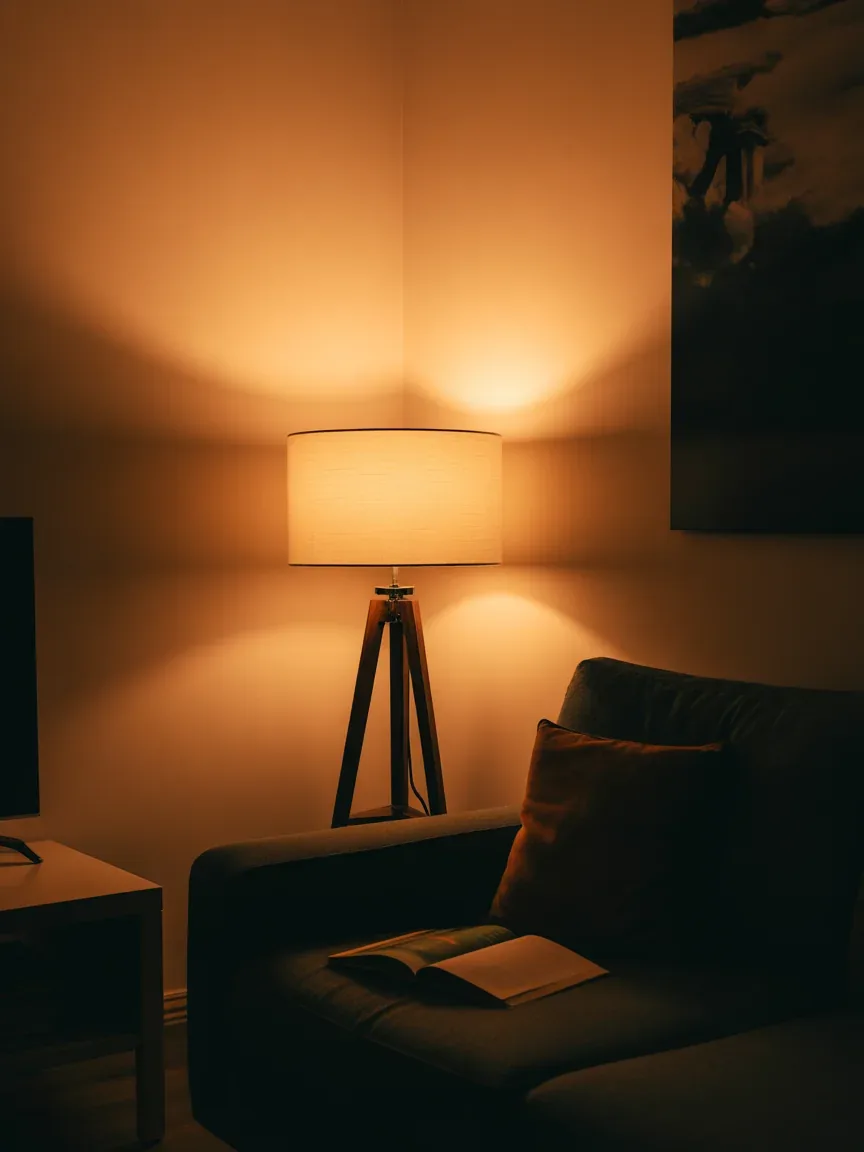
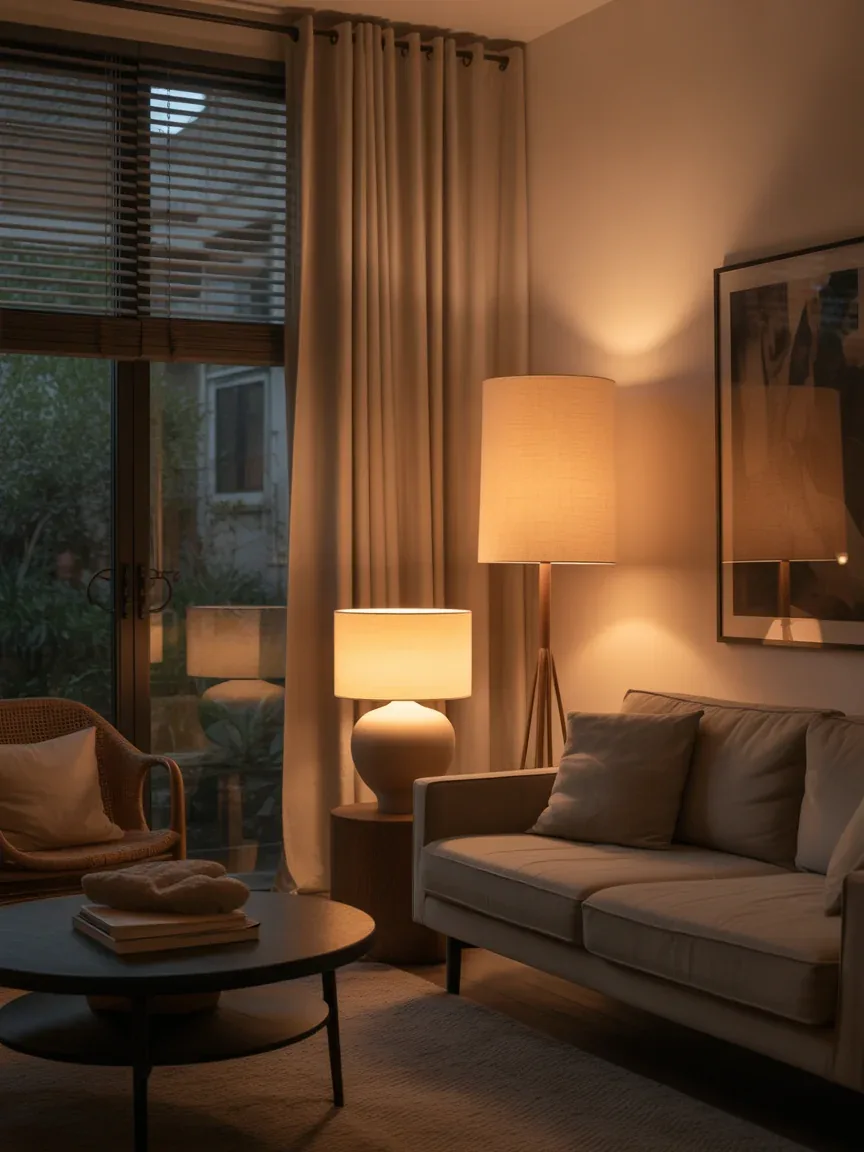
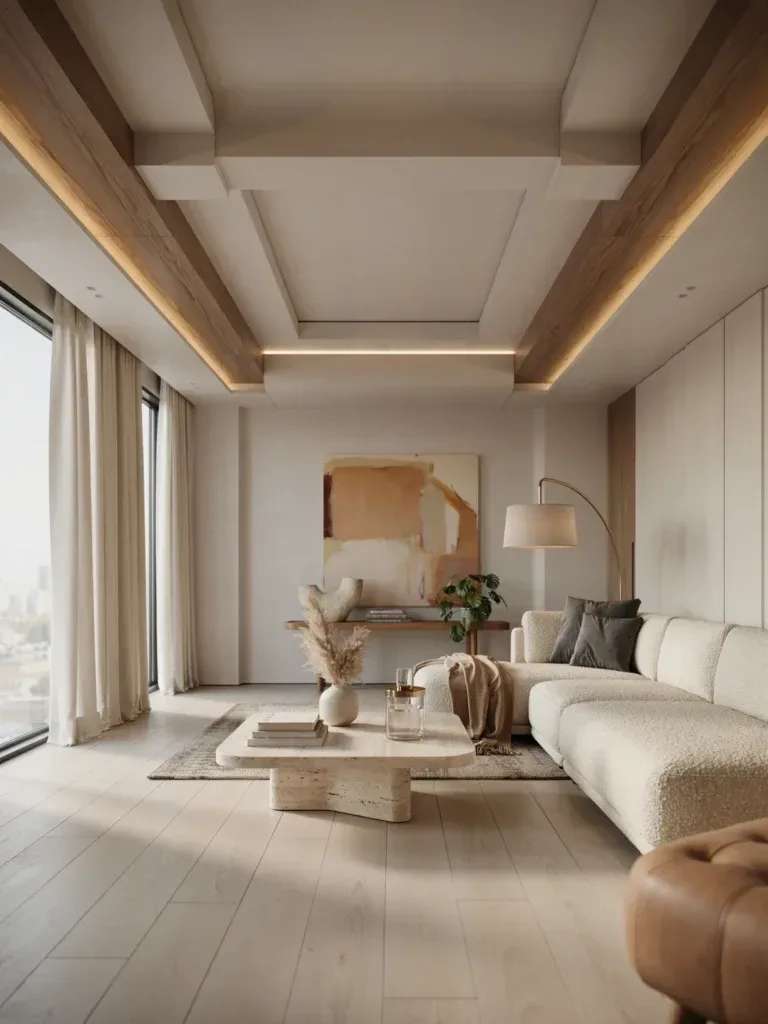
Ever walked into a living room that just felt right—cozy, balanced, and somehow more expensive? Chances are, it wasn’t the sofa. It was the lighting. Figuring out how many lamps in a living room you actually need can feel weirdly complicated, but it’s easier than you think once you know the rules. Let’s break it down in a way that actually makes sense (and doesn’t require an interior design degree). The Short Answer: How Many Lamps Do You Really Need? Here’s the quick truth: most living rooms need 3 to 5 light sources—not just one lonely overhead fixture. Photo by dada_design on Unsplash Yes, sources, not just lamps. A well-lit living room typically includes: 1 overhead light (optional but common) 2 table lamps 1 floor lamp 1 accent light (optional, like a wall sconce or LED strip) That might sound like overkill, but trust me—layered lighting makes your space feel intentional instead of flat. Photo by Sebastian Jacobsen on Unsplash Why One Lamp Is Never Enough Let’s be honest. That single ceiling light? It’s doing you dirty. Overhead lighting alone: Creates harsh shadows Makes the room feel cold Kills any sense of coziness You want your living room to feel like a place you actually want to sit in, not a waiting room at a dentist’s office. Photo by Jason Leung on Unsplash The fix? Layer your lighting. The Three Layers You Need Every good lighting setup uses these: Ambient lighting – overall brightness (ceiling light or large lamp) Task lighting – for reading, working, etc. (table or floor lamps) Accent lighting – for mood and style (small lamps, sconces) Miss one layer, and your room feels “off.” Nail all three, and suddenly your space feels designer-level. Photo by Carol Highsmith's America on Unsplash How Room Size Changes Everything The size of your living room massively affects how many lamps you need. Small Living Rooms Keep it simple: 1 floor lamp 1 table lamp That’s it. You don’t want your room looking like a lamp showroom. Photo by Franco Debartolo on Unsplash Medium Living Rooms This is where most people land: 1 floor lamp 2 table lamps Optional accent light This setup gives you flexibility without clutter. Large Living Rooms Go bigger or go home: 2 floor lamps 2–3 table lamps Accent lighting Large rooms need more light sources to avoid dark corners. Otherwise, half your space feels like a cave. Where Should You Actually Put Your Lamps? You can have the right number of lamps and still mess it up with bad placement. Yep. Here’s how to get it right: Anchor the Seating Area Place lamps around where people sit: End tables next to sofas → table lamps Corners → floor lamps You want light where conversations happen, not just random brightness. Balance the Room Lighting should feel even, not lopsided. If one side has: A floor lamp Then the other side should have: A table lamp or another light source Think symmetry… but not too perfect. You’re not building a museum. Light the Dark Corners Every living room has that awkward, shadowy corner. Fix it with: A tall floor lamp Or a small accent lamp Boom—problem solved. Choosing the Right Types of Lamps Not all lamps pull equal weight. Floor Lamps Best for: Filling empty corners Adding height Creating cozy reading spots They’re the MVP of living room lighting, IMO. Table Lamps Best for: Side tables Layering light at eye level Adding style They’re functional and decorative. Accent Lamps These are your vibe-builders: Small lamps LED strips Wall sconces Use them to create mood, not brightness. Common Lighting Mistakes (Don’t Do These) Let’s save you from some regret. Using Only Overhead Lighting We covered this, but it deserves repetition. It’s the fastest way to make your living room feel lifeless. Too Many Matching Lamps Matching sets sound nice… until your room looks like a furniture catalog. Mix things up: Different heights Slightly different styles Keep it cohesive, not copy-paste. Ignoring Bulb Warmth Lighting isn’t just about lamps—it’s about bulbs too. Use: Warm white (2700K–3000K) for cozy vibes Avoid: Harsh white (4000K+) unless you enjoy interrogation-room aesthetics No Dimmers This one hurts. Dimmers let you: Adjust brightness Change the mood instantly Once you try them, you won’t go back. How to Know If You Have Enough Light Still unsure if your setup works? Ask yourself: Are there dark corners? Can you read comfortably anywhere? Does the room feel cozy at night? If the answer to any of these is “no,” you probably need another lamp. A good rule: turn off your overhead light at night. If your room still feels well-lit and inviting, you nailed it. FAQ How many lamps should be in a small living room? Usually 2 lamps work perfectly—one floor lamp and one table lamp. Keep it minimal to avoid clutter. Can you have too many lamps? Absolutely. If your room starts looking like a lighting store or feels visually crowded, scale back. Balance matters more than quantity. Do all lamps need to match? Nope. Matching too much can feel boring. Stick to a similar color palette or style, but mix shapes and sizes. Should I use warm or cool light bulbs? Go with warm white bulbs (2700K–3000K). They create a cozy, relaxing atmosphere—exactly what a living room needs. Is overhead lighting necessary? Not really. Many designers skip it entirely and rely on layered lamps instead. But having one isn’t a bad thing—just don’t rely on it alone. Where should I place a floor lamp? Corners, next to sofas, or behind chairs work best. Anywhere you need height and extra light without crowding surfaces. Conclusion So, how many lamps in a living room? The sweet spot usually sits between 3 and 5 light sources, depending on your space. But the real secret isn’t the number—it’s how you layer and place them. Focus on balance, mix different types of lighting, and ditch the “one big light” mindset. Do that, and your living room won’t just look better—it’ll feel better too.
Ever walked into a living room that just felt right—cozy, balanced, and somehow more expensive? Chances are, it wasn’t the sofa. It was the lighting. Figuring out how many lamps in a living room you actually need can feel weirdly complicated, but it’s easier than you think once you know the rules.
Usually 2 lamps work perfectly—one floor lamp and one table lamp. Keep it minimal to avoid clutter.
Can you have too many lamps?
Absolutely. If your room starts looking like a lighting store or feels visually crowded, scale back. Balance matters more than quantity.
Do all lamps need to match?
Nope. Matching too much can feel boring. Stick to a similar color palette or style, but mix shapes and sizes.
Should I use warm or cool light bulbs?
Go with warm white bulbs (2700K–3000K). They create a cozy, relaxing atmosphere—exactly what a living room needs.
Is overhead lighting necessary?
Not really. Many designers skip it entirely and rely on layered lamps instead. But having one isn’t a bad thing—just don’t rely on it alone.
Where should I place a floor lamp?
Corners, next to sofas, or behind chairs work best. Anywhere you need height and extra light without crowding surfaces.
Conclusion
So, how many lamps in a living room? The sweet spot usually sits between 3 and 5 light sources, depending on your space. But the real secret isn’t the number—it’s how you layer and place them.
Focus on balance, mix different types of lighting, and ditch the “one big light” mindset. Do that, and your living room won’t just look better—it’ll feel better too.
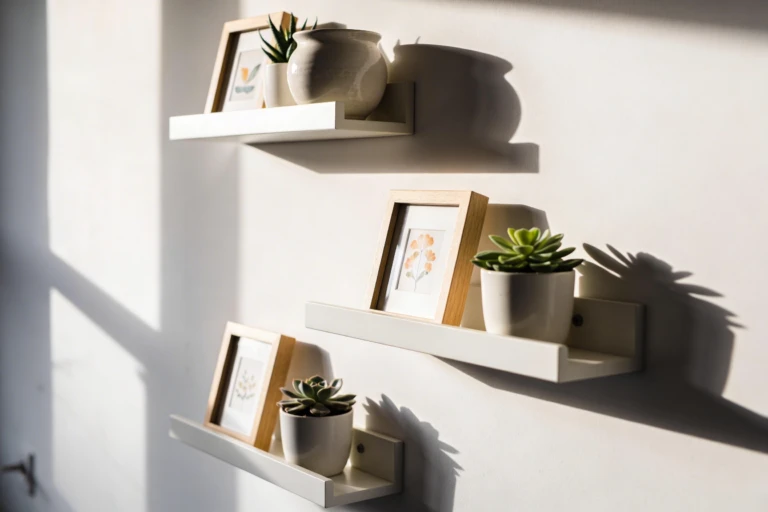
Listen to this article 10 10 0:00 / 0:00 Speed 0.75×1×1.25×1.5×2× A small floating shelf takes up almost no wall space, but it changes how a whole room reads. Instead of a blank stretch of drywall, you get a spot for a plant, a stack of books, or the one ceramic bowl you keep moving…
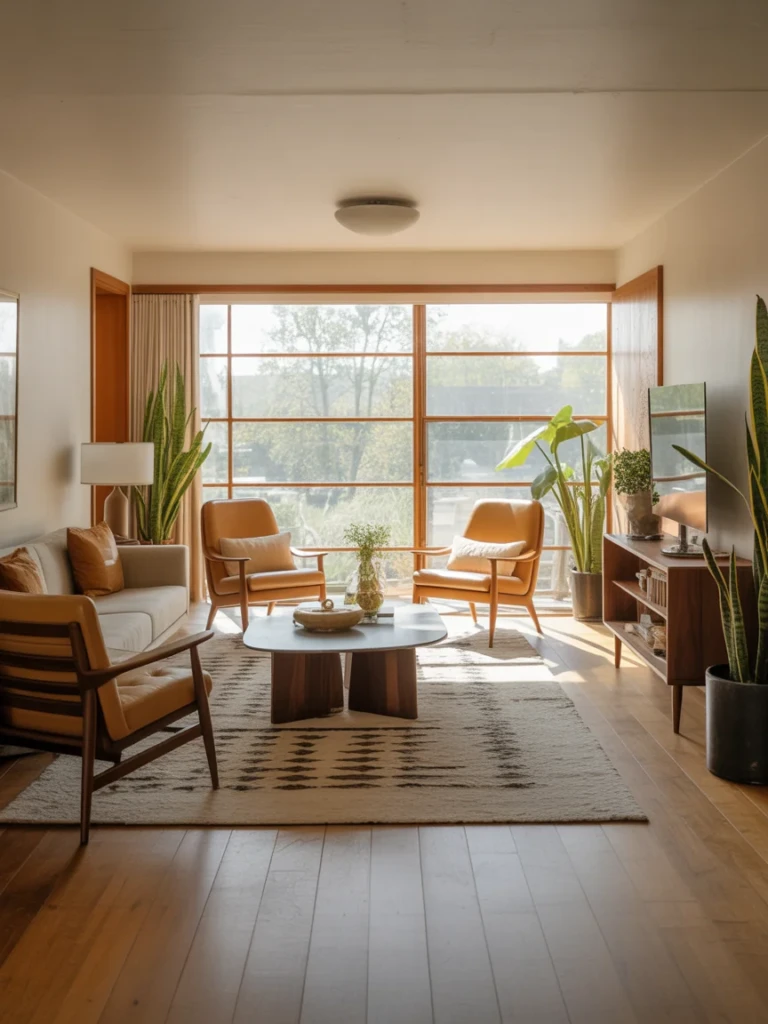
Listen to this article 10 10 0:00 / 0:00 Speed 0.75×1×1.25×1.5×2× Mid-century modern living rooms have this magical way of looking effortlessly cool without trying too hard. Clean lines, warm woods, and just enough personality to keep things interesting—what’s not to love? Whether you’re going full retro or just adding a few iconic touches, these…
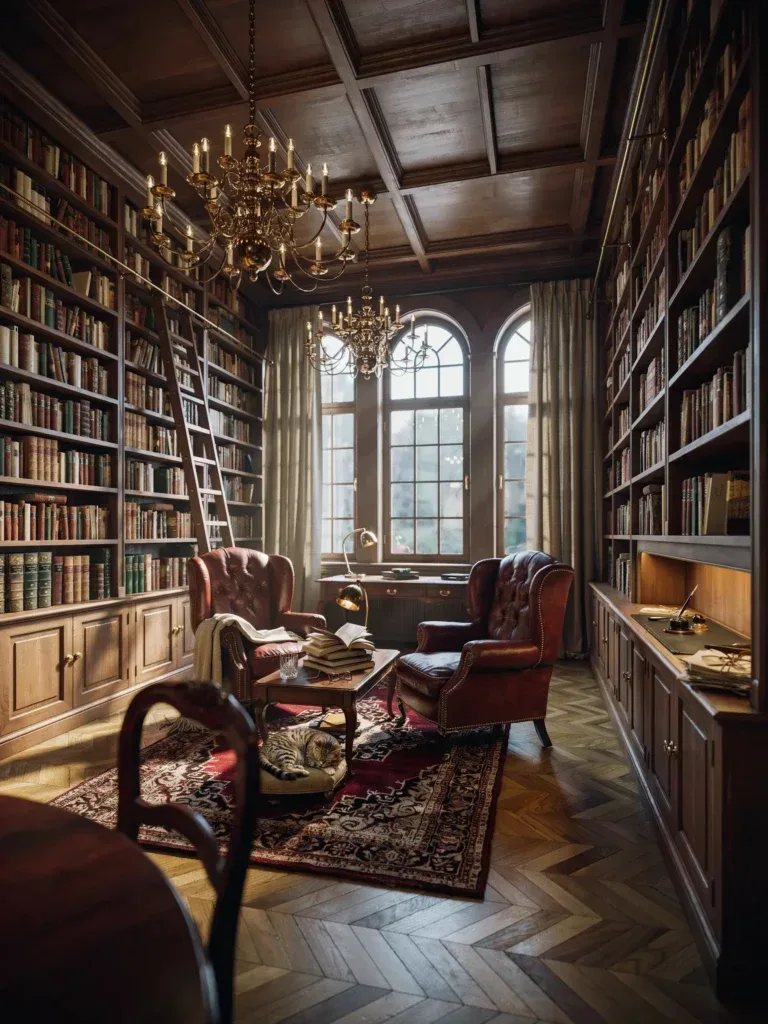
Listen to this article 10 10 0:00 / 0:00 Speed 0.75×1×1.25×1.5×2× Some rooms feel nice. Others make you want to grab a leather-bound book, pour a cup of tea, and spend the entire evening pretending you’re the mysterious main character in a gothic novel. That’s the magic of dark academia style. Lighting plays a huge…
Listen to this article 10 10 0:00 / 0:00 Speed 0.75×1×1.25×1.5×2× I used to think pink living room decor was a “little girl’s bedroom” color that had no business in a grown-up’s main living space. Then I painted one wall in my old apartment a dusty terracotta-pink on a whim (okay, it was more of…
Listen to this article 10 10 0:00 / 0:00 Speed 0.75×1×1.25×1.5×2× I’ll be honest — I’ve scrolled through a lot of “glam living room” roundups that are just eight photos of gold mirrors and one word repeated over and over: “opulent.” That’s not a plan, that’s a mood board. A real modern glam living room…
Listen to this article 10 10 0:00 / 0:00 Speed 0.75×1×1.25×1.5×2× A living room can look stylish, cozy, and luxurious all at once—but sometimes the ceiling steals the show. Gone are the days when ceilings served as plain white surfaces that nobody noticed. Today, false ceiling designs shape the entire mood of a room, adding…