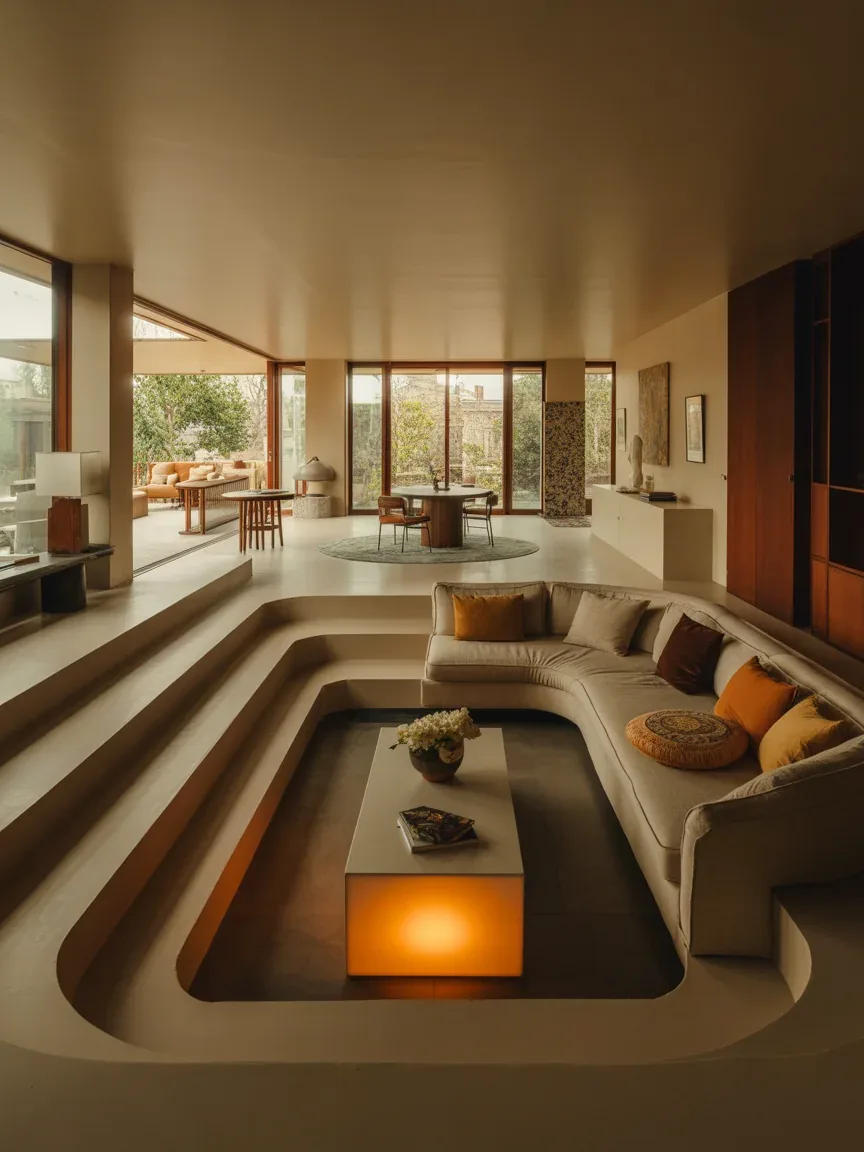
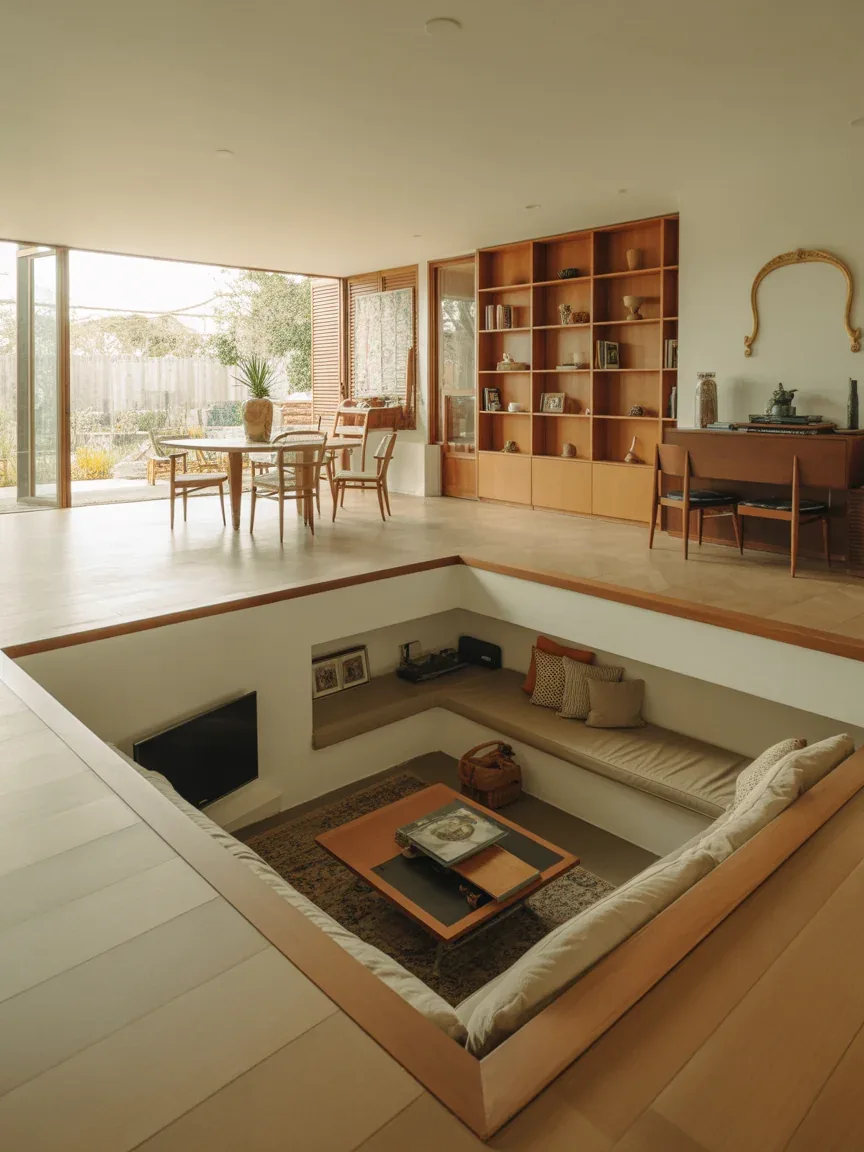
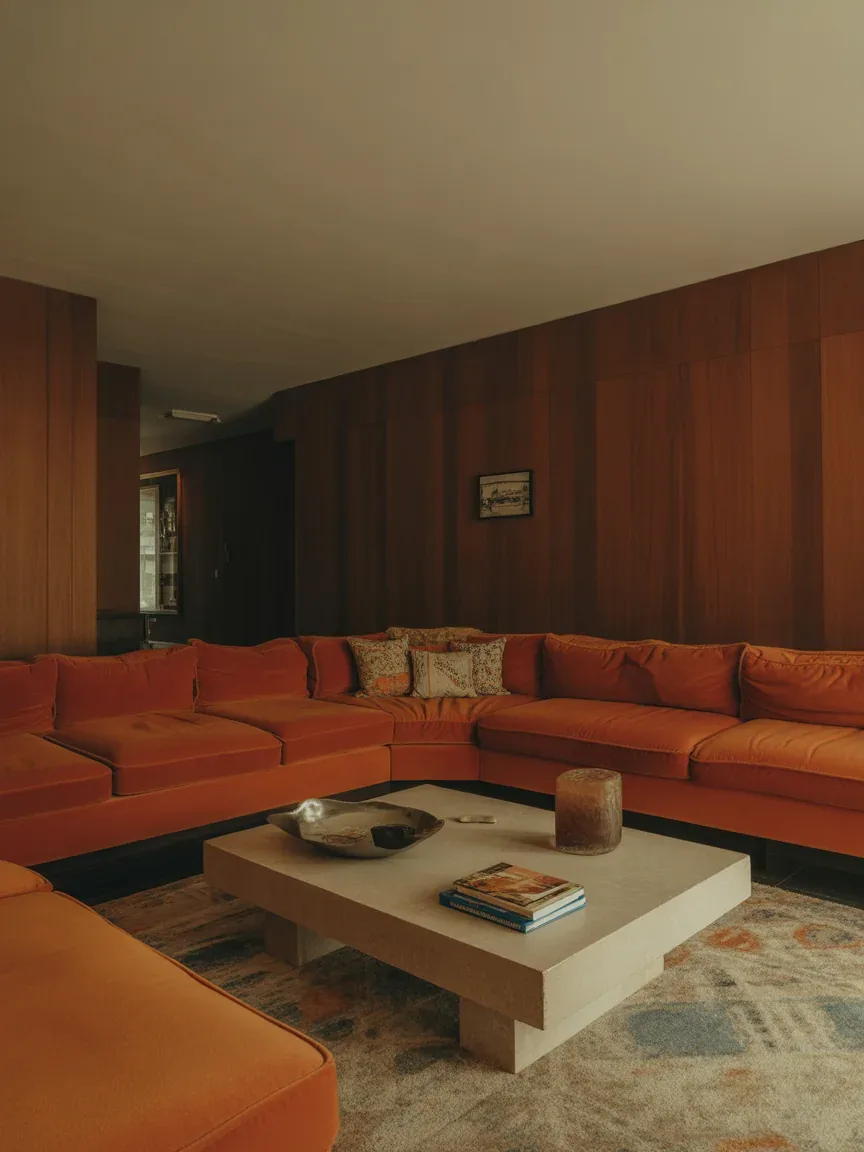
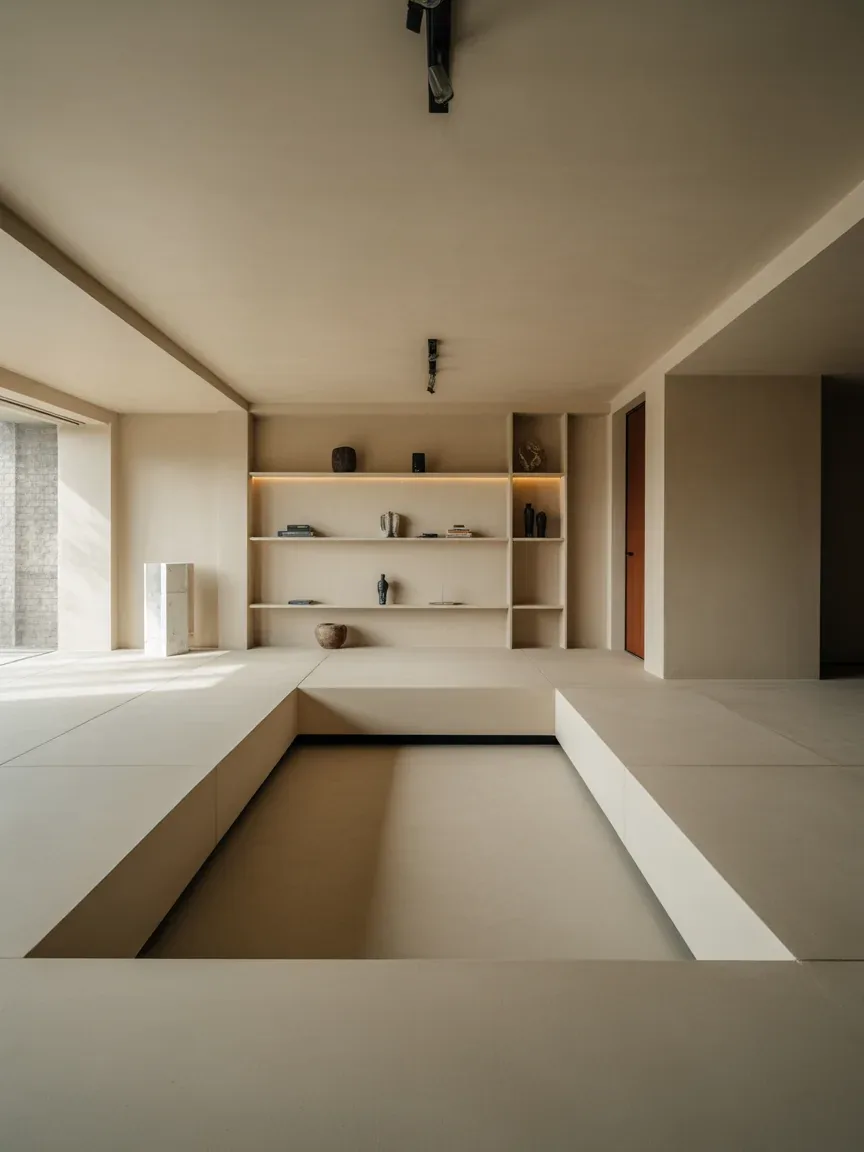
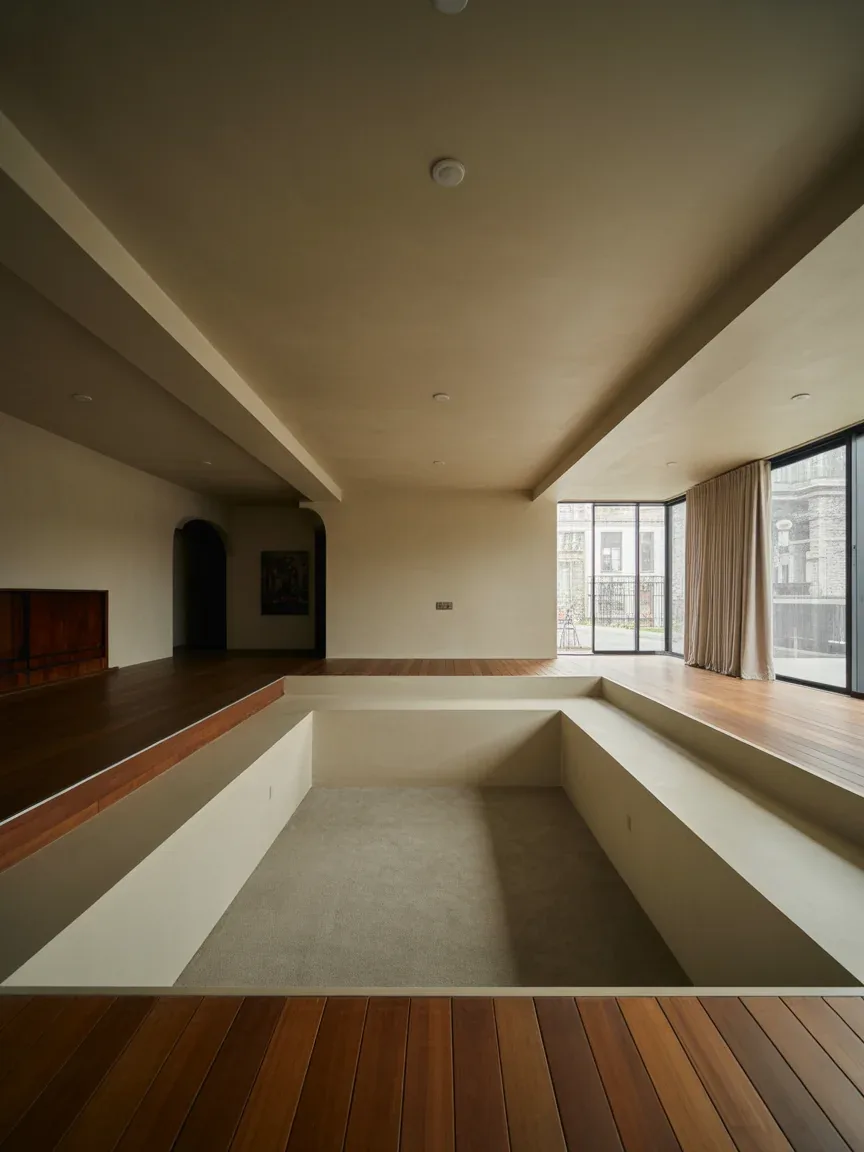
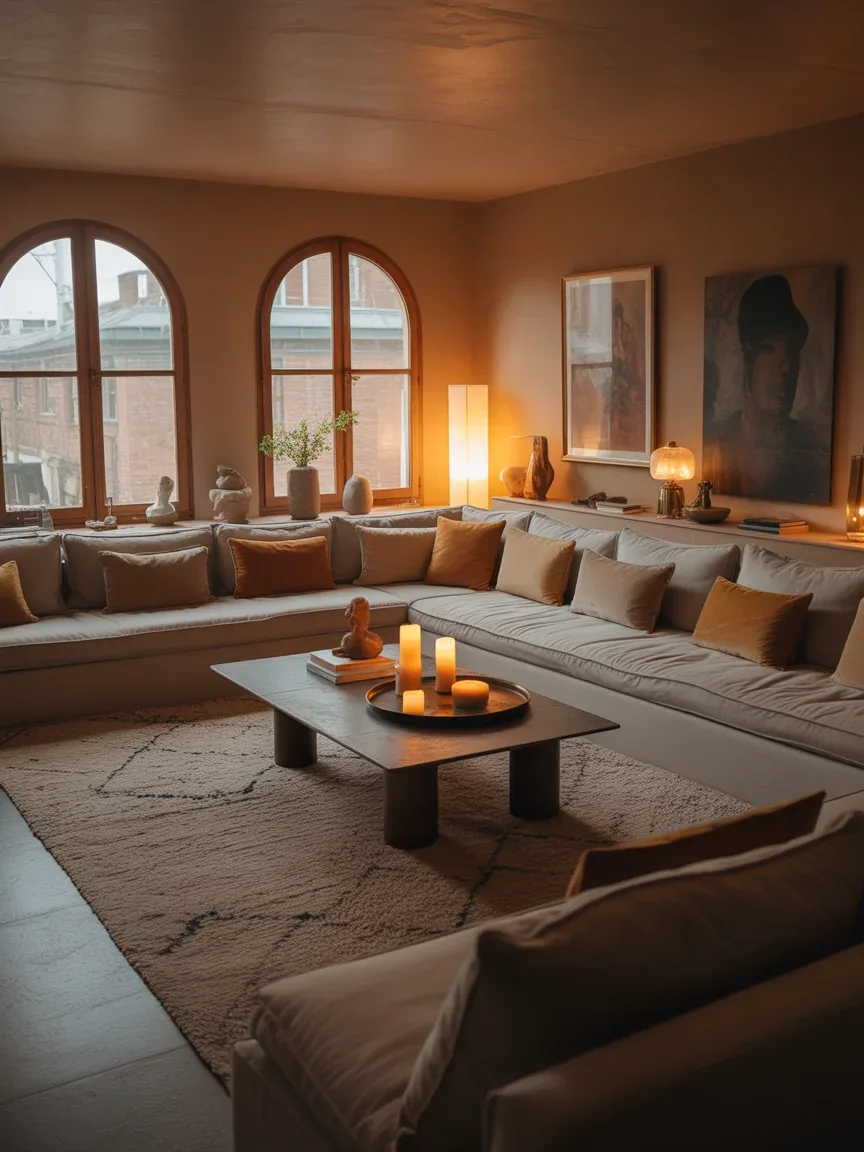
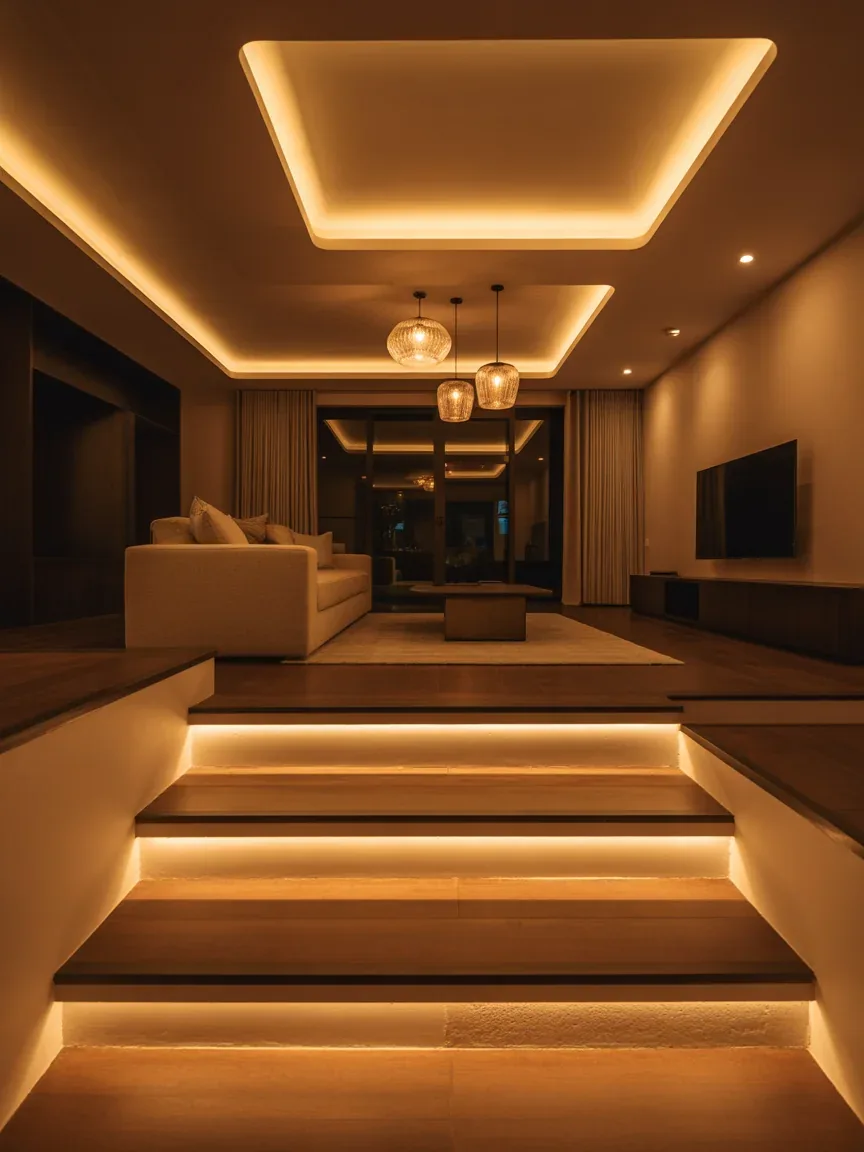
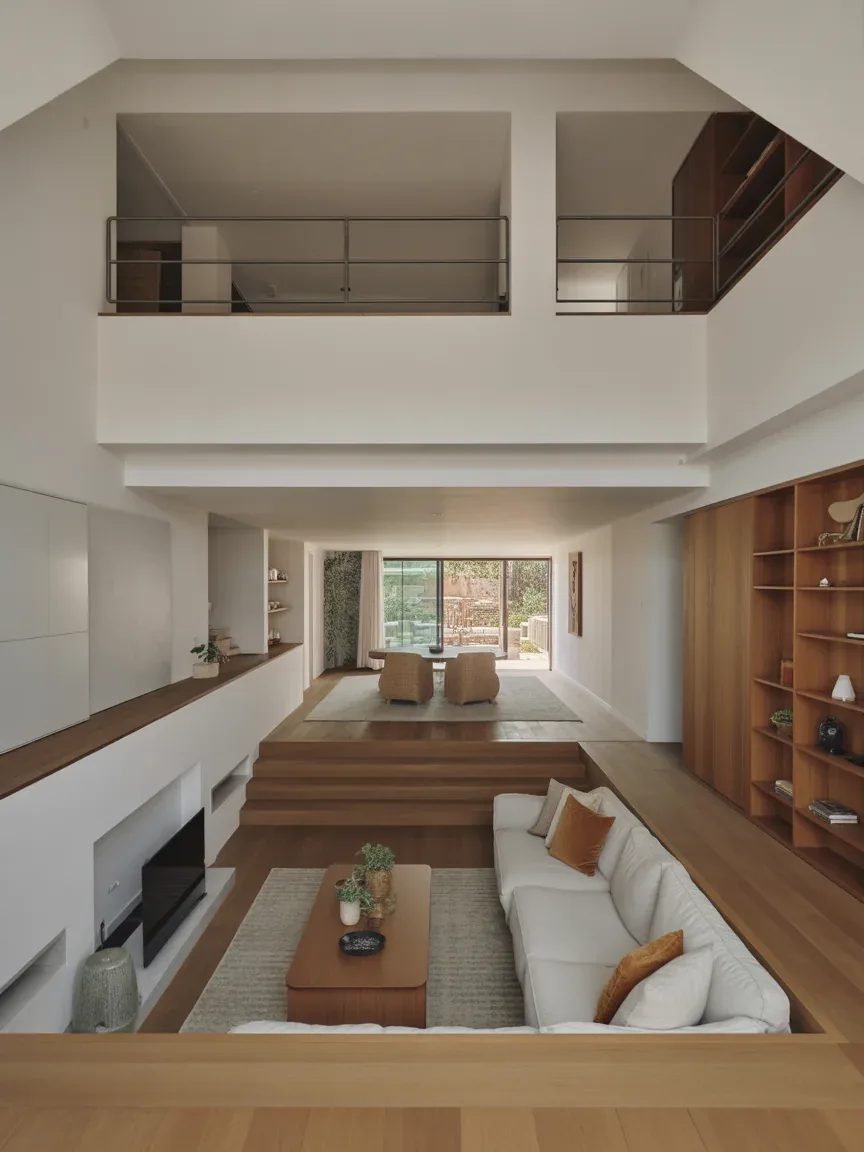
Sunken living rooms are back—and honestly, they never should’ve left. There’s something irresistibly cool about stepping down into a cozy, defined space that instantly feels more intimate. It’s retro, yes, but also surprisingly fresh when done right. If you want a living room that stands out without screaming for attention, this design might be your new obsession. Why Sunken Living Rooms Still Hit Different Let’s be real—most living rooms look the same. Sofa, coffee table, TV, repeat. A sunken living room flips that script instantly. It creates a natural boundary without walls, which makes your space feel both open and intentional. You step down, and boom—it feels like a completely different zone. Perfect for lounging, entertaining, or pretending you’re in a 1970s architectural magazine. Photo by Maverick Frame on Unsplash And the best part? It works in both retro and modern homes. You just need the right approach. Small Heart Hands Sculpture Decor for Living Room Bedroom Bookshe… 【Small size & Material】4.92″D x 1.37″W x 2.75″H, small and noticeable. Hand crafted out of high-quality durable resin, s… 【Express Love Uniquely】The Small Heart Hands Sculpture symbolizes love, friendship and affection. Display your love and … 【Home Office Decor】Its modern design complements any decor style, this stunning art piece will add a touch of elegance a… $8.99 Buy on Amazon Go Full Retro (But Keep It Chic) If you’re leaning into the vintage vibe, don’t hold back—but don’t go overboard either. Key Elements to Nail the Retro Look Warm earthy tones like burnt orange, mustard, and deep brown Low-profile, chunky furniture Textured materials like velvet or boucle Wood paneling or exposed beams The trick is to channel the vibe, not recreate a time capsule. You want people to say, “This feels retro,” not “Did I time travel?” Photo by Point3D Commercial Imaging Ltd. on Unsplash Add a conversation pit-style seating layout for maximum nostalgia. It’s cozy, social, and honestly way more fun than a stiff sofa lineup. Area Rug 8×10 Washable Rug, Vintage Boho Medallion Rugs Non-Slip … SOFTNESS & COMFORT: Step into cloud-like comfort with our 8×10 area rugs—unlike thin, mat-like competitors, ours are cra… MACHINE WASHABLE RUG: Cleaning has never been this simple. Designed for busy households with kids and pets, this is a to… NON-SLIP BACKING RUG: Safety meets style with our premium rugs featuring a secure non-slip design. No more shifting or t… $79.99 Buy on Amazon Keep It Minimal for a Modern Edge Not into retro overload? No problem. A sunken living room can look incredibly sleek and modern. Stick with: Photo by Sanju Pandita on Unsplash Neutral color palettes (whites, greys, soft taupes) Clean-lined furniture Hidden lighting or LED strips Minimal decor (less clutter = more impact) This approach lets the architecture do the talking. The sunken design itself becomes the focal point, so you don’t need to pile on extras. IMO, this is the easiest way to make the space feel high-end without trying too hard. Play With Levels and Depth The real magic of a sunken living room lies in its multi-level design. It adds depth—literally and visually. Photo by Clay Banks on Unsplash Ideas to Enhance the Effect Add a raised platform around the sunken area Use different flooring materials (like wood above, carpet below) Incorporate built-in seating along the edges These subtle shifts make your space feel dynamic and layered, instead of flat and predictable. And yes, people will notice. It’s one of those design choices that quietly impresses everyone. Make It the Ultimate Cozy Zone A sunken living room naturally invites relaxation. So why not lean into that? Photo by Clay Banks on Unsplash Think: Oversized cushions and plush sofas Soft rugs that define the lower level Warm lighting (floor lamps, sconces, candles) You want it to feel like a comfort pit—in the best way possible. Pro Tip: Go Low and Loungey Avoid tall furniture. Keep everything low to the ground so the space feels grounded and cohesive. This isn’t the place for stiff seating. It’s where people sprawl, nap, and lose track of time. Use Lighting to Set the Mood Lighting can make or break this design. Since the space sits lower, it naturally feels more enclosed—so lighting matters a lot. Smart Lighting Moves Install recessed lighting around the perimeter Add LED strips under steps for a subtle glow Use pendant lights to draw attention downward The goal? Create a warm, inviting atmosphere without making the space feel dark or sunken (in a bad way). Layer your lighting. Overhead, ambient, and accent—it all works together. Blend It Seamlessly With the Rest of Your Home A sunken living room shouldn’t feel disconnected. It should flow naturally with the rest of your space. Keep consistency with: Color palette Materials Overall design style If your home leans modern, don’t suddenly go full retro pit (unless you love contrast). Balance is everything. Open Concept? Even Better Sunken living rooms shine in open layouts. They define space without walls, which keeps everything airy and connected. It’s like having separate rooms… without actually having separate rooms. FAQ Are sunken living rooms practical for everyday use? Yes—if designed well. They actually improve flow and create a dedicated lounging area. Just make sure the steps are safe and visible. Do sunken living rooms make a space feel smaller? Not at all. They often make rooms feel larger and more dynamic by adding depth and visual interest. Are they safe for kids or older adults? They can be, but you need clear edges, good lighting, and possibly railings depending on the height difference. Can I add a sunken living room to an existing home? It’s possible, but it requires structural work. Consult a professional before grabbing a sledgehammer. What’s the ideal depth for a sunken living room? Usually 1–3 steps down (about 6–18 inches). Enough to define the space without making it awkward to navigate. Conclusion Sunken living rooms strike that rare balance between retro charm and modern sophistication. They feel intentional, stylish, and just a little bit bold—without being over the top. Whether you go full vintage or keep things clean and contemporary, this design adds personality in a way most living rooms simply can’t. So, would you step down into one? Because once you do, going back to a “normal” living room might feel… kind of boring.
Sunken living rooms are back—and honestly, they never should’ve left. There’s something irresistibly cool about stepping down into a cozy, defined space that instantly feels more intimate. It’s retro, yes, but also surprisingly fresh when done right. If you want a living room that stands out without screaming for attention, this design might be your new obsession.
It creates a natural boundary without walls, which makes your space feel both open and intentional. You step down, and boom—it feels like a completely different zone. Perfect for lounging, entertaining, or pretending you’re in a 1970s architectural magazine.
A sunken living room shouldn’t feel disconnected. It should flow naturally with the rest of your space.
Keep consistency with:
Color palette
Materials
Overall design style
If your home leans modern, don’t suddenly go full retro pit (unless you love contrast). Balance is everything.
Open Concept? Even Better
Sunken living rooms shine in open layouts. They define space without walls, which keeps everything airy and connected.
It’s like having separate rooms… without actually having separate rooms.
FAQ
Are sunken living rooms practical for everyday use?
Yes—if designed well. They actually improve flow and create a dedicated lounging area. Just make sure the steps are safe and visible.
Do sunken living rooms make a space feel smaller?
Not at all. They often make rooms feel larger and more dynamic by adding depth and visual interest.
Are they safe for kids or older adults?
They can be, but you need clear edges, good lighting, and possibly railings depending on the height difference.
Can I add a sunken living room to an existing home?
It’s possible, but it requires structural work. Consult a professional before grabbing a sledgehammer.
What’s the ideal depth for a sunken living room?
Usually 1–3 steps down (about 6–18 inches). Enough to define the space without making it awkward to navigate.
Conclusion
Sunken living rooms strike that rare balance between retro charm and modern sophistication. They feel intentional, stylish, and just a little bit bold—without being over the top.
Whether you go full vintage or keep things clean and contemporary, this design adds personality in a way most living rooms simply can’t.
So, would you step down into one? Because once you do, going back to a “normal” living room might feel… kind of boring.
Listen to this article 10 10 0:00 / 0:00 Speed 0.75×1×1.25×1.5×2× Your apartment doesn’t need to look like a temporary waiting room just because you rent. You can add color, texture, and serious personality without upsetting your landlord or sacrificing your security deposit. Honestly, some of the best decor hacks come from renters who got…
Listen to this article 10 10 0:00 / 0:00 Speed 0.75×1×1.25×1.5×2× A vintage eclectic living room feels collected, not decorated. It tells a story through worn wood, treasured finds, bold patterns, and unexpected combinations that somehow work together perfectly. If you love spaces with personality and refuse to live in a room that looks straight…
Listen to this article 10 10 0:00 / 0:00 Speed 0.75×1×1.25×1.5×2× Your living room shouldn’t look like a furniture showroom where nobody actually lives. It should feel stylish, comfortable, and unmistakably you. That’s exactly where contemporary eclectic design shines. This design approach blends clean modern elements with personal treasures, vintage finds, bold textures, and unexpected…
Listen to this article 10 10 0:00 / 0:00 Speed 0.75×1×1.25×1.5×2× Open shelves are unforgiving. A closed cabinet hides your bad decisions; an open shelf broadcasts them. If you’ve ever stood in front of a shelving unit and felt like something was “off” without being able to say what, it’s usually one of a handful…
Listen to this article 10 10 0:00 / 0:00 Speed 0.75×1×1.25×1.5×2× I painted my dining room the color of black coffee two years ago, and my mother still brings it up like I confessed to a crime. But here’s the thing — gothic glam decor gets a bad reputation it doesn’t deserve. People hear “gothic”…
Listen to this article 10 10 0:00 / 0:00 Speed 0.75×1×1.25×1.5×2× Ever walked into a living room that just felt right—cozy, balanced, and effortlessly stylish? Chances are, it wasn’t the sofa or rug doing all the work. It was the lighting. Figuring out how many lamps in a living room isn’t just about numbers—it’s about…