There’s a reason colonial kitchen design never really goes out of style. It feels warm, practical, elegant, and just polished enough to impress guests without looking like nobody’s allowed to touch anything. If you love kitchens with history, character, and a “passed-down-for-generations” kind of charm, colonial style delivers in a big way. Here’s how to bring that timeless American look into your own kitchen—without making it feel like a museum. Start With Classic Cabinetry That Looks Built to Last Colonial kitchens lean heavily on traditional cabinetry. Think framed cabinet doors, detailed trim, and craftsmanship that says, “Yes, someone actually cared when they built this.” Painted wood cabinets work beautifully here, especially in shades like: Photo by Oleksandr Kurchev on Unsplash Soft white Cream Muted gray Deep navy Forest green Want extra authenticity? Add glass-front upper cabinets or furniture-style lower cabinets. Colonial kitchens often blur the line between cabinetry and freestanding furniture, which gives the room a collected-over-time feel. Don’t Skip the Hardware Cabinet hardware matters more than people think. Swap basic modern pulls for: Antique brass cup pulls Bin pulls Oil-rubbed bronze knobs Traditional latch-style hardware Tiny detail, huge payoff. Photo by Maciej Cisowski on Unsplash Amerock Corp Cup Pulls 3 inch (76 mm) Center-to-Center Golden Cha… Traditional style cup pull adds a sophisticated, classic touch to cabinets, drawers or furniture and has an overall leng… Golden Champagne cup pull features a cool gold tone and understated elegance that coordinates with top plumbing and ligh… Made with high-quality zinc, this Amerock cabinet cup pull features detailed craftsmanship and offers exceptional durabi… $18.80 Buy on Amazon Embrace Rich Wood Tones for Warmth and Character Colonial homes loved wood. Floors, beams, furniture, trim—basically if it could be wood, they made it wood. To channel that warmth in your kitchen, consider: Wide-plank hardwood flooring Exposed ceiling beams Wood range hoods Butcher block accents Stained islands contrasting painted perimeter cabinets The trick is balance. Too much dark wood and suddenly your kitchen feels like a tavern from 1774. Charming? Maybe. Practical? Debatable. Photo by Leandro Silva on Unsplash Choose Countertops With Old-World Elegance Ultra-modern glossy counters can clash with colonial style fast. Instead, go for materials that feel timeless and slightly understated. Great options include: Soapstone for a historic, matte look Marble for refined traditional elegance Honed granite for durability with a softer finish Butcher block for warmth and authenticity A colonial kitchen should look polished, but never overly sleek. You want “heritage charm,” not “futuristic spaceship galley.” Photo by muhammad arief on Unsplash Add Architectural Details That Create Instant Character This is where colonial kitchens really shine. The bones matter. Architectural details give the room that old-home authenticity people spend way too much money trying to fake later. Must-Have Colonial-Inspired Features Crown molding on cabinetry Decorative corbels under counters or shelves Beadboard or paneled walls Wainscoting in breakfast areas Built-in hutches or plate racks These details make even a newer home feel layered and established. Photo by SOHAM BANERJEE on Unsplash Consider a Fireplace-Style Range Hood Colonial homes often centered around the hearth, and today’s version of that is a dramatic range hood. A wood or plaster hood styled like an old fireplace surround instantly creates that gathered-around-the-hearth vibe. Honestly, it’s one of the easiest ways to make your kitchen look custom. Bring in Vintage-Inspired Lighting Lighting can make or break the look. Colonial kitchens call for fixtures with historic character, not ultra-minimal LED strips pretending to be interesting. Try lighting styles like: Lantern pendants Candle-style chandeliers Schoolhouse fixtures Wall sconces with aged metal finishes Black iron, antique brass, and weathered bronze all work beautifully here. Bonus points if your light fixture looks like it could survive a Revolutionary War dinner party. Decorate With Functional, Heritage-Inspired Accessories Colonial style isn’t about clutter, but it does love purposeful decor. Every decorative element should feel useful, storied, or both. Accessories That Fit the Colonial Look Wooden cutting boards displayed on counters Copper cookware hanging from racks Stoneware crocks for utensils Vintage-style rugs with muted patterns Open shelves with stacked ceramic dishes Woven baskets for produce or linens The goal? A kitchen that feels lived-in and welcoming, not staged within an inch of its life. Mix Historic Charm With Modern Function Here’s the reality: nobody wants a kitchen that looks amazing but stores three forks and has one outlet. The best colonial-inspired kitchens mix traditional style with modern convenience. You can absolutely keep the look while adding: Hidden charging drawers Integrated appliances Soft-close cabinets Pull-out pantry storage Large islands for entertaining That’s the sweet spot—historic beauty with modern sanity. FAQ What Defines Colonial Kitchen Design? Colonial kitchen design draws inspiration from early American homes and focuses on traditional craftsmanship, warm materials, and timeless details. It often includes wood accents, classic cabinetry, vintage-inspired hardware, and architectural trim. What Colors Work Best in a Colonial Kitchen? Neutral and historically inspired shades work best, including: Warm white Cream Soft gray Sage green Navy blue Deep red accents These colors create that rich, heritage-inspired atmosphere colonial kitchens do so well. Can Colonial Kitchen Design Work in a Modern Home? Absolutely. You don’t need to live in a 200-year-old farmhouse to use colonial style. Adding classic cabinetry, warm woods, vintage lighting, and traditional trim can bring colonial charm into even a brand-new build. What Flooring Looks Best in a Colonial Kitchen? Wide-plank hardwood flooring remains the top choice. It instantly adds warmth and authenticity. If real wood isn’t practical, wood-look tile or luxury vinyl in warm tones can mimic the style surprisingly well. How Do I Keep Colonial Style From Feeling Too Old-Fashioned? Mix in modern elements strategically. Keep the colonial bones—cabinetry, trim, wood tones—but pair them with updated appliances, cleaner finishes, and simplified decor. Think “timeless,” not “historical reenactment.” Is Colonial Kitchen Design Expensive? It can be, but it doesn’t have to be. Small updates like changing hardware, adding vintage lighting, painting cabinets, or installing beadboard can create the look without a full renovation. Conclusion Colonial kitchen design works because it blends beauty with practicality in a way that never feels trendy or forced. It’s warm, welcoming, and packed with the kind of details people notice the second they walk in. Whether you go all-in with beams and custom millwork or simply add a few colonial-inspired touches, this style brings timeless American charm to any kitchen. And frankly, that’s a lot more appealing than chasing whatever weird design trend social media invents next week.
There’s a reason colonial kitchen design never really goes out of style. It feels warm, practical, elegant, and just polished enough to impress guests without looking like nobody’s allowed to touch anything. If you love kitchens with history, character, and a “passed-down-for-generations” kind of charm, colonial style delivers in a big way. Here’s how to bring that timeless American look into your own kitchen—without making it feel like a museum.
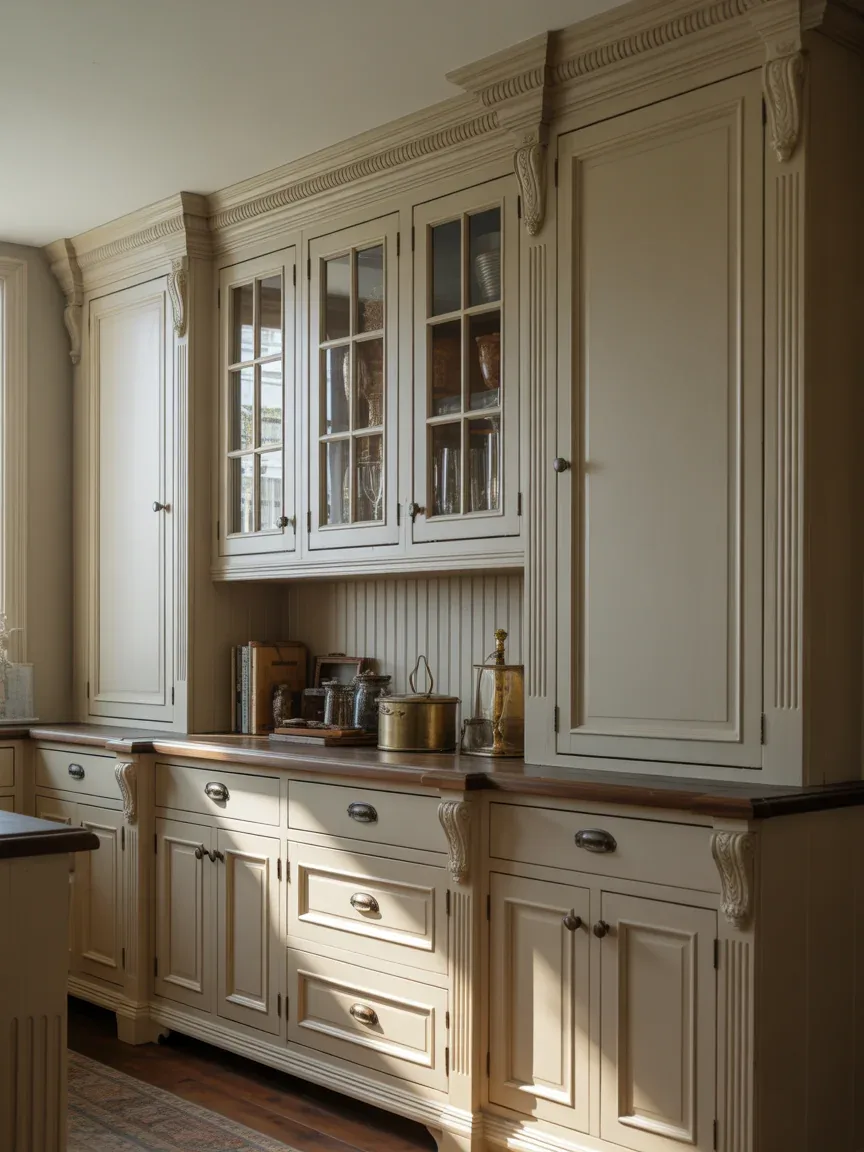
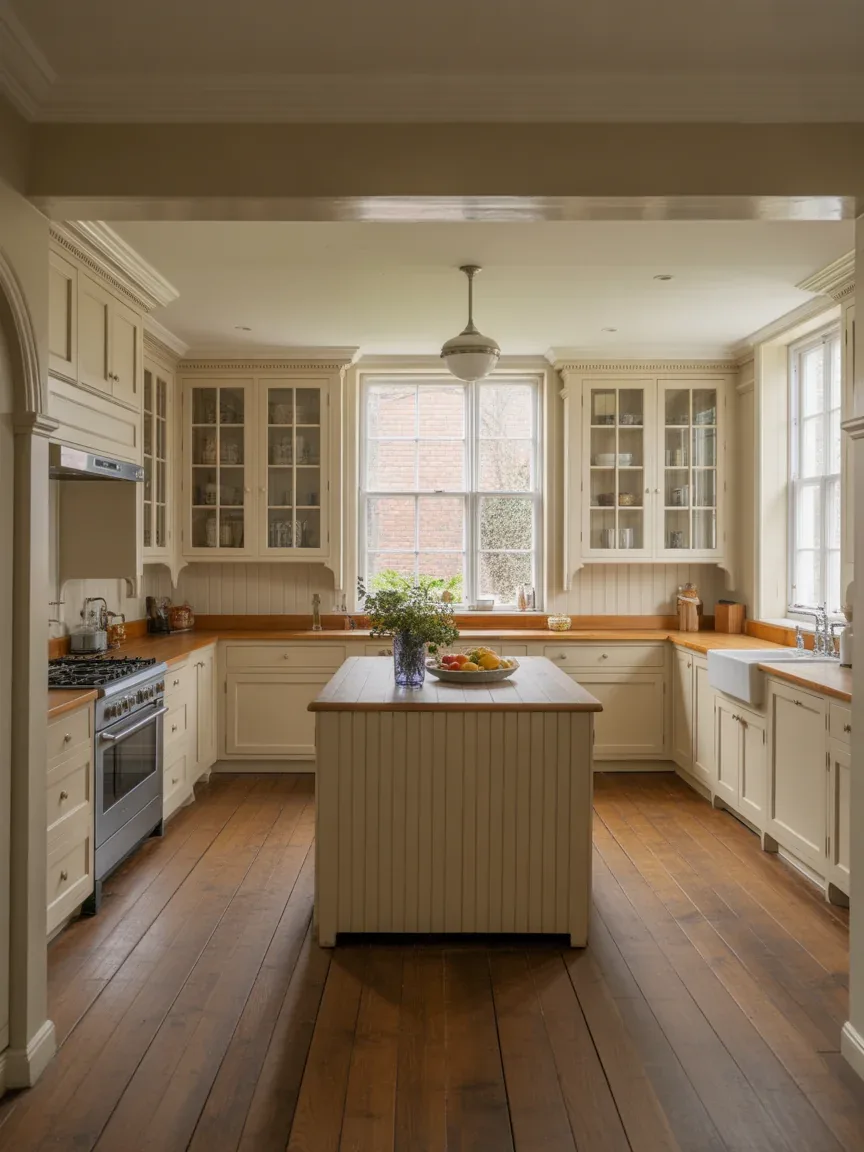
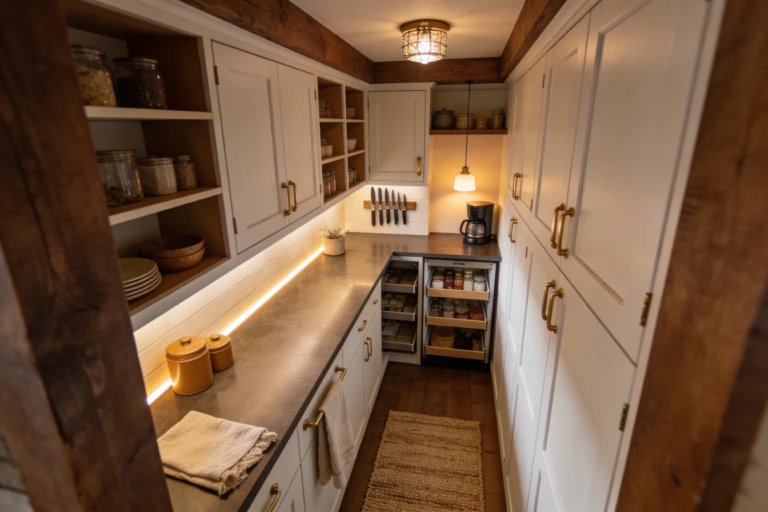
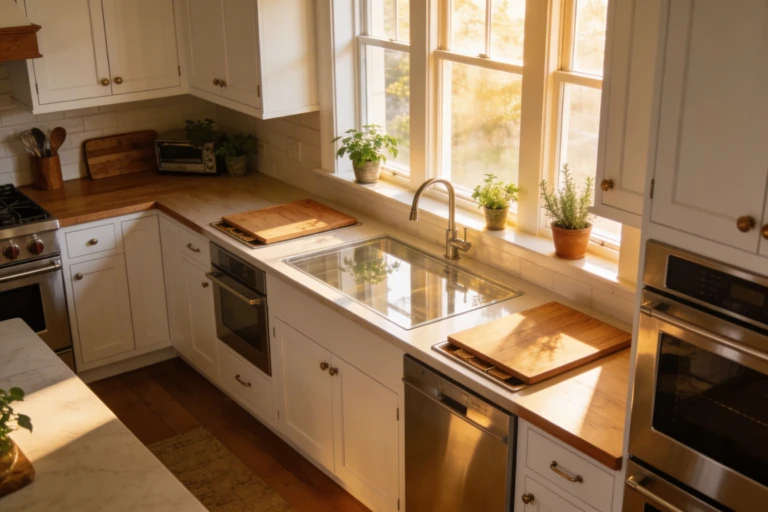
Colonial kitchens lean heavily on traditional cabinetry. Think framed cabinet doors, detailed trim, and craftsmanship that says, “Yes, someone actually cared when they built this.”
Want extra authenticity? Add glass-front upper cabinets or furniture-style lower cabinets. Colonial kitchens often blur the line between cabinetry and freestanding furniture, which gives the room a collected-over-time feel.
Don’t Skip the Hardware
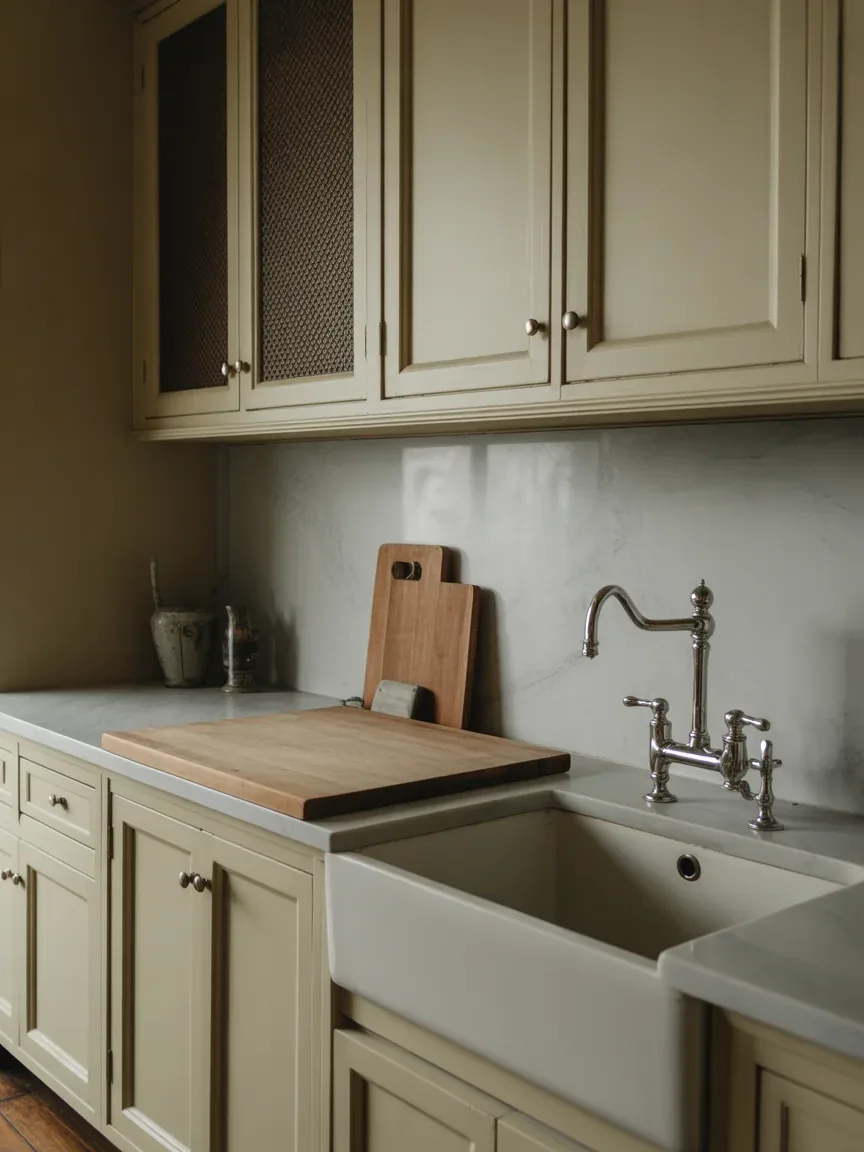
Cabinet hardware matters more than people think. Swap basic modern pulls for:
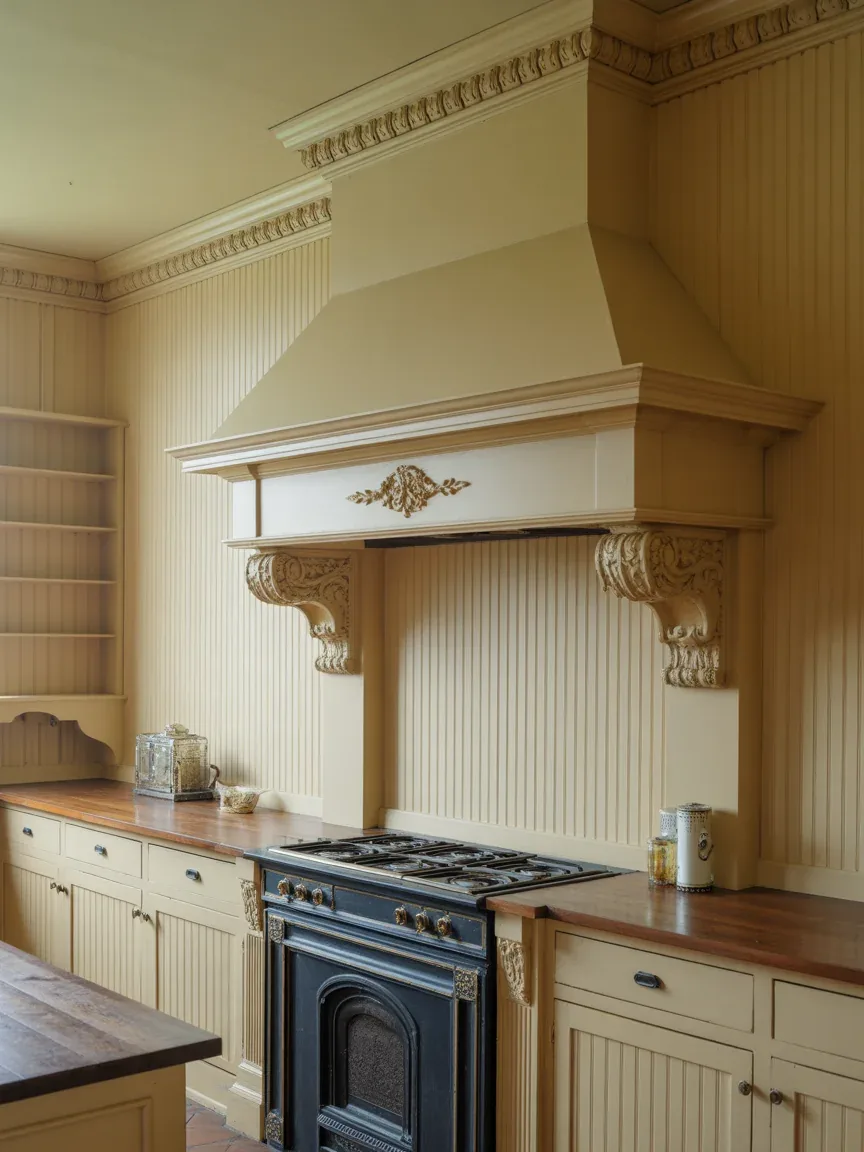
Colonial homes often centered around the hearth, and today’s version of that is a dramatic range hood. A wood or plaster hood styled like an old fireplace surround instantly creates that gathered-around-the-hearth vibe.
Honestly, it’s one of the easiest ways to make your kitchen look custom.
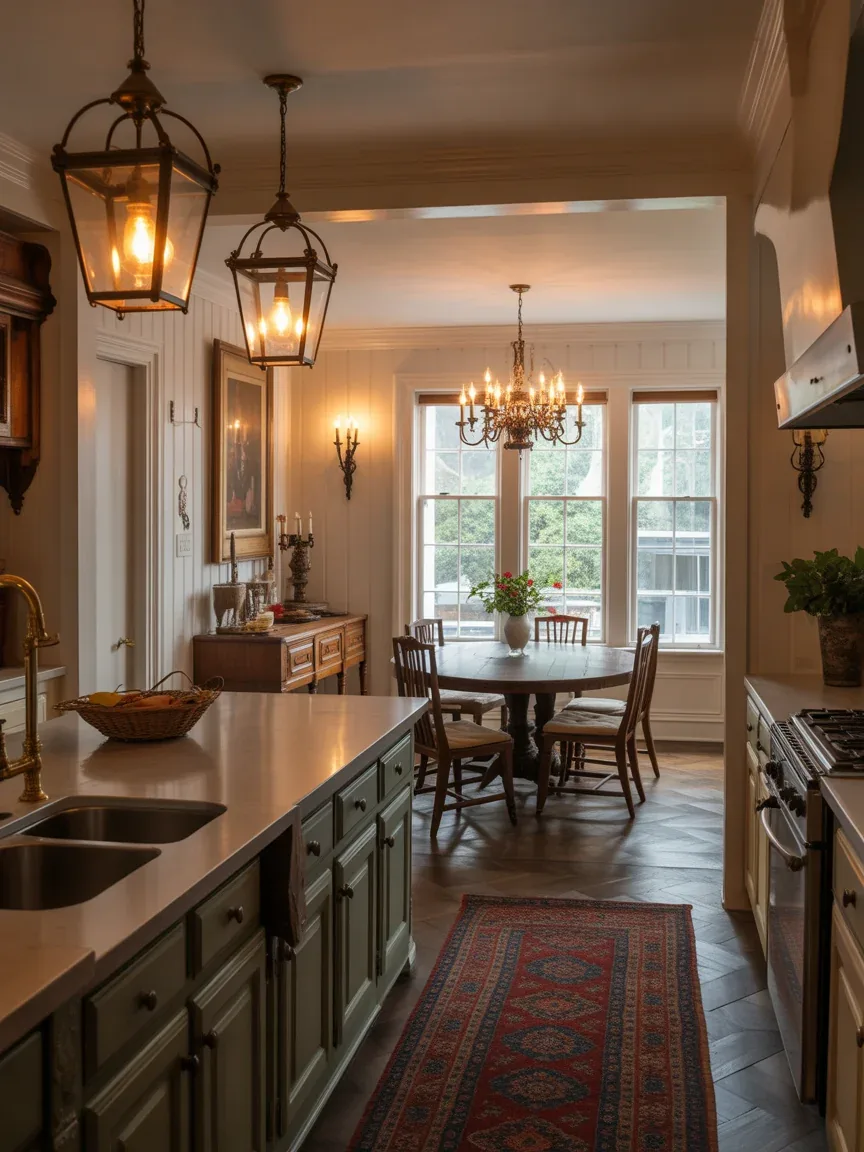
Lighting can make or break the look. Colonial kitchens call for fixtures with historic character, not ultra-minimal LED strips pretending to be interesting.
Try lighting styles like:
Lantern pendants
Candle-style chandeliers
Schoolhouse fixtures
Wall sconces with aged metal finishes
Black iron, antique brass, and weathered bronze all work beautifully here.
Bonus points if your light fixture looks like it could survive a Revolutionary War dinner party.
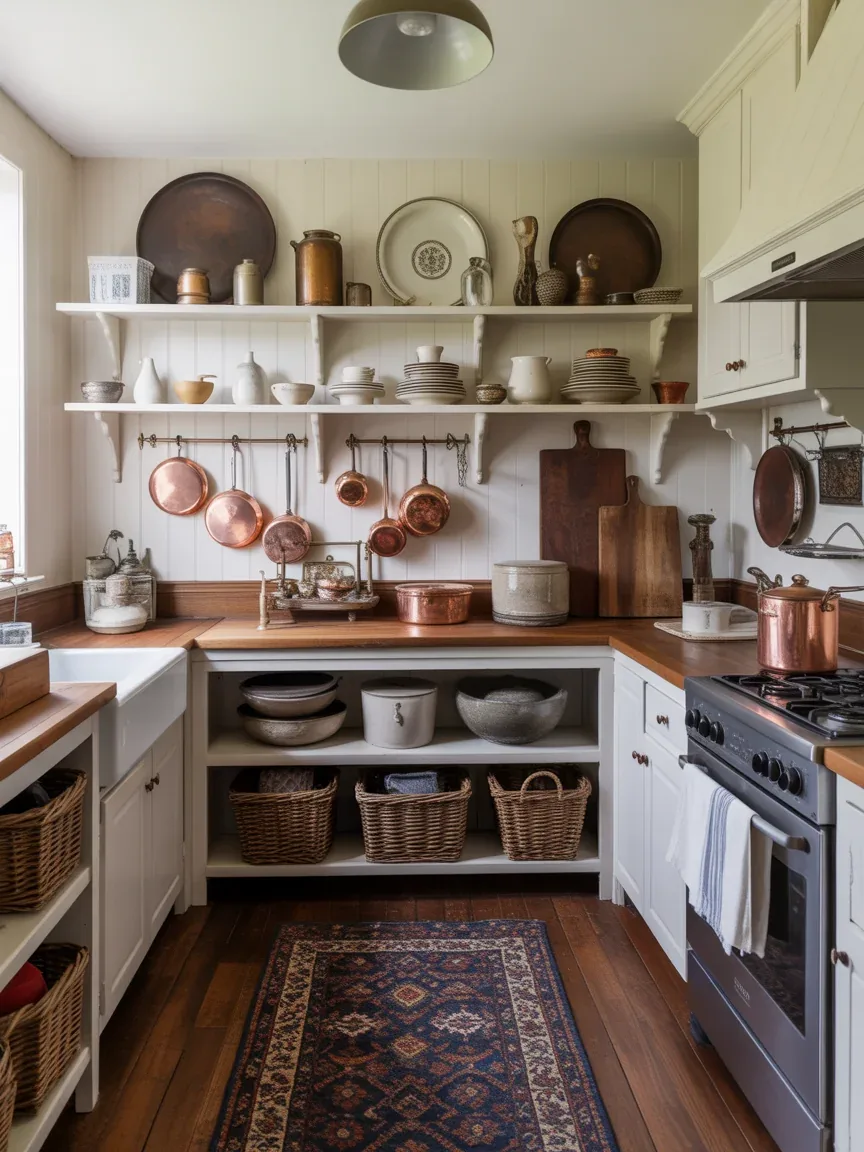
Decorate With Functional, Heritage-Inspired Accessories
Here’s the reality: nobody wants a kitchen that looks amazing but stores three forks and has one outlet. The best colonial-inspired kitchens mix traditional style with modern convenience.
You can absolutely keep the look while adding:
Hidden charging drawers
Integrated appliances
Soft-close cabinets
Pull-out pantry storage
Large islands for entertaining
That’s the sweet spot—historic beauty with modern sanity.
FAQ
What Defines Colonial Kitchen Design?
Colonial kitchen design draws inspiration from early American homes and focuses on traditional craftsmanship, warm materials, and timeless details. It often includes wood accents, classic cabinetry, vintage-inspired hardware, and architectural trim.
What Colors Work Best in a Colonial Kitchen?
Neutral and historically inspired shades work best, including:
Warm white
Cream
Soft gray
Sage green
Navy blue
Deep red accents
These colors create that rich, heritage-inspired atmosphere colonial kitchens do so well.
Can Colonial Kitchen Design Work in a Modern Home?
Absolutely. You don’t need to live in a 200-year-old farmhouse to use colonial style. Adding classic cabinetry, warm woods, vintage lighting, and traditional trim can bring colonial charm into even a brand-new build.
What Flooring Looks Best in a Colonial Kitchen?
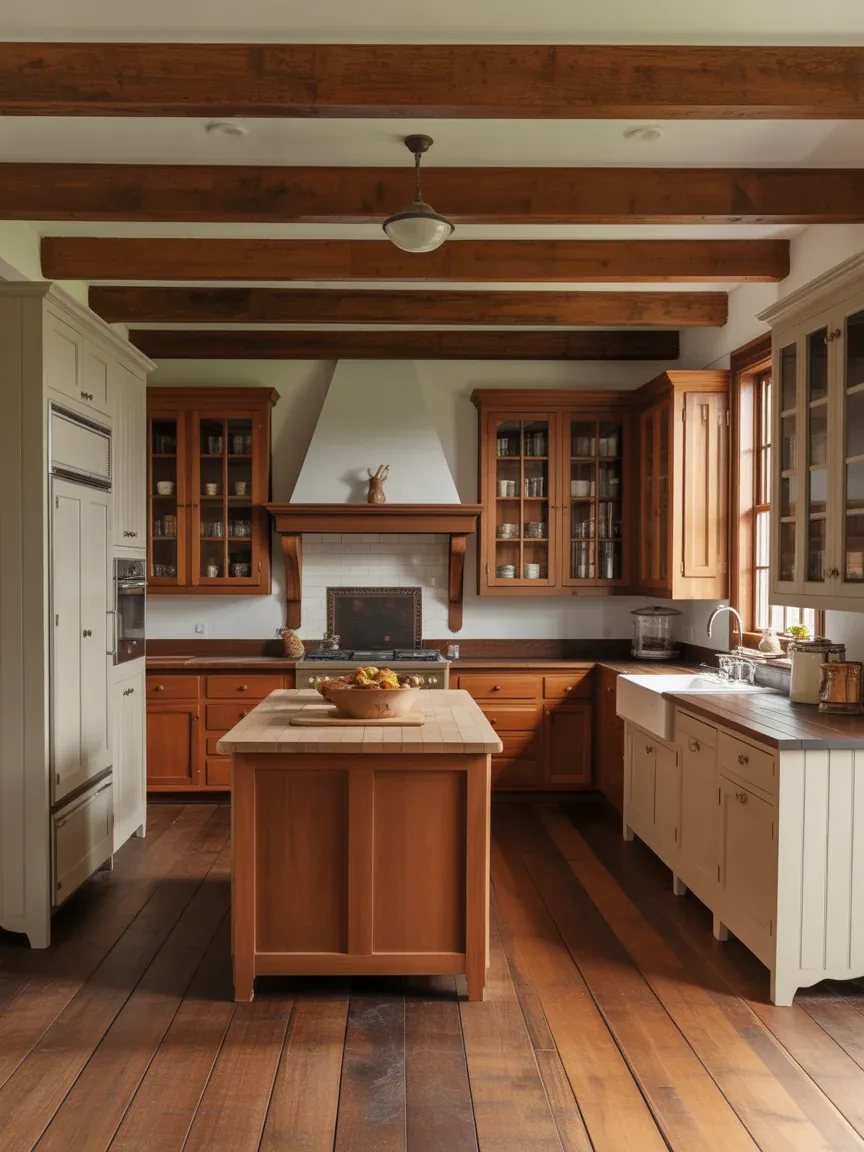
Wide-plank hardwood flooring remains the top choice. It instantly adds warmth and authenticity. If real wood isn’t practical, wood-look tile or luxury vinyl in warm tones can mimic the style surprisingly well.
How Do I Keep Colonial Style From Feeling Too Old-Fashioned?
Mix in modern elements strategically. Keep the colonial bones—cabinetry, trim, wood tones—but pair them with updated appliances, cleaner finishes, and simplified decor. Think “timeless,” not “historical reenactment.”
Is Colonial Kitchen Design Expensive?
It can be, but it doesn’t have to be. Small updates like changing hardware, adding vintage lighting, painting cabinets, or installing beadboard can create the look without a full renovation.
Conclusion
Colonial kitchen design works because it blends beauty with practicality in a way that never feels trendy or forced. It’s warm, welcoming, and packed with the kind of details people notice the second they walk in. Whether you go all-in with beams and custom millwork or simply add a few colonial-inspired touches, this style brings timeless American charm to any kitchen. And frankly, that’s a lot more appealing than chasing whatever weird design trend social media invents next week.
Listen to this article 10 10 0:00 / 0:00 Speed 0.75×1×1.25×1.5×2× Small spaces don’t have to feel cramped—they just need smarter layouts. When your kitchen and living room share one space, every inch matters and every choice counts. The good news? You can make it look intentional, stylish, and seriously functional without knocking down more…
Listen to this article 10 10 0:00 / 0:00 Speed 0.75×1×1.25×1.5×2× A small farmhouse galley kitchen has one advantage most other small kitchens don’t: everything is already close together. The work triangle is short by default. The problem is usually storage and light, not layout — a galley rarely has room for a pantry closet,…
Listen to this article 10 10 0:00 / 0:00 Speed 0.75×1×1.25×1.5×2× A vintage kitchen is easy to get wrong in one specific way: people buy old-looking things and scatter them around, and the room ends up feeling like a thrift store display rather than a kitchen anyone actually cooks in. The kitchens that pull it…
Listen to this article 10 10 0:00 / 0:00 Speed 0.75×1×1.25×1.5×2× Cramped kitchen-living combos don’t have to feel like a design compromise. With the right layout tricks and styling moves, even the tiniest open space can look intentional, airy, and seriously stylish. Think less “everything crammed together” and more “effortlessly connected.” Ready to rethink your…
Listen to this article 10 10 0:00 / 0:00 Speed 0.75×1×1.25×1.5×2× Your kitchen splashback is doing way more than just catching spills—it’s basically the outfit your kitchen wears every day. Get it right, and suddenly everything looks intentional, polished, and just a little bit smug. Get it wrong… well, we don’t talk about that. Ready…
Listen to this article 10 10 0:00 / 0:00 Speed 0.75×1×1.25×1.5×2× A U-shaped layout is one of the most efficient footprints for a small kitchen — three walls of counter and storage instead of one — but a small u shaped kitchen remodel farmhouse project has a specific failure mode: cramming in every farmhouse element…