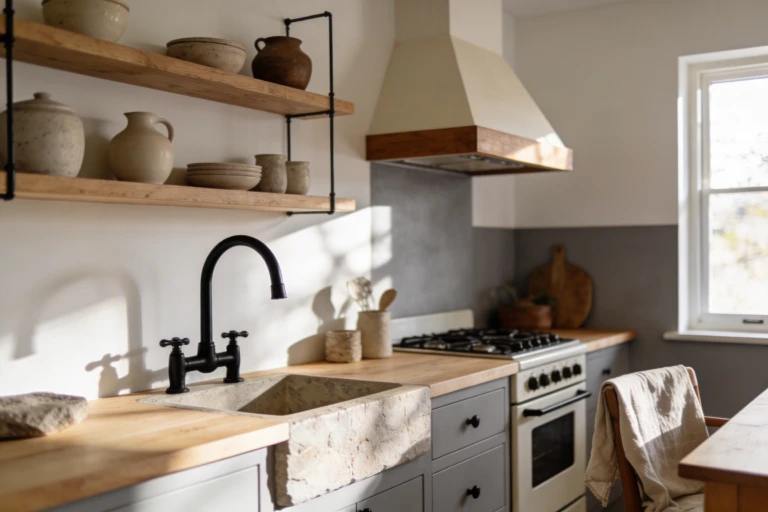
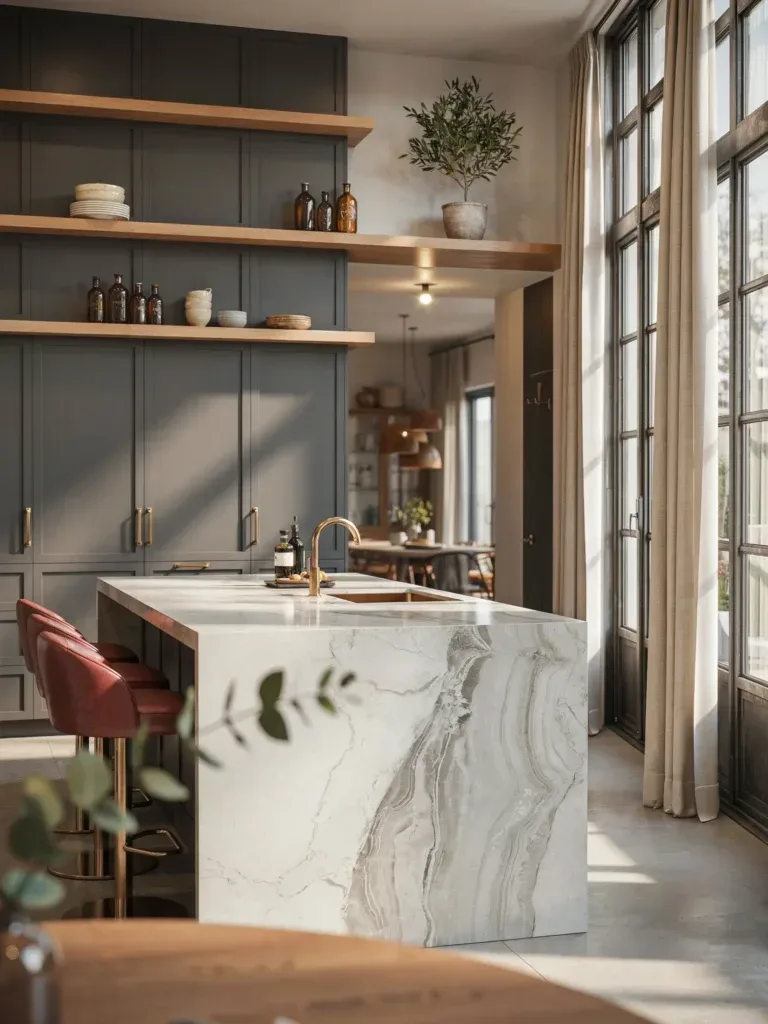
Open-concept homes look amazing… until your kitchen chaos spills straight into the living room. One frying pan on the counter suddenly becomes part of the “decor.” Fun times. But when you design the space well, an open kitchen and living room can feel bright, airy, and ridiculously comfortable. The trick? You need flow, balance, and a little visual discipline. Not perfection. Nobody expects your throw pillows to match your toaster 24/7. Start with a Clear Layout Before you buy furniture or pick paint colors, figure out how people will actually move through the space. Sounds obvious, but you’d be shocked how many people shove a giant sectional in the middle and call it a day. An open-concept layout works best when each area has a purpose without feeling boxed in. Think about: Where people walk most often How close the dining area sits to the kitchen Whether the TV competes with the cooking zone Where natural light enters the room You want smooth movement, not an obstacle course. If guests need parkour skills to reach the couch, the layout needs work. Use Furniture to Define Zones Walls disappear in open concepts, so furniture becomes your room divider. A sofa can separate the living area from the kitchen without making the space feel cramped. A kitchen island can create a natural transition point too. Try: A sectional facing away from the kitchen An area rug under the seating zone Open shelving instead of solid dividers A slim console table behind the sofa These small tricks create structure without killing the open feel. Nuloom Asha Light Brown/Ivory, 8′ x 10′, Casual, Striped Border, … Indoor/Outdoor Durable Materials: Our area rug is meticulously crafted from 90% Polypropylene, 10% Polyester and made in… Recommended Rooms: Transform your living room, kitchen, patio, deck, or porch with this stunning 8×10 indoor/outdoor Are… Enduring Stylish Design: This Bordered Indoor/Outdoor rug boasts a captivating aesthetic. Its timeless patterns and clas… $152.99 Buy on Amazon Keep the Color Palette Cohesive Want the room to feel bigger instantly? Stop treating the kitchen and living room like distant cousins who barely speak. A cohesive color palette ties everything together and keeps the eye moving smoothly across the space. Stick with: Neutral base colors Warm woods or consistent metal finishes 2-3 accent colors max Similar tones throughout both spaces FYI, this doesn’t mean everything needs to look beige and emotionally exhausted. You can absolutely add personality. Just keep the transitions smooth. The Best Colors for Spaciousness Lighter colors reflect more light, which makes open spaces feel larger. Some reliable choices include: Soft white Warm greige Light taupe Sage green Pale oak tones Dark colors can work too, but use them strategically. A black kitchen island? Stylish. A fully black ceiling in a small open room? Bold move, my friend. Devoko Patio Porch Furniture Sets 3 Pieces PE Rattan Wicker Chair… – Sturdy & Durable: Devoko rattan patio furniture set is made of brown PE rattan and strong steel frame, It is durable e… – Comfortable & Convenient: Soft sponge-filled seats give you extra comfort, and the covers can be removed for easy clea… – Wide Applications: Good choice for patio, porch, backyard, balcony, poolside, garden and other suitable space in your … $89.99 Buy on Amazon Choose Smart Furniture Sizes Oversized furniture destroys spaciousness faster than almost anything else. People often buy furniture separately for each area without thinking about scale. Then suddenly the room feels stuffed even though the square footage looked fine on paper. Instead: Pick furniture with visible legs Leave breathing room between pieces Avoid bulky armrests Choose low-profile seating when possible Furniture that sits slightly off the floor creates visual openness because you can see more of the room underneath it. Avoid the “Showroom” Mistake Not every wall needs furniture. Seriously. Leave some empty space. Empty space actually makes a room feel more luxurious and intentional. One well-sized chair beats three tiny accent chairs fighting for survival in a corner. Maximize Natural Light Natural light acts like magic in an open-concept space. It softens edges, brightens surfaces, and makes everything feel larger. Heavy curtains? Probably not helping. Instead, try: Sheer window treatments Light-filtering shades Reflective surfaces Mirrors across from windows If your kitchen and living room share windows, keep treatments consistent across the entire area. Random curtain styles make the room feel visually chopped up. Layer Your Lighting Open concepts need multiple light sources because one lonely ceiling fixture won’t cut it. Use a mix of: Pendant lights over the island Floor lamps in the living room Under-cabinet lighting Table lamps for warmth The goal involves creating layers instead of blasting the whole room with dentist-office lighting. Make Storage Invisible Open concepts look spacious when clutter stays hidden. Unfortunately, kitchens generate clutter like it’s their full-time job. Coffee machines. Air fryers. Mail piles. Mystery cables. Somehow it all appears overnight. Smart storage changes everything. Prioritize Closed Storage Closed cabinets keep visual noise under control. Use: Deep drawers instead of overcrowded upper cabinets Built-in pantry storage Hidden trash bins Storage ottomans in the living room Open shelving looks gorgeous online, but unless you enjoy styling bowls for fun every weekend, keep it limited. Use Vertical Space Tall cabinets draw the eye upward and make ceilings feel higher. Floor-to-ceiling cabinetry also reduces awkward empty gaps that collect dust and regret. If your ceilings allow it, extend cabinets all the way up. The room instantly feels more polished and expansive. Create One Unified Style Your kitchen and living room should feel connected, not like two different Pinterest boards accidentally collided. That doesn’t mean everything must match exactly. It just means the design language should feel consistent. For example: Modern kitchen + modern living room Rustic kitchen + cozy textured seating Minimal kitchen + clean-lined furniture Mixing styles works too, but keep one dominant aesthetic leading the space. Repeat Materials Throughout the Room Repeating materials creates visual rhythm. Easy examples: Wood tones from kitchen stools echoed in the coffee table Black hardware matching light fixtures Similar fabrics or textures throughout These repeated details quietly make the entire room feel intentional. IMO, this step matters more than people realize. Don’t Forget the Ceiling and Floors People obsess over countertops and ignore the giant surfaces above and below them. Weird strategy. Consistent flooring across the kitchen and living room makes the entire space feel larger because the eye travels uninterrupted. Great flooring choices include: Hardwood Luxury vinyl plank Large-format tile Polished concrete Avoid changing flooring materials unless you genuinely need to. Keep the Ceiling Simple A busy ceiling can shrink the room visually. Stick with: Simple recessed lighting Clean ceiling lines Consistent paint color Minimal heavy beams in smaller spaces If you want drama, let the furniture and textures do the talking instead. FAQ How do I make a small open-concept kitchen and living room feel bigger? Use light colors, consistent flooring, and slim furniture profiles. Keep clutter hidden and maximize natural light. Even small adjustments can make the room feel noticeably more open. Should the kitchen and living room match exactly? No. They should feel connected, not identical. Use similar colors, materials, or finishes to create harmony while still giving each area personality. Are kitchen islands necessary in open concepts? Not always, but they help define space and add storage. Even a small island can improve flow and create separation between zones. What type of flooring works best for open-concept spaces? Continuous flooring works best because it creates visual flow. Hardwood and luxury vinyl plank remain popular because they connect spaces seamlessly. How do I hide kitchen clutter in an open layout? Use closed storage, deep drawers, built-in organizers, and appliance garages. Basically, give everything a home before your counters turn into a storage unit. Can dark colors work in an open-concept room? Absolutely. Just balance them with lighter surfaces, good lighting, and enough contrast so the room still feels open instead of cave-like. Conclusion Designing a kitchen with a living room open concept comes down to balance. You want openness without chaos, style without clutter, and comfort without overcrowding the room. Focus on flow, cohesive design, smart storage, and layered lighting. The result feels bigger, brighter, and way more inviting. And honestly? Once you get it right, you’ll never want to go back to tiny boxed-in rooms again.
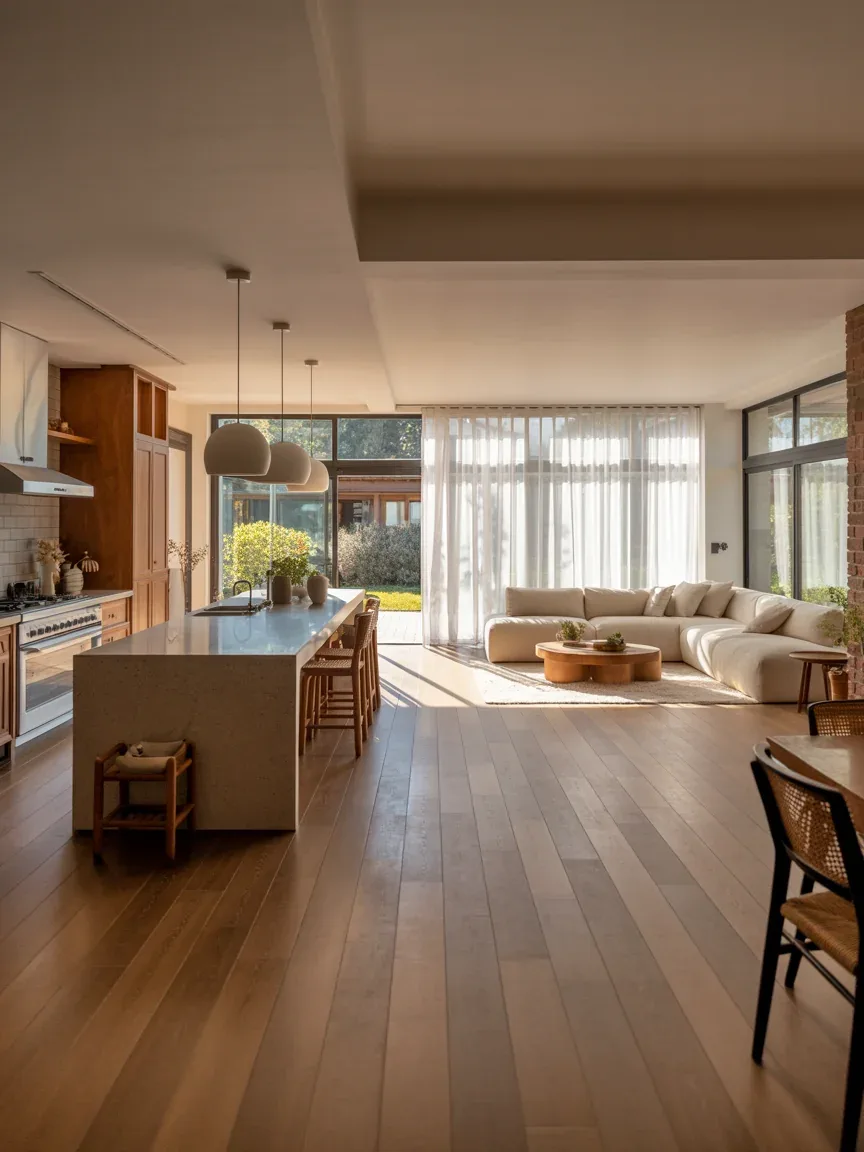
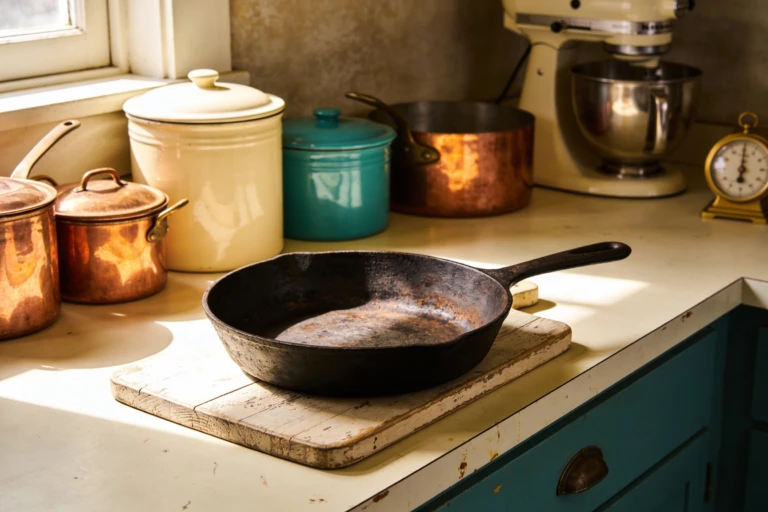
Open-concept homes look amazing… until your kitchen chaos spills straight into the living room. One frying pan on the counter suddenly becomes part of the “decor.” Fun times. But when you design the space well, an open kitchen and living room can feel bright, airy, and ridiculously comfortable.
Before you buy furniture or pick paint colors, figure out how people will actually move through the space. Sounds obvious, but you’d be shocked how many people shove a giant sectional in the middle and call it a day.
An open-concept layout works best when each area has a purpose without feeling boxed in.
Think about:
Where people walk most often
How close the dining area sits to the kitchen
Whether the TV competes with the cooking zone
Where natural light enters the room
You want smooth movement, not an obstacle course. If guests need parkour skills to reach the couch, the layout needs work.
Use Furniture to Define Zones
Walls disappear in open concepts, so furniture becomes your room divider.
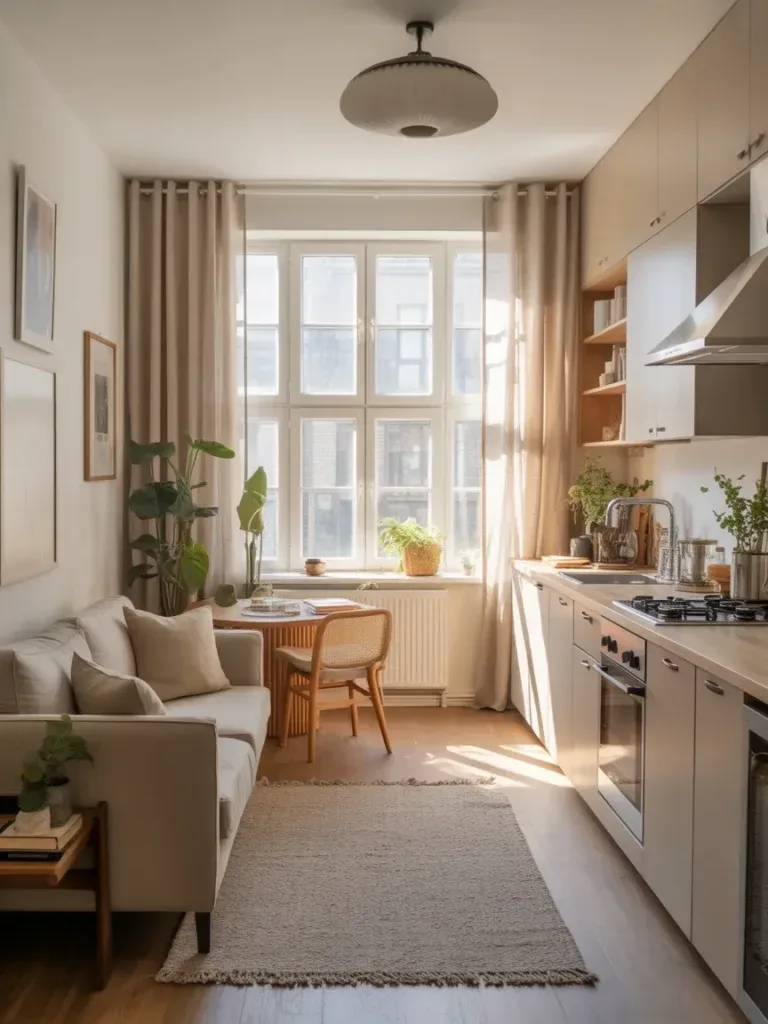
A sofa can separate the living area from the kitchen without making the space feel cramped. A kitchen island can create a natural transition point too.
Try:
A sectional facing away from the kitchen
An area rug under the seating zone
Open shelving instead of solid dividers
A slim console table behind the sofa
These small tricks create structure without killing the open feel.
A cohesive color palette ties everything together and keeps the eye moving smoothly across the space.
Stick with:
Neutral base colors
Warm woods or consistent metal finishes
2-3 accent colors max
Similar tones throughout both spaces
FYI, this doesn’t mean everything needs to look beige and emotionally exhausted. You can absolutely add personality. Just keep the transitions smooth.
The Best Colors for Spaciousness
Lighter colors reflect more light, which makes open spaces feel larger.
Some reliable choices include:
Soft white
Warm greige
Light taupe
Sage green
Pale oak tones
Dark colors can work too, but use them strategically. A black kitchen island? Stylish. A fully black ceiling in a small open room? Bold move, my friend.
Oversized furniture destroys spaciousness faster than almost anything else.
People often buy furniture separately for each area without thinking about scale. Then suddenly the room feels stuffed even though the square footage looked fine on paper.
Instead:
Pick furniture with visible legs
Leave breathing room between pieces
Avoid bulky armrests
Choose low-profile seating when possible
Furniture that sits slightly off the floor creates visual openness because you can see more of the room underneath it.
Natural light acts like magic in an open-concept space. It softens edges, brightens surfaces, and makes everything feel larger.
Heavy curtains? Probably not helping.
Instead, try:
Sheer window treatments
Light-filtering shades
Reflective surfaces
Mirrors across from windows
If your kitchen and living room share windows, keep treatments consistent across the entire area. Random curtain styles make the room feel visually chopped up.
Layer Your Lighting
Open concepts need multiple light sources because one lonely ceiling fixture won’t cut it.
Use a mix of:
Pendant lights over the island
Floor lamps in the living room
Under-cabinet lighting
Table lamps for warmth
The goal involves creating layers instead of blasting the whole room with dentist-office lighting.
People obsess over countertops and ignore the giant surfaces above and below them. Weird strategy.
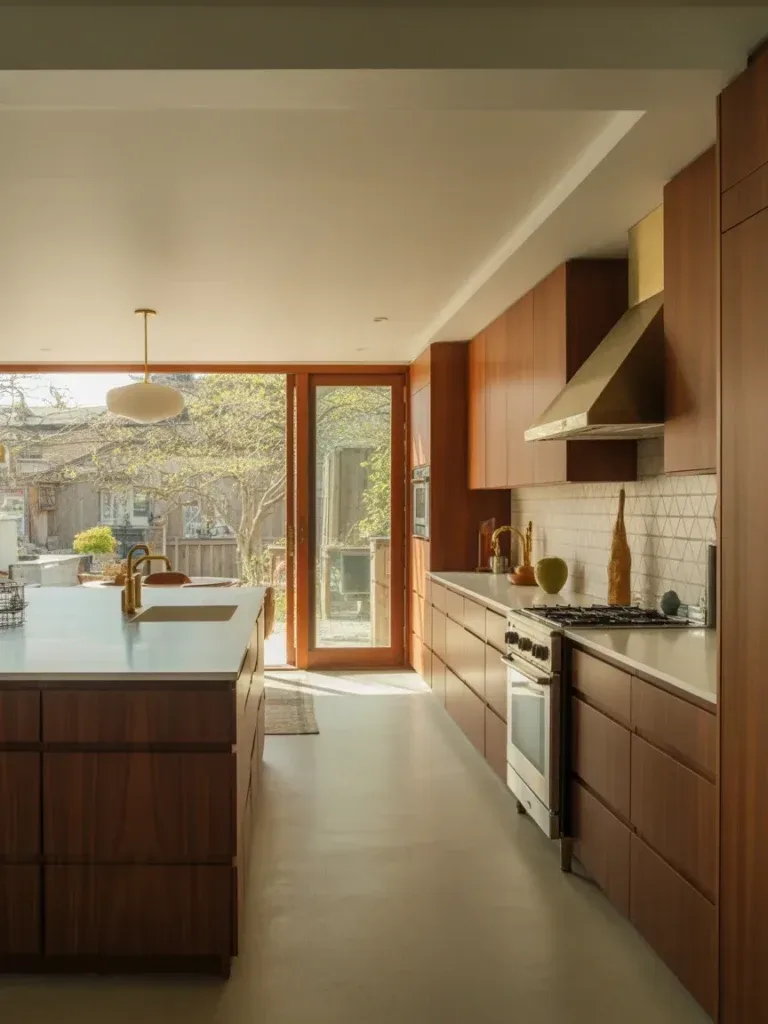
Consistent flooring across the kitchen and living room makes the entire space feel larger because the eye travels uninterrupted.
Great flooring choices include:
Hardwood
Luxury vinyl plank
Large-format tile
Polished concrete
Avoid changing flooring materials unless you genuinely need to.
Keep the Ceiling Simple
A busy ceiling can shrink the room visually.
Stick with:
Simple recessed lighting
Clean ceiling lines
Consistent paint color
Minimal heavy beams in smaller spaces
If you want drama, let the furniture and textures do the talking instead.
FAQ
How do I make a small open-concept kitchen and living room feel bigger?
Use light colors, consistent flooring, and slim furniture profiles. Keep clutter hidden and maximize natural light. Even small adjustments can make the room feel noticeably more open.
Should the kitchen and living room match exactly?
No. They should feel connected, not identical. Use similar colors, materials, or finishes to create harmony while still giving each area personality.
Are kitchen islands necessary in open concepts?
Not always, but they help define space and add storage. Even a small island can improve flow and create separation between zones.
What type of flooring works best for open-concept spaces?
Continuous flooring works best because it creates visual flow. Hardwood and luxury vinyl plank remain popular because they connect spaces seamlessly.
How do I hide kitchen clutter in an open layout?
Use closed storage, deep drawers, built-in organizers, and appliance garages. Basically, give everything a home before your counters turn into a storage unit.
Can dark colors work in an open-concept room?
Absolutely. Just balance them with lighter surfaces, good lighting, and enough contrast so the room still feels open instead of cave-like.
Conclusion
Designing a kitchen with a living room open concept comes down to balance. You want openness without chaos, style without clutter, and comfort without overcrowding the room.
Focus on flow, cohesive design, smart storage, and layered lighting. The result feels bigger, brighter, and way more inviting. And honestly? Once you get it right, you’ll never want to go back to tiny boxed-in rooms again.
Listen to this article 10 10 0:00 / 0:00 Speed 0.75×1×1.25×1.5×2× If you’ve ever stared at a sleek walnut cabinet and thought, “Why does this feel so good?”—welcome, you’re among friends. Mid-century modern kitchens hit that sweet spot between clean lines and cozy warmth. And when you add rich wood finishes? Game over. These 20…
Listen to this article 10 10 0:00 / 0:00 Speed 0.75×1×1.25×1.5×2× A vintage kitchen is easy to get wrong in one specific way: people buy old-looking things and scatter them around, and the room ends up feeling like a thrift store display rather than a kitchen anyone actually cooks in. The kitchens that pull it…
Listen to this article 10 10 0:00 / 0:00 Speed 0.75×1×1.25×1.5×2× Small spaces get a bad reputation. People act like you need a mansion-sized floor plan just to breathe comfortably. You don’t. A smart small kitchen living room open concept can feel airy, cozy, stylish, and way more functional than a giant room stuffed with…
Listen to this article 10 10 0:00 / 0:00 Speed 0.75×1×1.25×1.5×2× You know that feeling when a kitchen just gets it right? Clean lines, warm wood, just enough retro charm to feel cool instead of dated. That’s the magic of mid-century modern kitchens—and designers seriously can’t get enough of them. If you’ve been itching to…
Listen to this article 10 10 0:00 / 0:00 Speed 0.75×1×1.25×1.5×2× A small farmhouse kitchen lives or dies on decisions most people don’t think about until they’re standing in the room with a tape measure — where the trash can goes, how far the fridge door swings, whether the open shelf over the sink is…
Listen to this article 10 10 0:00 / 0:00 Speed 0.75×1×1.25×1.5×2× If you’re tired of plain white kitchens but don’t want a space that feels dark and gloomy, Iron Ore kitchen cabinets might be exactly what you’re looking for. This rich charcoal shade delivers drama, elegance, and a surprisingly timeless appeal. It feels bold without…