Thinking about upgrading your living room centerpiece? A media wall can instantly elevate your space—but choosing between built-in and slatted designs isn’t as straightforward as it seems. Both styles scream “designer,” but in totally different ways. So which one actually looks more luxurious? Let’s break it down without the fluff. What Defines a Built-In Media Wall? A built-in media wall feels like it grew straight out of your home’s architecture. Everything—from your TV to shelves to cabinets—sits neatly within a structured frame. It gives off serious “custom home” energy. Think seamless lines, hidden wires, and a polished finish that looks expensive (because, well… it often is). Photo by CJ Dayrit on Unsplash Why People Love Built-Ins Clean and cohesive look that blends with the room Tons of storage space for clutter-free living Works well with fireplaces, lighting, and shelving combos Built-ins don’t just hold your TV—they frame it like a piece of art. And honestly, that’s where the luxury vibe kicks in. The Catch? They can feel a bit… permanent. Once you install a built-in, you’re committing. Rearranging your room later? Not so easy. Thinker Statues And Sculptures, Sandstone Resin Thinker Statue Or… 【Sandstone Material】: Our sandstone resin thinker statue is made with sandstone one-piece molding technology, the outer … 【Beautiful Shape】: The thinker sculpture has a simple and smooth shape, a simple and powerful shape, full of imagination… 【Wide Use】: Our abstract style sculptures can be placed in addition to being used as home decorations, desk decorations,… $8.99 Buy on Amazon What Makes Slatted Media Walls Stand Out? Slatted media walls lean more modern and slightly edgy. Instead of enclosing your TV, they use vertical wood (or MDF) slats to create texture and depth. Photo by Scott Webb on Unsplash It’s less about hiding things and more about showing off design. Why Slatted Walls Are Trending Hard Add instant texture and warmth Feel lightweight and contemporary Pair beautifully with LED backlighting Slatted designs don’t try to disappear—they make a statement. IMO, they’re the Instagram favorite for a reason. The Downside? They don’t offer much storage. If you hate visible cables or clutter, you’ll need to get creative with solutions. Photo by Sandy Millar on Unsplash FANTESTICRYAN Modern Glass Vase Crystal Clear Glass Vase for Home… Minimalist Style Vase – Contemporary Art Décor perfectly for your room, office, café, bars, etc. Straight barrel & round… Crystal Flower Vase – Crafted from quality translucent Glass coated with Glossy Color to achieve durable ,thickened bott… Use Occasions – Simple Style Vase is suitable for all-style displays, such as kitchen tabletop, living room, dining room… $15.99 Buy on Amazon Luxury Factor: Which One Wins? Alright, let’s get real—luxury isn’t just about looks. It’s about how intentional and high-end a design feels. Built-In = Classic Luxury Built-ins scream tailored elegance. They remind people of upscale homes, hotel suites, and designer interiors. Everything looks intentional and structured Materials often include premium wood, stone, or lacquer finishes Lighting and symmetry add that high-end polish If your goal: timeless luxury that never goes out of style → built-in wins. Slatted = Modern Luxury Slatted walls bring a different kind of luxury—minimalist, trendy, and design-forward. Focus on visual texture over bulk Works well in modern and Scandinavian interiors Looks amazing with floating consoles and ambient lighting If your vibe: sleek, architectural, and a little bold → slatted wins. So… which looks more luxurious? Honestly, it depends on your definition of luxury. Classic vs modern—that’s the real battle. Thinker Statues And Sculptures, Sandstone Resin Thinker Statue Or… 【Sandstone Material】: Our sandstone resin thinker statue is made with sandstone one-piece molding technology, the outer … 【Beautiful Shape】: The thinker sculpture has a simple and smooth shape, a simple and powerful shape, full of imagination… 【Wide Use】: Our abstract style sculptures can be placed in addition to being used as home decorations, desk decorations,… $8.99 Buy on Amazon Space Matters More Than You Think Before you pick a side, look at your room. Seriously. Small Spaces Slatted walls usually perform better here. They keep things visually open Avoid that heavy, boxed-in feeling Make ceilings look taller with vertical lines Built-ins can overwhelm smaller rooms unless you keep them super minimal. Larger Living Rooms Built-ins shine in bigger spaces. Fill empty walls beautifully Create a feature wall that anchors the room Offer storage without looking cramped Big room? Built-in feels grand. Small room? Slatted feels smart. Budget Reality Check Let’s not pretend money doesn’t matter. Built-In Costs Custom carpentry = expensive Materials and labor stack up fast Electrical work (lighting, wiring) adds more You’re paying for craftsmanship and customization. Slatted Costs More budget-friendly overall Easier DIY potential (yes, really) Less structural work required FYI: You can get a high-end look with slats without draining your bank account. Maintenance and Practicality Luxury looks great—until you have to clean it. Built-Ins Easier to keep tidy and organized Dust hides better inside cabinets Cable management stays invisible Low effort, high reward. Slatted Walls Dust loves those grooves (annoying, right?) Requires regular cleaning between slats Exposed setup means more visible wires Not a dealbreaker, but definitely something to consider. Which One Matches Your Style? Let’s simplify this decision. Choose built-in if you want: A timeless, high-end look Hidden storage and clean lines A “designer home” aesthetic Choose slatted if you want: A modern, statement feature wall Texture and visual interest A lighter, trend-forward vibe Still stuck? Ask yourself: do you want your media wall to blend in or stand out? FAQ Which media wall style increases home value more? Built-ins usually add more perceived value because buyers love storage and custom features. They feel permanent and premium. Are slatted media walls going out of style? Not anytime soon. Trends evolve, but slatted designs still dominate modern interiors. Just avoid overdoing it, and you’re safe. Can I combine both styles? Absolutely. A hybrid design—like a built-in base with a slatted backdrop—can look insanely good if done right. Which one works better with LED lighting? Both work well, but slatted walls amplify lighting effects more because of the shadows and depth they create. Is DIY possible for either option? Slatted walls? Yes, very doable. Built-ins? Unless you’re skilled, better leave that to professionals. Conclusion So, built-in vs slatted media walls—who wins the luxury showdown? If you love classic elegance, structure, and hidden functionality, built-ins take the crown. But if you lean toward modern design, texture, and visual impact, slatted walls bring a fresh kind of luxury that’s hard to ignore. At the end of the day, the “better” choice comes down to your space, your style, and how bold you want to go. Either way, upgrade done right? Your living room will look like it belongs in a design magazine.
Thinking about upgrading your living room centerpiece? A media wall can instantly elevate your space—but choosing between built-in and slatted designs isn’t as straightforward as it seems. Both styles scream “designer,” but in totally different ways. So which one actually looks more luxurious? Let’s break it down without the fluff.
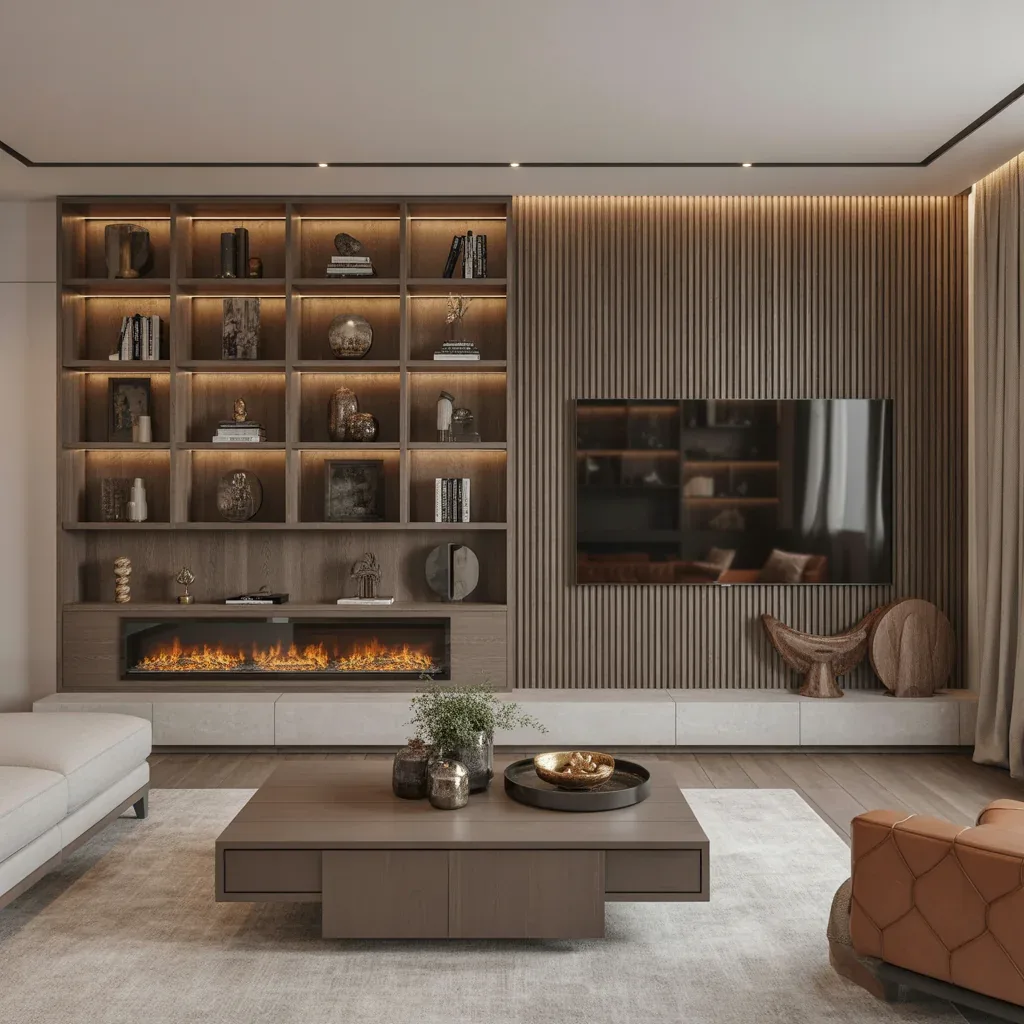
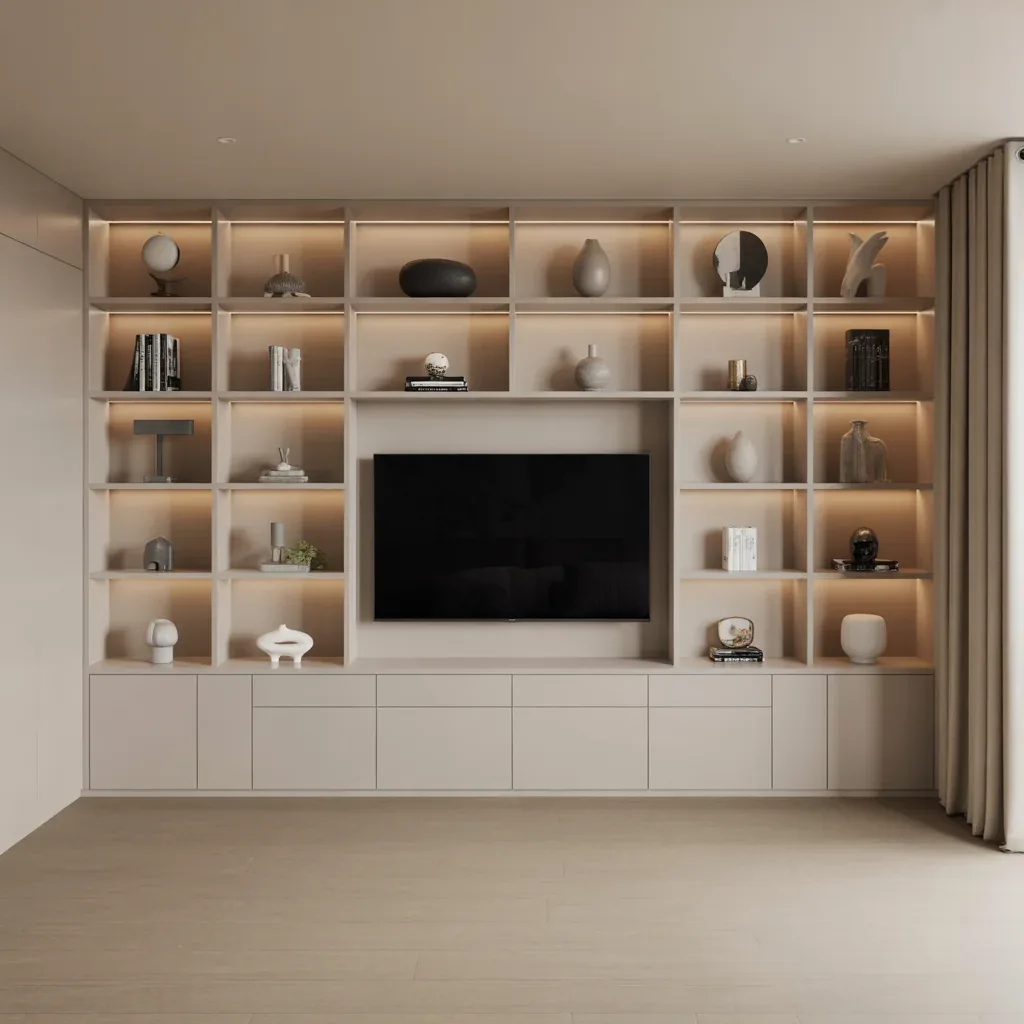
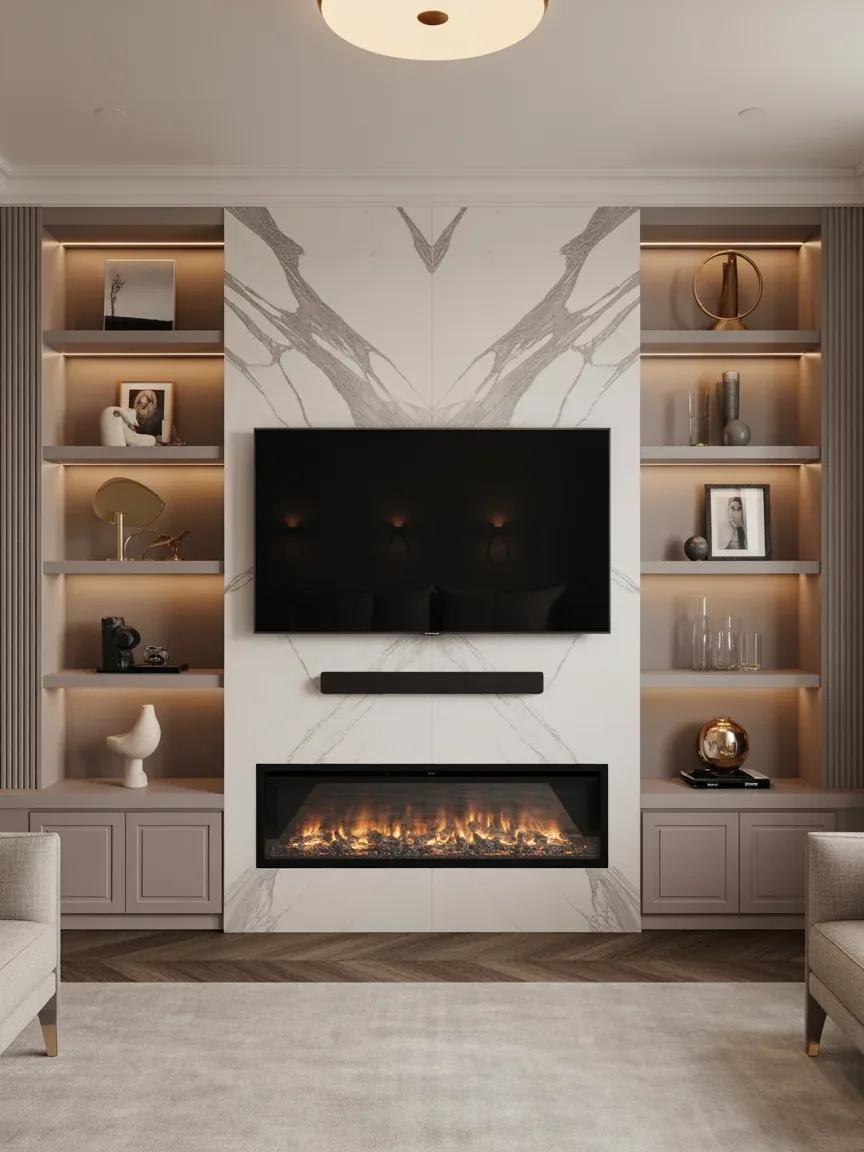
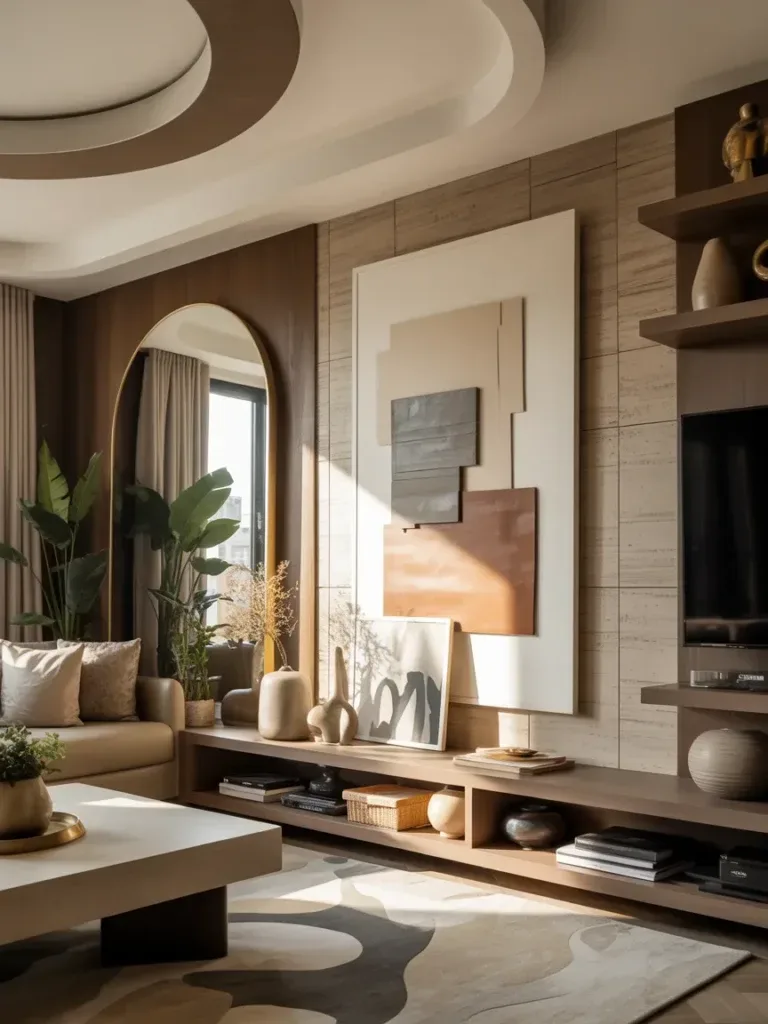
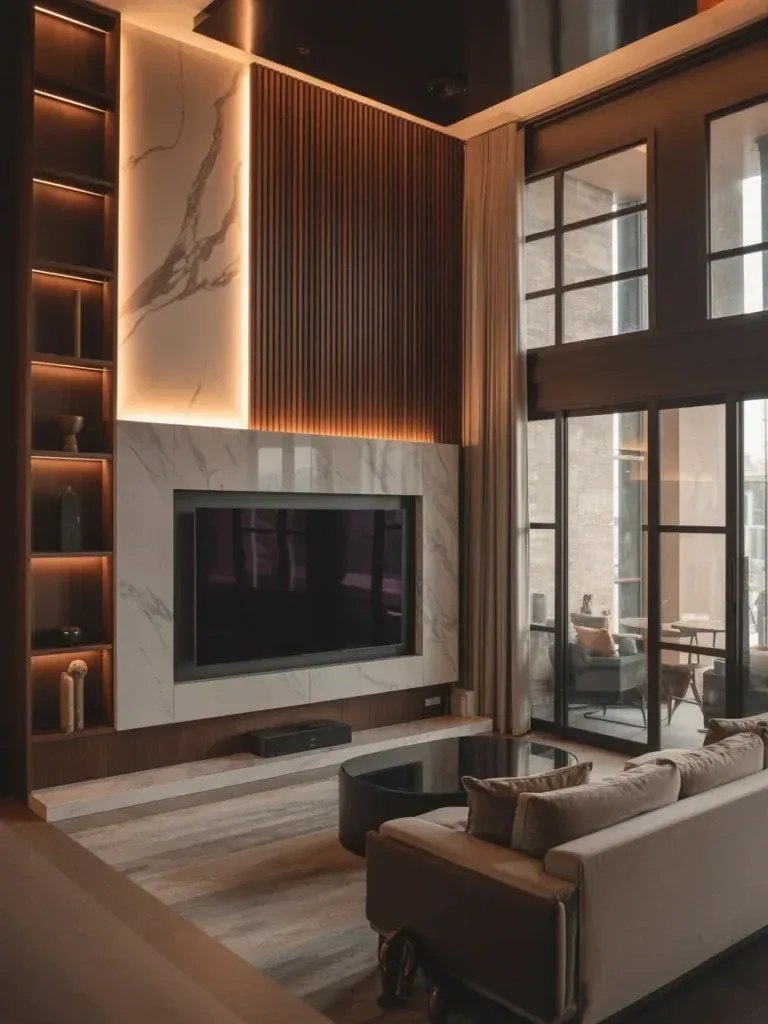
A built-in media wall feels like it grew straight out of your home’s architecture. Everything—from your TV to shelves to cabinets—sits neatly within a structured frame.
It gives off serious “custom home” energy. Think seamless lines, hidden wires, and a polished finish that looks expensive (because, well… it often is).
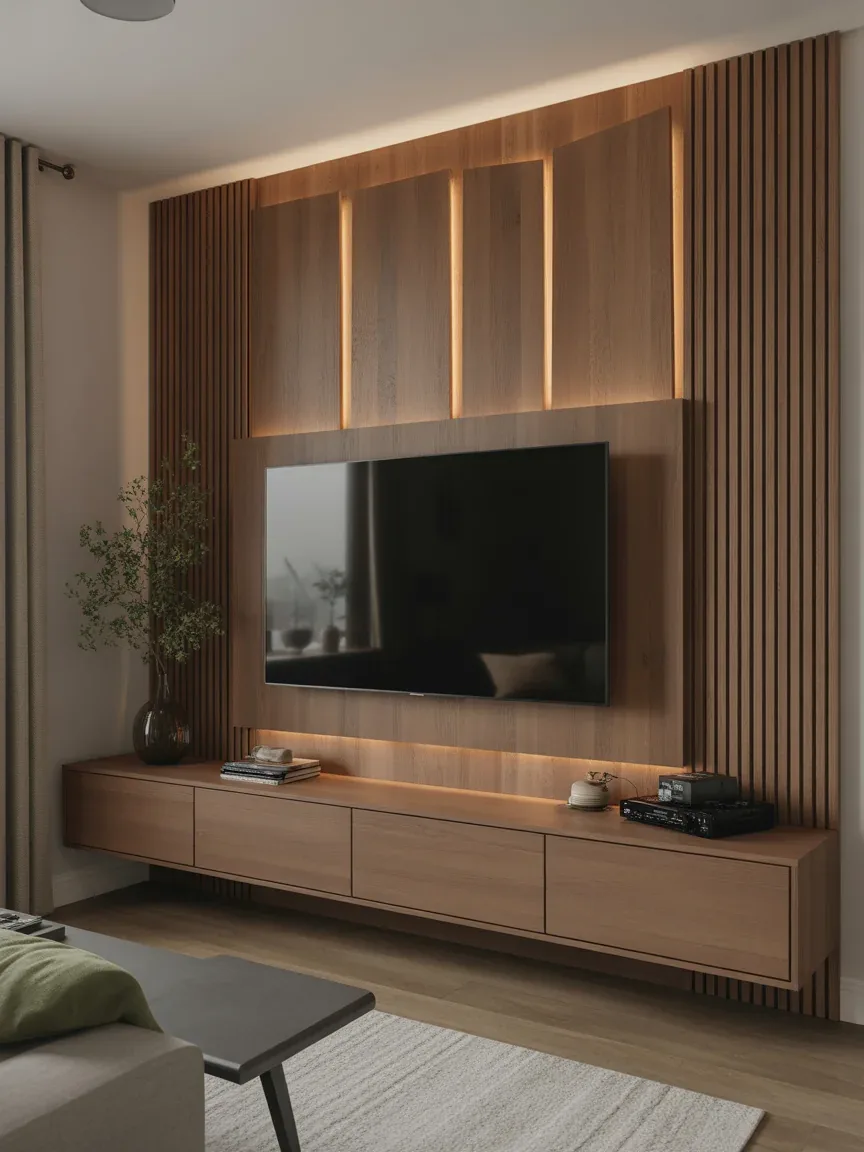
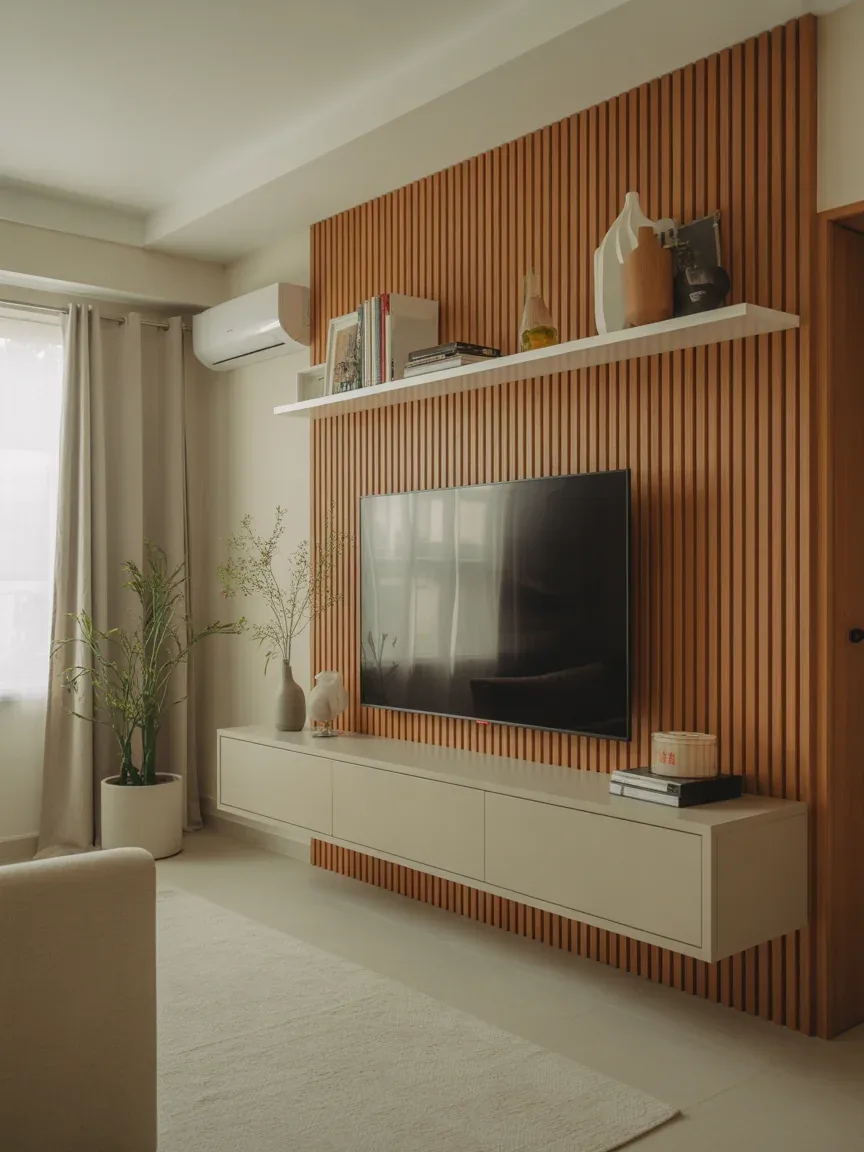
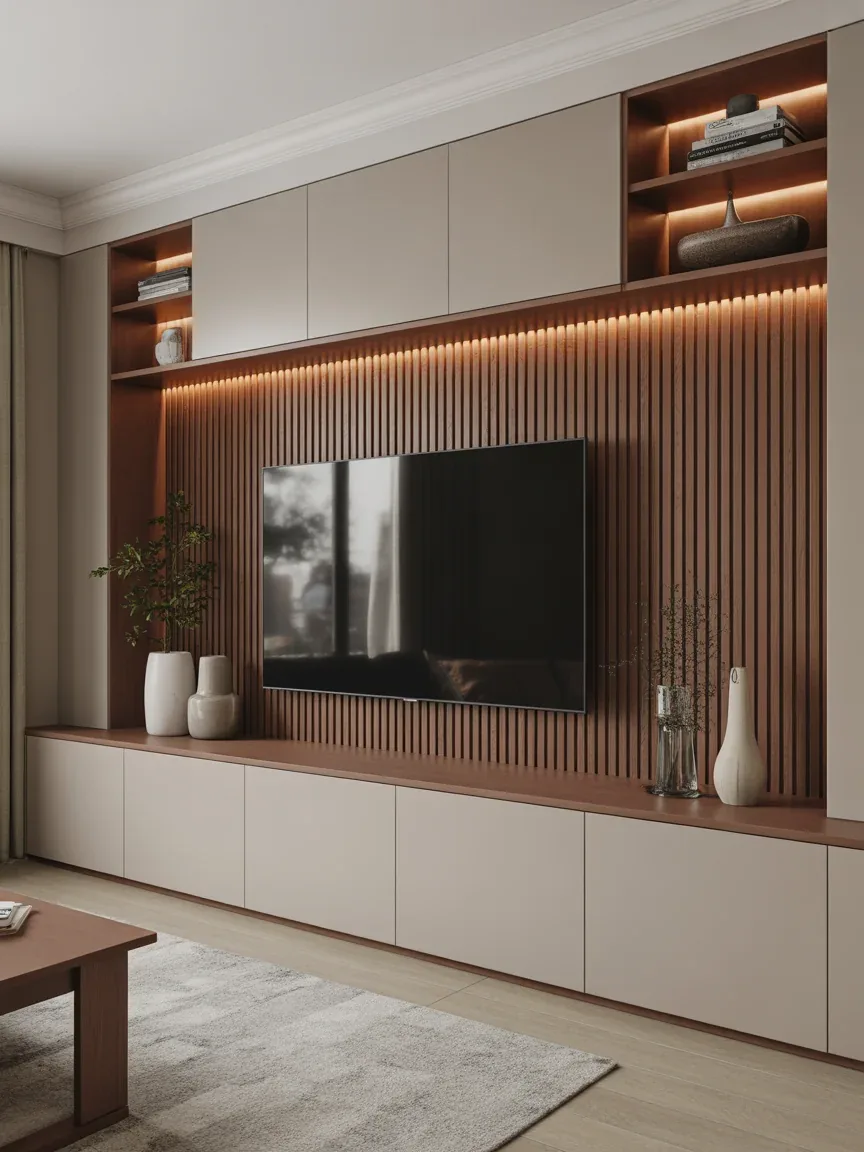
Slatted media walls lean more modern and slightly edgy. Instead of enclosing your TV, they use vertical wood (or MDF) slats to create texture and depth.
Still stuck? Ask yourself: do you want your media wall to blend in or stand out?
FAQ
Which media wall style increases home value more?
Built-ins usually add more perceived value because buyers love storage and custom features. They feel permanent and premium.
Are slatted media walls going out of style?
Not anytime soon. Trends evolve, but slatted designs still dominate modern interiors. Just avoid overdoing it, and you’re safe.
Can I combine both styles?
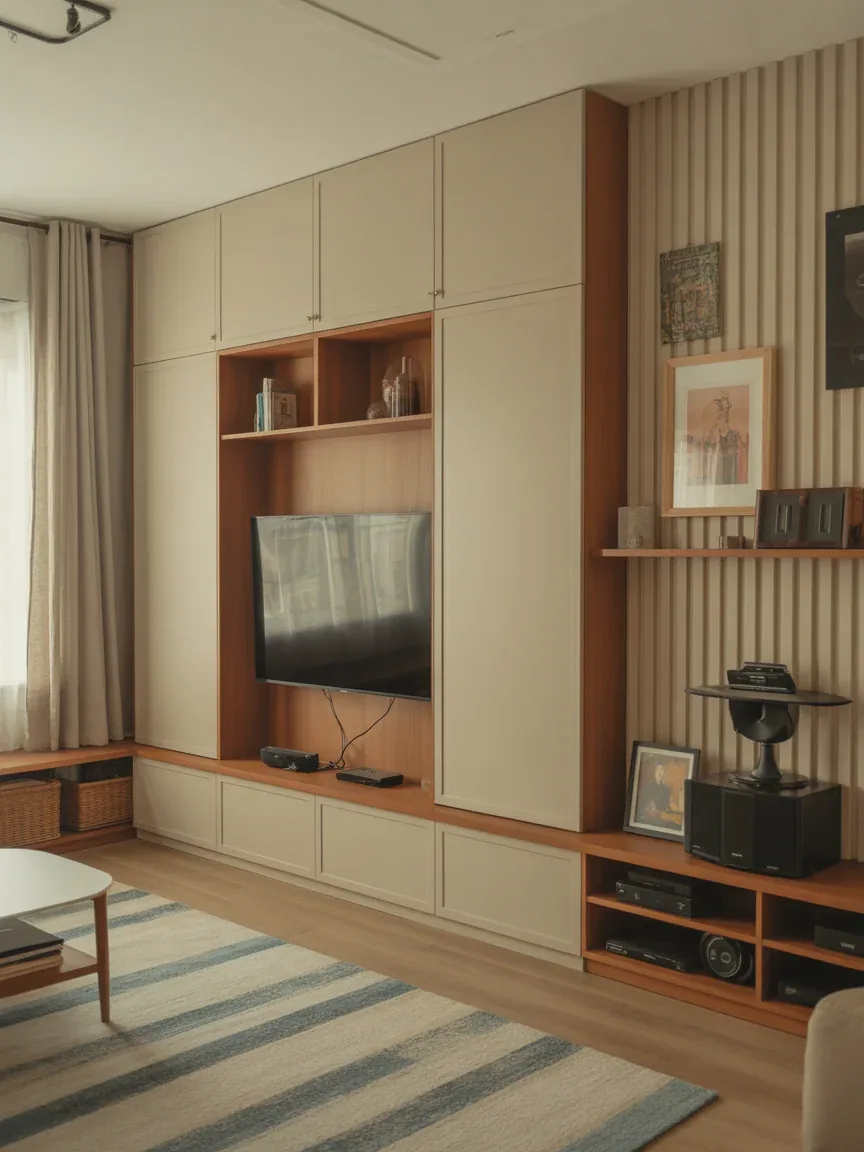
Absolutely. A hybrid design—like a built-in base with a slatted backdrop—can look insanely good if done right.
Which one works better with LED lighting?
Both work well, but slatted walls amplify lighting effects more because of the shadows and depth they create.
Is DIY possible for either option?
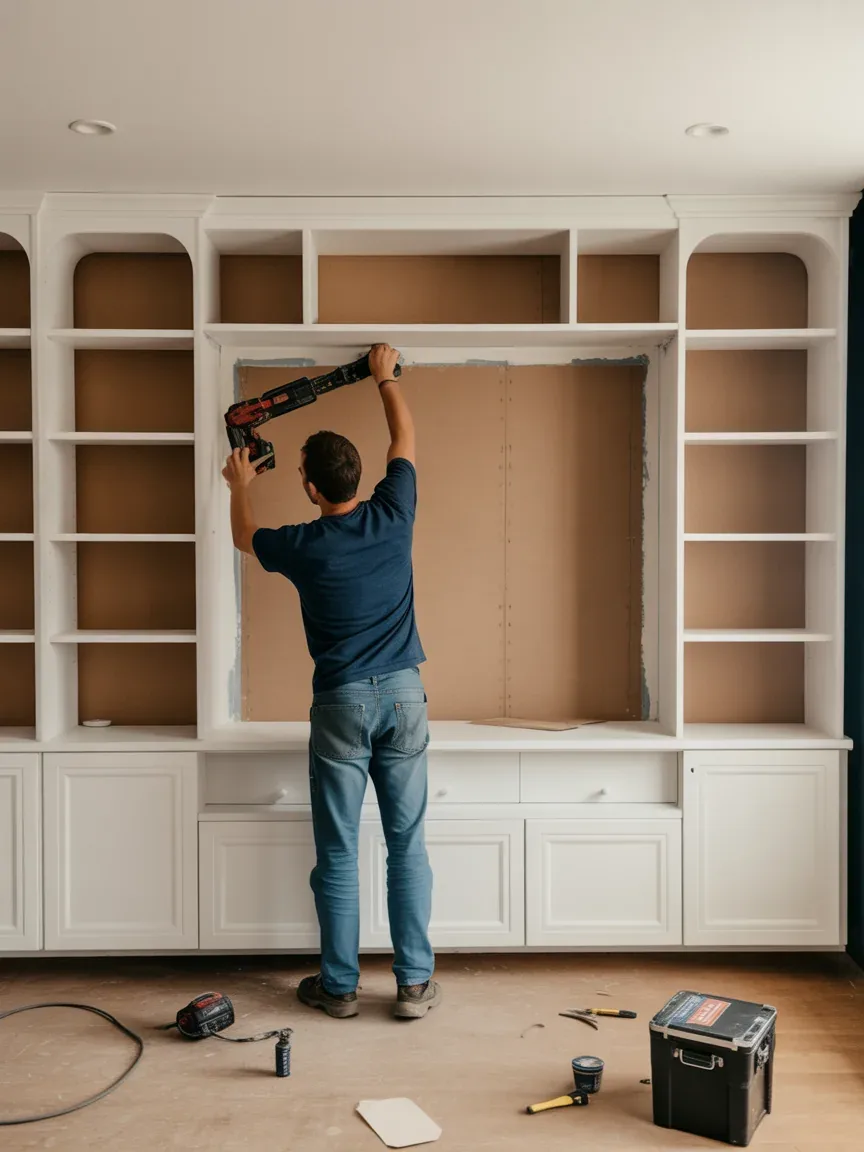
Slatted walls? Yes, very doable. Built-ins? Unless you’re skilled, better leave that to professionals.
Conclusion
So, built-in vs slatted media walls—who wins the luxury showdown?
If you love classic elegance, structure, and hidden functionality, built-ins take the crown. But if you lean toward modern design, texture, and visual impact, slatted walls bring a fresh kind of luxury that’s hard to ignore.
At the end of the day, the “better” choice comes down to your space, your style, and how bold you want to go. Either way, upgrade done right? Your living room will look like it belongs in a design magazine.
Listen to this article 10 10 0:00 / 0:00 Speed 0.75×1×1.25×1.5×2× An album cover bedroom borrows the mood, color story, and visual drama of a great record sleeve and turns it into a space you can actually sleep in. It’s not about recreating one specific cover — it’s about building a room that feels as…
Listen to this article 10 10 0:00 / 0:00 Speed 0.75×1×1.25×1.5×2× Blank walls can make even the nicest room feel unfinished. You know the vibe — comfy couch, cute rug, decent lighting… and then the walls look like they forgot to show up. The good news? Wall decor design changes everything faster than most people…
Listen to this article 10 10 0:00 / 0:00 Speed 0.75×1×1.25×1.5×2× Your TV wall doesn’t have to look like a giant black rectangle floating in space. A few smart design choices can turn that awkward entertainment area into the most stylish spot in your home. And honestly, nothing screams “unfinished living room” louder than random…
Listen to this article 10 10 0:00 / 0:00 Speed 0.75×1×1.25×1.5×2× Music says a lot about you, so why should your walls stay quiet? A room covered in the right posters can feel cozy, rebellious, nostalgic, artsy, or straight-up chaotic in the best way possible. Whether you love vintage rock legends, dreamy indie albums, or…
Listen to this article 10 10 0:00 / 0:00 Speed 0.75×1×1.25×1.5×2× Blank apartment walls can make even the cutest furniture look weirdly temporary. One removable wallpaper panel later, though? Suddenly your rental starts looking like a designer touched every corner. That’s the magic of peel-and-stick wallpaper — zero commitment, maximum personality, and no terrifying landlord…
Listen to this article 10 10 0:00 / 0:00 Speed 0.75×1×1.25×1.5×2× If you’ve ever stared at a blank wall and wished it had a little more soul, lamp artist album cover wallpaper might be the answer. It takes the warm, glowing visual language of album art and turns it into a full-room backdrop that feels…