If you’ve ever stared at a blank wall and wished it had a little more soul, lamp artist album cover wallpaper might be the answer. It takes the warm, glowing visual language of album art and turns it into a full-room backdrop that feels equal parts nostalgic and modern. This guide walks you through what makes this style distinctive, how to choose the right version for your space, how to install it without stress, and how to keep it looking good for years. We’ve also pulled together a quick comparison, a step-by-step install checklist, and answers to the questions people ask most. Quick Takeaways Best for: living rooms, bedrooms, and hallways where you want warmth and a talking point on the wall. Look for: soft gradients, hazy reflections, and grain texture — the hallmarks of authentic lamp artist album wallpaper. Pick your undertone: warm amber tones for coziness, cool slate or teal tones for a calmer, modern feel. Lighting matters: dimmable, warm-toned bulbs (under 3000K) bring out the glow effect best. Installation: doable as a weekend DIY project with basic tools and a second pair of hands. What Makes Lamp Artist Album Cover Wallpaper Special Lamp artist album cover wallpaper takes its cues from the visual identity built around the artist known as Lamp, whose 2008 album cover leaned into warm, glowing color fields and soft-focus imagery. That aesthetic has since found a second life as a wallpaper trend for people who want their walls to feel less like a blank canvas and more like a mood. Photo by Viktor Krč on Unsplash What sets this style apart from generic abstract wallpaper is the layering: soft gradients, hazy reflections, and deliberate shadow work combine to suggest light without an actual light source. The effect is subtle, but it changes how a room feels the moment you walk in. For readers who want to see how this pairs with a broader album-cover decor theme, our guide on album cover poster room decor covers complementary framing and layout ideas. Choosing the Right Lamp Album Wallpaper for Your Space Start by deciding on a vibe: moody and dramatic, or playful and bright. Lamp artist album cover wallpaper works in both directions, so the first real decision is about your room’s natural light. Rooms with lots of daylight tend to suit pale, airy designs, while dimmer rooms can carry deeper, more saturated tones without feeling heavy. Photo by Mizanur Rahman Remon on Unsplash Next, think about scale. A bold, large-pattern wallpaper can dominate a small room, so it helps to test a swatch behind a sofa or bed before committing to a full wall. Color Psychology and Glow Warm tones — amber, peach, gold — tend to read as cozy and inviting, which is why they’re popular in living rooms and reading nooks. Cool tones like slate, teal, and muted purple feel more contemporary and calm, and tend to suit home offices or minimalist bedrooms. If your lamp album wallpaper leans warm, adding a few cool accents elsewhere in the room helps keep the overall palette balanced rather than overwhelming. Wallpaper Style Comparison StyleBest RoomsMoodWatch Out ForWarm Amber / GoldenLiving room, study nookCozy, nostalgicCan feel dark without enough ambient lightCool Slate / TealHome office, bedroomCalm, modernCan feel cold without warm-toned decor accentsHigh-Contrast / MoodyHallway, accent wallDramatic, boldOverwhelming in small or low-light roomsPale / Airy GradientDorm, small bedroomSoft, relaxedCan look plain without texture or grain Where to Find Wallpaper That Feels Album-Cover-Ready Look for designs inspired by vintage vinyl art, grainy textures, and understated typography rather than sharp, flat digital graphics. Some independent artists recreate the feel of an old album sleeve with a modern print finish, which is closer to the authentic lamp cover band aesthetic than a generic gradient wallpaper. Photo by Prithiviraj A on Unsplash Texture is the detail that separates a convincing lamp artist wallpaper from an imitation: muted grain, slight noise, and soft glow lines all add the sense of depth that makes the design feel intentional rather than flat. Pros and Cons of Album-Inspired Wallpaper Pro: Creates instant atmosphere without needing extra decor. Pro: Works as a single accent wall if you don’t want to commit a whole room. Pro: Pairs well with vinyl, music, and retro-styled furniture. Con: Bold patterns can date faster than neutral wallpaper. Con: Glossy finishes can show glare under bright overhead lighting. Con: Higher-resolution, premium prints cost more than standard wallpaper. Tips for Vetting Quality Check the resolution and repeat pattern so seams don’t create awkward breaks across the wall. Look for customizable color options so you can shift the tone to match your room. Read reviews on how the print handles light — glossy and matte finishes affect the glow effect differently. DIY Installation: How to Get a Professional Finish Lamp-inspired wallpaper doesn’t have to be a weekend disaster. With the right prep, even a first-timer can get a clean result. Measure twice. Confirm wall height and width, and account for pattern repeat before ordering. Prep the surface. Clean the wall, fix any texture or peeling spots, and prime if needed. Dry-fit the first panel. Use a level to mark a plumb line before applying adhesive. Align at the corners. This is where pattern mismatches are most visible, so take your time here. Smooth out air bubbles. Use a soft bristle brush working from the center outward. Trim carefully. Use a sharp utility knife and a straightedge for clean edges at outlets and baseboards. Common Pitfalls and How to Avoid Them Mis-measured margins: re-check your measurements before cutting. Wallpaper not sticking near outlets: clean the wall thoroughly and prime if the surface needs it. Overlapping color blocks: keep the palette calm so the glow effect doesn’t clash across panels. Styling the Lamp Aesthetic Room by Room Living rooms tend to suit an expansive panel that pulls the eye and complements the seating. It also makes any lighting fixtures pop once you dim the room for movie night. If you have a clear focal wall, keeping the surrounding furniture minimal lets the wallpaper do the work. Photo by Ernest Brillo on Unsplash Bedrooms benefit from a softer, moodier design with subtle glow cues — something closer to a gentle night-light effect than a bold statement piece. For more bedroom-specific inspiration, see our roundup of cozy album cover bedroom makeover ideas. Kitchens and hallways can handle a punchier, higher-contrast design since these are typically transitional spaces rather than places meant for winding down. If you’re planning a broader gallery-style approach in a larger living space, our guide to bold album cover gallery walls has layout ideas that pair well with this style. Maintenance and Longevity Well-made wallpaper holds up for years if it’s cared for properly. Dust with a microfiber cloth rather than scrubbing, and if you’re in a humid climate, confirm the wallpaper is rated for moisture resistance before installing it in a kitchen or bathroom. Matte finishes generally hide fingerprints and smudges better than glossy ones. Photo by Jimmy Liu on Unsplash When to Refresh If the glow effect starts looking dull or the pattern shows visible wear, it may be time for a refresh. Rotating other decor elements around the room — art, textiles, lighting — can also help extend how long the wallpaper feels fresh before a full replacement is needed. Things to Consider Before You Commit Does the room get strong natural light, or will you rely mostly on lamps and fixtures? Are you papering a full room or just one accent wall? Does the print finish (matte vs. glossy) suit your lighting setup? Is the wallpaper rated for the humidity level of the room? Do you have a steady surface to work from, and a second person to help with larger panels? Frequently Asked Questions Is lamp artist wallpaper expensive? Prices vary widely. Choosing a single feature wall instead of a full room, or opting for standard rather than premium print quality, can keep costs down. Higher-resolution prints with premium textures typically cost more. Can I install wallpaper over existing paint? Yes, as long as the surface is smooth and the paint has fully cured. Light sanding and a primer coat help the adhesive grip properly. Any texture or peeling should be repaired first for the cleanest result. How do I match wallpaper to my existing furniture? Keep furniture relatively neutral so the wallpaper remains the focal point. If the wallpaper is bold, pair it with simpler furniture lines and calmer fabric choices. If you prefer a more layered, maximalist look, echo a few of the wallpaper’s colors in cushions or smaller art pieces instead. What lighting works best with lamp artist album cover wallpaper? Soft, adjustable lighting brings out the glow effect best. Warm LEDs under 3000K tend to enhance the design without washing it out, and dimmable fixtures let you shift the mood from bright and functional to something closer to a lamp album 2008-inspired evening glow. Will lamp album wallpaper make a small room feel cramped? Not necessarily. A lighter, airier design works well in small spaces, or you can limit the wallpaper to a single accent wall or narrow strip. Keeping the rest of the room simply decorated helps prevent visual overload. Is this style only for music fans? No. While the aesthetic is inspired by the lamp cover band’s original album art, the appeal is mostly visual — warm gradients and soft glow effects work as general decor regardless of whether you know the source material. For more music-inspired options, our list of album cover wall decor ideas covers a wider range of styles beyond this one. Our Verdict Lamp artist album cover wallpaper works because it does something most wallpaper doesn’t: it suggests light and warmth without needing an actual light source to sell the effect. It’s flexible enough to suit a bold living room feature wall or a calmer bedroom backdrop, and it’s realistic enough to install yourself in a weekend with basic tools. If you’re drawn to the nostalgic, glow-driven look of late-2000s album art, this is one of the more distinctive ways to bring that mood into a physical space. Test a swatch first, pay attention to your room’s natural light, and choose a finish that matches how you’ll actually light the room day to day. If you’d like more options in a similar vein, our NewJeans album cover wallpaper picks are worth a look for a different visual direction.
If you’ve ever stared at a blank wall and wished it had a little more soul, lamp artist album cover wallpaper might be the answer. It takes the warm, glowing visual language of album art and turns it into a full-room backdrop that feels equal parts nostalgic and modern.
This guide walks you through what makes this style distinctive, how to choose the right version for your space, how to install it without stress, and how to keep it looking good for years. We’ve also pulled together a quick comparison, a step-by-step install checklist, and answers to the questions people ask most.
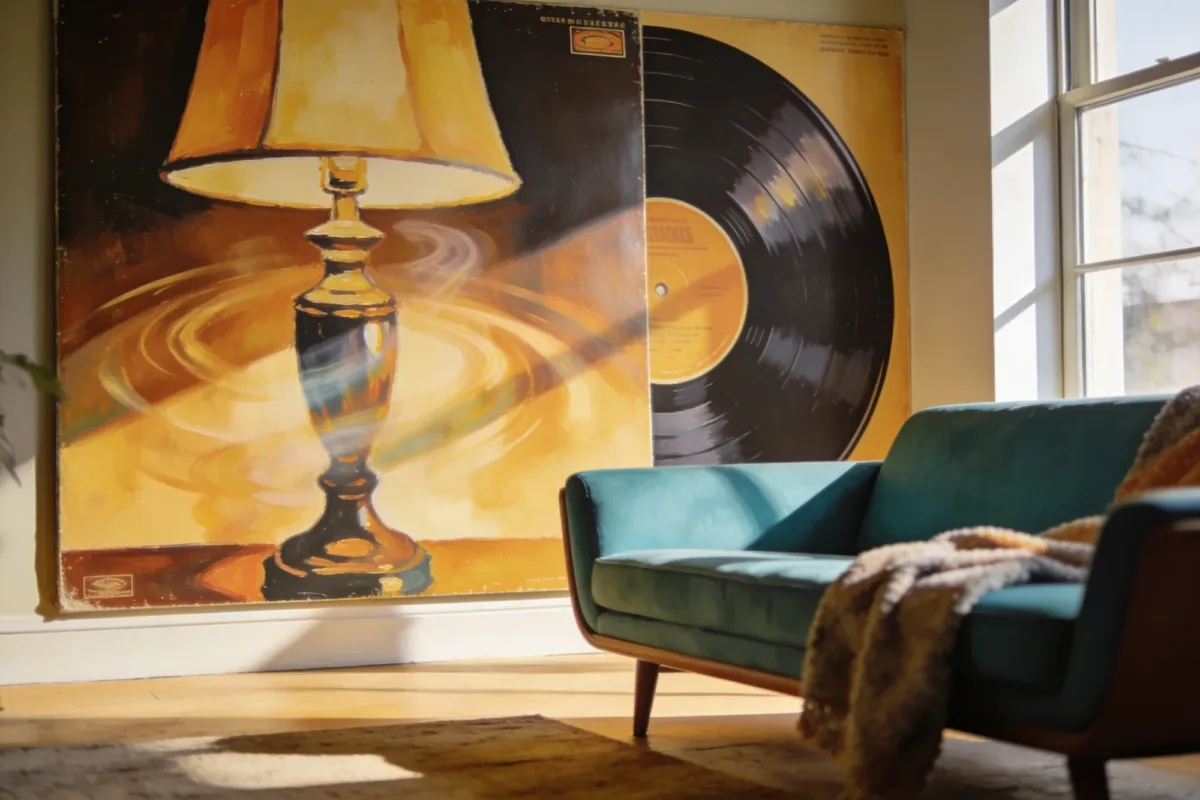
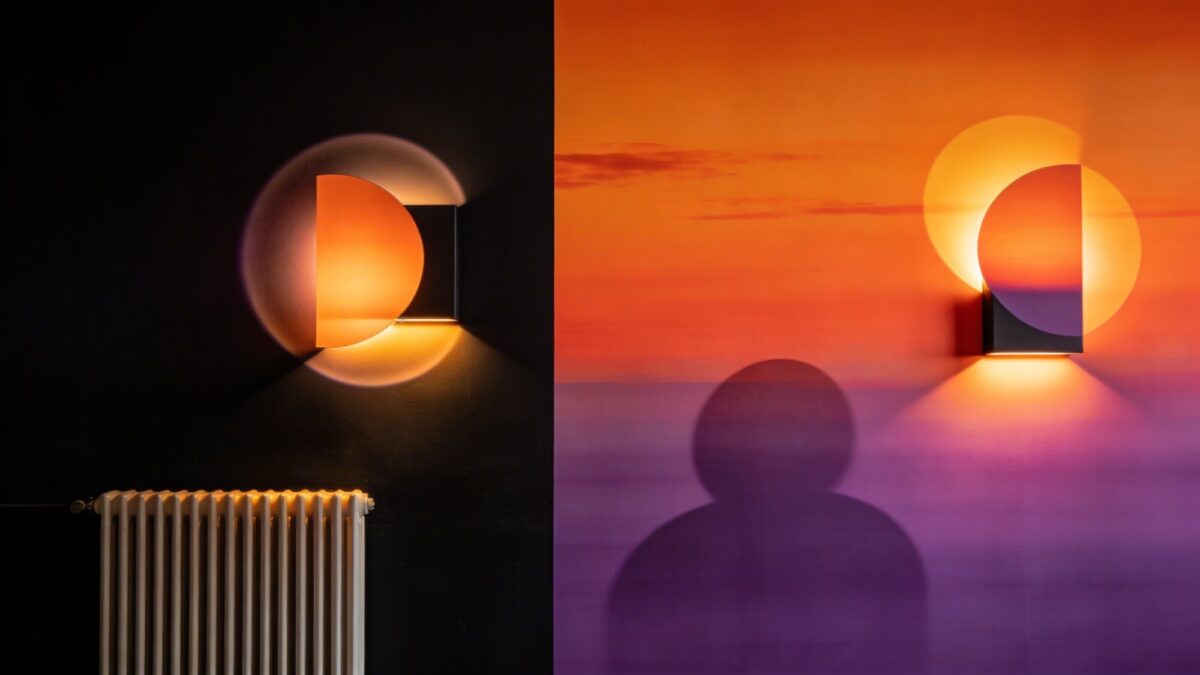
Lamp artist album cover wallpaper takes its cues from the visual identity built around the artist known as Lamp, whose 2008 album cover leaned into warm, glowing color fields and soft-focus imagery. That aesthetic has since found a second life as a wallpaper trend for people who want their walls to feel less like a blank canvas and more like a mood.
What sets this style apart from generic abstract wallpaper is the layering: soft gradients, hazy reflections, and deliberate shadow work combine to suggest light without an actual light source. The effect is subtle, but it changes how a room feels the moment you walk in.
For readers who want to see how this pairs with a broader album-cover decor theme, our guide on album cover poster room decor covers complementary framing and layout ideas.
Choosing the Right Lamp Album Wallpaper for Your Space
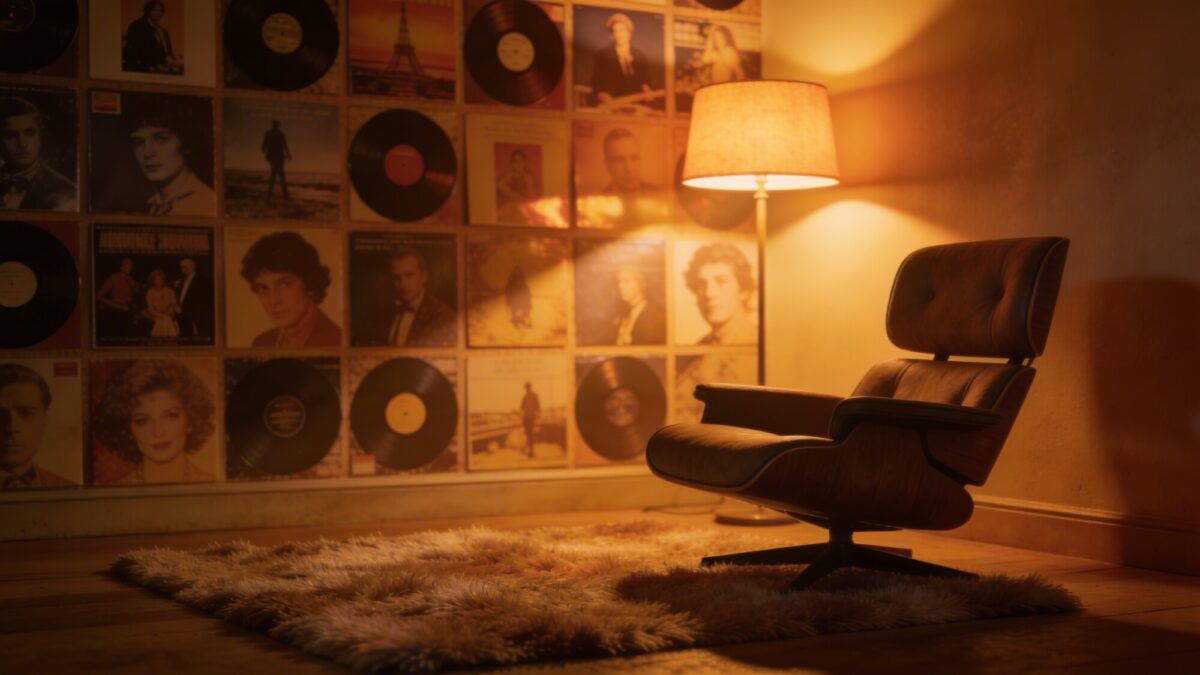
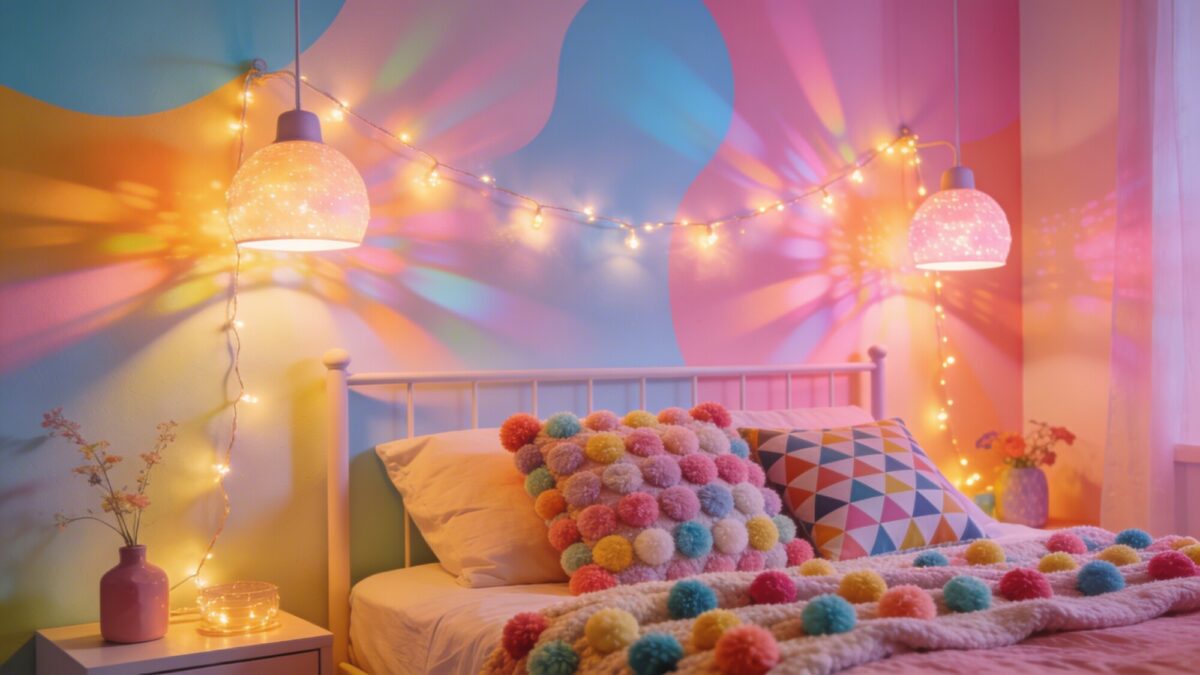
Start by deciding on a vibe: moody and dramatic, or playful and bright. Lamp artist album cover wallpaper works in both directions, so the first real decision is about your room’s natural light. Rooms with lots of daylight tend to suit pale, airy designs, while dimmer rooms can carry deeper, more saturated tones without feeling heavy.
Next, think about scale. A bold, large-pattern wallpaper can dominate a small room, so it helps to test a swatch behind a sofa or bed before committing to a full wall.
Color Psychology and Glow
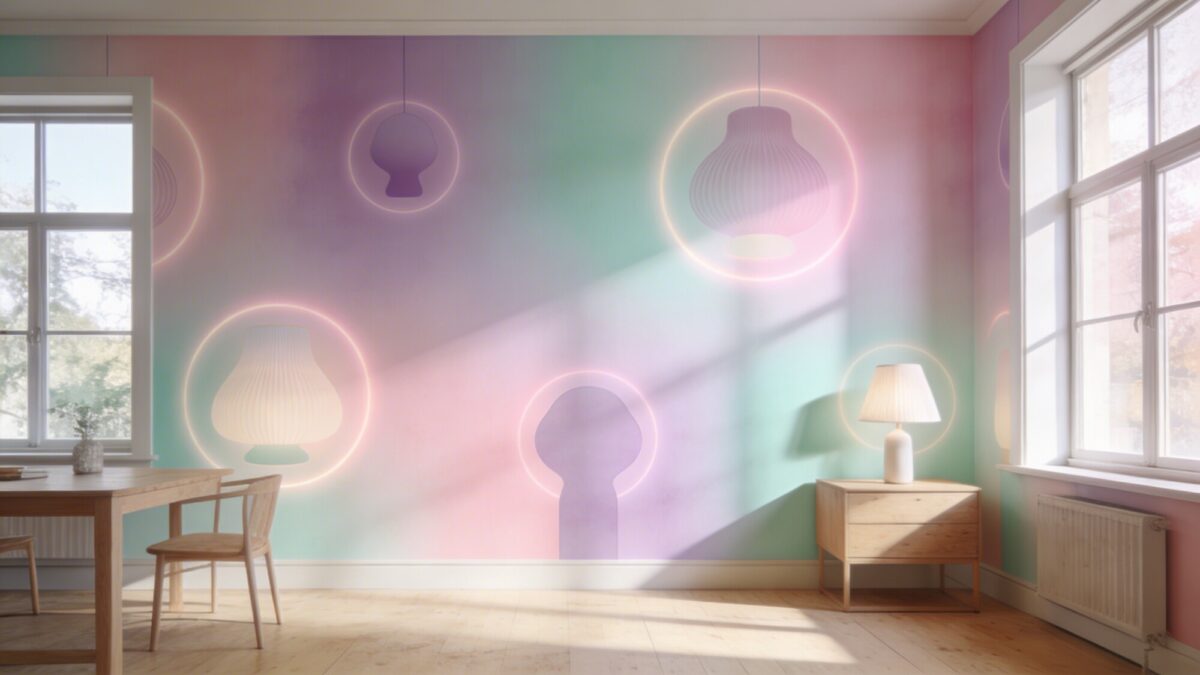
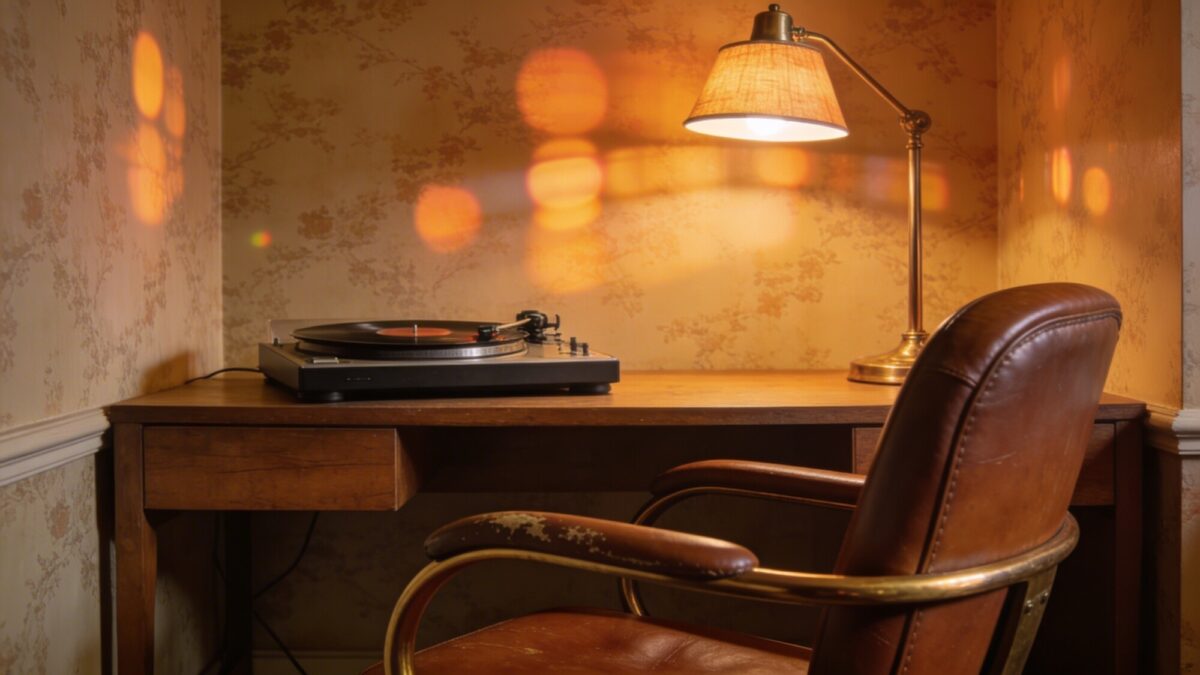
Warm tones — amber, peach, gold — tend to read as cozy and inviting, which is why they’re popular in living rooms and reading nooks. Cool tones like slate, teal, and muted purple feel more contemporary and calm, and tend to suit home offices or minimalist bedrooms. If your lamp album wallpaper leans warm, adding a few cool accents elsewhere in the room helps keep the overall palette balanced rather than overwhelming.
Wallpaper Style Comparison
Style
Best Rooms
Mood
Watch Out For
Warm Amber / Golden
Living room, study nook
Cozy, nostalgic
Can feel dark without enough ambient light
Cool Slate / Teal
Home office, bedroom
Calm, modern
Can feel cold without warm-toned decor accents
High-Contrast / Moody
Hallway, accent wall
Dramatic, bold
Overwhelming in small or low-light rooms
Pale / Airy Gradient
Dorm, small bedroom
Soft, relaxed
Can look plain without texture or grain
Where to Find Wallpaper That Feels Album-Cover-Ready
Look for designs inspired by vintage vinyl art, grainy textures, and understated typography rather than sharp, flat digital graphics. Some independent artists recreate the feel of an old album sleeve with a modern print finish, which is closer to the authentic lamp cover band aesthetic than a generic gradient wallpaper.
Texture is the detail that separates a convincing lamp artist wallpaper from an imitation: muted grain, slight noise, and soft glow lines all add the sense of depth that makes the design feel intentional rather than flat.
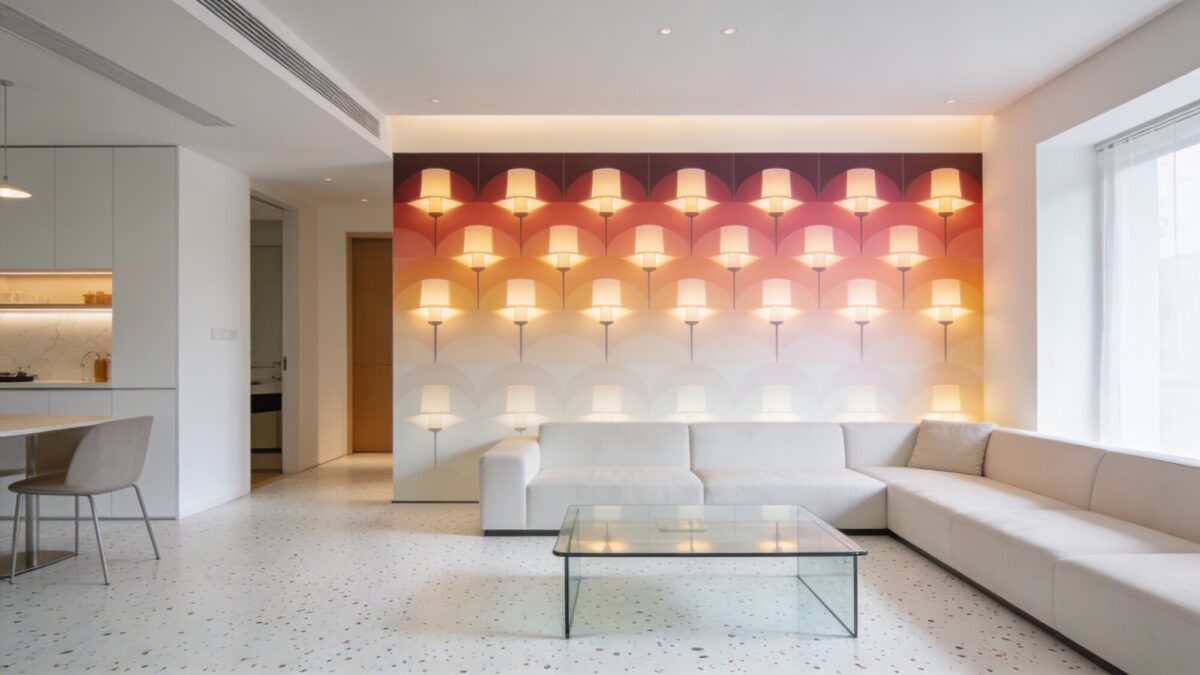
Living rooms tend to suit an expansive panel that pulls the eye and complements the seating. It also makes any lighting fixtures pop once you dim the room for movie night. If you have a clear focal wall, keeping the surrounding furniture minimal lets the wallpaper do the work.
Bedrooms benefit from a softer, moodier design with subtle glow cues — something closer to a gentle night-light effect than a bold statement piece. For more bedroom-specific inspiration, see our roundup of cozy album cover bedroom makeover ideas.
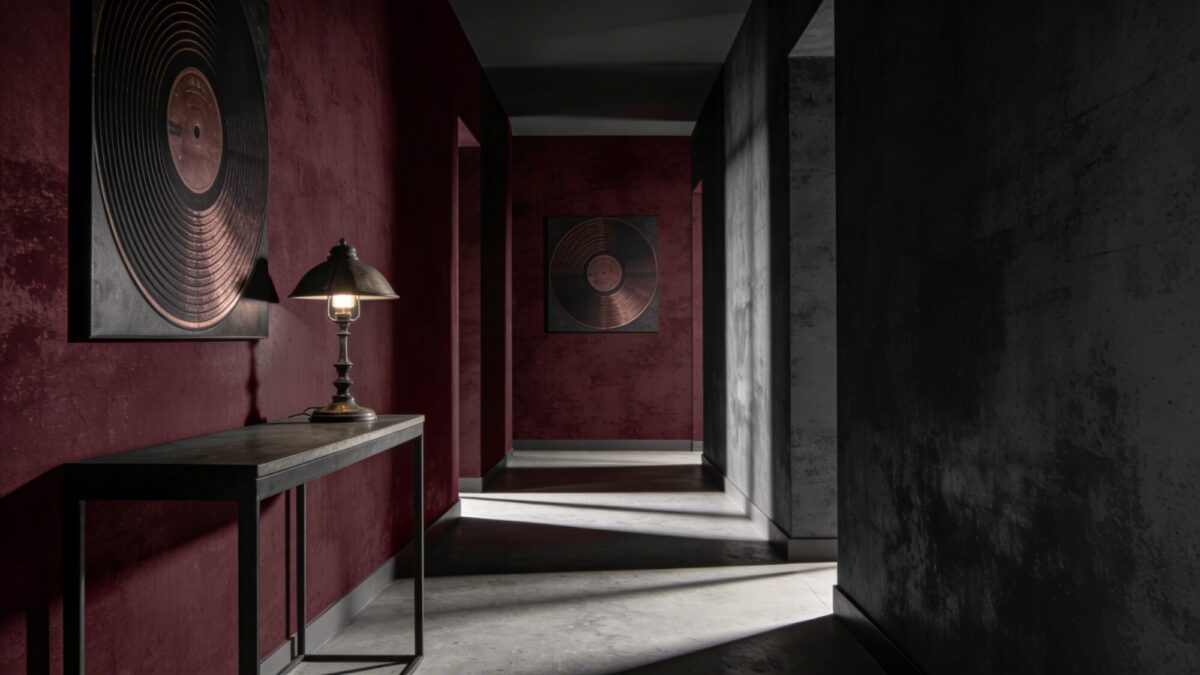
Kitchens and hallways can handle a punchier, higher-contrast design since these are typically transitional spaces rather than places meant for winding down. If you’re planning a broader gallery-style approach in a larger living space, our guide to bold album cover gallery walls has layout ideas that pair well with this style.
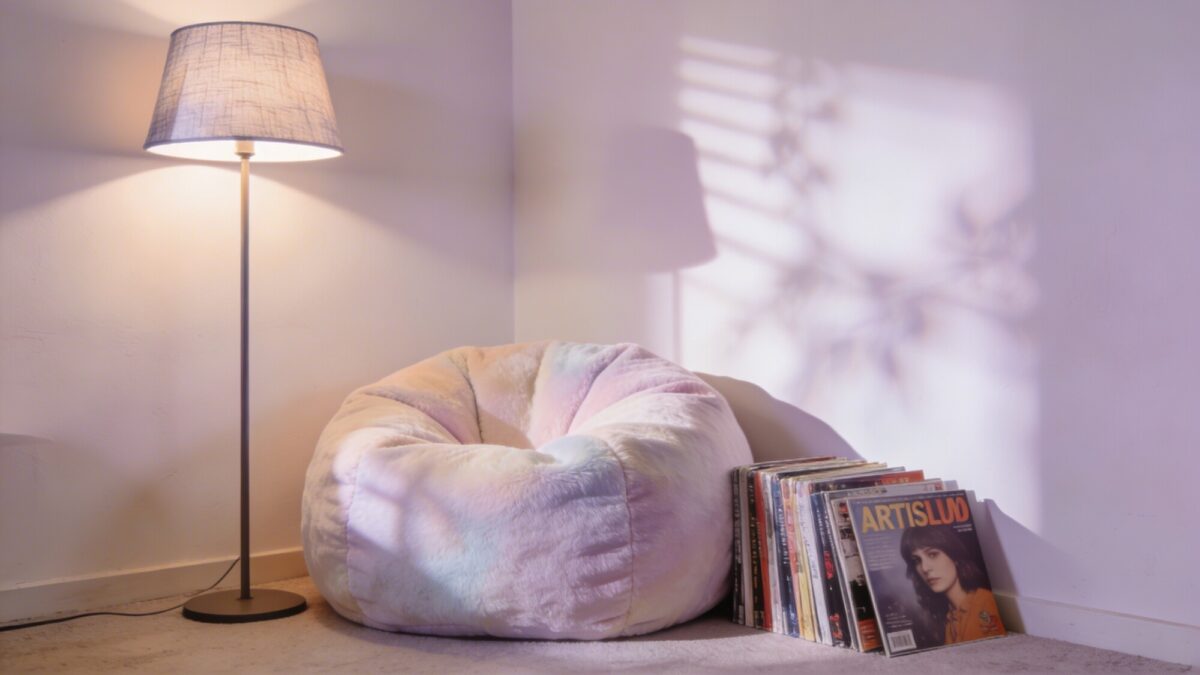
Well-made wallpaper holds up for years if it’s cared for properly. Dust with a microfiber cloth rather than scrubbing, and if you’re in a humid climate, confirm the wallpaper is rated for moisture resistance before installing it in a kitchen or bathroom. Matte finishes generally hide fingerprints and smudges better than glossy ones.
If the glow effect starts looking dull or the pattern shows visible wear, it may be time for a refresh. Rotating other decor elements around the room — art, textiles, lighting — can also help extend how long the wallpaper feels fresh before a full replacement is needed.
Things to Consider Before You Commit
Does the room get strong natural light, or will you rely mostly on lamps and fixtures?
Are you papering a full room or just one accent wall?
Does the print finish (matte vs. glossy) suit your lighting setup?
Is the wallpaper rated for the humidity level of the room?
Do you have a steady surface to work from, and a second person to help with larger panels?
Prices vary widely. Choosing a single feature wall instead of a full room, or opting for standard rather than premium print quality, can keep costs down. Higher-resolution prints with premium textures typically cost more.
Can I install wallpaper over existing paint?
Yes, as long as the surface is smooth and the paint has fully cured. Light sanding and a primer coat help the adhesive grip properly. Any texture or peeling should be repaired first for the cleanest result.
How do I match wallpaper to my existing furniture?
Keep furniture relatively neutral so the wallpaper remains the focal point. If the wallpaper is bold, pair it with simpler furniture lines and calmer fabric choices. If you prefer a more layered, maximalist look, echo a few of the wallpaper’s colors in cushions or smaller art pieces instead.
What lighting works best with lamp artist album cover wallpaper?
Soft, adjustable lighting brings out the glow effect best. Warm LEDs under 3000K tend to enhance the design without washing it out, and dimmable fixtures let you shift the mood from bright and functional to something closer to a lamp album 2008-inspired evening glow.
Will lamp album wallpaper make a small room feel cramped?
Not necessarily. A lighter, airier design works well in small spaces, or you can limit the wallpaper to a single accent wall or narrow strip. Keeping the rest of the room simply decorated helps prevent visual overload.
Is this style only for music fans?
No. While the aesthetic is inspired by the lamp cover band’s original album art, the appeal is mostly visual — warm gradients and soft glow effects work as general decor regardless of whether you know the source material. For more music-inspired options, our list of album cover wall decor ideas covers a wider range of styles beyond this one.
Lamp artist album cover wallpaper works because it does something most wallpaper doesn’t: it suggests light and warmth without needing an actual light source to sell the effect. It’s flexible enough to suit a bold living room feature wall or a calmer bedroom backdrop, and it’s realistic enough to install yourself in a weekend with basic tools.
If you’re drawn to the nostalgic, glow-driven look of late-2000s album art, this is one of the more distinctive ways to bring that mood into a physical space. Test a swatch first, pay attention to your room’s natural light, and choose a finish that matches how you’ll actually light the room day to day. If you’d like more options in a similar vein, our NewJeans album cover wallpaper picks are worth a look for a different visual direction.
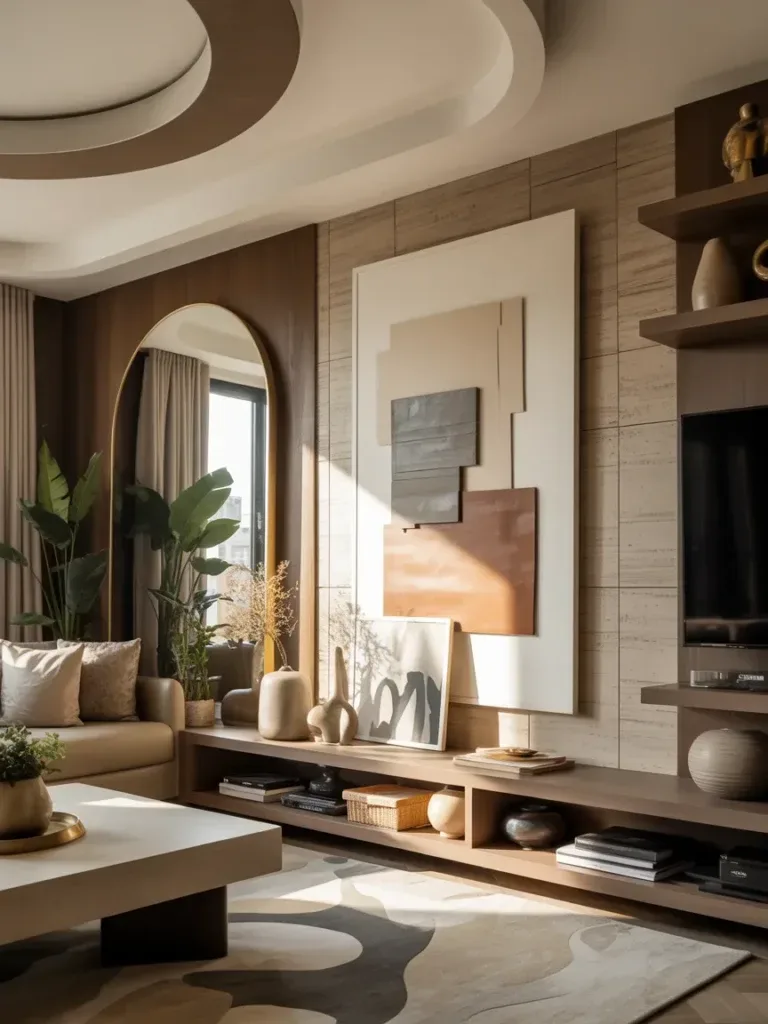
Listen to this article 10 10 0:00 / 0:00 Speed 0.75×1×1.25×1.5×2× Blank walls can make even the nicest room feel unfinished. You know the vibe — comfy couch, cute rug, decent lighting… and then the walls look like they forgot to show up. The good news? Wall decor design changes everything faster than most people…
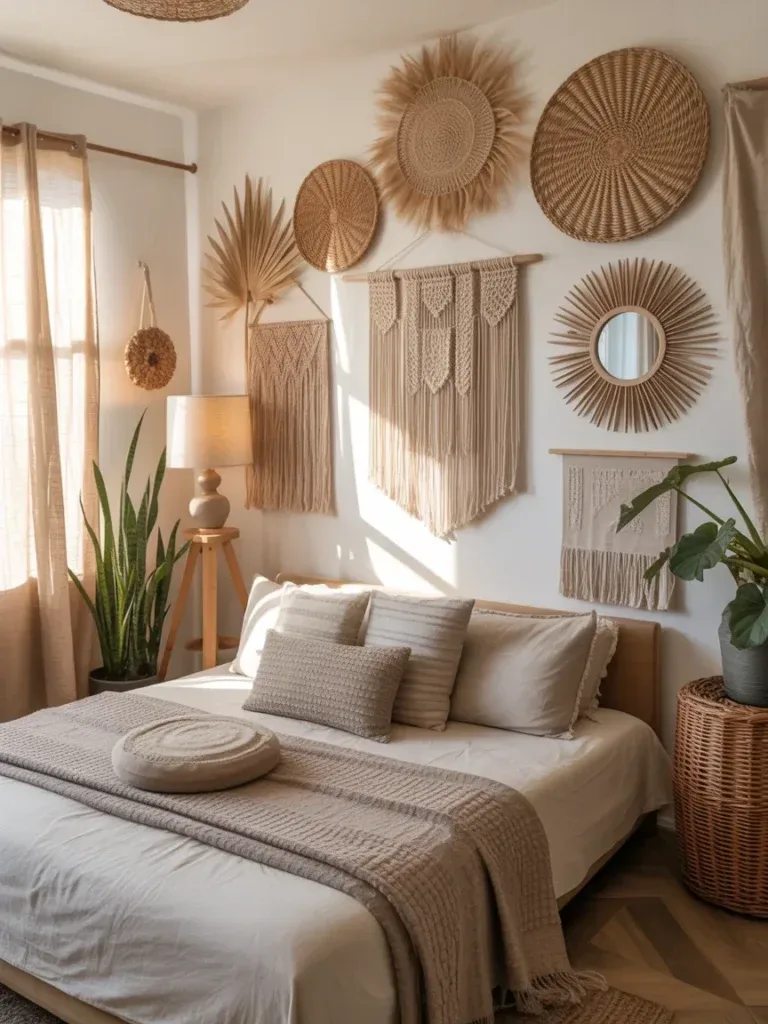
Listen to this article 10 10 0:00 / 0:00 Speed 0.75×1×1.25×1.5×2× Blank walls can make even the cutest room feel unfinished. The good news? You don’t need a giant budget or an interior designer to pull off that cozy, layered boho look everyone saves on Pinterest at 2 a.m. These DIY ideas bring texture, warmth,…
Listen to this article 10 10 0:00 / 0:00 Speed 0.75×1×1.25×1.5×2× Album cover room decor is one of the easiest ways to give a wall real personality without turning your space into a formal gallery. Instead of generic prints, album art carries mood, era, and story in a single glance — which makes it a…
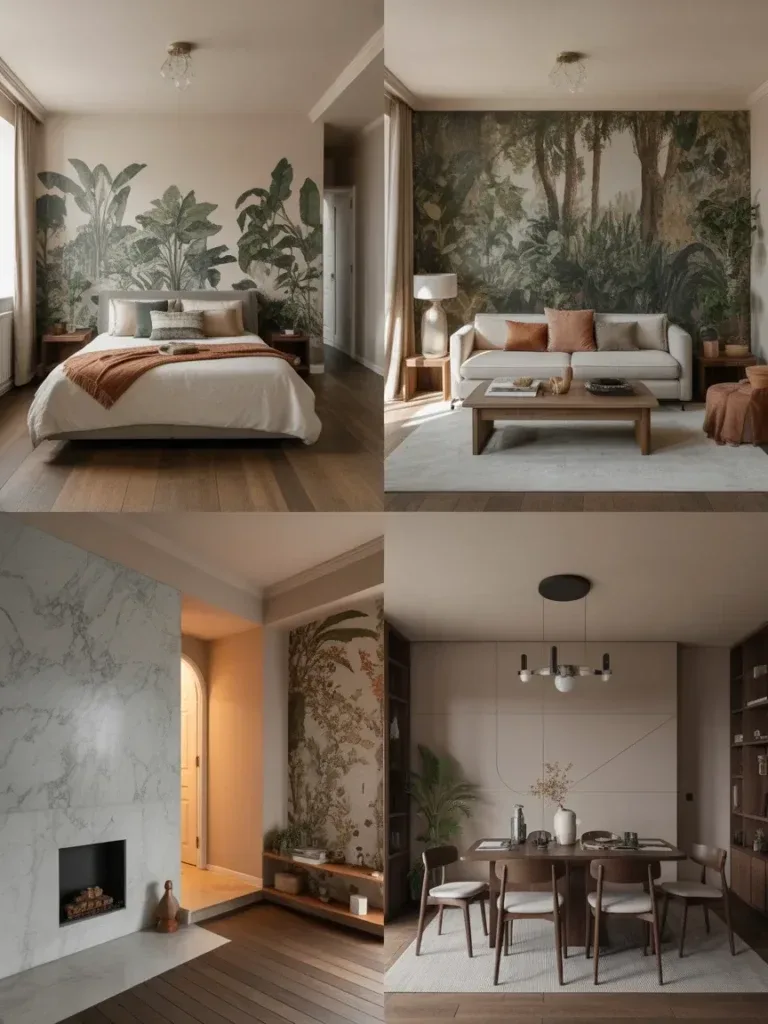
Listen to this article 10 10 0:00 / 0:00 Speed 0.75×1×1.25×1.5×2× Walls feeling a little…meh? Yeah, we’ve all been there. The good news is you don’t need a full renovation or a huge budget to make your space feel completely new. Peel and stick wall murals are basically the design cheat code—zero commitment, maximum impact,…
Listen to this article 10 10 0:00 / 0:00 Speed 0.75×1×1.25×1.5×2× An album cover bedroom borrows the mood, color story, and visual drama of a great record sleeve and turns it into a space you can actually sleep in. It’s not about recreating one specific cover — it’s about building a room that feels as…
Listen to this article 10 10 0:00 / 0:00 Speed 0.75×1×1.25×1.5×2× Thinking about upgrading your living room centerpiece? A media wall can instantly elevate your space—but choosing between built-in and slatted designs isn’t as straightforward as it seems. Both styles scream “designer,” but in totally different ways. So which one actually looks more luxurious? Let’s…