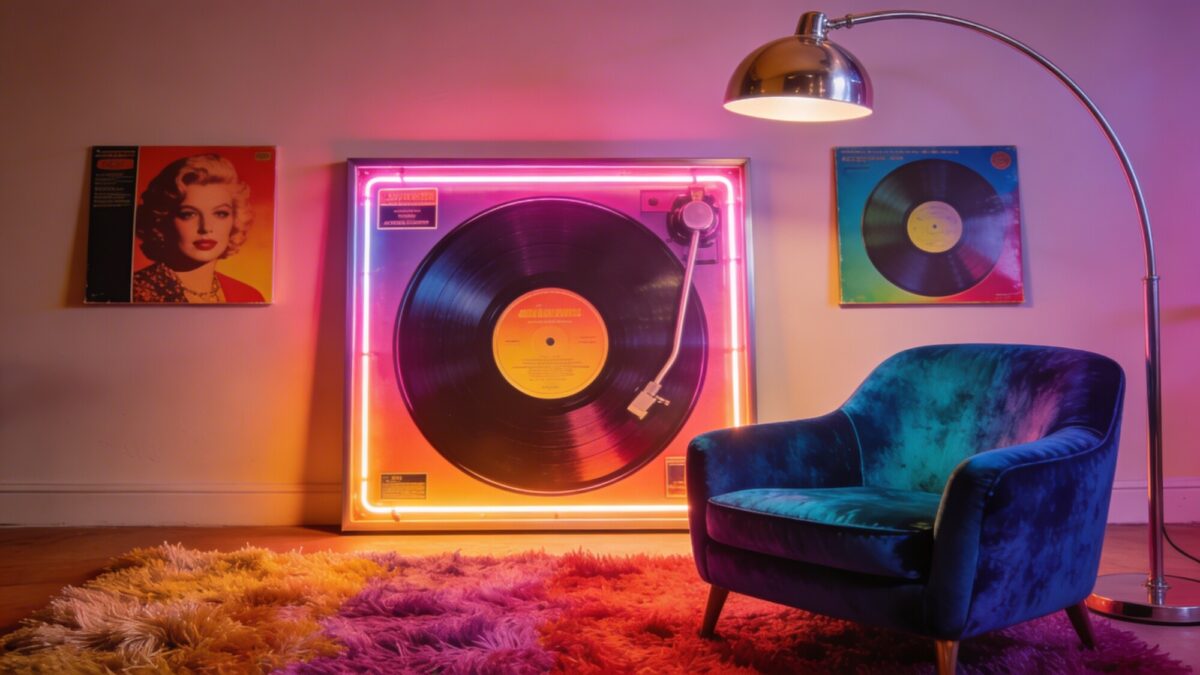
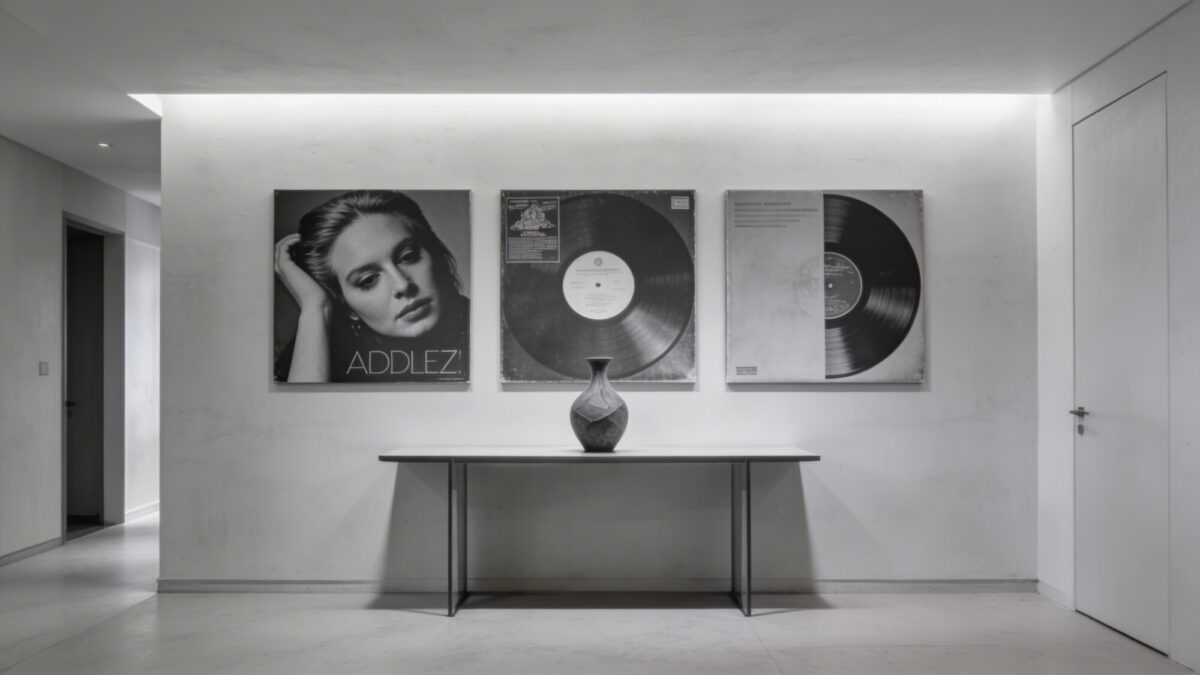
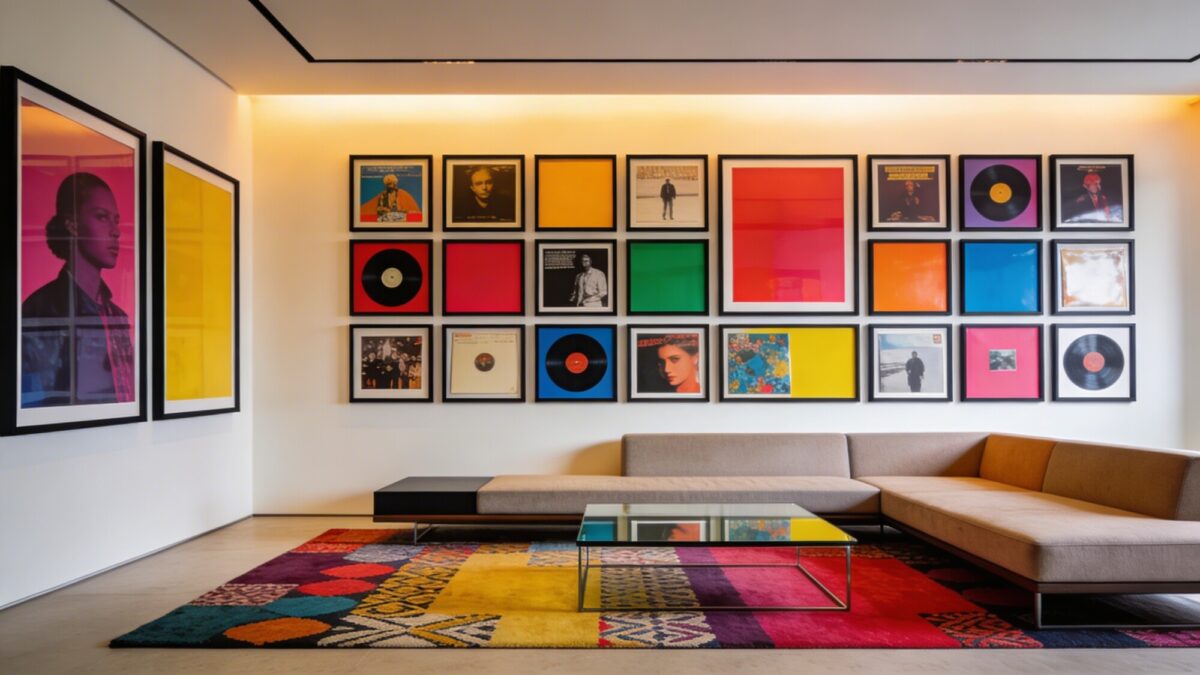
If you’ve ever wished your space could vibe as hard as a killer playlist, album cover poster room decor is your answer. Turning a blank wall into a curated gallery of iconic sleeves is one of the fastest, most affordable ways to give a room a distinct personality. This guide walks through everything you need — from picking the right covers to hanging them so they actually look intentional. Quick-Reference: Key Takeaways Start small — 3 to 5 covers is enough for a strong first impression on a shelf or accent wall. Match the era and color palette of the covers to your room’s existing style for a cohesive look, not a cluttered one. Use UV-protective glass or acrylic framing to keep prints from fading in direct sunlight. Removable adhesive strips are the safest hanging method for renters. Rotate a few pieces seasonally to keep the wall feeling fresh without a full redo. Why Album Covers Make Magic Wall Art Album covers aren’t just pretty pictures — they’re tiny time capsules. Each one captures an era, a mood, and an artist’s personality in a single frame. That’s exactly what makes album cover wall decor so effective: hang a few thoughtfully chosen pieces, and the room starts to feel like it has a soundtrack of its own. Unlike generic framed prints, album covers carry built-in nostalgia and instant conversation value. Guests recognize them, connect with them, and usually end up asking about the story behind your picks — which is exactly the kind of personality a poster wall should bring to a space. Photo by Andrea Davis on Unsplash Picking the Right Covers for the Room Know Your Space and Your Vibe Before buying a single poster, assess the room’s natural light, wall color, and existing furniture. Decide whether you want bold, high-contrast graphics or something more muted and nostalgic. The goal for any successful album poster collection is cohesion, not chaos — if your space leans minimalist, stick to a handful of iconic covers in black-and-white or muted tones. Match the Era to Your Energy Want a modern pop punch or retro soul warmth? Contemporary, art-forward sleeves suit bright and playful rooms, while classic jazz or rock covers feel more at home in cozy, vintage-leaning spaces. Consistency beats variety here — pick a theme first, then let one or two standout pieces do the visual heavy lifting. Poster Organization Ideas That Don’t Feel Like a Record Store Dungeon There’s more than one way to arrange a collection, and the layout you choose changes the whole feel of the room. Here are five poster wall layout ideas worth trying: Photo by Andrea Davis on Unsplash Gallery Grid: A clean grid with evenly spaced frames gives a museum-like feel — great for a chic living room or hallway. Mixed-Media Collage: Combine covers with concert tickets, lyric sheets, and small posters for a layered, lived-in look. Floating Shelves: Lean framed covers on shallow shelves at varying heights to add depth without extra wall holes. Oversized Focal Wall: Choose a few large-format covers and hang them above a sofa or bed as a bold, dramatic centerpiece. Minimal Shelf Nook: Short on space? A small shelf with two or three framed covers plus a plant feels curated rather than crowded. For more music poster wall decor room ideas, it’s worth browsing a range of layouts before committing to nails or adhesive strips. Framing and Lighting Essentials Frames That Speak Your Language Choose frames that complement the artwork rather than compete with it. Black frames lean into classic rock energy, while white or natural wood frames soften pop-art covers. Mixing frame styles within one cohesive color tone can actually work in your favor — a bit of contrast keeps the wall from feeling flat. Light It Right Natural light makes colors pop, but direct sun can fade ink over time. Soft ambient lighting or directional spotlights are a safer way to highlight key pieces. LED shelf lighting or picture lights can make an album cover art display look striking after dark, without harsh glare. Photo by Erik Mclean on Unsplash Color Theory for Album Poster Walls Think about how the poster color palette interacts with the room’s existing paint. If the walls are already bold, monochrome covers help prevent visual overload. If the walls are neutral, vibrant sleeves can become the room’s main focal point. A simple trick: pull one accent color from a cover and echo it elsewhere in the room, through cushions, a rug, or a lamp shade. Texture and Material Play Mixing matte and gloss prints adds subtle depth to a wall. A glossy poster in a matte frame tends to catch the eye more than a uniform finish. On textured walls, canvases or acrylic mounts help keep the display from looking flat. Creating a Curated Narrative Every wall can tell a story. Grouping covers by genre, era, or artist turns a random collection into album poster collection inspiration that feels intentional. A few surprise picks — an international release or a lesser-known indie gem — keep guests curious about the backstory. Photo by Neon Wang on Unsplash Genres You Love If your taste spans multiple genres, arrange the wall so it flows: start with rootsy classics, move into synth-pop, and finish with indie favorites. The arc reads as intentional rather than random. Artist Spotlight Dedicating a wall to one or two favorite artists creates a mini tribute space. Mixing full covers with smaller portraits or lyric quotes in the same color family keeps the display unified. For inspiration on building out a themed room, this album cover bedroom makeover shows how a single-artist or single-genre focus can anchor an entire space. Layout Comparison: Which Poster Wall Style Fits Your Room? Layout StyleBest ForEffort LevelWall Space NeededGallery GridLiving rooms, hallwaysMedium — requires careful measuringLargeMixed-Media CollageMusic rooms, home officesLow — flexible, forgiving layoutMediumFloating ShelvesRenters, rotating collectionsMedium — needs shelf installationSmall to mediumOversized Focal WallAbove sofas or bedsLow — few pieces, high impactLargeMinimal Shelf NookSmall apartments, studiosLow — quick to set upSmall DIY and Budget-Friendly Tips A great music album covers wall decor diy project doesn’t need a big budget. A few practical ways to save: Photo by Isaac Mehegan on Unsplash Repurpose old frames. A fresh coat of paint on thrift-store frames instantly updates them to match your current palette. Print on the cheap. Local print shops or online print services offer high-quality posters that you can DIY frame or mount yourself. Rotate the gallery. Swap a few pieces seasonally to keep the room feeling fresh without buying new art constantly. Go digital-to-physical. If you have favorite digital sleeves, printing them on canvas gives a premium, gallery-style finish. Hanging and Placement Practicalities Measure twice, hang once. Use a level and painter’s tape to outline frame positions before nailing anything into the wall. Renters should lean on removable adhesive hanging strips to avoid wall damage. A simple pro move: mark a centerline first, then work outward for a balanced layout. Non-Standard Layouts That Wow Zig-zag or staircase arrangements bring energy to a music room or studio corner. Asymmetry can work beautifully — just keep the outer edges roughly aligned and leave enough breathing room so the wall doesn’t feel crowded. Things to Consider Before You Start Do you have enough wall space for the layout you’re picturing, or should you scale down to a shelf nook? Is the wall in direct sunlight? If so, plan for UV-protective glass or acrylic. Are you renting? Prioritize adhesive strips over nails and screws. Do your chosen covers share a color story, or will you need to add a unifying element like matching frames? Will this be a static display, or do you want a rotating setup for seasonal changes? FAQ How many album covers should I start with? Start with 3–5 for a small wall or shelf display. Aim for a cohesive vibe first — you can always add more once you’ve refined your taste and space. What size frames work best for a gallery wall? Common sizes range from 8×10 to 16×20 inches. Mixing a few landscape and portrait orientations works well, as long as the frame style or color stays consistent. Should I mix different art styles with album covers? Yes, but with restraint. A few complementary prints or photos interspersed among covers can add texture — the key is harmony, not visual chaos. How do I protect posters from sunlight and humidity? Use UV-protective glass or acrylic and keep pieces away from direct sun. In humid spaces, avoid damp areas or consider canvas and laminated prints instead of standard paper. What about digital-first art — can I print at home? Printing smaller pieces at home is doable, but a professional print service usually delivers better color accuracy for larger prints. If printing at home, calibrate your monitor and use quality ink and paper. Our Verdict Album cover posters aren’t just decoration — they’re a mood board, a memory reel, and a bit of rebellion against boring interiors. Start with a small, curated set, experiment with layout, and let the wall evolve the way your favorite playlists do. For more layout inspiration, check out these album cover wall decor ideas that add personality to any room, or browse this bold gallery wall inspiration for living rooms. And if you’re planning to build the whole thing yourself, this roundup of DIY wall decor ideas is a solid next stop.
If you’ve ever wished your space could vibe as hard as a killer playlist, album cover poster room decor is your answer. Turning a blank wall into a curated gallery of iconic sleeves is one of the fastest, most affordable ways to give a room a distinct personality. This guide walks through everything you need — from picking the right covers to hanging them so they actually look intentional.
Album covers aren’t just pretty pictures — they’re tiny time capsules. Each one captures an era, a mood, and an artist’s personality in a single frame. That’s exactly what makes album cover wall decor so effective: hang a few thoughtfully chosen pieces, and the room starts to feel like it has a soundtrack of its own.
Unlike generic framed prints, album covers carry built-in nostalgia and instant conversation value. Guests recognize them, connect with them, and usually end up asking about the story behind your picks — which is exactly the kind of personality a poster wall should bring to a space.
Before buying a single poster, assess the room’s natural light, wall color, and existing furniture. Decide whether you want bold, high-contrast graphics or something more muted and nostalgic. The goal for any successful album poster collection is cohesion, not chaos — if your space leans minimalist, stick to a handful of iconic covers in black-and-white or muted tones.
Match the Era to Your Energy
Want a modern pop punch or retro soul warmth? Contemporary, art-forward sleeves suit bright and playful rooms, while classic jazz or rock covers feel more at home in cozy, vintage-leaning spaces. Consistency beats variety here — pick a theme first, then let one or two standout pieces do the visual heavy lifting.
Poster Organization Ideas That Don’t Feel Like a Record Store Dungeon
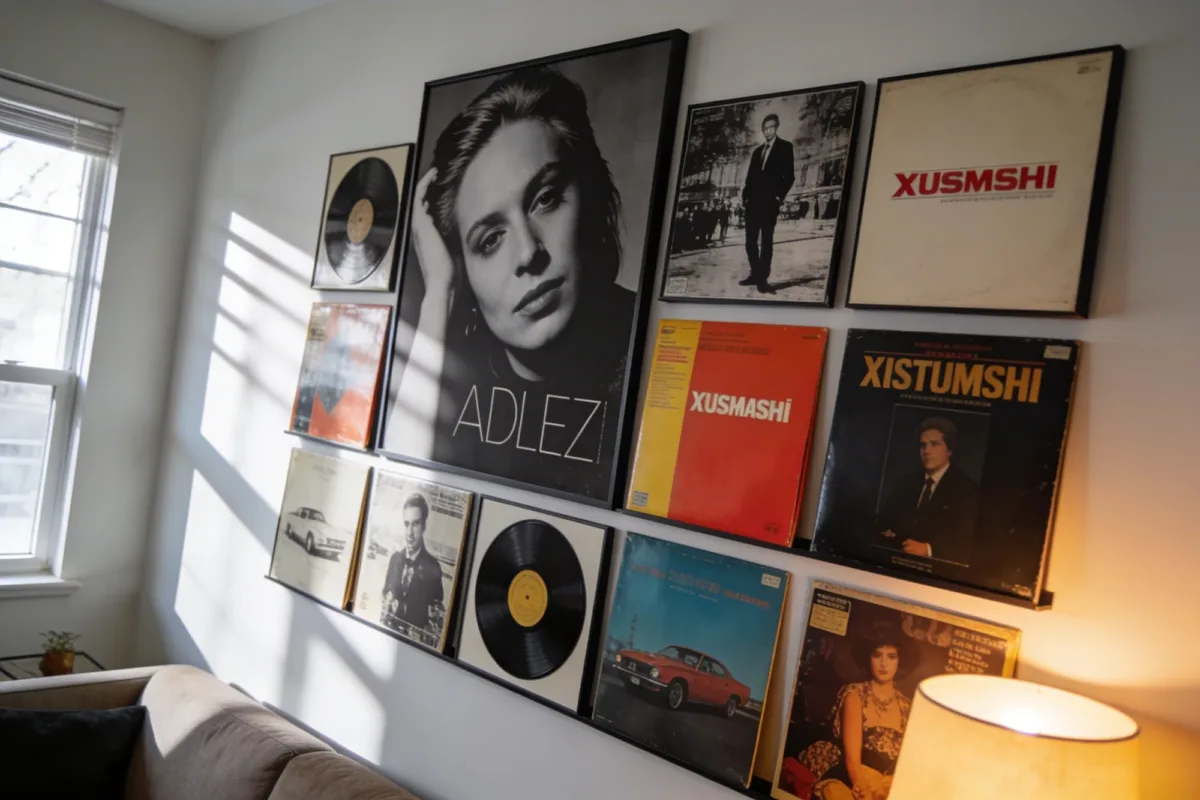
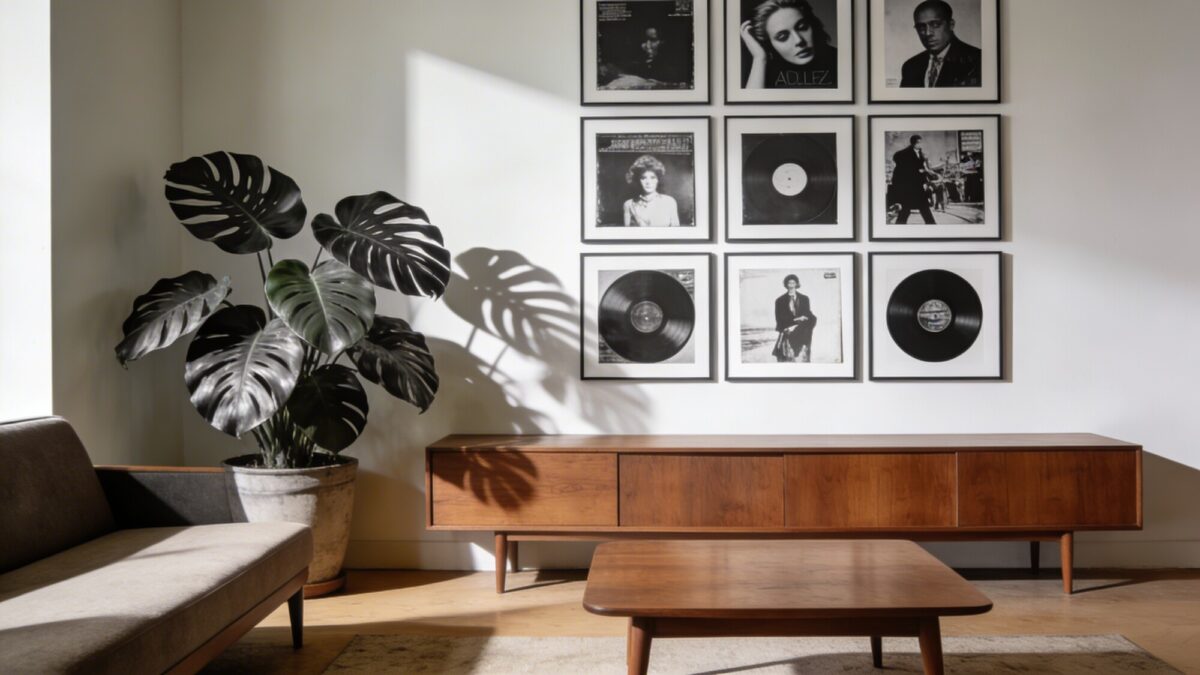
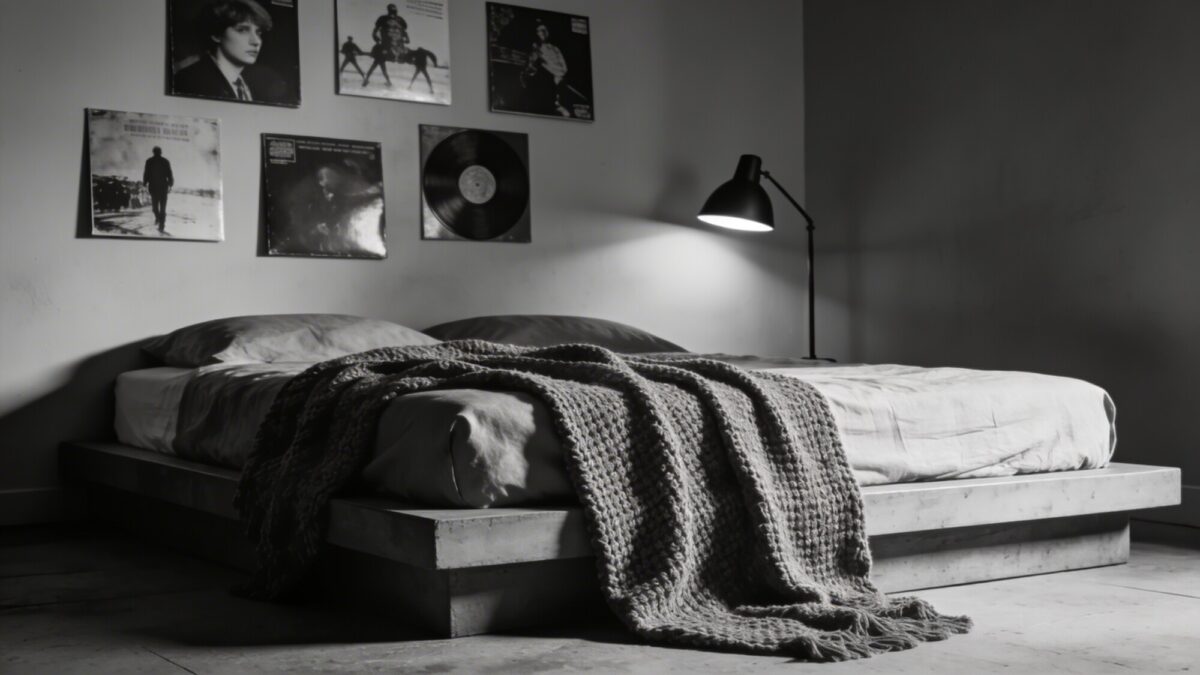
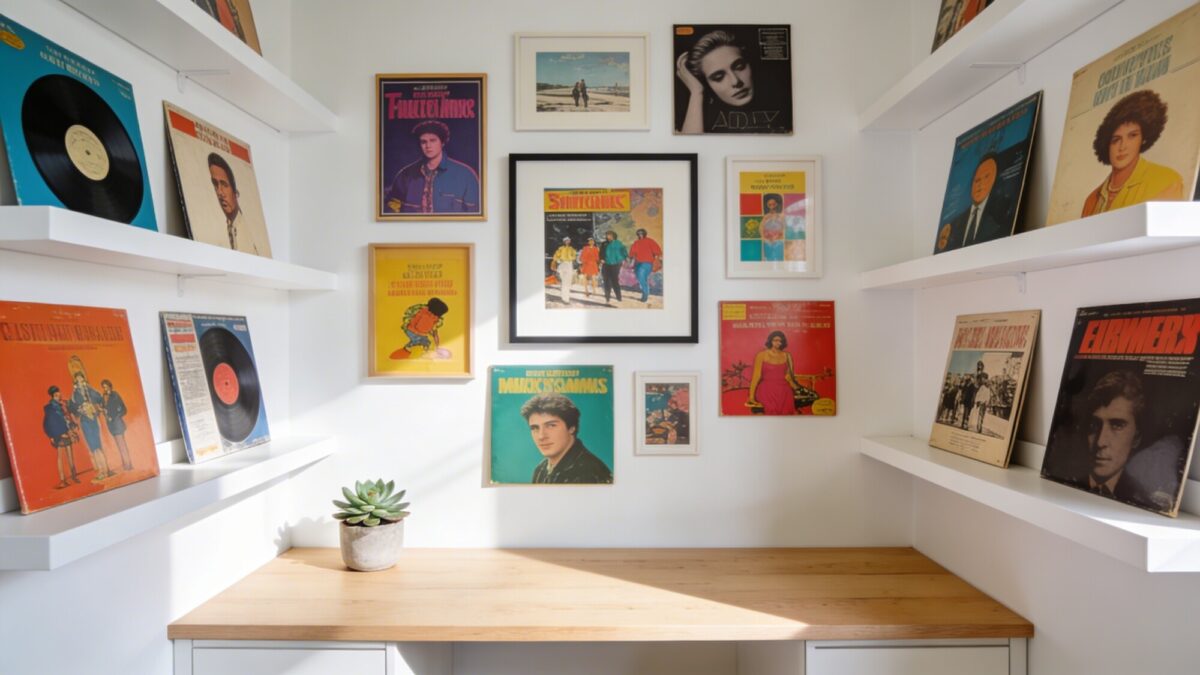
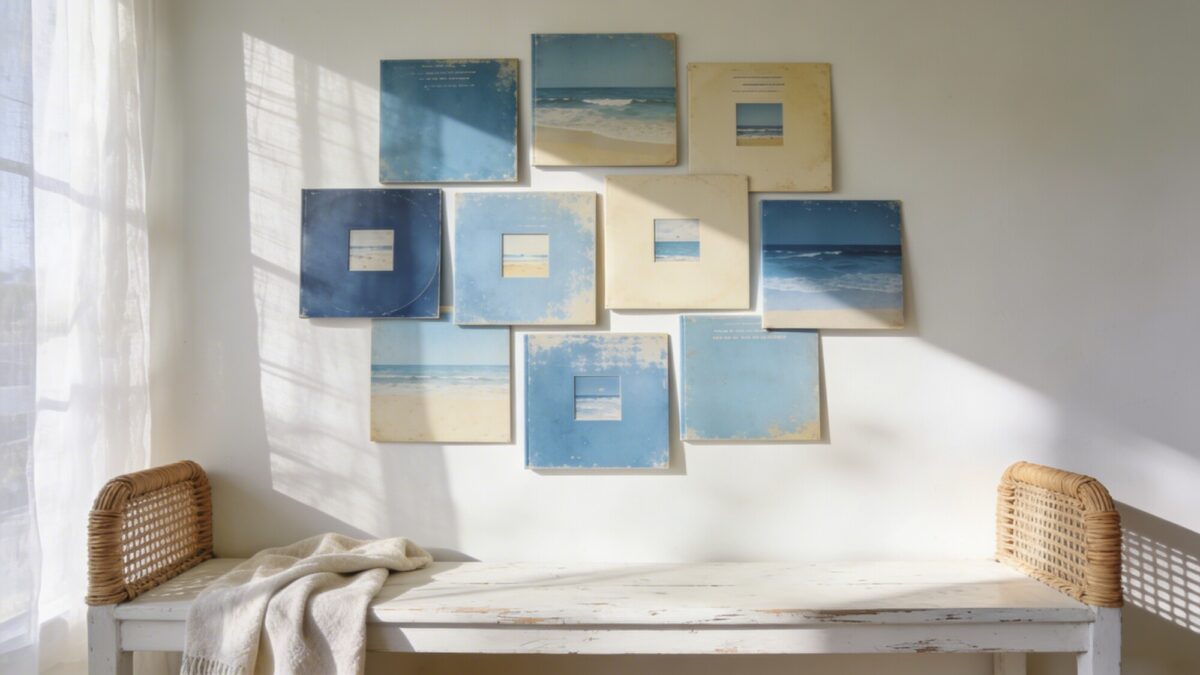
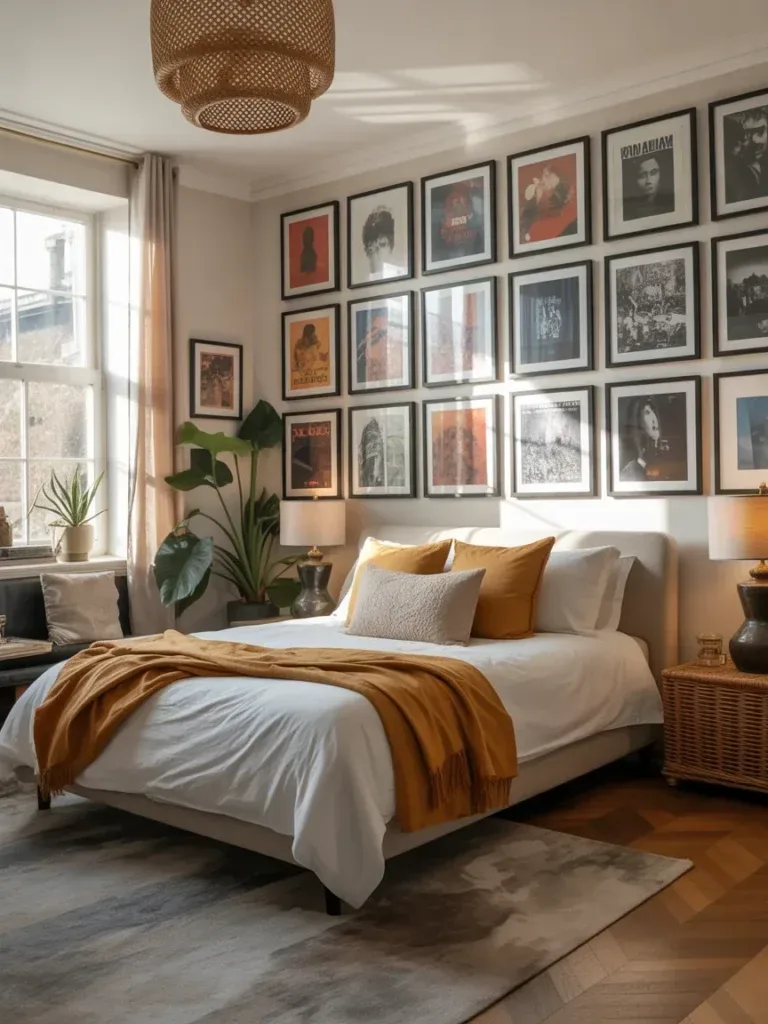
There’s more than one way to arrange a collection, and the layout you choose changes the whole feel of the room. Here are five poster wall layout ideas worth trying:
Choose frames that complement the artwork rather than compete with it. Black frames lean into classic rock energy, while white or natural wood frames soften pop-art covers. Mixing frame styles within one cohesive color tone can actually work in your favor — a bit of contrast keeps the wall from feeling flat.
Light It Right
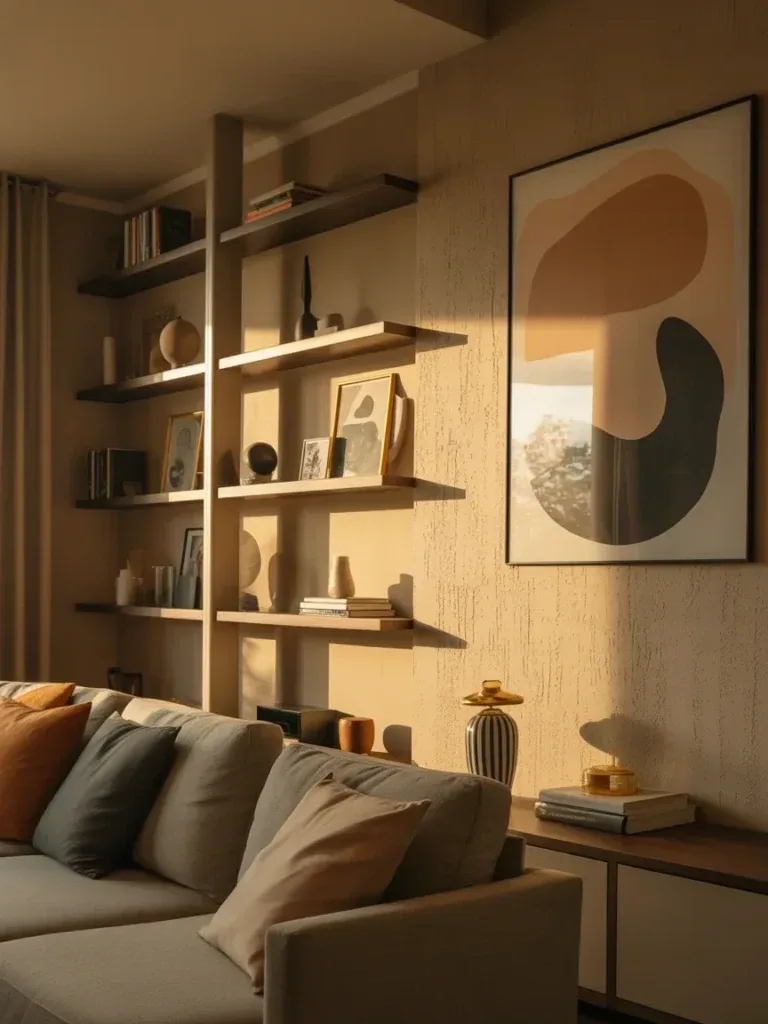
Natural light makes colors pop, but direct sun can fade ink over time. Soft ambient lighting or directional spotlights are a safer way to highlight key pieces. LED shelf lighting or picture lights can make an album cover art display look striking after dark, without harsh glare.
Think about how the poster color palette interacts with the room’s existing paint. If the walls are already bold, monochrome covers help prevent visual overload. If the walls are neutral, vibrant sleeves can become the room’s main focal point. A simple trick: pull one accent color from a cover and echo it elsewhere in the room, through cushions, a rug, or a lamp shade.
Mixing matte and gloss prints adds subtle depth to a wall. A glossy poster in a matte frame tends to catch the eye more than a uniform finish. On textured walls, canvases or acrylic mounts help keep the display from looking flat.
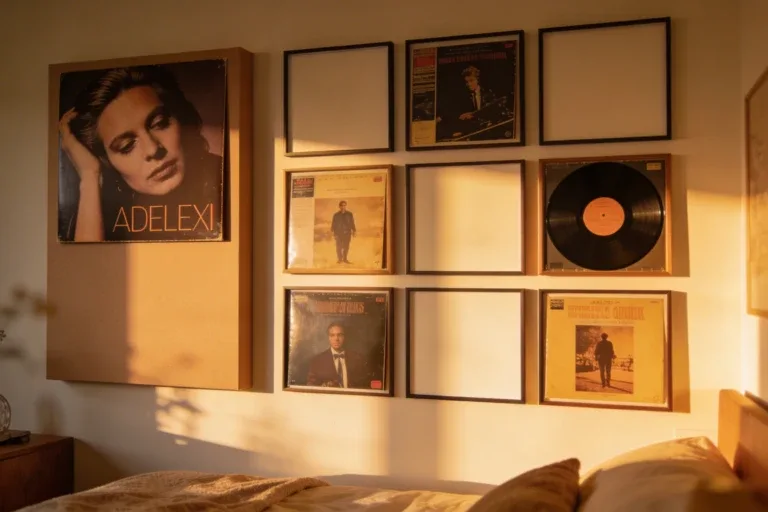
Every wall can tell a story. Grouping covers by genre, era, or artist turns a random collection into album poster collection inspiration that feels intentional. A few surprise picks — an international release or a lesser-known indie gem — keep guests curious about the backstory.
If your taste spans multiple genres, arrange the wall so it flows: start with rootsy classics, move into synth-pop, and finish with indie favorites. The arc reads as intentional rather than random.
Artist Spotlight
Dedicating a wall to one or two favorite artists creates a mini tribute space. Mixing full covers with smaller portraits or lyric quotes in the same color family keeps the display unified. For inspiration on building out a themed room, this album cover bedroom makeover shows how a single-artist or single-genre focus can anchor an entire space.
Layout Comparison: Which Poster Wall Style Fits Your Room?
Measure twice, hang once. Use a level and painter’s tape to outline frame positions before nailing anything into the wall. Renters should lean on removable adhesive hanging strips to avoid wall damage. A simple pro move: mark a centerline first, then work outward for a balanced layout.
Non-Standard Layouts That Wow
Zig-zag or staircase arrangements bring energy to a music room or studio corner. Asymmetry can work beautifully — just keep the outer edges roughly aligned and leave enough breathing room so the wall doesn’t feel crowded.
Things to Consider Before You Start
Do you have enough wall space for the layout you’re picturing, or should you scale down to a shelf nook?
Is the wall in direct sunlight? If so, plan for UV-protective glass or acrylic.
Are you renting? Prioritize adhesive strips over nails and screws.
Do your chosen covers share a color story, or will you need to add a unifying element like matching frames?
Will this be a static display, or do you want a rotating setup for seasonal changes?
FAQ
How many album covers should I start with?
Start with 3–5 for a small wall or shelf display. Aim for a cohesive vibe first — you can always add more once you’ve refined your taste and space.
What size frames work best for a gallery wall?
Common sizes range from 8×10 to 16×20 inches. Mixing a few landscape and portrait orientations works well, as long as the frame style or color stays consistent.
Should I mix different art styles with album covers?
Yes, but with restraint. A few complementary prints or photos interspersed among covers can add texture — the key is harmony, not visual chaos.
How do I protect posters from sunlight and humidity?
Use UV-protective glass or acrylic and keep pieces away from direct sun. In humid spaces, avoid damp areas or consider canvas and laminated prints instead of standard paper.
What about digital-first art — can I print at home?
Printing smaller pieces at home is doable, but a professional print service usually delivers better color accuracy for larger prints. If printing at home, calibrate your monitor and use quality ink and paper.
Our Verdict
Album cover posters aren’t just decoration — they’re a mood board, a memory reel, and a bit of rebellion against boring interiors. Start with a small, curated set, experiment with layout, and let the wall evolve the way your favorite playlists do. For more layout inspiration, check out these album cover wall decor ideas that add personality to any room, or browse this bold gallery wall inspiration for living rooms. And if you’re planning to build the whole thing yourself, this roundup of DIY wall decor ideas is a solid next stop.
Listen to this article 10 10 0:00 / 0:00 Speed 0.75×1×1.25×1.5×2× Your walls are basically begging for better taste. Blank paint? That’s not a personality—it’s a missed opportunity. If your playlist says everything about you, why not let your walls talk too? These album cover wall decor ideas turn your room into a full-blown vibe….
Listen to this article 10 10 0:00 / 0:00 Speed 0.75×1×1.25×1.5×2× Let’s be honest — your TV wall is basically the main character of your living room. It’s the first thing people see when they walk in, and it’s the backdrop to every movie night, every scroll session, every “let’s just watch one episode” that…
Listen to this article 10 10 0:00 / 0:00 Speed 0.75×1×1.25×1.5×2× Blank walls can make even the nicest room feel unfinished. On the flip side, too much wall decor can turn your home into a confusing museum gift shop. The sweet spot? A space that feels stylish, modern, and unmistakably you. The good news: you…
Listen to this article 10 10 0:00 / 0:00 Speed 0.75×1×1.25×1.5×2× Your bedroom deserves a soundtrack, and these album-cover wall ideas hit all the right notes. They’re 7 Album Cover Wall Decor Bedroom Ideas for Your Vibe Album cover wall decor bedroom ideas are one of the easiest ways to turn a plain wall into…
Listen to this article 10 10 0:00 / 0:00 Speed 0.75×1×1.25×1.5×2× Let’s be honest—your TV wall can either be the star of the room or the awkward afterthought you try to ignore. And if you’re still working with a plain wall and a dangling cable situation… yeah, we need to fix that. A well-designed media…
Listen to this article 10 10 0:00 / 0:00 Speed 0.75×1×1.25×1.5×2× I used to think my TV wall was the least interesting part of my living room. It was just… a TV. Mounted on a beige wall. With a tangle of cords I pretended not to see every time company came over. Then I redid…