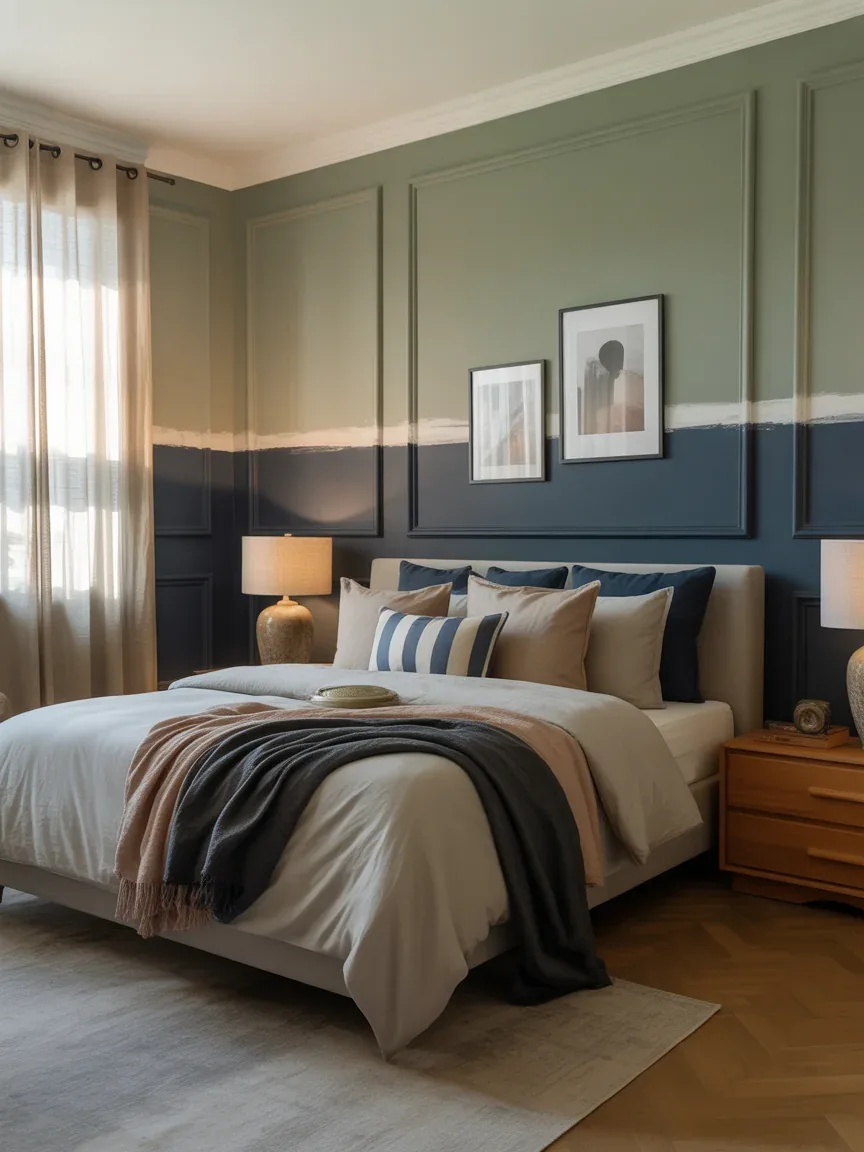
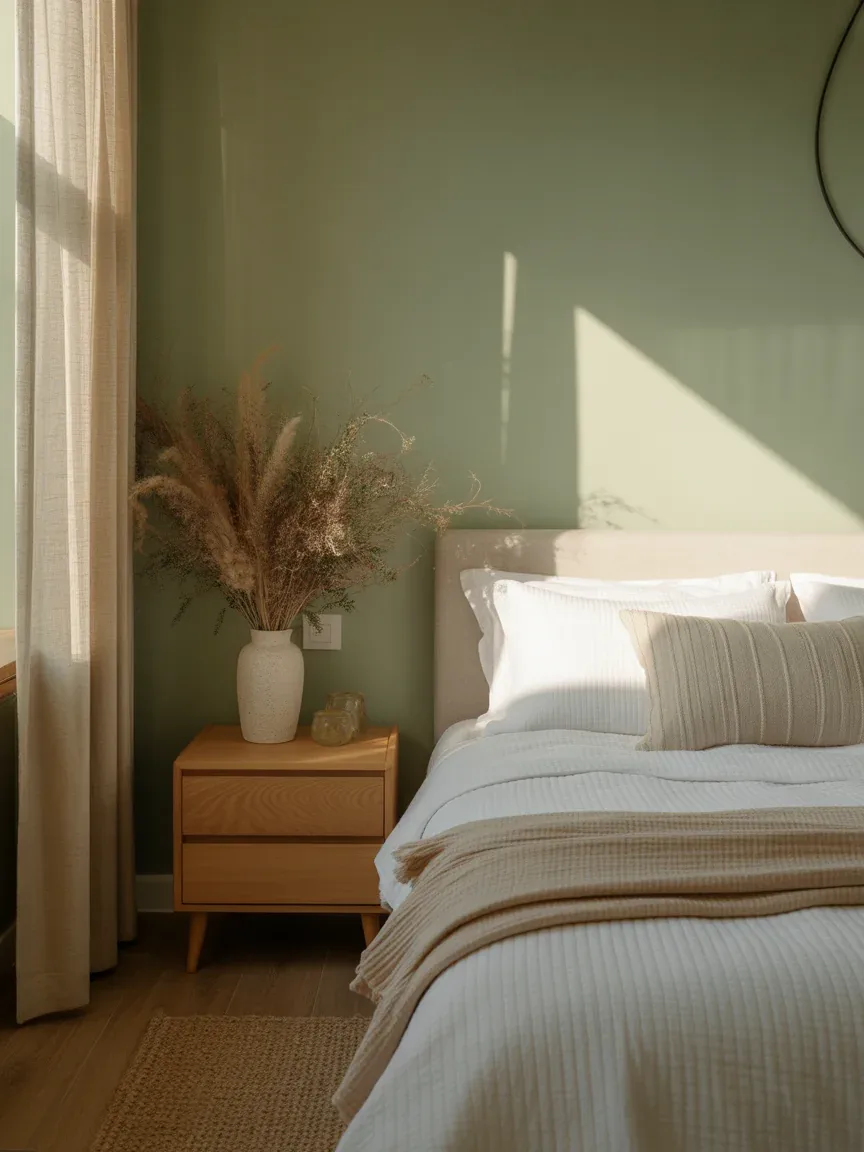
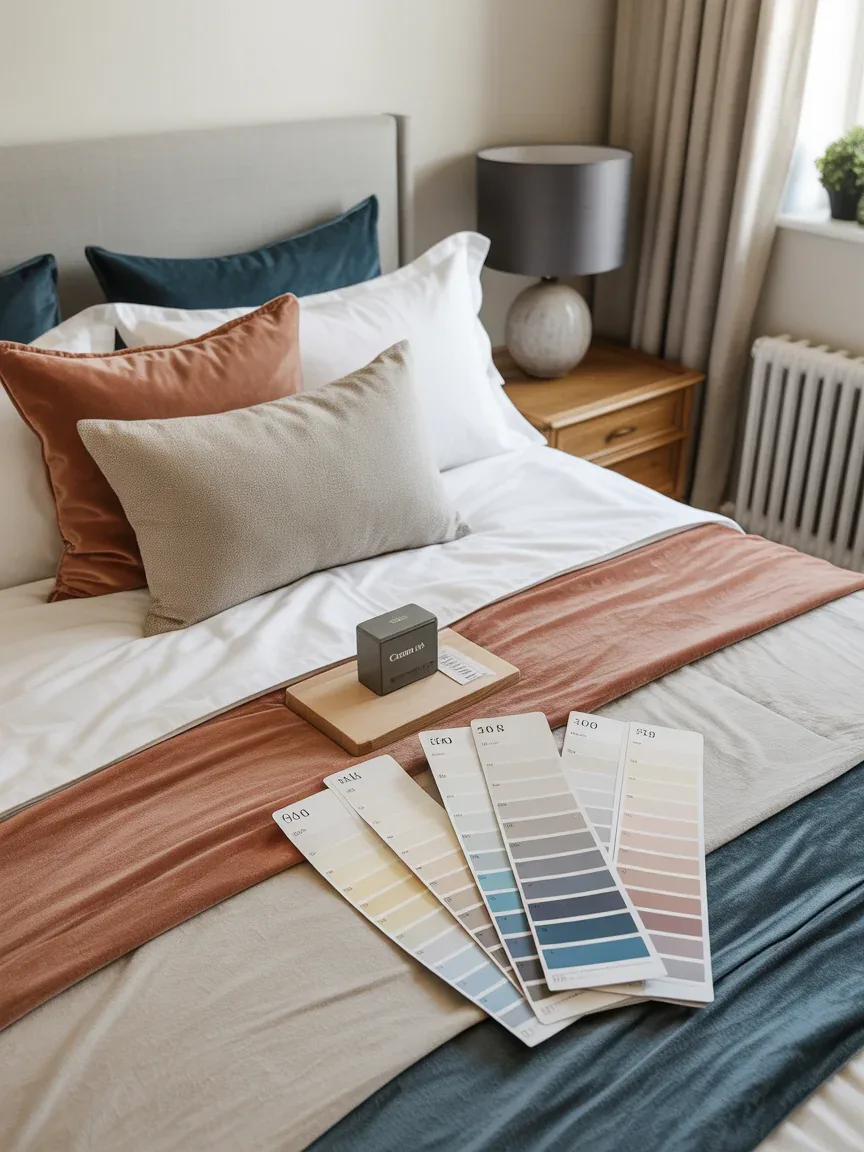
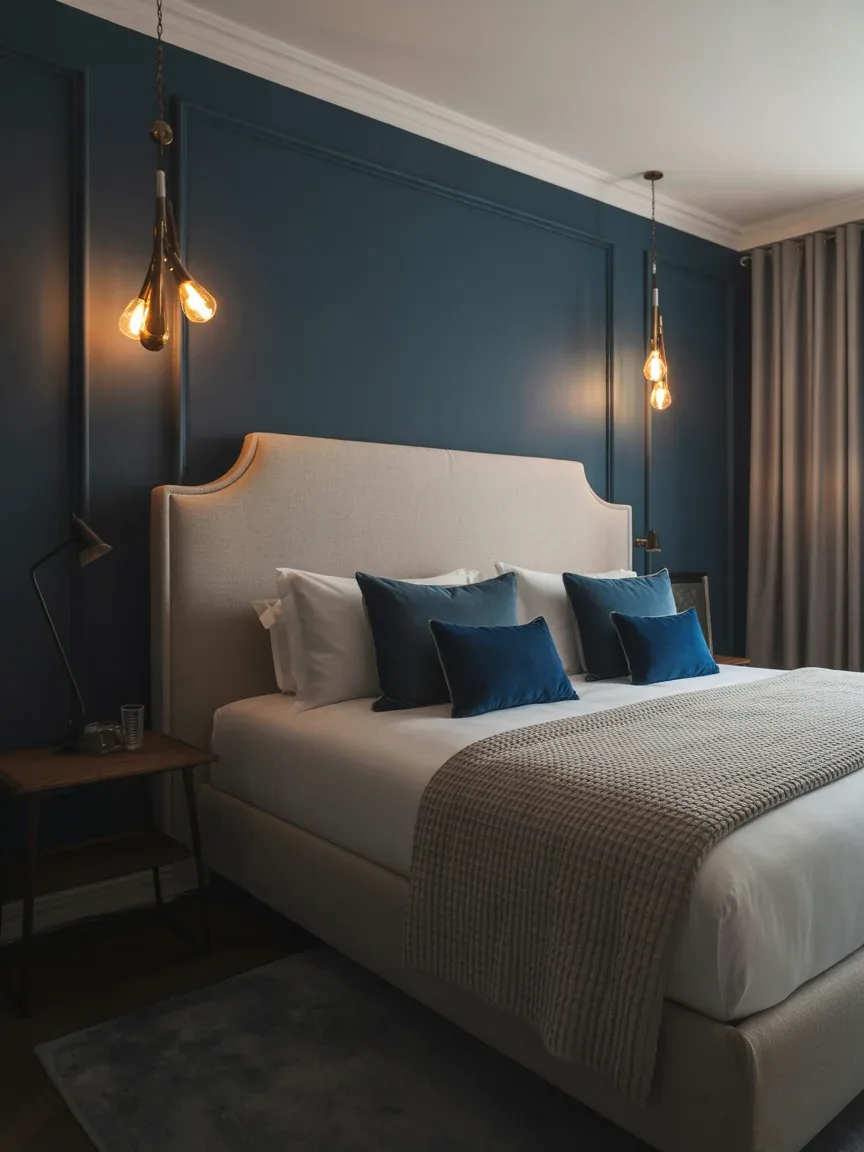
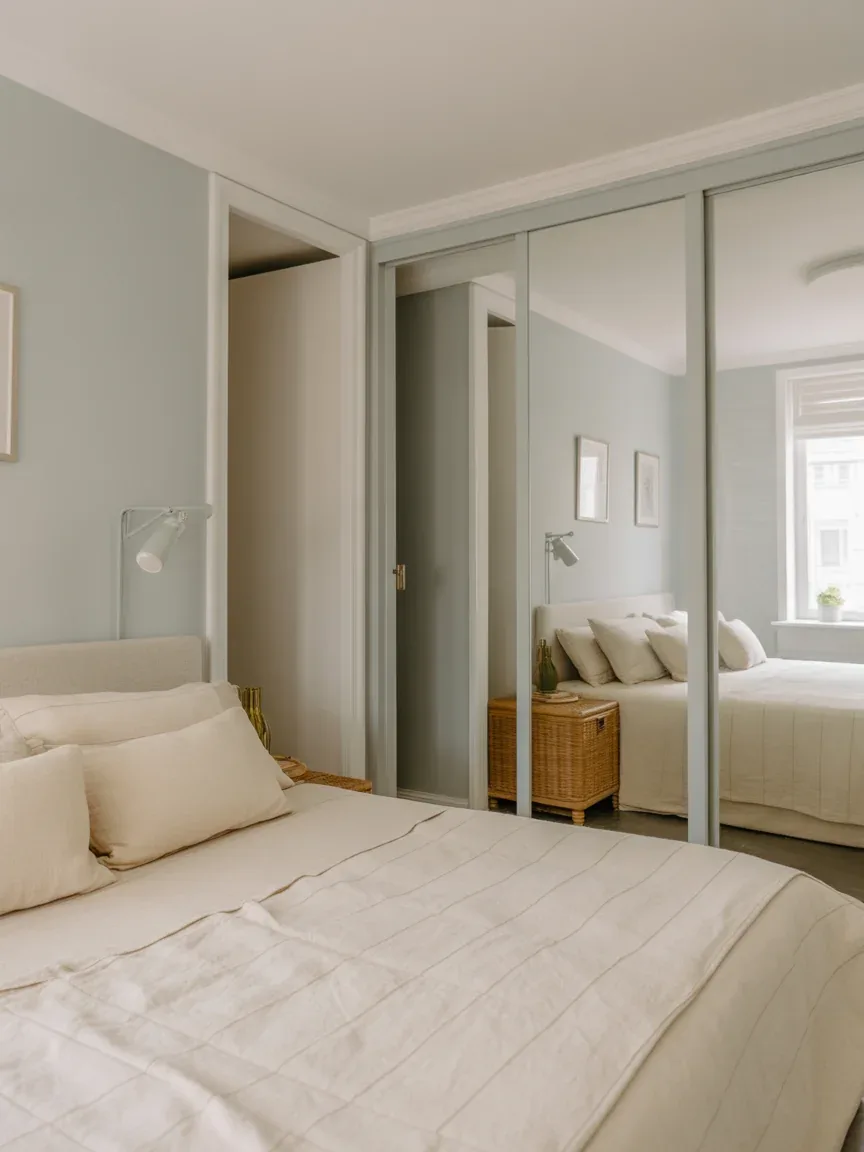
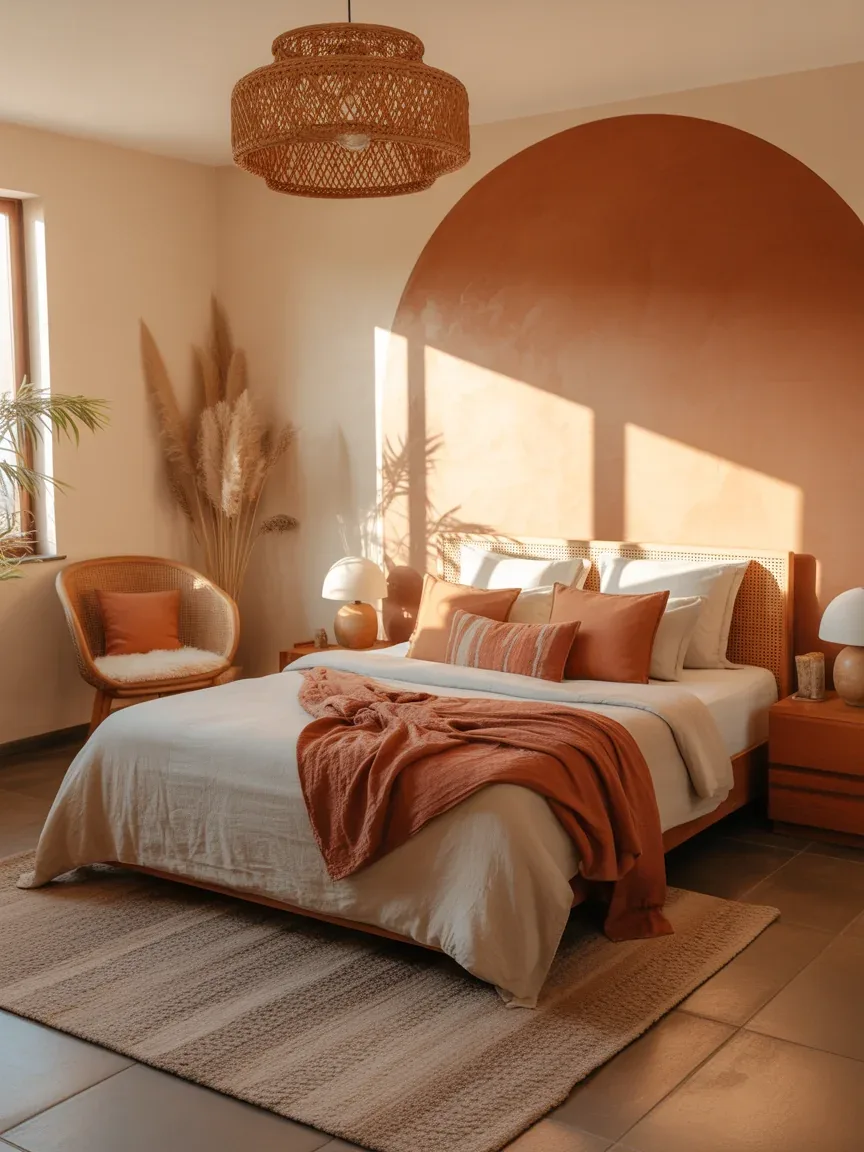
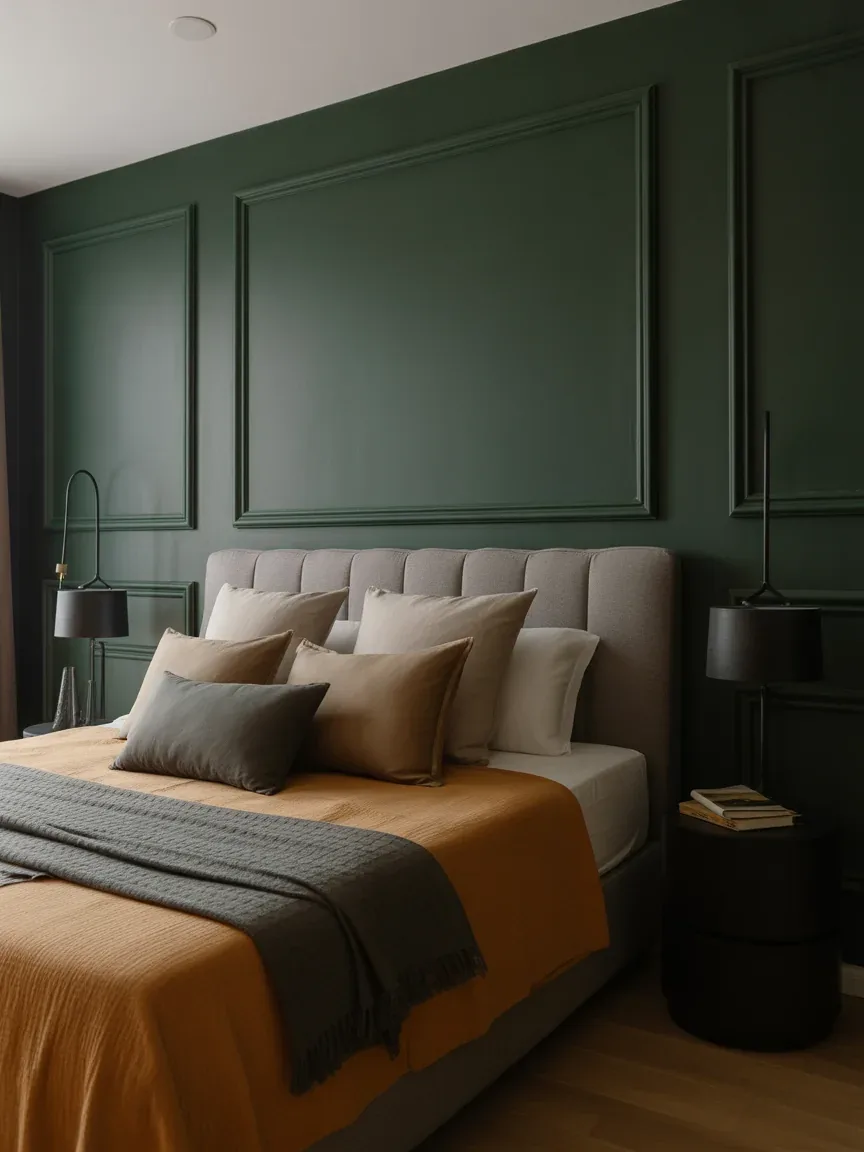
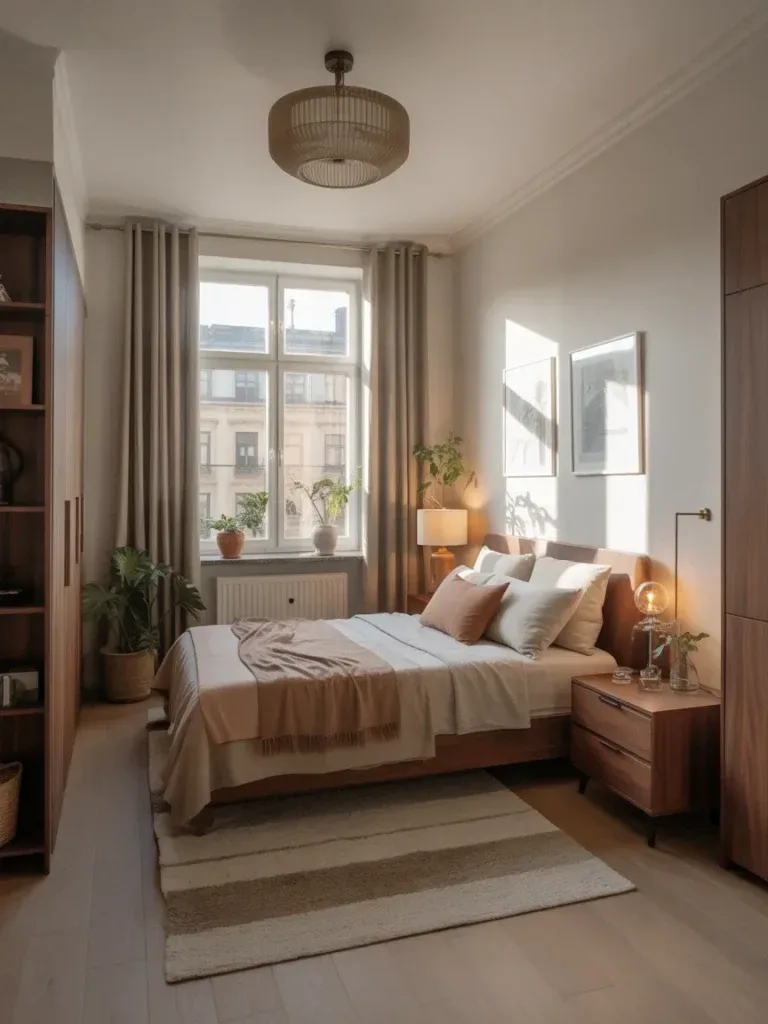
Your bedroom should feel like a retreat, not a random paint aisle explosion. The right color combination can make a tiny room feel bigger, a dark room feel brighter, and a chaotic mind feel slightly less chaotic. Seriously, colors do a lot of heavy lifting. But choosing bedroom colors? That’s where people panic. Suddenly everyone becomes emotionally attached to twenty-seven shades of beige. Don’t worry — this guide makes the whole process way easier. Start With the Mood You Want Before you pick colors, ask yourself one thing: how do you want your bedroom to feel? Photo by laura adai on Unsplash That answer changes everything. A calm bedroom needs different colors than a bold, dramatic one. You’re not just decorating a room — you’re setting a vibe. Here are a few mood-based ideas: Relaxing and cozy: soft beige, sage green, warm gray Modern and sleek: black, white, charcoal, muted navy Bright and cheerful: blush pink, cream, pale yellow Luxury hotel energy: deep blue, taupe, ivory, gold accents IMO, this step matters more than chasing trends. Trendy colors come and go. Your need for sleep? That stays. Photo by Drew Beamer on Unsplash Understand Basic Color Pairing Rules You don’t need an art degree for this. You just need a few simple rules that stop your room from looking accidental. Use the 60-30-10 Rule Designers love this trick because it works almost every time. 60% = dominant color (usually walls) 30% = secondary color (bedding, curtains, rugs) 10% = accent color (decor, pillows, artwork) For example: Photo by Morgan Housel on Unsplash 60% warm white 30% dusty blue 10% matte black Boom. Balanced and stylish without trying too hard. Stick to 3 Main Colors Too many colors create visual chaos. Your bedroom shouldn’t look like a clearance bin at a craft store. Three colors usually give enough contrast while keeping everything cohesive. Best Bedroom Color Combinations That Always Work Some combinations survive every trend cycle because they simply look good. These pairings work in almost any bedroom style. Sage Green and Warm White This combo feels calm, fresh, and slightly expensive. Sage green adds softness without making the room look childish. Pair it with: White bedding Light wood furniture Soft cream curtains The result feels airy and relaxing without screaming “I saw this on Pinterest.” Navy Blue and Beige Want sophistication without making your bedroom feel like a cave? Navy and beige nail that balance. Navy creates depth. Beige warms everything up. Add brass or gold accents if you want a slightly upscale feel. Not “royal palace” upscale. More like “boutique hotel with overpriced coffee” upscale. Charcoal Gray and Blush Pink This combo works surprisingly well because the softness balances the drama. Charcoal gives structure. Blush pink keeps the room from feeling cold. FYI, blush doesn’t automatically mean ultra-feminine. Used correctly, it looks modern and elegant. Terracotta and Cream Earthy colors continue dominating interior design for good reason. They feel warm, grounded, and welcoming. Terracotta works beautifully with: Cream walls Rattan decor Linen bedding Natural textures The whole room ends up feeling sun-soaked and cozy. Match Colors With Bedroom Size and Lighting Lighting changes everything. A color that looks dreamy online might look depressing in your actual room. Annoying? Absolutely. Small Bedrooms Need Smarter Colors Lighter shades make rooms feel larger and more open. Good options include: Soft white Pale gray Light taupe Dusty blue You can still use darker colors — just keep them as accents instead of covering every wall like you’re building a bat cave. Dark Bedrooms Benefit From Warm Tones Rooms with little natural light often feel cold. Warm colors help fix that instantly. Try: Warm beige Cream Soft peach Muted olive Avoid icy grays in low-light rooms unless you enjoy the emotional atmosphere of a rainy Tuesday. Bright Rooms Can Handle Bold Colors Lots of sunlight gives you more flexibility. You can experiment with: Deep navy Forest green Chocolate brown Rich terracotta Natural light softens stronger colors and prevents them from feeling overwhelming. Don’t Ignore Furniture and Decor Your wall color doesn’t exist in isolation. It needs to work with your furniture, flooring, and decor too. This part trips people up constantly. Coordinate With Wood Tones Different wood finishes lean warm or cool. Warm woods pair well with beige, cream, olive, terracotta Cool woods look better with gray, blue, white, charcoal Mixing clashing undertones creates subtle visual tension. And not the fun kind. Bedding Matters More Than You Think Your bed takes up a huge chunk of visual space. The bedding colors need to support your palette. If your walls already feel bold: Choose neutral bedding If your walls stay neutral: Add color through bedding and pillows Easy balance. Popular Bedroom Color Trends Right Now Trends change fast, but a few styles continue dominating stylish bedrooms lately. Earthy Neutrals People love cozy spaces right now. Earthy tones create comfort without looking boring. Popular shades: Clay Sand Mushroom gray Olive green These colors also age well, which saves you from repainting every year out of regret. Moody Dark Bedrooms Dark bedrooms feel dramatic and cozy when done correctly. Popular dark shades include: Deep green Midnight blue Espresso brown The trick? Balance dark walls with lighter textures and layered lighting. Soft Minimalist Palettes Minimalism stopped feeling cold and sterile. Thankfully. Now the trend leans softer: Warm whites Cream Greige Muted taupe The vibe feels calm, clean, and genuinely livable. Common Bedroom Color Mistakes to Avoid Even stylish colors can fail when used incorrectly. Here are the biggest mistakes people make: Choosing paint before furniture Ignoring natural lighting Using too many bold colors Forgetting undertones Copying online photos exactly Seriously, test paint samples first. Paint changes throughout the day depending on lighting. That “soft beige” might suddenly look aggressively yellow at night. And nobody wants surprise mustard walls. FAQ How many colors should a bedroom have? Most bedrooms look best with 2-3 main colors. That keeps the space cohesive without feeling flat or overwhelming. What colors make a bedroom feel relaxing? Soft greens, warm neutrals, muted blues, and creamy whites create the most calming atmosphere. Harsh, ultra-bright colors usually feel too stimulating for sleep spaces. Are dark bedroom colors a bad idea? Not at all. Dark colors can feel cozy and luxurious. Just balance them with good lighting and lighter decor elements. Should bedroom walls match furniture? They don’t need to match exactly, but they should complement each other. Pay attention to warm and cool undertones so everything feels intentional. What’s the safest bedroom color combination? Warm white and beige remain the safest choice because they work with almost every design style and furniture type. Can I mix warm and cool colors? Yes, but balance matters. One temperature should dominate while the other acts as an accent. Otherwise the room can feel visually confusing. Conclusion Choosing the best bedroom color combinations doesn’t need to feel overwhelming. Start with the mood you want, keep your palette simple, and pay attention to lighting. Those three steps solve most design problems immediately. And honestly? A stylish bedroom rarely comes from complicated choices. The best spaces usually rely on balanced colors, cozy textures, and a little confidence. Trust your eye — and maybe don’t paint every wall neon purple at 2 AM.
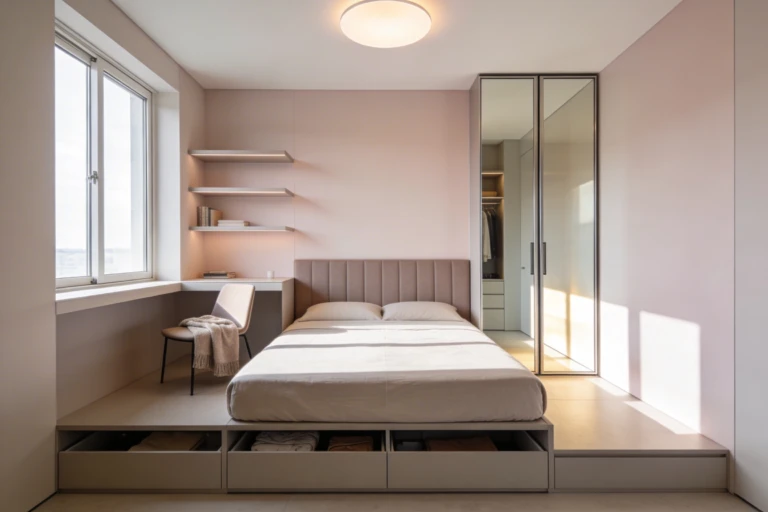
Your bedroom should feel like a retreat, not a random paint aisle explosion. The right color combination can make a tiny room feel bigger, a dark room feel brighter, and a chaotic mind feel slightly less chaotic. Seriously, colors do a lot of heavy lifting.
But choosing bedroom colors? That’s where people panic. Suddenly everyone becomes emotionally attached to twenty-seven shades of beige. Don’t worry — this guide makes the whole process way easier.
That answer changes everything. A calm bedroom needs different colors than a bold, dramatic one. You’re not just decorating a room — you’re setting a vibe.
Here are a few mood-based ideas:
Relaxing and cozy: soft beige, sage green, warm gray
Modern and sleek: black, white, charcoal, muted navy
Bright and cheerful: blush pink, cream, pale yellow
Luxury hotel energy: deep blue, taupe, ivory, gold accents
IMO, this step matters more than chasing trends. Trendy colors come and go. Your need for sleep? That stays.
Trends change fast, but a few styles continue dominating stylish bedrooms lately.
Earthy Neutrals
People love cozy spaces right now. Earthy tones create comfort without looking boring.
Popular shades:
Clay
Sand
Mushroom gray
Olive green
These colors also age well, which saves you from repainting every year out of regret.
Moody Dark Bedrooms
Dark bedrooms feel dramatic and cozy when done correctly.
Popular dark shades include:
Deep green
Midnight blue
Espresso brown
The trick? Balance dark walls with lighter textures and layered lighting.
Soft Minimalist Palettes
Minimalism stopped feeling cold and sterile. Thankfully.
Now the trend leans softer:
Warm whites
Cream
Greige
Muted taupe
The vibe feels calm, clean, and genuinely livable.
Common Bedroom Color Mistakes to Avoid
Even stylish colors can fail when used incorrectly.
Here are the biggest mistakes people make:
Choosing paint before furniture
Ignoring natural lighting
Using too many bold colors
Forgetting undertones
Copying online photos exactly
Seriously, test paint samples first. Paint changes throughout the day depending on lighting. That “soft beige” might suddenly look aggressively yellow at night.
And nobody wants surprise mustard walls.
FAQ
How many colors should a bedroom have?
Most bedrooms look best with 2-3 main colors. That keeps the space cohesive without feeling flat or overwhelming.
What colors make a bedroom feel relaxing?
Soft greens, warm neutrals, muted blues, and creamy whites create the most calming atmosphere. Harsh, ultra-bright colors usually feel too stimulating for sleep spaces.
Are dark bedroom colors a bad idea?
Not at all. Dark colors can feel cozy and luxurious. Just balance them with good lighting and lighter decor elements.
Should bedroom walls match furniture?
They don’t need to match exactly, but they should complement each other. Pay attention to warm and cool undertones so everything feels intentional.
What’s the safest bedroom color combination?
Warm white and beige remain the safest choice because they work with almost every design style and furniture type.
Can I mix warm and cool colors?
Yes, but balance matters. One temperature should dominate while the other acts as an accent. Otherwise the room can feel visually confusing.
Conclusion
Choosing the best bedroom color combinations doesn’t need to feel overwhelming. Start with the mood you want, keep your palette simple, and pay attention to lighting. Those three steps solve most design problems immediately.
And honestly? A stylish bedroom rarely comes from complicated choices. The best spaces usually rely on balanced colors, cozy textures, and a little confidence. Trust your eye — and maybe don’t paint every wall neon purple at 2 AM.
Listen to this article 10 10 0:00 / 0:00 Speed 0.75×1×1.25×1.5×2× Tiny bedrooms can either feel like a romantic little retreat or a closet where two humans slowly lose their sanity. The difference? Smart design choices that actually work for real couples with real stuff. Whether you both love clean minimalism or one of you…
Listen to this article 10 10 0:00 / 0:00 Speed 0.75×1×1.25×1.5×2× Most shelf styling living room advice stops at “mix books and plants,” which is true but incomplete — it doesn’t tell you why some shelves look curated and others look like a yard sale in progress. The difference comes down to a handful of…
Listen to this article 10 10 0:00 / 0:00 Speed 0.75×1×1.25×1.5×2× Your living room does a lot of heavy lifting. It hosts movie nights, random naps, coffee-fueled conversations, and sometimes even your laundry pile. So yeah, it deserves more than a sad couch and a TV shoved against the wall. The good news? You don’t…
Listen to this article 10 10 0:00 / 0:00 Speed 0.75×1×1.25×1.5×2× Your bedroom should feel like more than just a place to crash after a long day. It should reflect your personality, tell your story, and make you want to linger a little longer every morning. That’s where eclectic design shines. It mixes colors, textures,…
Listen to this article 10 10 0:00 / 0:00 Speed 0.75×1×1.25×1.5×2× If you’ve ever felt torn between clean-lined mid-century pieces and the carefree chaos of boho style, you’re not alone. The good news? You don’t have to choose. These two aesthetics actually vibe together way better than you’d expect. Get ready to steal some seriously…
Listen to this article 10 10 0:00 / 0:00 Speed 0.75×1×1.25×1.5×2× An ordinary-sized bedroom can feel cramped, but a few clever tweaks turn it into a luxe, restful retreat. Let’s ditch clutter and embrace clever design that makes every square inch count. Ready to transform your tiny sanctuary without breaking the bank? Let’s dive in….