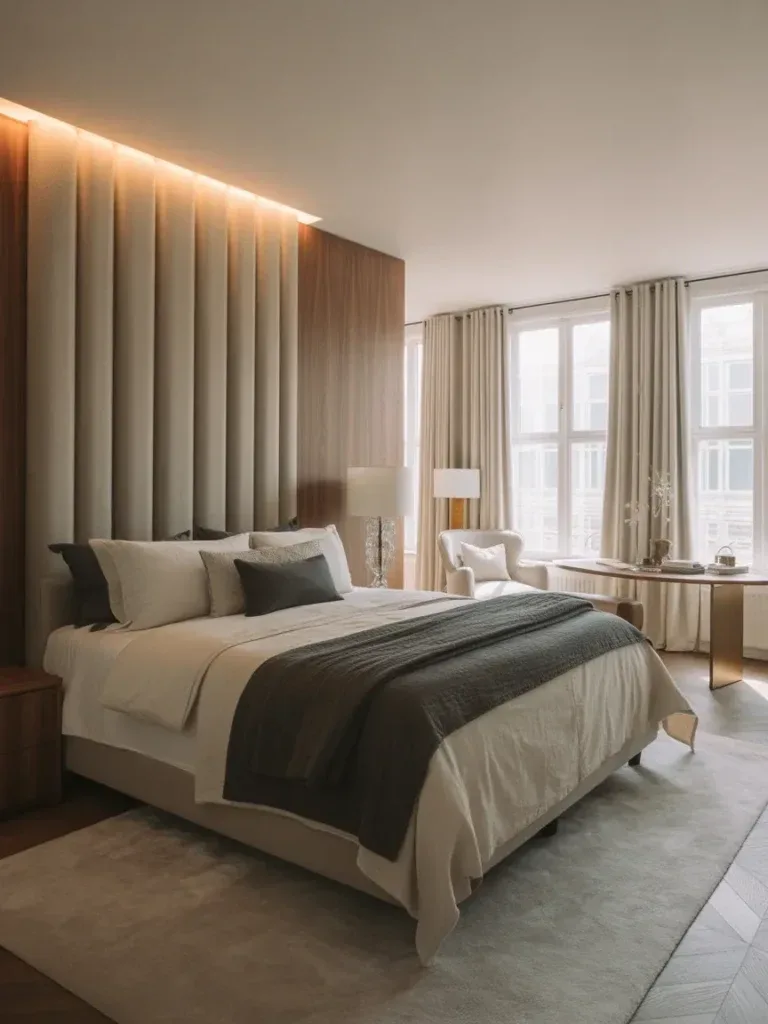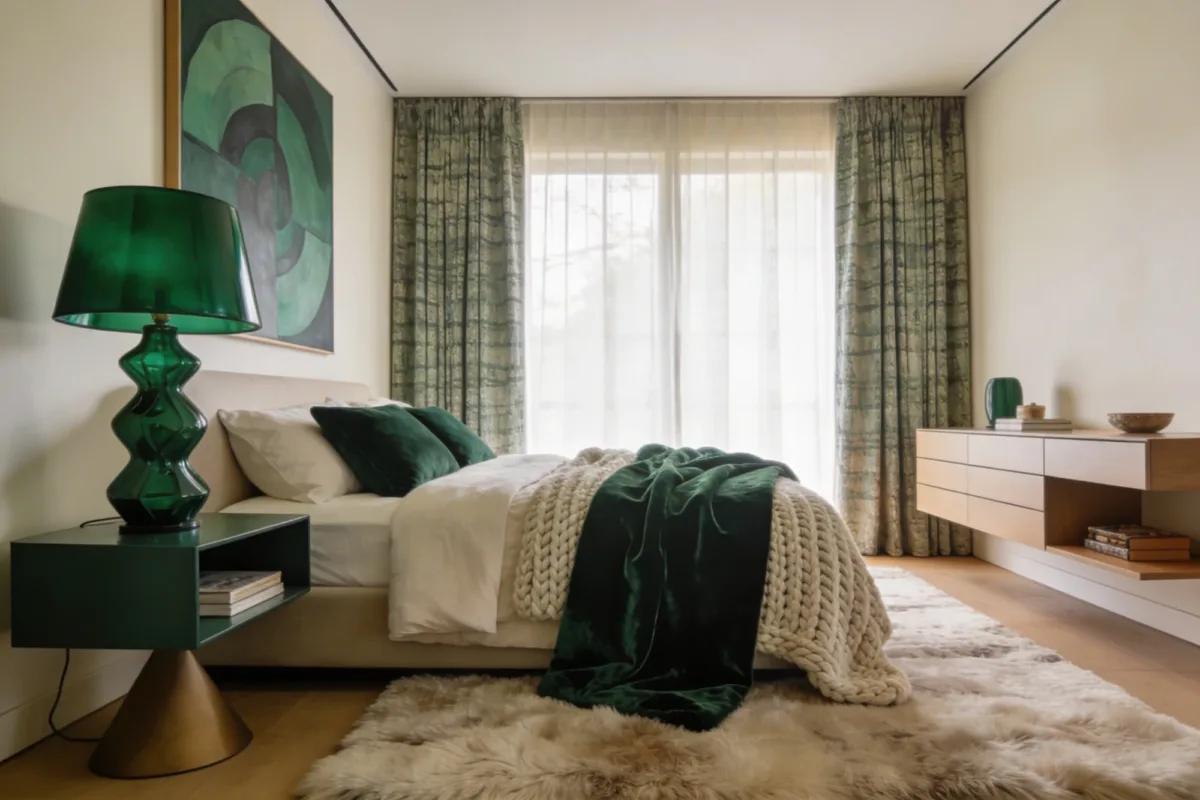
8 Parents Bedroom Ideas Modern That Wow Sleep Spaces
A parents’ bedroom carries a different job than a kid’s room or a guest room — it has to work as a retreat, a storage solution, and sometimes an office corner, all at once, on whatever square footage you actually have. These parents bedroom ideas modern homeowners keep coming back to aren’t about a single showroom look; they’re about layering texture, light, and storage so the room holds up on a Tuesday night, not just in a photo. If you’re starting from a blank slate, our quick modern bedroom ideas are a good place to pull first moves from.
None of what follows requires a renovation budget. Most of it is sequencing — knowing which change to make first so the rest of the room has something to build on.
- Texture: layer at least three finishes (velvet, knit, woven) so the room doesn’t read flat in photos or in person.
- Color: one neutral base, one accent used sparingly — not a full repaint.
- Storage: built-in drawers and floating nightstands beat adding more furniture.
- Lighting: layer three sources instead of relying on one overhead fixture.
- Boundaries: keep at least one corner of the room screen-free.
Layer Textures for a Hotel-Level Master Bedroom
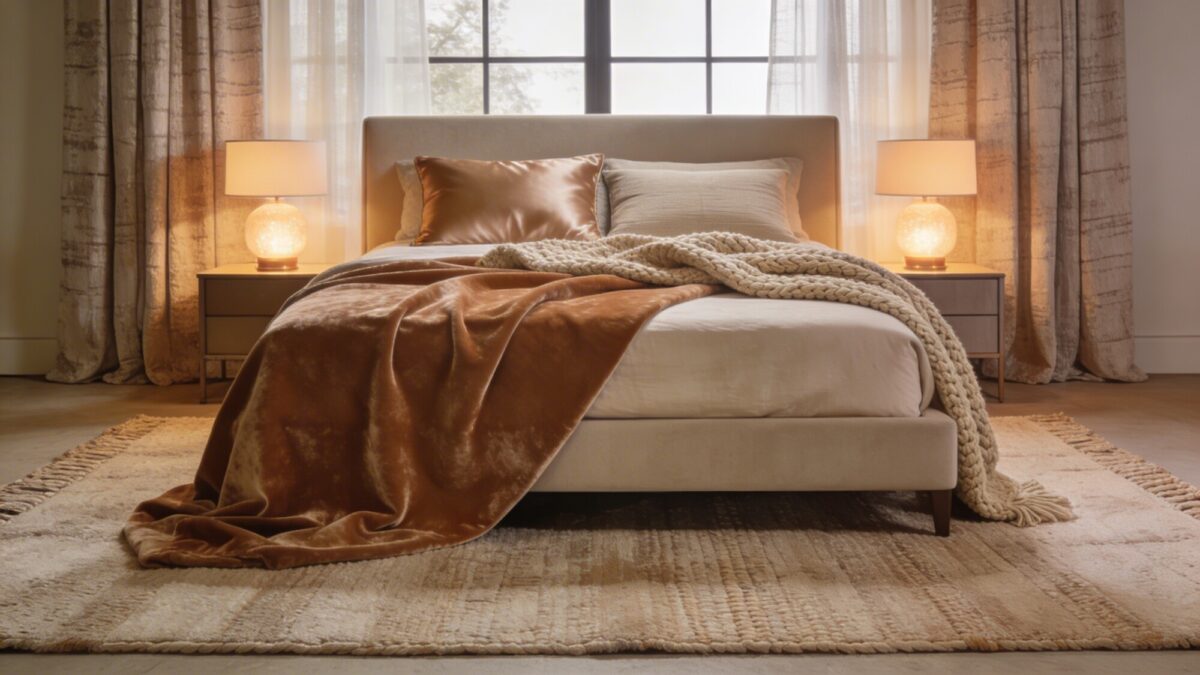
The gap between a bedroom that looks staged and one that looks expensive usually comes down to texture, not spend. A plain white duvet on a plain gray wall reads flat no matter how good the paint color is. Layer in materials that feel different from each other: a woven rug underfoot, a chunky knit throw at the foot of the bed, one satin or velvet accent pillow among the plainer linen ones.
Where to Start If You’re Only Changing One Thing
Start with the rug. A flat, single-texture floor is the fastest way to make an otherwise well-decorated room feel unfinished, and it’s usually the one thing people skip because it’s expensive and “just the floor.” Add the knit throw next — it’s the cheapest texture upgrade in the room and does the most visible work for the price.
💡 Pro Tip: Don’t buy all your textures in the same color family. A cream knit throw on a cream duvet disappears into the bedding — pick the throw in a slightly darker or warmer shade so the texture actually reads from across the room.
Parents Bedroom Ideas Modern: Calm Color With One Deliberate Accent
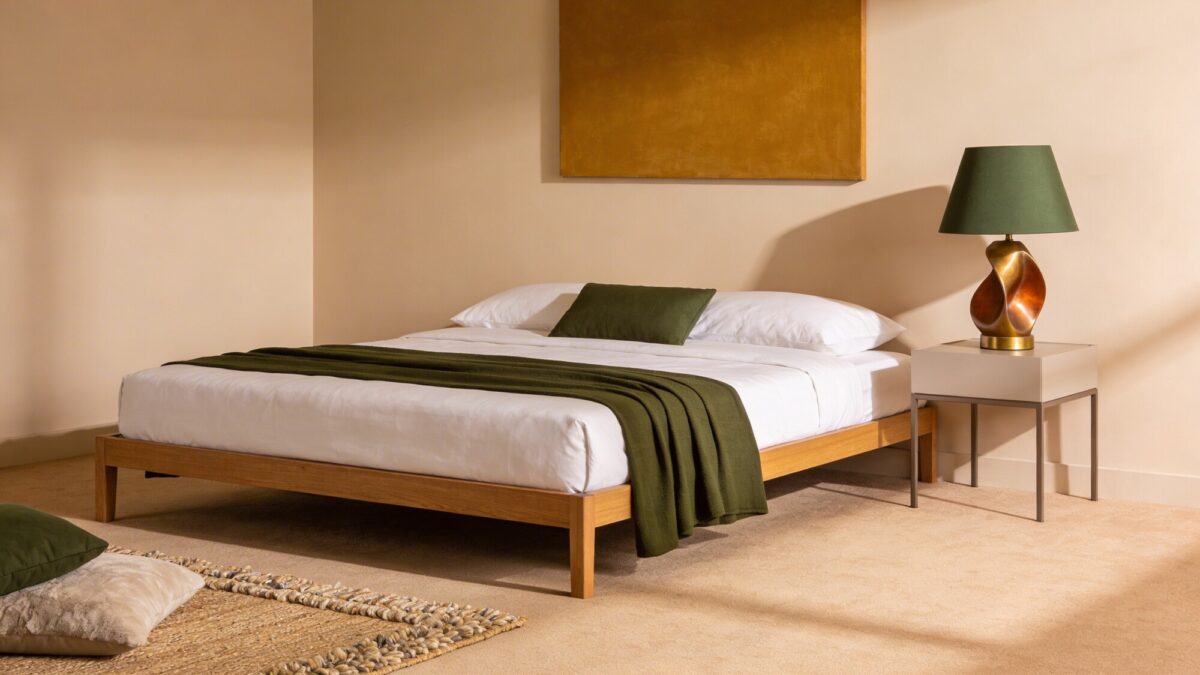
Warm neutrals — beige, greige, warm gray — are the safest base for a master bedroom because they don’t fight with whatever furniture you already own. The mistake is stopping there and ending up with a room that’s technically finished but forgettable. One accent color, used in two or three spots — a throw pillow, a lamp shade, a single art piece — is enough to make the room feel considered rather than default.
Choosing an Accent That Won’t Wear Out
Forest green, mustard, and terracotta all hold up better long-term than trend colors like a specific “millennial pink” or a seasonal pastel, because they read as classic rather than dated in five years. Keep the furniture itself — bed frame, dresser, nightstands — in neutral tones so you can swap the accent color later just by changing textiles, not by replacing furniture.
Smart Storage That Doesn’t Look Like Storage
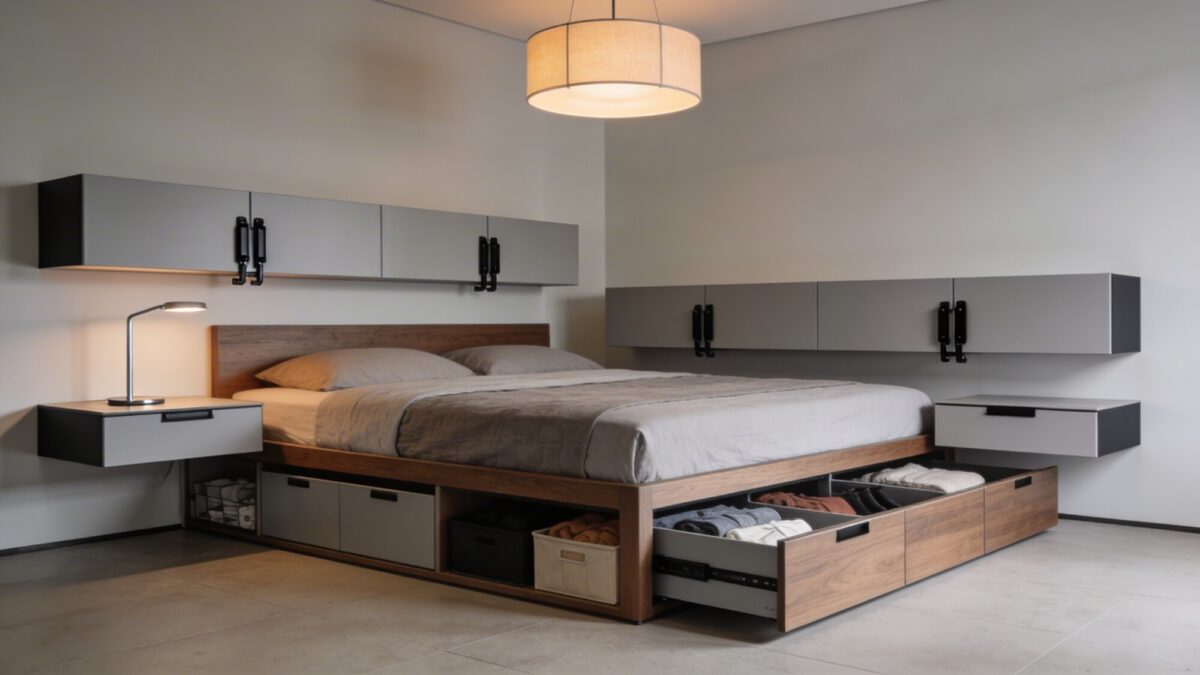
Clutter is the most common reason a well-designed master bedroom still feels stressful to walk into. The fix isn’t more organizing — it’s picking furniture that hides storage by design instead of adding baskets and bins after the fact.
| Storage approach | Best for | Trade-off |
|---|---|---|
| Bed frame with built-in drawers | Rooms without a walk-in closet | Heavier frame; harder to move once assembled |
| Floating nightstands | Small rooms where floor space matters | Limited to what mounts on studs; less capacity than a full nightstand |
| Under-bed storage boxes | Seasonal items, extra bedding | Requires a bed frame with enough clearance underneath |
If you’re weighing a full dressing-room setup against simpler built-ins, our guide to a minimalist bedroom with wardrobe storage walks through when the bigger investment actually pays off versus when it’s overkill for the space you have.
💡 Pro Tip: Measure the clearance under your current bed frame before buying under-bed storage boxes — a lot of standard bed frames only clear 6–7 inches, which rules out the deeper boxes sold for this exact purpose.
Lighting That Actually Changes How the Room Feels
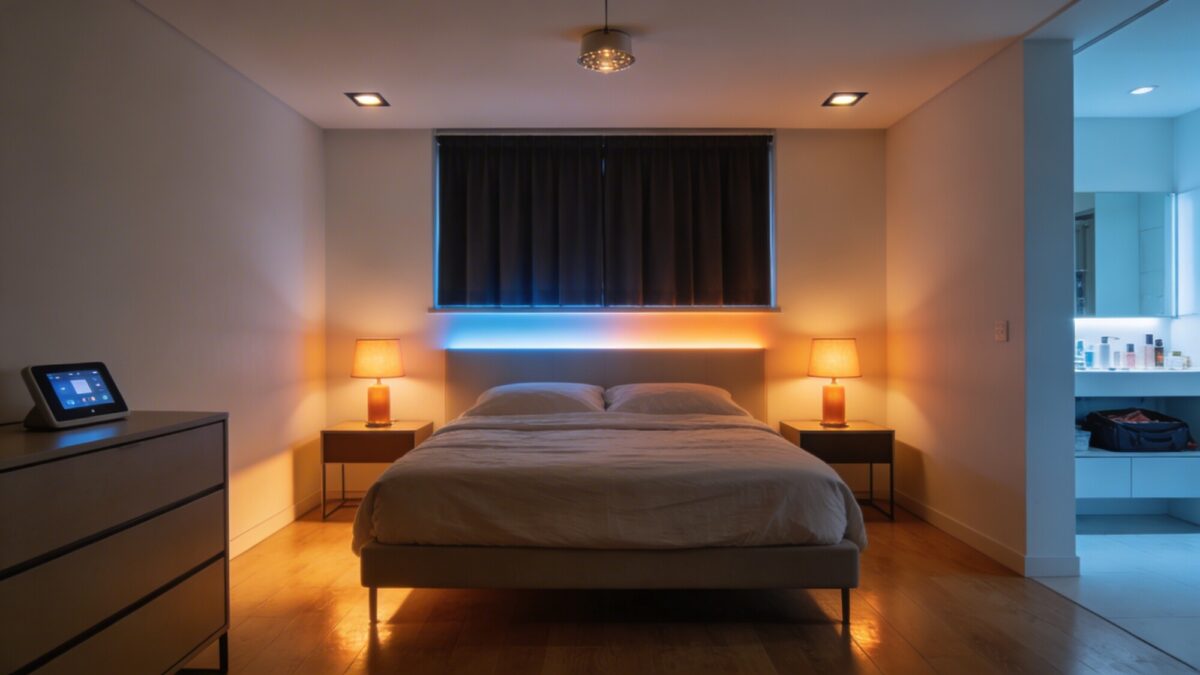
A single overhead light on one switch forces the whole room into one mood, whether you’re trying to wind down or get dressed for the day. Three light sources, each doing a different job, fix this without an electrician.
- Dimmer switches on overhead lighting — the base layer, dimmed low most nights, brighter during the day.
- Two bedside lamps with warm bulbs (2700K–3000K) — for reading without lighting the whole room.
- Smart bulbs or an LED strip with adjustable color temperature — warm for winding down, cooler and brighter near a dresser or closet for getting ready.
The most overlooked detail here is that a room can look identical during the day and completely different at night purely based on which of these three layers is on. That’s the actual goal — not more light, but the right light for the moment.
A Bedding System Built for Actual Sleep, Not Just Photos
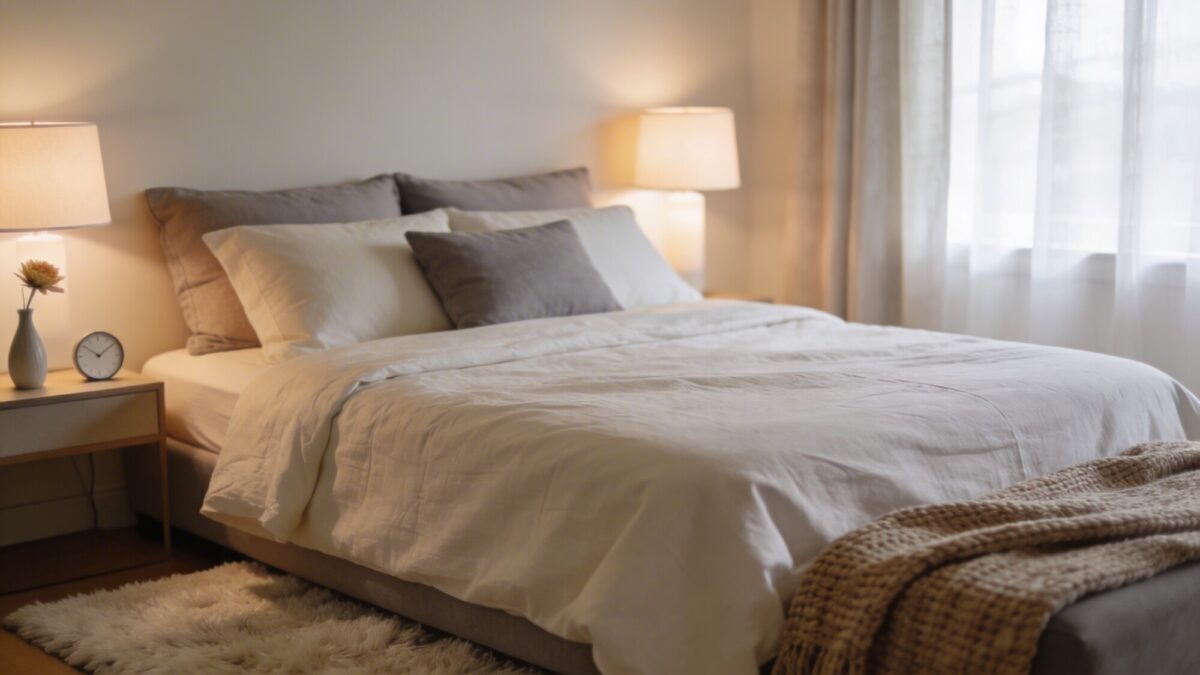
Bedding is where “modern bedroom” articles tend to get vague, saying “invest in quality” without saying what that means. In practice: cotton percale or linen sheets breathe better than synthetic blends and matter more for actual sleep quality than thread count marketing does. A medium-weight duvet works across most climates better than a heavy one that only suits winter.
Pillow Layering That Isn’t Just for Show
Two sleeping pillows, plus one or two decorative pillows in a different texture, is enough — a bed piled with six decorative pillows just becomes a nightly chore of moving them before you sleep and back after you wake up. If you’re not going to move them daily, don’t buy them.
💡 Pro Tip: Rotate to a lighter duvet insert for warmer months instead of buying an entirely new bedding set — most duvet covers fit multiple weights of insert, so this is a one-time purchase that pays off every season after.
Personal Touches That Stay Personal, Not Cluttered
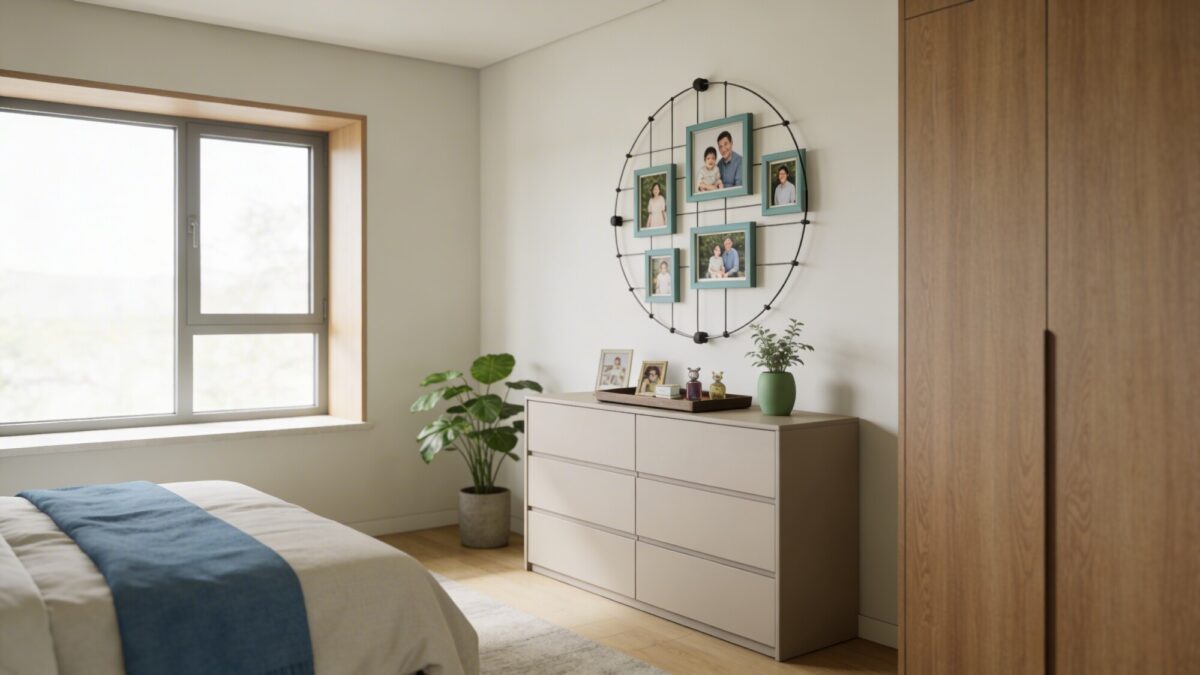
A parents’ bedroom that feels like a hotel room usually feels that way because nothing in it says who lives there. The fix isn’t more decor — it’s fewer, more deliberate items. A small gallery wall of family photos in matching frames, a dresser tray with two or three mementos instead of a dozen, and one or two plants cover most of what a room needs to feel personal without feeling busy.
A Seating Nook for the Twenty Minutes You Actually Get to Yourself
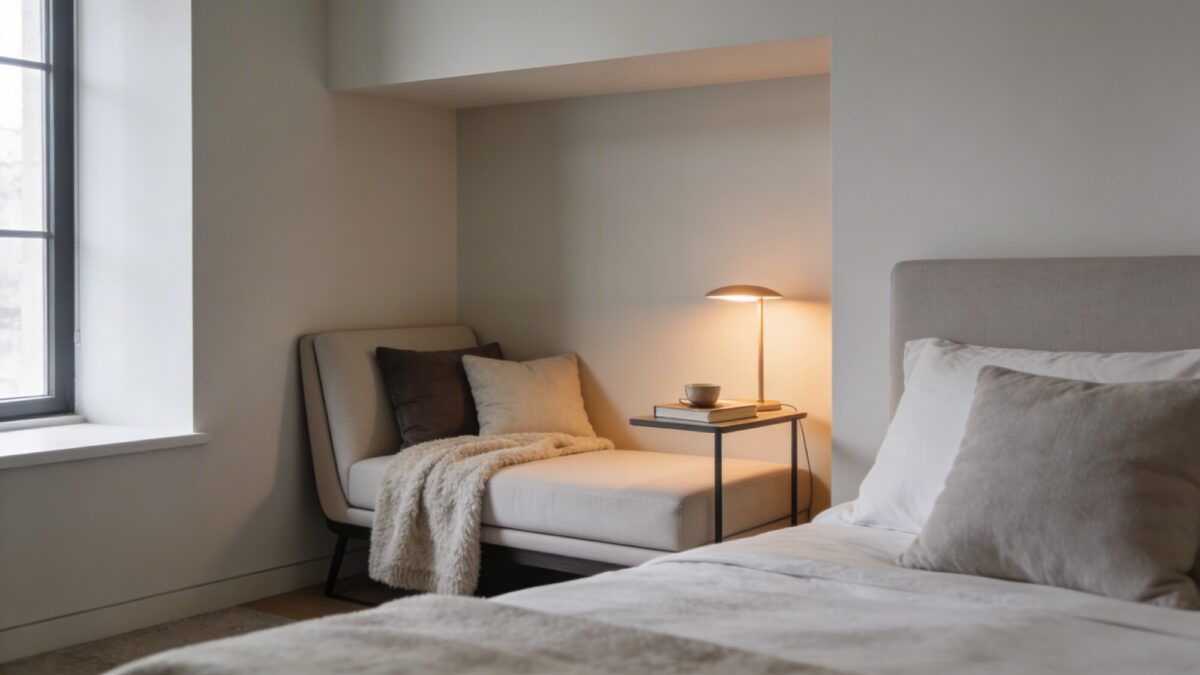
A seating nook only works if it’s placed somewhere it won’t get used as a laundry-folding surface within a month. Tuck it into a corner that doesn’t compete with the bed for visual weight — near a window if you have one, or against a wall the bed doesn’t already face. One chair, one small table, one lamp is the whole list; resist adding a second chair “for guests” in a room that’s meant to be a retreat for two people.
Tech-Free Zones That Hold Up Past the First Week
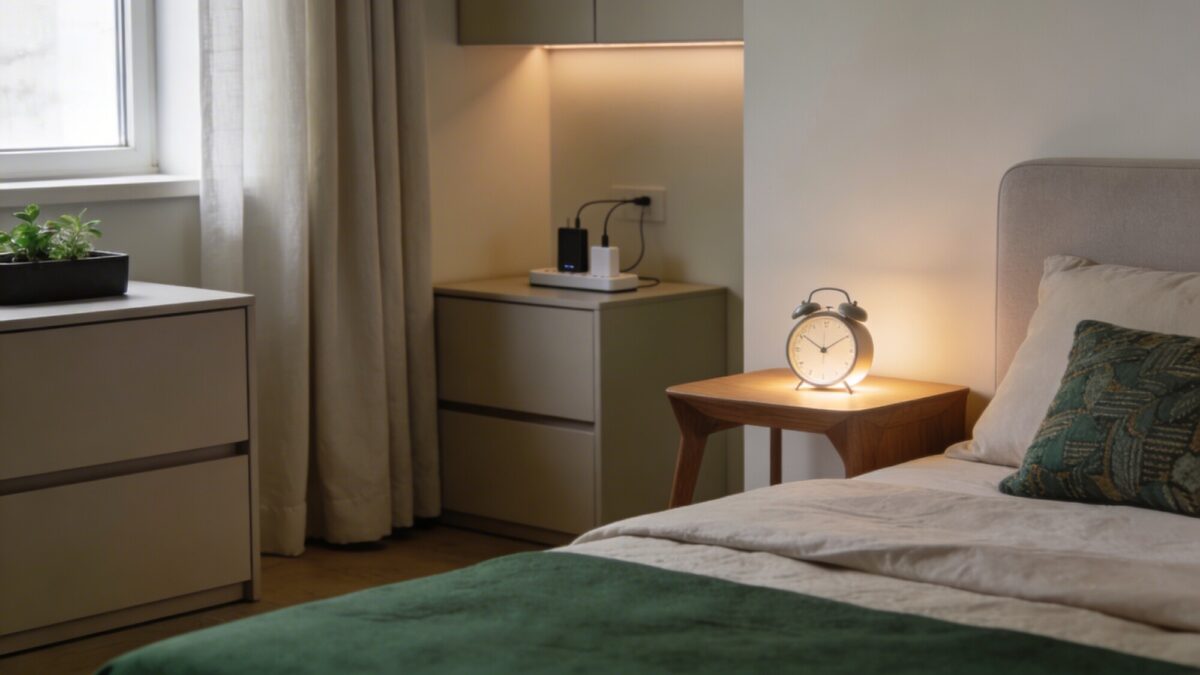
The idea of a tech-free bedroom fails most often not because people disagree with it, but because the charging station is still on the nightstand, making the phone-free rule impossible to actually keep. Move the charging station physically out of the bedroom, or at minimum to a dresser across the room — proximity is the whole battle here, not willpower. A basic analog alarm clock replaces the one real function a phone was doing on the nightstand.
Things to Consider Before You Commit to a Full Tech-Free Room
- Do you actually use your phone as an alarm — if so, buy the clock before removing the phone, not after.
- Is there a shared reason (a baby monitor, a smart home hub) a device needs to stay in the room regardless?
- Will both partners agree to the same rule, or will it just become one person’s habit and a source of friction?
💡 Pro Tip: If a phone has to stay in the room for a baby monitor app, put it in airplane mode with the monitor app whitelisted rather than removing it entirely — most baby monitor apps still work over Wi-Fi with cellular and notifications off.
FAQ
What’s the fastest way to make a parents’ bedroom feel more modern?
Layer in texture before changing anything else — a rug, a knit throw, and one accent-color pillow change how the room reads faster and cheaper than repainting.
How do I add storage without buying more furniture?
Look at what your existing bed frame and nightstands could be replaced with, not added to — a bed frame with built-in drawers or floating nightstands often replaces the need for a dresser altogether.
What lighting works best in a master bedroom?
Three layers: dimmable overhead light, two warm bedside lamps, and one adjustable accent source. Warm bulbs (2700K–3000K) matter more for how calm the room feels than the fixture style does.
How many decorative pillows is too many?
If you won’t move them off the bed every single night, you have too many. One or two decorative pillows on top of your sleeping pillows is enough.
Is a tech-free bedroom actually realistic with kids in the house?
Yes, with one adjustment: move the charger out of arm’s reach rather than banning the phone from the house. Most of the benefit comes from breaking the habit of reaching for it in bed, not from eliminating the device entirely.
Our Verdict
If the budget only covers a few changes, prioritize texture and lighting over furniture — they cost the least and change how the room feels the most. Storage upgrades like built-in drawers or floating nightstands are worth it once you’re already replacing furniture, but they’re not the place to start from zero. For a broader look at scaling these same ideas into a larger suite, see our guide to modern luxury bedroom ideas.