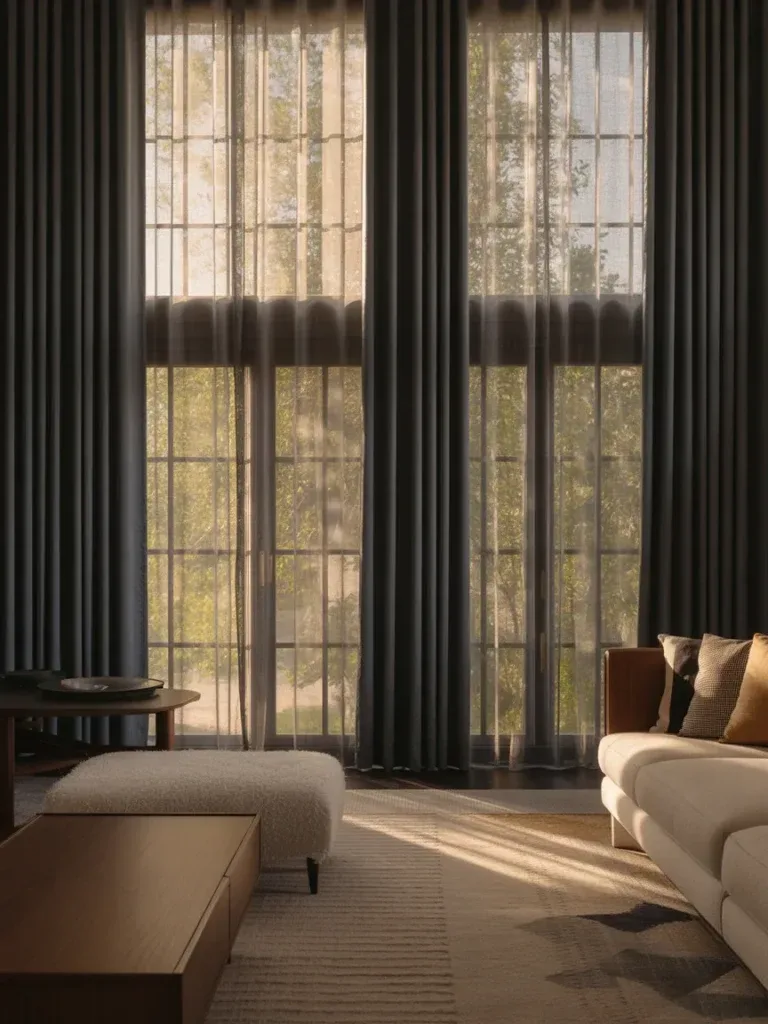
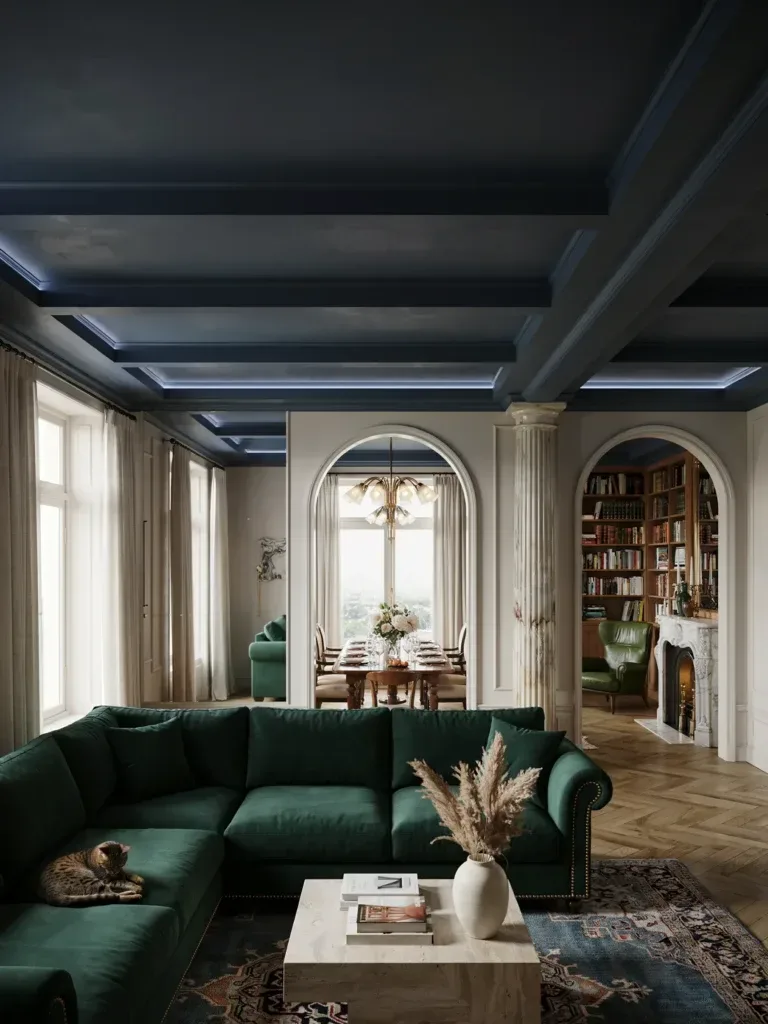
Ready to elevate your living room without turning it into a sterile showroom? These seven minimalist moves keep things calm, chic, and actually livable. FYI, simplicity can look incredibly expensive when done right. 1. Layer Textures Like a Pro Minimalism isn’t about bare surfaces; it’s about depth without clutter. Layering textures adds warmth and personality without breaking the clean aesthetic. Trust me, a soft rug, a plush throw, and a sleek sofa create instant balance. Key Elements: Wool or boucle rug for grounding Soft throw blankets in a single accent color Leather or linen cushions with subtle patterns Keep the palette cohesive and let the textures do the talking. This approach makes the room feel inviting rather than cold. Collive Comfy Area Rug 4′ x 6′, Tan/Cream Woven Cotton Bedroom Ru… Built to Last: A material made of 45% Cotton, 45% Polyester and 10% Viscose, our woven rug is fade-resistant and sturdy…. Machine Washable: As an easy-care rug, you have the flexibility for various cleaning methods. Machine wash on cold for a… Braided Rug: Our area rug is only 0.16 inches thick and reversible(not non-slip), features a classic braided texture and… $65.99 Buy on Amazon 2. Embrace Neutral Palettes with a Pop A calm, neutral base keeps the space serene while a punchy accent color sparks energy. The trick is to use one bold hue sparingly so it lands like a design high-five, not a shout. Tips: Base colors: white, cream, warm gray Accent: one bold shade (emerald, terracotta, or sunshine yellow) Incorporate color through small decor items, artwork, or a single statement chair When done well, this method feels curated, not predictable. Seriously, it’s the easiest way to keep things fresh without repainting every season. Hanobe Candle Plate Holder Tray: Round Wood Decorative Candle Pla… Decorative Table Centerpiece: Our small candle tray is a a lovely table centerpiece for any table, placed it on living r… Material and Size: This vintage candle plate made of high quality paulownia wood, with beautiful organic wood grains, li… Widely Use: Our wooden tray is versatile, it can be used as a candle holder, coffee table tray, decor tray or plant tray… $11.29 Buy on Amazon 3. Optimize with Negative Space Negative space is your best amigo. It makes furniture feel purposeful and prevents the room from shouting for attention. A few deliberate openings can elevate the entire vibe. Why It Works: Gives the eye a place to rest Highlights key pieces like a sculptural lamp or art Prevents the room from feeling cramped Start by removing a few nonessential items and measuring the rhythm of your furniture. If a piece doesn’t add value, consider saying goodbye. Your future self will thank you. 4. Invest in a Statement Yet Minimalist Sofa A minimalist living room often centers around one hero piece. The sofa sets the tone; it should be timeless, comfortable, and visually light. Yes, you can have comfort without sacrificing style. What to Look For: Low-profile silhouette with clean lines Neutral upholstery with durable fabric Slim metal or wooden legs to create space Pair it with simple coffee tables and a few carefully chosen accessories. This keeps the look cohesive and incredibly livable. 5. Pick Art That Breathes, Not Overwhelms Art in a minimalist space should feel intentional, not like a gallery wall attacked with frames. Choose pieces that resonate and place them where they’ll have a moment in the spotlight. How to Curate: One large statement piece or two small complementary works Floating frames with generous matting for a clean look Coordinate colors with your accent shade Hang art at eye level and give it breathing room. It’s remarkable how a single piece can anchor the entire room and elevate the mood—IMO it’s magic. 6. Elevate Lighting for Mood and Clarity In a minimalist space, lighting isn’t just function—it’s a design feature. Layer overhead, ambient, and task lighting to sculpt the room’s vibe and practicality. Lighting Layering: Ambient: a clean ceiling fixture or recessed lighting Task: a slim floor lamp by the sofa Accent: a statement pendant or a small spotlight on artwork Time-of-day changes will reveal how the light interacts with textures and color. FYI, good lighting makes cheap spaces look thoughtfully designed. 7. Curate a Minimalist Accessories Shelf Accessories can make or break a minimalist room. The key is restraint and purpose. Every item earns its place, so the shelf feels curated rather than cluttered. What to Include: A single sculptural object or vase A slim stack of books with a quiet color palette A small plant or vase with a natural element Rotate pieces seasonally to keep the look fresh without adding visible clutter. Seriously, small changes can refresh the entire space without a full redo. Conclusion: You’ve got seven clear moves to craft a minimalist living room that feels calm, inviting, and unmistakably you. Start small, test one idea at a time, and watch the space transform without shouting for attention. Now go experiment—your future at-home glow-up awaits.
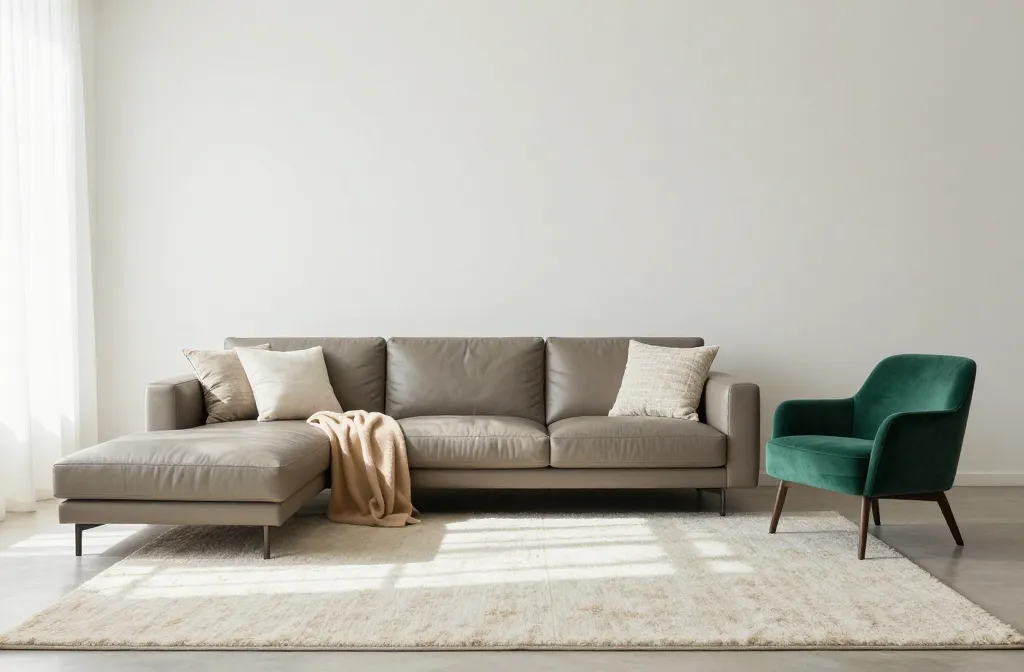
Ready to elevate your living room without turning it into a sterile showroom? These seven minimalist moves keep things calm, chic, and actually livable. FYI, simplicity can look incredibly expensive when done right.
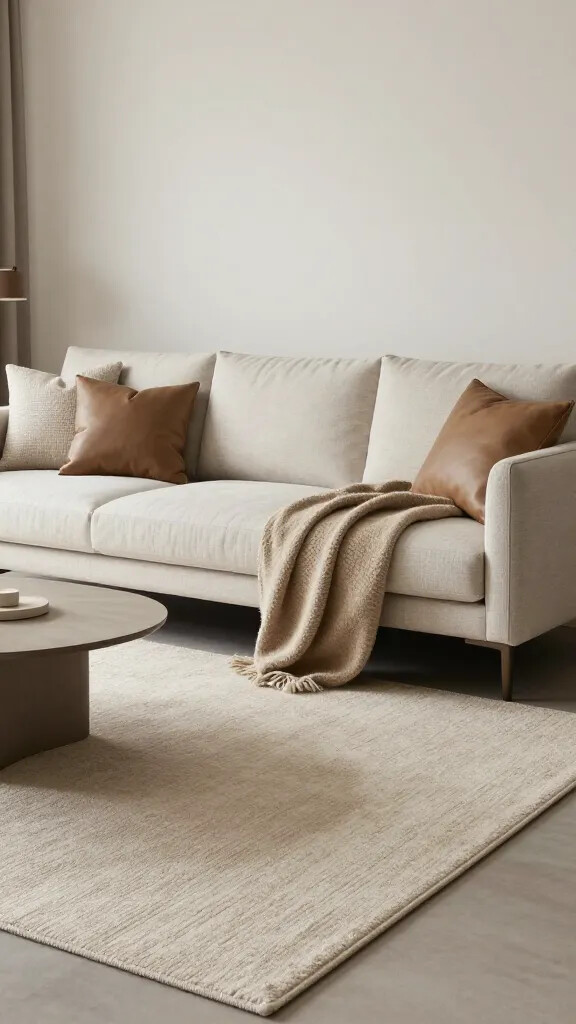
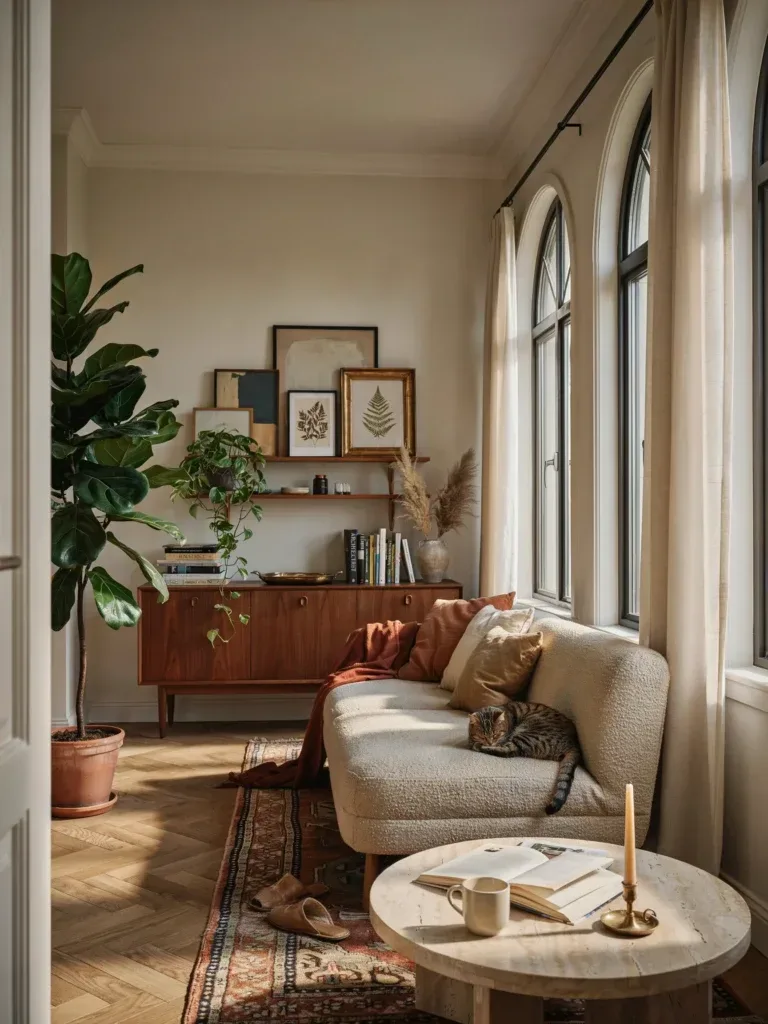
Minimalism isn’t about bare surfaces; it’s about depth without clutter. Layering textures adds warmth and personality without breaking the clean aesthetic. Trust me, a soft rug, a plush throw, and a sleek sofa create instant balance.
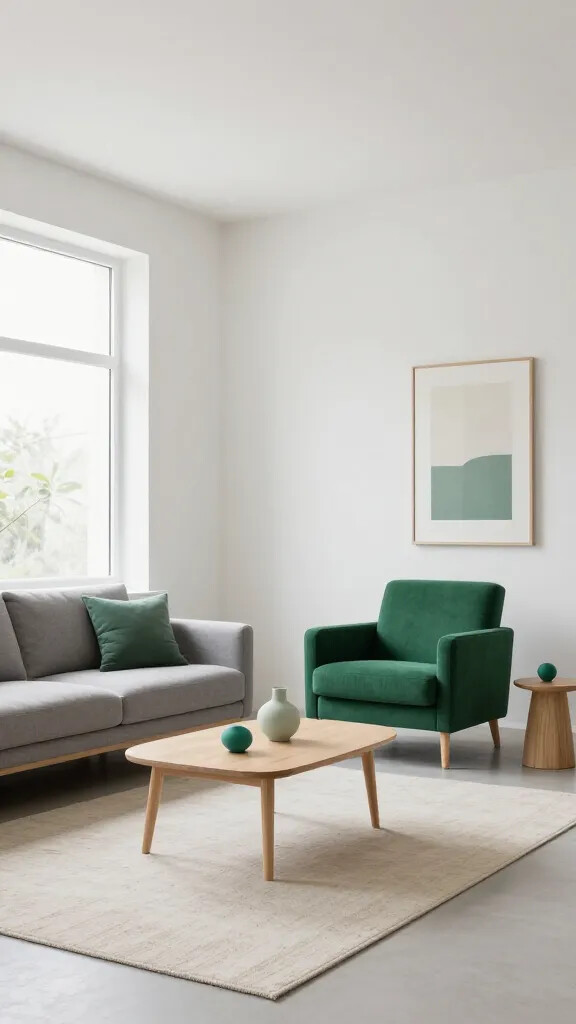
A calm, neutral base keeps the space serene while a punchy accent color sparks energy. The trick is to use one bold hue sparingly so it lands like a design high-five, not a shout.
Tips:
Base colors: white, cream, warm gray
Accent: one bold shade (emerald, terracotta, or sunshine yellow)
Incorporate color through small decor items, artwork, or a single statement chair
When done well, this method feels curated, not predictable. Seriously, it’s the easiest way to keep things fresh without repainting every season.
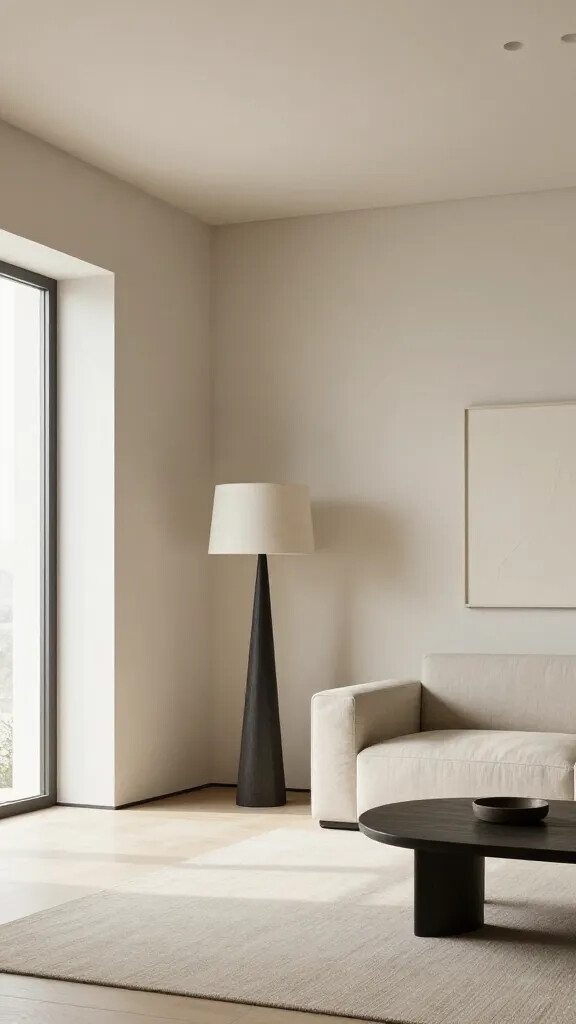
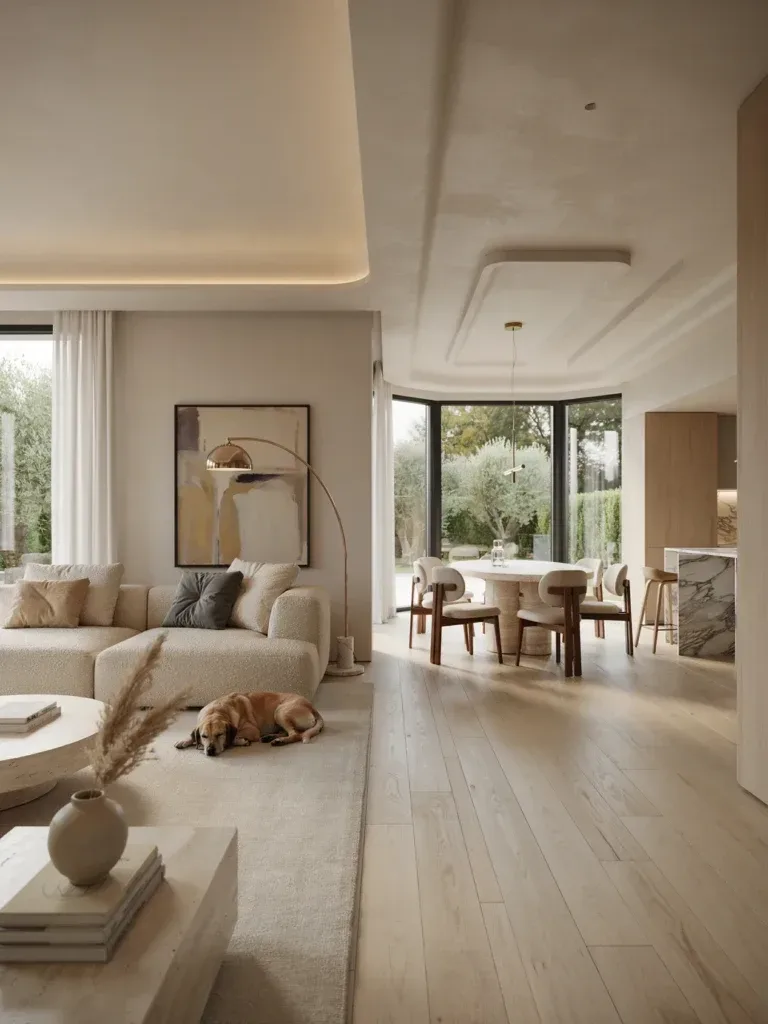
Negative space is your best amigo. It makes furniture feel purposeful and prevents the room from shouting for attention. A few deliberate openings can elevate the entire vibe.
Why It Works:
Gives the eye a place to rest
Highlights key pieces like a sculptural lamp or art
Prevents the room from feeling cramped
Start by removing a few nonessential items and measuring the rhythm of your furniture. If a piece doesn’t add value, consider saying goodbye. Your future self will thank you.
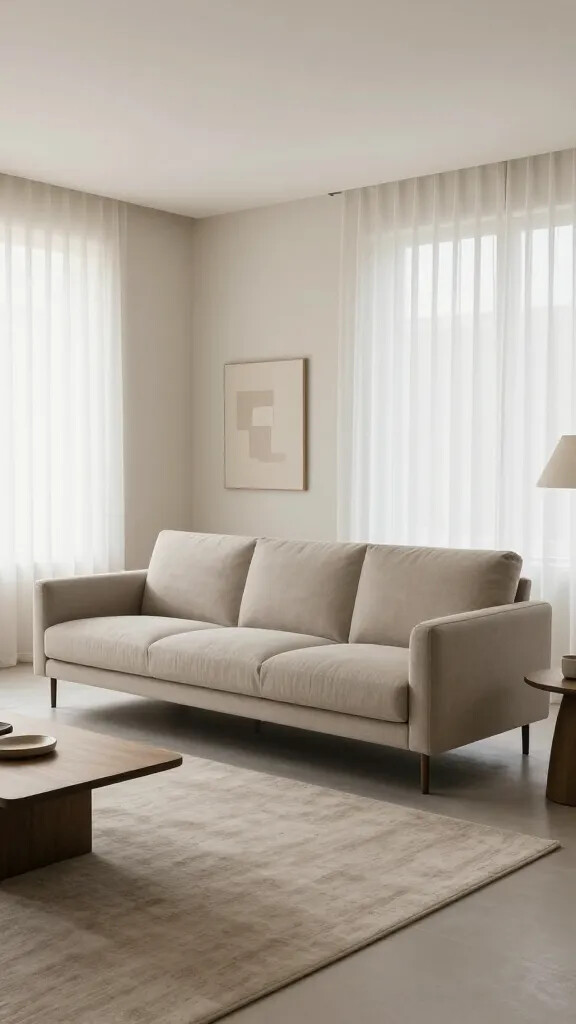
A minimalist living room often centers around one hero piece. The sofa sets the tone; it should be timeless, comfortable, and visually light. Yes, you can have comfort without sacrificing style.
What to Look For:
Low-profile silhouette with clean lines
Neutral upholstery with durable fabric
Slim metal or wooden legs to create space
Pair it with simple coffee tables and a few carefully chosen accessories. This keeps the look cohesive and incredibly livable.
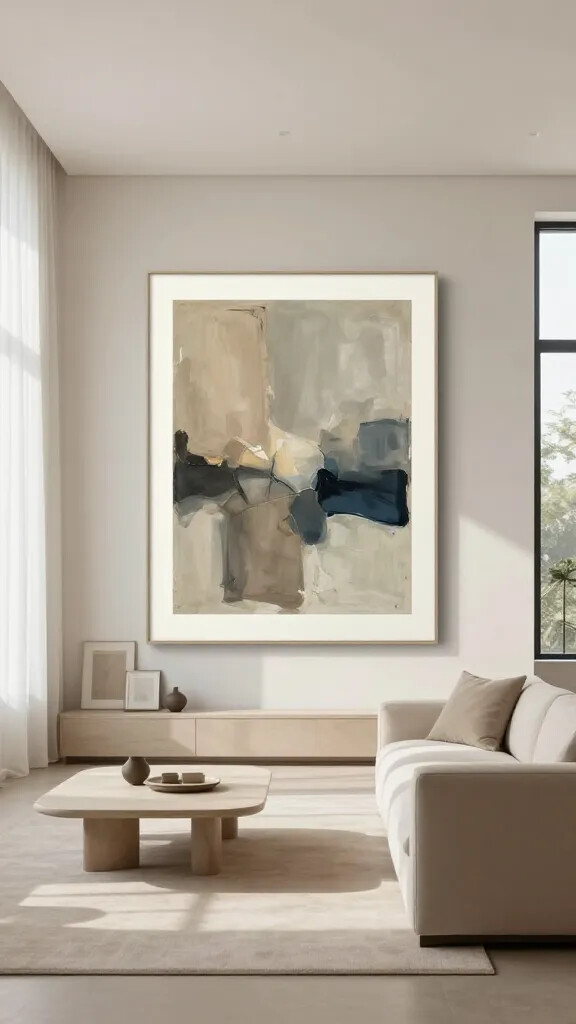
Art in a minimalist space should feel intentional, not like a gallery wall attacked with frames. Choose pieces that resonate and place them where they’ll have a moment in the spotlight.
How to Curate:
One large statement piece or two small complementary works
Floating frames with generous matting for a clean look
Coordinate colors with your accent shade
Hang art at eye level and give it breathing room. It’s remarkable how a single piece can anchor the entire room and elevate the mood—IMO it’s magic.
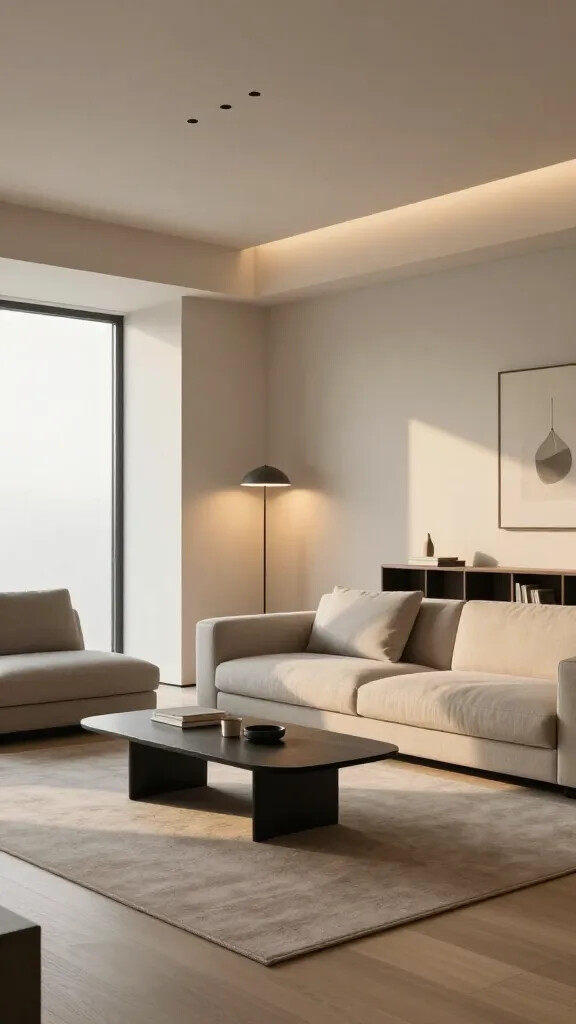
In a minimalist space, lighting isn’t just function—it’s a design feature. Layer overhead, ambient, and task lighting to sculpt the room’s vibe and practicality.
Lighting Layering:
Ambient: a clean ceiling fixture or recessed lighting
Task: a slim floor lamp by the sofa
Accent: a statement pendant or a small spotlight on artwork
Time-of-day changes will reveal how the light interacts with textures and color. FYI, good lighting makes cheap spaces look thoughtfully designed.
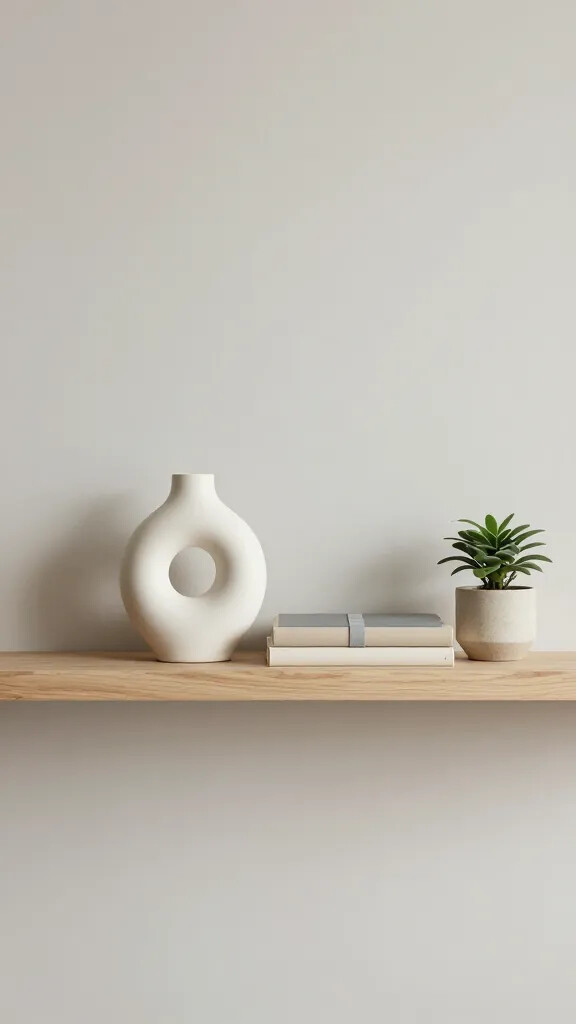
Accessories can make or break a minimalist room. The key is restraint and purpose. Every item earns its place, so the shelf feels curated rather than cluttered.
What to Include:
A single sculptural object or vase
A slim stack of books with a quiet color palette
A small plant or vase with a natural element
Rotate pieces seasonally to keep the look fresh without adding visible clutter. Seriously, small changes can refresh the entire space without a full redo.
Conclusion: You’ve got seven clear moves to craft a minimalist living room that feels calm, inviting, and unmistakably you. Start small, test one idea at a time, and watch the space transform without shouting for attention. Now go experiment—your future at-home glow-up awaits.
Listen to this article 10 10 0:00 / 0:00 Speed 0.75×1×1.25×1.5×2× I spent years assuming a luxury apartment aesthetic required a penthouse budget, until I toured a 650-square-foot rental in a mid-rise building that somehow felt like a five-star lounge. Turns out it wasn’t square footage doing the work — it was lighting, material choices,…
Listen to this article 10 10 0:00 / 0:00 Speed 0.75×1×1.25×1.5×2× Your living room should feel like you, not like a furniture showroom copied straight from a catalog. That’s exactly why eclectic design has become so popular. It celebrates personality, mixes styles fearlessly, and creates spaces that feel collected rather than purchased all at once….
Listen to this article 10 10 0:00 / 0:00 Speed 0.75×1×1.25×1.5×2× A backyard fire pit changes everything. One little flame, a few chairs, and suddenly people linger outside longer, tell better stories, and forget about scrolling their phones for five minutes. The best part? You don’t need a designer backyard or a giant budget to…
Listen to this article 10 10 0:00 / 0:00 Speed 0.75×1×1.25×1.5×2× A gorgeous ceiling changes everything. Most people obsess over walls, floors, and furniture, then completely ignore the “fifth wall” sitting right above their heads. That’s a huge missed opportunity because the right gypsum ceiling design can make even a simple room feel custom, expensive,…
Listen to this article 10 10 0:00 / 0:00 Speed 0.75×1×1.25×1.5×2× Choosing curtains for your living room sounds easy—until you realize the wrong pick can make the space feel like a cave or a fishbowl. Blackout and sheer curtains sit on opposite ends of the vibe spectrum, and both have serious pros depending on how…
Listen to this article 10 10 0:00 / 0:00 Speed 0.75×1×1.25×1.5×2× A dark blue ceiling can completely change the way a room feels. It draws your eyes upward, adds instant character, and creates that custom-designed look people can’t quite put their finger on. Whether you love cozy spaces, dramatic interiors, or modern luxury, a deep…