I once redid my entire living room based on a single Pinterest board titled “modern luxury interior,” and about two weeks in I realized I’d accidentally recreated a hotel lobby — beautiful, sure, but not a place anyone wanted to actually sit and watch TV in. So I pulled it back, kept the parts that worked, and landed on something that felt elegant without feeling like a showroom. Here’s everything I learned along the way. Table of Contents Toggle What Makes a Modern Luxury Interior Actually Feel Luxurious Drawing Room Ideas Modern Luxury: Start With a Statement Wall Getting Your Luxury Living Room Color Palette Right Try Luxury Modern Wall Panelling Designs Living Room Style Which Panelling Material Actually Looks Expensive Beyond Panelling: Luxury Living Room Wall Design Ideas Layer Lighting Like Modern Luxury Homes Design Interiors Do Furniture With Presence, Not Just Size Curtains and Drapery That Do the Heavy Lifting Rugs as the Foundation of a Modern Luxury Interior Small Details That Round Out the Look Bringing Your Modern Luxury Interior Together What Makes a Modern Luxury Interior Actually Feel Luxurious Here’s the thing nobody tells you upfront: a modern luxury interior isn’t about spending the most money in every category. It’s about spending deliberately in a few categories and being disciplined everywhere else. The rooms that read as expensive almost always have a tight material palette, confident (not timid) color choices, and lighting that’s been planned rather than just added as an afterthought. I think about it like a good outfit. You don’t need ten expensive pieces — you need two or three that anchor everything, and the rest just needs to not compete with them. Apply that to a living room and you’re most of the way to the aesthetic everyone’s chasing. Drawing Room Ideas Modern Luxury: Start With a Statement Wall If you’re only going to commit to one bold move in the whole room, make it the wall behind the sofa or the one facing the entry. Good drawing room ideas modern luxury designers actually use tend to center on a single feature wall rather than trying to make every surface do something interesting. This could be a textured plaster finish (Venetian plaster in particular has had a real moment lately, and for good reason — it catches light beautifully), a fluted wood panel wall, or even just a deep, saturated paint color like a bottle green or ink navy on one wall while the rest stay neutral. I went with a limewash finish in a warm clay tone on my main wall, and it’s genuinely the first thing anyone mentions when they walk in. Total cost, including materials and a weekend of very messy DIY, was under $300. Getting Your Luxury Living Room Color Palette Right A luxury living room color palette almost never uses more than four colors, and honestly, the best ones often stick to three: a neutral base, a deep anchor tone, and a single accent that shows up in small doses (a pillow, a vase, maybe a piece of art). Here’s a formula that’s nearly foolproof: warm white or greige walls, a charcoal or espresso brown for your largest furniture piece (usually the sofa), and brass or warm gold for hardware and lighting fixtures. Add a jewel tone — emerald, burgundy, sapphire — in just one or two small accessories. Resist the urge to add a fifth color “just to be safe.” That’s the instinct that turns a confident room into a busy one. Try Luxury Modern Wall Panelling Designs Living Room Style Wall panelling has come back in a big way, and it’s not the ornate crown-molding style your grandparents had — modern luxury wall panelling designs living rooms are using right now tend to be cleaner: vertical slats, geometric grid panels, or simple shaker-style frames painted the same tone as the wall for a subtle, tone-on-tone texture. Which Panelling Material Actually Looks Expensive Real wood veneer panelling is the gold standard, but it’s genuinely pricey — often $15–$25 per square foot installed. MDF panelling, painted well, gets you 90% of the visual impact for a fraction of the cost, usually $4–$8 per square foot if you’re doing it yourself with pre-primed boards from a hardware store. The trick that makes MDF panelling look expensive rather than builder-grade is the paint finish: use an eggshell or satin sheen, never flat, and make sure your caulking lines are clean before you paint. Sloppy caulk lines are the single biggest tell that panelling was a weekend project rather than a professional install. Beyond Panelling: Luxury Living Room Wall Design Ideas Panelling isn’t the only route if you want a genuinely luxury living room wall design without the labor. A few alternatives that read just as high-end: Fabric-wrapped panels: upholstered wall panels in a boucle or velvet, mounted in a grid — gorgeous, and it doubles as acoustic dampening if you have an echo-y room Large-format art: one oversized piece (48 inches or wider) does more for a wall than five smaller framed prints ever will Mirrored accent panels: used sparingly, a single mirrored panel or an arched mirror leaned against the wall adds depth and bounces light without the cost of true panelling I went with the large-format art route in my dining nook because, honestly, I didn’t have the patience for another panelling project after the living room. One 60-inch abstract canvas from a local artist’s print shop did more for that room than three smaller pieces ever could have. Layer Lighting Like Modern Luxury Homes Design Interiors Do This is the part people skip, and it’s the part that matters most. Modern luxury homes design interiors around layered lighting — ambient, task, and accent — rather than a single ceiling fixture doing all the work. A single overhead light, no matter how nice the fixture, flattens a room and makes everything in it look a little cheaper than it is. Aim for at least three light sources in any living room: a statement fixture (a sculptural chandelier or a cluster pendant), table or floor lamps at seating height, and some form of accent lighting — picture lights over art, LED strips under a media console, or a wall sconce flanking your fireplace. If chandeliers are on your list, this roundup of modern chandelier ideas is worth a look before you commit to a scale — undersizing the fixture is one of the most common (and easiest to fix) mistakes people make. Furniture With Presence, Not Just Size Big furniture isn’t automatically luxurious — it’s often the opposite. A modern luxury interior tends to favor fewer, more considered pieces over a room stuffed with matching sets. One genuinely well-made sofa in a durable performance fabric will outlast and outshine three mediocre pieces bought as a bundle. If you’re working with a media wall as your main furniture anchor, it’s worth thinking through the build type before you commit — built-in cabinetry reads more custom and expensive, while a slatted wood media wall leans warmer and slightly more casual. This comparison of built-in versus slatted media wall designs breaks down which one actually holds up better over time, and which one is easier to DIY if you’re not hiring a carpenter. Curtains and Drapery That Do the Heavy Lifting I cannot say this enough: thin, flimsy curtains undo an otherwise expensive-looking room faster than almost anything else. Floor-to-ceiling drapery in a heavier fabric — velvet, a substantial linen-cotton blend, or a structured bouclé — instantly reads as high-end, and it’s one of the more affordable upgrades on this entire list. Mount your curtain rod as high and as wide as your wall allows (several inches beyond the window frame on each side), and let the fabric puddle slightly on the floor rather than stopping exactly at the sill. It’s a small detail, but it’s the difference between “apartment curtains” and “the kind of drapery you’d see in a boutique hotel lobby.” For a deeper comparison of fabric weights and how they change the whole feel of a room, this piece on velvet versus linen curtains for luxury living rooms is genuinely useful before you order anything. Rugs as the Foundation of a Modern Luxury Interior A rug that’s too small is one of the most common (and most fixable) design mistakes I see, and it’s one I made myself for almost two years before I finally sized up. The rule of thumb: at minimum, the front legs of every seating piece should sit on the rug, and ideally all four legs do, especially in a larger room. Material matters here too. A dense wool pile or a hand-knotted Persian-style rug adds both texture and a sense of permanence that a flat, synthetic rug just doesn’t replicate — and if you’re drawn to pattern, a genuinely well-made patterned rug can act as your accent color instead of relying on smaller accessories to do that work. If you want inspiration for working pattern and richness into a room without it feeling busy, this guide to Persian rug decor ideas is a good starting point. Small Details That Round Out the Look Once the big structural choices are in place — walls, lighting, furniture, curtains, rug — the last 10% comes down to small, deliberate objects rather than more furniture. A stack of two or three coffee table books (not five, not ten — restraint again), a single ceramic vessel with a dried floral arrangement, a brass or bronze bowl for keys and odds and ends by the entry. And here’s my honest opinion, since I promised this wouldn’t just be generic advice: skip the fake plants. I know they’re low-maintenance, but they’re one of the fastest ways to undercut an otherwise expensive-looking room. A single real plant — even something low-effort like a snake plant or a ZZ plant — does more for the space than five silk ones ever will. If your budget allows for one more finishing touch, this is where I’d spend it before adding anything else. Bringing Your Modern Luxury Interior Together None of this happened for me in a single weekend, and I’d be lying if I said the room looked “finished” after the first pass. It took about six months of small, deliberate swaps — a curtain upgrade here, a lighting fixture there — before it actually felt cohesive rather than like a collection of nice individual choices. So if you’re starting from scratch, don’t try to do all eleven of these at once. Pick the wall, the lighting, and the rug first — those three changes alone will do more heavy lifting than anything else on this list. Save this pin, come back to it room by room, and let me know in the comments which idea you’re tackling first.
I once redid my entire living room based on a single Pinterest board titled “modern luxury interior,” and about two weeks in I realized I’d accidentally recreated a hotel lobby — beautiful, sure, but not a place anyone wanted to actually sit and watch TV in. So I pulled it back, kept the parts that worked, and landed on something that felt elegant without feeling like a showroom. Here’s everything I learned along the way.
Here’s the thing nobody tells you upfront: a modern luxury interior isn’t about spending the most money in every category. It’s about spending deliberately in a few categories and being disciplined everywhere else. The rooms that read as expensive almost always have a tight material palette, confident (not timid) color choices, and lighting that’s been planned rather than just added as an afterthought.
I think about it like a good outfit. You don’t need ten expensive pieces — you need two or three that anchor everything, and the rest just needs to not compete with them. Apply that to a living room and you’re most of the way to the aesthetic everyone’s chasing.
Drawing Room Ideas Modern Luxury: Start With a Statement Wall
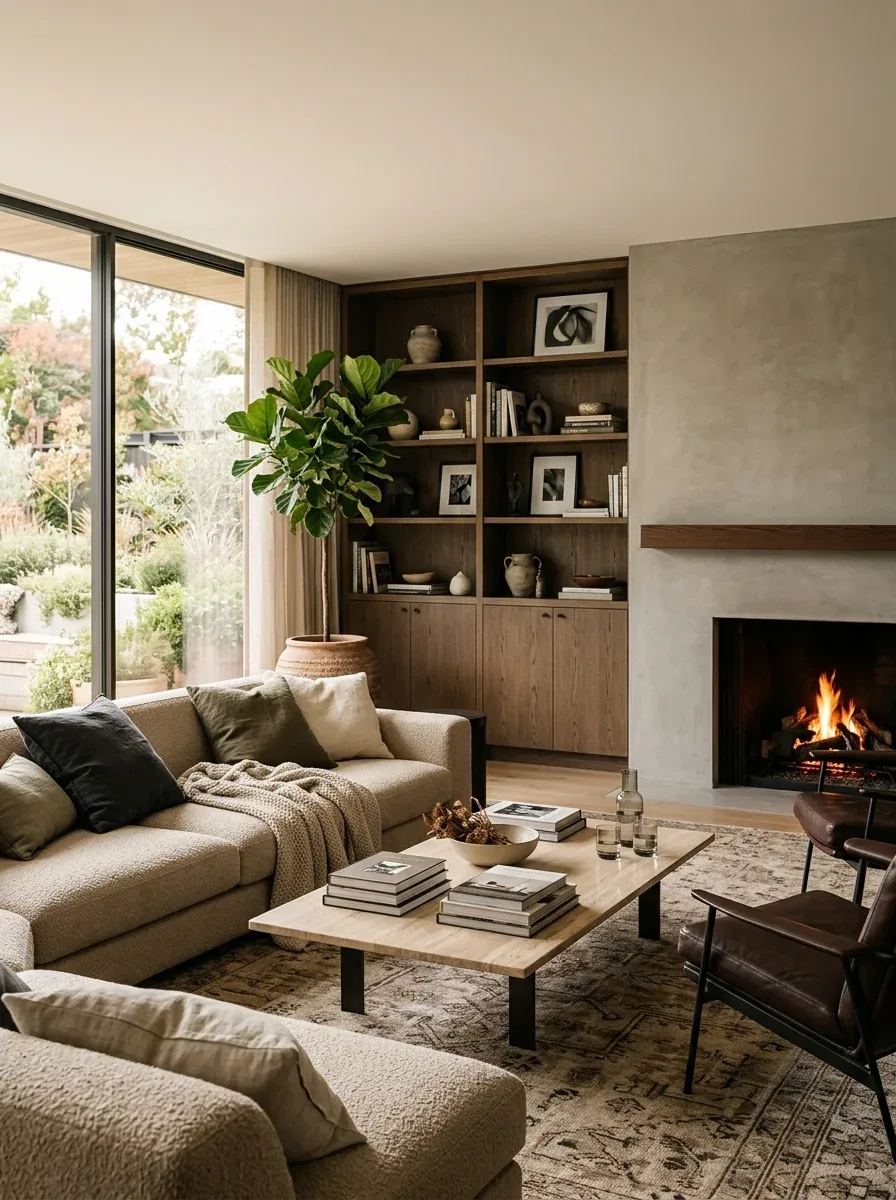
If you’re only going to commit to one bold move in the whole room, make it the wall behind the sofa or the one facing the entry. Good drawing room ideas modern luxury designers actually use tend to center on a single feature wall rather than trying to make every surface do something interesting.
This could be a textured plaster finish (Venetian plaster in particular has had a real moment lately, and for good reason — it catches light beautifully), a fluted wood panel wall, or even just a deep, saturated paint color like a bottle green or ink navy on one wall while the rest stay neutral. I went with a limewash finish in a warm clay tone on my main wall, and it’s genuinely the first thing anyone mentions when they walk in. Total cost, including materials and a weekend of very messy DIY, was under $300.
Getting Your Luxury Living Room Color Palette Right
A luxury living room color palette almost never uses more than four colors, and honestly, the best ones often stick to three: a neutral base, a deep anchor tone, and a single accent that shows up in small doses (a pillow, a vase, maybe a piece of art).
Here’s a formula that’s nearly foolproof: warm white or greige walls, a charcoal or espresso brown for your largest furniture piece (usually the sofa), and brass or warm gold for hardware and lighting fixtures. Add a jewel tone — emerald, burgundy, sapphire — in just one or two small accessories. Resist the urge to add a fifth color “just to be safe.” That’s the instinct that turns a confident room into a busy one.
Try Luxury Modern Wall Panelling Designs Living Room Style
Wall panelling has come back in a big way, and it’s not the ornate crown-molding style your grandparents had — modern luxury wall panelling designs living rooms are using right now tend to be cleaner: vertical slats, geometric grid panels, or simple shaker-style frames painted the same tone as the wall for a subtle, tone-on-tone texture.
Which Panelling Material Actually Looks Expensive
Real wood veneer panelling is the gold standard, but it’s genuinely pricey — often $15–$25 per square foot installed. MDF panelling, painted well, gets you 90% of the visual impact for a fraction of the cost, usually $4–$8 per square foot if you’re doing it yourself with pre-primed boards from a hardware store. The trick that makes MDF panelling look expensive rather than builder-grade is the paint finish: use an eggshell or satin sheen, never flat, and make sure your caulking lines are clean before you paint. Sloppy caulk lines are the single biggest tell that panelling was a weekend project rather than a professional install.
Beyond Panelling: Luxury Living Room Wall Design Ideas
Panelling isn’t the only route if you want a genuinely luxury living room wall design without the labor. A few alternatives that read just as high-end:
Fabric-wrapped panels: upholstered wall panels in a boucle or velvet, mounted in a grid — gorgeous, and it doubles as acoustic dampening if you have an echo-y room
Large-format art: one oversized piece (48 inches or wider) does more for a wall than five smaller framed prints ever will
Mirrored accent panels: used sparingly, a single mirrored panel or an arched mirror leaned against the wall adds depth and bounces light without the cost of true panelling
I went with the large-format art route in my dining nook because, honestly, I didn’t have the patience for another panelling project after the living room. One 60-inch abstract canvas from a local artist’s print shop did more for that room than three smaller pieces ever could have.
Layer Lighting Like Modern Luxury Homes Design Interiors Do
This is the part people skip, and it’s the part that matters most. Modern luxury homes design interiors around layered lighting — ambient, task, and accent — rather than a single ceiling fixture doing all the work. A single overhead light, no matter how nice the fixture, flattens a room and makes everything in it look a little cheaper than it is.
Aim for at least three light sources in any living room: a statement fixture (a sculptural chandelier or a cluster pendant), table or floor lamps at seating height, and some form of accent lighting — picture lights over art, LED strips under a media console, or a wall sconce flanking your fireplace. If chandeliers are on your list, this roundup of modern chandelier ideas is worth a look before you commit to a scale — undersizing the fixture is one of the most common (and easiest to fix) mistakes people make.
Big furniture isn’t automatically luxurious — it’s often the opposite. A modern luxury interior tends to favor fewer, more considered pieces over a room stuffed with matching sets. One genuinely well-made sofa in a durable performance fabric will outlast and outshine three mediocre pieces bought as a bundle.
If you’re working with a media wall as your main furniture anchor, it’s worth thinking through the build type before you commit — built-in cabinetry reads more custom and expensive, while a slatted wood media wall leans warmer and slightly more casual. This comparison of built-in versus slatted media wall designs breaks down which one actually holds up better over time, and which one is easier to DIY if you’re not hiring a carpenter.
I cannot say this enough: thin, flimsy curtains undo an otherwise expensive-looking room faster than almost anything else. Floor-to-ceiling drapery in a heavier fabric — velvet, a substantial linen-cotton blend, or a structured bouclé — instantly reads as high-end, and it’s one of the more affordable upgrades on this entire list.
Mount your curtain rod as high and as wide as your wall allows (several inches beyond the window frame on each side), and let the fabric puddle slightly on the floor rather than stopping exactly at the sill. It’s a small detail, but it’s the difference between “apartment curtains” and “the kind of drapery you’d see in a boutique hotel lobby.” For a deeper comparison of fabric weights and how they change the whole feel of a room, this piece on velvet versus linen curtains for luxury living rooms is genuinely useful before you order anything.
Rugs as the Foundation of a Modern Luxury Interior
A rug that’s too small is one of the most common (and most fixable) design mistakes I see, and it’s one I made myself for almost two years before I finally sized up. The rule of thumb: at minimum, the front legs of every seating piece should sit on the rug, and ideally all four legs do, especially in a larger room.
Material matters here too. A dense wool pile or a hand-knotted Persian-style rug adds both texture and a sense of permanence that a flat, synthetic rug just doesn’t replicate — and if you’re drawn to pattern, a genuinely well-made patterned rug can act as your accent color instead of relying on smaller accessories to do that work. If you want inspiration for working pattern and richness into a room without it feeling busy, this guide to Persian rug decor ideas is a good starting point.
Once the big structural choices are in place — walls, lighting, furniture, curtains, rug — the last 10% comes down to small, deliberate objects rather than more furniture. A stack of two or three coffee table books (not five, not ten — restraint again), a single ceramic vessel with a dried floral arrangement, a brass or bronze bowl for keys and odds and ends by the entry.
And here’s my honest opinion, since I promised this wouldn’t just be generic advice: skip the fake plants. I know they’re low-maintenance, but they’re one of the fastest ways to undercut an otherwise expensive-looking room. A single real plant — even something low-effort like a snake plant or a ZZ plant — does more for the space than five silk ones ever will. If your budget allows for one more finishing touch, this is where I’d spend it before adding anything else.
None of this happened for me in a single weekend, and I’d be lying if I said the room looked “finished” after the first pass. It took about six months of small, deliberate swaps — a curtain upgrade here, a lighting fixture there — before it actually felt cohesive rather than like a collection of nice individual choices.
So if you’re starting from scratch, don’t try to do all eleven of these at once. Pick the wall, the lighting, and the rug first — those three changes alone will do more heavy lifting than anything else on this list. Save this pin, come back to it room by room, and let me know in the comments which idea you’re tackling first.
Listen to this article 10 10 0:00 / 0:00 Speed 0.75× 1× 1.25× 1.5× 2× I’ll be honest, “glam” gets thrown around so loosely in decor content that it’s basically lost its meaning — everything from a gold picture frame to a sequin pillow gets slapped with the label. Real glam living room decor is…
Listen to this article 10 10 0:00 / 0:00 Speed 0.75× 1× 1.25× 1.5× 2× Can we talk about the one thing that quietly makes or breaks a living room? It’s not the sofa. It’s not the rug. It’s the lighting. I learned this the hard way after living for two years under a single,…
Listen to this article 10 10 0:00 / 0:00 Speed 0.75× 1× 1.25× 1.5× 2× Let’s be honest: you’ve paused a Nancy Meyers movie mid-scene just to gawk at the kitchen. We all have. These homes feel warm, lived-in, and stupidly perfect—like someone cleaned for hours, then tossed a cashmere throw around for “casual vibes.”…
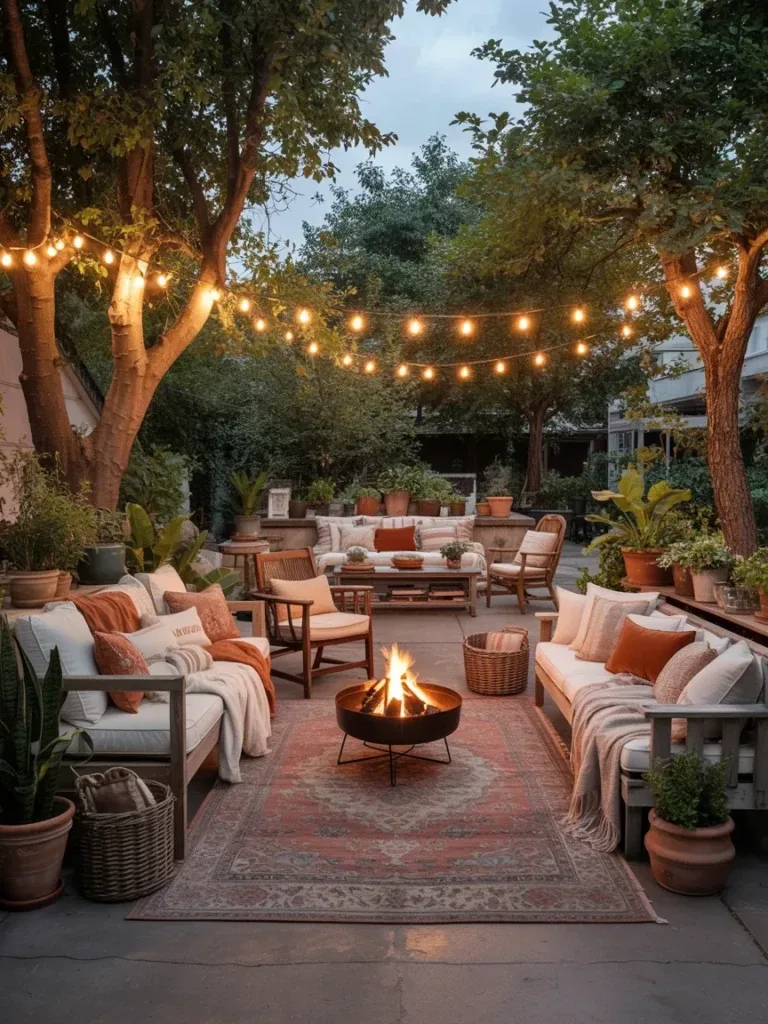
Listen to this article 10 10 0:00 / 0:00 Speed 0.75× 1× 1.25× 1.5× 2× Your backyard doesn’t need a five-figure makeover to feel like a dreamy escape. A few smart updates, some creativity, and maybe one impulsive trip to the garden center can completely change the vibe. The best part? You can build a…
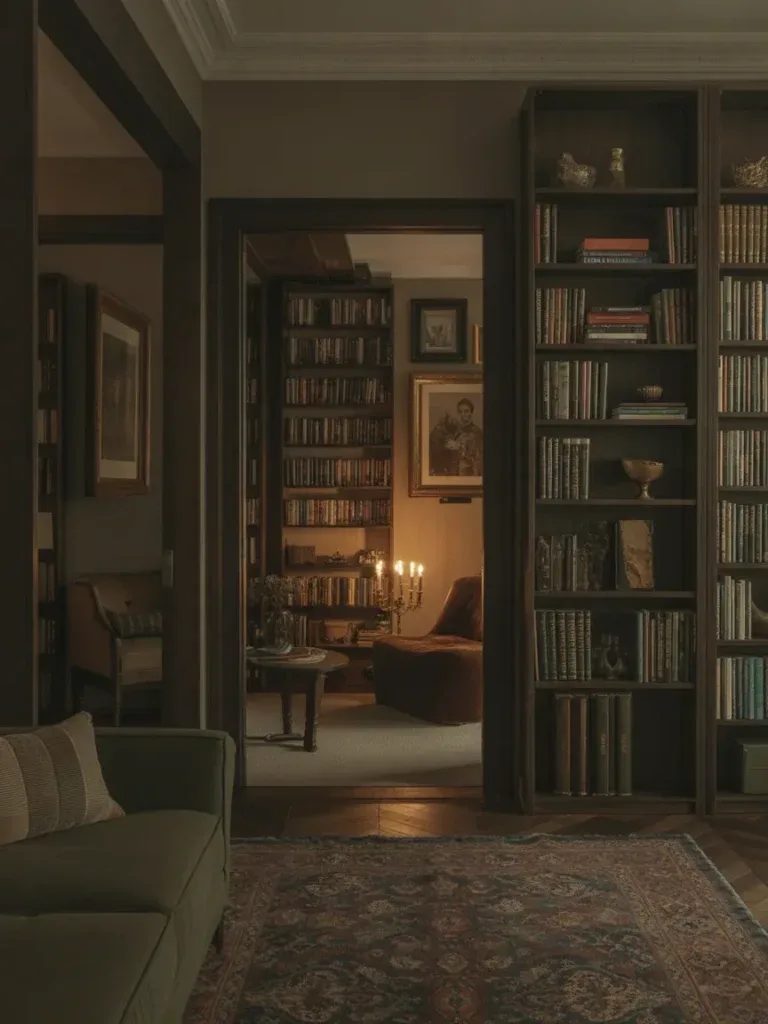
Listen to this article 10 10 0:00 / 0:00 Speed 0.75× 1× 1.25× 1.5× 2× You know that feeling when a room looks like it belongs in an old library filled with secrets? That’s the dark academia vibe—moody, intellectual, a little dramatic (in the best way). It’s all about rich colors, vintage charm, and spaces…
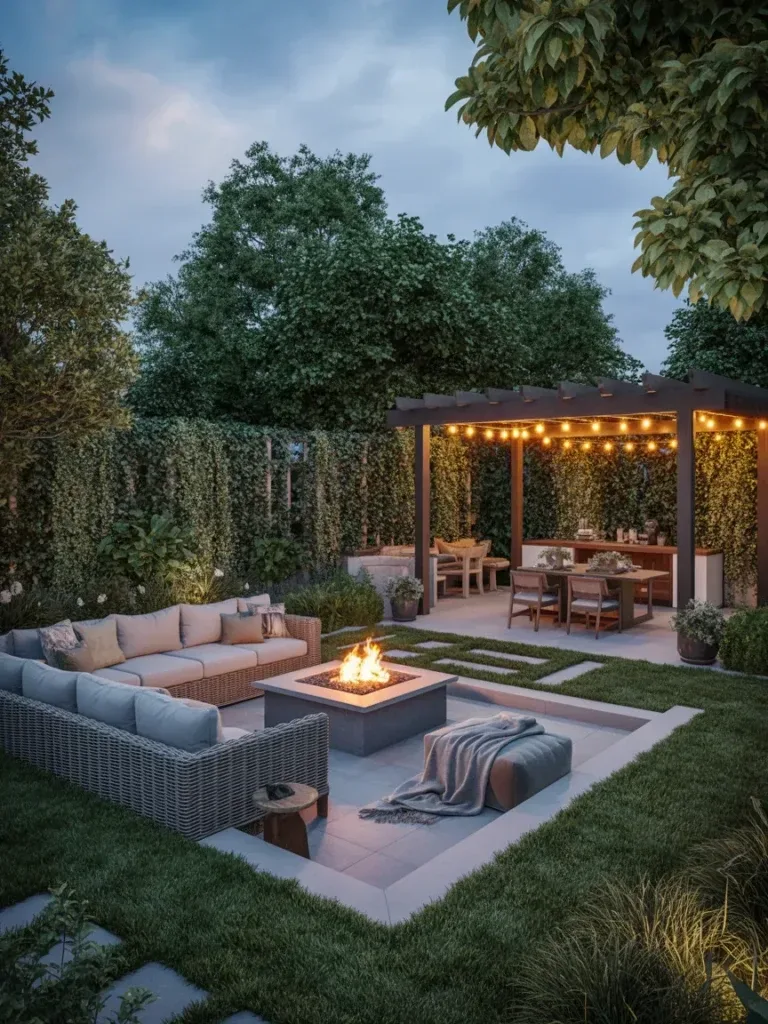
Listen to this article 10 10 0:00 / 0:00 Speed 0.75× 1× 1.25× 1.5× 2× Your backyard shouldn’t feel like that awkward space you only notice when the grass gets suspiciously tall. It should feel like an extension of your home — a place where you actually want to hang out. The good news? You…