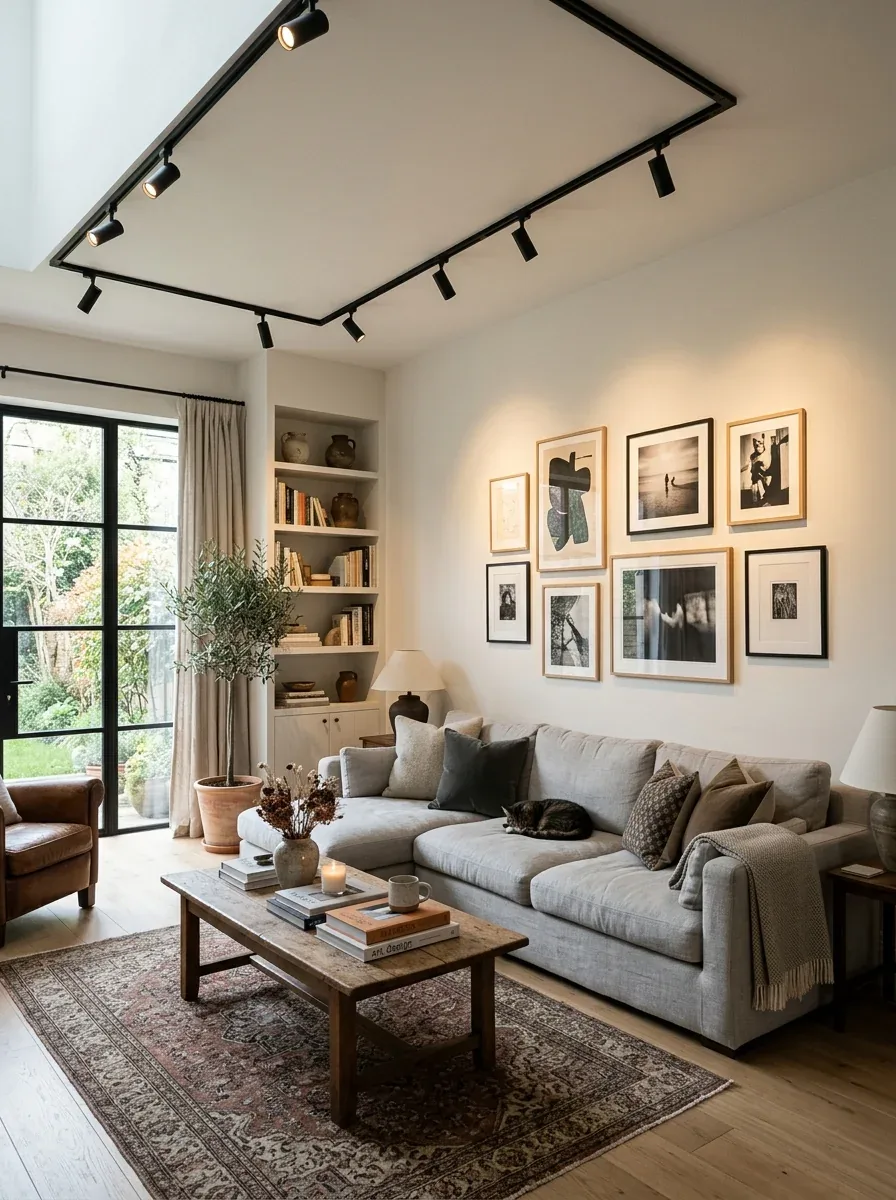
I’ll be honest — I didn’t think much about track lighting living room setups until I moved into a place with exactly one sad ceiling fixture dead center in the room, casting flat light over everything and nothing at the same time. My couch was dim. My bookshelf was dim. My favorite corner reading chair might as well have been in a cave. So I started researching, and what I found changed how I think about lighting a living space entirely. Table of Contents Toggle Why Track Lighting Living Room Setups Are Having a MomentTrack Lighting Ideas for Layering Light ProperlyModern Track Lighting Styles That Don’t Look DatedTrack Lighting Design Tips for Ceiling Shape and HeightChoosing the Right Track Lighting Kit for Living Room SpacesTrack Lighting Ceiling Design for Living Room LayoutsSmall Living Room Track Lighting Ideas That Maximize SpaceBringing It All Together Track lighting gets a bad rap from the 90s (those brass swivel heads, anyone?), but modern versions are sleeker, more flexible, and honestly kind of a sleeper hit for anyone who wants good light without ripping open their ceiling for recessed cans. So let’s get into it — real layouts, real fixture types, and the stuff nobody tells you until you’ve already made the mistake yourself. Why Track Lighting Living Room Setups Are Having a Moment There’s a reason design blogs keep circling back to this option. Track lighting doesn’t require the electrical overhaul that recessed lighting does — you’re typically working with a single junction box and a track that extends outward, powering multiple heads from one connection point. That means renters, apartment dwellers, and anyone who doesn’t want to hire an electrician for a full rewiring job can still get multi-point lighting. And the flexibility is real. Unlike a fixed pendant or flush mount, you can angle each head independently. Want one spotlighting your media wall as a statement feature, another washing light over the sofa, and a third aimed at a reading nook? Done, without three separate ceiling boxes. I moved my track heads twice in one week when I was rearranging furniture — try doing that with a chandelier. It’s also just… more interesting to look at. A single centered fixture reads as an afterthought. A well-planned track composition reads as intentional. That’s the difference between a room that looks decorated and one that looks like nobody’s thought about it since 2009. Track Lighting Ideas for Layering Light Properly Here’s the thing most people get wrong: they treat track lighting like it’s supposed to replace all other light sources. It’s not. Good lighting design works in layers — ambient, task, and accent — and track lighting is at its best when it handles the accent layer while lamps and other fixtures fill in the rest. A layout I’d actually recommend: Ambient layer: A dimmable overhead source (could be part of your track, could be separate) for general room brightness. Task layer: A floor lamp near your reading chair, a table lamp by the sofa — for actual close-up activities like reading or working. Accent layer: Track heads aimed at art, a textured accent wall, a bookshelf, or architectural details like exposed beams. When I finally set my living room up this way, the difference was night and day (pun very much intended). The room stopped feeling like it had “one setting” and started feeling like it had moods — bright and functional during the day, moody and layered in the evening with just the accent lights and a lamp or two on. One small warning: don’t put every single track head on the same dimmer switch as your ambient light unless you actually want them behaving identically. Ideally, wire your track to its own switch or use smart bulbs with individual app control so you can adjust accent lighting without touching your main brightness. Modern Track Lighting Styles That Don’t Look Dated This is where a lot of people hesitate, and I get it. Track lighting has some baggage. But modern track lighting has moved so far from the boob-light-adjacent fixtures of decades past that most guests won’t even clock it as “track lighting” — they’ll just think your room looks good. If you’re weighing it against something like statement chandeliers for instant elegance, track lighting is the more flexible, more practical option in most everyday living rooms. A few directions worth considering: Minimalist linear track — thin, low-profile rails (often under an inch wide) with small cylindrical or dome heads. This works well in contemporary or Scandinavian-leaning spaces where you want the fixture to almost disappear. Matte black or brushed brass finishes — instead of the shiny chrome or brass of older track systems, current designs favor matte black for an industrial-modern look, or warm brushed brass/gold for something a little more elevated. I went matte black in my place and it reads almost like sculptural hardware rather than “lighting.” Monorail and flexible-track systems — instead of a straight rigid bar, these curve and bend, which is genuinely useful in living rooms with irregular ceiling shapes or when you want the track to follow a specific sightline (like curving around a corner to hit both a media wall and a reading nook). Magnetic track systems — a newer category where the track itself is nearly invisible (often recessed or flush-mounted) and the heads simply snap onto it magnetically. These run pricier — expect somewhere in the $150–400 range just for the track components before heads — but they look closer to recessed lighting while keeping all the flexibility of a track. If your living room leans traditional, by the way, track lighting can still work — just look for fixtures with a slight curve to the arms or a warmer bronze/oil-rubbed finish rather than stark industrial black. It’s a small tweak but it keeps the whole thing from feeling out of place next to your grandmother’s armchair (no offense to grandmothers’ armchairs, I have one myself). Track Lighting Design Tips for Ceiling Shape and Height Not every ceiling is created equal, and your track lighting design should actually respond to what you’re working with rather than following a generic template. This matters even more if you’re pairing track lighting with something like a luxury false ceiling design, since the recessed layers and drops change how much clearance you actually have to work with. Standard 8-9 foot ceilings: Go with fixed-head track lights close to the ceiling surface (flush or semi-flush track systems). Pendant-style track heads that drop down several inches will eat into your headroom and can make the room feel more cramped than it is. Vaulted or high ceilings: This is genuinely where track lighting can shine (sorry, couldn’t resist). Higher ceilings can handle pendant-style heads that drop lower, and the extra vertical space means you can angle heads more dramatically without them feeling in-your-face. Angled or sloped ceilings: Look specifically for track systems rated for sloped ceiling mounting — not all of them are. A standard flush track on a slanted ceiling can look crooked or throw light at an odd angle unless the mounting hardware is designed to compensate. I made this exact mistake in a previous apartment with a slightly pitched ceiling — installed a standard track, and the light distribution was noticeably uneven, brighter on one side of the room than the other. Cost me a return trip to the hardware store and an afternoon I won’t get back. Lesson learned: check the ceiling angle rating before you buy, not after. Choosing the Right Track Lighting Kit for Living Room Spaces If you’re shopping for a track lighting kit for living room use specifically (as opposed to a kitchen or hallway), a few things matter more than they might in other rooms. Head count and spacing. Living rooms tend to be larger and more multi-purpose than kitchens, so you’ll likely want more heads spread over a longer track — think 4 to 6 heads rather than the 2-3 you might use in a small hallway. Most kits come in configurations of 3, 4, or 6 heads, with tracks ranging from about 4 to 8 feet. Color temperature. This one trips people up constantly. For living rooms, aim for warm white in the 2700K-3000K range for a cozy, residential feel — anything above 3500K starts to look clinical, like you’ve wandered into an office supply store. If you want flexibility, tunable white bulbs let you shift the temperature depending on time of day, which I’d honestly recommend if your budget allows it. Dimmability. Not every track lighting kit is dimmer-compatible out of the box, especially if it comes with integrated LED heads rather than replaceable bulbs. Double-check compatibility before installation, because retrofitting a non-dimmable system later is a bigger headache than it sounds. Beam angle. Narrow beam angles (around 15-25 degrees) work well for spotlighting specific objects like art or a plant. Wider beam angles (35-40+ degrees) are better for general wash lighting over a larger area like a sofa or media wall. A lot of good kits actually let you swap the lens or head style to adjust this. Budget-wise, a decent basic track lighting kit for living room use runs somewhere between $60-150 for a 4-head system with standard finishes, while designer or magnetic track systems can run several hundred dollars once you factor in the track, connectors, and individual heads. If you’re trying to keep the whole room affordable, it’s worth browsing budget-friendly living room decor ideas that still look high-end so your lighting splurge doesn’t throw off the rest of your budget. Track Lighting Ceiling Design for Living Room Layouts Placement genuinely makes or breaks the whole setup, so let’s talk through where the track itself should actually go. A common approach is running the track parallel to the room’s main wall of interest — say, the wall with your media console or your art collection — positioned about 2-3 feet out from that wall. This lets the heads angle back toward the wall for a wash-lighting effect without shining directly into anyone’s eyes from across the room. For rooms with a clear focal point — say, a layout built around a fireplace and TV combination, a large piece of art, or a built-in shelving unit — consider an L-shaped or U-shaped track configuration that wraps around the seating area, letting you hit multiple points of interest from a single continuous run. I’ve seen this done really well in open-concept spaces where the track effectively defines the “living room zone” within a larger open floor plan just through the light pattern alone, without any walls involved. Avoid centering the track directly over seating if you can help it — nobody enjoys a light source shining straight down on the top of their head while they’re trying to watch a movie. Offset it slightly, angle the heads outward, and let the light bounce off walls and surfaces rather than pointing straight at people. Small Living Room Track Lighting Ideas That Maximize Space If you’re working with a smaller footprint — the kind of space you’d usually see covered in small living room layout ideas — track lighting can actually help rather than hurt, but the execution needs a slightly different approach than in a larger space. Go with a shorter track (3-4 feet) with 3-4 heads rather than trying to cram a longer system into a compact room. Overdoing the head count in a small space creates visual clutter and can actually make the ceiling feel busier and lower than it is. Angle at least one head toward a mirror or reflective surface if you have one — bouncing light this way makes small rooms read brighter and larger without adding another fixture. It’s a trick interior designers use constantly and it costs you nothing extra. And consider a single-circuit track running along the room’s shorter wall rather than the longer one — this keeps the visual weight from dominating the space and leaves your ceiling looking less crowded overall. Bringing It All Together Track lighting living room setups aren’t a trend I expected to actually care about, but here I am, still slightly obsessed with how much a $100 kit and an afternoon of installation changed the feel of my space. It’s not about buying the fanciest fixture on the shelf — it’s about actually thinking through what needs light, how much, and from where, then letting the track do the specific job you need it to do. Start with your ceiling type, figure out your focal points, pick a finish that matches your room’s personality, and don’t skip the color temperature step (seriously, so many people skip it and regret it). Get those basics right and the rest tends to fall into place. If this gave you some ideas, save this pin for later — you’ll want it when you’re actually standing in the lighting aisle trying to remember what beam angle you needed.
I’ll be honest — I didn’t think much about track lighting living room setups until I moved into a place with exactly one sad ceiling fixture dead center in the room, casting flat light over everything and nothing at the same time. My couch was dim. My bookshelf was dim. My favorite corner reading chair might as well have been in a cave. So I started researching, and what I found changed how I think about lighting a living space entirely.
Track lighting gets a bad rap from the 90s (those brass swivel heads, anyone?), but modern versions are sleeker, more flexible, and honestly kind of a sleeper hit for anyone who wants good light without ripping open their ceiling for recessed cans. So let’s get into it — real layouts, real fixture types, and the stuff nobody tells you until you’ve already made the mistake yourself.
There’s a reason design blogs keep circling back to this option. Track lighting doesn’t require the electrical overhaul that recessed lighting does — you’re typically working with a single junction box and a track that extends outward, powering multiple heads from one connection point. That means renters, apartment dwellers, and anyone who doesn’t want to hire an electrician for a full rewiring job can still get multi-point lighting.
And the flexibility is real. Unlike a fixed pendant or flush mount, you can angle each head independently. Want one spotlighting your media wall as a statement feature, another washing light over the sofa, and a third aimed at a reading nook? Done, without three separate ceiling boxes. I moved my track heads twice in one week when I was rearranging furniture — try doing that with a chandelier.
It’s also just… more interesting to look at. A single centered fixture reads as an afterthought. A well-planned track composition reads as intentional. That’s the difference between a room that looks decorated and one that looks like nobody’s thought about it since 2009.
Here’s the thing most people get wrong: they treat track lighting like it’s supposed to replace all other light sources. It’s not. Good lighting design works in layers — ambient, task, and accent — and track lighting is at its best when it handles the accent layer while lamps and other fixtures fill in the rest.
A layout I’d actually recommend:
Ambient layer: A dimmable overhead source (could be part of your track, could be separate) for general room brightness.
Task layer: A floor lamp near your reading chair, a table lamp by the sofa — for actual close-up activities like reading or working.
Accent layer: Track heads aimed at art, a textured accent wall, a bookshelf, or architectural details like exposed beams.
When I finally set my living room up this way, the difference was night and day (pun very much intended). The room stopped feeling like it had “one setting” and started feeling like it had moods — bright and functional during the day, moody and layered in the evening with just the accent lights and a lamp or two on.
One small warning: don’t put every single track head on the same dimmer switch as your ambient light unless you actually want them behaving identically. Ideally, wire your track to its own switch or use smart bulbs with individual app control so you can adjust accent lighting without touching your main brightness.
Modern Track Lighting Styles That Don’t Look Dated
This is where a lot of people hesitate, and I get it. Track lighting has some baggage. But modern track lighting has moved so far from the boob-light-adjacent fixtures of decades past that most guests won’t even clock it as “track lighting” — they’ll just think your room looks good. If you’re weighing it against something like statement chandeliers for instant elegance, track lighting is the more flexible, more practical option in most everyday living rooms.
A few directions worth considering:
Minimalist linear track — thin, low-profile rails (often under an inch wide) with small cylindrical or dome heads. This works well in contemporary or Scandinavian-leaning spaces where you want the fixture to almost disappear.
Matte black or brushed brass finishes — instead of the shiny chrome or brass of older track systems, current designs favor matte black for an industrial-modern look, or warm brushed brass/gold for something a little more elevated. I went matte black in my place and it reads almost like sculptural hardware rather than “lighting.”
Monorail and flexible-track systems — instead of a straight rigid bar, these curve and bend, which is genuinely useful in living rooms with irregular ceiling shapes or when you want the track to follow a specific sightline (like curving around a corner to hit both a media wall and a reading nook).
Magnetic track systems — a newer category where the track itself is nearly invisible (often recessed or flush-mounted) and the heads simply snap onto it magnetically. These run pricier — expect somewhere in the $150–400 range just for the track components before heads — but they look closer to recessed lighting while keeping all the flexibility of a track.
If your living room leans traditional, by the way, track lighting can still work — just look for fixtures with a slight curve to the arms or a warmer bronze/oil-rubbed finish rather than stark industrial black. It’s a small tweak but it keeps the whole thing from feeling out of place next to your grandmother’s armchair (no offense to grandmothers’ armchairs, I have one myself).
Track Lighting Design Tips for Ceiling Shape and Height
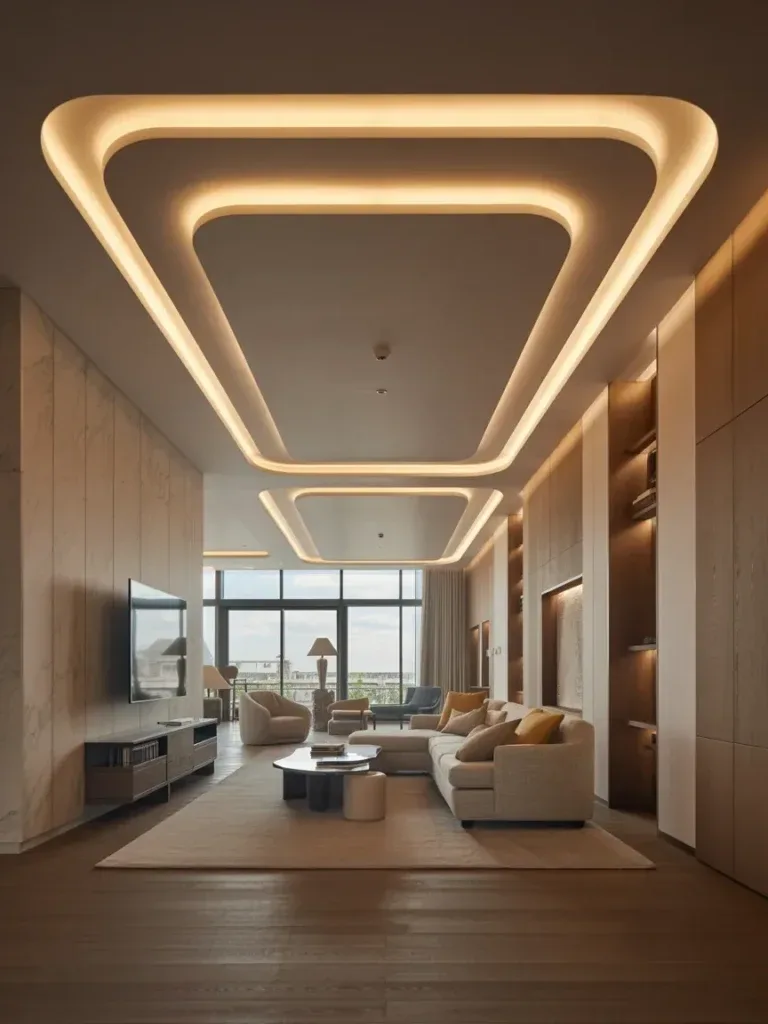
Not every ceiling is created equal, and your track lighting design should actually respond to what you’re working with rather than following a generic template. This matters even more if you’re pairing track lighting with something like a luxury false ceiling design, since the recessed layers and drops change how much clearance you actually have to work with.
Standard 8-9 foot ceilings: Go with fixed-head track lights close to the ceiling surface (flush or semi-flush track systems). Pendant-style track heads that drop down several inches will eat into your headroom and can make the room feel more cramped than it is.
Vaulted or high ceilings: This is genuinely where track lighting can shine (sorry, couldn’t resist). Higher ceilings can handle pendant-style heads that drop lower, and the extra vertical space means you can angle heads more dramatically without them feeling in-your-face.
Angled or sloped ceilings: Look specifically for track systems rated for sloped ceiling mounting — not all of them are. A standard flush track on a slanted ceiling can look crooked or throw light at an odd angle unless the mounting hardware is designed to compensate.
I made this exact mistake in a previous apartment with a slightly pitched ceiling — installed a standard track, and the light distribution was noticeably uneven, brighter on one side of the room than the other. Cost me a return trip to the hardware store and an afternoon I won’t get back. Lesson learned: check the ceiling angle rating before you buy, not after.
Choosing the Right Track Lighting Kit for Living Room Spaces
If you’re shopping for a track lighting kit for living room use specifically (as opposed to a kitchen or hallway), a few things matter more than they might in other rooms.
Head count and spacing. Living rooms tend to be larger and more multi-purpose than kitchens, so you’ll likely want more heads spread over a longer track — think 4 to 6 heads rather than the 2-3 you might use in a small hallway. Most kits come in configurations of 3, 4, or 6 heads, with tracks ranging from about 4 to 8 feet.
Color temperature. This one trips people up constantly. For living rooms, aim for warm white in the 2700K-3000K range for a cozy, residential feel — anything above 3500K starts to look clinical, like you’ve wandered into an office supply store. If you want flexibility, tunable white bulbs let you shift the temperature depending on time of day, which I’d honestly recommend if your budget allows it.
Dimmability. Not every track lighting kit is dimmer-compatible out of the box, especially if it comes with integrated LED heads rather than replaceable bulbs. Double-check compatibility before installation, because retrofitting a non-dimmable system later is a bigger headache than it sounds.
Beam angle. Narrow beam angles (around 15-25 degrees) work well for spotlighting specific objects like art or a plant. Wider beam angles (35-40+ degrees) are better for general wash lighting over a larger area like a sofa or media wall. A lot of good kits actually let you swap the lens or head style to adjust this.
Budget-wise, a decent basic track lighting kit for living room use runs somewhere between $60-150 for a 4-head system with standard finishes, while designer or magnetic track systems can run several hundred dollars once you factor in the track, connectors, and individual heads. If you’re trying to keep the whole room affordable, it’s worth browsing budget-friendly living room decor ideas that still look high-end so your lighting splurge doesn’t throw off the rest of your budget.
Track Lighting Ceiling Design for Living Room Layouts
Placement genuinely makes or breaks the whole setup, so let’s talk through where the track itself should actually go.
A common approach is running the track parallel to the room’s main wall of interest — say, the wall with your media console or your art collection — positioned about 2-3 feet out from that wall. This lets the heads angle back toward the wall for a wash-lighting effect without shining directly into anyone’s eyes from across the room.
For rooms with a clear focal point — say, a layout built around a fireplace and TV combination, a large piece of art, or a built-in shelving unit — consider an L-shaped or U-shaped track configuration that wraps around the seating area, letting you hit multiple points of interest from a single continuous run. I’ve seen this done really well in open-concept spaces where the track effectively defines the “living room zone” within a larger open floor plan just through the light pattern alone, without any walls involved.
Avoid centering the track directly over seating if you can help it — nobody enjoys a light source shining straight down on the top of their head while they’re trying to watch a movie. Offset it slightly, angle the heads outward, and let the light bounce off walls and surfaces rather than pointing straight at people.
Small Living Room Track Lighting Ideas That Maximize Space
If you’re working with a smaller footprint — the kind of space you’d usually see covered in small living room layout ideas — track lighting can actually help rather than hurt, but the execution needs a slightly different approach than in a larger space.
Go with a shorter track (3-4 feet) with 3-4 heads rather than trying to cram a longer system into a compact room. Overdoing the head count in a small space creates visual clutter and can actually make the ceiling feel busier and lower than it is.
Angle at least one head toward a mirror or reflective surface if you have one — bouncing light this way makes small rooms read brighter and larger without adding another fixture. It’s a trick interior designers use constantly and it costs you nothing extra.
And consider a single-circuit track running along the room’s shorter wall rather than the longer one — this keeps the visual weight from dominating the space and leaves your ceiling looking less crowded overall.
Track lighting living room setups aren’t a trend I expected to actually care about, but here I am, still slightly obsessed with how much a $100 kit and an afternoon of installation changed the feel of my space. It’s not about buying the fanciest fixture on the shelf — it’s about actually thinking through what needs light, how much, and from where, then letting the track do the specific job you need it to do.
Start with your ceiling type, figure out your focal points, pick a finish that matches your room’s personality, and don’t skip the color temperature step (seriously, so many people skip it and regret it). Get those basics right and the rest tends to fall into place.
If this gave you some ideas, save this pin for later — you’ll want it when you’re actually standing in the lighting aisle trying to remember what beam angle you needed.
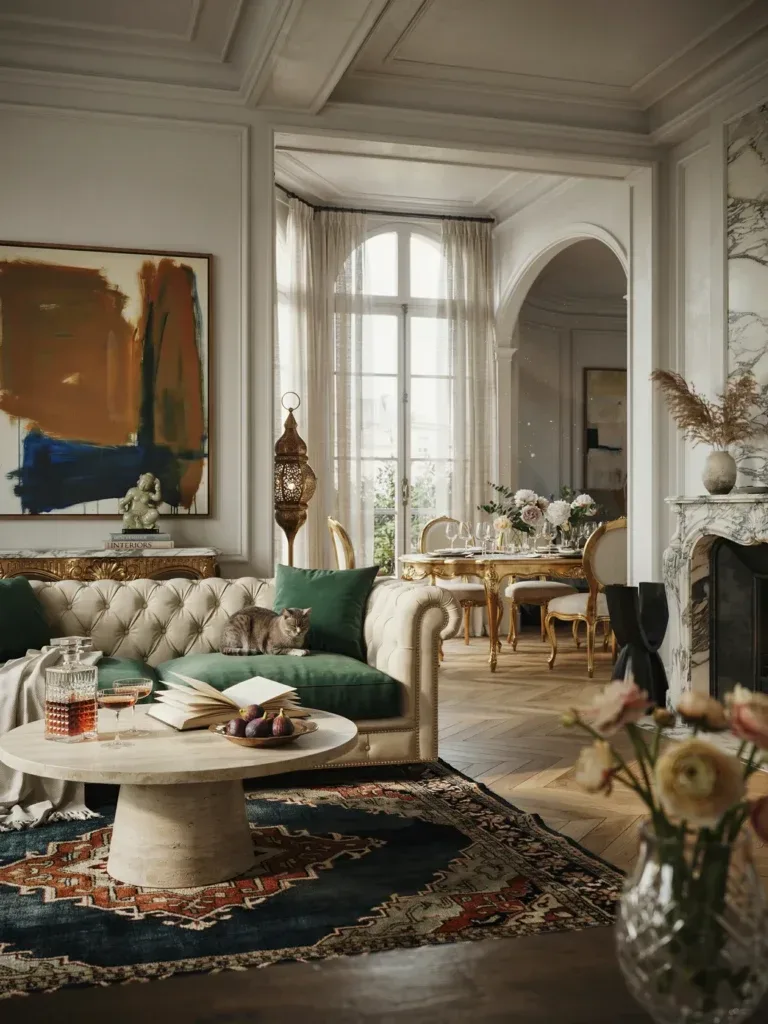
Listen to this article 10 10 0:00 / 0:00 Speed 0.75×1×1.25×1.5×2× Some homes look expensive. Others tell a story. The magic happens when you combine both. That’s exactly why eclectic luxury design feels so special—it mixes beautiful pieces from different eras, styles, and cultures without losing that polished, high-end feel. If you’re tired of cookie-cutter…
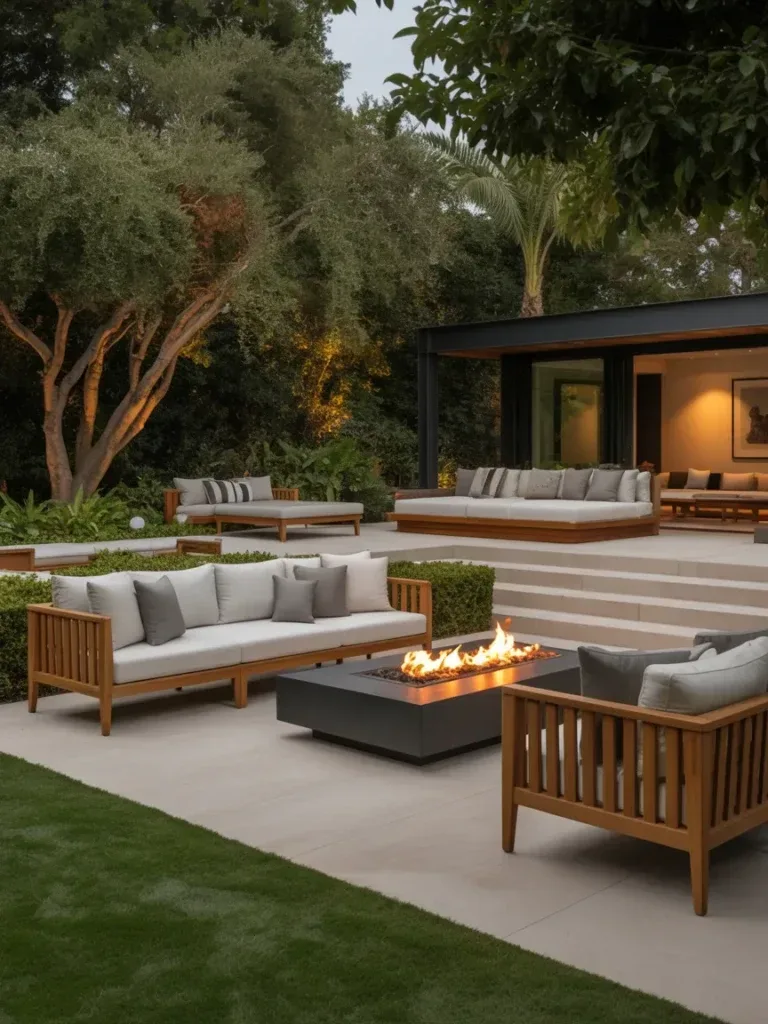
Listen to this article 10 10 0:00 / 0:00 Speed 0.75×1×1.25×1.5×2× Your backyard deserves more than two folding chairs and a sad little side table from 2014. The right outdoor furniture setup can turn even a basic patio into the kind of space people suddenly never want to leave. Think cozy sectionals, sleek fire pits,…
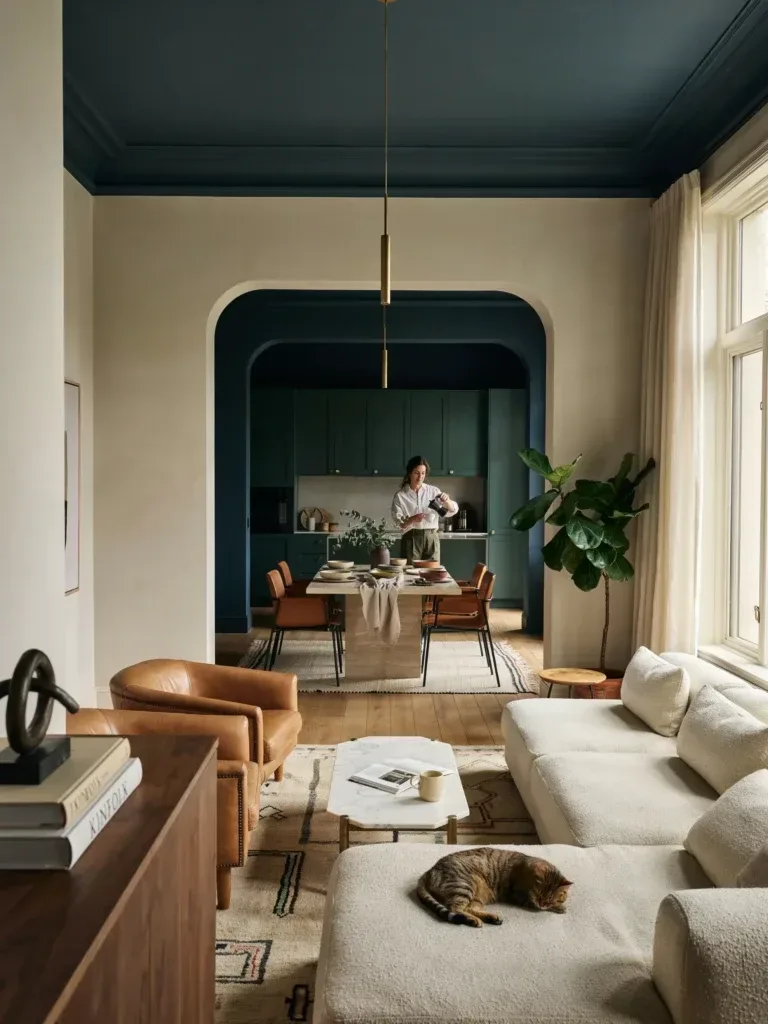
Listen to this article 10 10 0:00 / 0:00 Speed 0.75×1×1.25×1.5×2× A dark ceiling might sound like a decorating risk, but trust me, it can completely transform a room. While everyone obsesses over accent walls, the ceiling often sits there looking forgotten and boring. Pair a dramatic dark ceiling with light walls, though, and suddenly…
Listen to this article 10 10 0:00 / 0:00 Speed 0.75×1×1.25×1.5×2× Harsh overhead lighting? Absolutely not. A good cove lighting ceiling changes the whole mood of a room without screaming for attention. It wraps the space in a soft glow, makes ceilings feel taller, and somehow makes even your random Tuesday night leftovers look fancy….
Listen to this article 10 10 0:00 / 0:00 Speed 0.75×1×1.25×1.5×2× Got a huge living room that somehow still feels… awkward? Yeah, big spaces can be just as tricky as tiny ones. Too empty and it feels cold, too full and suddenly it’s chaos. The sweet spot is all about balancing scale with comfort—and once…
Listen to this article 10 10 0:00 / 0:00 Speed 0.75×1×1.25×1.5×2× I used to think a colorful boho living room meant throwing every jewel-toned pillow I owned onto a beige couch and calling it a day. It doesn’t. A truly great colorful boho living room has a rhythm to it — color that feels intentional,…