Want a dining nook that feels cozy, not cramped? You don’t need a McMansion or a contractor on speed dial. With a few smart moves, your small dining room can look bigger, function better, and host game night without elbow wars. Let’s turn that tight corner into the most charming spot in your home. Rethink The Table: Form Meets Function Your table sets the vibe and the flow. In a small dining room, you want both. Go Round Or Oval For Better Traffic Sharp corners hog space and bruise hips. A round or oval table lets people slide by without the awkward side shuffle. Bonus: round tables feel social, so everyone stays in the conversation. Photo by Trude Jonsson Stangel on Unsplash 42" Round Dining Table for 4, Farmhouse Kitchen Table with Storag… Perfect Size for Everyday Gatherings (Seats 2–4 Comfortably): Designed for connection, this 42-inch round table comforta… Built-In Storage Shelf for a Clutter-Free Dining Space: Featuring a convenient lower storage shelf, this breakfast table… Heavy-Duty Stability for Daily Use: Crafted for durability, this dinner table for 2–4 features a reinforced X-shaped bas… $149.99 Buy on Amazon Pedestal Bases = More Legroom Four chunky legs eat space. A pedestal base opens up the zone for more chairs and comfier seating. It’s a small tweak with big payoffs. Extendables For The Win An extendable table gives you weekday compactness and weekend capacity. Keep the leaf stashed, then pull it out for pizza parties. IMO, this is the small-space MVP. Best shapes: Round, oval, slim rectangle Best sizes: 36–44 inches for round; 28–32 inches deep for rectangles Best materials: Glass (light look), wood (warmth), or a slim metal frame (modern) Seating That Multitasks (Because It Has To) You don’t need a chair for every possible guest—just smart seating that flexes. Photo by Gạch ốp lát đẹp on Unsplash Bench + Chairs Combo A bench against the wall or windows eats up less visual space and slides under the table when not in use. Chairs on the other side keep it comfy and mix up the look. Stashable Stools Tuck two lightweight stools under a console or in a corner. Pull them out when needed. Nobody minds a perch for dessert. VKNOW Bar Stools Set of 2, 26" Upholstered Counter Height Bar Sto… Mid Century Modern Bar Stools: This bar stool has a seat height of 26 inches and is suitable for tables that are 35–39 i… Bar Stools Set of 2: Enjoy long-lasting comfort with this counter height bar stools set of 2. Featuring thick foam paddi… Sturdy & Comfortable: Our barstools features a sturdy wooden frame for excellent stability and durability, and the ergon… $169.99 Buy on Amazon Built-In Banquette (If You Can Swing It) A low-profile banquette along one wall turns dead space into a cozy booth. Add storage underneath for linens and board games. FYI, even a freestanding bench with cushions fakes the built-in vibe. Photo by Li Zhang on Unsplash Seat height sweet spot: 18 inches Seat depth for comfort: 16–18 inches Upholstery tip: Performance fabric or faux leather = wipeable, no stress Light It Like A Pro (And Make It Look Bigger) Light transforms small spaces faster than any paint can. Size Your Fixture Right Pick a chandelier or pendant that’s roughly the width of your table minus 12 inches total. Hang it 30–34 inches above the table so it feels intimate, not “interrogation room.” Layer The Glow One overhead light won’t cut it. Add a wall sconce or two, a lamp on a nearby console, and candles for texture. Layered lighting makes the room feel intentional and larger. Photo by Li Zhang on Unsplash Reflect The Light Mirrors opposite a window bounce light and double the visual space. Not into mirrors? Try artwork with glass or metallic frames for a similar effect. Bulbs: Warm white (2700–3000K) for flattering skin tones and mood Dimmers: Always. Bright for brunch, moody for date night Shades: Linen or frosted glass to soften glare Solid Wood Dining Table Set for 4, 43.3" Dining Table with Chairs… Timeless Natural Elegance – This 5-piece dining table set for 4 features a 1.1m × 0.7m solid wood table and four chairs … Sturdy & Reliable Construction – Built from high-quality solid wood with reinforced legs, this set withstands daily use … Space-Efficient Design – The 43.3-inch (1.1m) length and 27.5-inch (0.7m) width make it ideal for small spaces without s… $229.49 Buy on Amazon Layout Tricks That Fake More Square Footage You can’t knock down walls, but you can cheat the eye. Float Don’t Cram Pull the table a few inches off the wall so chairs slide easily. That tiny gap feels intentional and improves flow. Photo by Sasun Bughdaryan on Unsplash Use A Rug To Define The Zone A rug anchors the “dining room” even in an open plan. Size it so chairs stay on the rug when pulled out—about 24 inches beyond the table edge. Go low-pile to avoid snags. Go Vertical Tall curtains hung near the ceiling draw eyes up. Slim bookcases or plate rails add storage without hogging floor space. Vertical lines = taller room, period. Storage Without The Bulk Clutter shrinks a room faster than anything. Control it with stealthy storage. Choose A Narrow Console A slim console or floating credenza holds serveware, napkins, and candles. Keep the top curated—one tray, one lamp, one plant—and you’re golden. Put The Walls To Work Install wall-mounted shelves or a rail with hooks for mugs, cutting boards, or pretty linens. It feels café-chic and keeps surfaces clear. Hidden Heroes Look for storage benches, lift-top tables, or stackable wine racks tucked beside the banquette. Out of sight, out of mind (and out of the way). Max depth for side furniture: 12–16 inches Chair clearance: Leave 36 inches from table edge to wall/path Color, Pattern, And Personality (A.K.A. The Fun Part) Small doesn’t mean boring. It means every choice matters—so make it count. Light Base, Bold Accents Keep walls light and airy, then punch it up with art, a colorful rug, or patterned cushions. You get personality without visual weight. Go Moody If You Want—Strategically You can absolutely paint a small dining room dark. Balance it with light upholstery, a reflective table surface, and plenty of lighting. The contrast feels luxe, not cave-like. Repeat Materials For Calm Echo wood tones or metals across pieces to reduce visual noise. Brass pendant? Match the frame on your art. Walnut table? Mirror it in the console top. Foolproof wall colors: Soft white, warm greige, pale sage, dusty blush Pattern: Striped rugs elongate; small-scale prints keep things light Set The Table Like A Minimalist Host Everyday dining shouldn’t feel fussy, but it should still feel special. Keep A Tray Station Corral salt, pepper, napkins, and a small vase on a tray. Lift it off when you need full table space. Easy reset, zero clutter. Stack Smart Use slim plates and nesting bowls to save cabinet space. One set of neutral dinnerware + fun salad plates = endless combos. Plants Beat Centerpieces A small potted herb or low arrangement adds life without blocking faces. If you can’t see your dining partner, the centerpiece fails—hot take, but correct. Placemat hack: Leather or vinyl placemats wipe clean and store flat Everyday sparkle: A carafe of water and cloth napkins make it feel “restaurant-y” Common Mistakes To Avoid – Buying a table that’s too wide. Keep rectangles around 28–32 inches deep for tight rooms.– Hanging art too high. Center artwork around 57 inches from the floor.– Overstuffing with heavy chairs. Choose open backs or slim profiles.– Skipping the dimmer. Lighting control = instant ambiance.– Ignoring acoustics. Add a rug and fabric chairs to soften echo (your ears will thank you). FAQ How big should my dining table be for a small room? Aim for a round table 36–44 inches in diameter or a slim rectangle around 28–32 inches deep. Prioritize comfortable chair clearance—about 36 inches from the table edge to walls or walkways. If that sounds tight, choose a pedestal base or go with a bench on one side for easier movement. Can I use a rug in a tiny dining area without making it feel crowded? Yes—just size it right. Pick a rug that extends about 24 inches beyond the table on all sides so chairs stay stable when pulled out. Choose low-pile or flatweave materials for easy cleaning and fewer crumbs living rent-free. What lighting works best above a small dining table? A single pendant or compact chandelier sized to your table (table width minus around 12 inches total) keeps things proportional. Hang it 30–34 inches above the tabletop and add a dimmer. Layer in a sconce or nearby lamp to avoid the harsh “only overhead” vibe. Should I paint a small dining room white to make it feel bigger? White works, but it’s not your only option. Light neutrals open things up, while moody colors can add intimacy if you balance them with bright accents, reflective surfaces, and solid lighting. IMO, pick a color that suits your style and use contrast and lighting to do the heavy lifting. How do I seat more people without buying a bigger table? Use a bench against the wall, switch to a pedestal base, and keep a pair of stackable stools nearby. Consider an extendable table for special occasions. FYI, armless, slim chairs also squeeze in more guests without crowding. What’s the best way to add storage without overwhelming the room? Go vertical and go shallow. A floating credenza, narrow console, or wall-mounted shelves keep floors clear and visuals light. Hide the ugly stuff in baskets or drawers, and display only what sparks joy (yes, I said it). Conclusion A small dining room doesn’t limit your hosting game—it sharpens it. Choose space-savvy furniture, layer flattering light, and keep clutter on a very short leash. Add a few personality punches, and you’ll create a spot that feels intimate, stylish, and insanely functional. Big dinners in a small room? Totally doable—and honestly, way more charming.
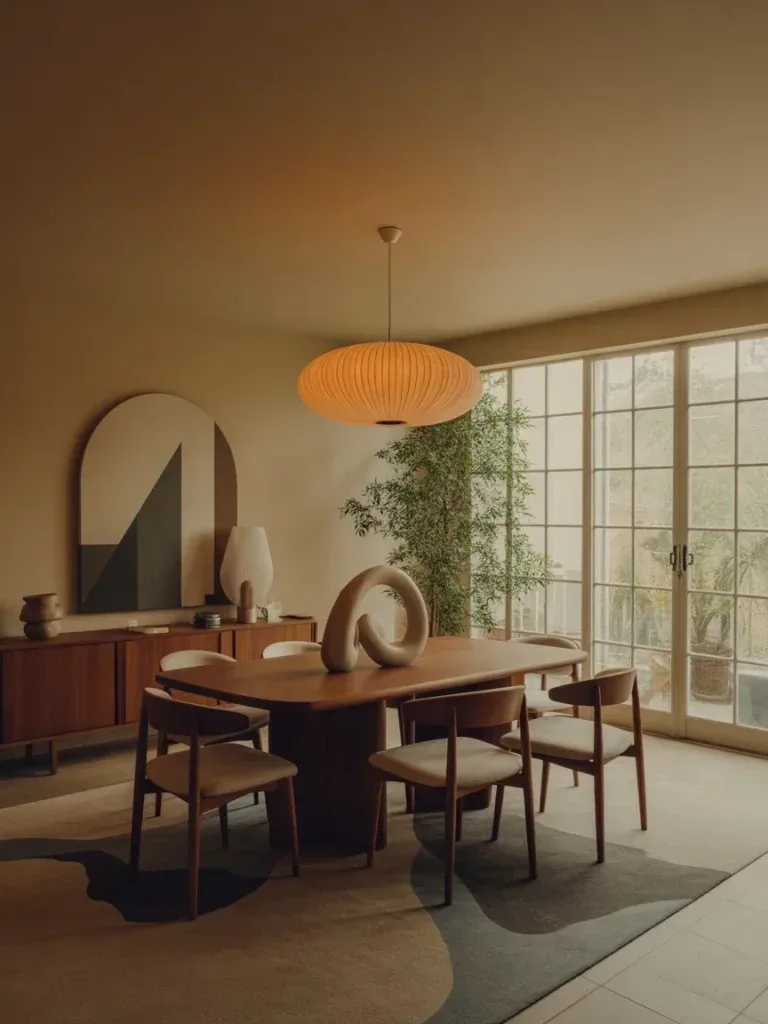
Want a dining nook that feels cozy, not cramped? You don’t need a McMansion or a contractor on speed dial. With a few smart moves, your small dining room can look bigger, function better, and host game night without elbow wars. Let’s turn that tight corner into the most charming spot in your home.
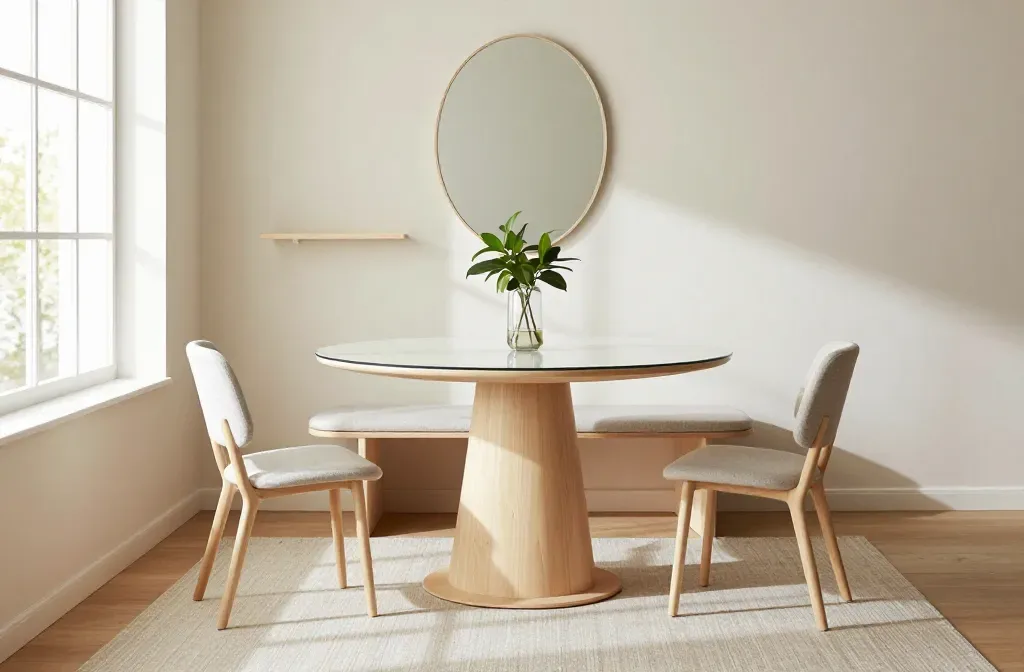
Sharp corners hog space and bruise hips. A round or oval table lets people slide by without the awkward side shuffle. Bonus: round tables feel social, so everyone stays in the conversation.
Four chunky legs eat space. A pedestal base opens up the zone for more chairs and comfier seating. It’s a small tweak with big payoffs.
Extendables For The Win
An extendable table gives you weekday compactness and weekend capacity. Keep the leaf stashed, then pull it out for pizza parties. IMO, this is the small-space MVP.
Best shapes: Round, oval, slim rectangle
Best sizes: 36–44 inches for round; 28–32 inches deep for rectangles
Best materials: Glass (light look), wood (warmth), or a slim metal frame (modern)
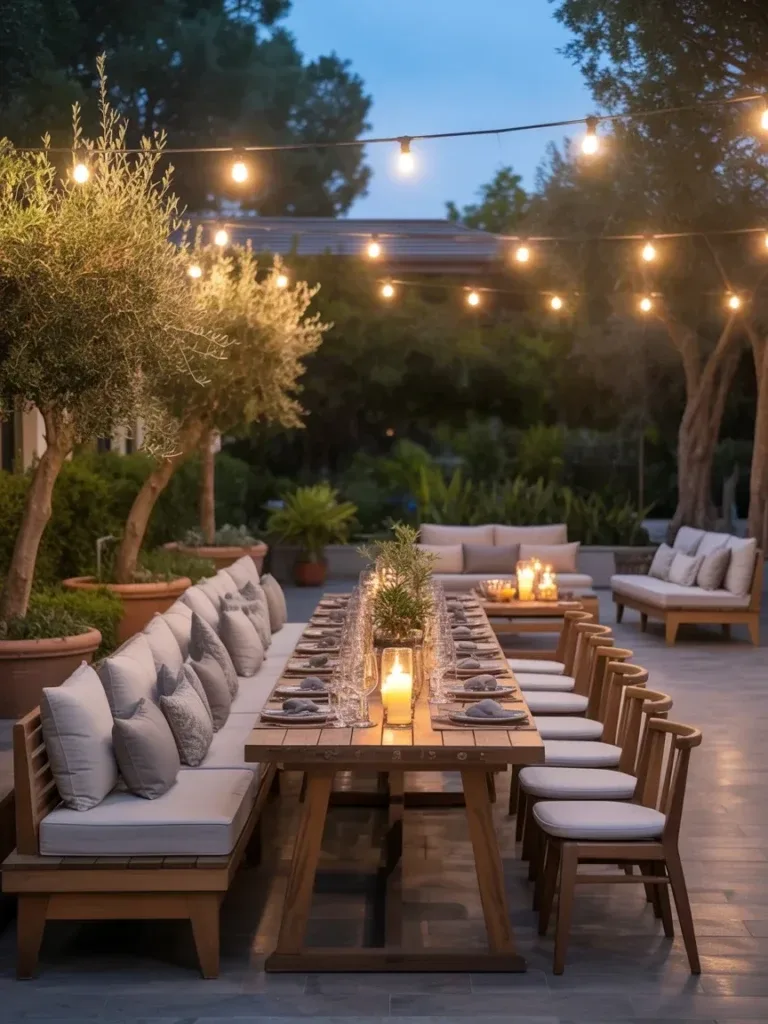
A bench against the wall or windows eats up less visual space and slides under the table when not in use. Chairs on the other side keep it comfy and mix up the look.
Stashable Stools
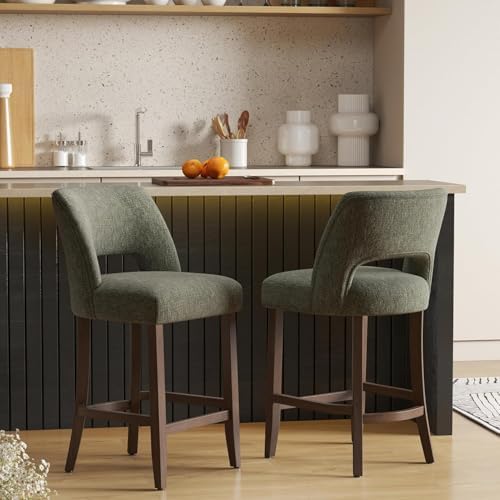
Tuck two lightweight stools under a console or in a corner. Pull them out when needed. Nobody minds a perch for dessert.
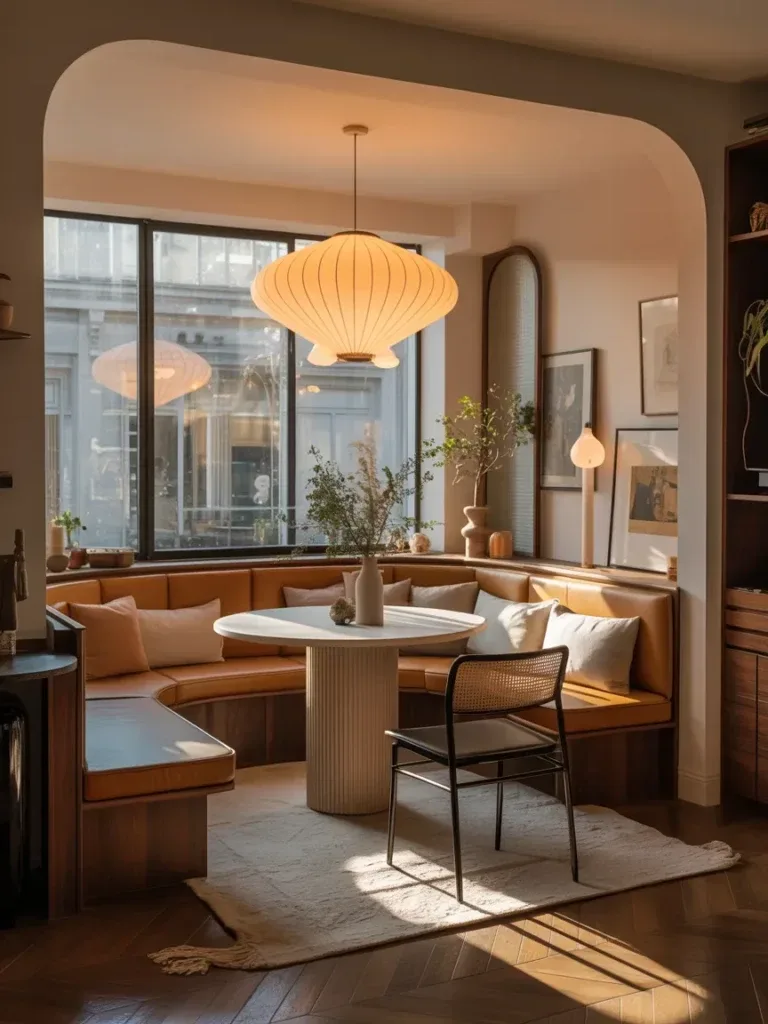
A low-profile banquette along one wall turns dead space into a cozy booth. Add storage underneath for linens and board games. FYI, even a freestanding bench with cushions fakes the built-in vibe.
Light transforms small spaces faster than any paint can.
Size Your Fixture Right
Pick a chandelier or pendant that’s roughly the width of your table minus 12 inches total. Hang it 30–34 inches above the table so it feels intimate, not “interrogation room.”
Layer The Glow
One overhead light won’t cut it. Add a wall sconce or two, a lamp on a nearby console, and candles for texture. Layered lighting makes the room feel intentional and larger.
A rug anchors the “dining room” even in an open plan. Size it so chairs stay on the rug when pulled out—about 24 inches beyond the table edge. Go low-pile to avoid snags.
Go Vertical
Tall curtains hung near the ceiling draw eyes up. Slim bookcases or plate rails add storage without hogging floor space. Vertical lines = taller room, period.
Small doesn’t mean boring. It means every choice matters—so make it count.
Light Base, Bold Accents
Keep walls light and airy, then punch it up with art, a colorful rug, or patterned cushions. You get personality without visual weight.
Go Moody If You Want—Strategically
You can absolutely paint a small dining room dark. Balance it with light upholstery, a reflective table surface, and plenty of lighting. The contrast feels luxe, not cave-like.
Repeat Materials For Calm
Echo wood tones or metals across pieces to reduce visual noise. Brass pendant? Match the frame on your art. Walnut table? Mirror it in the console top.
Everyday dining shouldn’t feel fussy, but it should still feel special.
Keep A Tray Station
Corral salt, pepper, napkins, and a small vase on a tray. Lift it off when you need full table space. Easy reset, zero clutter.
Stack Smart
Use slim plates and nesting bowls to save cabinet space. One set of neutral dinnerware + fun salad plates = endless combos.
Plants Beat Centerpieces
A small potted herb or low arrangement adds life without blocking faces. If you can’t see your dining partner, the centerpiece fails—hot take, but correct.
Placemat hack: Leather or vinyl placemats wipe clean and store flat
Everyday sparkle: A carafe of water and cloth napkins make it feel “restaurant-y”
– Buying a table that’s too wide. Keep rectangles around 28–32 inches deep for tight rooms. – Hanging art too high. Center artwork around 57 inches from the floor. – Overstuffing with heavy chairs. Choose open backs or slim profiles. – Skipping the dimmer. Lighting control = instant ambiance. – Ignoring acoustics. Add a rug and fabric chairs to soften echo (your ears will thank you).
FAQ
How big should my dining table be for a small room?
Aim for a round table 36–44 inches in diameter or a slim rectangle around 28–32 inches deep. Prioritize comfortable chair clearance—about 36 inches from the table edge to walls or walkways. If that sounds tight, choose a pedestal base or go with a bench on one side for easier movement.
Can I use a rug in a tiny dining area without making it feel crowded?
Yes—just size it right. Pick a rug that extends about 24 inches beyond the table on all sides so chairs stay stable when pulled out. Choose low-pile or flatweave materials for easy cleaning and fewer crumbs living rent-free.
What lighting works best above a small dining table?
A single pendant or compact chandelier sized to your table (table width minus around 12 inches total) keeps things proportional. Hang it 30–34 inches above the tabletop and add a dimmer. Layer in a sconce or nearby lamp to avoid the harsh “only overhead” vibe.
Should I paint a small dining room white to make it feel bigger?
White works, but it’s not your only option. Light neutrals open things up, while moody colors can add intimacy if you balance them with bright accents, reflective surfaces, and solid lighting. IMO, pick a color that suits your style and use contrast and lighting to do the heavy lifting.
How do I seat more people without buying a bigger table?
Use a bench against the wall, switch to a pedestal base, and keep a pair of stackable stools nearby. Consider an extendable table for special occasions. FYI, armless, slim chairs also squeeze in more guests without crowding.
What’s the best way to add storage without overwhelming the room?
Go vertical and go shallow. A floating credenza, narrow console, or wall-mounted shelves keep floors clear and visuals light. Hide the ugly stuff in baskets or drawers, and display only what sparks joy (yes, I said it).
Conclusion
A small dining room doesn’t limit your hosting game—it sharpens it. Choose space-savvy furniture, layer flattering light, and keep clutter on a very short leash. Add a few personality punches, and you’ll create a spot that feels intimate, stylish, and insanely functional. Big dinners in a small room? Totally doable—and honestly, way more charming.
Listen to this article 10 10 0:00 / 0:00 Speed 0.75×1×1.25×1.5×2× Nothing beats eating outside when the weather finally cooperates. Fresh air, good food, and family conversations somehow feel way more fun under string lights than under a dining room chandelier. The tricky part? Creating an outdoor dining setup that feels cozy without looking cluttered…
Listen to this article 10 10 0:00 / 0:00 Speed 0.75×1×1.25×1.5×2× Got a corner that’s doing absolutely nothing for your dining life? Let’s fix that. These dining room nook ideas turn awkward spaces into the coziest, most functional spots in your home. You’ll eat more breakfasts at home, host more game nights, and finally have…
Listen to this article 10 10 0:00 / 0:00 Speed 0.75×1×1.25×1.5×2× Tiny dining rooms can feel like a decorating nightmare. One oversized chair and suddenly you’re squeezing sideways just to grab a fork. But the right layout, colors, and furniture choices can turn even the smallest corner into a dining setup that looks ridiculously stylish….
Listen to this article 10 10 0:00 / 0:00 Speed 0.75×1×1.25×1.5×2× You want a modern small dining room that feels spacious, functional, and stylish without a major renovation. This article shows practical, design-forward approaches you can apply right away to make your dining area work harder and look cleaner. Expect clear, achievable ideas—like streamlined furniture,…
Listen to this article 10 10 0:00 / 0:00 Speed 0.75×1×1.25×1.5×2× Mid-century modern dining rooms have that rare magic—they look effortlessly cool without trying too hard. Clean lines, warm woods, and just the right amount of retro charm? Yes, please. If your dining space feels a little “meh,” these ideas will wake it up fast….