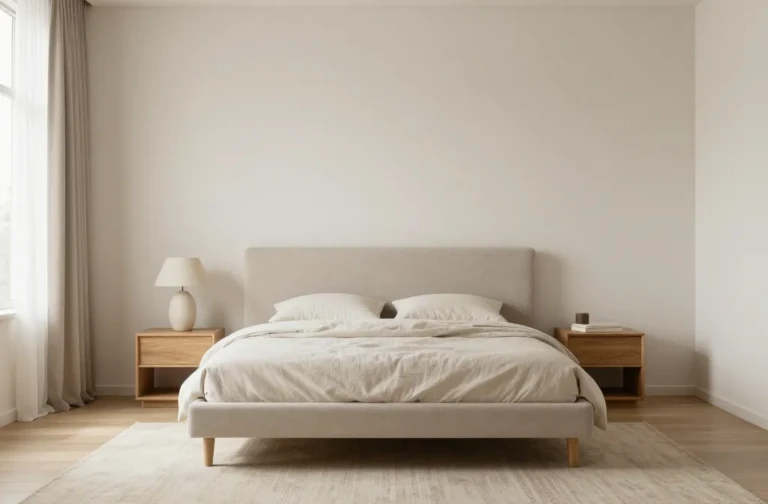
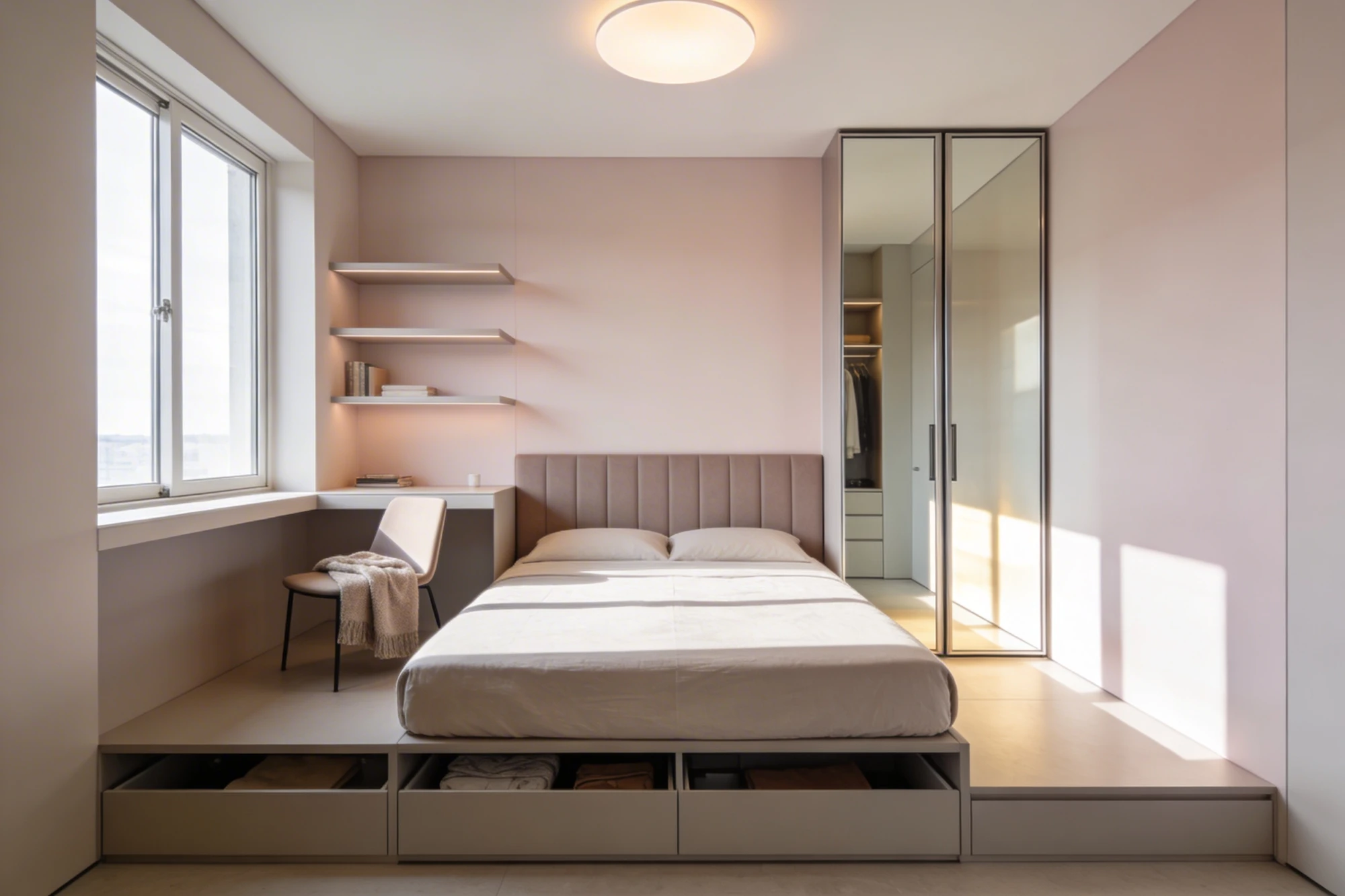
Small Bedroom Hacks: Luxe, Compact Living
An ordinary-sized bedroom can feel cramped, but a few clever tweaks turn it into a luxe, restful retreat. Let’s ditch clutter and embrace clever design that makes every square inch count. Ready to transform your tiny sanctuary without breaking the bank? Let’s dive in.
Layout Magic: How to Make the Most of Every Corner
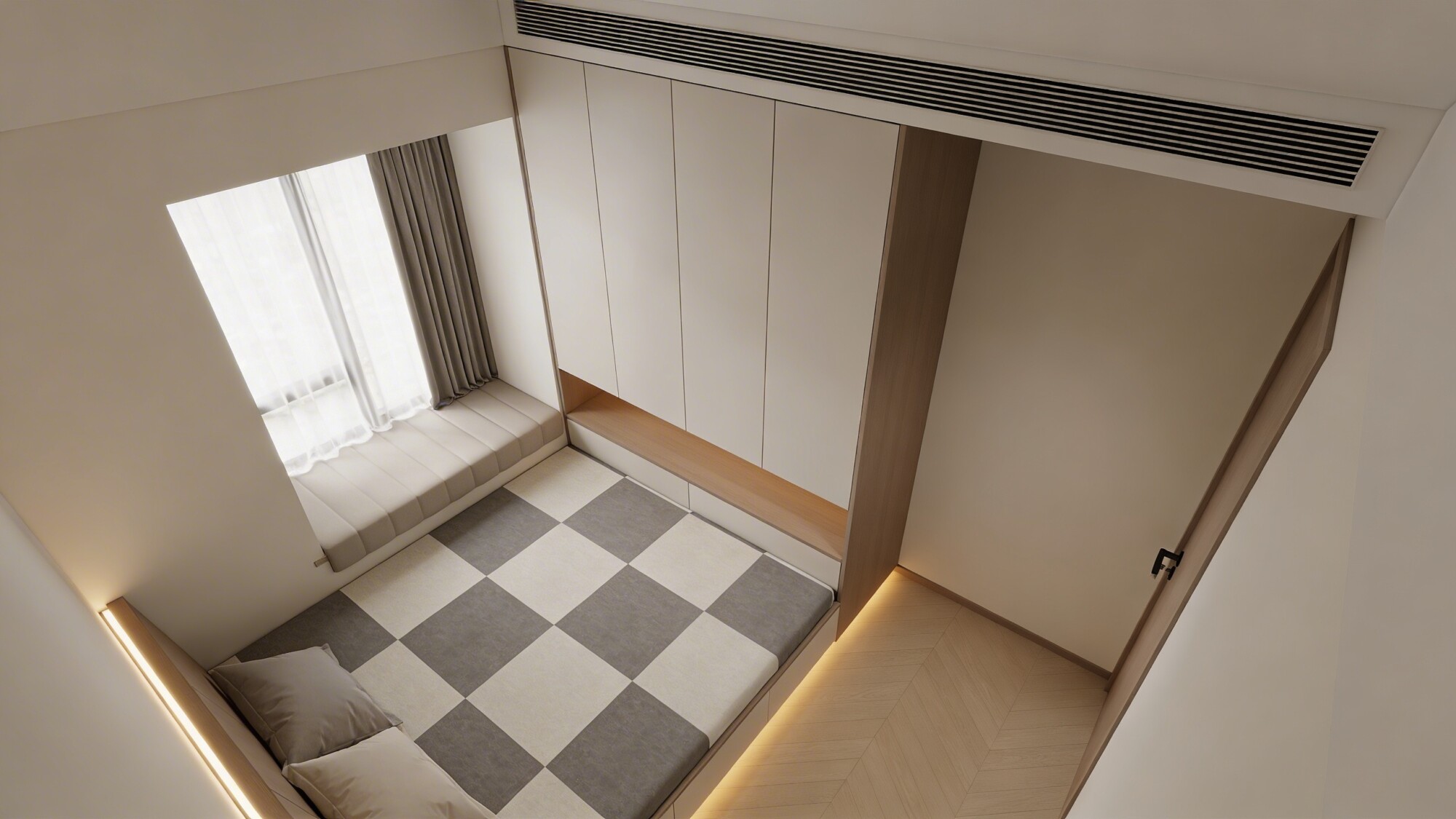
Big design wins come from smart layout. Start by mapping your room like a chessboard and identify the best place for the bed, a slim wardrobe, and a cozy seating nook if space allows. Think flow first: can you walk from door to window without dodging furniture? If not, reimagine the bed’s position.
Bed Positioning Pitfalls to Avoid
– Placing the bed under a window can lead to drafty nights and restless sleep.
– Blocking natural light makes the room feel smaller.
– Heavy headboards or bulky frames swallow valuable floor space.
Storage Hacks That Actually Work
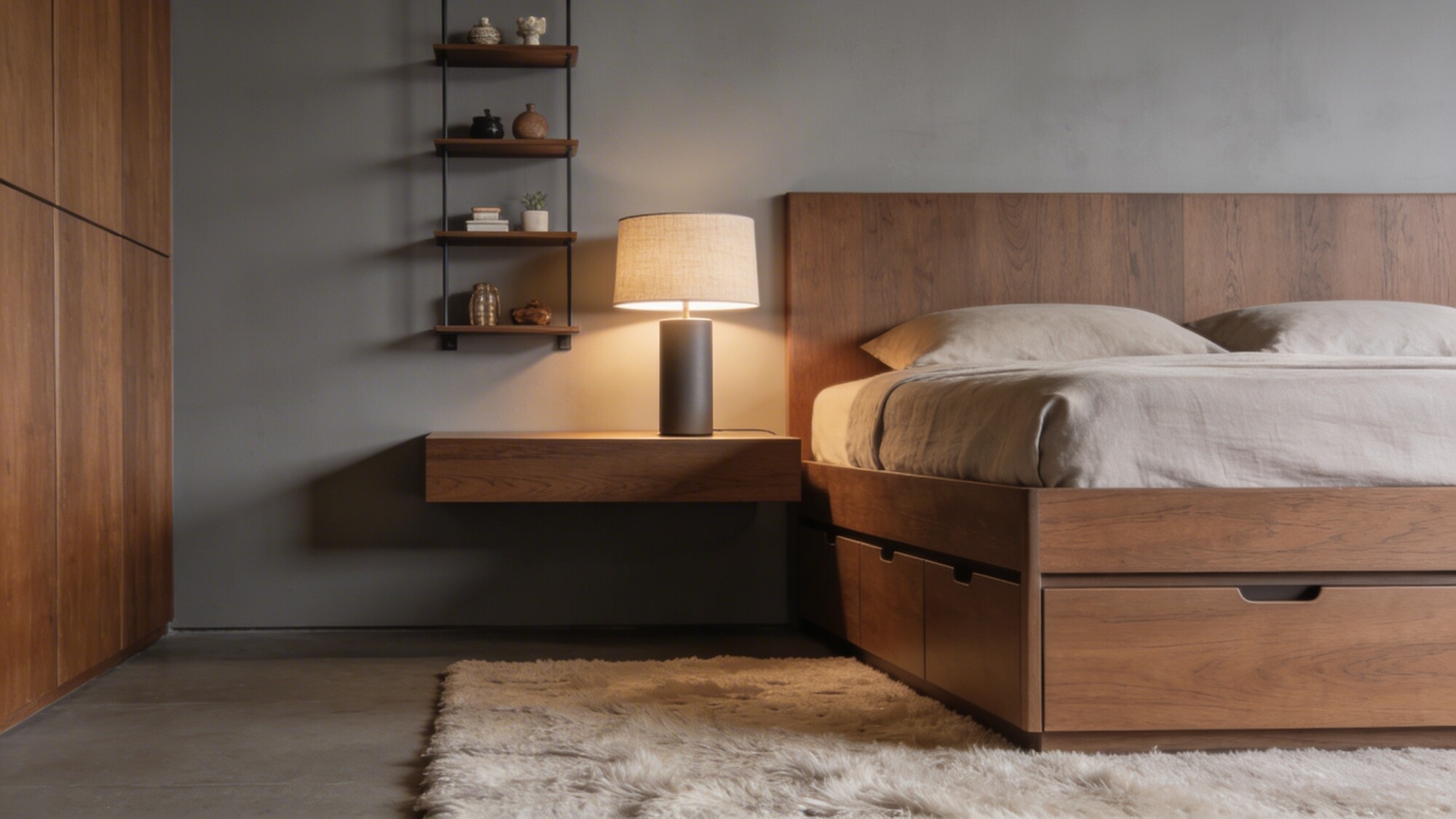
Storage is the secret weapon of small bedrooms. Use vertical space, under-bed storage, and multifunctional furniture. A tall dresser can replace a cavernous wardrobe, and floating shelves keep surfaces clear.
Smart Wardrobe Solutions
– Opt for a slim wardrobe with mirrored doors to double as a light reflector.
– Consider a wardrobe with built-in drawers to cut down on extra dressers.
– Use hanging organizers to squeeze out every inch without clutter.
Color, Light, and Mood: The Visual Tricks
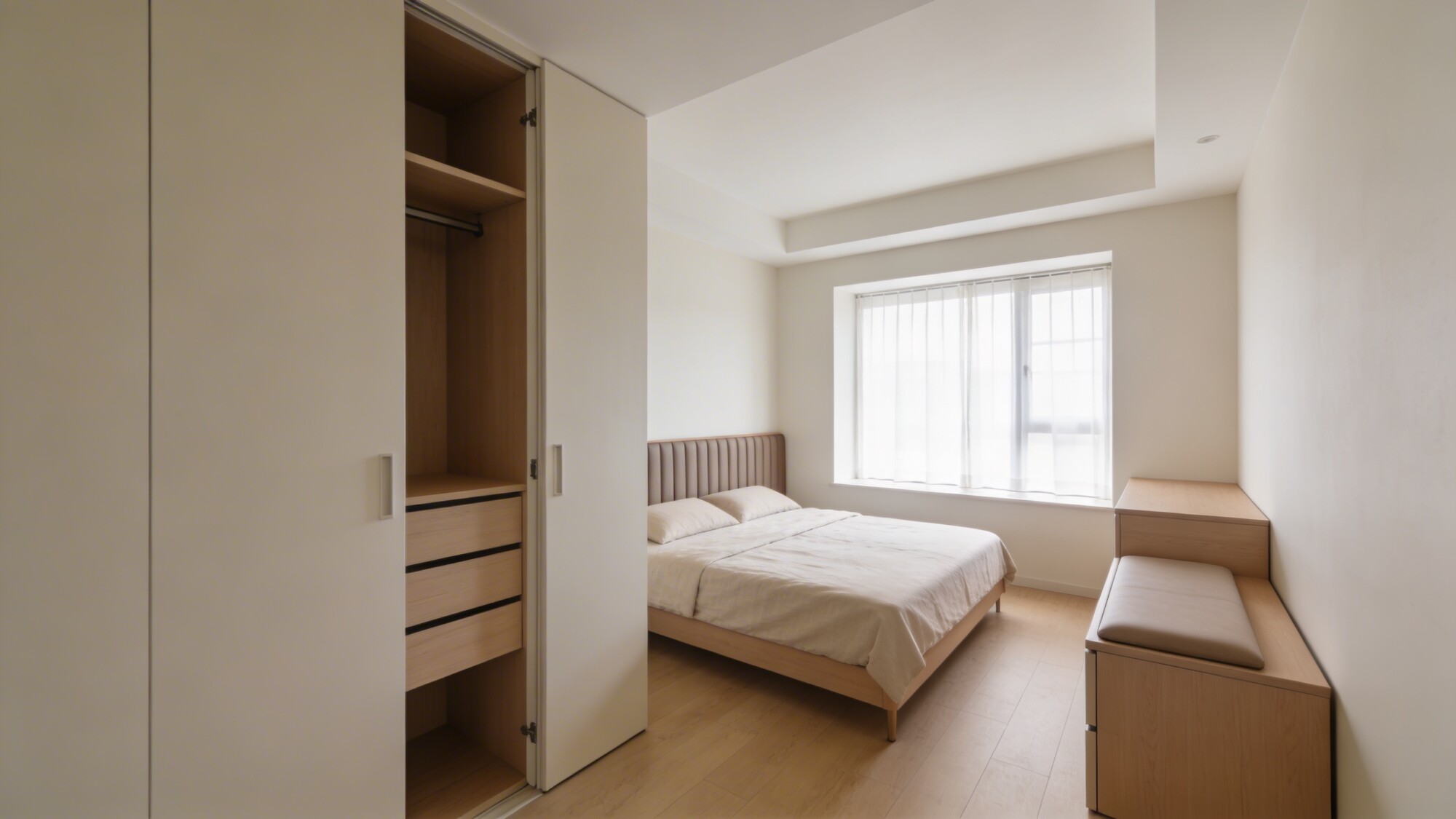
Color is a quick way to change the feel of a room. Lighter colors bounce light and make spaces feel bigger, but that doesn’t mean you must go all-white. Soft neutrals with a pop of color create depth without chaos.
Lighting That Expands the Space
– Layer light: ceiling fixture, bedside lamps, and a floor lamp for versatility.
– Use warm bulbs to avoid a clinical vibe—cozy trumps bright glare every time.
– Consider wall sconces to free up bedside table space.
Furniture that Works: Dual-Purpose and Delicate
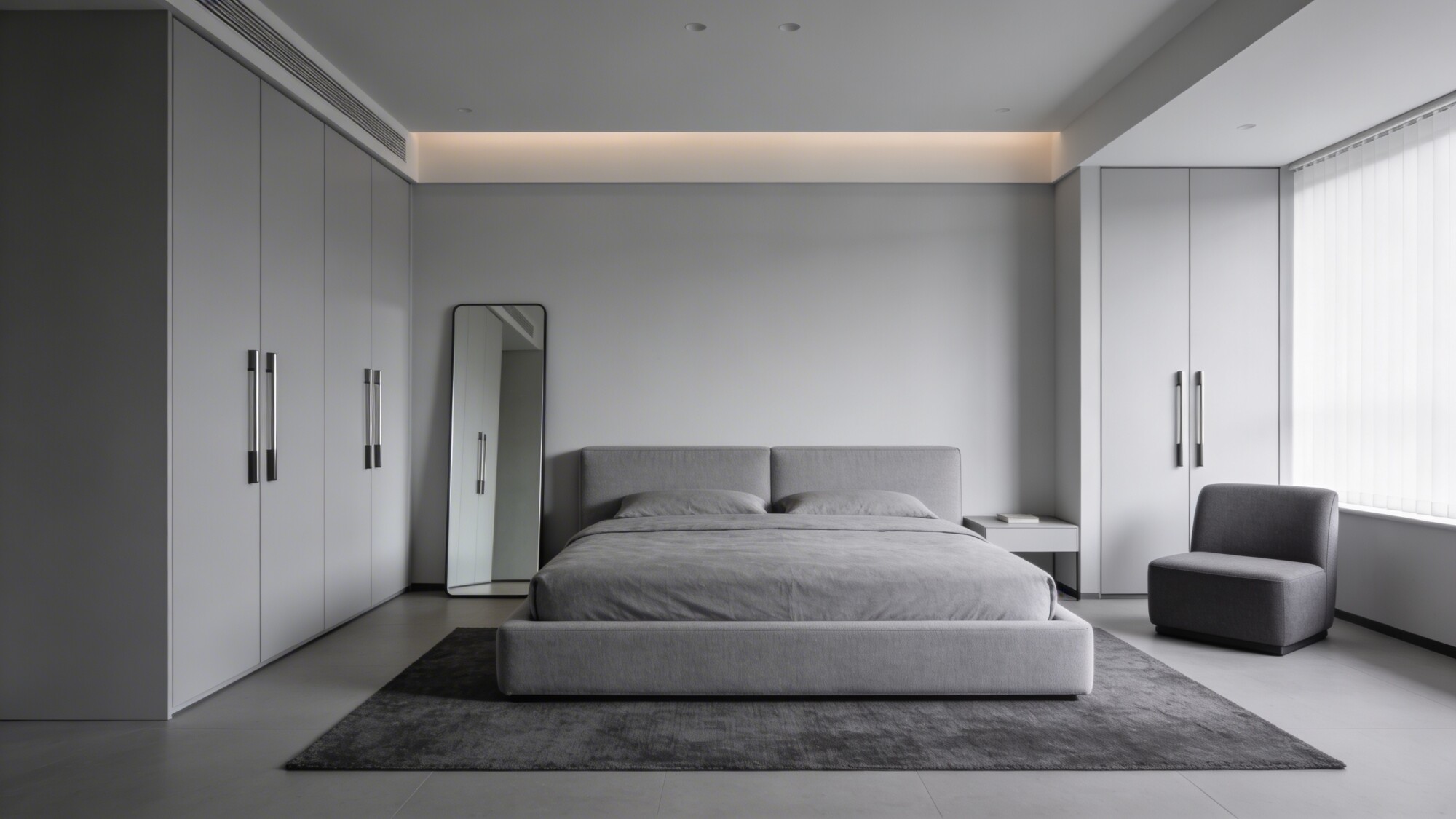
In small bedrooms, every piece should earn its throne. Look for furniture with clean lines, slim profiles, and hidden storage. A bench at the end of the bed, a leggy nightstand, or a compact desk can all play nicely without crowding.
Bed Frames and Headboards
– Choose a platform bed with built-in drawers to reduce a dresser’s footprint.
– Opt for a low, open-frame style to avoid heavy visual weight.
– If you love upholstered headboards, pick a slim, tall version to avoid feeling boxed in.
Textiles and Soft Touches: Make It Inviting
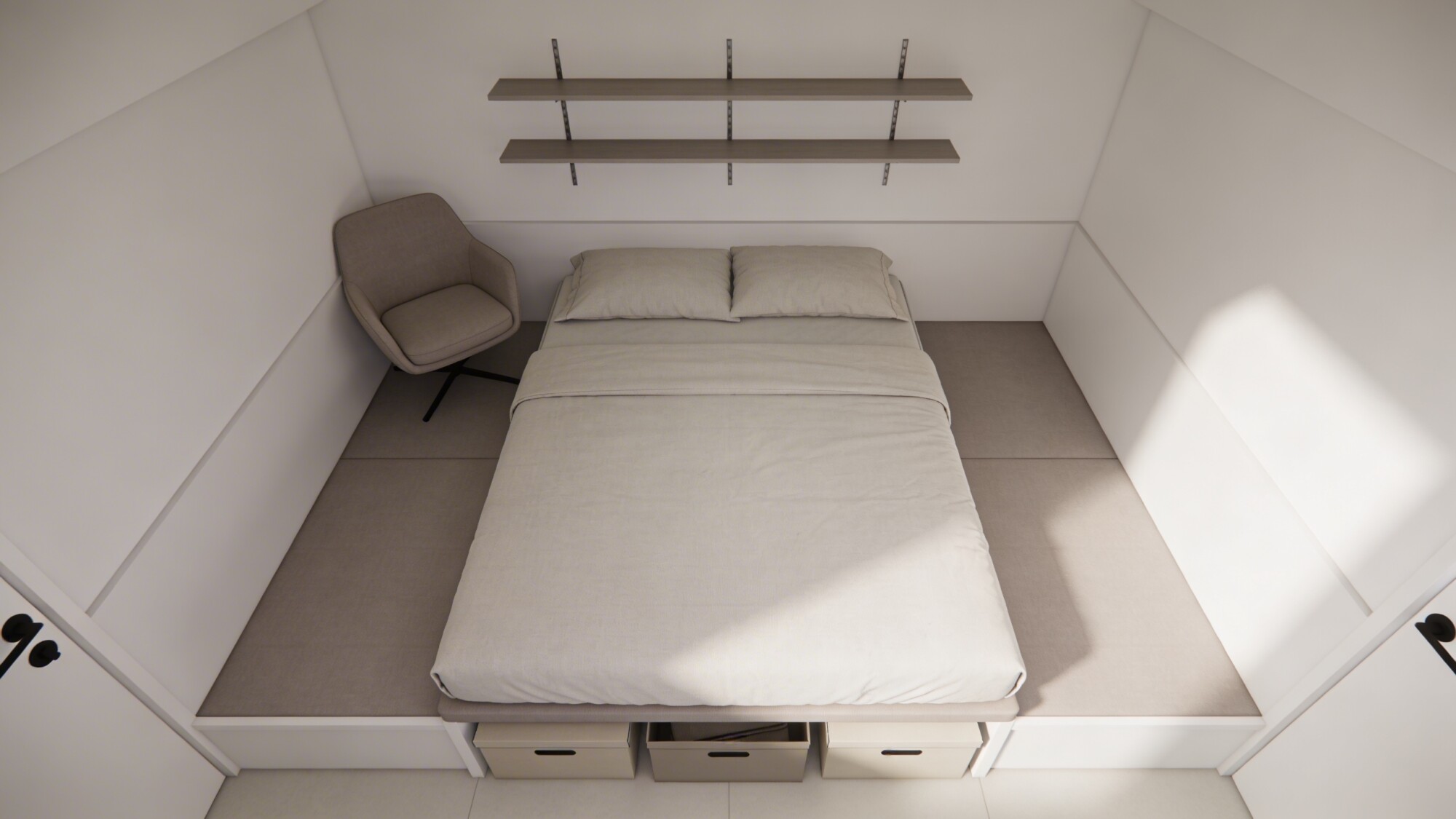
Texture adds warmth without bulk. Layer blankets, throw pillows, and a rug to anchor the space. A rug can define the bed area and create the perception of a room with more depth.
Rugs and Fabrics that Scale Right
– A rug that’s too small will make the room feel off-balance; aim for at least the width of the bed plus a few extra inches.
– Mix textures: a fluffy rug, crisp linens, and a chunky knit throw for contrast.
– Blackout curtains help you sleep better and visually elongate the walls by keeping the line of sight clean.
Minimal Décor: Let the Space Breathe
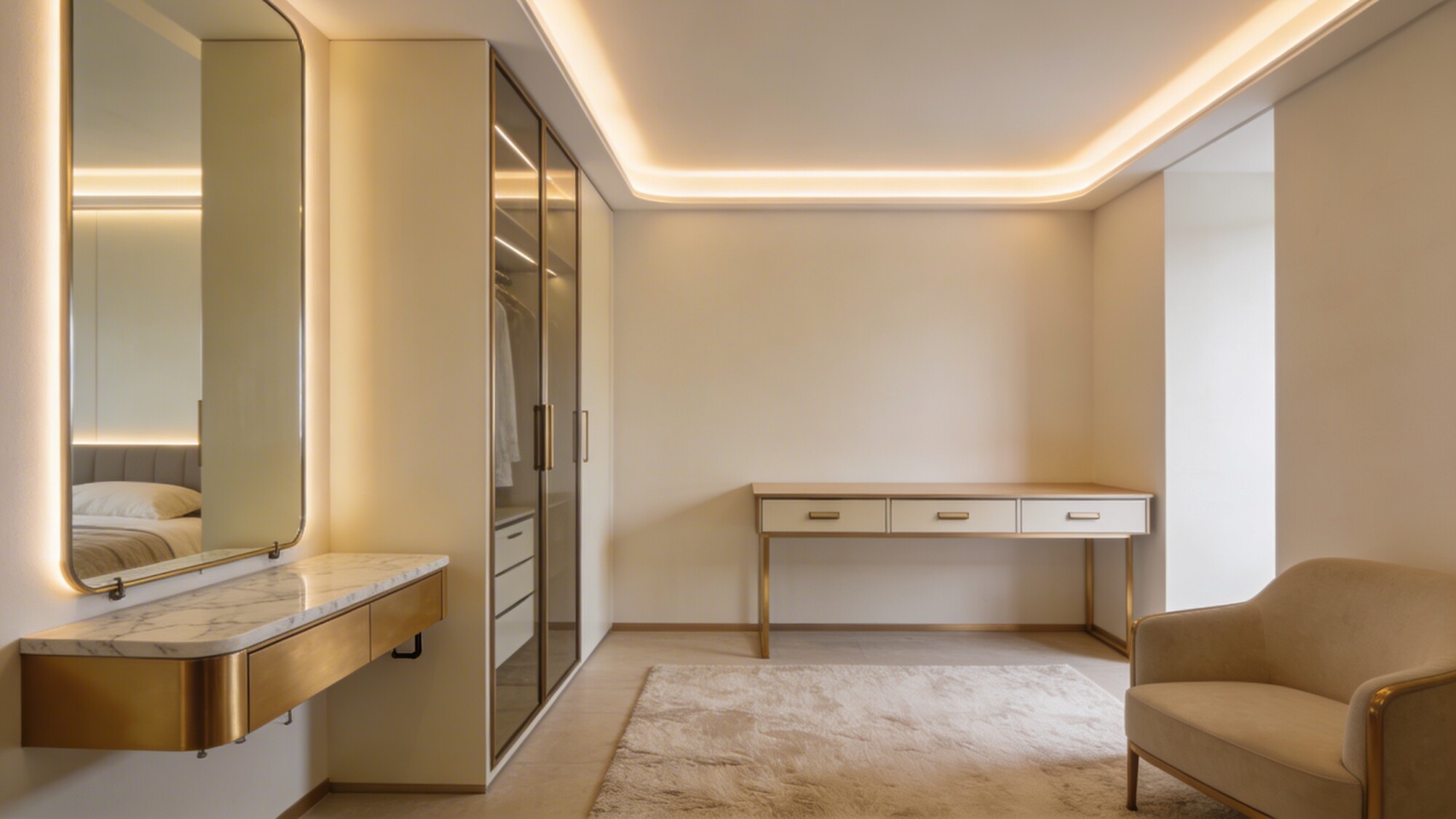
Decluttering is chic. A few well-chosen pieces beat a crowded shelf every time. Choose decor that reflects your personality but won’t overwhelm the room.
Smart Accessories
– A single statement piece, like a framed artwork or a plant wall, adds personality without crowding.
– Use all-white or monochrome frames for a cohesive gallery look.
– Integrate a few favorite keepsakes in hidden storage if possible.
Tech and Practicality: Quiet Comfort Only
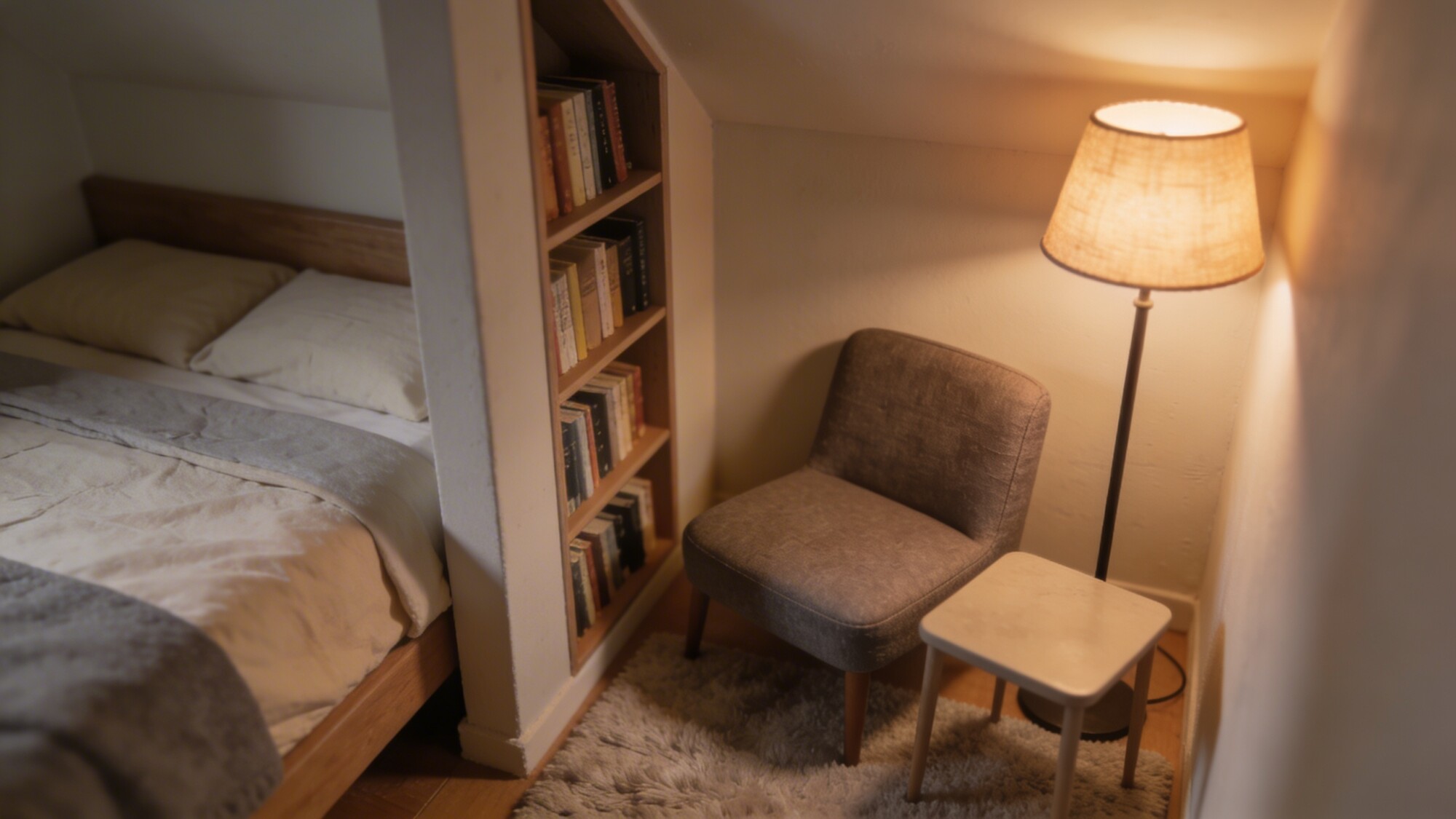
Tech can be a friend in a small room if it’s tucked away. Think charging stations integrated into a nightstand or a compact sound system that doesn’t enforce wall-to-wall cable chaos.
Smart Spots for Cables
– Cord clips along the back of furniture keep wires tidy.
– A rechargeable lamp or wireless charging pad reduces clutter on surfaces.
– Consider a small, stylish cable box to hide chargers.
Personal Touches: Your Room, Your Vibe
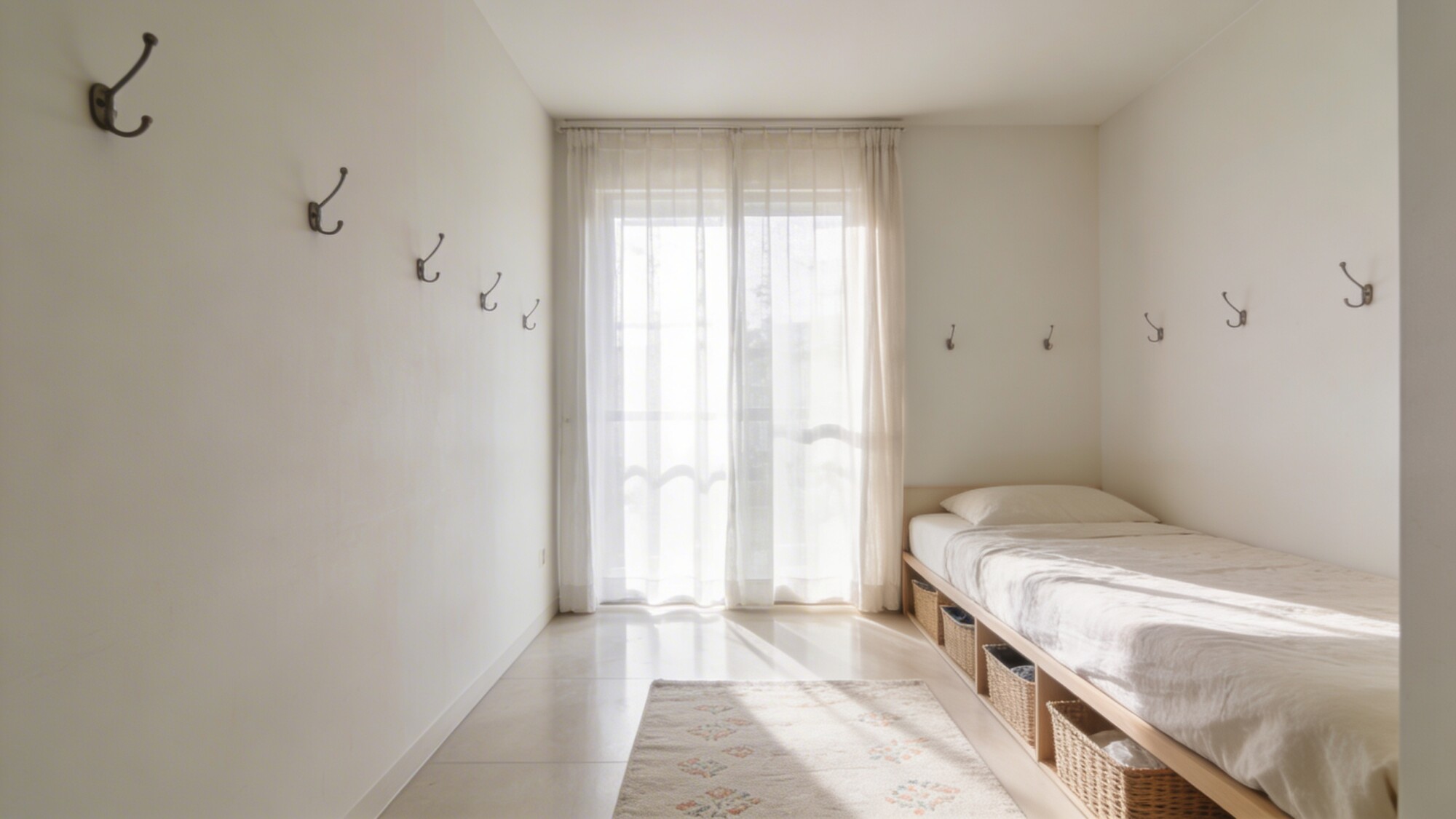
Your small bedroom should feel like you. Add a dash of personality with plants, art that sparks joy, and a scent you love. The goal? A space that feels curated, not crowded.
Plants that Thrive in Tight Spaces
– Choose compact or trailing plants that don’t require heavy care.
– A wall-mounted planter saves floor space while adding life to the room.
– If you’re absent-minded, pick low-maintenance greens like pothos or snake plants.
FAQ
Can I really fit a desk in a small bedroom?
Yes. Look for a compact desk with a slim profile and open legs to keep the floor feeling open. Place it near a window if possible to get natural light during work or study sessions.
What color schemes work best in tiny rooms?
Soft neutrals with an accent color work wonders. Light walls reflect more light, while a bold accent keeps the space from feeling sterile. FYI, avoid overly dark colors on all walls unless you love moody vibes.
How do I make a small bedroom feel larger without renovation?
Maximize light, reduce clutter, and use multipurpose furniture. Mirrors, light colors, and strategic rug placement can dramatically expand the perception of space.
Are there rules for bed placement in a small room?
There’s no universal rule, but avoid placing the bed under a window and try to keep a clear path around it. A bed with storage underneath is a great way to reclaim floor space.
What’s the best way to handle clutter in a small bedroom?
Set up zones: sleeping, dressing, and relaxing. Use under-bed storage, baskets, and vertical shelving to keep surfaces clear. A quick nightly reset—fold, file, and stash—will save you headaches later.
Conclusion
Small bedrooms don’t have to feel puny. With thoughtful layout, smart storage, and color that breathes, you can craft a space that feels bigger, brighter, and incredibly you. FYI, the key is restraint and intention: pick a few clever pieces, keep surfaces clear, and let natural light do the heavy lifting. Ready to start transforming your tiny sanctuary? Trust the power of a well-placed mirror, a warm light, and a bed that earns its keep.