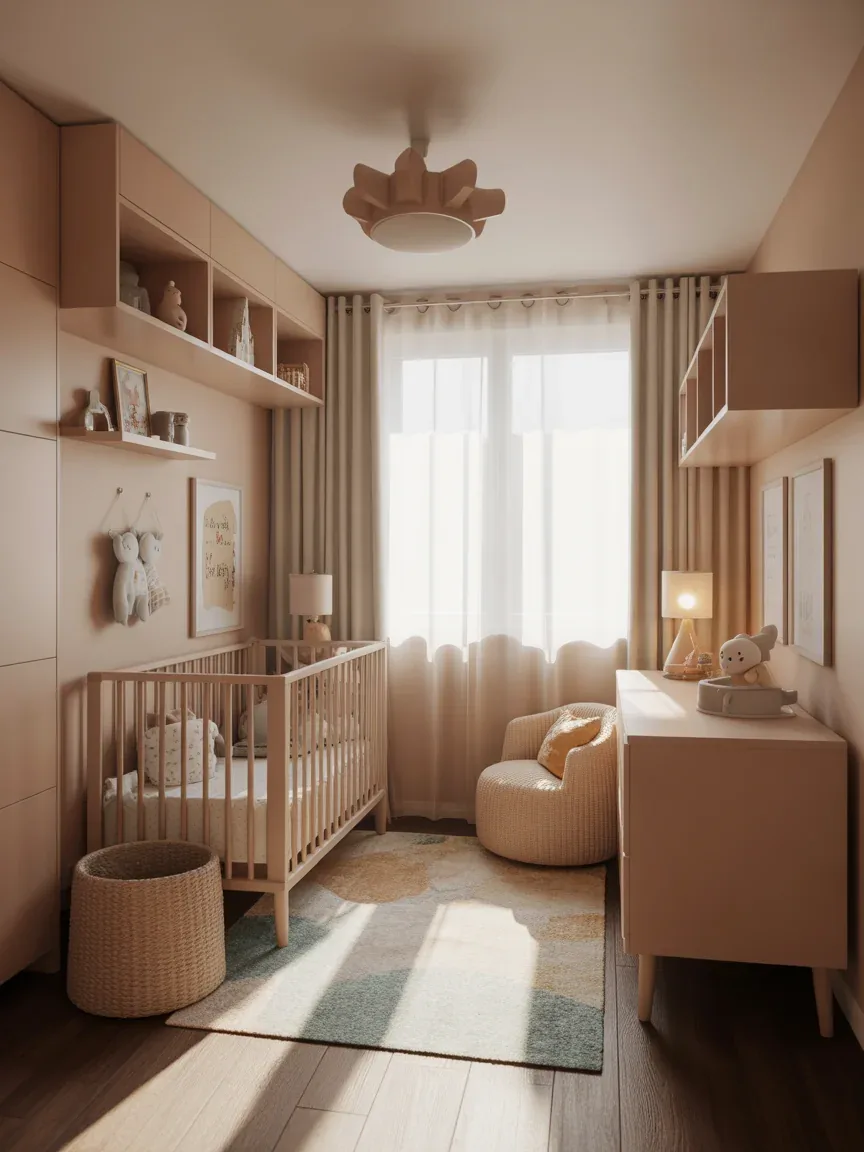
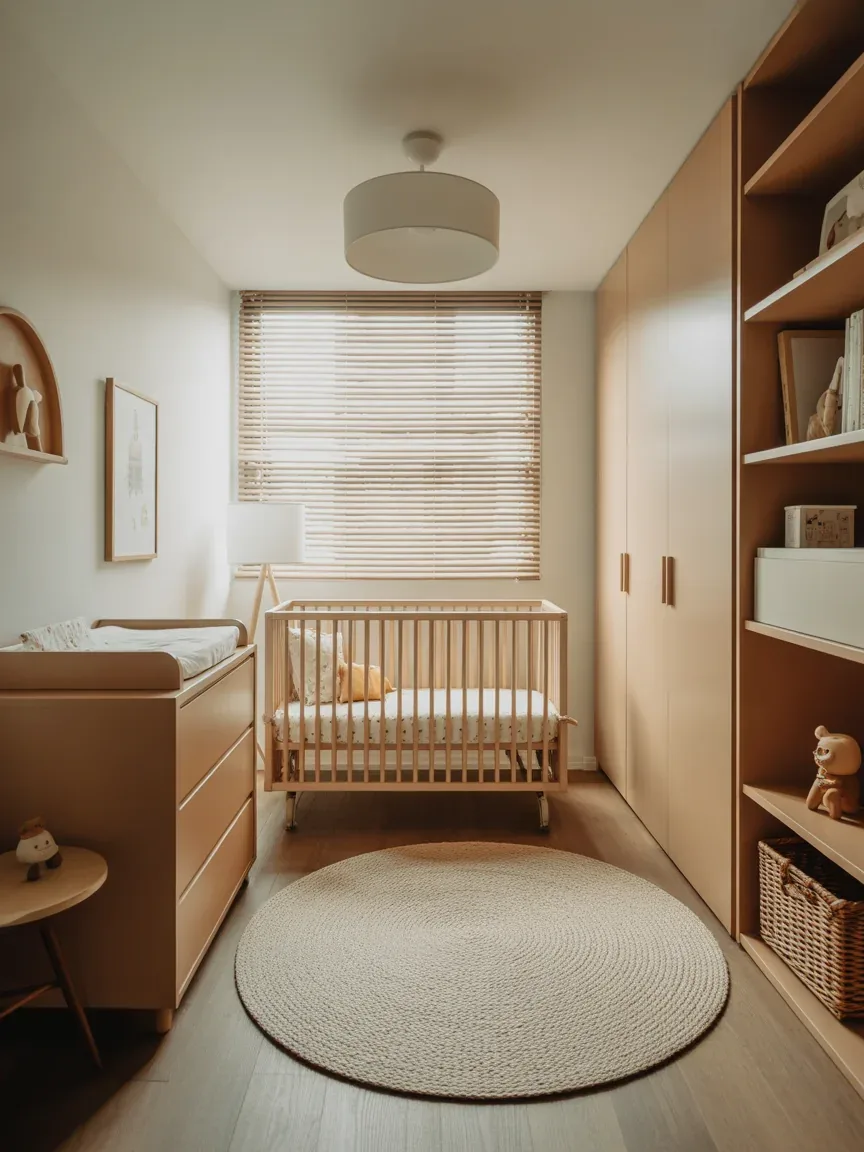
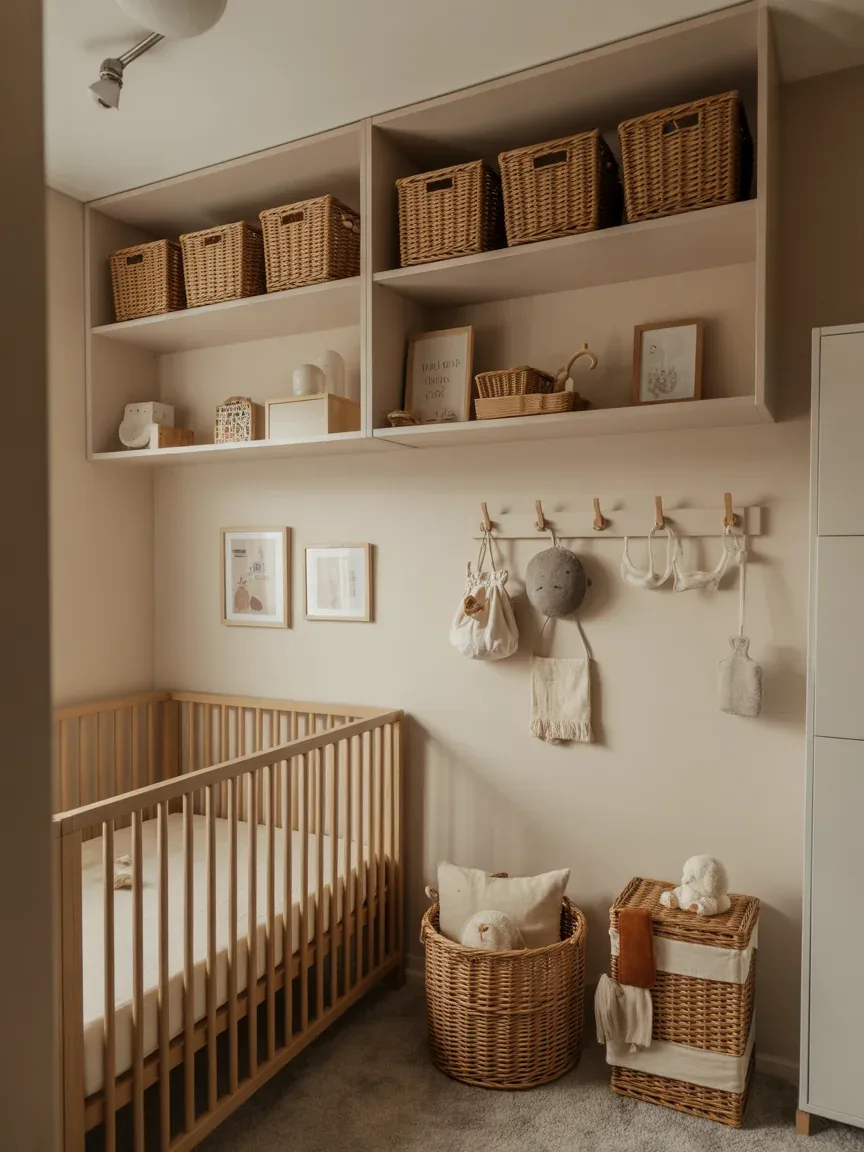
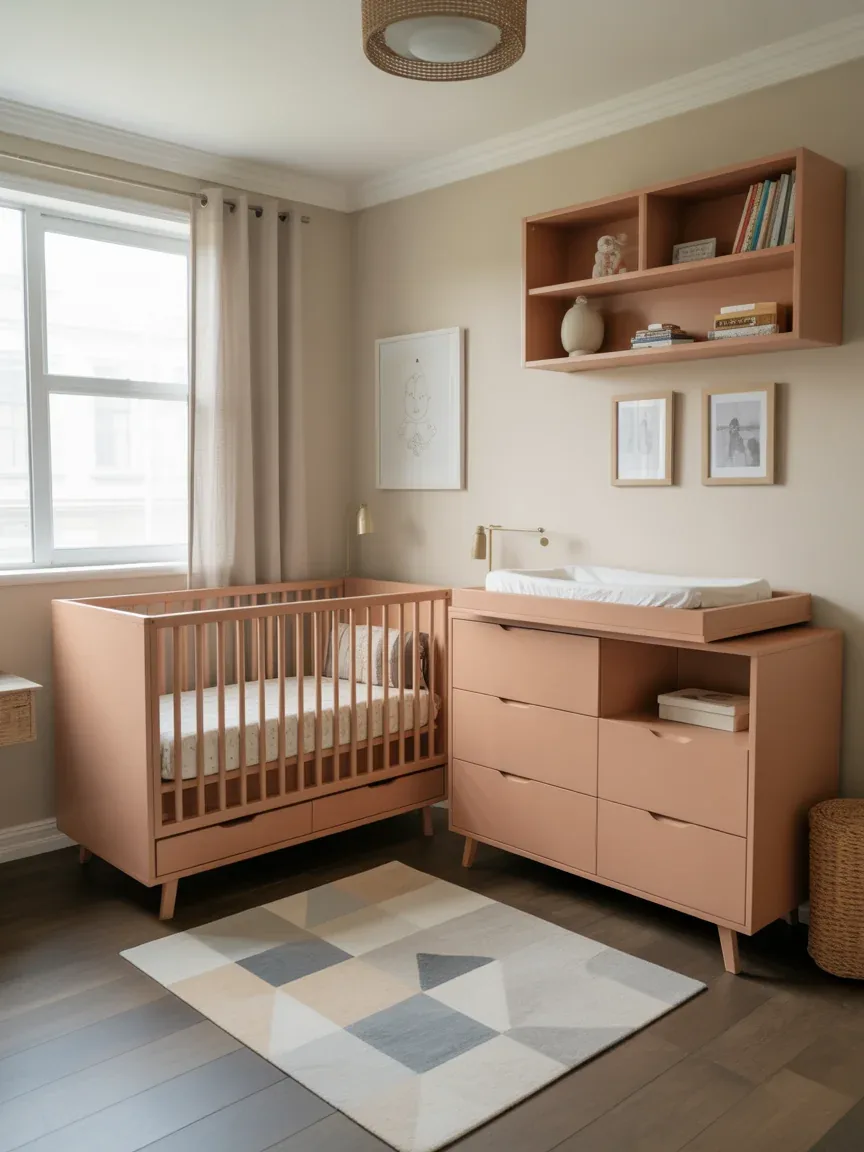
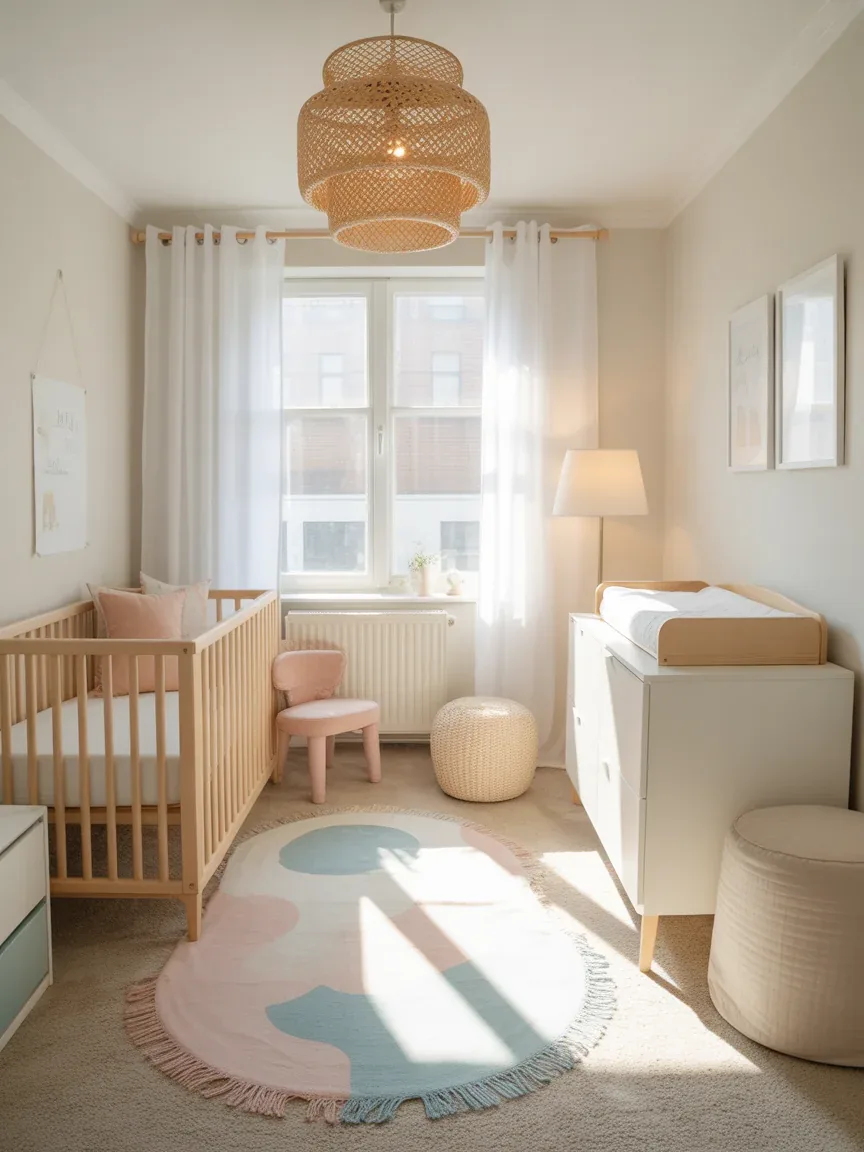
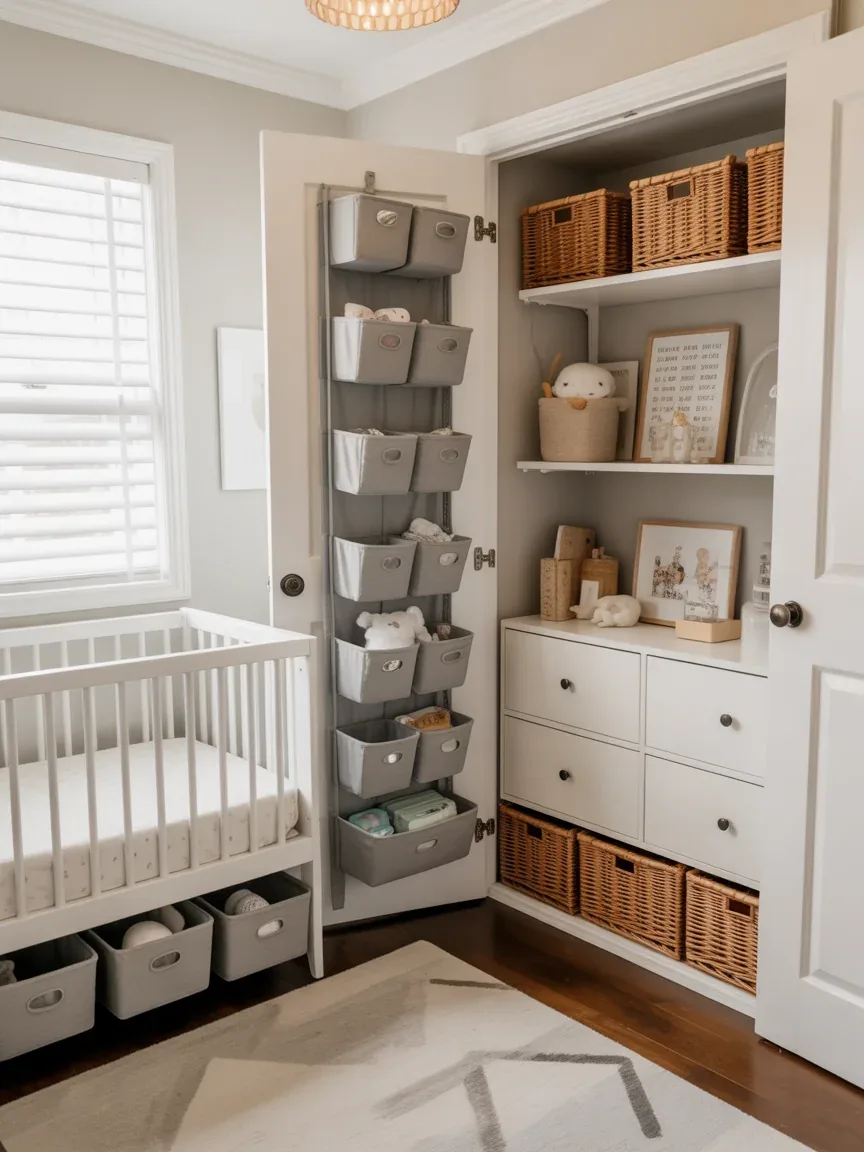
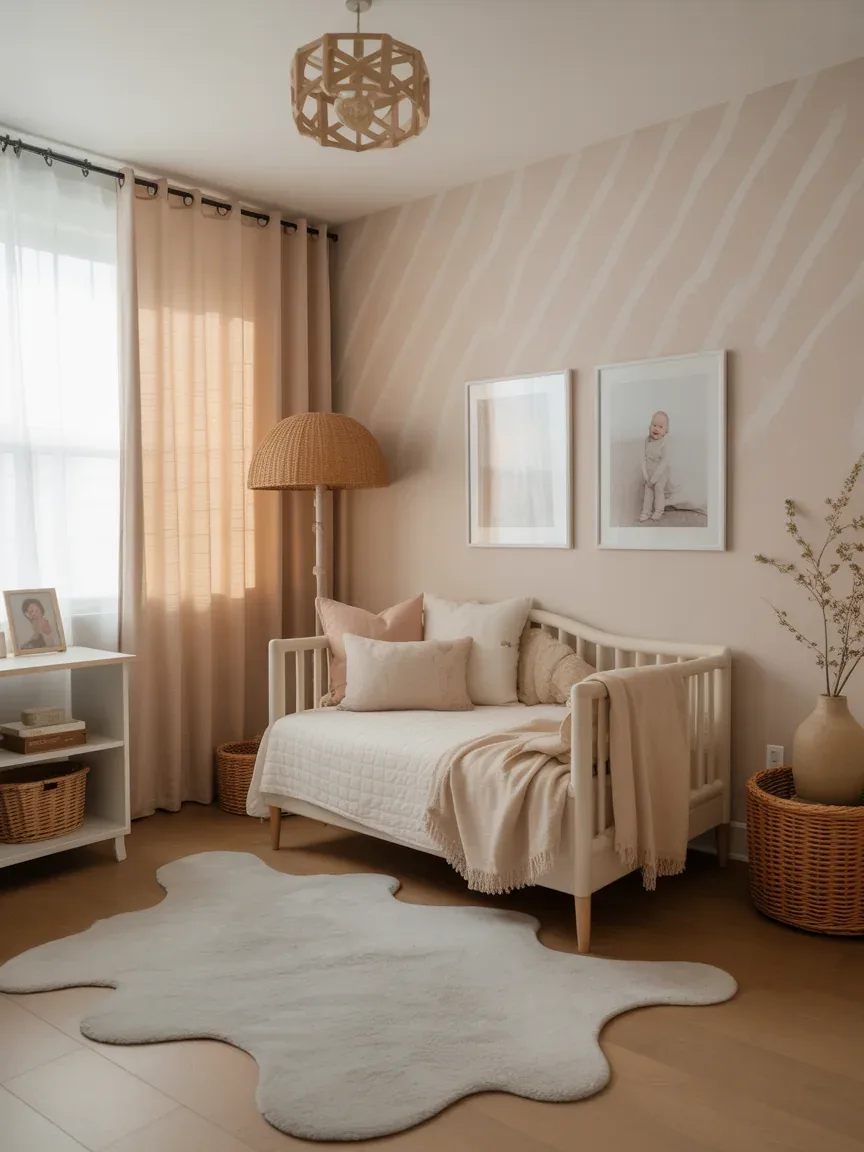
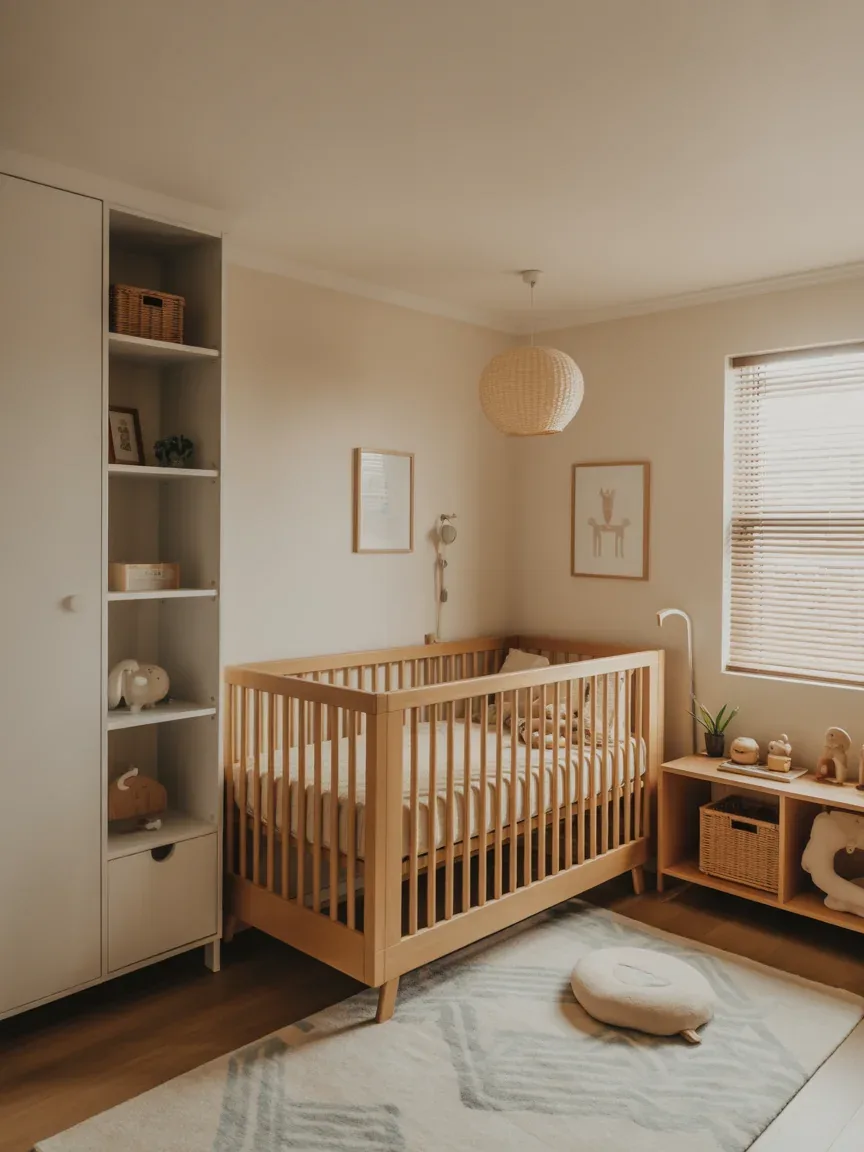
Tiny room? Tiny human? Big challenge. But here’s the good news: you don’t need a massive space to create a dreamy, functional nursery. With a few smart choices and a little creativity, even the smallest corner can feel cozy, organized, and Instagram-worthy. Let’s turn that “how will this even work?” space into something you actually love. Start With a Smart Layout (Not Just Cute Stuff) Before you buy anything, pause. Seriously. Measure your space and think about how you’ll move around daily—especially at 3 AM when you’re half asleep. Focus on essentials: Photo by Planet Volumes on Unsplash Crib Changing area Storage A small feeding spot (if space allows) Keep the layout open and walkable. You don’t want to sidestep furniture like you’re in a maze. Pro Tip: Think Zones, Not Rooms Even in a tiny nursery, you can create “zones”: Sleep zone → crib + minimal decor Care zone → changing table or dresser Storage zone → shelves or baskets This keeps everything feeling intentional instead of cramped. Photo by Brett Jordan on Unsplash Go Vertical or Go Home When floor space disappears, your walls become your best friend. Use vertical space like a pro: Install floating shelves above the crib (securely, please) Hang wall organizers for diapers and essentials Add hooks for bags, blankets, or clothes Vertical storage keeps things accessible without crowding the room. Plus, it looks stylish without trying too hard. Photo by Walls.io on Unsplash What to Avoid Don’t overload the walls. Yes, you can hang 20 things—but should you? Probably not. Keep it clean and purposeful. Choose Multi-Functional Furniture (Your Lifesaver) In a small nursery, every piece of furniture should earn its spot. Look for: Photo by Brett Jordan on Unsplash Cribs with built-in drawers Changing tables that double as dressers Ottomans with hidden storage These pieces save space and reduce clutter—two wins in one. Skip the Extras (IMO) Do you really need a separate rocking chair, glider, and daybed? Nope. Pick one comfy seating option and move on. Keep Colors Light and Airy Dark colors can make small spaces feel even tighter. Instead, go for: Photo by Walls.io on Unsplash Soft whites Light grays Pastels Neutral tones These shades reflect light and create a more open vibe. Add Personality Without Overcrowding Use pops of color in: Bedding Wall art Rugs This way, you keep the room lively without overwhelming it. Use Clever Storage Hacks (Because You’ll Need Them) Babies come with stuff. Lots of it. The trick? Hide it well. Smart storage ideas: Under-crib storage bins Over-the-door organizers Drawer dividers for tiny clothes Stackable baskets Keep frequently used items within reach and stash the rest. Rotate Items Regularly Don’t keep everything out at once. Rotate toys and clothes to avoid clutter. Bonus: it makes old things feel new again. Keep Decor Minimal but Meaningful It’s tempting to go all-out on nursery decor. Resist that urge—especially in a small space. Focus on: One statement wall (wallpaper or decals) A few meaningful items (family photos, keepsakes) Soft textures (rugs, curtains, cushions) Less clutter = more calm. And trust me, you’ll appreciate that later. Think “Cozy,” Not “Crowded” Ask yourself: does this item add comfort or just take up space? If it’s the second one, skip it. Make It Flexible for Growth Babies grow fast. Like, blink-and-they’re-toddlers fast. Choose items that adapt: Convertible cribs Neutral themes that age well Storage that works beyond baby years This saves money and keeps you from redesigning the room every six months. FAQ How do I fit a nursery into a very small room? Start with the basics only—crib, changing area, and storage. Use vertical space and multi-functional furniture to maximize every inch. Can I skip a changing table in a small nursery? Absolutely. Use a dresser with a changing pad on top. It saves space and works longer. What colors make a small nursery look bigger? Light, neutral colors like white, beige, and soft pastels help reflect light and create a more open feel. How do I keep a small nursery organized? Use bins, baskets, and drawer dividers. Keep daily essentials within reach and store extras out of sight. Is it okay to decorate a small nursery heavily? Not really. Too much decor makes the room feel cramped. Stick to a minimal, intentional style. What’s the biggest mistake in small nursery design? Overcrowding. Too much furniture or decor kills both function and comfort. Conclusion Small nursery? No problem. With the right layout, smart storage, and a little restraint (yes, even with all those cute baby items), you can create a space that feels calm, functional, and actually enjoyable to use. Keep it simple, keep it practical, and let the tiny human be the star of the room.
Tiny room? Tiny human? Big challenge. But here’s the good news: you don’t need a massive space to create a dreamy, functional nursery. With a few smart choices and a little creativity, even the smallest corner can feel cozy, organized, and Instagram-worthy. Let’s turn that “how will this even work?” space into something you actually love.
Light, neutral colors like white, beige, and soft pastels help reflect light and create a more open feel.
How do I keep a small nursery organized?
Use bins, baskets, and drawer dividers. Keep daily essentials within reach and store extras out of sight.
Is it okay to decorate a small nursery heavily?
Not really. Too much decor makes the room feel cramped. Stick to a minimal, intentional style.
What’s the biggest mistake in small nursery design?
Overcrowding. Too much furniture or decor kills both function and comfort.
Conclusion
Small nursery? No problem. With the right layout, smart storage, and a little restraint (yes, even with all those cute baby items), you can create a space that feels calm, functional, and actually enjoyable to use. Keep it simple, keep it practical, and let the tiny human be the star of the room.
Listen to this article 10 10 0:00 / 0:00 Speed 0.75×1×1.25×1.5×2× I redid my niece’s room last spring after she declared, out of nowhere, that pink was “for babies now.” So we landed on a blue girls bedroom instead, and honestly? It turned out better than any pink version we’d tried before. Blue reads calm,…
Listen to this article 10 10 0:00 / 0:00 Speed 0.75×1×1.25×1.5×2× Grey gets a bad reputation as the “safe” color, the one people pick when they can’t decide on anything else. But glam bedroom decor grey is a completely different animal — it’s grey used on purpose, layered with texture and a little shine, and…
Listen to this article 10 10 0:00 / 0:00 Speed 0.75×1×1.25×1.5×2× I used to think “glam” meant tufted headboards, crystal everything, and a room that looked like it was auditioning for a music video. Then I actually lived with one of those bedrooms for about eight months and realized — it’s exhausting. So when I…
Listen to this article 10 10 0:00 / 0:00 Speed 0.75×1×1.25×1.5×2× Blending old-world charm with modern ease is one of the most enduring approaches in interior design, and these modern vintage bedroom ideas make it approachable without turning your room into a thrift-store scavenger hunt. From textured walls to antique bedframes, each idea below pairs…
Listen to this article 10 10 0:00 / 0:00 Speed 0.75×1×1.25×1.5×2× Most “modern bedroom” advice online is really just a list of pretty photos with no explanation of why any of it works — or which parts you can skip. This is a working list of modern room ideas bedroom by bedroom, based on what…
Listen to this article 10 10 0:00 / 0:00 Speed 0.75×1×1.25×1.5×2× If you’re searching for bedroom ideas for couples modern homeowners can actually live in, the goal isn’t a showroom look — it’s a shared space that supports two different sleep styles, two sets of belongings, and one relationship. The seven ideas below combine modern…