An eclectic living room looks effortless when it works and completely chaotic when it doesn’t. That’s the magic trick. The goal isn’t to throw random furniture together and hope for the best. It’s about creating a space that feels personal, layered, and collected over time while still looking intentional. If you’ve ever fallen in love with a vintage chair, a modern coffee table, and a colorful rug all at once, you’re already thinking like an eclectic designer. The secret lies in knowing how to connect those pieces into one cohesive story. Start With a Strong Foundation Every great eclectic room needs an anchor. Without one, the space can feel like a furniture showroom where everything accidentally ended up in the same room. Choose a foundation that stays relatively simple. This could include: A neutral wall color A consistent flooring material A large area rug A dominant furniture style Think of your foundation as the stage. The more stable it feels, the more freedom you have to mix things up elsewhere. SAFAVIEH Area Rug 8×10 – Marrakesh Collection – Large – Beige, Mo… [MOROCCAN-INSPIRED DESIGN]: Timeless geometric diamond motifs capture the spirit of traditional Marrakech style, adding … [PLUSH SHAGGY TEXTURE]: Features a soft 3/4″ pile with raised shaggy fibers for cozy comfort underfoot while maintaining… [EASY-CARE & NON-SHEDDING]: Machine-woven from enhanced polyester fibers for durability, low maintenance, and virtually … $211.98 Buy on Amazon Pick a Consistent Color Palette Color acts like glue in eclectic design. You don’t need everything to match, but you do need recurring colors throughout the room. Maybe deep blues appear in the artwork, throw pillows, and a side chair. Perhaps warm terracotta pops up in ceramics, textiles, and decorative accessories. A limited palette helps wildly different pieces feel like they belong together. Mix Styles, Not Chaos Here’s where many people get into trouble. Eclectic design encourages variety, but variety without direction creates confusion. Instead of mixing everything, focus on combining two or three styles. For example: Mid-century modern + vintage Contemporary + bohemian Traditional + industrial Scandinavian + global influences The contrast creates visual interest. The repetition creates harmony. Ask yourself a simple question whenever you add something new: “Does this piece contribute to the story, or is it just taking up space?” Harsh? Maybe. Effective? Absolutely. RELEANY Area Rugs 8’x10′ Washable Non-Slip, Floral Vintage Distre… Machine Washable Rugs Easy to Clean: the surface is water-repellent which allows for easy cleanup when beverages are acc… Soft Surface and Non-slip Backing: this area rug is made of low-pile soft material which feels great underfoot. With its… Sunflower Series – Aesthetic Area Rugs, Beautiful Home Decor: the distress vintage floral pattern gives the area rugs a … $89.99 Buy on Amazon Create Balance Through Repetition The easiest way to make a collected room feel cohesive involves repeating elements throughout the space. You can repeat: Colors Shapes Materials Patterns Textures For example, if you have a brass floor lamp, add brass picture frames or a brass tray elsewhere in the room. If curved silhouettes appear in one area, introduce similar curves in another. Your eye naturally connects these details, creating a sense of order. Repeat Without Copying Repetition doesn’t mean buying matching furniture sets. In fact, eclectic design usually avoids that approach. Instead, repeat themes. A leather armchair can relate to a leather ottoman without matching exactly. A geometric pillow can echo a geometric artwork while still looking unique. The room feels connected without looking predictable. Layer Textures Like a Pro Texture gives eclectic spaces their signature warmth and personality. A room filled with smooth surfaces often feels flat, even if the colors look great. Mixing textures adds depth and keeps things interesting. Consider combining: Linen upholstery Velvet pillows Woven baskets Natural wood furniture Metal accents Ceramic decor When multiple textures work together, the room instantly feels richer and more inviting. IMO, texture often matters more than color. A neutral room with amazing texture usually feels more interesting than a colorful room with none. Let Statement Pieces Take Center Stage Every eclectic room benefits from a few attention-grabbing pieces. Maybe it’s a dramatic vintage cabinet. Maybe it’s oversized artwork. Maybe it’s a bold emerald-green sofa that practically introduces itself when guests walk in. The key? Limit the number of stars. If everything screams for attention, nothing gets noticed. Choose One Focal Point Pick one major focal point and build around it. Popular focal points include: 1. A fireplace 2. A statement sofa 3. A gallery wall 4. A large piece of artwork 5. An eye-catching light fixture Once you establish that focal point, let supporting pieces play their role without competing. Think lead singer versus backup band. Master the Art of the Gallery Wall Few design elements capture the eclectic spirit better than a thoughtfully curated gallery wall. Gallery walls allow you to mix: Art prints Photography Vintage finds Mirrors Personal mementos The trick involves maintaining some consistency. You might use similar frame colors. You could stick to a unified color palette. Or you might keep even spacing between frames. Avoid the “Random Nail” Approach Many gallery walls fail because people hang items wherever space appears. Before hammering anything into the wall: Lay the arrangement on the floor Experiment with layouts Take photos of different options Refine the composition A little planning saves a lot of regret. And a lot of unnecessary wall patching. Leave Room for Personality The best eclectic living rooms don’t look like catalog pages. They reflect the people who live there. Display books you actually read. Showcase travel souvenirs. Frame family photos. Add quirky objects that spark conversations. These personal touches transform a beautiful room into a meaningful one. FYI, perfection often feels boring. Character creates connection. Some of the most memorable interiors include unexpected combinations that technically shouldn’t work but somehow do. That’s where personality wins. Edit More Than You Add This may sound strange in an article about eclectic design, but restraint matters. Many homeowners focus entirely on collecting pieces. Few spend enough time editing them. Step back occasionally and evaluate the room. Ask yourself: Does every item contribute something? Is the room feeling crowded? Are focal points getting lost? Could removing one thing improve everything else? Sometimes the secret to a better eclectic room isn’t finding another treasure. It’s letting an existing one shine. FAQ What is eclectic living room design? Eclectic design combines elements from different styles, eras, and influences within one space. The goal involves creating a personalized look that feels curated rather than perfectly matched. How many design styles should I mix? Most successful eclectic rooms combine two or three primary styles. Mixing too many styles at once can make the room feel unfocused. What colors work best in an eclectic living room? Almost any color palette can work. The important part involves repeating key colors throughout the room to create visual unity. How do I prevent an eclectic room from looking cluttered? Use a consistent color palette, establish clear focal points, and edit regularly. Every piece should serve a purpose, either functional or decorative. Can eclectic design work in small living rooms? Absolutely. Small spaces often benefit from eclectic design because carefully chosen pieces add character without requiring extra square footage. Do furniture pieces need to match? No. In fact, eclectic rooms usually look better when furniture pieces complement rather than match each other exactly. Conclusion Creating a cohesive yet collected eclectic living room comes down to balance. Mix styles with intention, repeat key elements, layer textures, and give your favorite pieces room to shine. Most importantly, fill the space with items that tell your story. When personality meets thoughtful design, eclectic style stops looking random and starts looking unforgettable.
An eclectic living room looks effortless when it works and completely chaotic when it doesn’t. That’s the magic trick. The goal isn’t to throw random furniture together and hope for the best. It’s about creating a space that feels personal, layered, and collected over time while still looking intentional.
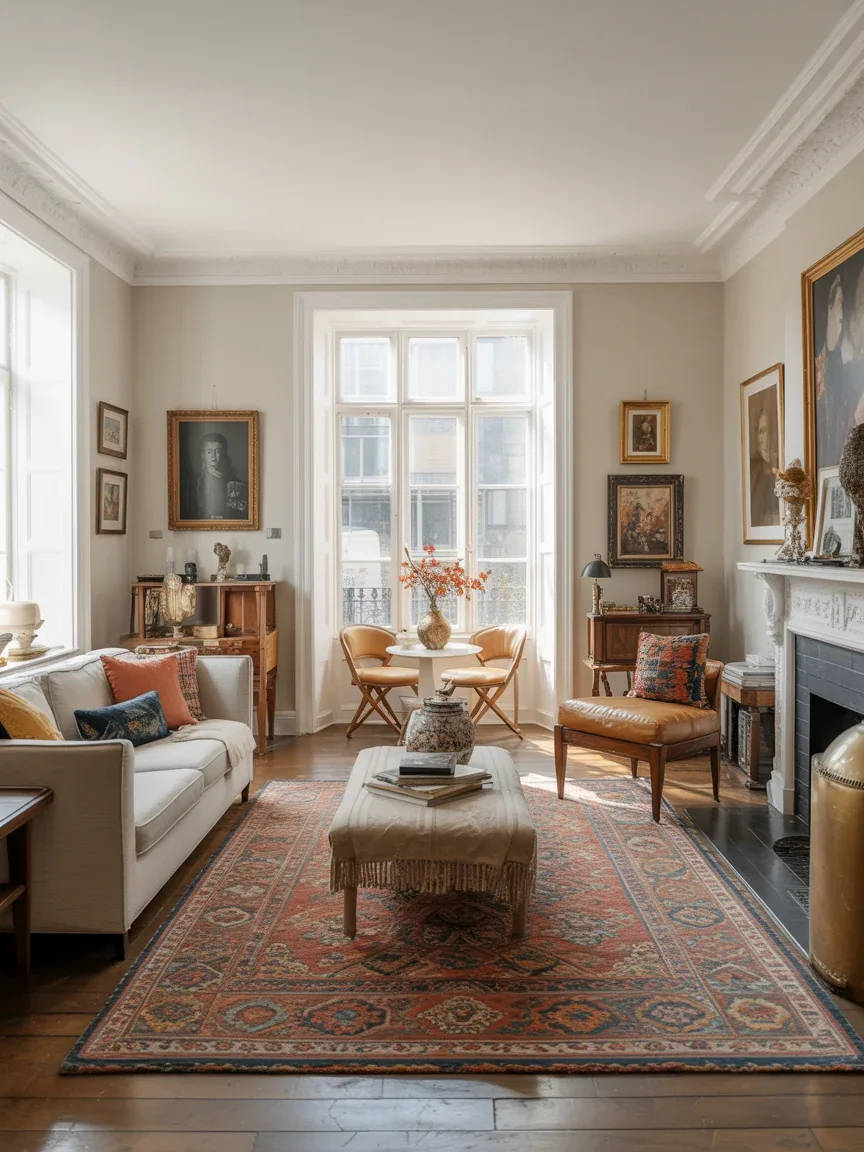
If you’ve ever fallen in love with a vintage chair, a modern coffee table, and a colorful rug all at once, you’re already thinking like an eclectic designer. The secret lies in knowing how to connect those pieces into one cohesive story.
Every great eclectic room needs an anchor. Without one, the space can feel like a furniture showroom where everything accidentally ended up in the same room.
Choose a foundation that stays relatively simple. This could include:
A neutral wall color
A consistent flooring material
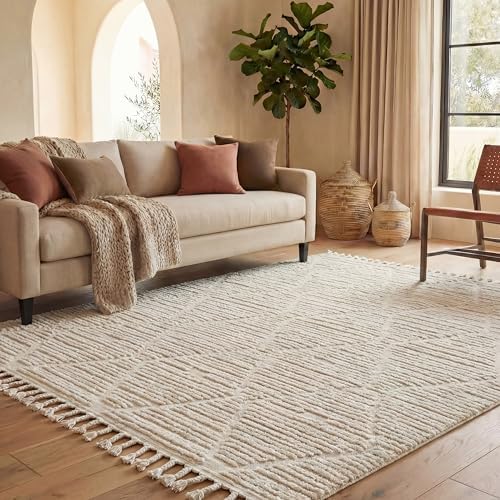
A large area rug
A dominant furniture style
Think of your foundation as the stage. The more stable it feels, the more freedom you have to mix things up elsewhere.
You don’t need everything to match, but you do need recurring colors throughout the room. Maybe deep blues appear in the artwork, throw pillows, and a side chair. Perhaps warm terracotta pops up in ceramics, textiles, and decorative accessories.
A limited palette helps wildly different pieces feel like they belong together.
The easiest way to make a collected room feel cohesive involves repeating elements throughout the space.
You can repeat:
Colors
Shapes
Materials
Patterns
Textures
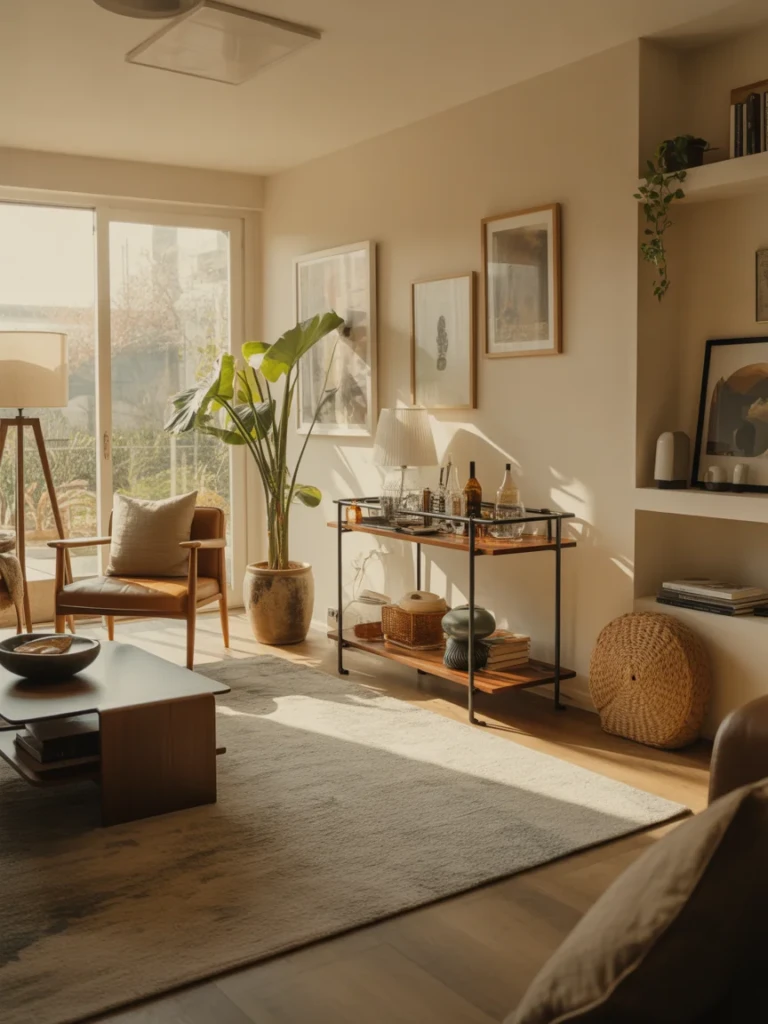
For example, if you have a brass floor lamp, add brass picture frames or a brass tray elsewhere in the room. If curved silhouettes appear in one area, introduce similar curves in another.
Your eye naturally connects these details, creating a sense of order.
Repeat Without Copying
Repetition doesn’t mean buying matching furniture sets. In fact, eclectic design usually avoids that approach.
Instead, repeat themes.
A leather armchair can relate to a leather ottoman without matching exactly. A geometric pillow can echo a geometric artwork while still looking unique.
The room feels connected without looking predictable.
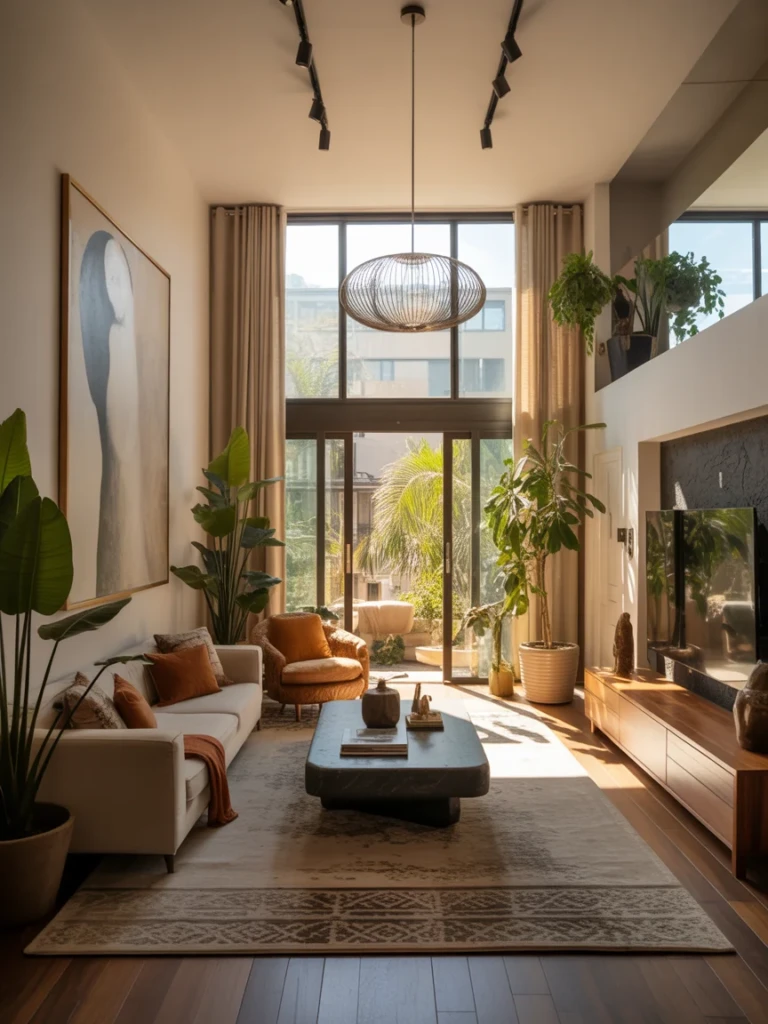
Every eclectic room benefits from a few attention-grabbing pieces.
Maybe it’s a dramatic vintage cabinet. Maybe it’s oversized artwork. Maybe it’s a bold emerald-green sofa that practically introduces itself when guests walk in.
The key? Limit the number of stars.
If everything screams for attention, nothing gets noticed.
Choose One Focal Point
Pick one major focal point and build around it.
Popular focal points include:
1. A fireplace
2. A statement sofa
3. A gallery wall
4. A large piece of artwork
5. An eye-catching light fixture
Once you establish that focal point, let supporting pieces play their role without competing.
This may sound strange in an article about eclectic design, but restraint matters.
Many homeowners focus entirely on collecting pieces. Few spend enough time editing them.
Step back occasionally and evaluate the room.
Ask yourself:
Does every item contribute something?
Is the room feeling crowded?
Are focal points getting lost?
Could removing one thing improve everything else?
Sometimes the secret to a better eclectic room isn’t finding another treasure.
It’s letting an existing one shine.
FAQ
What is eclectic living room design?
Eclectic design combines elements from different styles, eras, and influences within one space. The goal involves creating a personalized look that feels curated rather than perfectly matched.
How many design styles should I mix?
Most successful eclectic rooms combine two or three primary styles. Mixing too many styles at once can make the room feel unfocused.
What colors work best in an eclectic living room?
Almost any color palette can work. The important part involves repeating key colors throughout the room to create visual unity.
How do I prevent an eclectic room from looking cluttered?
Use a consistent color palette, establish clear focal points, and edit regularly. Every piece should serve a purpose, either functional or decorative.
Can eclectic design work in small living rooms?
Absolutely. Small spaces often benefit from eclectic design because carefully chosen pieces add character without requiring extra square footage.
Do furniture pieces need to match?
No. In fact, eclectic rooms usually look better when furniture pieces complement rather than match each other exactly.
Conclusion
Creating a cohesive yet collected eclectic living room comes down to balance. Mix styles with intention, repeat key elements, layer textures, and give your favorite pieces room to shine. Most importantly, fill the space with items that tell your story. When personality meets thoughtful design, eclectic style stops looking random and starts looking unforgettable.
Listen to this article 10 10 0:00 / 0:00 Speed 0.75×1×1.25×1.5×2× That weird empty corner in your living room? Yeah, the one you keep pretending doesn’t exist. It’s not a lost cause—it’s actually prime real estate waiting to shine. With the right idea, that awkward angle can become the most interesting spot in your entire…
Listen to this article 10 10 0:00 / 0:00 Speed 0.75×1×1.25×1.5×2× High ceilings look stunning… until your living room starts feeling like an echo chamber. You know the vibe—beautiful but oddly empty and a little too formal. The good news? You don’t need a full renovation to fix it. With a few smart styling moves,…
Listen to this article 10 10 0:00 / 0:00 Speed 0.75×1×1.25×1.5×2× Thanksgiving decor hits differently when your home actually feels cozy instead of looking like a craft store exploded in the living room. You want warmth, texture, candlelight, and those little details that make everyone linger around the table longer than usual. That sweet spot…
Listen to this article 10 10 0:00 / 0:00 Speed 0.75×1×1.25×1.5×2× A stunning outdoor patio doesn’t need a luxury price tag. With a little creativity and a few smart choices, you can turn a plain backyard, balcony, or patio into a space that feels welcoming, stylish, and surprisingly expensive-looking. The best part? You don’t need…
Listen to this article 10 10 0:00 / 0:00 Speed 0.75×1×1.25×1.5×2× Short on space but craving style? These 7 floating shelf ideas are your fast track to a wow-worthy display. Spoiler: they’re foolproof and fun. 1. Layer Textures Like a Pro Texture is the secret sauce that makes shelves look curated, not chaotic. Mix smooth…
Listen to this article 10 10 0:00 / 0:00 Speed 0.75×1×1.25×1.5×2× Your backyard is begging for an upgrade, and honestly, a basic patio just isn’t cutting it anymore. Imagine mixing drinks under the stars, music playing, friends refusing to leave. That’s the energy we’re going for. These outdoor bar ideas turn any yard into the…