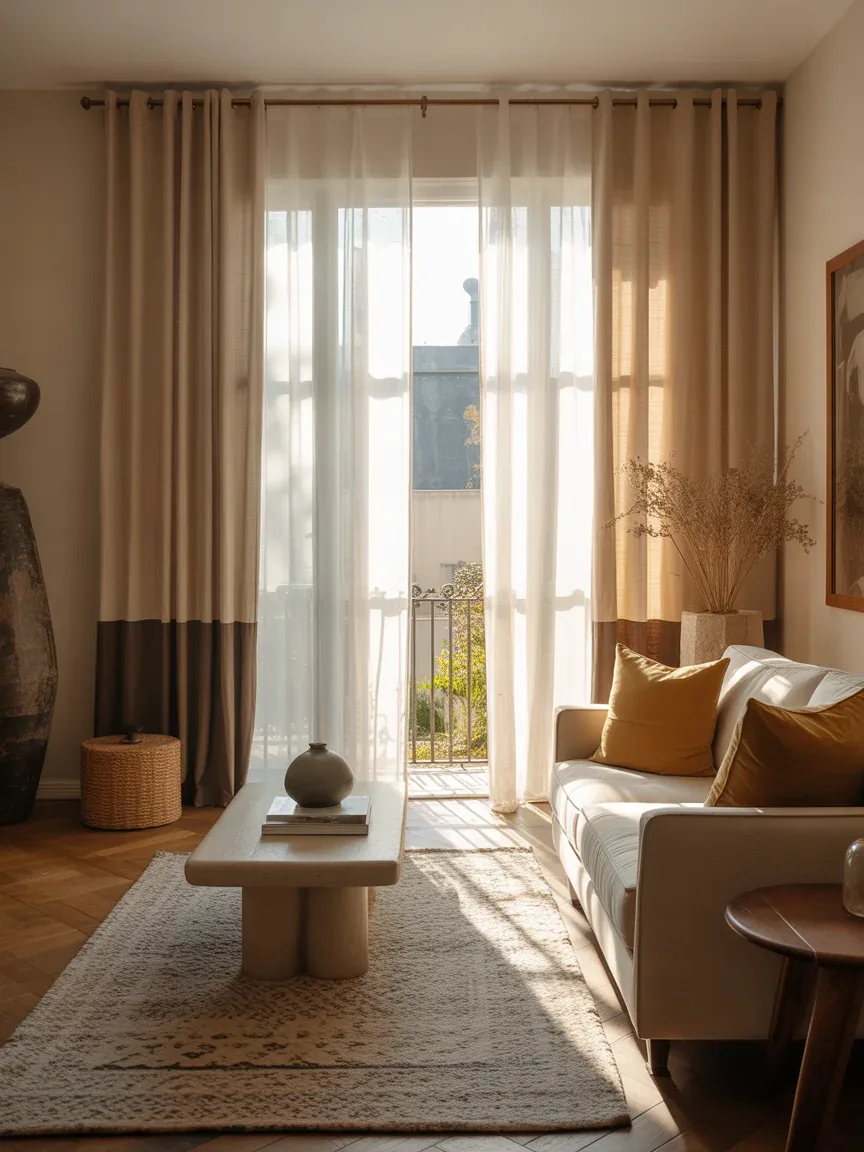
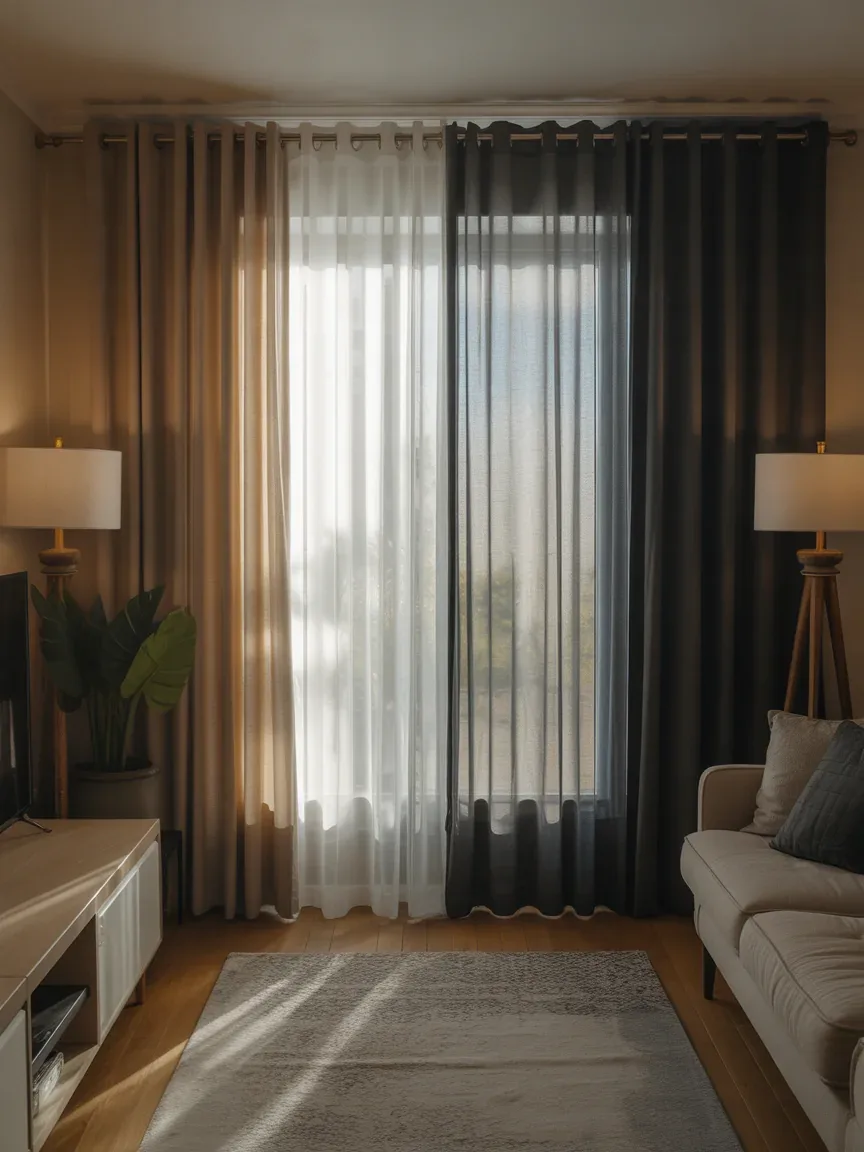
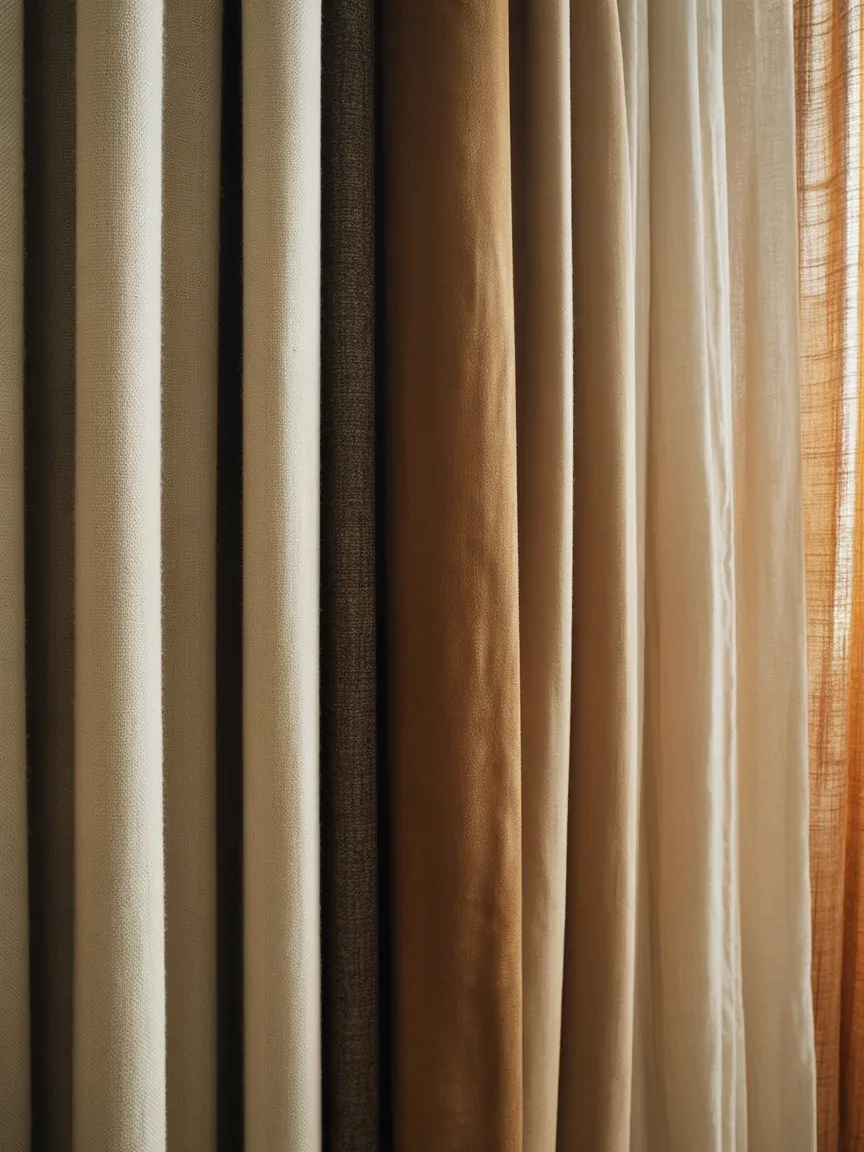
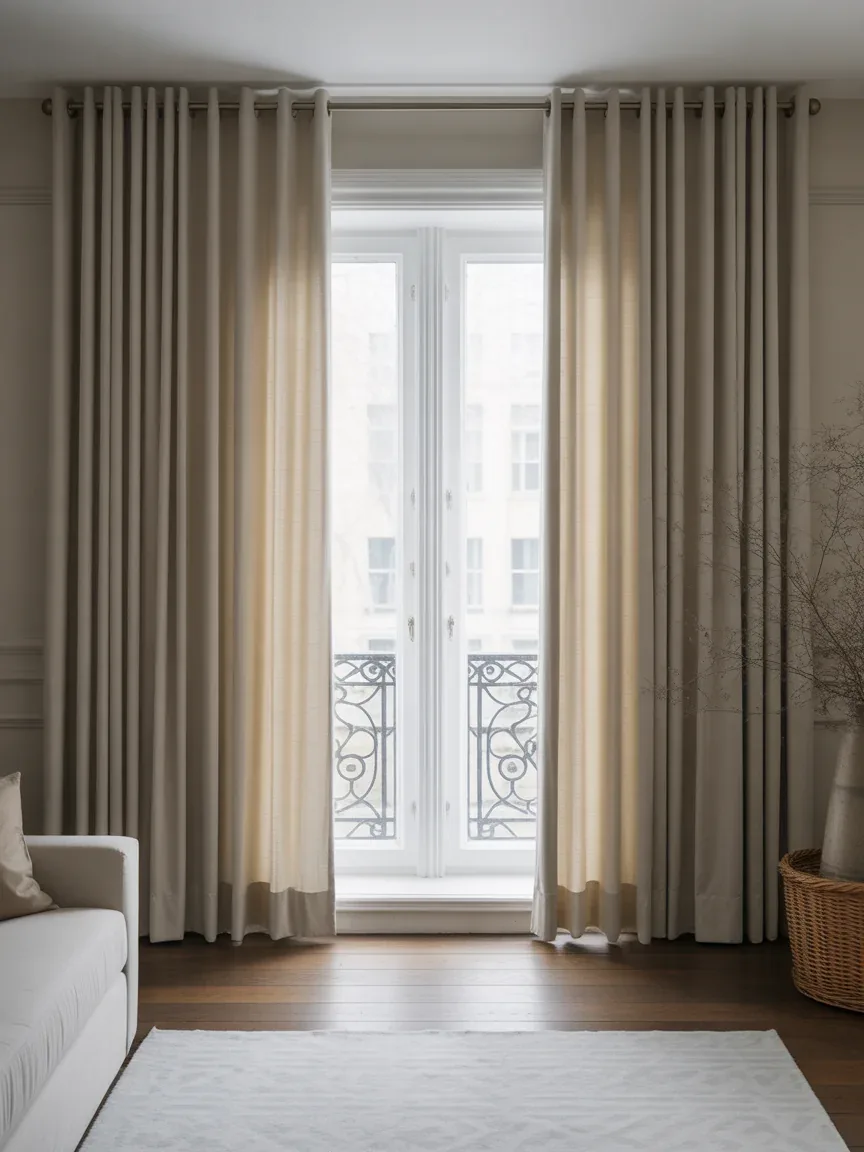
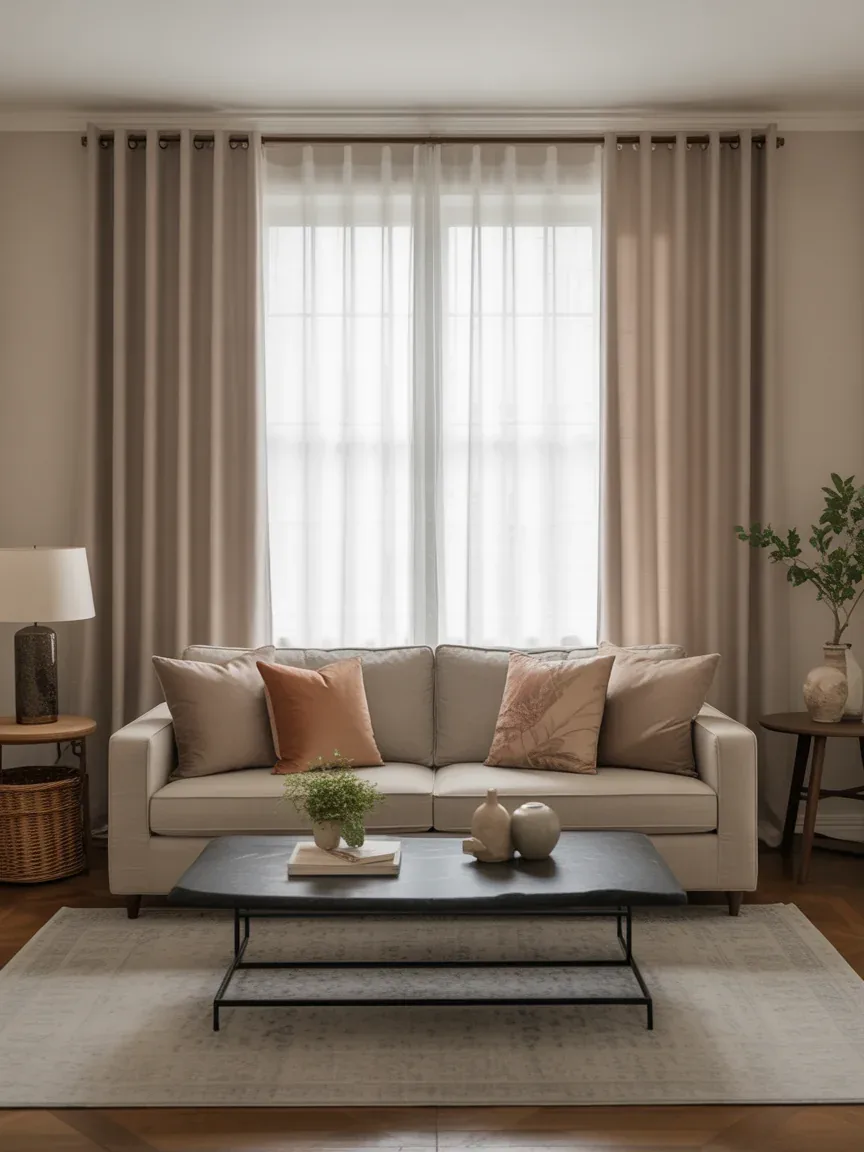
Curtains can make or break your living room—no exaggeration. Get them right, and your space looks polished, cozy, and intentional. Get them wrong, and suddenly everything feels… off. The good news? You don’t need a design degree to nail it—you just need to think like a designer. Let’s break it down in a way that actually makes sense (and won’t send you into a Pinterest spiral). Start With the Function (Yes, Before Style) Before you fall in love with a gorgeous fabric, ask yourself: what do you actually need these curtains to do? Photo by Danilo Rios on Unsplash Designers always start here, because function drives everything. Want privacy? Go for thicker fabrics or lined curtains Need light control? Blackout or room-darkening panels Just adding style? Sheers or lightweight fabrics work great If your living room gets blasted with sunlight, sheer curtains alone won’t cut it (unless you enjoy squinting through movie night). Light vs Privacy: Pick Your Priority You can’t always have both perfectly—so choose your main goal. Photo by Jack B on Unsplash More light: Sheer or semi-sheer curtains More privacy: Heavier fabrics like velvet, linen blends, or blackout IMO, layering both (sheers + heavier panels) gives you the best of both worlds. Choose the Right Fabric (Texture = Personality) Fabric sets the tone of your entire living room. Seriously. Think of it like clothing—linen feels relaxed, velvet feels dramatic, cotton feels classic. Photo by Nong on Unsplash Here’s a quick cheat sheet: Linen: Airy, casual, slightly wrinkled (in a good way) Velvet: Luxe, heavy, great for cozy vibes Cotton: Clean, versatile, easy to maintain Silk: Elegant, but high-maintenance (proceed carefully) Match Fabric to Your Room Style Your curtains should talk to the rest of your space. Modern room? Go for sleek, minimal fabrics Traditional room? Heavier, richer materials work better Boho vibe? Light, flowy textures win If your sofa says “chill,” your curtains shouldn’t scream “royal palace.” Photo by Ashutosh Dave on Unsplash Nail the Length and Height (This Is Where Most People Mess Up) Designers almost never hang curtains just above the window frame. That’s the rookie move. Instead, they hang them higher and wider to create the illusion of bigger windows and taller ceilings. The Golden Rules Hang curtain rods 4–8 inches above the window (or closer to the ceiling) Extend rods 6–12 inches beyond the window frame Let curtains just touch the floor (or slightly puddle for drama) Short curtains that hover awkwardly above the floor? Instant downgrade. Photo by Alex Gorin on Unsplash Pick Colors That Actually Work (Not Just “Look Nice”) Color matters more than you think. Curtains cover a lot of visual space, so they influence the whole room. Ask yourself: do you want them to blend in or stand out? Safe vs Statement Choices Neutral curtains: Blend seamlessly, timeless, low risk Bold colors/patterns: Add personality, act as a focal point If your living room already has a lot going on (patterns, colors, textures), keep curtains simple. If your space feels a bit flat, curtains can bring it to life. Designer Trick: Pull From Existing Colors Look around your room: Sofa Rug Pillows Artwork Pick a curtain color that already exists in small doses. This ties everything together without trying too hard. Don’t Ignore Hardware (It Matters More Than You Think) Curtain rods and hardware are like accessories—they complete the look. Cheap-looking rods can drag down even the nicest curtains. What to Look For Metal finishes: Black, brass, chrome—choose based on your room’s vibe Wood rods: Great for warm, classic spaces Finials (rod ends): Subtle or decorative, depending on your style Keep it cohesive. If your room has warm tones, don’t randomly throw in a cool-toned chrome rod. Layer Like a Designer (Because One Curtain Is Boring) Want that high-end, magazine-worthy look? Layer your curtains. It’s not complicated, but it makes a huge difference. The Classic Layering Combo Sheer curtains (inner layer) Heavier drapes (outer layer) This setup lets you control light throughout the day while adding depth and softness. Bonus: it instantly makes your space feel more expensive. No joke. Get the Width Right (Fullness = Luxury) Flat, stretched-out curtains look sad. Designers always go for fullness. The Rule of Thumb Your curtain width should be 2–2.5 times the width of your window. Why? Because when curtains are closed, they still need to look full—not like a stretched bedsheet. More fabric = more folds = more luxury. FAQ How high should I hang my curtains? Hang them 4–8 inches above the window frame or closer to the ceiling for a taller look. Higher placement instantly elevates the room. Should curtains touch the floor? Yes—always. Curtains should either just touch the floor or slightly puddle. Anything shorter looks unfinished. Are sheer curtains enough for a living room? They work if you only want light and a soft look. But if you need privacy, layer them with heavier curtains. What color curtains go with everything? Neutrals like white, beige, gray, or soft taupe work with almost any design style and won’t clash. How do I make my curtains look more expensive? Hang them higher and wider Choose fuller panels Use quality rods and hardware Layer with sheers Small tweaks, big upgrade. Can I mix patterns in curtains? Yes—but keep balance. If your room already has patterns, go subtle. If your space feels plain, curtains can add that extra visual interest. Conclusion Choosing curtains like a designer isn’t about following strict rules—it’s about understanding balance, proportion, and purpose. Start with function, pick the right fabric, hang them properly, and don’t skimp on fullness. And honestly? When in doubt, go a little bigger, a little higher, and a little fuller. Designers do it all the time—and now, so can you.
Curtains can make or break your living room—no exaggeration. Get them right, and your space looks polished, cozy, and intentional. Get them wrong, and suddenly everything feels… off. The good news? You don’t need a design degree to nail it—you just need to think like a designer.
Bold colors/patterns: Add personality, act as a focal point
If your living room already has a lot going on (patterns, colors, textures), keep curtains simple. If your space feels a bit flat, curtains can bring it to life.
Designer Trick: Pull From Existing Colors
Look around your room:
Sofa
Rug
Pillows
Artwork
Pick a curtain color that already exists in small doses. This ties everything together without trying too hard.
Don’t Ignore Hardware (It Matters More Than You Think)
Curtain rods and hardware are like accessories—they complete the look.
Cheap-looking rods can drag down even the nicest curtains.
What to Look For
Metal finishes: Black, brass, chrome—choose based on your room’s vibe
Wood rods: Great for warm, classic spaces
Finials (rod ends): Subtle or decorative, depending on your style
Keep it cohesive. If your room has warm tones, don’t randomly throw in a cool-toned chrome rod.
Layer Like a Designer (Because One Curtain Is Boring)
Want that high-end, magazine-worthy look? Layer your curtains.
It’s not complicated, but it makes a huge difference.
The Classic Layering Combo
Sheer curtains (inner layer)
Heavier drapes (outer layer)
This setup lets you control light throughout the day while adding depth and softness.
Bonus: it instantly makes your space feel more expensive. No joke.
Get the Width Right (Fullness = Luxury)
Flat, stretched-out curtains look sad. Designers always go for fullness.
The Rule of Thumb
Your curtain width should be 2–2.5 times the width of your window.
Why?
Because when curtains are closed, they still need to look full—not like a stretched bedsheet.
More fabric = more folds = more luxury.
FAQ
How high should I hang my curtains?
Hang them 4–8 inches above the window frame or closer to the ceiling for a taller look. Higher placement instantly elevates the room.
Should curtains touch the floor?
Yes—always. Curtains should either just touch the floor or slightly puddle. Anything shorter looks unfinished.
Are sheer curtains enough for a living room?
They work if you only want light and a soft look. But if you need privacy, layer them with heavier curtains.
What color curtains go with everything?
Neutrals like white, beige, gray, or soft taupe work with almost any design style and won’t clash.
How do I make my curtains look more expensive?
Hang them higher and wider
Choose fuller panels
Use quality rods and hardware
Layer with sheers
Small tweaks, big upgrade.
Can I mix patterns in curtains?
Yes—but keep balance. If your room already has patterns, go subtle. If your space feels plain, curtains can add that extra visual interest.
Conclusion
Choosing curtains like a designer isn’t about following strict rules—it’s about understanding balance, proportion, and purpose. Start with function, pick the right fabric, hang them properly, and don’t skimp on fullness.
And honestly? When in doubt, go a little bigger, a little higher, and a little fuller. Designers do it all the time—and now, so can you.
Listen to this article 10 10 0:00 / 0:00 Speed 0.75×1×1.25×1.5×2× Want your rental to look like it belongs in a home decor magazine without risking your security deposit? You’re definitely not alone. The good news is that you don’t need a sledgehammer, renovation budget, or a very forgiving landlord to create a beautiful space….
Listen to this article 10 10 0:00 / 0:00 Speed 0.75×1×1.25×1.5×2× A blue couch is basically the main character of your living room. It’s bold, versatile, and somehow manages to feel both calm and dramatic at the same time. Whether you’re into cozy vibes, modern minimalism, or full-on maximalist chaos (the good kind), a blue…
Listen to this article 10 10 0:00 / 0:00 Speed 0.75×1×1.25×1.5×2× Let’s be honest—most “masculine” living rooms either look like a bachelor pad cliché or a furniture showroom with zero personality. You deserve better. Think rich textures, confident colors, and spaces that actually feel lived-in (but still sharp). These ideas strike that sweet spot between…
Listen to this article 10 10 0:00 / 0:00 Speed 0.75×1×1.25×1.5×2× Tiny backyards deserve way more love than they get. You don’t need a celebrity landscaping budget or a team of gardeners named Chad to create an outdoor space that feels dreamy. A few smart DIY upgrades can completely change the vibe without draining your…
Listen to this article 10 10 0:00 / 0:00 Speed 0.75×1×1.25×1.5×2× A bathroom shelf has one job a living room shelf doesn’t: surviving steam, splashes, and daily humidity swings without warping, staining, or growing mildew behind a pretty jar. Good floating shelf decor bathroom setups account for that from the start — material choice and…
Listen to this article 10 10 0:00 / 0:00 Speed 0.75×1×1.25×1.5×2× Your apartment doesn’t need to look like a temporary waiting room just because you rent. You can add color, texture, and serious personality without upsetting your landlord or sacrificing your security deposit. Honestly, some of the best decor hacks come from renters who got…