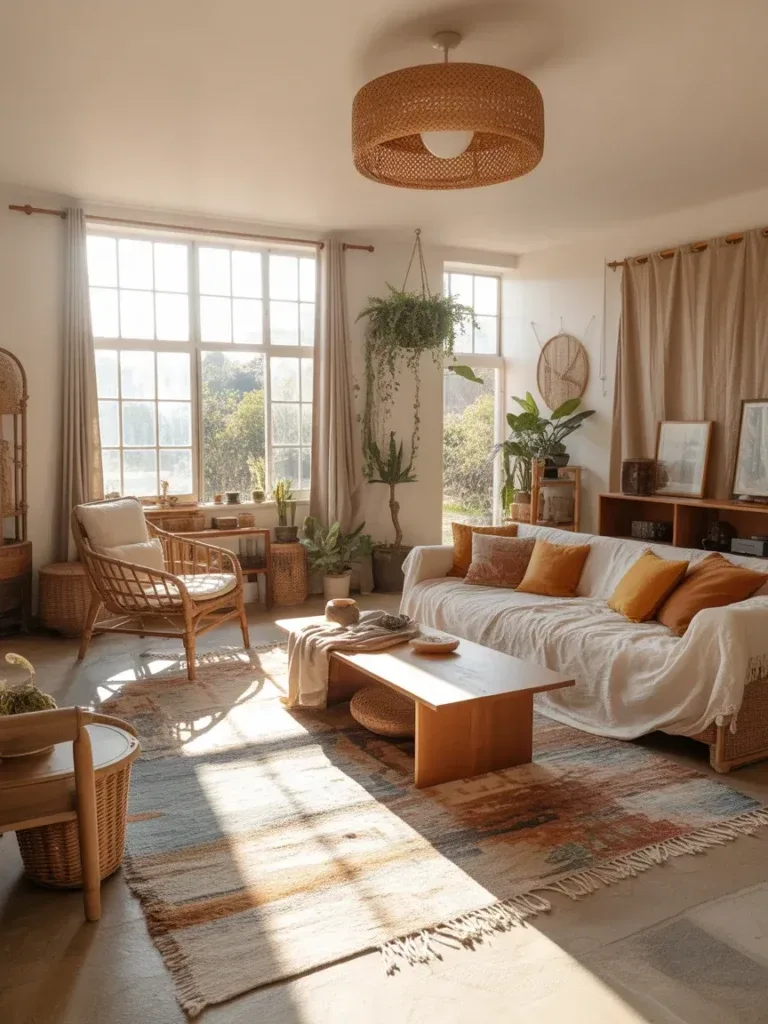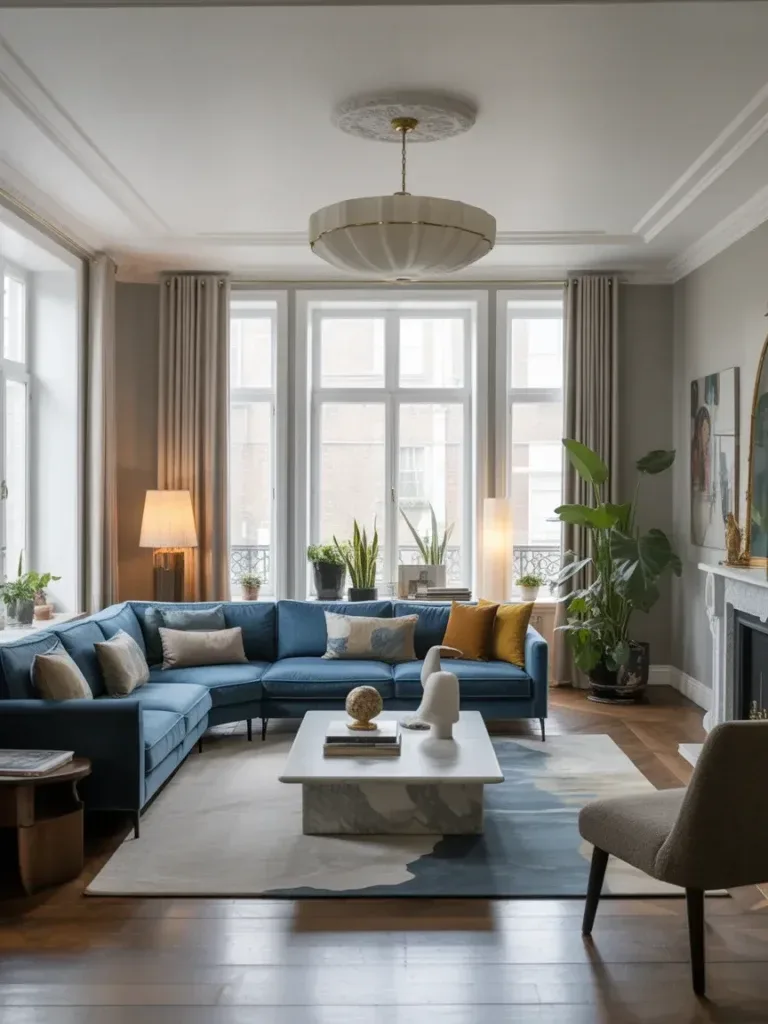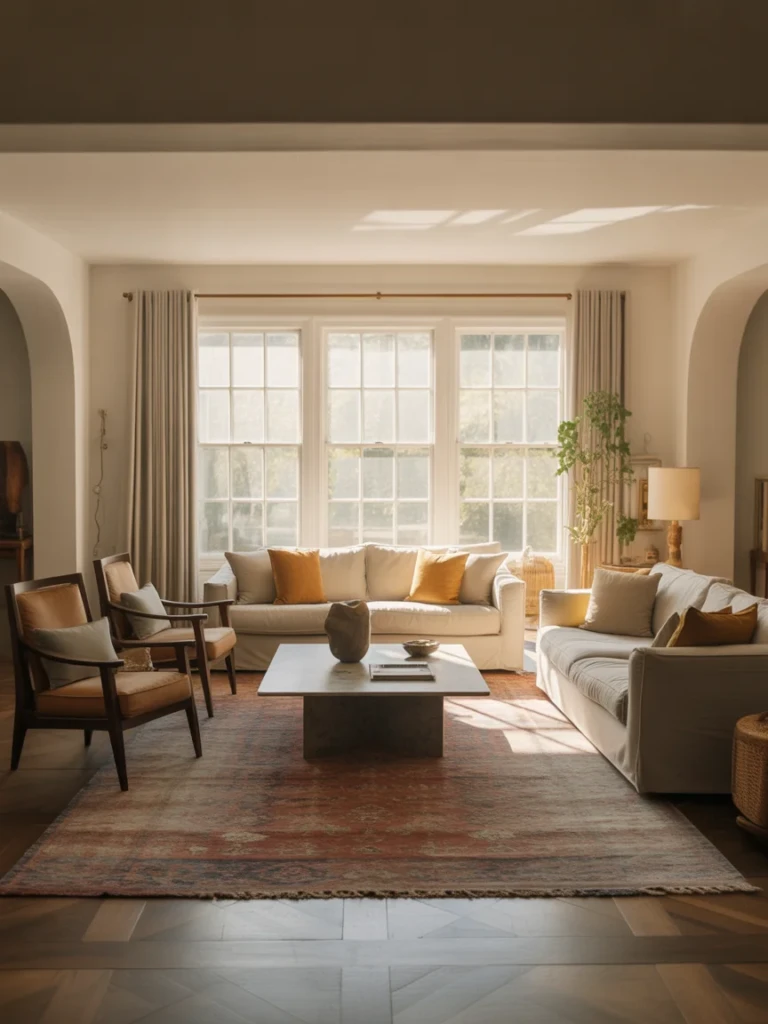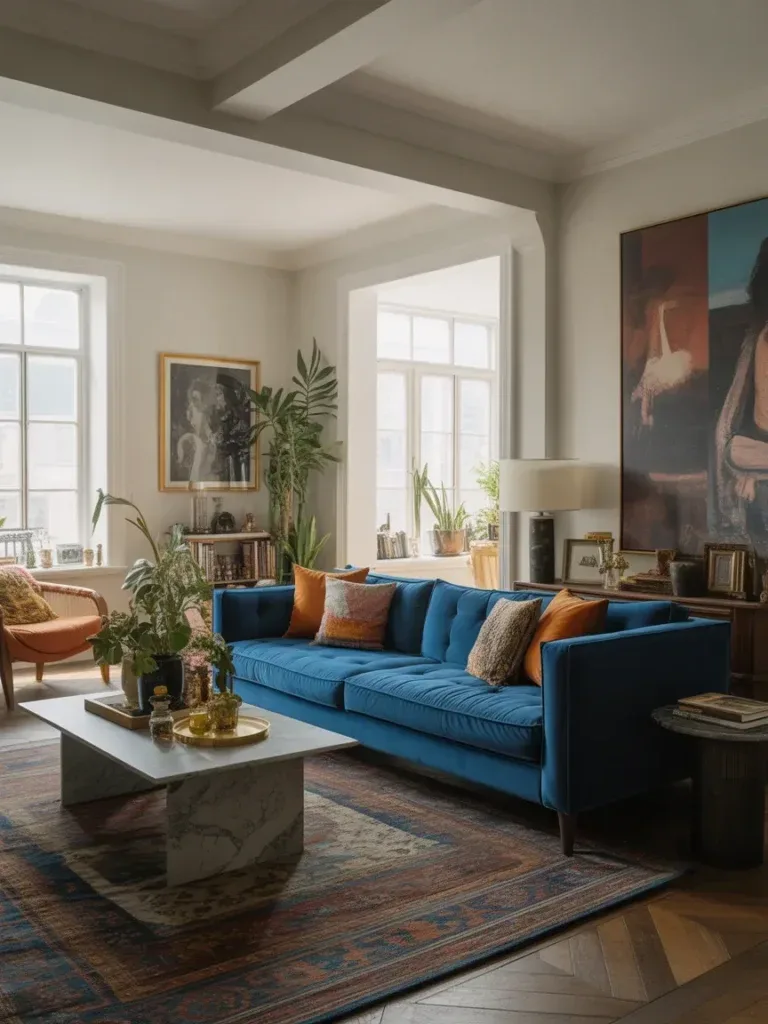
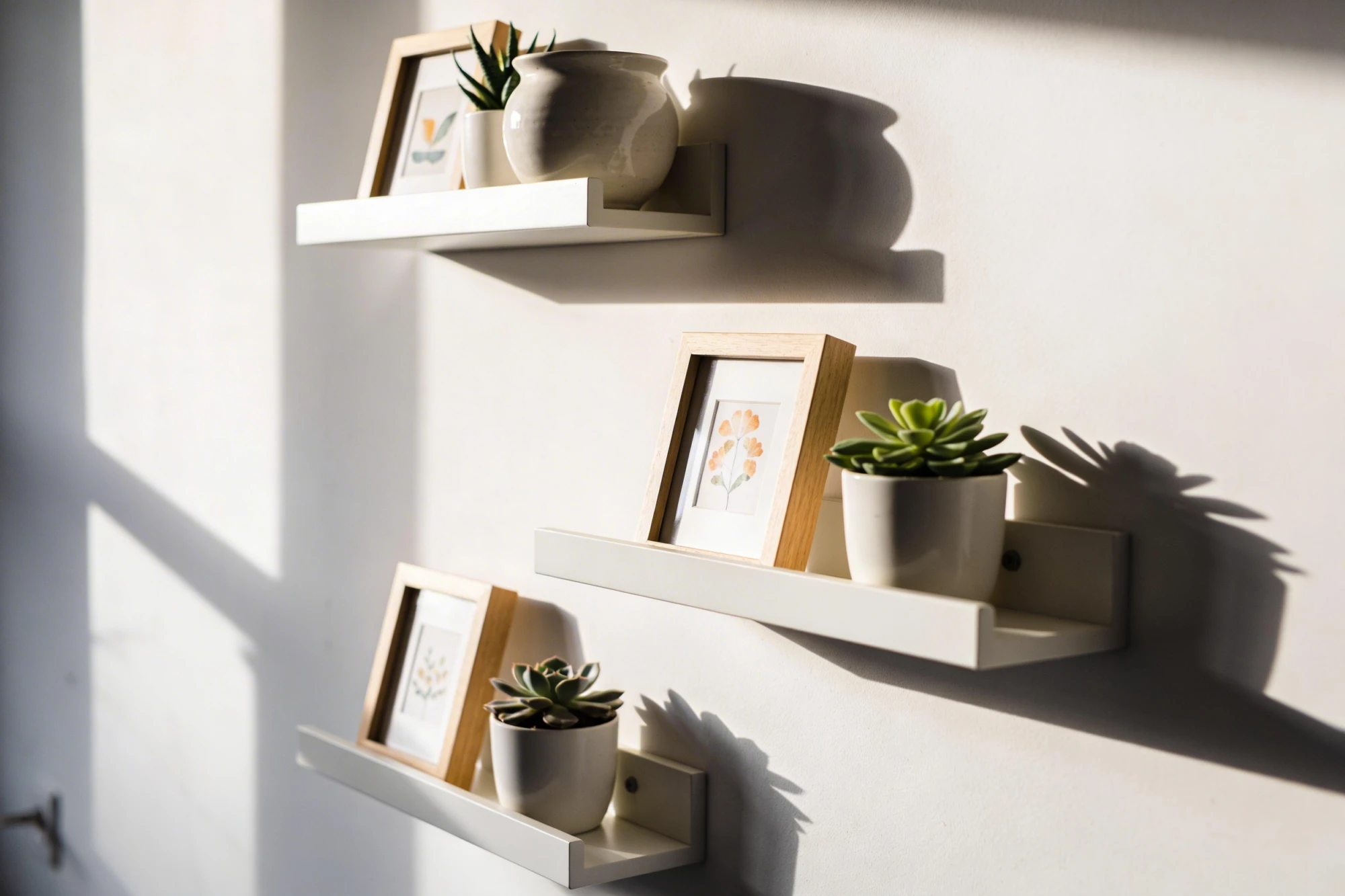
Spark Joy with 7 Small Floating Shelf Decor
A small floating shelf takes up almost no wall space, but it changes how a whole room reads. Instead of a blank stretch of drywall, you get a spot for a plant, a stack of books, or the one ceramic bowl you keep moving from room to room because it never has a real home. If you want a broader sweep of options before committing to one look, this roundup of floating shelf decor ideas is worth a look first.
Small floating shelf decor works because it’s low-commitment. One shelf, a handful of screws or a couple of anchors, and you’ve got a display surface that didn’t exist an hour ago. The seven setups below cover the situations that come up most: bare walls that need personality, corners that get good light and nothing else, and everyday objects that deserve better than a nightstand pile.
Quick Takeaways
- Two to three shelves, staggered vertically, read better than one long shelf crammed with objects.
- Low profile floating shelves (4–6 inches deep) suit hallways and tight bedside spots; anything meant to hold books needs more depth.
- Test the layout with painter’s tape or command strips before you drill — swapping shelf height after the fact means patching holes.
- Pick one dominant material or finish per shelf. Mixing wood, metal, and glass on the same shelf usually looks cluttered rather than curated.
Why Small Floating Shelf Decor Works in Almost Any Room
The appeal isn’t really the shelf — it’s what a shelf lets you avoid. No shelving unit eating up floor space, no bulky bookcase competing with furniture. A small wooden wall shelf mounted at the right height does the job of a side table or a display cabinet without the footprint. That’s why the same basic idea shows up in bedrooms, hallways, and living rooms with almost no modification.
1. Mini Gallery Shelves for a Bare Wall
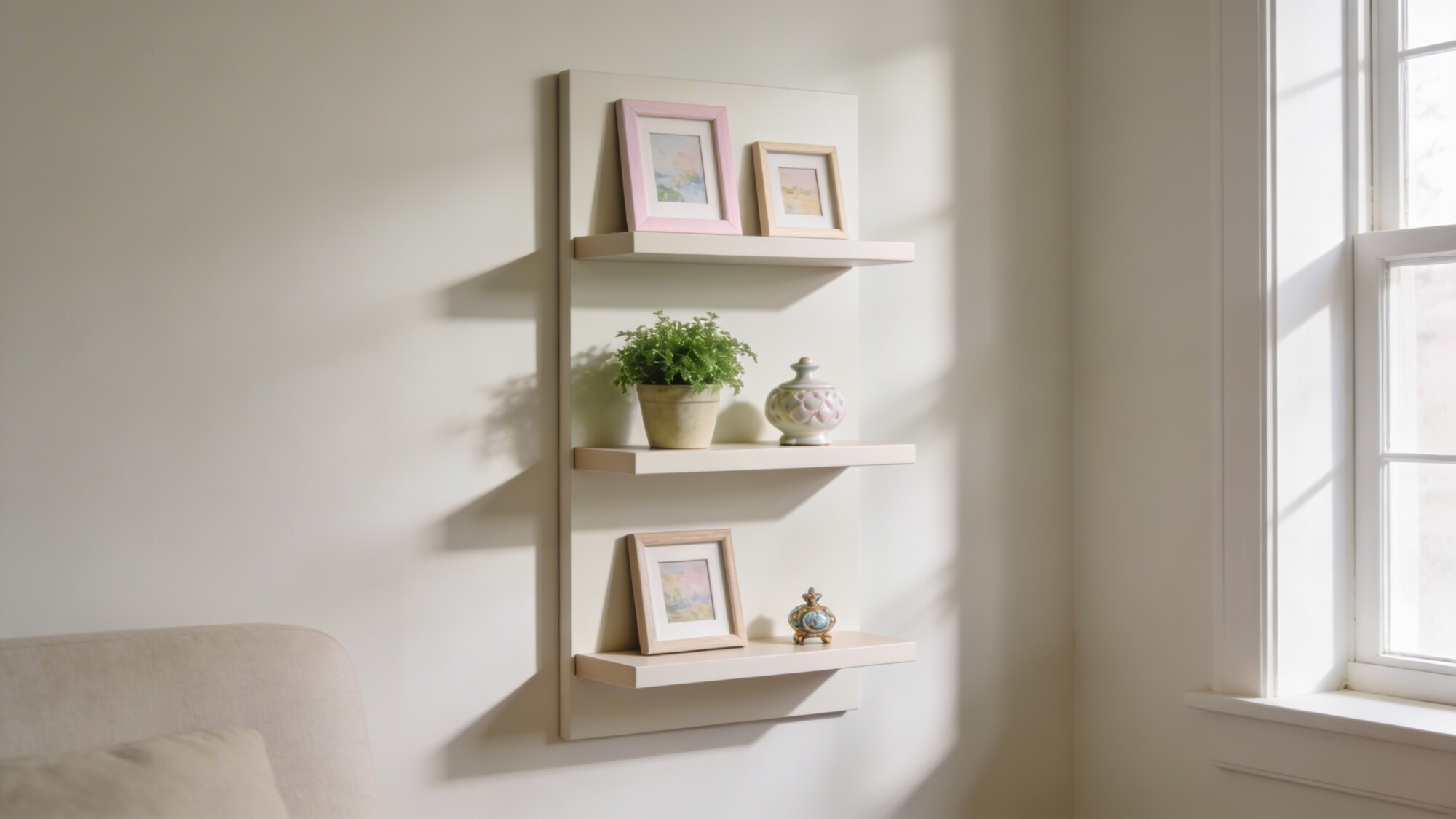
Three small shelves, staggered at slightly different heights, turn a flat wall into something closer to a rotating art display. This is one of the more forgiving floating shelf arrangement ideas because you’re not locked into anything — swap a print for a different one and the whole look changes in five minutes.
- Two to three shelves is the sweet spot; four or more starts to look busy on a standard wall
- Vary frame sizes rather than matching them — identical frames read more like a display case than a personal collection
- Pick colors that echo something already in the room, not a totally new palette
💡 Pro Tip: Cut cardboard templates the exact size of each shelf and tape them to the wall first. It’s a five-minute step that saves you from drilling a hole six inches too high — the most common floating shelf mistake I see.
2. A Floating Plant Shelf That Actually Gets Light
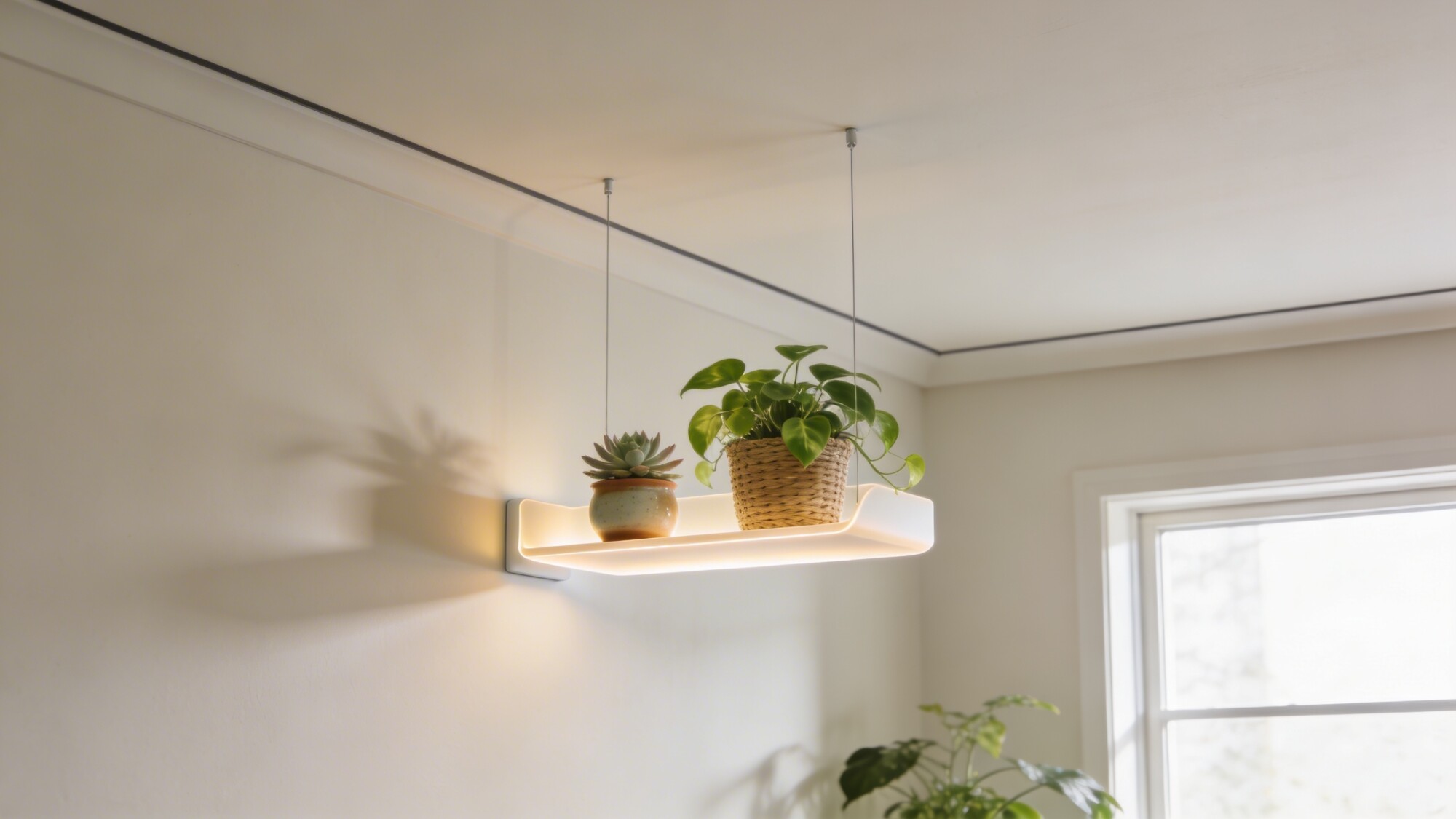
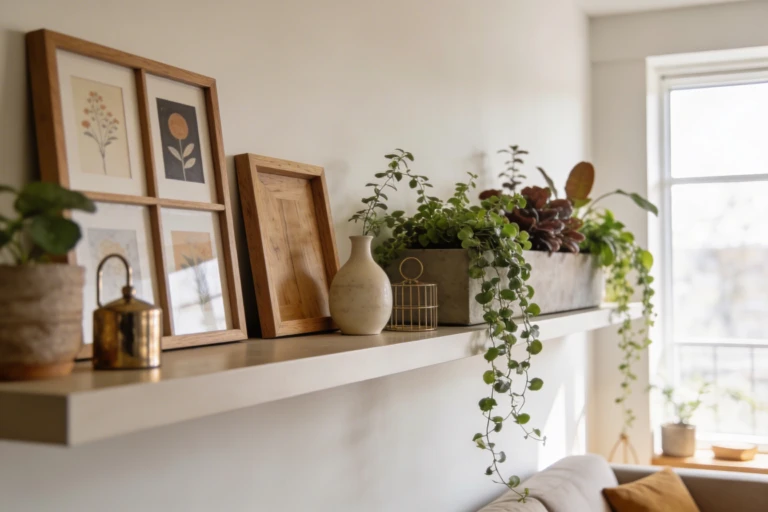
A small plant shelf only works if it’s near an actual light source — a floating plant shelf on an interior wall with no window nearby just becomes a place where plants slowly die. Put it within a few feet of a window and stick to plants that tolerate some neglect.
- Pothos and most succulents handle irregular watering better than ferns or calatheas
- A woven planter softens a plain ceramic pot without adding visual weight
- Self-watering pots are worth it here specifically because the shelf is awkward to reach for daily watering
The tradeoff with any small floating shelves used for plants: depth. A shelf shallow enough to look sleek often can’t hold a pot wider than about 5 inches without the plant looking like it’s about to tip off the edge.
3. Let a Sunny Corner Do the Styling for You
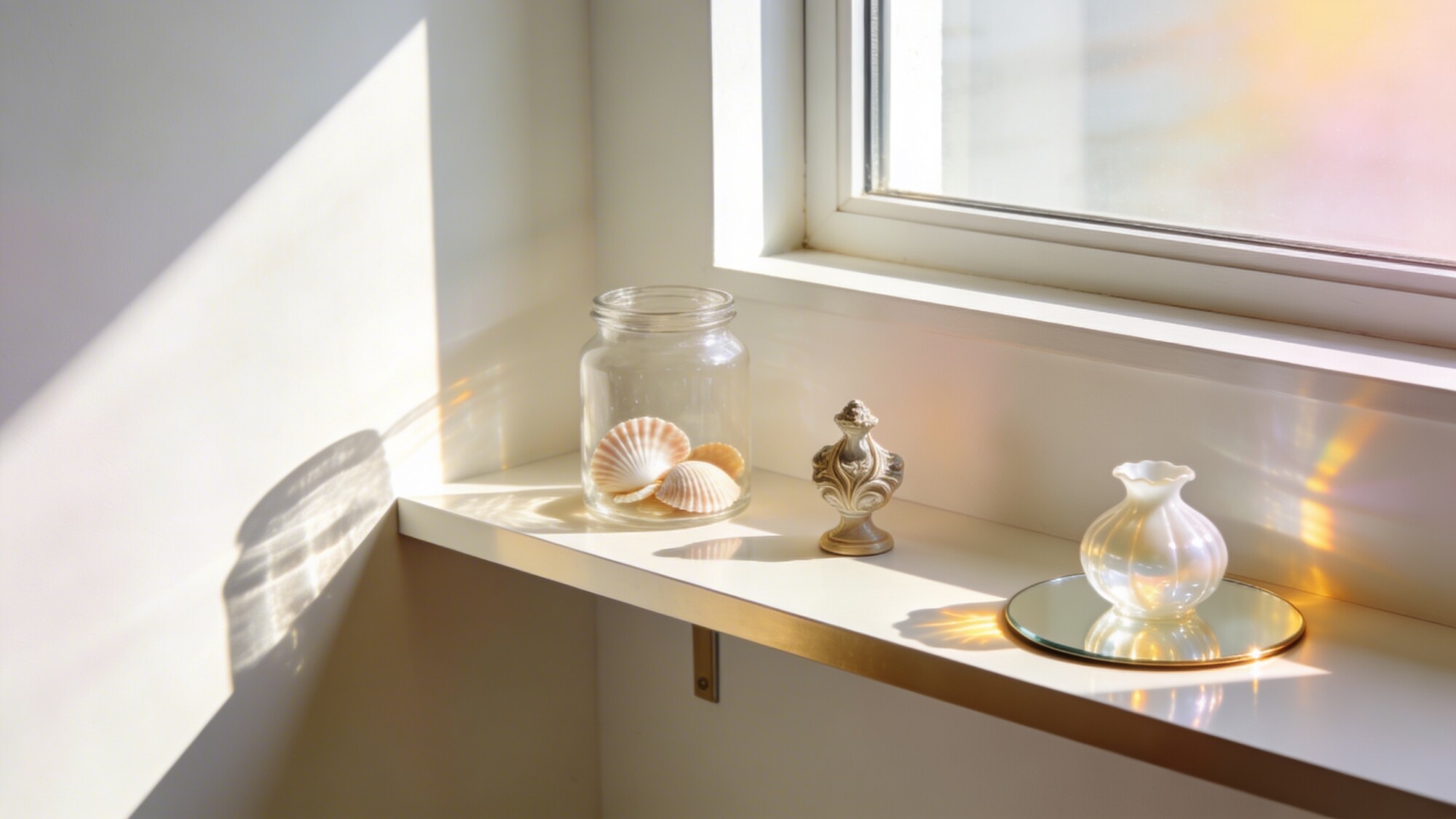
A simple floating shelf mounted directly under a window catches light all day without any extra effort. This is one of those short floating shelves setups where restraint matters more than styling skill — a glass jar, one small sculptural object, and nothing else.
- Reflective surfaces (a mirrored coaster, a glass jar) amplify whatever light is already there
- Stick to light, neutral colors — dark objects absorb the light instead of bouncing it around the room
- Rotate what’s on it seasonally; a corner like this gets noticed precisely because it changes
💡 Pro Tip: Skip anything with strong direct-sun exposure that fades — dyed dried flowers and some fabric-covered objects will visibly bleach within a season on a south-facing shelf.
4. Turn Everyday Objects Into Bedside Decor
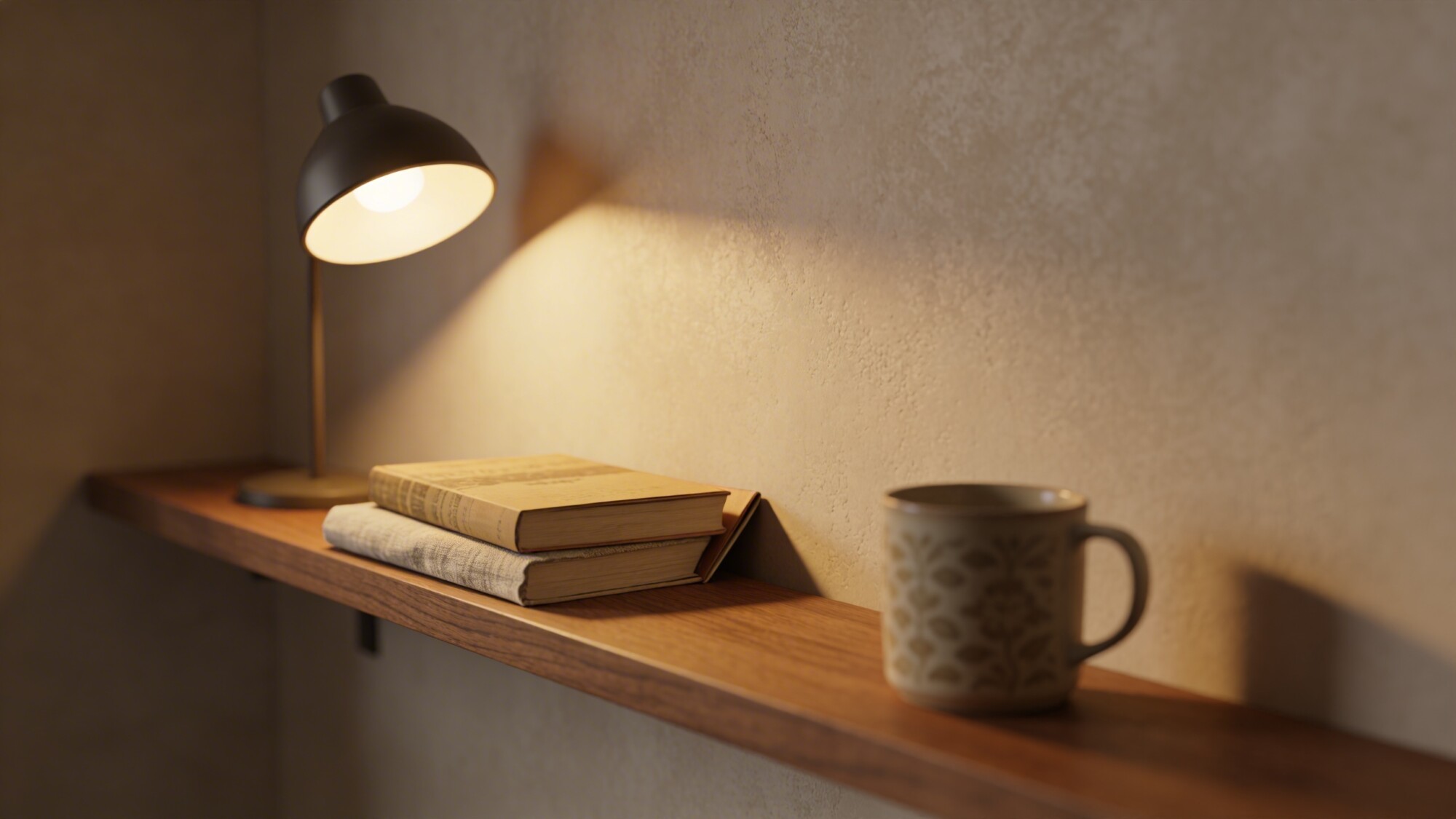
A low shelf mounted where a nightstand would normally sit does double duty: it holds what you actually reach for at night, and it looks intentional instead of cluttered. A small lamp, a couple of books, a mug — this is a modern wall shelf with books and plants in miniature, minus the plant, since most bedrooms don’t get enough light for one anyway. If you want more ideas built specifically around a sleeping space, this bedroom mini gallery shelf guide covers layouts sized for tight bedside walls.
- A compact lamp with warm (not cool white) light suits reading in bed
- Limit books to one or two — this isn’t a bookshelf, it’s a landing spot
- Choose a mug or cup you’d actually want visible, since it’s basically on display
5. Metallic Accents on a Small Wood Shelf
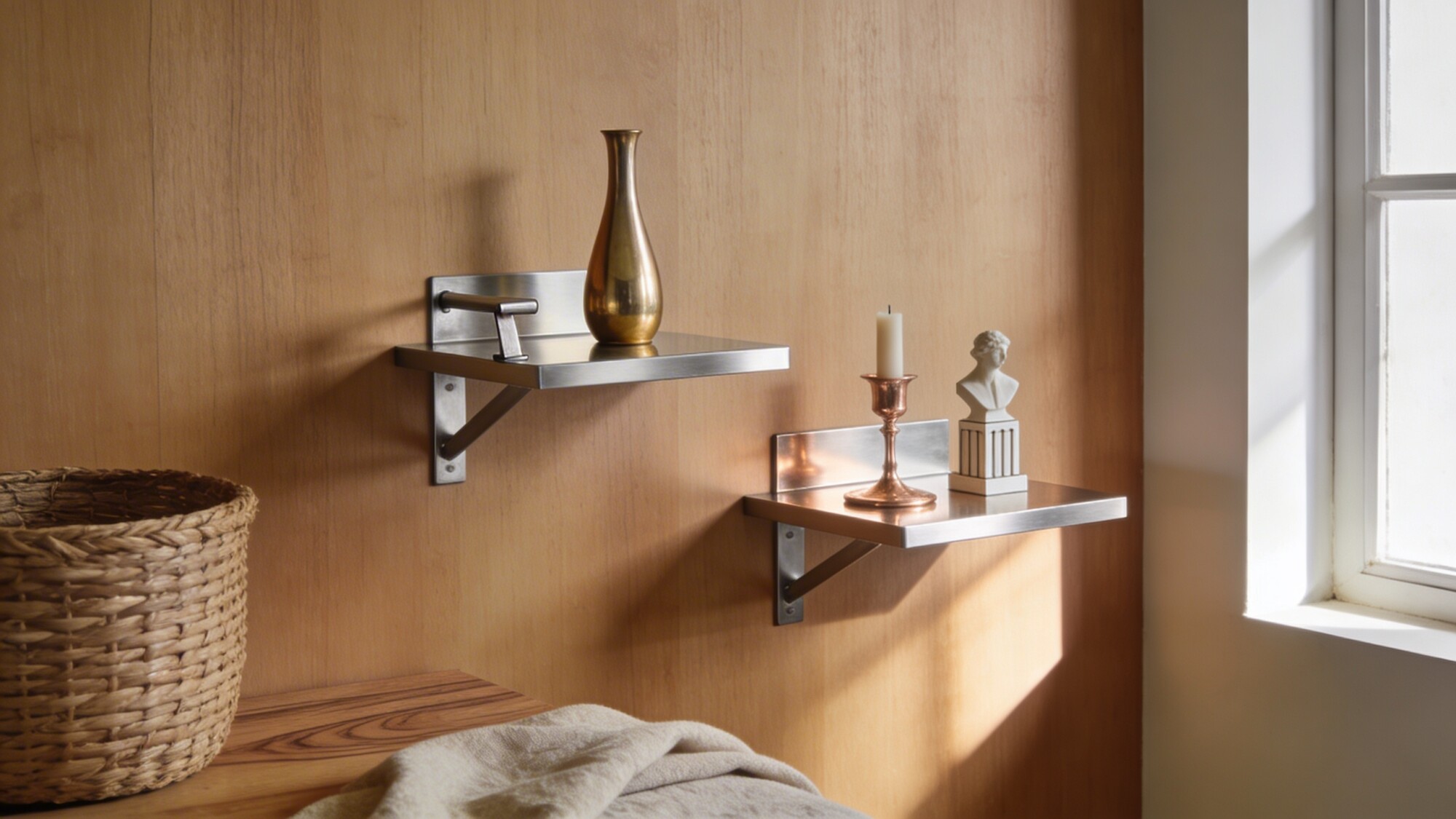
A brass vessel or a copper candle holder on a plain wood floating shelf gets you a bit of shine without turning the room into a showroom. Wooden floating shelves ground the metal so it reads as an accent, not the whole statement.
- Pick one metal finish and stick to it across the shelf — mixing brass, silver, and copper on one small surface competes with itself
- Pair the metal piece with something matte and natural (wood, linen, stone) so it doesn’t look like the only object in the room
- One metallic piece per shelf is usually enough; two can work if they’re different heights
6. Mixing Rattan and Wood for Texture
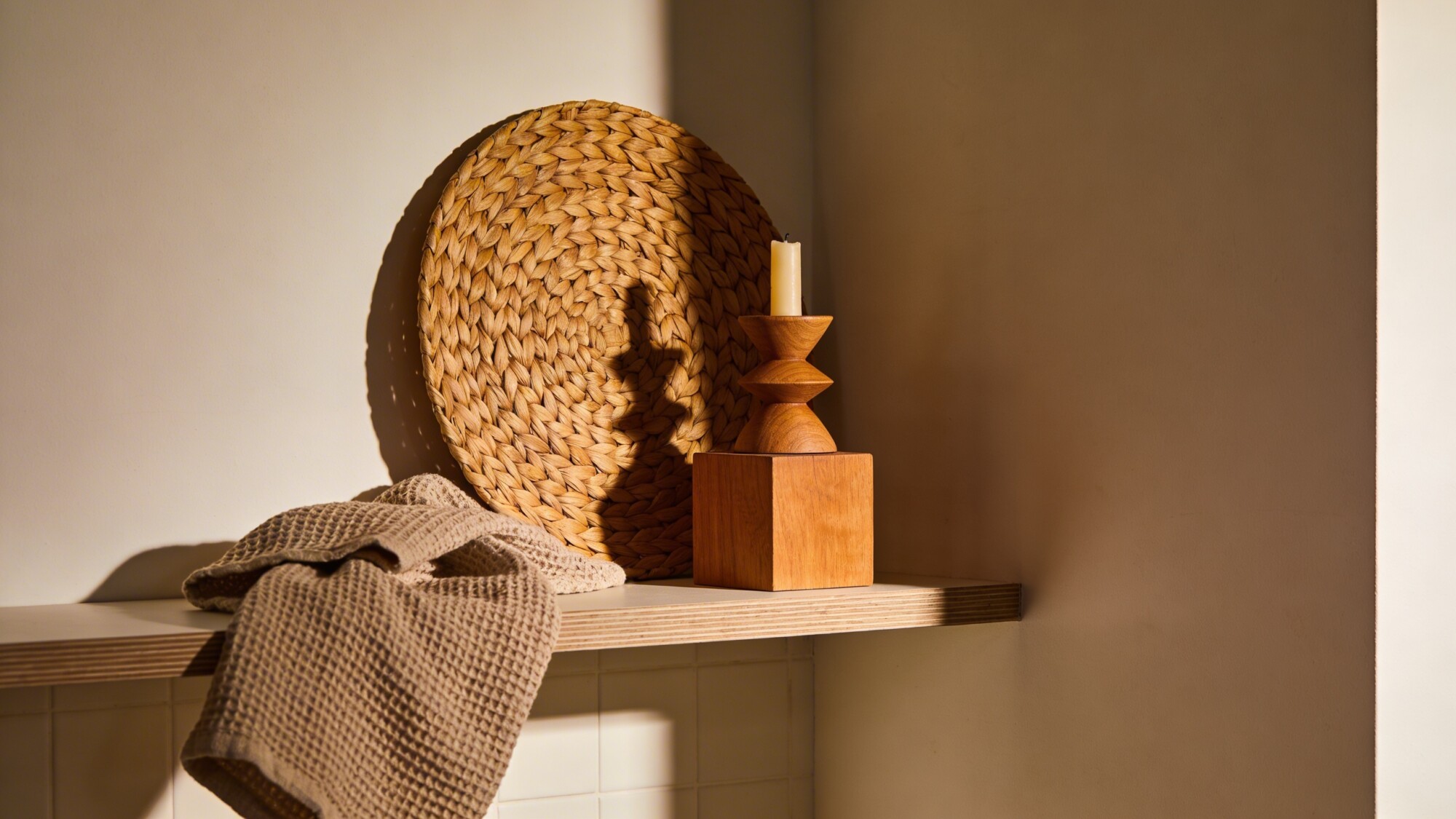
Floating shelves wood construction already brings warmth on its own, but pairing it with a rattan tray or basket adds a second, contrasting texture that keeps a small shelf from looking flat. This is one of the small wooden shelf ideas that works even in a mostly minimalist room, since rattan reads as organic rather than “extra.”
- A rattan tray corrals small items so the shelf doesn’t look like a junk drawer
- A wood block or short pedestal adds height variation without adding clutter
- A draped textile edge (a folded napkin, a small throw corner) softens the hard lines of the shelf itself
💡 Pro Tip: If the shelf already has visible wood grain, keep the rattan tray small — two competing “loud” textures on one narrow surface usually looks busier than intended, not cozier.
7. One Statement Piece, Kept Simple
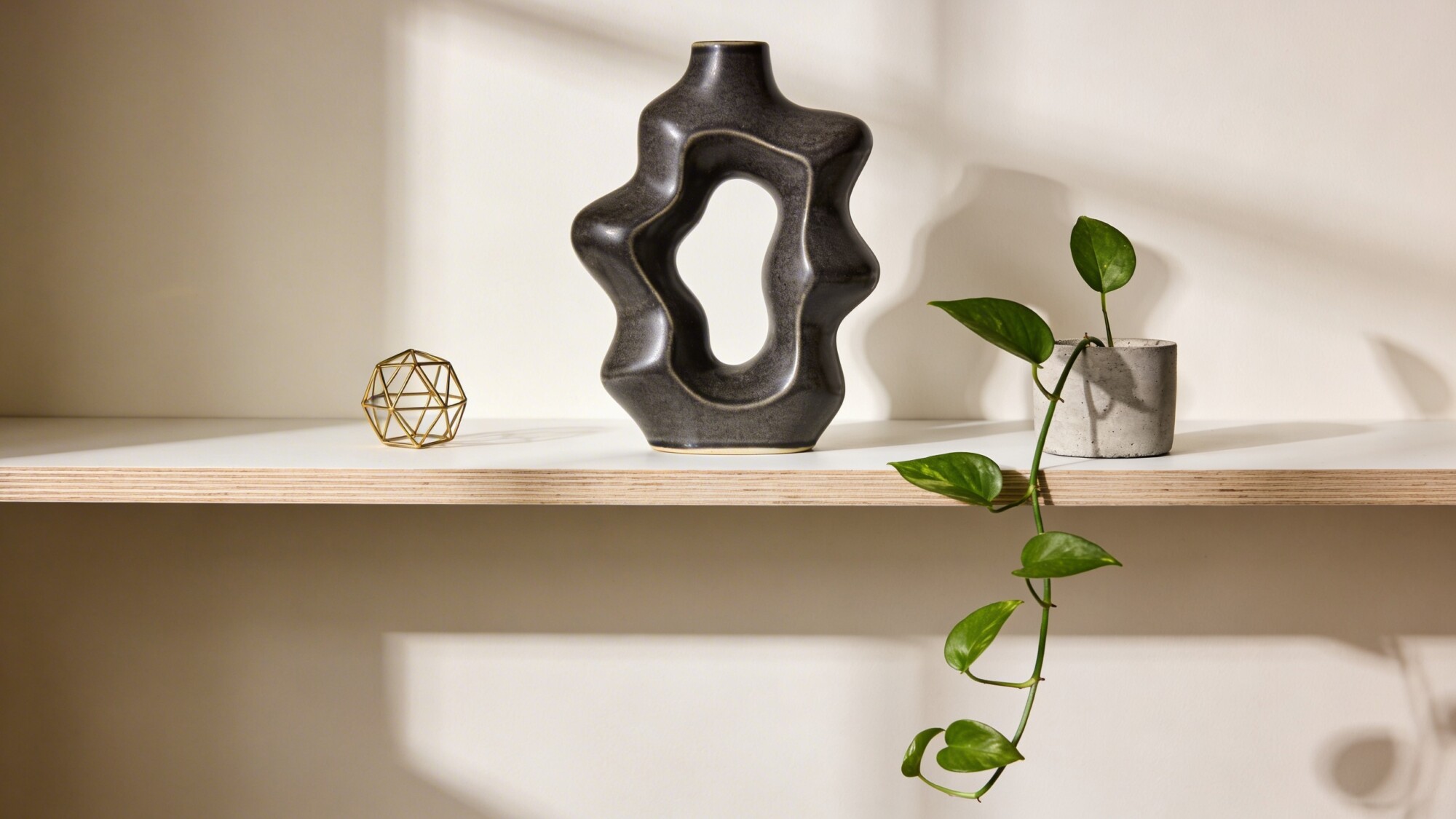
Not every small shelf decor living room setup needs five objects. Sometimes one sculptural piece — a quirky planter, an abstract ceramic form — carries the whole shelf, and the empty space around it is doing as much work as the object itself.
- Choose one item with a strong, recognizable silhouette
- Add at most one or two small companions; don’t fill every inch of surface
- Mount at eye level so the shape actually registers when someone walks past
Small Floating Shelves Near the Front Door
One setup the seven above don’t cover: the entryway. A short floating shelf by the door is one of the more useful, least decorative applications — it’s where a simple wooden key holder or a small wall hanging key holder earns its spot. A wooden key holder mounted just under a low shelf keeps keys off the counter and gives you a place to drop mail on the way in, and it doesn’t need to be styled at all to be worth having.
Which Shelf Style Fits Your Space
| Shelf Style | Best For | Weight Capacity | Install Difficulty |
|---|---|---|---|
| Wood bracket shelf | Books, mugs, heavier decor | Higher — brackets distribute weight into studs | Moderate; needs stud placement or heavy-duty anchors |
| Low profile floating shelf | Hallways, above a couch, bedside | Low to moderate | Easy; usually works with standard wall anchors |
| Wall-mounted wood ledge | Plants, frames, entryway key storage | Low | Easy; lightest of the three to hang |
If you’re deciding where a shelf goes on a larger empty wall — say, floating shelves above couch height — the wood bracket style generally holds up better long-term, since it’s carrying visual weight in a spot everyone in the room sees.
How to Hang a Small Floating Shelf Without Wrecking the Wall
- Find your studs. A stud finder takes thirty seconds and saves you from relying entirely on wall anchors for anything holding real weight.
- Mock up the layout first. Tape a paper template to the wall at the intended height and live with it for a day before drilling.
- Check level before you commit. A shelf that’s even slightly off is more noticeable than an empty wall — use a level, not your eye.
- Match the anchor to the shelf’s real load. Minimalist wall shelf brackets rated for light decor won’t hold a stack of hardcover books; check the hardware’s weight rating before loading it up.
- Style light at first. Add one or two objects, live with the shelf for a few days, then add more. Most over-styled shelves happened because everything got placed on day one.
For a faster walkthrough with more visual references, this kitchen floating shelf styling guide covers a similar hanging process adapted for a room with more moisture and grease exposure.
FAQ
How high should a small floating shelf go above a couch?
Roughly 8–10 inches above the top of the couch back is a common starting point, but the real test is eye level for someone standing nearby — adjust from there rather than treating it as a fixed number.
Do I need to hit a stud, or are wall anchors enough?
For a shelf holding light decor (a candle, a small frame), rated wall anchors are usually fine. For anything holding books or ceramics, at least one mounting point in a stud makes a real difference over time.
How many objects should go on one small shelf?
Two to four is the range that reads as styled rather than empty or crowded. If you’re reaching for a fifth object, consider adding a second shelf instead.
Can a small floating shelf actually hold books?
Yes, but check the weight rating first — a low profile floating shelf built for decor often isn’t rated for a full stack. A wood bracket shelf handles books more reliably.
Is it better to buy matching shelves or mix styles?
Matching shelves look more cohesive if they’re grouped together (like the mini gallery setup above). Mixed styles work better spread across different rooms rather than side by side.
Our Verdict
The setups that hold up over time are the ones that start with a purpose — a plant that gets light, a key holder that solves an actual clutter problem — rather than a shelf styled purely to look full. If you’re picking just one to start with, the entryway key shelf and the bedside setup both pay off immediately because they replace something you were already doing badly. The gallery wall and statement-piece shelves are worth doing once you’ve got the basics hung and leveled. Either way, start with one shelf before committing to a wall full of them — it’s easier to judge whether small floating shelf decor actually suits the room once you’re looking at a real one instead of a mockup. For a faster, no-fuss version of this whole process, this quick floating shelf styling guide is worth bookmarking before your next attempt.