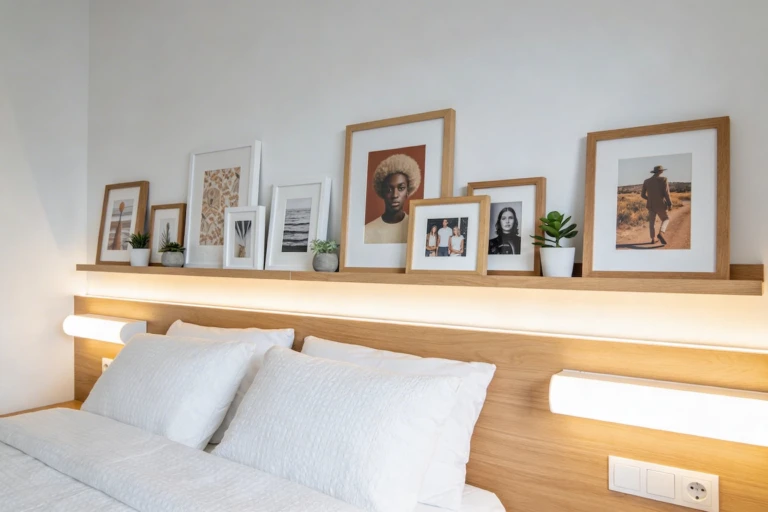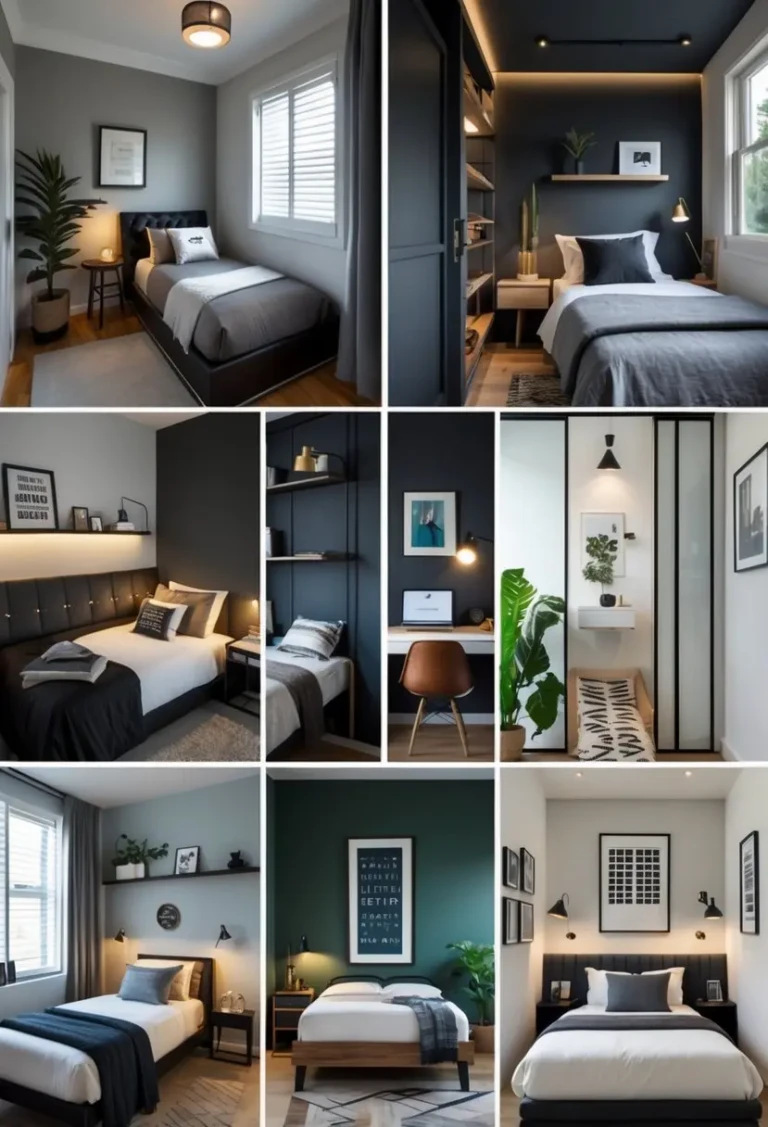
Shelf Styling: Quick Wins for a Wow-Worthy Display
An eye-catching shelf can do more than hold books. It sets the mood, tells your story, and somehow makes you look like you actually know what you’re doing with interior design. Let’s ditch the chaos and turn that boring bookcase into a curated, jaw-dropping moment.
Why shelf styling actually matters
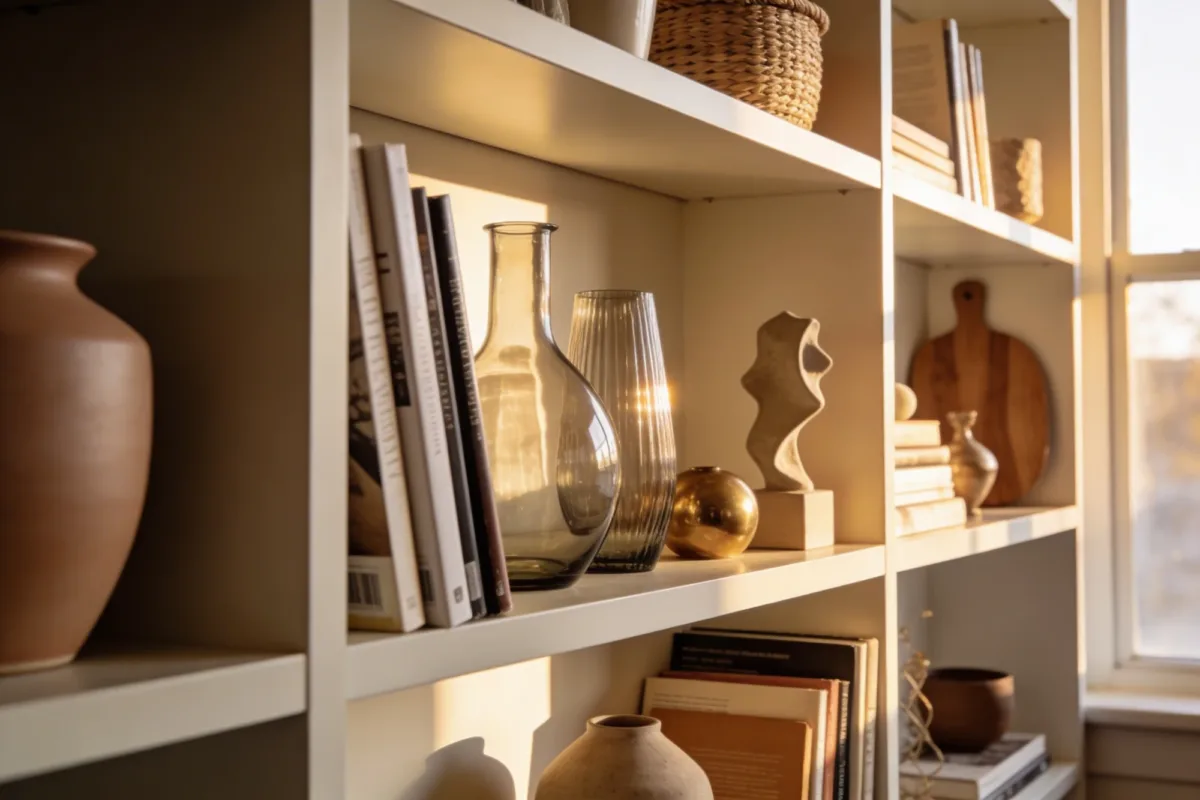
Styling shelves isn’t vanity—it’s visual storytelling. A well-styled shelf draws the eye, creates balance, and gives your space personality without shouting. If your shelves look neglected, so does the rest of the room. Quick question: do you want a space that feels curated or one that looks like a thrift-store drop-in? IMO, the choice is obvious.
Start with a simple plan
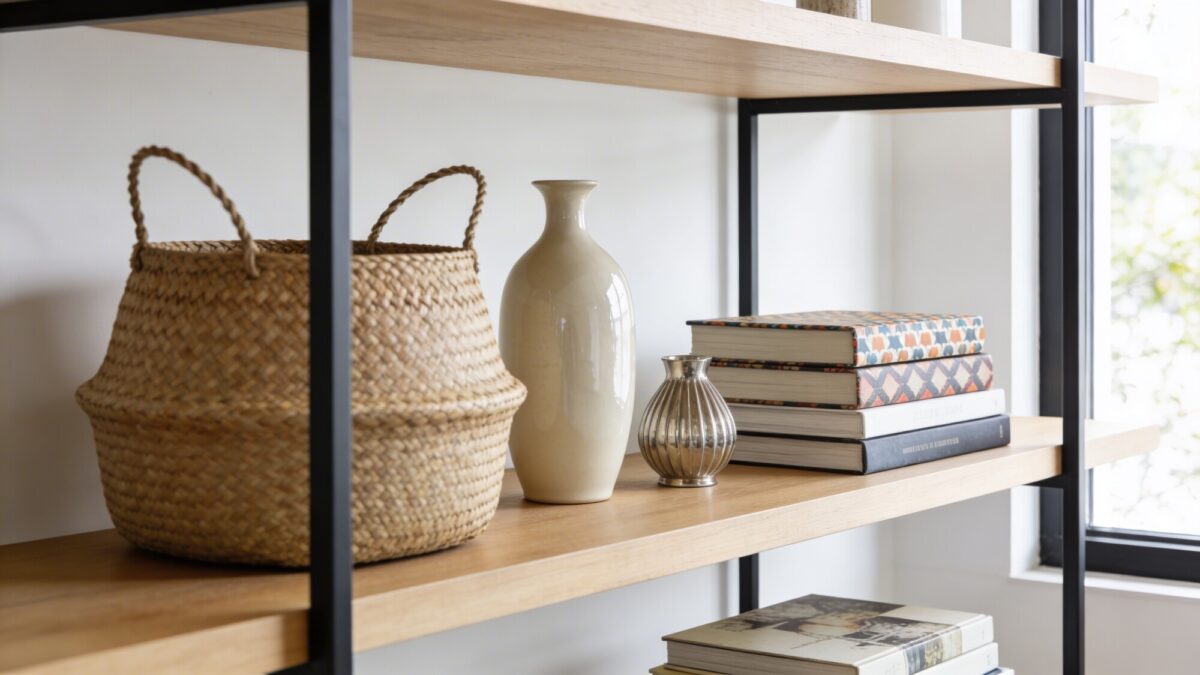
Before you pull every tchotchke off the shelf, sketch a loose plan. Decide a color story, a mix of textures, and a few focal pieces. FYI, you don’t need a full-on mood board; even a quick photo collage on your phone helps you stay cohesive. Think in thirds: group items in odd numbers and leave breathing space.
Color and texture play nicely together
– Use a unifying color base (neutrals work magic).
– Add pops with one bold color or metallic accents.
– Mix textures: matte ceramics, glass, wood, fabric.
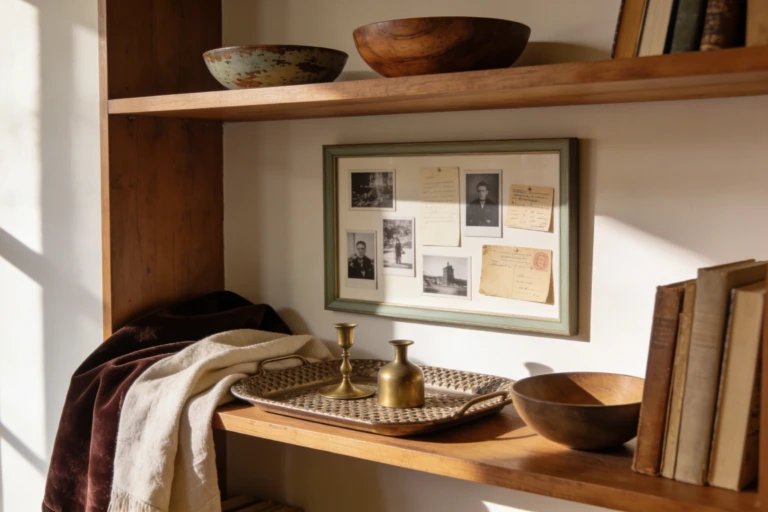
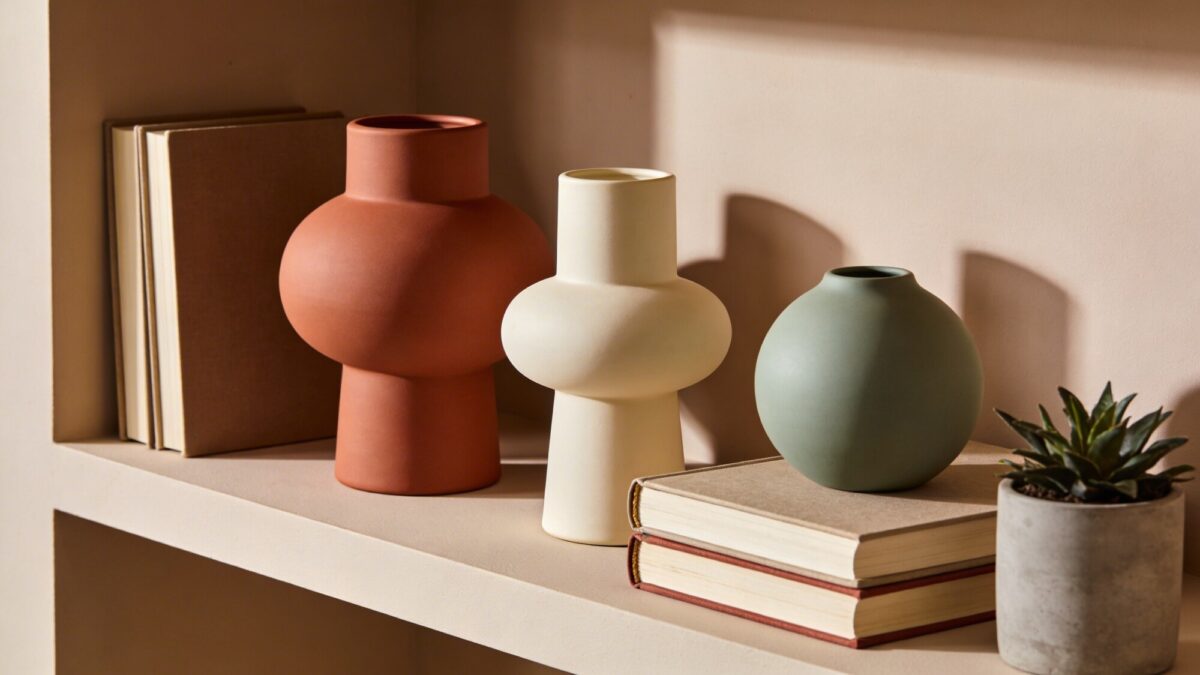
Textural contrast makes a shelf feel alive. If everything is glossy, it reads flat. Add a matte ceramic pot next to a shiny metal sculpture and you’ll notice the shelf “breathing.”
Propped, not piled
Stacking everything flat quickly becomes chaos. Instead, lean a couple of books for height, lean art prints in frames, and place sculptural objects at varying levels. The eye loves a little altitude change.
Layering like a pro: height, depth, and balance
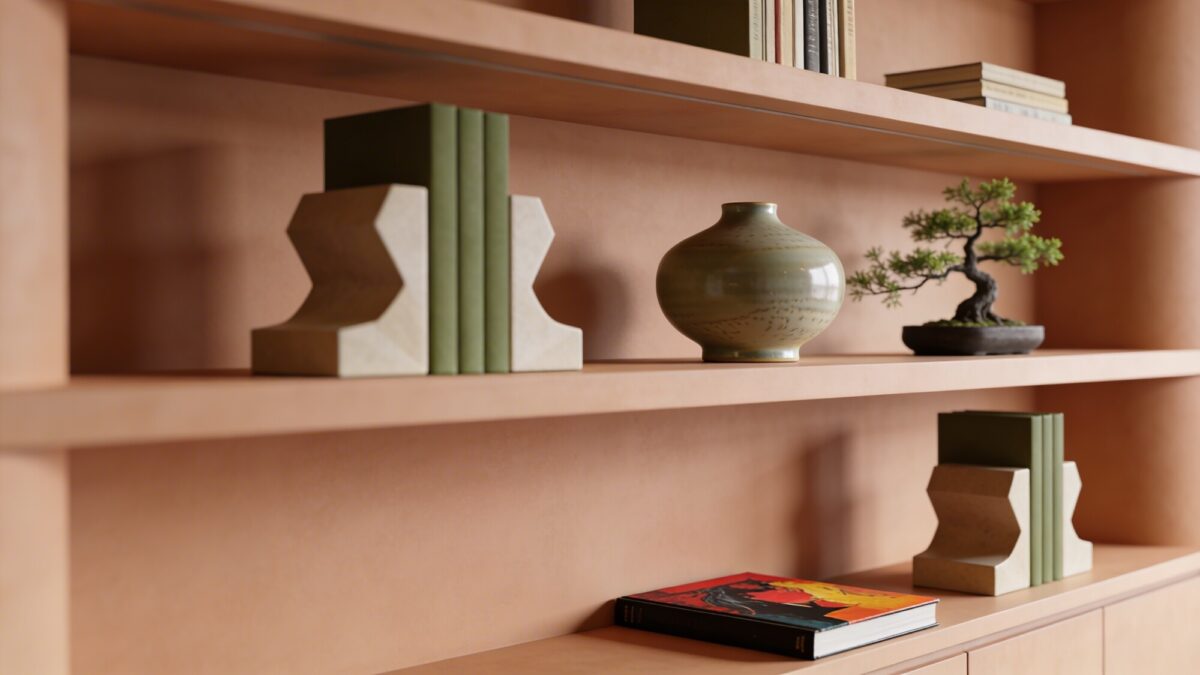
Good shelf styling is a game of levels. Start with a sturdy base layer, then stack mid-height objects, and tuck in smaller curiosities. The trick? Balance symmetry with intentional asymmetry. YES, you can have both.
Incorporate a hero piece
Choose one standout item per shelf—think an oversized vase, a unique figure, or a statement lamp. It anchors the scene and gives you a reference point for the rest of the arrangement.
Anchor with book blocks
Books are your best friends here. Use them as architectural blocks: lay some horizontally for contrast, others vertically for rhythm. Bonus: the spines add color and texture.
Seasonal refreshes without the full remodel
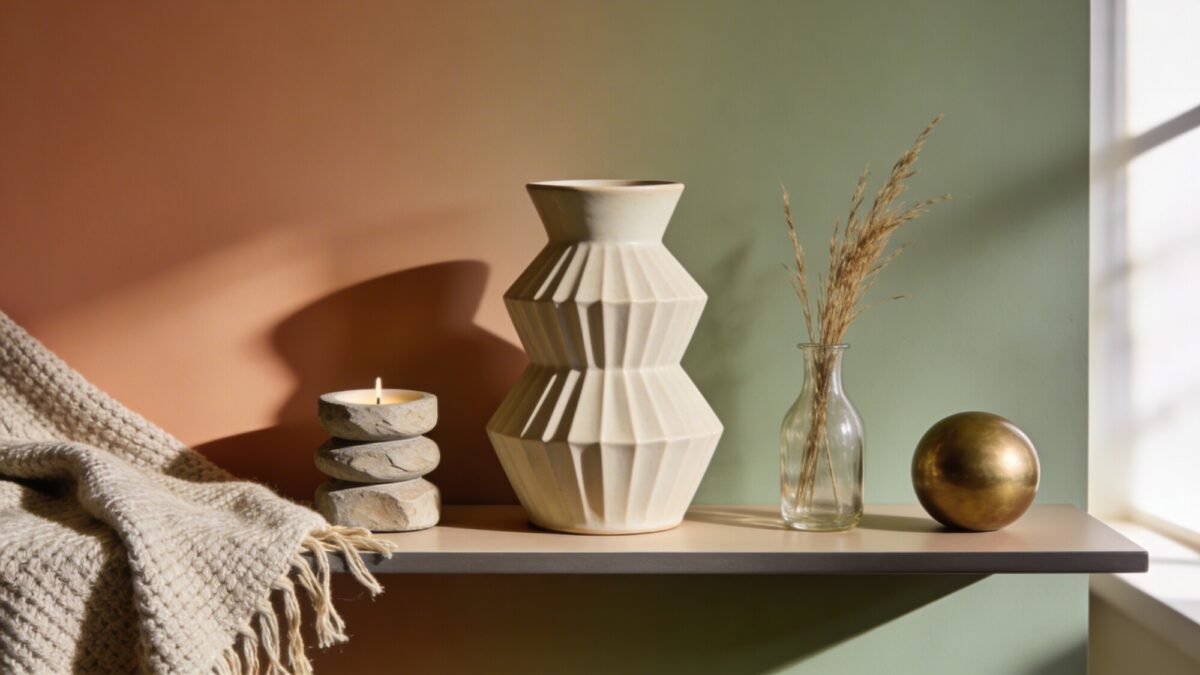
Shelf styling is the perfect quick-win project. You can refresh a space in under an hour with a few swaps. Swap color accents to match the season, swap in a seasonal print, or rotate a few plants in and out. FYI, you don’t need to redo everything—just tweak the anchors.
Small swaps, big impact
– Change a single vase or sculpture to shift the mood.
– Rotate two books for a new color story.
– Introduce a plant or a textile to soften edges.
Materials, metals, and surfaces that pop
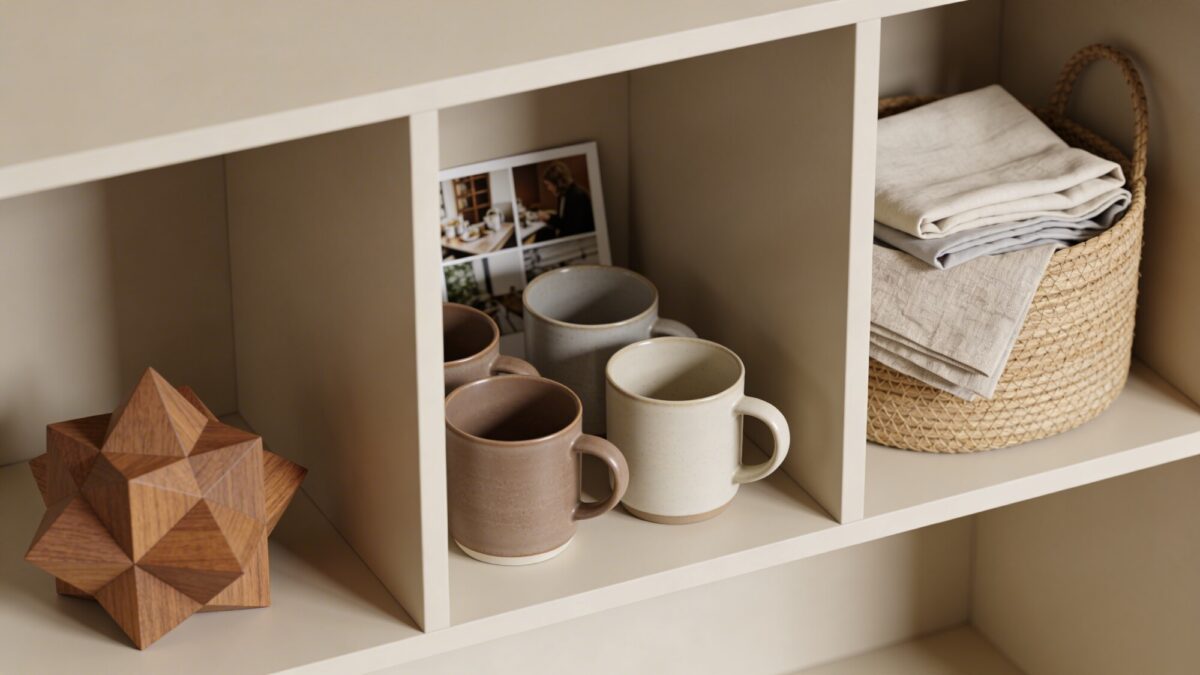
Texture meets shine when you mix materials thoughtfully. Metals like brass or brushed nickel glare beautifully next to matte ceramics. Wood tones warm up cool metals. Keep the palette tight to avoid visual chaos.
Metal accents that don’t scream
– Use a single metallic piece per shelf for focal zing.
– Pair with natural wood to soften the gleam.
– Consider matte metal frames for a modern vibe.
Plants: the easiest “living” prop
Plants bring life, color, and a little whimsy. Choose plant sizes that fit the shelf depth. A trailing vine can soften the top edge, while a chunky succulent adds architectural interest. If you forget to water, pick hardy options like pothos or ZZ plants.
Lighting the shelf: yes, please
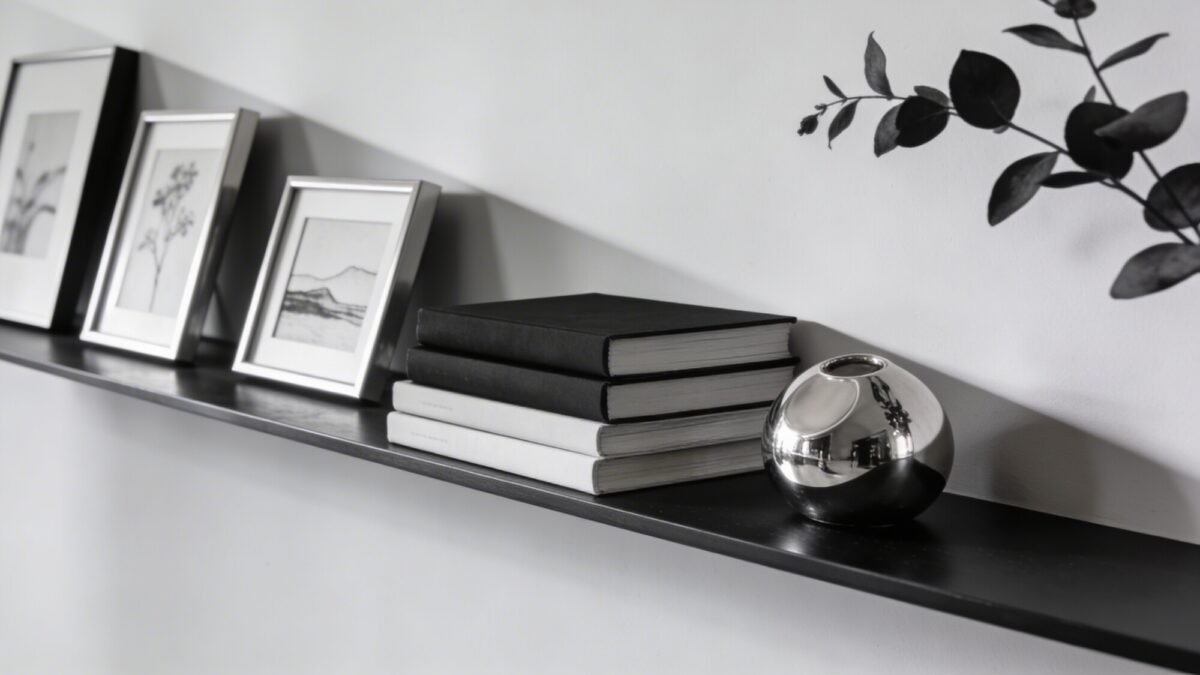
Lighting changes everything. A small LED strip or a carefully placed lamp can transform shadows and highlight your hero piece. If you can’t install lights, a cordless puck light can do wonders. It’s not just practical—lighting creates mood.
How to light without drama
– Aim lights at the focal piece, not the entire shelf.
– Use warm white bulbs for coziness (around 2700-3000K).
– Don’t rely on ceiling lighting alone; add a shelf-specific glow.
Styling pitfalls to avoid (so you don’t waste time)
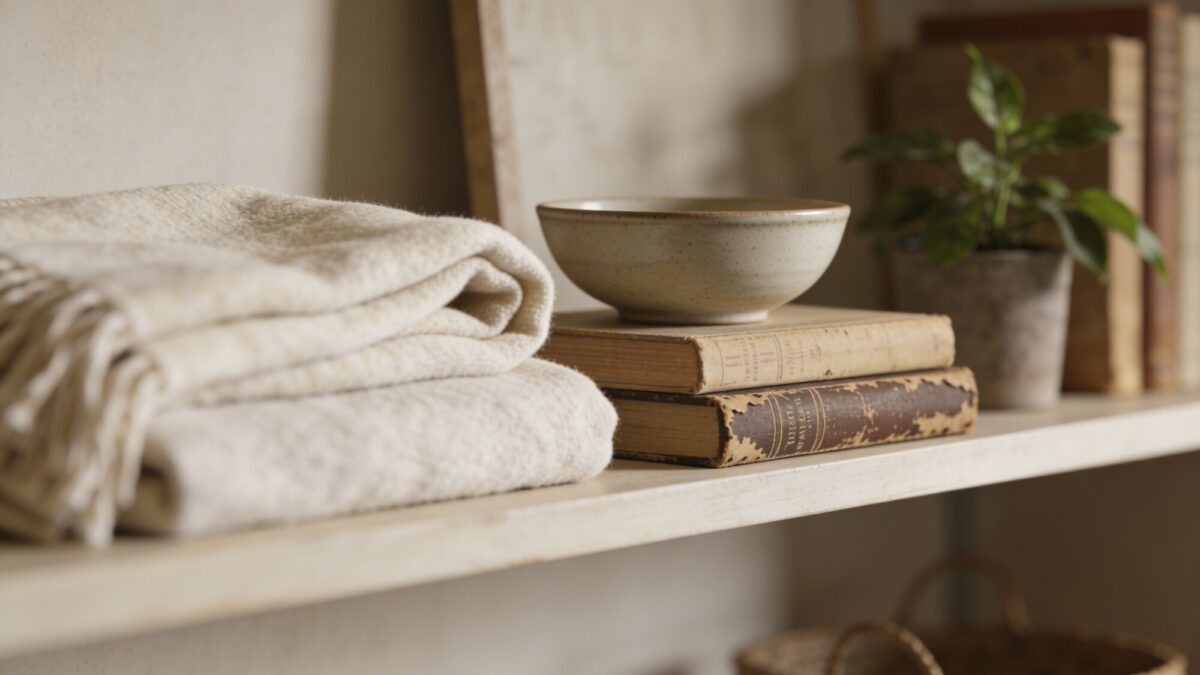
We’ve all been there: overstuffed shelves, mismatched frames, random tchotchkes. Avoid clutter by maintaining a clear “quiet zone” on at least one shelf, where negative space lets the eye rest. Also, resist the urge to cram every souvenir from every trip onto one shelf. Your space deserves a story, not a shrine.
Too symmetrical? Break the rule
Perfect symmetry feels staged. Mix a deliberate mismatch of objects to create a lived-in look. Your eye will thank you, and your guests will notice the thoughtful details rather than the pattern.
Size matters
Tiny items disappear; huge pieces overwhelm. Scales should vary but stay within the room’s vibe. If in doubt, group items in odd numbers (3s and 5s work well) for a natural feel.
FAQ
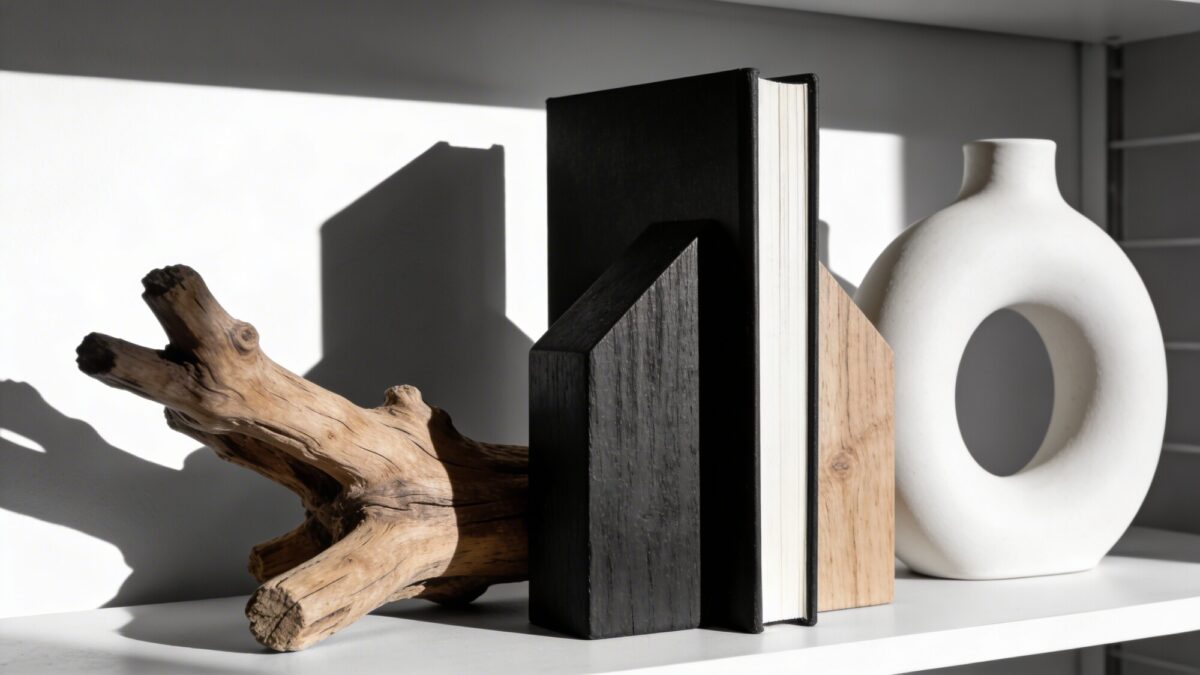
How often should I refresh shelf styling?
Refresh as often as you change decor in the room, or with the seasons. A quick swap of a book block and a plant can feel like a mini-migtivation boost. IMO, you don’t need a full overhaul every month—strategic tweaks keep things fresh without the effort.
What if my shelves are closed cabinets?
Door fronts can still reveal personality. Create a mini gallery with framed pics, small sculptures, or decorative boxes on top or on open sections. If you have glass doors, use the chance to curate a visible “vibe” behind the glass.
Can I mix vintage finds with new pieces?
Absolutely. The contrast can be brilliant. Mix eras with common threads—color palette, material, or scale—to keep it cohesive rather than chaotic.
How do I avoid clutter while displaying collectibles?
Choose a few favorites and rotate them seasonally. Use uniform display vessels and limit the number of items per shelf. If it starts to feel crowded, remove three items and reassess the arrangement.
Are there any quick wins for small spaces?
Yes. Use vertical space, choose lighter-toned shelves to keep things airy, and pick a bold anchor piece that draws the eye upward. A couple of well-placed plants can also expand a compact footprint.
Conclusion
Shelf styling isn’t a tedious task; it’s a playful way to narrate your space. Start with a plan, mix textures, and let one hero piece anchor each shelf. Keep things light, swap often, and don’t be afraid to break small rules to create a look that’s uniquely yours. If you’re stuck, remember: less is more, but intentional is everything. You’ve got this—go style those shelves and watch the room glow.