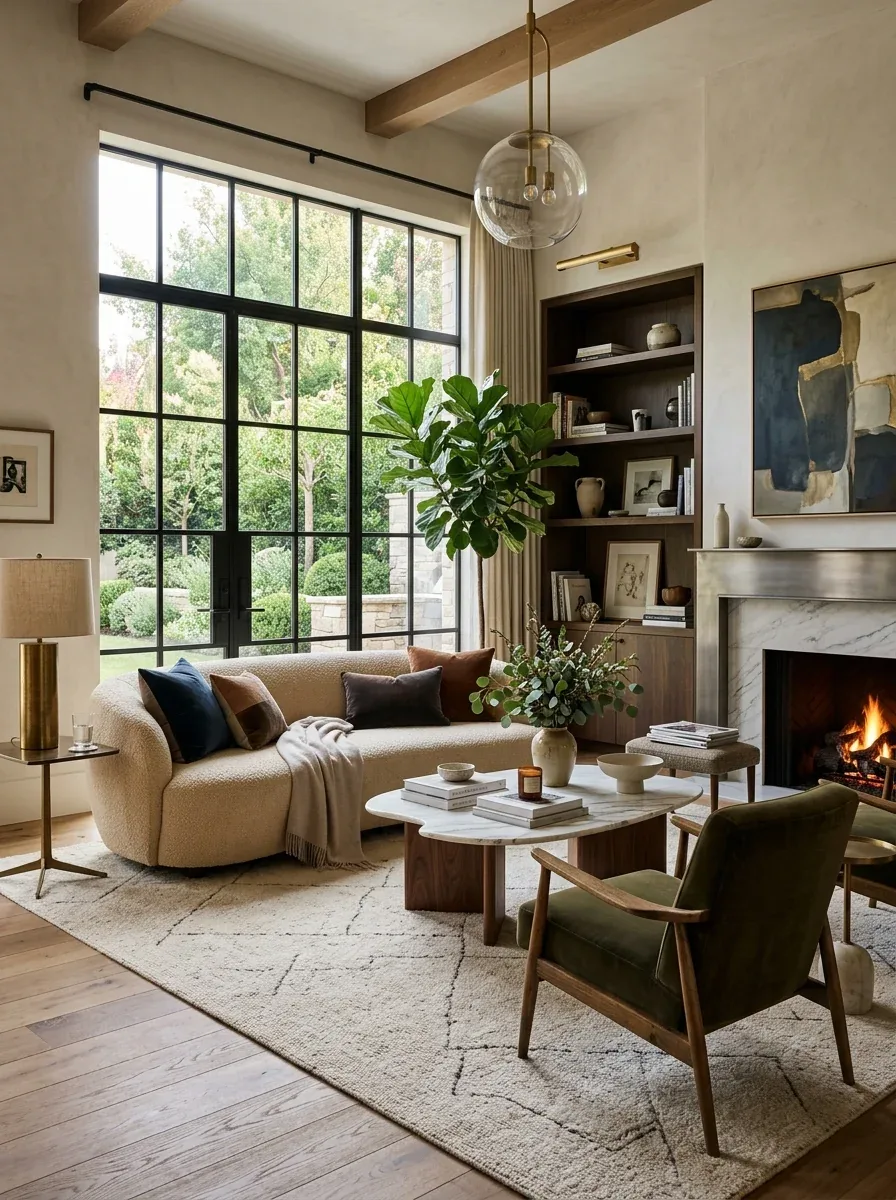
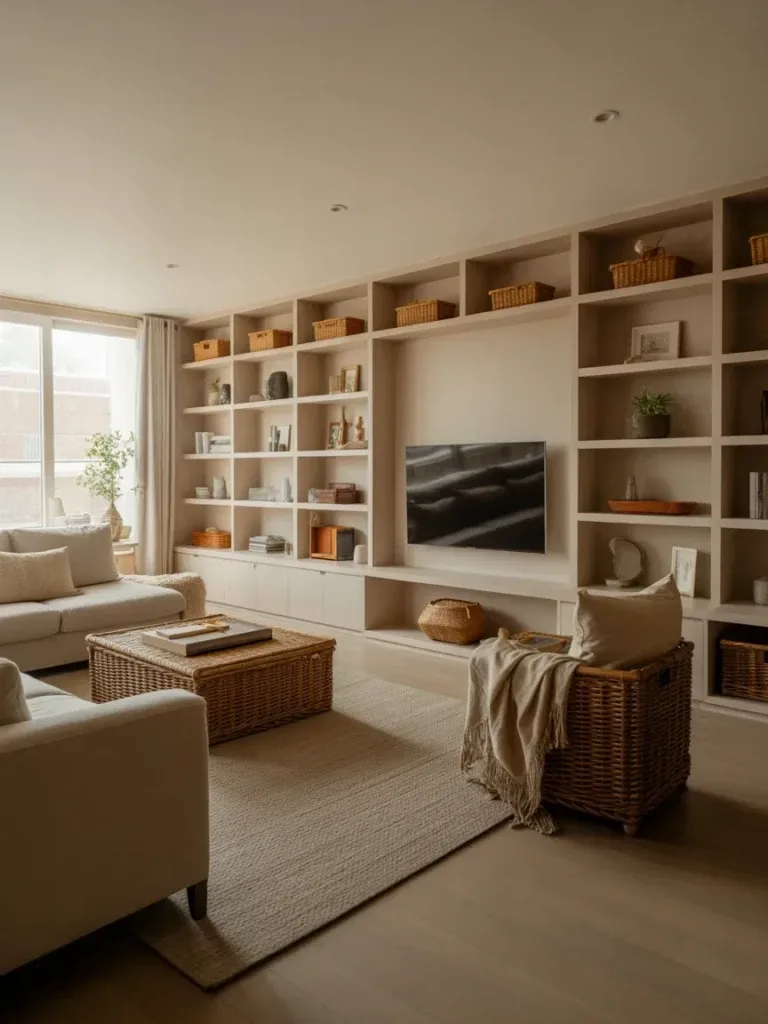
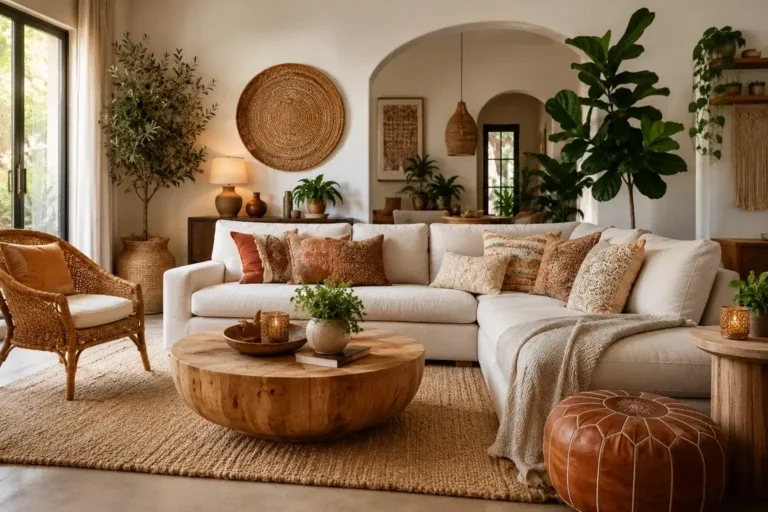
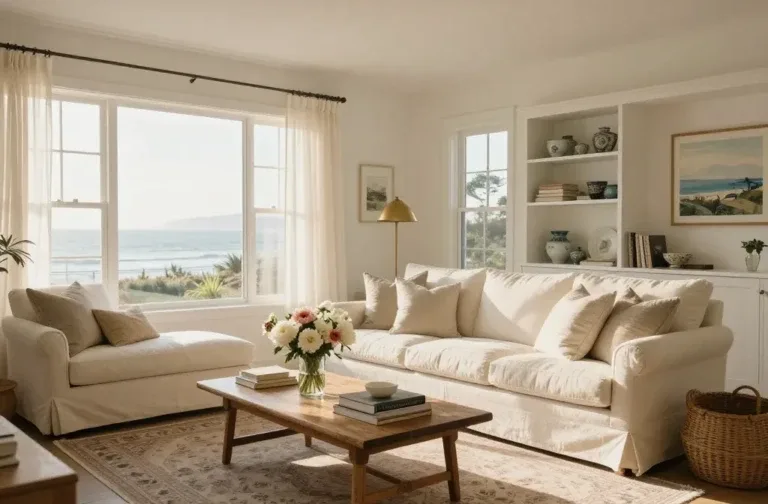
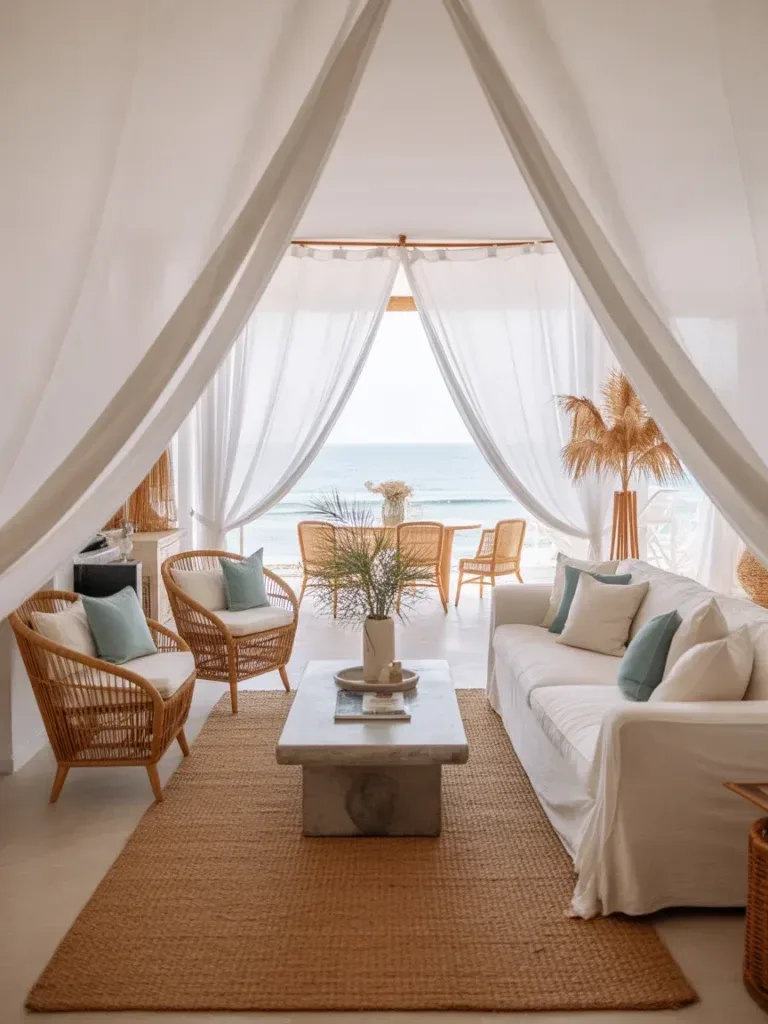
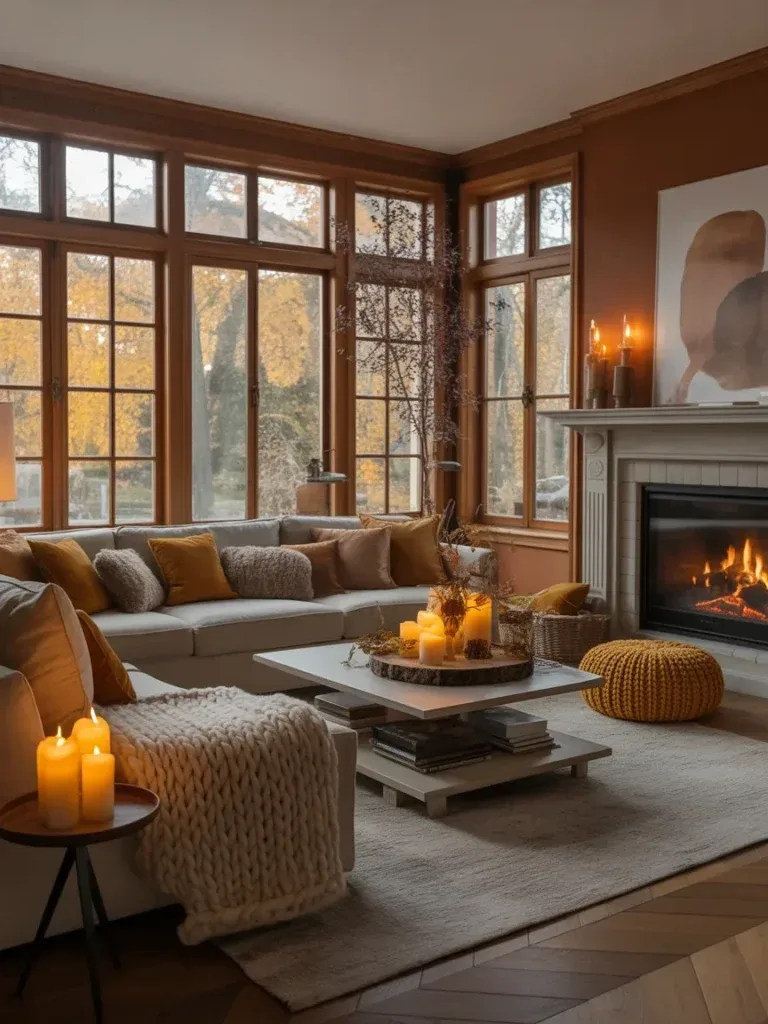
I redid my living room three times before it finally felt right, and each version taught me something the last one missed. The truth about luxury living room designs modern interiors actually rely on is that it’s rarely one big splurge — it’s a handful of layout, material, and detail decisions that compound into something that feels considered rather than assembled. Here’s everything I wish I’d known before round one. Table of Contents Toggle What Luxury Living Room Designs Modern Interiors Actually Get Right Living Room Design Inspiration Starts With the Right Layout Modern Panels and Luxury Hall Interior Details Worth Copying Living Room Partition Design Ideas for Open-Concept Homes Build a Luxury Living Room TV Unit That Doesn’t Look Like an Afterthought Try a Japandi Luxury Living Room for Warm Minimalism Modern Minimalist Home Design Principles That Still Feel Rich Elegant Living Room Decor Details That Tie Everything Together Choose a Luxury Modern Sofa Design as Your Anchor Luxury Living Room Designs Modern Interiors: Bringing It All Together What Luxury Living Room Designs Modern Interiors Actually Get Right Here’s the pattern I noticed once I started paying closer attention to the living rooms that actually stopped me mid-scroll: they almost never rely on a single “hero” piece to do all the work. Instead, three or four elements — layout, a considered focal wall, one anchor furniture piece, and layered lighting — all pull in the same direction. I think the mistake most of us make (myself included, for years) is buying nice things individually without a plan for how they’d relate to each other. A gorgeous sofa next to a mismatched TV console next to an unrelated rug can each be beautiful on their own and still add up to a room that feels chaotic. Luxury, in this context, is really just coherence with good taste layered on top. Living Room Design Inspiration Starts With the Right Layout Before paint colors or furniture, layout decides whether a room feels spacious and intentional or cramped and awkward, no matter how nice the individual pieces are. Good living room design inspiration almost always starts with sightlines — what you see first when you walk in, and what the room asks you to focus on. A few layout principles that consistently work: Float your sofa away from the wall if the room allows it, even by just a foot or two — it immediately reads as more considered than a room where every piece is pushed to the perimeter Keep at least 30 inches of walking clearance between major furniture pieces, ideally 36 if you have the square footage Angle a chair or two slightly toward the center of the room rather than lining everything up in straight rows, which softens the whole layout and encourages actual conversation I made the classic beginner mistake in my first apartment of shoving every piece of furniture against a wall to “maximize space,” and it just made the room feel like a waiting room. Floating the sofa six inches off the wall in my current place, with a slim console table behind it, made the whole room feel deliberate rather than crowded against the edges. Modern Panels and Luxury Hall Interior Details Worth Copying If you want a genuinely high-end feel without a full renovation, wall treatment does more than almost anything else on a per-dollar basis. Modern panels — vertical wood slats, geometric grid panelling, or simple shaker-style frames — turn a flat, forgettable wall into a feature, and a lot of the techniques that make a luxury hall interior feel grand translate directly to a living room’s entry wall or TV wall. I’d steer you toward vertical slat panelling if your ceilings are on the lower side, since the vertical lines create an illusion of height. If your room already has generous ceiling height, a grid or geometric panel pattern reads as more architectural and adds visual interest without needing the height-boosting trick. Either way, paint the panels the same tone as the wall behind them (rather than a contrasting color) for a subtle, tone-on-tone texture that reads as considered rather than DIY-obvious. Living Room Partition Design Ideas for Open-Concept Homes Open floor plans are everywhere right now, and honestly, I have mixed feelings — they’re great for entertaining and terrible for defining where one “room” ends and another begins. This is where thoughtful living room partition design earns its keep. A slatted wood screen, a half-height built-in bookshelf open on both sides, or even a change in flooring material can all signal “this is the living room” without building an actual wall. My favorite low-commitment option: a freestanding slatted wood partition on castors, positioned between an open kitchen and living area. It’s fully reversible if you change your mind later, it lets light pass through rather than blocking it entirely, and it gives the living room a sense of enclosure that an entirely open plan often lacks. Build a Luxury Living Room TV Unit That Doesn’t Look Like an Afterthought I’ll say this bluntly: a TV mounted directly on a bare wall, with cables visible and a cheap stand underneath, undoes almost every other good decision in a room. A genuinely luxury living room tv unit treats the television as part of the wall design rather than an object bolted onto it. Built-in cabinetry flanking the TV, a slatted wood media wall that conceals cable management behind it, or even a simple floating console in a rich walnut tone with the cords run through the wall all solve this. If you’re deciding between a fully built-in unit versus a lighter slatted media wall design, this comparison of built-in versus slatted media wall styles is a genuinely useful read before you commit — the two have very different costs and very different maintenance realities long-term. And if you want more general inspiration for turning your TV wall into an actual design feature rather than an obligation, this roundup of media wall ideas that turn a living room into a statement space has a wide range of budgets and styles to pull from. Try a Japandi Luxury Living Room for Warm Minimalism If stark, cold minimalism has never appealed to you (same, honestly), a japandi luxury living room approach might be the answer. Japandi blends Japanese minimalism with Scandinavian warmth — natural wood tones, a muted, earthy color palette, and just enough negative space to feel calm without tipping into sterile. The formula, roughly: light oak or ash wood furniture, linen or cotton textiles in oatmeal and soft clay tones, ceramic vessels over anything glossy or metallic, and a genuinely restrained approach to decorative objects — think two or three considered pieces rather than a shelf full of knickknacks. For a related, Nordic-leaning reference point that shares a lot of the same warm-minimal DNA, this collection of Nordic living room inspiration is worth a browse — a lot of the material and color choices overlap even though the two traditions come from different places. Modern Minimalist Home Design Principles That Still Feel Rich There’s a common misconception that modern minimalist home design automatically means cold and empty, and I get where that comes from — a lot of minimalist spaces do end up feeling more austere than intentional. But the good version of minimalism isn’t about having less stuff for its own sake. It’s about having fewer, better things, chosen deliberately rather than accumulated. A genuinely rich-feeling minimalist living room usually still has: A statement lighting fixture, even in an otherwise pared-back room At least one textural contrast (a bouclé throw against a smooth linen sofa, for instance) A single piece of substantial art rather than an entirely bare wall If you want a broader set of examples of minimalist living rooms that lean warm rather than sparse, this collection of minimalist aesthetic living room ideas for a calm and stylish home does a good job showing the difference between “minimal and cold” and “minimal and inviting” side by side. Elegant Living Room Decor Details That Tie Everything Together Once the big structural decisions are made — layout, wall treatment, TV wall, your overall style direction — elegant living room decor comes down to the small, curated layer on top. This is genuinely where a lot of otherwise-good rooms either come together or fall a little flat. A few details worth prioritizing: a coffee table tray that corrals remote controls and coasters so the surface reads as styled rather than cluttered; one substantial vase with a simple dried or fresh arrangement rather than several small decorative objects competing for attention; and throw pillows in a mix of two or three coordinating (not perfectly matching) fabrics rather than an identical set straight out of a package. For a wider set of ideas on pulling this final layer together, this guide to elegant modern living room inspiration is a good one to bookmark for the finishing-touches stage of a project. Choose a Luxury Modern Sofa Design as Your Anchor Your sofa is almost always the single largest object in the room, which means a luxury modern sofa design choice matters more than any other individual furniture decision. A low-profile frame, a slightly deeper seat than standard (around 38–40 inches), and a durable upholstery like performance velvet or bouclé will outlast and outshine a trend-driven piece bought purely for its Instagram appeal. And here’s my honest opinion, since I promised this wouldn’t be generic advice: I think people underspend on the sofa and overspend on accessories, when it should really be the reverse. A well-built sofa frame with eight-way hand-tied springs will last fifteen-plus years with a reupholster or two along the way. A trendy accent chair from a fast-furniture retailer, however good it looks in photos, rarely makes it past year three. Luxury Living Room Designs Modern Interiors: Bringing It All Together None of this comes together in a single weekend, and if I’m honest, my own living room took closer to a year of small, deliberate changes before it felt finished rather than “in progress.” That’s genuinely the more sustainable way to build toward the kind of luxury living room designs modern interiors actually showcase, rather than trying to nail every element in one expensive push. If you’re only tackling one thing first, start with layout — it’s free, it takes an afternoon, and it changes how the whole room feels before you spend a single dollar on anything new. Save this pin for your next round of changes, and let me know in the comments whether you’re leaning japandi-warm or sleek-minimalist for your own space. I’d genuinely love to know which direction most of you gravitate toward.
I redid my living room three times before it finally felt right, and each version taught me something the last one missed. The truth about luxury living room designs modern interiors actually rely on is that it’s rarely one big splurge — it’s a handful of layout, material, and detail decisions that compound into something that feels considered rather than assembled. Here’s everything I wish I’d known before round one.
Here’s the pattern I noticed once I started paying closer attention to the living rooms that actually stopped me mid-scroll: they almost never rely on a single “hero” piece to do all the work. Instead, three or four elements — layout, a considered focal wall, one anchor furniture piece, and layered lighting — all pull in the same direction.
I think the mistake most of us make (myself included, for years) is buying nice things individually without a plan for how they’d relate to each other. A gorgeous sofa next to a mismatched TV console next to an unrelated rug can each be beautiful on their own and still add up to a room that feels chaotic. Luxury, in this context, is really just coherence with good taste layered on top.
Living Room Design Inspiration Starts With the Right Layout
Before paint colors or furniture, layout decides whether a room feels spacious and intentional or cramped and awkward, no matter how nice the individual pieces are. Good living room design inspiration almost always starts with sightlines — what you see first when you walk in, and what the room asks you to focus on.
A few layout principles that consistently work:
Float your sofa away from the wall if the room allows it, even by just a foot or two — it immediately reads as more considered than a room where every piece is pushed to the perimeter
Keep at least 30 inches of walking clearance between major furniture pieces, ideally 36 if you have the square footage
Angle a chair or two slightly toward the center of the room rather than lining everything up in straight rows, which softens the whole layout and encourages actual conversation
I made the classic beginner mistake in my first apartment of shoving every piece of furniture against a wall to “maximize space,” and it just made the room feel like a waiting room. Floating the sofa six inches off the wall in my current place, with a slim console table behind it, made the whole room feel deliberate rather than crowded against the edges.
If you want a genuinely high-end feel without a full renovation, wall treatment does more than almost anything else on a per-dollar basis. Modern panels — vertical wood slats, geometric grid panelling, or simple shaker-style frames — turn a flat, forgettable wall into a feature, and a lot of the techniques that make a luxury hall interior feel grand translate directly to a living room’s entry wall or TV wall.
I’d steer you toward vertical slat panelling if your ceilings are on the lower side, since the vertical lines create an illusion of height. If your room already has generous ceiling height, a grid or geometric panel pattern reads as more architectural and adds visual interest without needing the height-boosting trick. Either way, paint the panels the same tone as the wall behind them (rather than a contrasting color) for a subtle, tone-on-tone texture that reads as considered rather than DIY-obvious.
Living Room Partition Design Ideas for Open-Concept Homes
Open floor plans are everywhere right now, and honestly, I have mixed feelings — they’re great for entertaining and terrible for defining where one “room” ends and another begins. This is where thoughtful living room partition design earns its keep. A slatted wood screen, a half-height built-in bookshelf open on both sides, or even a change in flooring material can all signal “this is the living room” without building an actual wall.
My favorite low-commitment option: a freestanding slatted wood partition on castors, positioned between an open kitchen and living area. It’s fully reversible if you change your mind later, it lets light pass through rather than blocking it entirely, and it gives the living room a sense of enclosure that an entirely open plan often lacks.
I’ll say this bluntly: a TV mounted directly on a bare wall, with cables visible and a cheap stand underneath, undoes almost every other good decision in a room. A genuinely luxury living room tv unit treats the television as part of the wall design rather than an object bolted onto it.
Built-in cabinetry flanking the TV, a slatted wood media wall that conceals cable management behind it, or even a simple floating console in a rich walnut tone with the cords run through the wall all solve this. If you’re deciding between a fully built-in unit versus a lighter slatted media wall design, this comparison of built-in versus slatted media wall styles is a genuinely useful read before you commit — the two have very different costs and very different maintenance realities long-term. And if you want more general inspiration for turning your TV wall into an actual design feature rather than an obligation, this roundup of media wall ideas that turn a living room into a statement space has a wide range of budgets and styles to pull from.
Try a Japandi Luxury Living Room for Warm Minimalism
If stark, cold minimalism has never appealed to you (same, honestly), a japandi luxury living room approach might be the answer. Japandi blends Japanese minimalism with Scandinavian warmth — natural wood tones, a muted, earthy color palette, and just enough negative space to feel calm without tipping into sterile.
The formula, roughly: light oak or ash wood furniture, linen or cotton textiles in oatmeal and soft clay tones, ceramic vessels over anything glossy or metallic, and a genuinely restrained approach to decorative objects — think two or three considered pieces rather than a shelf full of knickknacks. For a related, Nordic-leaning reference point that shares a lot of the same warm-minimal DNA, this collection of Nordic living room inspiration is worth a browse — a lot of the material and color choices overlap even though the two traditions come from different places.
Modern Minimalist Home Design Principles That Still Feel Rich
There’s a common misconception that modern minimalist home design automatically means cold and empty, and I get where that comes from — a lot of minimalist spaces do end up feeling more austere than intentional. But the good version of minimalism isn’t about having less stuff for its own sake. It’s about having fewer, better things, chosen deliberately rather than accumulated.
A genuinely rich-feeling minimalist living room usually still has:
A statement lighting fixture, even in an otherwise pared-back room
At least one textural contrast (a bouclé throw against a smooth linen sofa, for instance)
A single piece of substantial art rather than an entirely bare wall
If you want a broader set of examples of minimalist living rooms that lean warm rather than sparse, this collection of minimalist aesthetic living room ideas for a calm and stylish home does a good job showing the difference between “minimal and cold” and “minimal and inviting” side by side.
Elegant Living Room Decor Details That Tie Everything Together
Once the big structural decisions are made — layout, wall treatment, TV wall, your overall style direction — elegant living room decor comes down to the small, curated layer on top. This is genuinely where a lot of otherwise-good rooms either come together or fall a little flat.
A few details worth prioritizing: a coffee table tray that corrals remote controls and coasters so the surface reads as styled rather than cluttered; one substantial vase with a simple dried or fresh arrangement rather than several small decorative objects competing for attention; and throw pillows in a mix of two or three coordinating (not perfectly matching) fabrics rather than an identical set straight out of a package. For a wider set of ideas on pulling this final layer together, this guide to elegant modern living room inspiration is a good one to bookmark for the finishing-touches stage of a project.
Choose a Luxury Modern Sofa Design as Your Anchor
Your sofa is almost always the single largest object in the room, which means a luxury modern sofa design choice matters more than any other individual furniture decision. A low-profile frame, a slightly deeper seat than standard (around 38–40 inches), and a durable upholstery like performance velvet or bouclé will outlast and outshine a trend-driven piece bought purely for its Instagram appeal.
And here’s my honest opinion, since I promised this wouldn’t be generic advice: I think people underspend on the sofa and overspend on accessories, when it should really be the reverse. A well-built sofa frame with eight-way hand-tied springs will last fifteen-plus years with a reupholster or two along the way. A trendy accent chair from a fast-furniture retailer, however good it looks in photos, rarely makes it past year three.
Luxury Living Room Designs Modern Interiors: Bringing It All Together
None of this comes together in a single weekend, and if I’m honest, my own living room took closer to a year of small, deliberate changes before it felt finished rather than “in progress.” That’s genuinely the more sustainable way to build toward the kind of luxury living room designs modern interiors actually showcase, rather than trying to nail every element in one expensive push.
If you’re only tackling one thing first, start with layout — it’s free, it takes an afternoon, and it changes how the whole room feels before you spend a single dollar on anything new. Save this pin for your next round of changes, and let me know in the comments whether you’re leaning japandi-warm or sleek-minimalist for your own space. I’d genuinely love to know which direction most of you gravitate toward.
Listen to this article 10 10 0:00 / 0:00 Speed 0.75×1×1.25×1.5×2× Clutter has a way of sneaking into your living room like it pays rent. One day it’s a clean, calm space… the next it’s chaos with throw blankets and random cables everywhere. Sound familiar? Good news: you don’t need a full renovation to fix…
Listen to this article 10 10 0:00 / 0:00 Speed 0.75×1×1.25×1.5×2× You want a living room that feels current, comfortable, and thoughtfully arranged without fuss. This article shows seven practical modern design ideas you can apply to create a sleek, warm, and functional living space that reflects how you live now. Expect guidance on furniture, art, layout, materials, color, and…
Listen to this article 10 10 0:00 / 0:00 Speed 0.75×1×1.25×1.5×2× Your living room should feel like a place where you actually want to spend time—not just a room that looks good for five minutes on social media. That’s exactly where modern boho style shines. It mixes clean, contemporary design with cozy textures, natural materials,…
Listen to this article 10 10 0:00 / 0:00 Speed 0.75×1×1.25×1.5×2× Craving that breezy, elegant vibe from every Nancy Meyers movie? You know—the sunlit kitchens, plush sofas, and rooms that whisper “stay for tea.” Good news: you can get the look without a movie budget. Here are the exact moves to pull off that warm,…
Listen to this article 10 10 0:00 / 0:00 Speed 0.75×1×1.25×1.5×2× Your living room deserves more than just a couch and a coffee table. If you’ve been craving a space that feels relaxed but still looks like you actually tried, modern boho is your best friend. It’s cozy, layered, a little wild—but still polished enough…
Listen to this article 10 10 0:00 / 0:00 Speed 0.75×1×1.25×1.5×2× Fall always makes living rooms feel extra important. Suddenly, everyone wants chunky blankets, candlelight, and a couch so cozy it practically traps you until spring. If your space still screams “leftover summer,” don’t worry. These living room ideas bring all the warmth, texture, and…