6 Apartment Living Room Inspiration: Chic on a Budget
Let’s cut to the chase: you want a living room that looks chic without the drama or the price tag. These six ideas are bite-sized, actionable, and perfect for small spaces. FYI, you’ll be surprised how fast a room transformation can happen.
1. Layer Textures Like a Pro
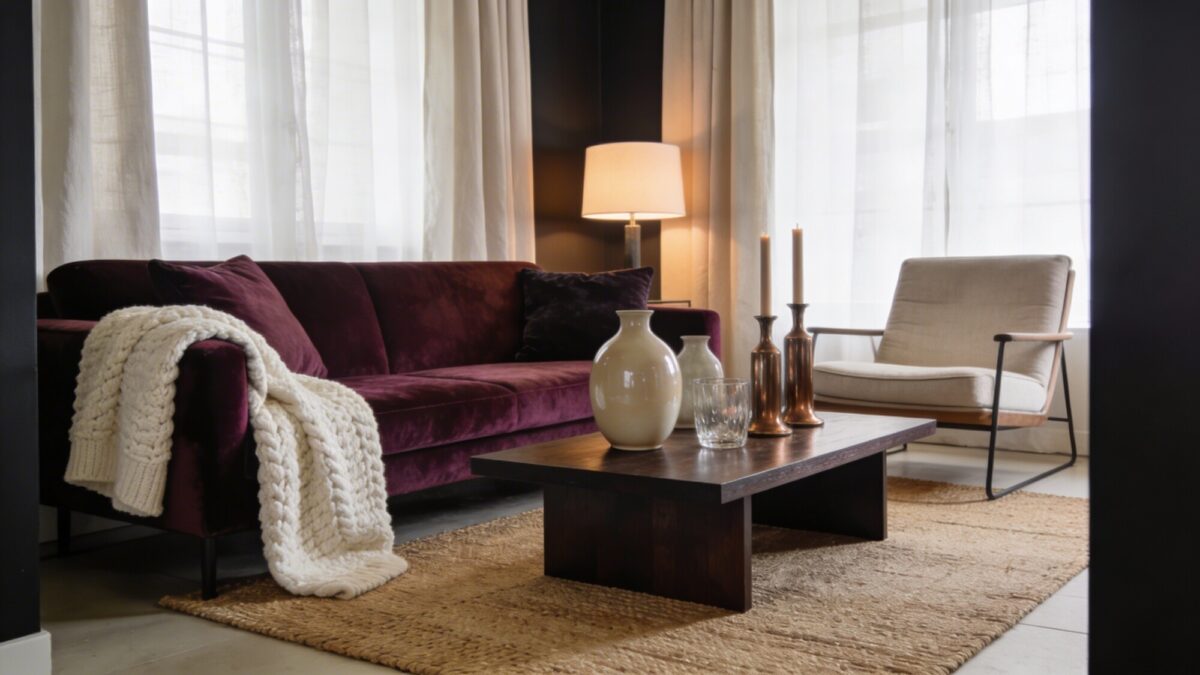
Texture is the secret sauce for small living rooms. It adds warmth, personality, and depth without needing a wrecking ball of design. Think tactile fabrics, woven surfaces, and a few glossy accents to catch the eye.
Key Points
- Mix materials: velvet, linen, jute, and a touch of metal
- Play with scale: chunky knit throws, smooth ceramic vases, sleek glass
- Contrast light and dark fabrics to create depth
One strategic swap can transform flat spaces into a cozy, layered retreat. When in doubt, lean into a neutral palette with a single bold accent to keep things cohesive.
2. Optimize Vertical Space with Clever Storage
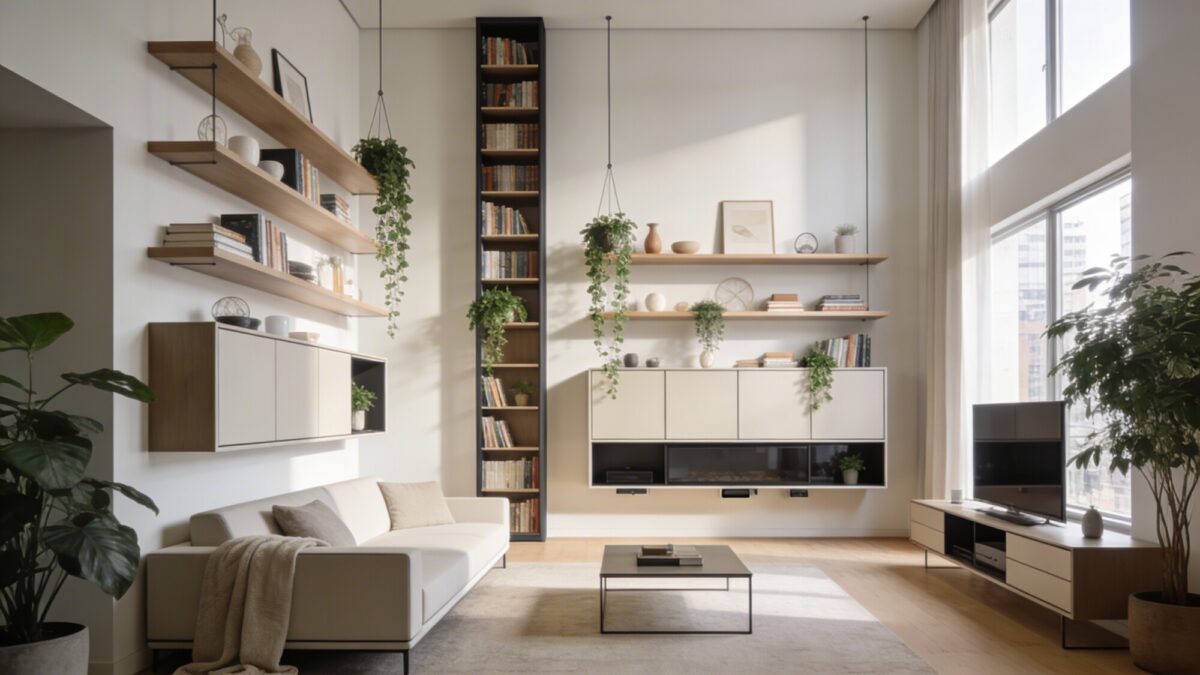
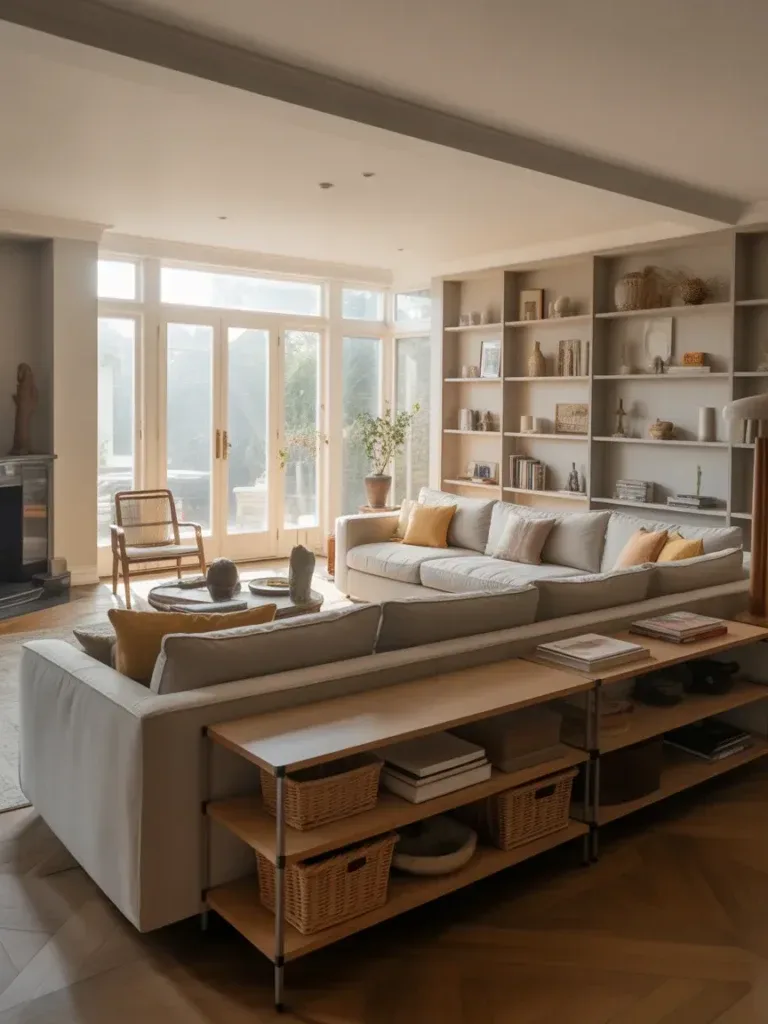
In apartments, height is your best friend. Vertical storage frees up floor space and makes the room feel bigger. Plus, it gives you a place for all the things you actually use, instead of piling them in baskets that look like chaos.
Tips
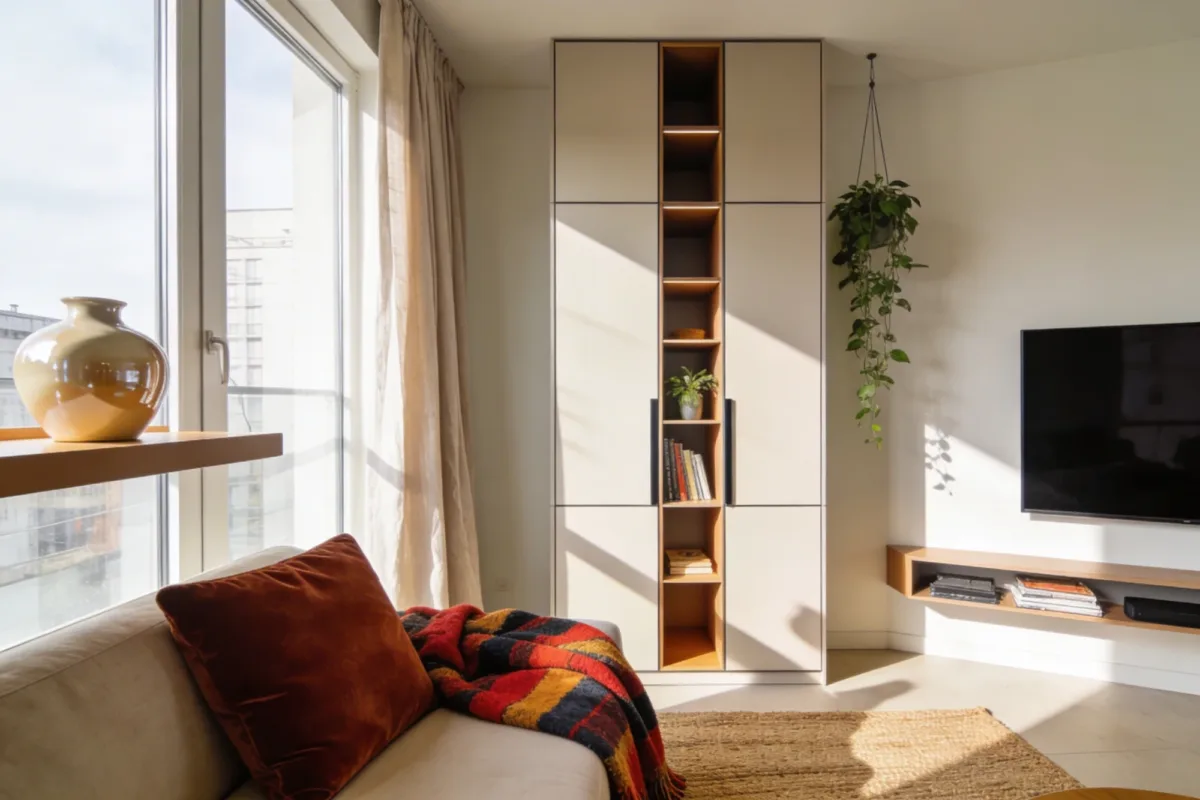
- Floating shelves at eye level create an instant focal point
- Modular wall units that double as media storage
- Hanging plants to soften edges and add life
Use vertical elements to draw the eye upward and give the illusion of more air. When you need to hide gadgets, tuck them into slim cabinets that don’t intrude on the vibe.
3. Create a Zone That Feels Like a Mini Studio
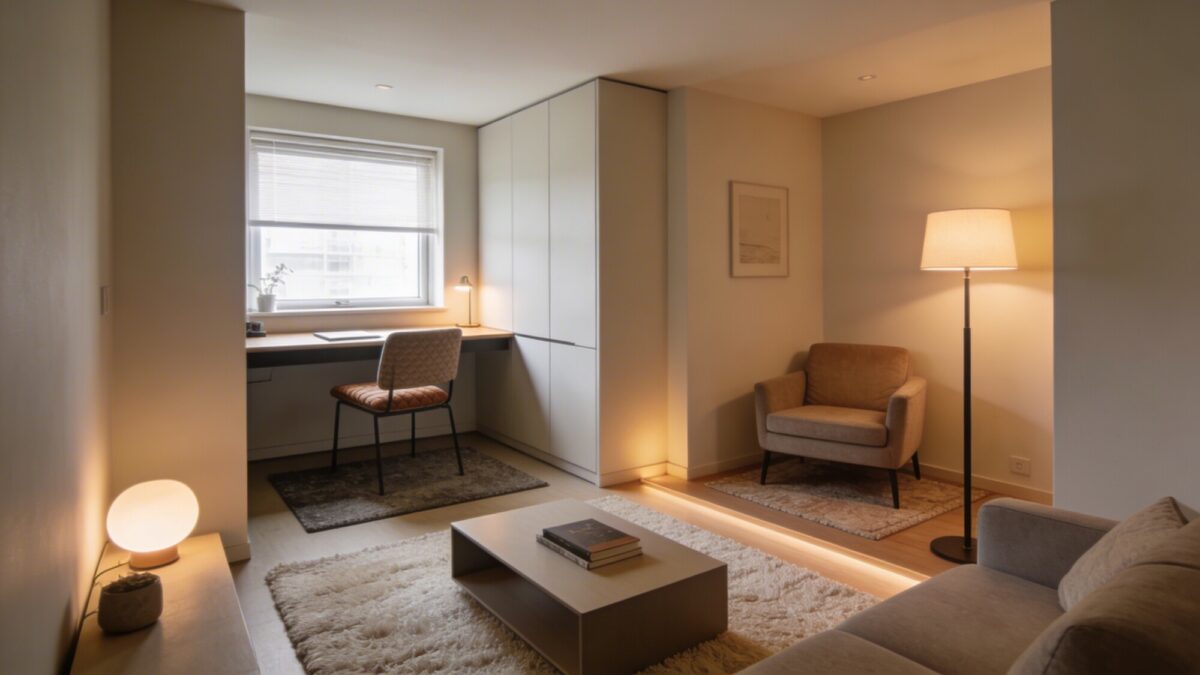
Small spaces benefit from clear functional zones. A distinct living area, a compact work nook, or a reading corner helps your brain switch gears and makes the room feel intentional, not crowded.
What’s a Zone Worth?
- Defined through rugs, lighting, and furniture placement
- Use a mobile screen or bookshelf to visually separate areas
Think: a soft rug under the coffee table to anchor the seating, a slim desk tucked by a window, and a comfy chair with a floor lamp. Trust me, the separation makes the room feel bigger and more polished.
4. Choose a Focal Point That Sparks Joy
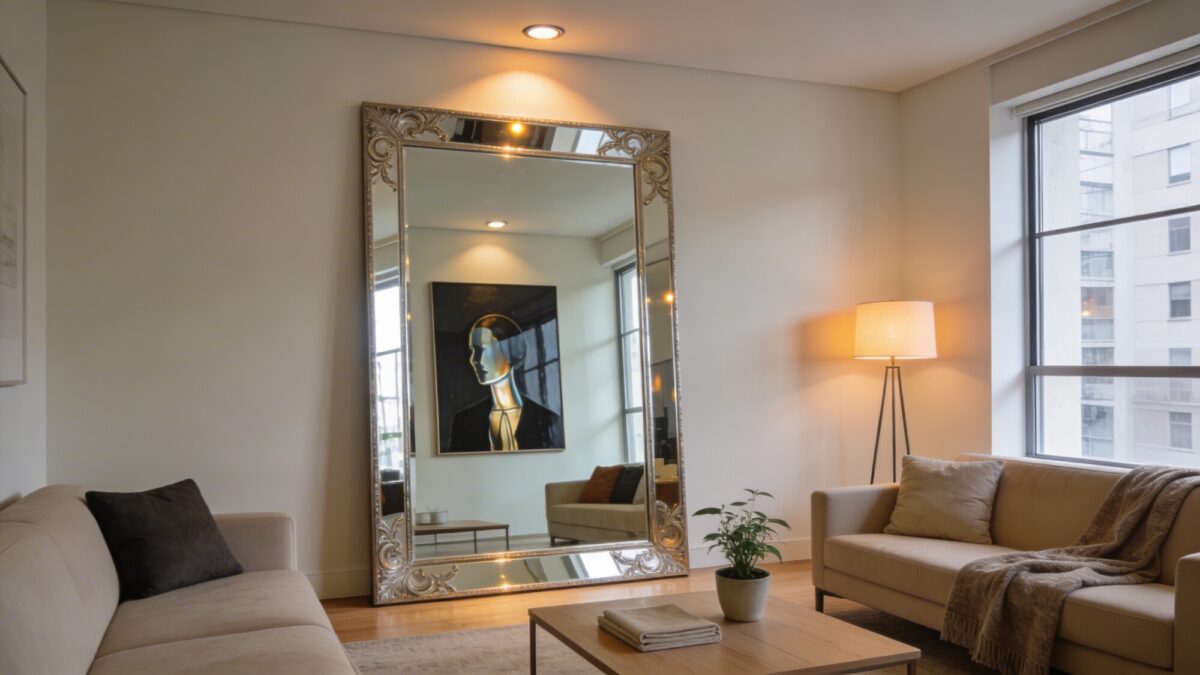
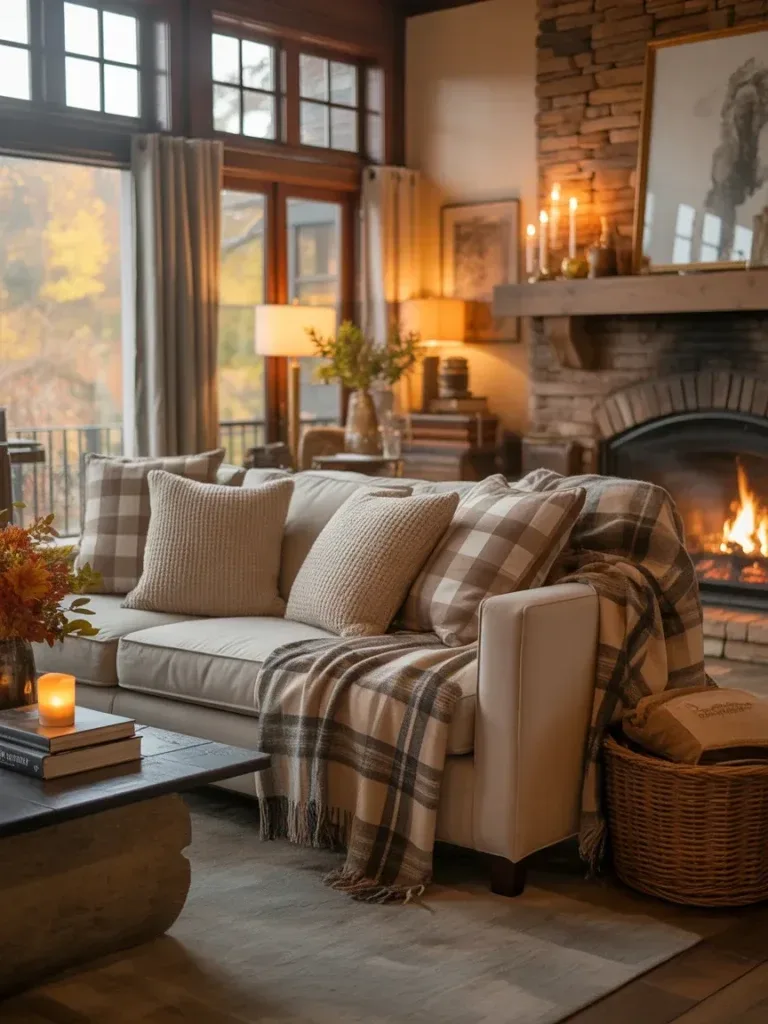
A single, strong focal point anchors a room and keeps the eye moving in a pleasant loop. It could be a fireplace, a bold artwork, or an oversized mirror—whatever makes you smile when you walk in.
How to Nail It
- Pick one statement piece as the star
- Balance it with neutral surroundings to let it shine
- Layer lighting to enhance the focal point at night
When the room has a hero piece, everything else falls into place. It’s like giving your eyes a guide and saving you from overthinking decorating decisions.
5. Play with Color Without Going Crazy
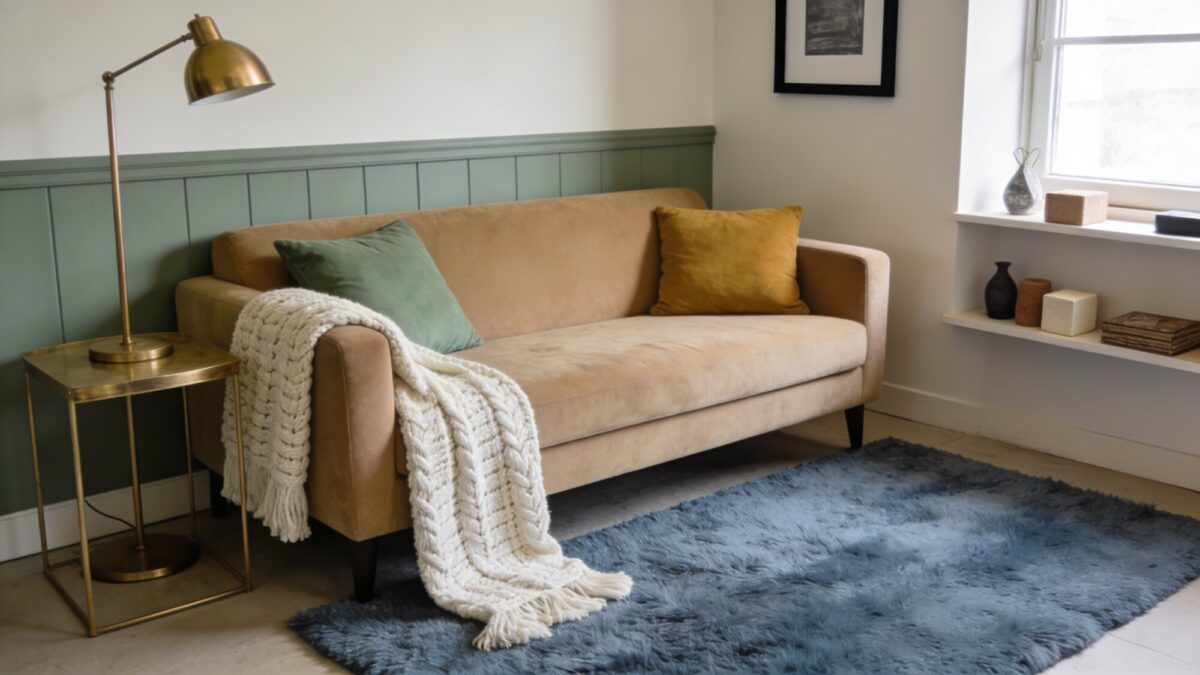
Color can transform a space, but in a small apartment, you want control. Start with a soft base and introduce color accents in small doses—art, cushions, a rug, or a single painted wall panel.
Practical Palette
- Base: warm beige, soft gray, or oat white
- Accent: sage green, mustard, or dusty blue
- Metallic pops: brass, copper, or matte black
Mix and match color blocks in textiles and accessories, not walls. This keeps the space lively yet cohesive, and you can switch things up with seasons or mood, no wrecking crew required.
6. Light It Up Like You Mean It
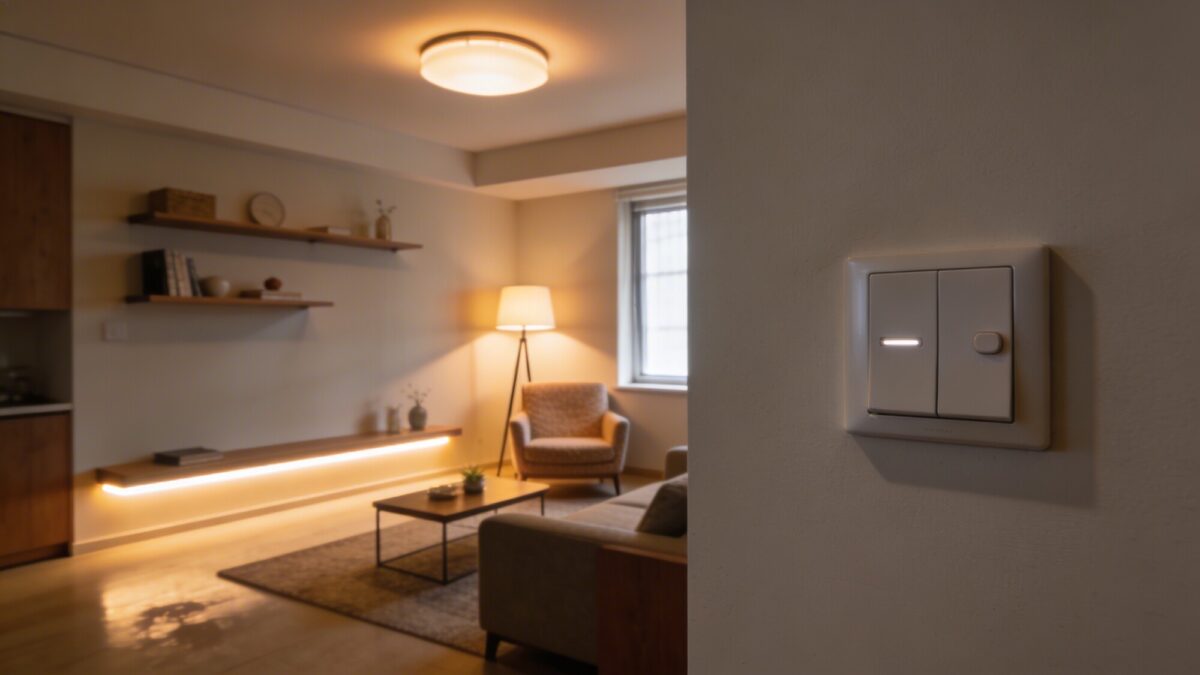
Lighting is the underrated power move. In apartments, layered lighting shapes mood, makes tasks easier, and can visually enlarge the space. Aim for a blend of ambient, task, and accent lights.
Lighting Techniques
- Overhead light for general illumination
- Floor lamp by the reading chair for cozy corners
- LED strip lights under shelves for a soft halo
FYI, dimmers are your best friend here. They let you switch from bright daytime energy to mellow evening vibes without swapping bulbs. Seriously, it changes everything when you’re entertaining or winding down.
End note: these six ideas aren’t about overhauling your life, just tweaking it. Each one scales from a studio to a two-bedroom with a few clever swaps, and you’ll feel the difference fast. Trust me, your space will start buzzing with personality the moment you pick one or two favorites and run with them.
Ready to dive in? Grab a few things that speak to you, stage them, and see how the room breathes. You’ve got this — your apartment deserves a living room that looks as good as you feel.