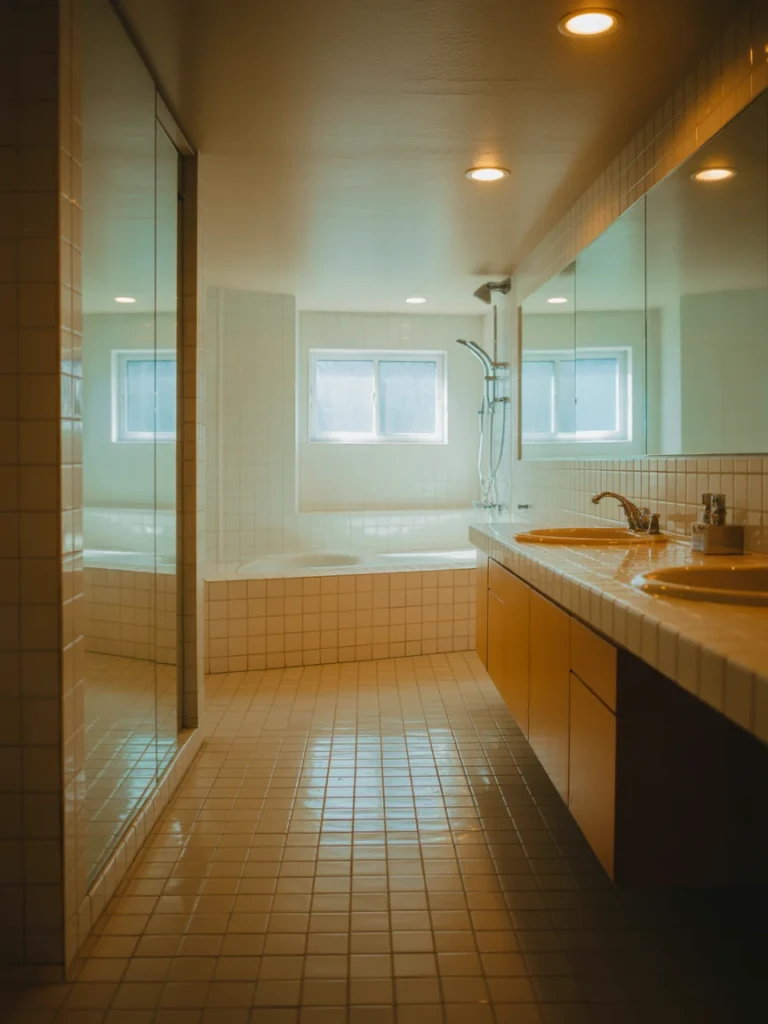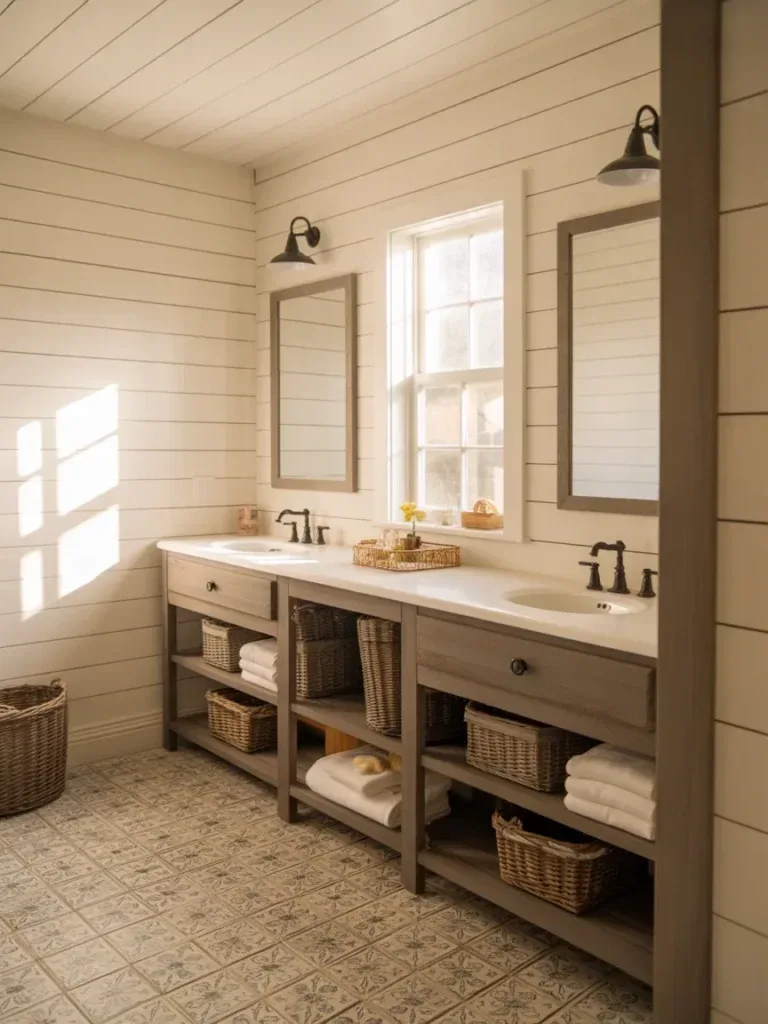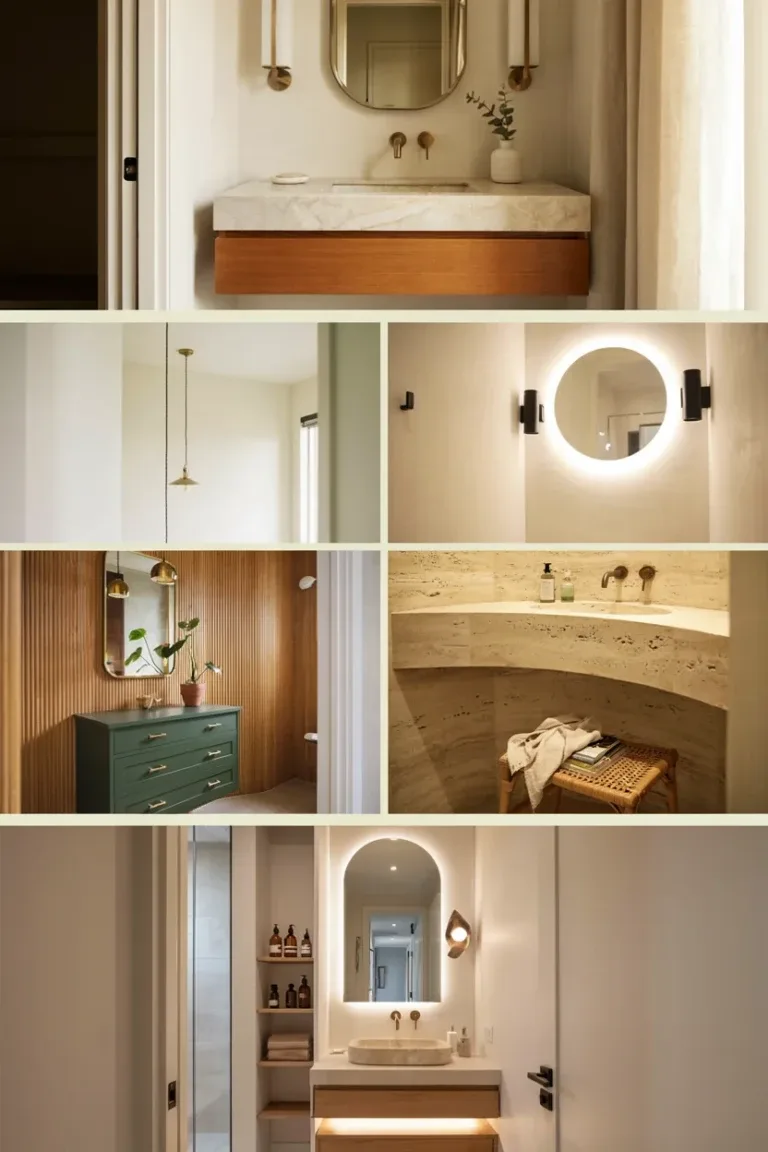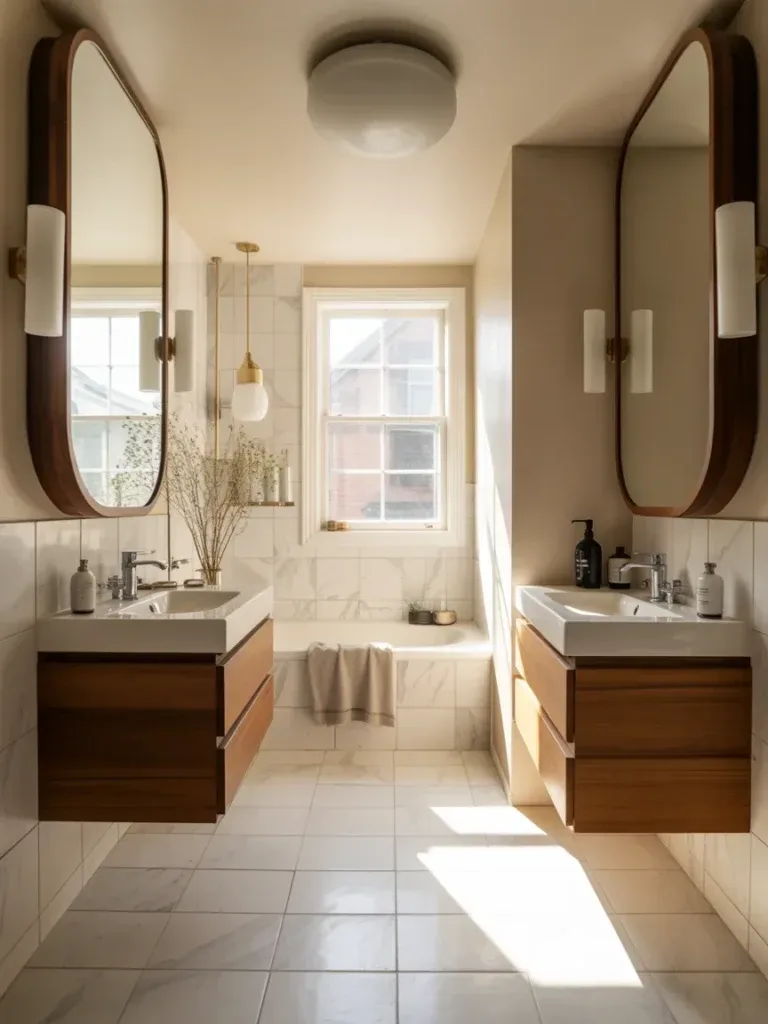
Walk-In Shower vs Bathtub: Which Modern Bathroom Design Idea Wins Big?
Stuck choosing between a sleek walk-in shower and a classic bathtub? You’re not alone. This debate pops up in almost every bathroom renovation—and for good reason. Both options look great, but they serve very different lifestyles. Let’s break it down so you can pick what actually fits your space (and your daily routine).
The Core Difference: Speed vs Soak
At the simplest level, this comes down to how you use your bathroom.
A walk-in shower screams convenience. You step in, get clean, step out—done. No climbing, no waiting, no fuss. Perfect for busy mornings when your alarm betrayed you (again).
A bathtub, on the other hand, leans into relaxation. It invites you to slow down, fill it up, and pretend you don’t have responsibilities for 30 minutes.
So ask yourself: Do you want efficiency or an escape?
Walk-In Showers: The Modern Favorite
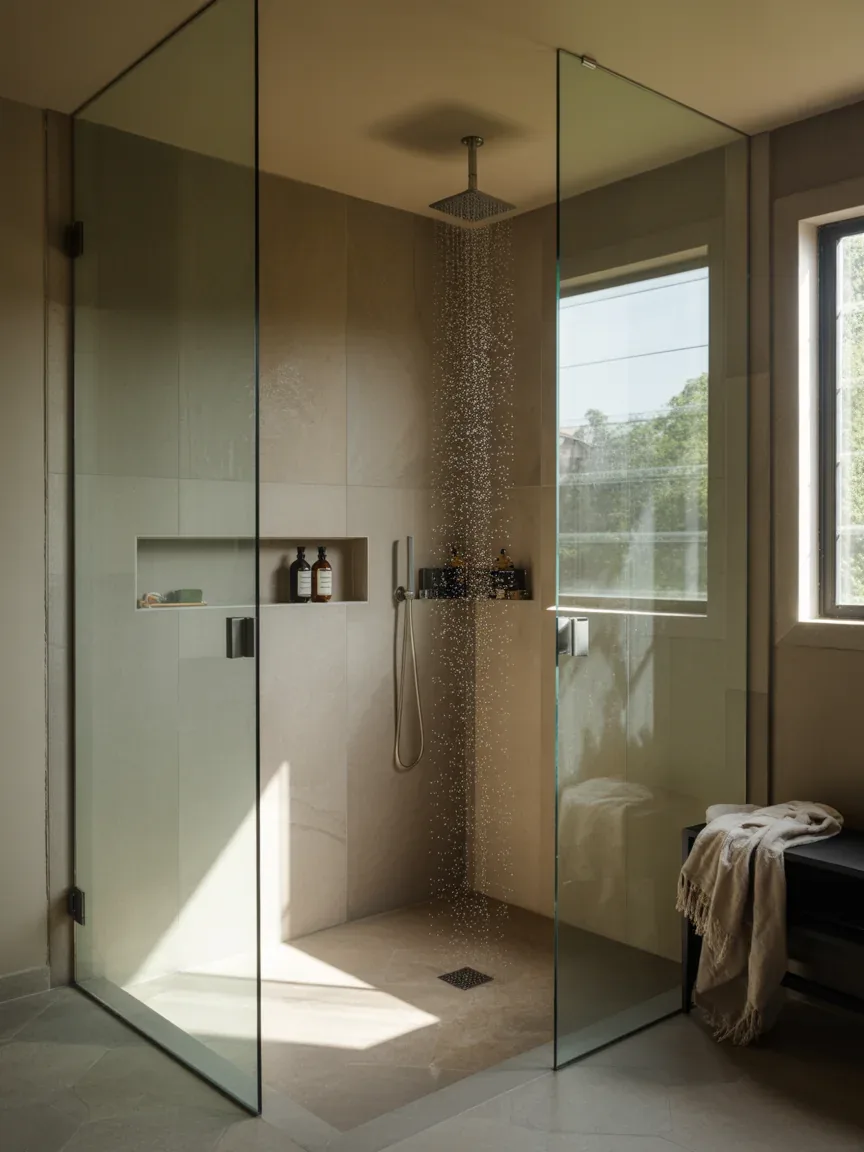
Walk-in showers have basically taken over modern design—and it’s easy to see why.
They feel open, minimal, and instantly make your bathroom look bigger. Plus, they’re incredibly versatile.
Why People Love Walk-In Showers
- Space-saving design — Great for small bathrooms
- Easy accessibility — No stepping over high edges
- Low maintenance — Less scrubbing than tubs
- Modern aesthetic — Clean lines, glass panels, minimal clutter
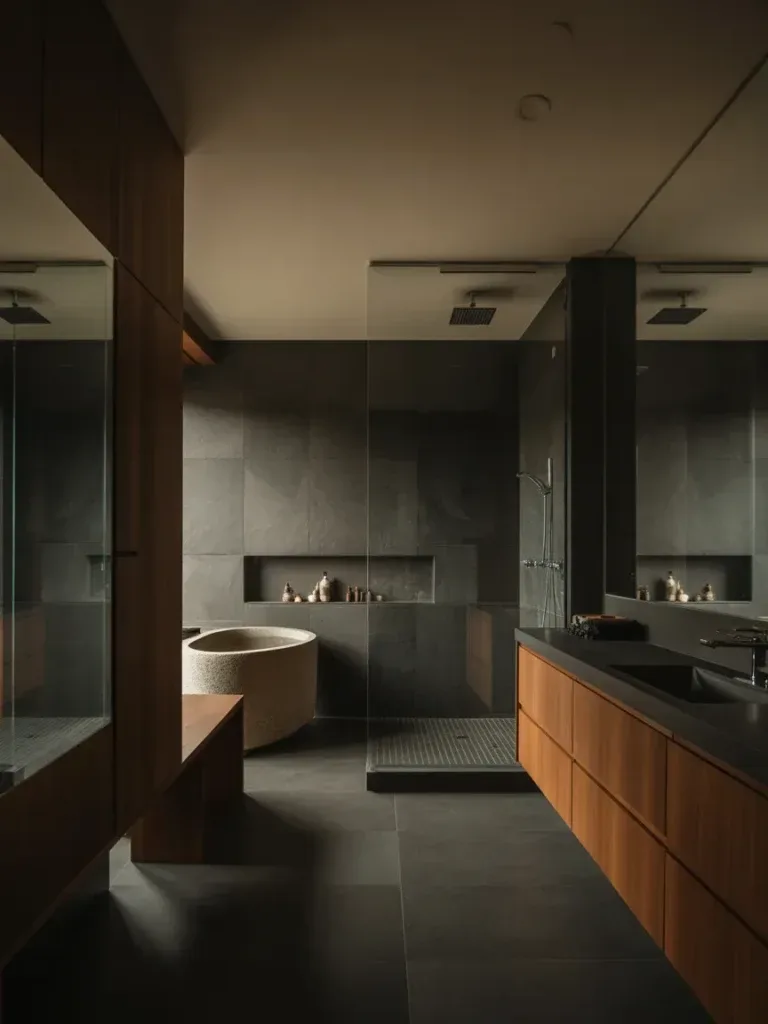
You can also customize them like crazy. Think rainfall showerheads, built-in niches, or even spa-style benches. Want your bathroom to look like a Pinterest board? This is your move.
But They’re Not Perfect
Let’s be honest—walk-in showers aren’t all sunshine.
- No soaking option (obviously)
- Can feel cold or less cozy
- Water splashes if poorly designed
If you love long baths after a stressful day, a shower might feel… underwhelming.
Bathtubs: Classic Comfort That Still Delivers
Bathtubs have stuck around for a reason. They’re not just functional—they’re an experience.
There’s something about sinking into warm water that a shower just can’t replicate. It’s basically therapy without the hourly rate.
Why Bathtubs Still Matter
- Relaxation factor — Ideal for stress relief
- Great for families — Kids + tubs = easier bath time
- Higher resale appeal — Many buyers expect at least one tub
Freestanding tubs, in particular, can look stunning. They act like a centerpiece instead of just a utility.
Downsides You Should Know
- Take up more space
- Use more water
- Cleaning can be annoying (especially around edges)
Also, let’s be real—how often will you actually use it? If the answer is “twice a year,” that’s worth thinking about.
Space Matters More Than You Think
Your bathroom size can make this decision for you—no drama needed.
Small Bathrooms
If you’re working with limited space, a walk-in shower usually wins. It keeps things open and avoids that cramped feeling.
A bulky tub in a tiny bathroom? That’s a design crime (IMO).
Larger Bathrooms
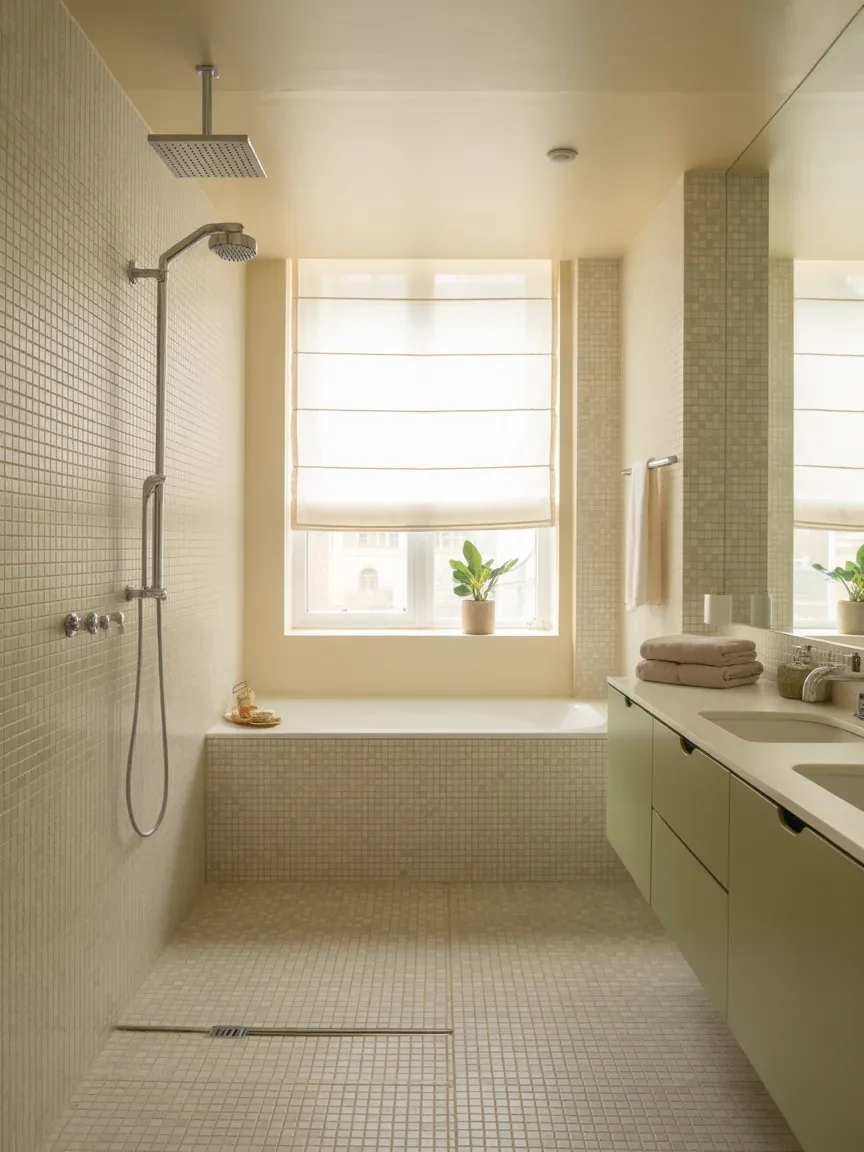
Got room to play with? You can go either way—or even both.
Some people install:
- A walk-in shower for daily use
- A bathtub for occasional relaxation
Yes, it’s a luxury setup—but if you have the space, why not?
Lifestyle: The Real Deciding Factor
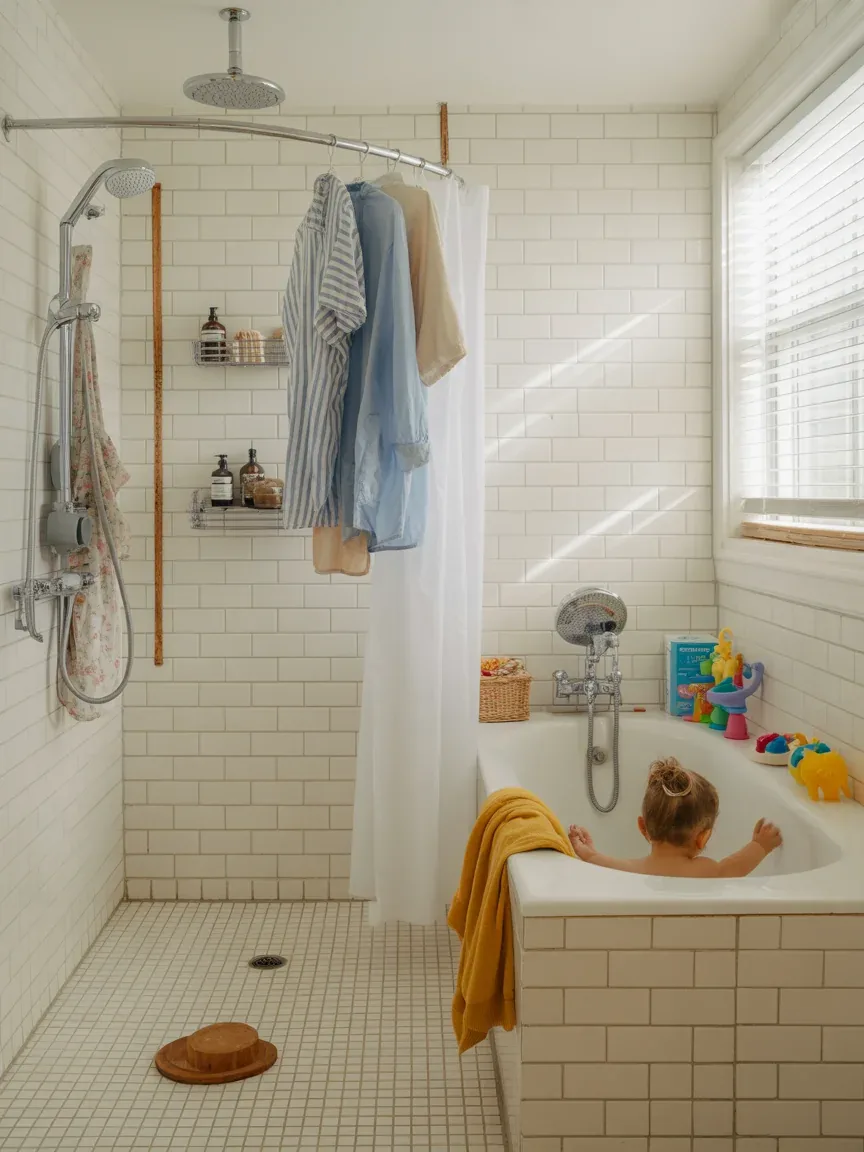
Forget trends for a second. Your daily habits matter more than what’s “in.”
Choose a Walk-In Shower If You:
- Prefer quick, efficient routines
- Live alone or as a couple
- Want low maintenance
- Care about modern, minimalist design
Choose a Bathtub If You:
- Love soaking and relaxing
- Have kids or pets
- Enjoy spa-like experiences at home
- Want broader resale appeal
Be honest here. Don’t design your bathroom for a fantasy version of yourself who takes nightly bubble baths with candles.
Budget and Installation Reality Check
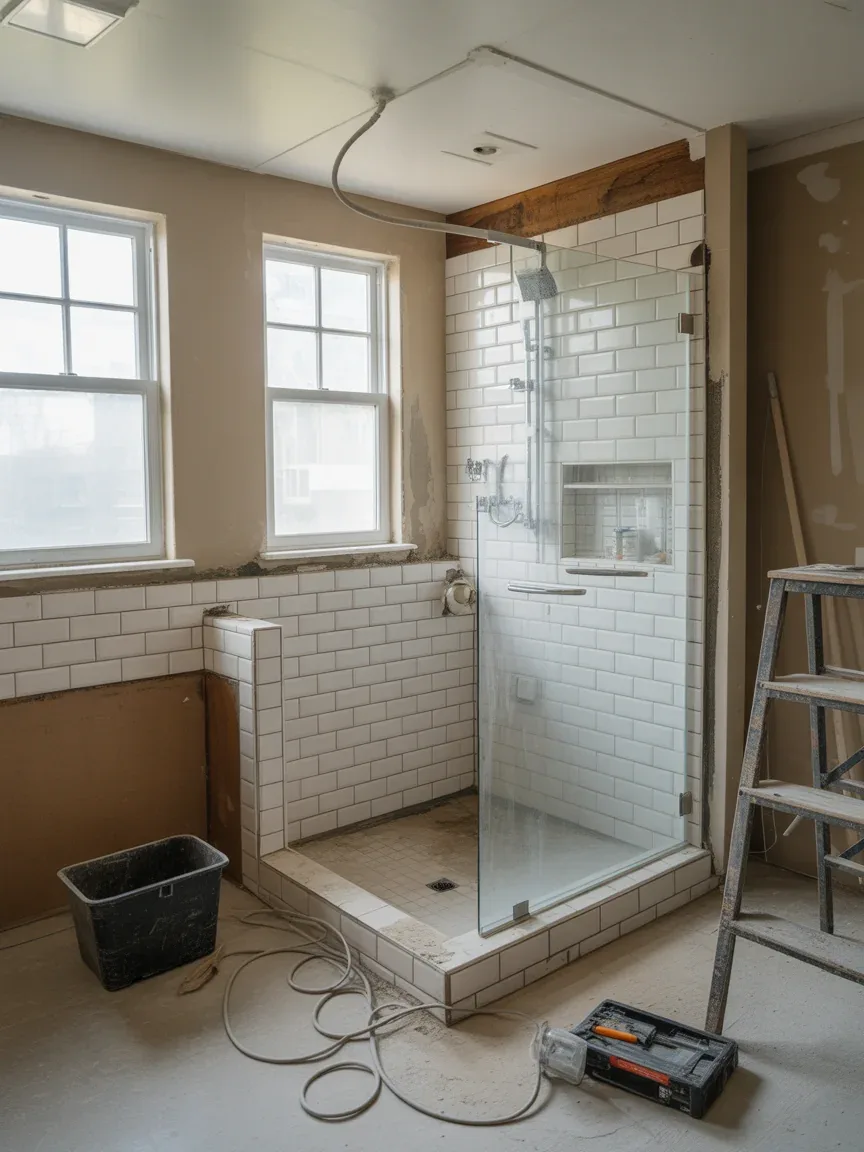
Let’s talk money—because design dreams always meet reality here.
Walk-In Shower Costs
Walk-in showers can range from affordable to luxury-level, depending on features.
- Basic setups: budget-friendly
- Custom glass, tile, fixtures: $$$
But overall, they often cost less than installing a high-end tub.
Bathtub Costs
Bathtubs vary wildly.
- Standard tubs: relatively cheap
- Freestanding designer tubs: expensive fast
Plus, installation can get tricky, especially if plumbing needs adjustments.
FYI: Custom anything will raise your budget. Always.
Maintenance: What Will Annoy You Long-Term?
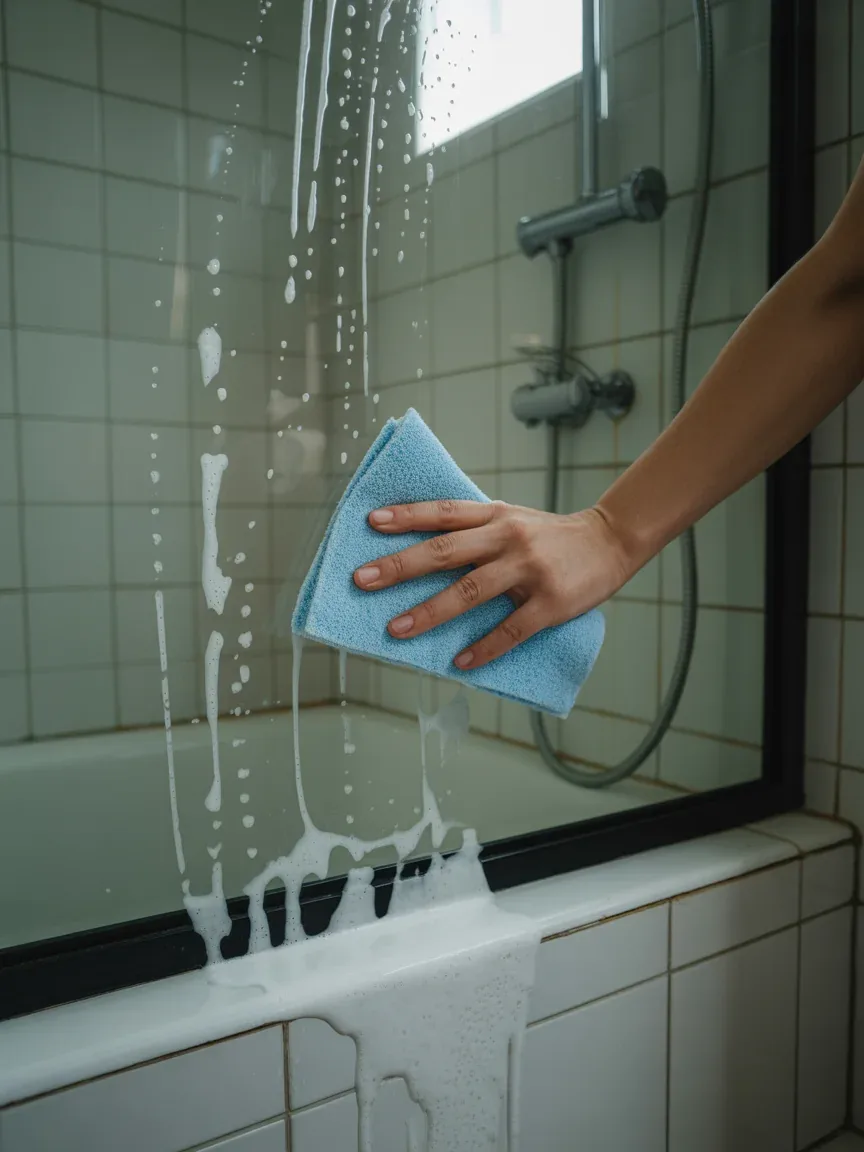
This part doesn’t get enough attention—but it should.
Walk-In Showers
- Easy to clean if designed well
- Glass panels require regular wiping
- Minimal corners = less grime buildup
Bathtubs
- More surface area to scrub
- Hard-to-reach edges
- Can collect soap scum quickly
If you hate cleaning (who doesn’t?), a walk-in shower usually feels less like a chore.
FAQ
Is a walk-in shower better than a bathtub for resale?
Not always. Many buyers prefer having at least one bathtub, especially families. If your home has multiple bathrooms, include both if possible.
Can I have both in a small bathroom?
It’s tough but doable with smart design. Shower-tub combos exist, but they don’t deliver the full luxury of either option.
Which option is more water-efficient?
Walk-in showers usually use less water—especially if you keep them short. Long showers, though? That cancels the benefit quickly.
Are walk-in showers safe for older adults?
Yes, they’re often safer. No stepping over high tub edges reduces the risk of slipping. Add grab bars, and you’re set.
Do bathtubs go out of style?
Not really. Trends shift, but bathtubs remain a staple—especially in family homes and luxury designs.
Conclusion
So, walk-in shower vs bathtub—which wins? It depends on you.
If you want speed, style, and simplicity, go with a walk-in shower. If you crave relaxation and versatility, a bathtub still holds its ground.
If you can afford it and have the space, the real power move is having both. But if you must choose, pick the one that fits your actual life—not your Pinterest board dreams.