Rug Living Room Layout: Cozy, Pro, and on Point
An instant vibe boost for your space? Yes, please. If you’ve ever stared at a rug and thought, “This thing is steering my whole room,” you’re in the right place. Let’s diagnose the rug living room layout so it feels intentional, cozy, and totally you—without breaking the bank or your back.
Why a Rug Can Make or Break a Room
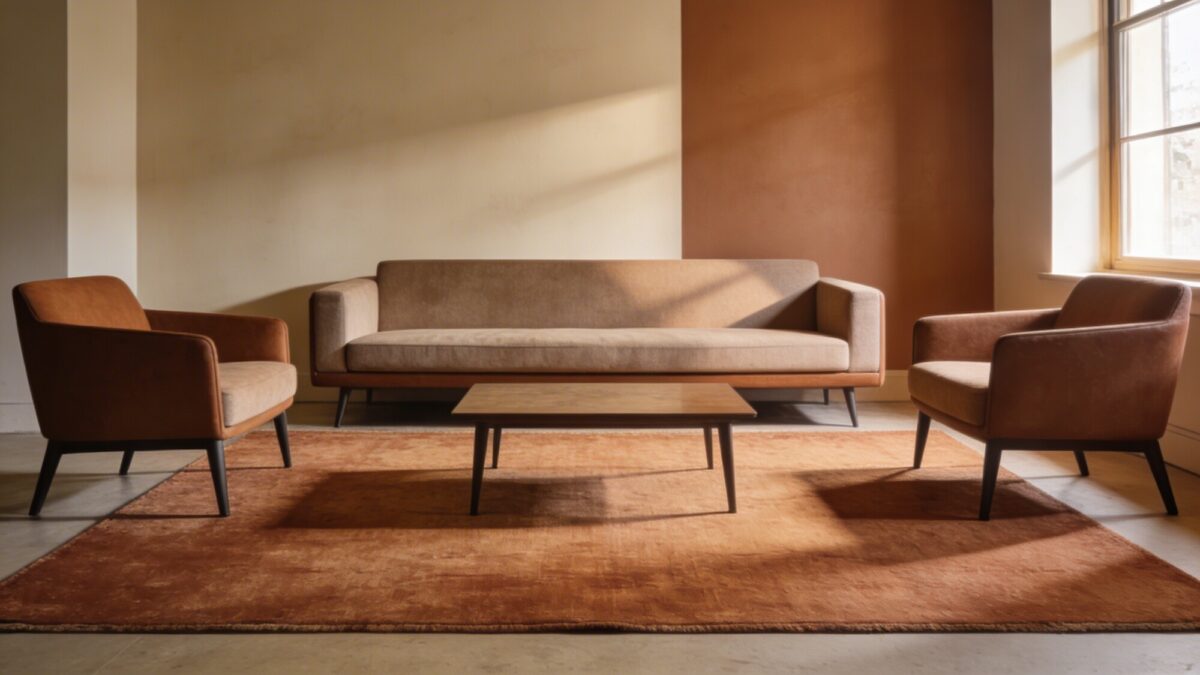
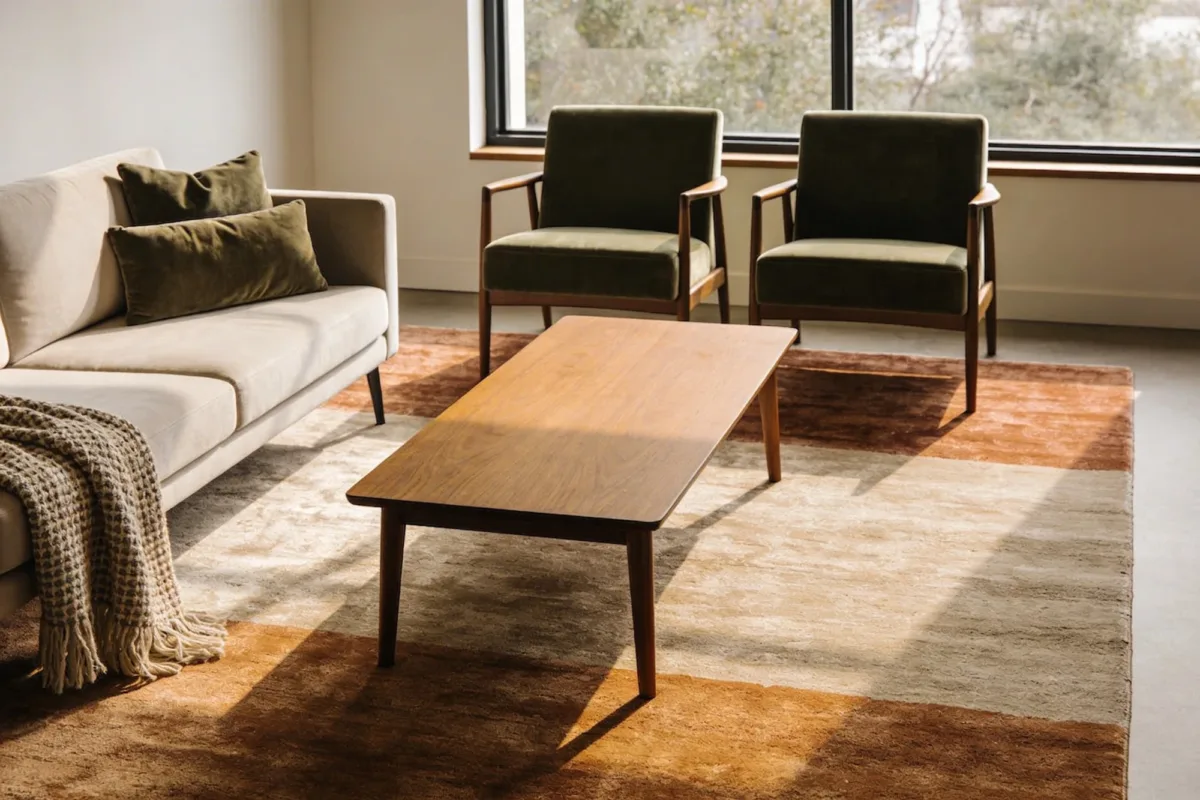
Rugs are the unsung heroes of living rooms. They define zones, soften echoes, and add a pop of color or texture you didn’t know you needed. But the wrong size, pile, or placement can make a space feel off-balance or cramped. FYI, you’re not doomed to buy a dozen rugs to find the right one—let’s get strategic.
Size, Shape, and That Holy Grail: The Right Rug for Your Space
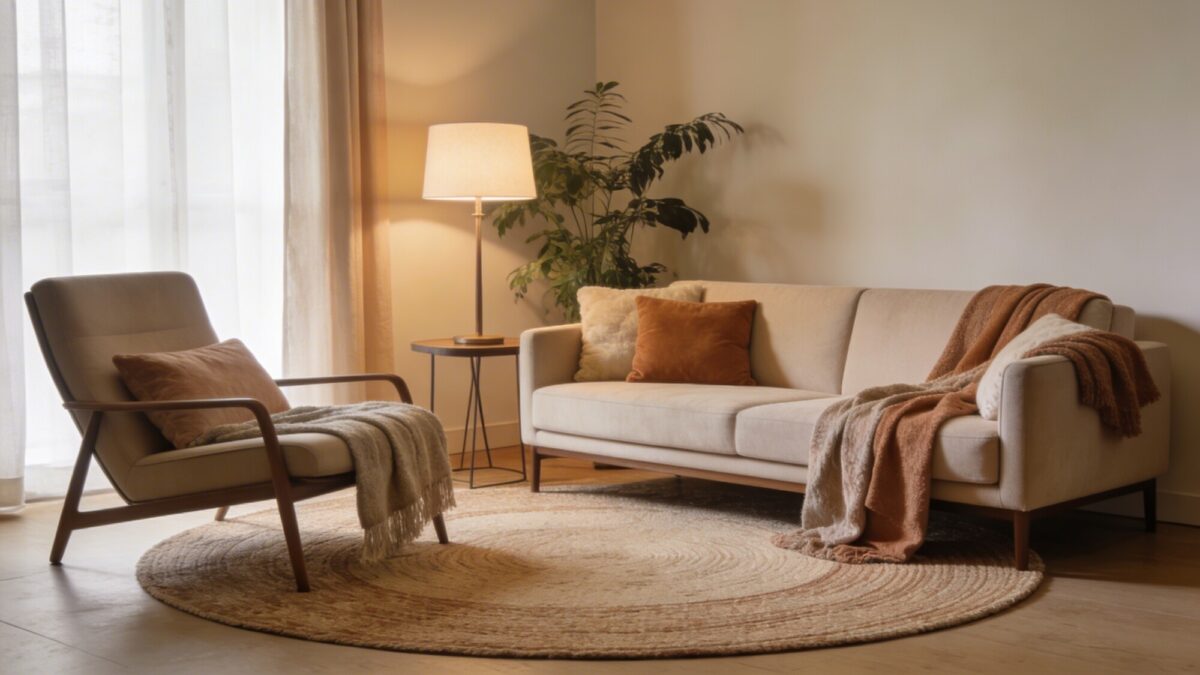
Choosing the right rug is less about “pretty” and more about proportion.
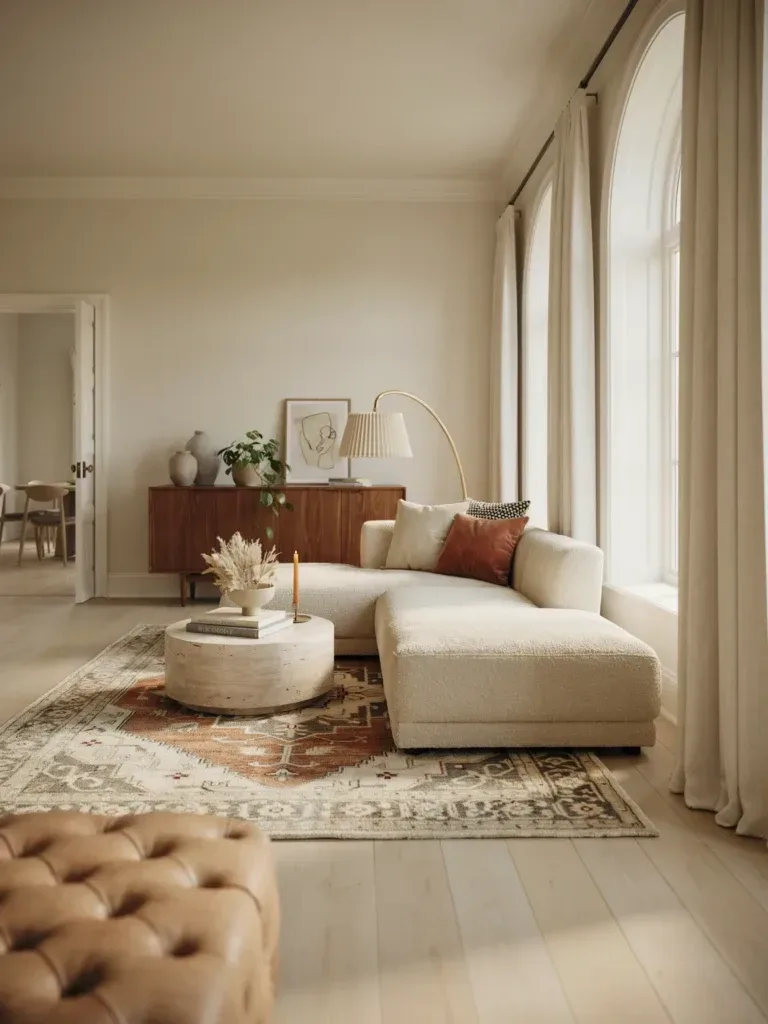
- Know your zone: If you have a seating area, aim for a rug big enough to tuck at least the front legs of all main seating—sofas and chairs. This visually anchors the group.
- Measure like a pro: For a typical sofa, aim for a rug that’s 8×10 or 9×12 in larger rooms. In small spaces, go for a 5×8 or 6×9 that still tucks under the front legs.
- Shape matters: A rectangular rug usually works best, but a round rug can soften angular furniture and spark conversation as a focal point.
Pile and Texture: Warmth Without the Fuss
If you’ve got kids, pets, or a wild furniture layout, go for low-pile or looped textures. They’re easier to clean and won’t trap crumbs like a shagzilla. For a luxe moment, layer a smaller fluffy rug over a flat-weave base—instant coziness, zero drama.
Layout Rules: How to Place Your Rug Like a Pro
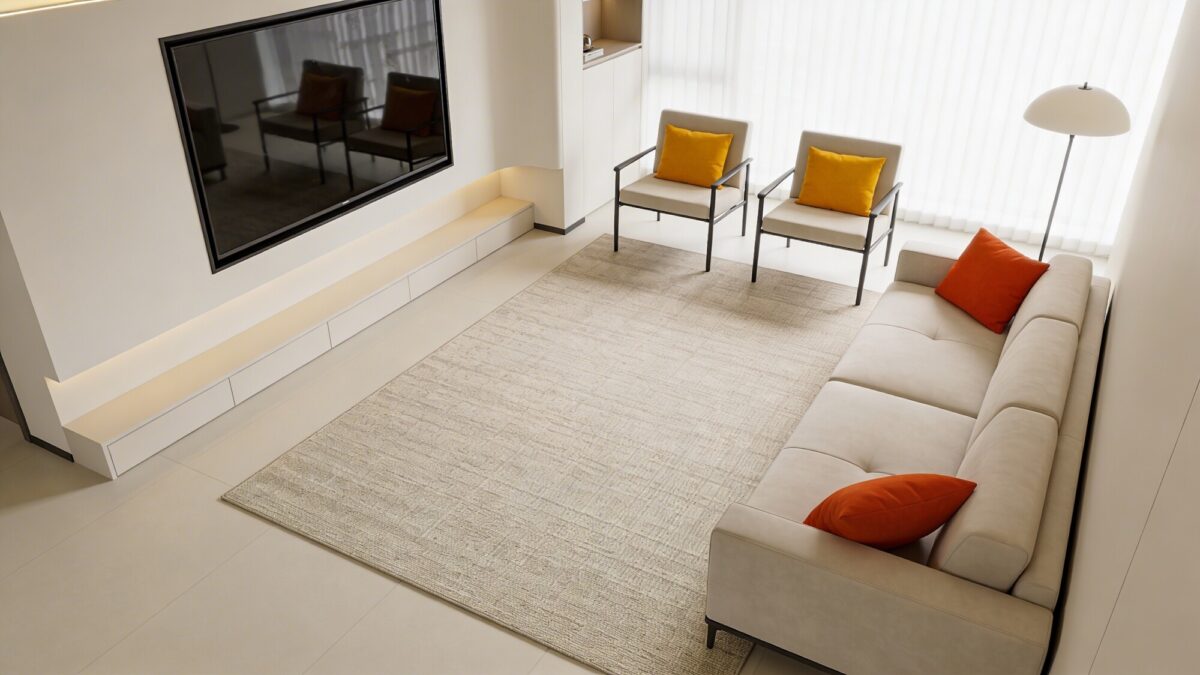
Rug placement isn’t rocket science, but it does require a bit of choreography.
- Center it with purpose: In a living room, align the rug with the seating group and the focal point (fireplace, TV wall, window view). Don’t let the rug float in the middle of nowhere.
- Anchor all seating: Front legs on the rug is classic. If you can’t, aim for at least the front two legs—something is always better than nothing.
- Balance the room: If your rug is bold, pair it with calmer furniture. If your rug is neutral, you’ve got room to play with color in cushions and art.
Layering Looks: Rugs on Rugs
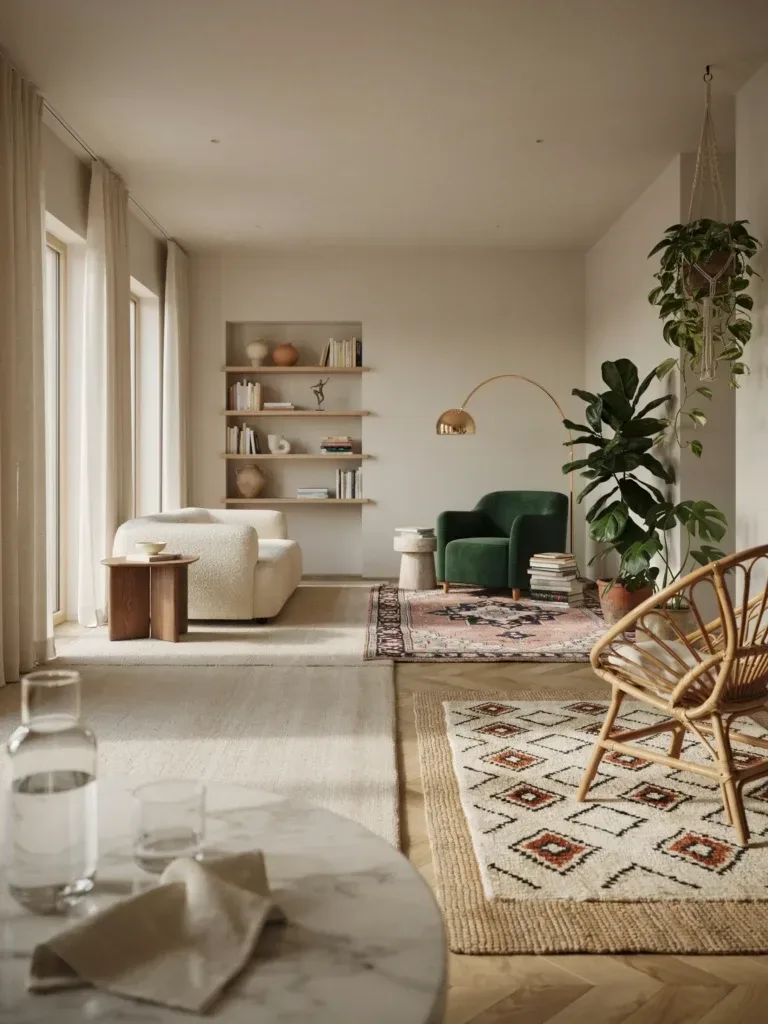
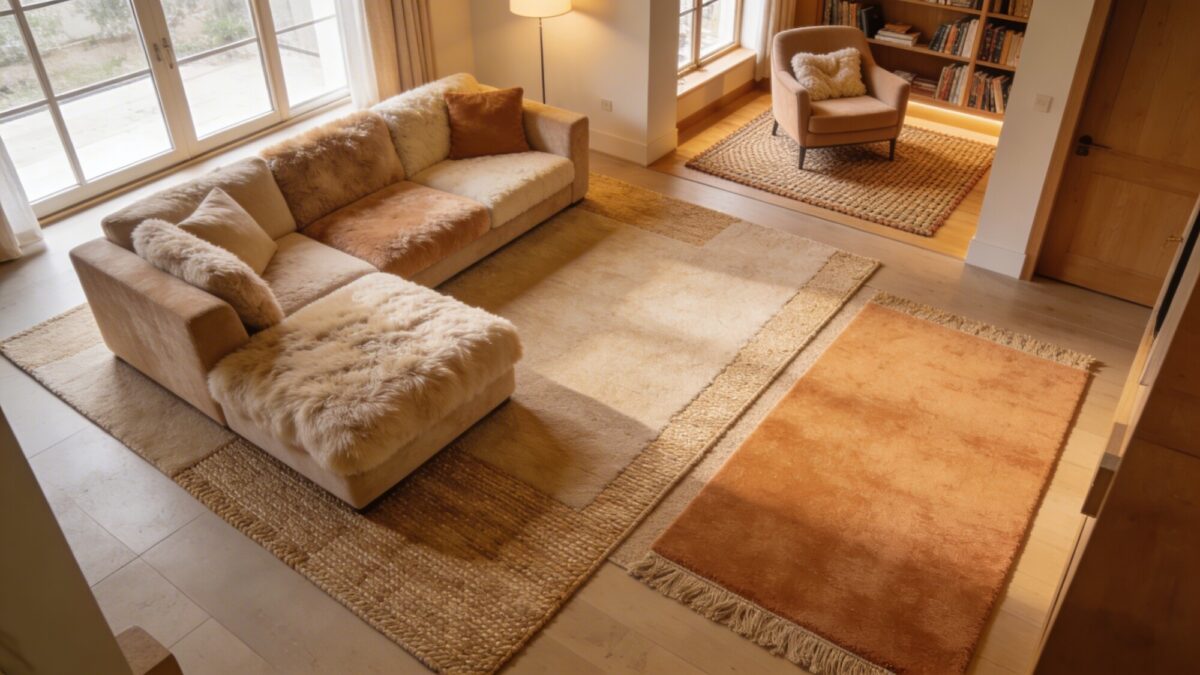
Layering can add depth and personality. Start with a larger base rug, then place a smaller, stylish rug on top. Make sure they coordinate in color or pattern so you don’t wobble visually. Pro tip: use a non-slip underlay to keep everything in place—no accidental artful rug slide during a movie night.
Color Strategy: Tying It All Together
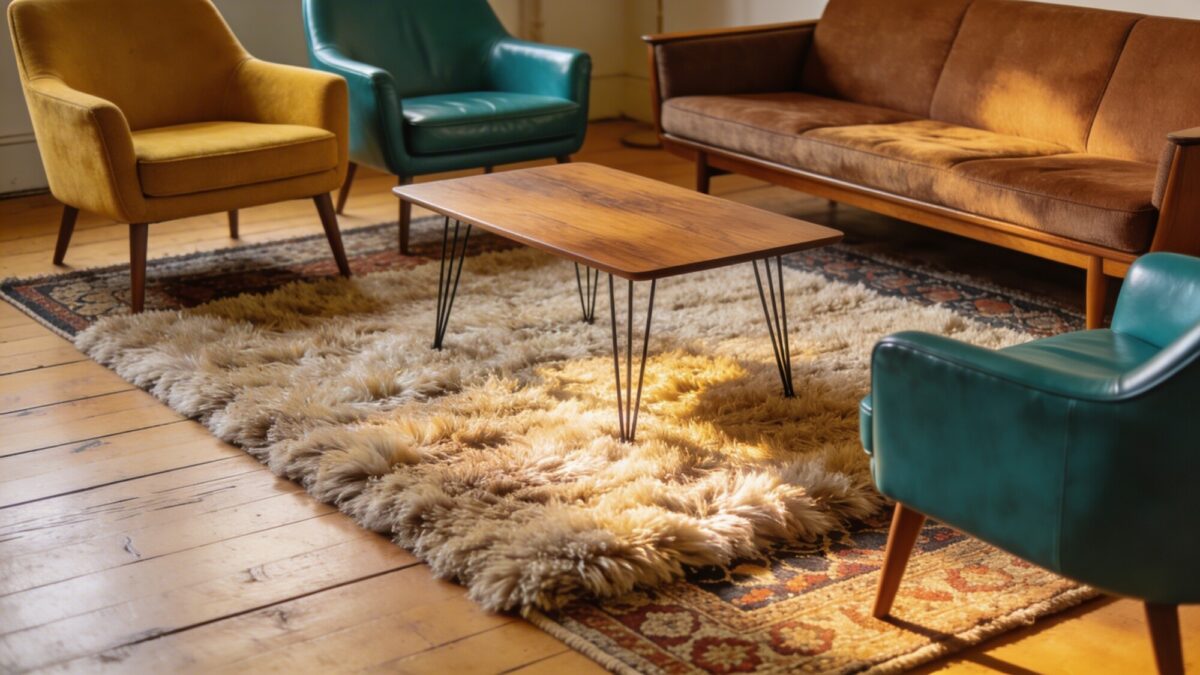
Color is your best friend for pulling a room together when the rug is the star. If you’re unsure where to start, pull a couple of colors from the rug and repeat them in cushions, throws, or wall art. It creates harmony without turning the space into a matching brochure.
- Go bold with a rug: If your walls are subdued, a rug with personality can be the drama you crave. Just repeat one or two colors elsewhere, so the look stays cohesive.
- Go calm with a rug: A muted rug lets you experiment with brighter furniture or art—your room won’t feel overwhelmed.
Furniture Placement: Making the Room Flow
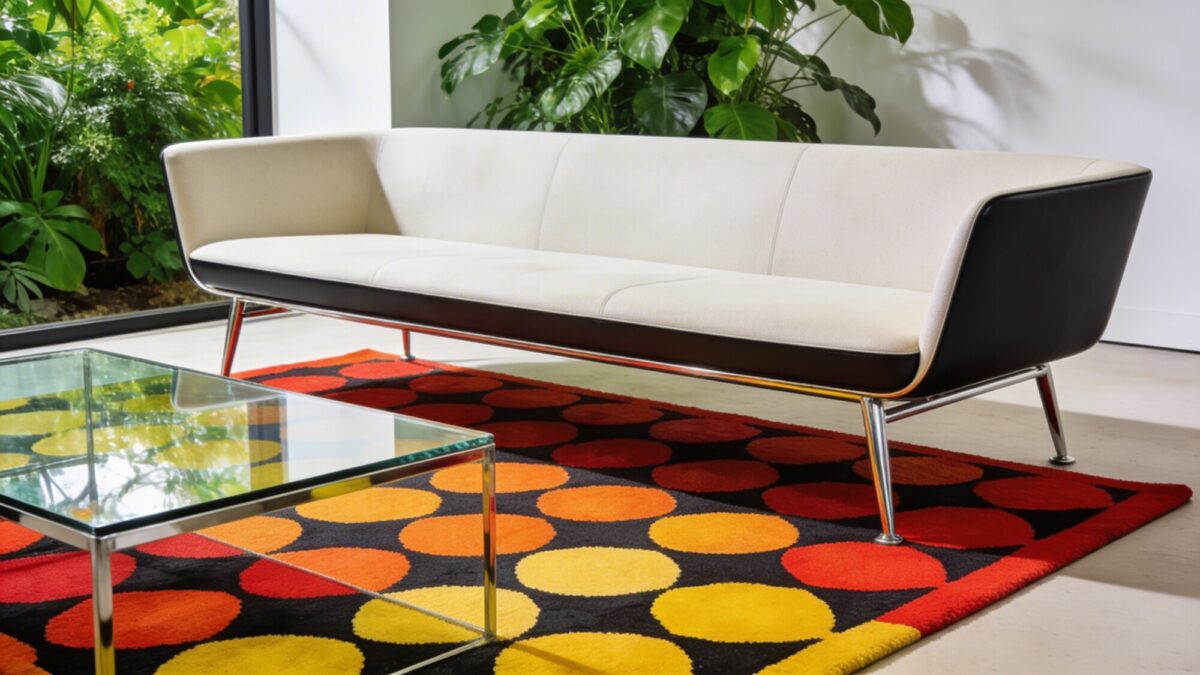
Your rug can guide the traffic pattern in the room. Think of it as a runway for conversation and lounging.
- Floating zones: If you don’t have a natural wall anchor, use the rug to create a lounge island. Place a coffee table and a couple of chairs so people naturally gather there.
- TV vs. conversation zone: If you watch TV a lot, place the rug to bring seating toward the screen but still keep a conversational circle. You’ll avoid that “everyone is facing away” vibe.
Too Small? Solutions When the Rug Isn’t Quite Right
If your rug feels undersized, add a larger coffee table with extended legs that sits on the rug. This visually expands the space and makes the rug feel intentional. If your rug is too big for the room, don’t panic—anchor with a smaller seating area on a portion of the rug and let the rest be furniture feet-free.
Lighting, Accessories, and the Final Polish
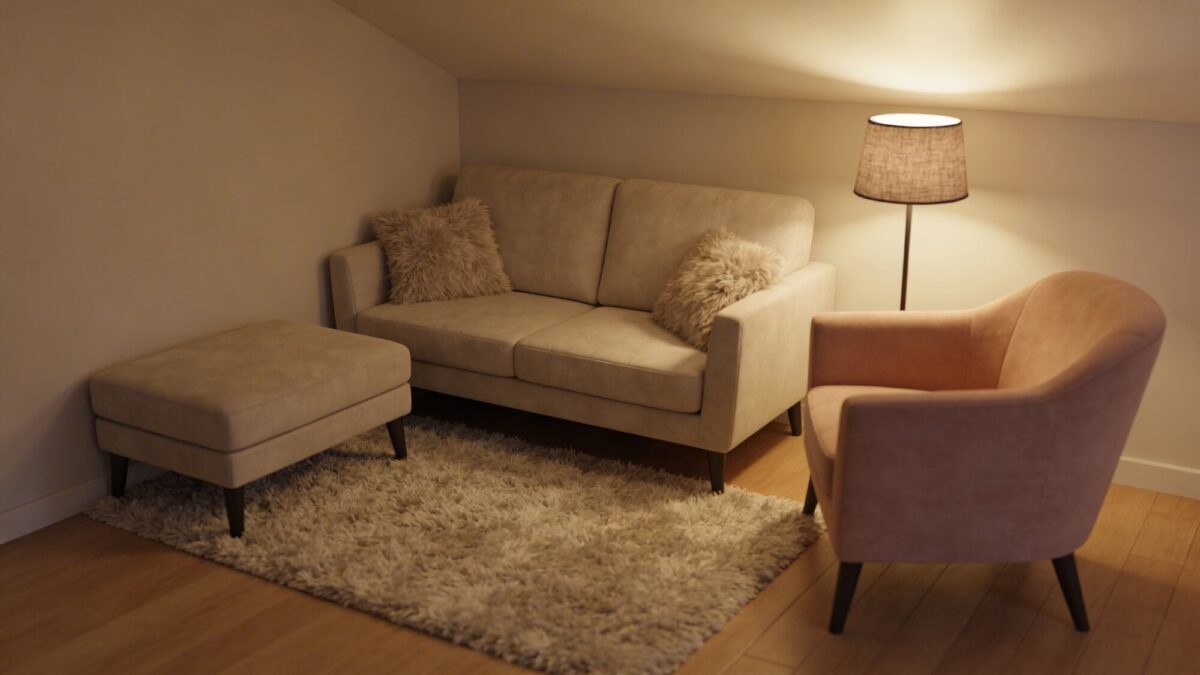
Rug living room layouts aren’t just about the rug. Lighting and accessories finish the look.
- Layer lighting: A mix of overhead, floor lamps, and table lamps creates depth and highlights rug texture. Soft light + texture = cozy-chic vibes.
- Textile balance: Cushions, throws, and curtains should echo rug tones or textures. Too many competing patterns? Keep one big print as the star and layer quieter ones around it.
Common Pitfalls and How to Avoid Them
Let’s save you from rookie mistakes.
- Wrong scale: A tiny rug in a big room screams “wrong choice.” Measure twice, buy once.
- Too busy: If your rug has a bold, complex pattern, simplify other elements. You’ll thank yourself when you’re not visually overwhelmed.
- Slipping disaster: Use a non-slip pad. It prevents rug creep and furniture scrapes—trust me, your ankles will thank you.
FAQ
How do I choose the right rug size for a small living room?
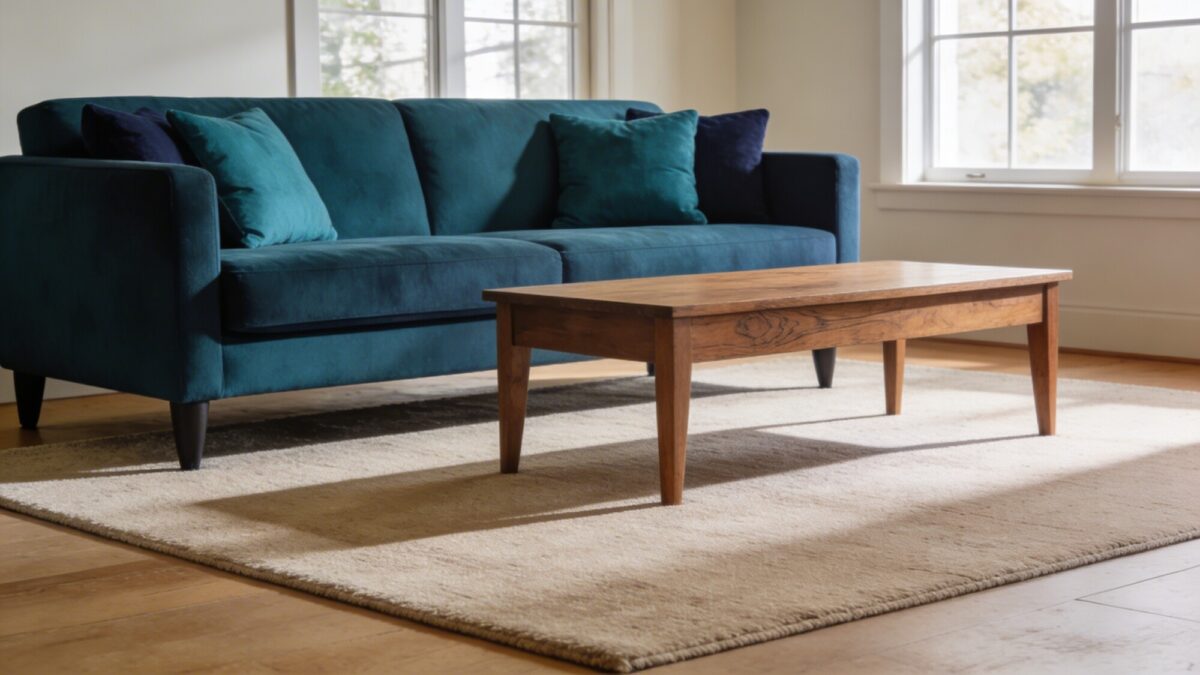
In a small living room, opt for a rug that fits under the front legs of all main seating or at least the front two legs. A 5×8 or 6×9 can work wonders, especially when you layer with cushions and a coffee table that sits comfortably on top.
Is layering rugs a good idea for beginners?
Yes! Start with a large, neutral base and add a smaller, patterned rug on top to create depth. Keep color families cohesive to avoid a chaotic look. FYI, it’s easier than it sounds—practice makes stylish.
What material should I choose for a high-traffic living room?
Low-pile or looped textures in materials like wool or synthetic blends hold up well. They’re easier to clean and won’t flatten as quickly as shag. Pro tip: check stain resistance and consider a rug with a short pile for pet messes.
How do I anchor a rug with a sectional?
If you have a sectional, place the rug so the front legs of the sofa sit on the rug, and make sure the rug is wide enough to catch the other seating pieces as well. If the rug only underlaps, your space will feel disjointed—no one wants that.
Can I use a rug to define a two-room open plan?
Absolutely. A rug can visually separate a living area from a dining nook or workspace. Just ensure the transition between zones feels intentional—think shared color accents or a unifying texture.
Conclusion
Your rug isn’t just a floor covering—it’s the stage where your living room performances happen. With the right size, placement, texture, and color coordination, you’ll create a space that feels thoughtful and lived-in, not lucky guess and chaos. So go ahead: measure, test layouts, and layer until you love how you move through the room. Your future self will thank you, and your guests might even ask for the rug’s secret.