
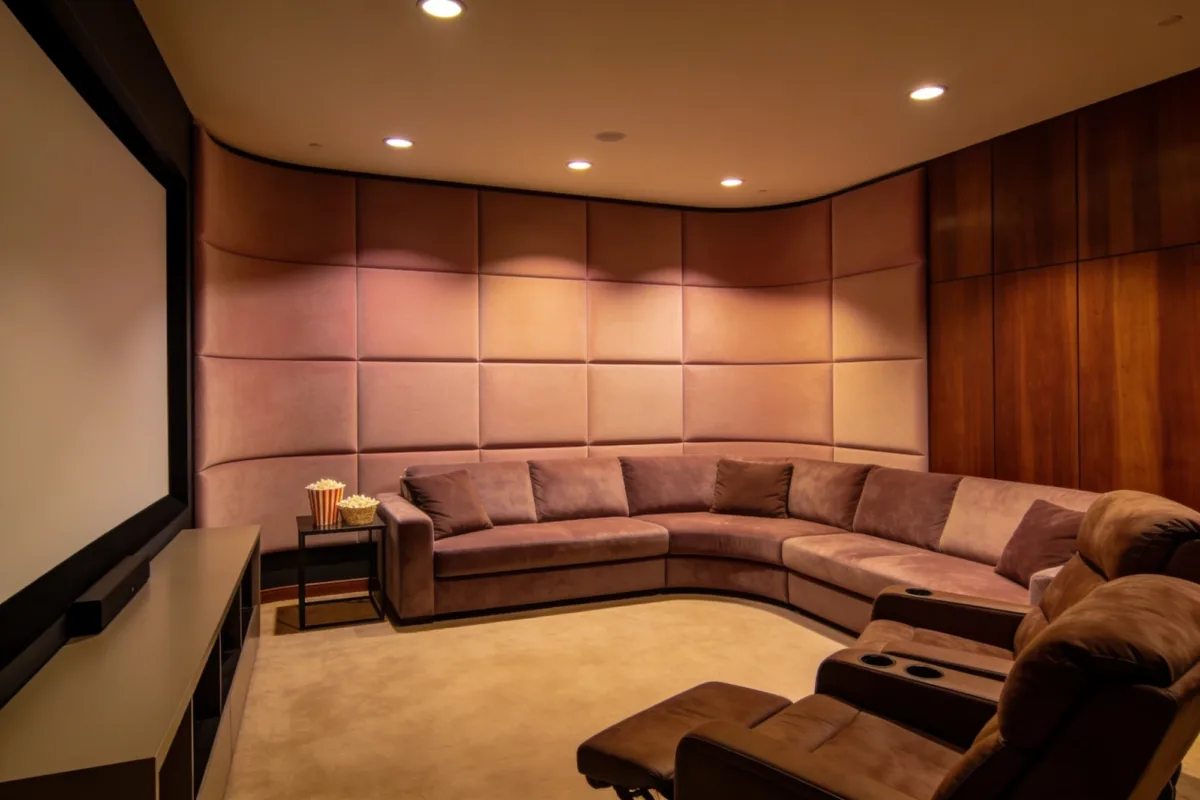
Elevate Home Theater Rooms to Epic Comfort
An instant escape, a glowing screen, and a chair that makes you forget that laundry exists. If you’ve ever dreamed of a personal cinema at home, you’re in the right place. We’re ditching the generic tips for real, doable tweaks that actually feel like a movie night in.
Why Home Theater Rooms Beat The Theater Line Every Time
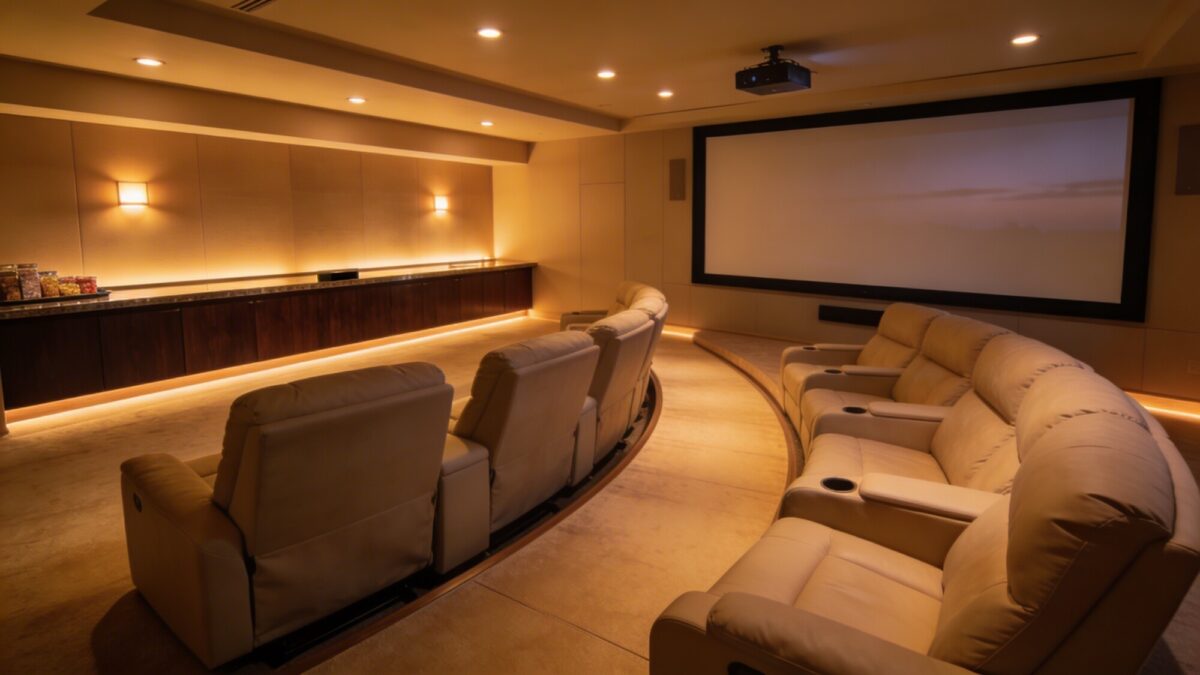
You know the drill: overpriced popcorn, crowds, and a seat that squeaks during the climactic moment. A home theater room changes the game by giving you control. You pick the vibe, the snacks, and the volume. FYI, it’s not just about big screens; it’s about a space that hugs you in.
Layout and Flow: Designing A Space That Feels Intimate
– Pick a focal point: big screen, projector wall, or a clever TV wall.
– Siting seating: arrange in a gentle arc so everyone gets a decent view without craning necks.
– Traffic calm: keep walkways clear, so the reel never gets interrupted.
Seating That Actually Feels Like a Chairlift to Comfort
– Choose couches or lounge chairs with deep cushions and good back support.
– Consider a mix: a sectional for group vibes plus a couple of recliners for solo marathon sessions.
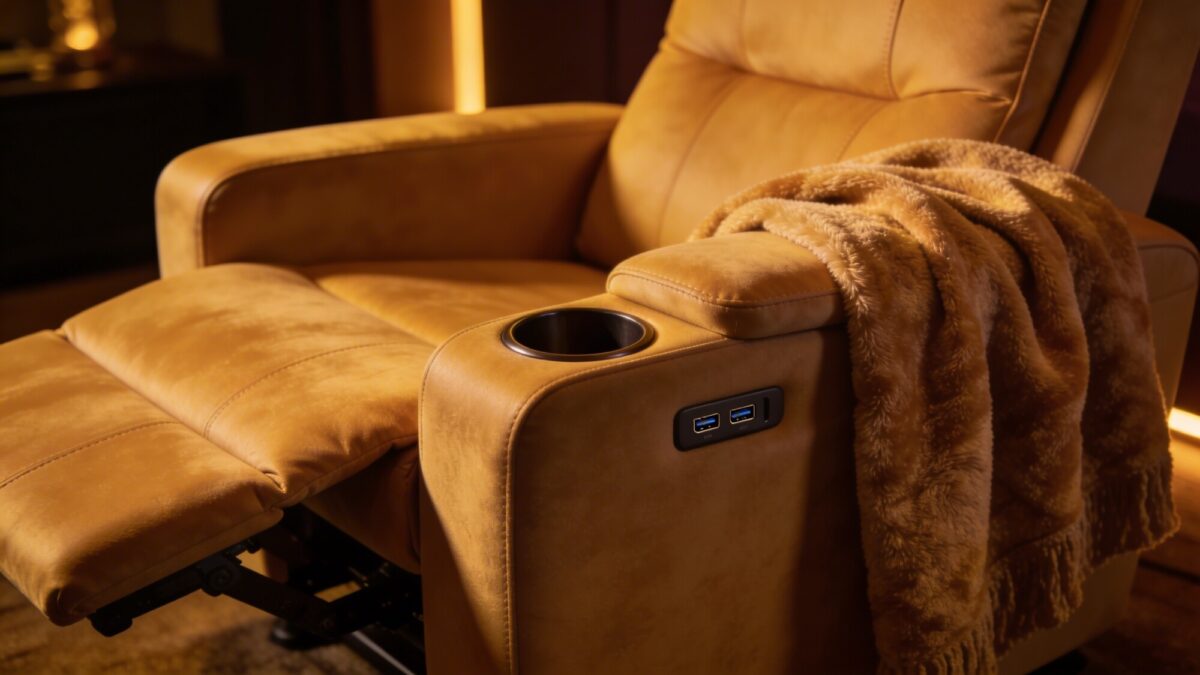
– Don’t skimp on armrests—tiny luxuries matter when you’re three hours in.
Acoustics: Quiet, Clear, and Not Gimmicky
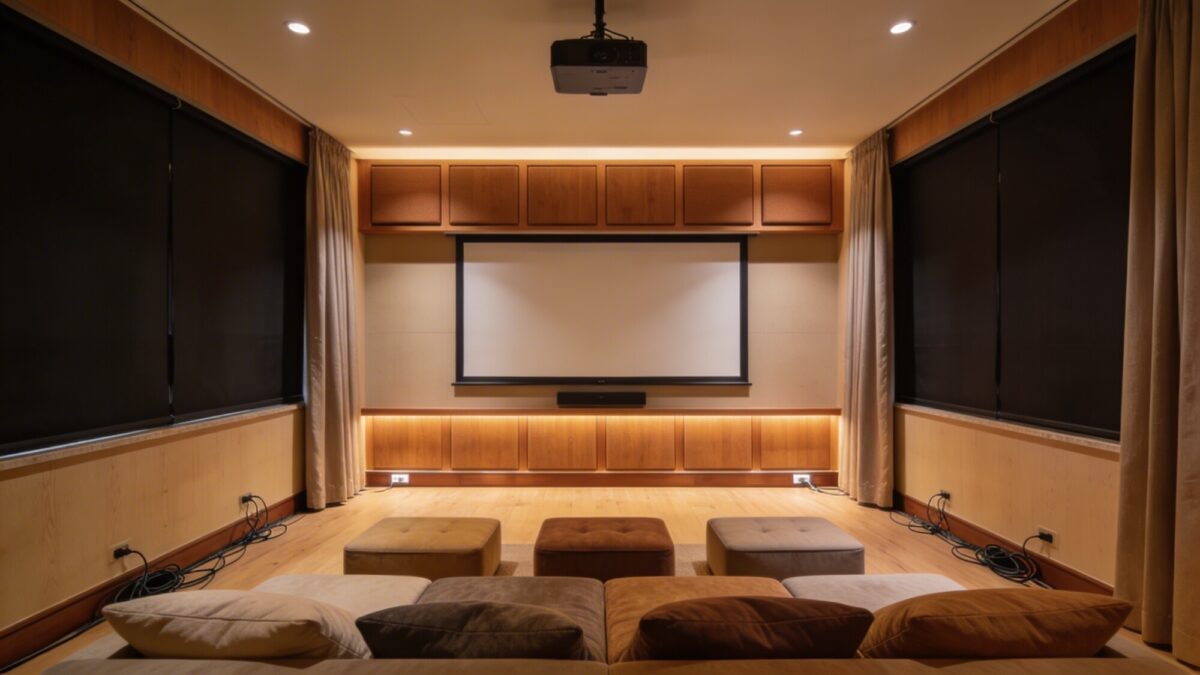
– Treat the major reflections: soft panels on walls and ceiling help with clarity.
– Subwoofers: one or two aren’t loud, they’re tactile. You’ll felt the bass in your bones.
– Avoid parallel walls where possible; it creates nasty flutter echoes.
What to Do With Rugs, Curtains, and Wall Panels
– Heavy curtains can tame echo and add drama.
– Rugs underfoot soak up stray footfalls and prevent bouncing sound.
– Quick wins: DIY acoustic panels with fabric-covered foam or fiberboard for a scrappy, cheap upgrade.
Lighting Like a Pro: From Dim to Dramatic
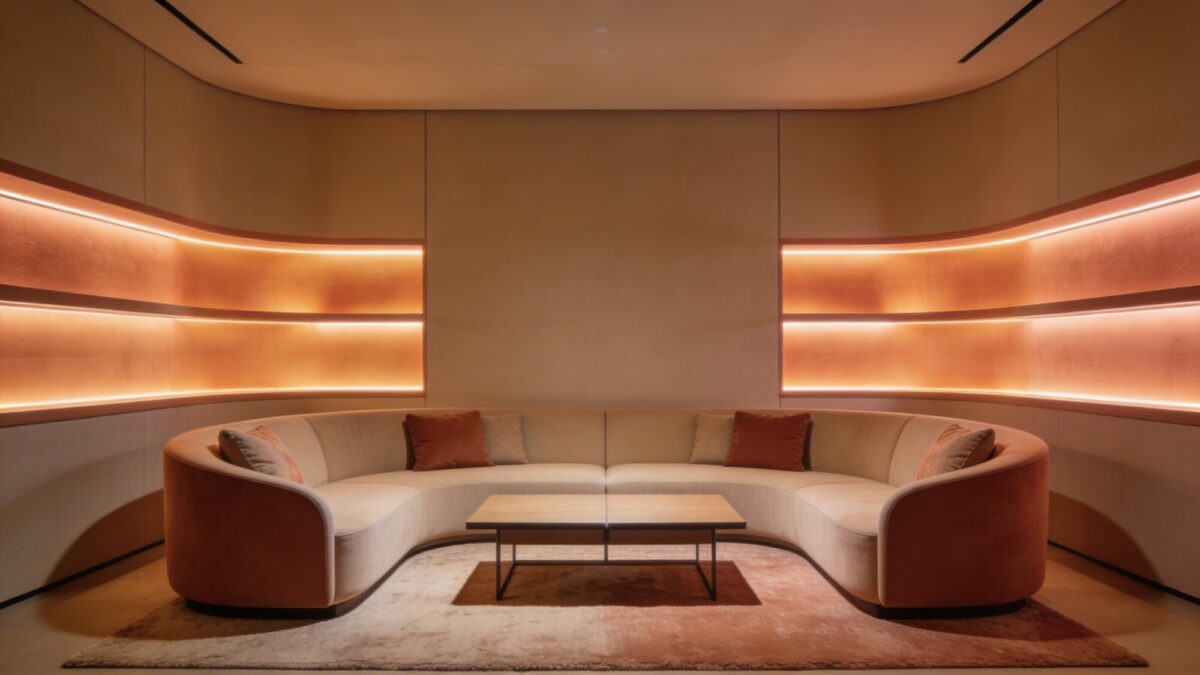
– Layered lighting works best: bias lighting behind the screen, dimmable ceiling lights, and accent lamps for mood.
– Avoid glare on screen: position lights so they don’t reflect off the screen.
– Smart controls: set scenes for movie night, gaming, or streaming marathons.
Smart Lighting Tricks You’ll Actually Use
– Scene presets: “Movie Night,” “Gaming Session,” and “Chill Chill.”
– Motion sensors can auto-dim as soon as the movie starts. Fancy, but totally worth it.
Display and Visuals: Size, Position, and Quality
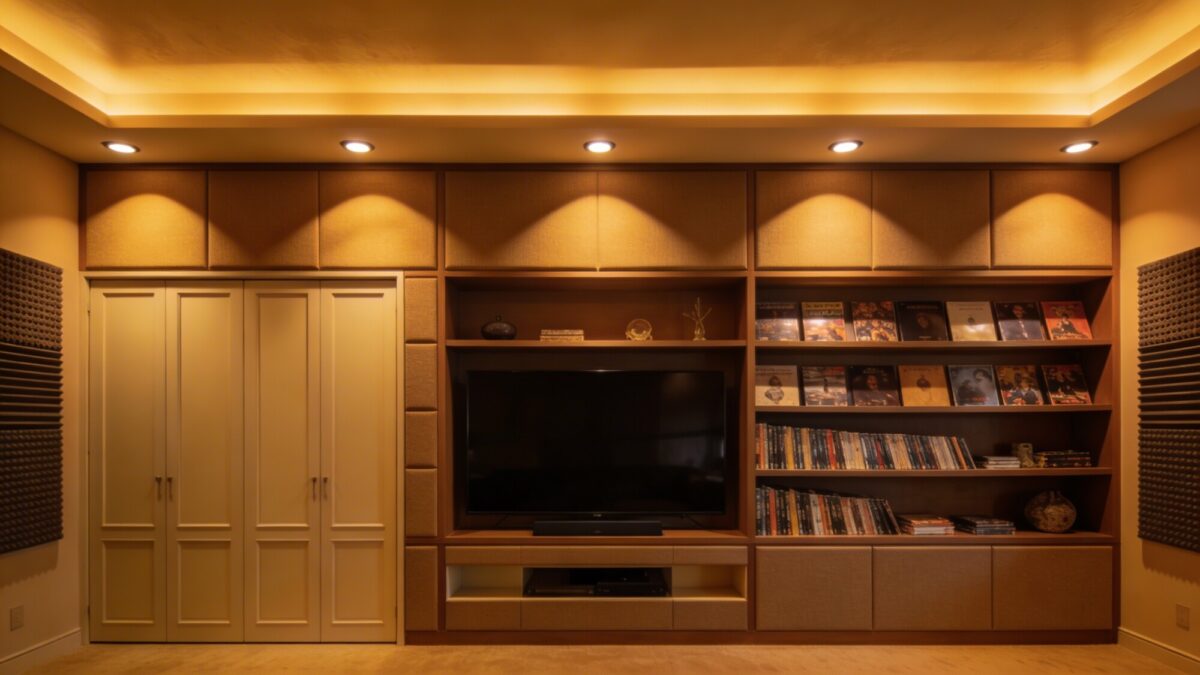
– Screen choice matters: projector vs. big TV—each has its quirks.
– Resolution and color: aim for at least 4K with good HDR if you can swing it.
– Brightness balance: a dark room makes deep blacks pop; a bright room demands more lumens.
Projector Pros and Cons
– Pros: giant image, cinema feel in any room.
– Cons: requires space and light control; screens are a bit fussy.
– Tip: a short-throw projector can save room but may struggle in small, bright spaces.
TVs That Don’t Destroy The Mood
– Look for high contrast and wide viewing angles; OLEDs are popular for true blacks.
– Anti-glare coatings help if you can’t blackout the room entirely.
Storage, Decor, and the “This Feels Like Me” Factor
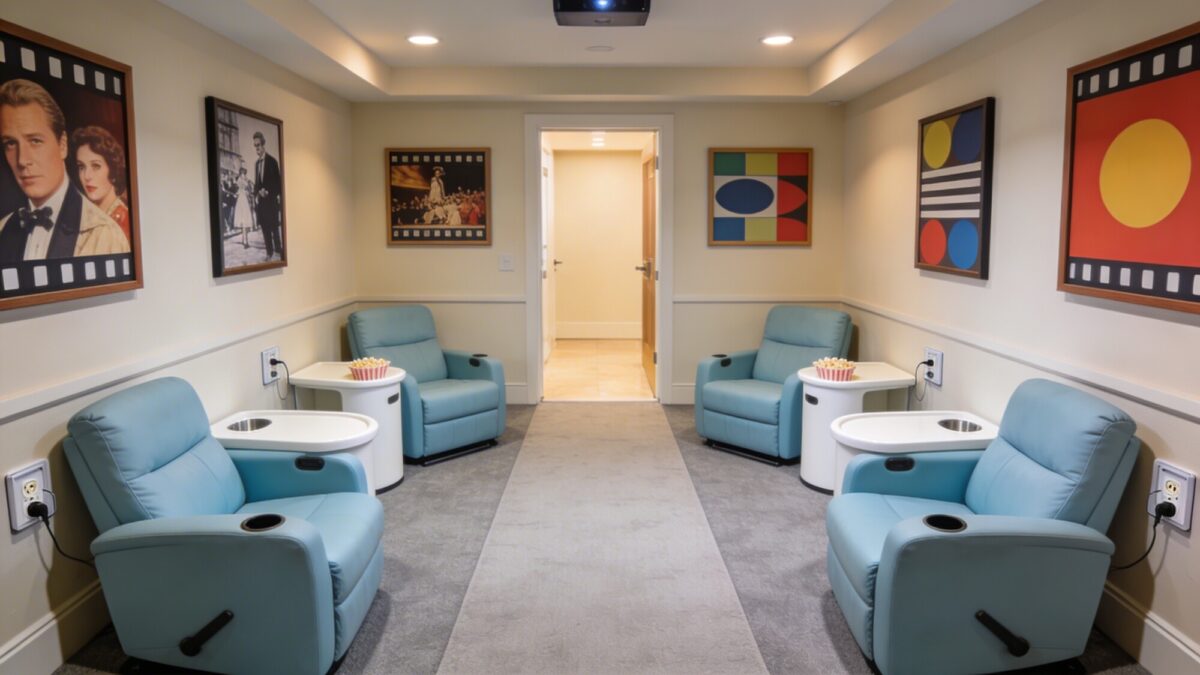
– Hide all the cables: baseboards or wall troughs keep the look clean.
– Themed accents: a vintage reel lamp, movie posters in tasteful frames, or quirky props from your favorite franchises.
– Storage that doesn’t scream “tech dump”: shelves for remotes, Blu-rays, and snacks.
Sidebar: The Media Console Dilemma
– Flat-front cabinets help with airflow and keep gear cool.
– Open shelving is convenient but can look cluttered if not organized.
– Cable management is not optional; it’s existential.
From Cozy to Club-Luxe: Tuning the Ambience
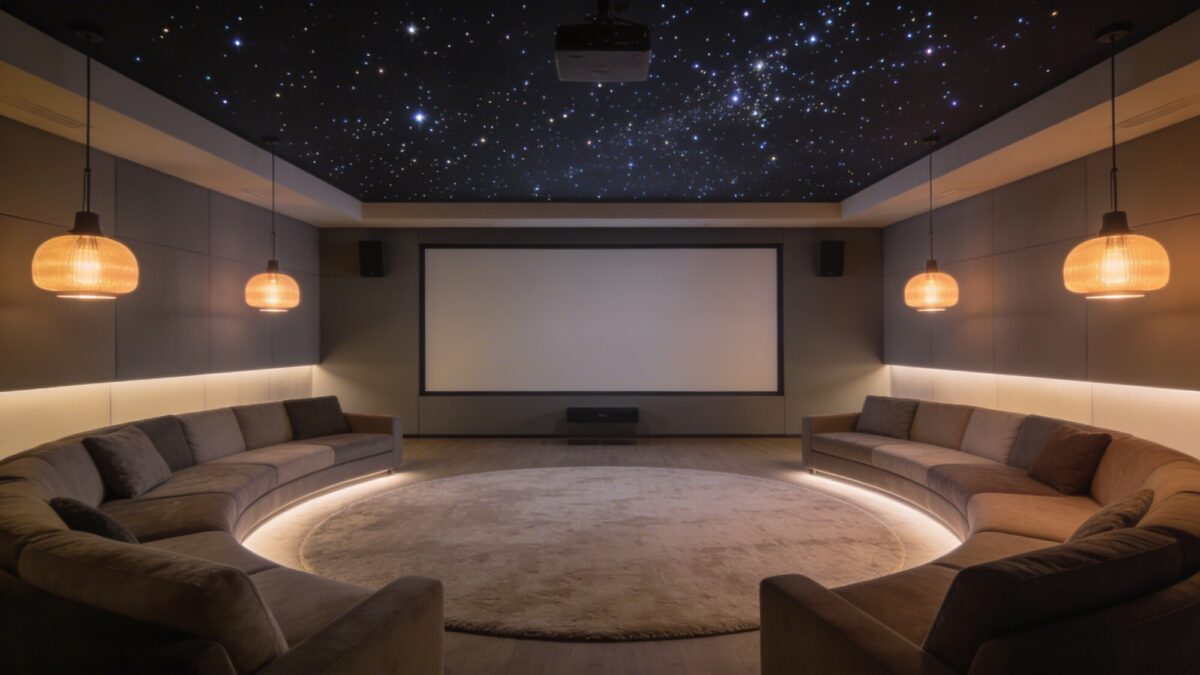
– Color matters: dark, rich tones feel cinematic; neutrals keep things modern.
– Soundproofing value: you don’t need a fortress, just enough to keep noise out and sound in.
– Personal touches: a mini fridge, a popcorn popper, or a dedicated snack bar.
Tech Setup: What You Actually Need to Make It Real
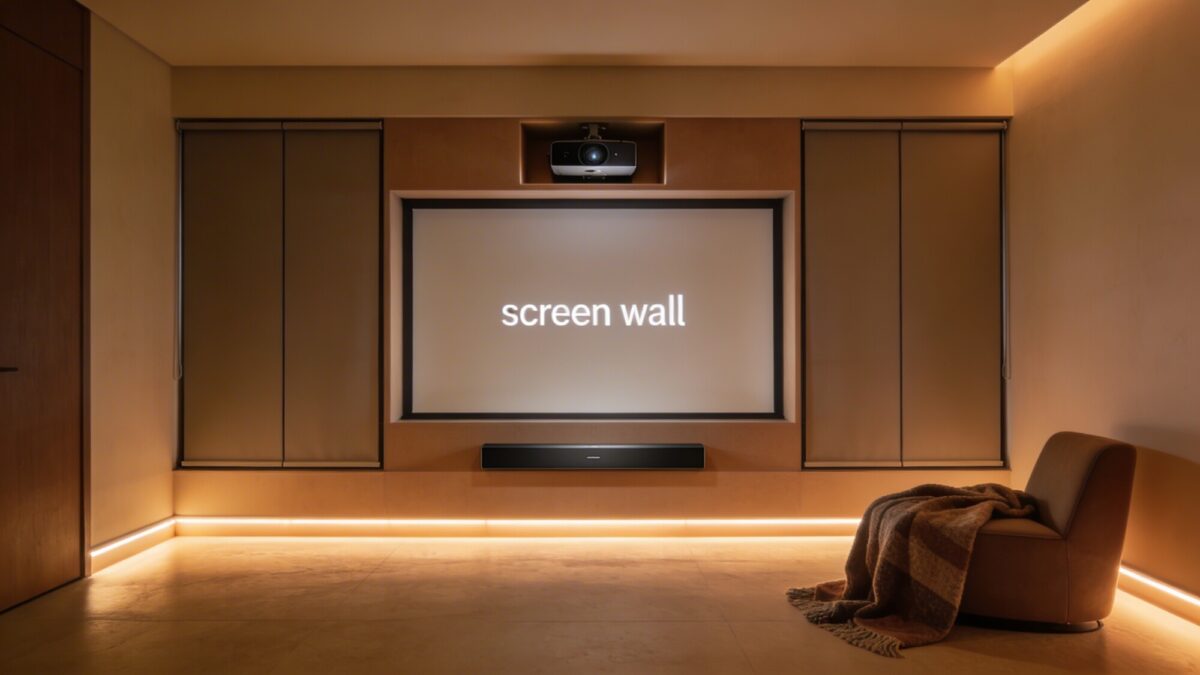
– Core components: display, receiver or soundbar, source (streamer, console, Blu-ray).
– Sound distribution: 5.1 or 7.1 surround or a strong 2.1 with smart virtualization.
– Wires and wireless mix: keep power cords separate from signal cables to avoid interference.
Do I Need a Sound System Upgrade Right Now?
– If dialogues sound thin or bass feels anemic, yes, upgrade. If your sound is decent and you’re happy, you can phase upgrades with future budgets.
Maintenance and Practicalities
– Regular dusting of screens and vents keeps things humming.
– Keep a comfy number of remotes: one universal remote can save you a lot of “Where did I put the control?” moments.
– Spontaneous movie night prep: power for a quick setup helps you actually use the room.
Quiet Wins: Noise Management Without Masochism
– Close doors or use a heavy curtain to dampen outside noise.
– Use a carpet or rug for footstep damping so you don’t hear the cat’s alarm in the next room.
FAQ
How big should a home theater room be?
The ideal size depends on your screen, seating, and how immersive you want the experience to feel. A comfortable starting point is a room around 250-350 square feet, with seating arranged to give everyone a good line of sight and a feeling of intimacy without crowding.
Is a projector better than a TV for home theaters?
Not necessarily. Projectors work best in dark rooms and deliver a cinema-scale image, but require space and occasional maintenance. A high-quality TV, especially an OLED, can outperform a projector in bright rooms and is generally simpler to use. Decide based on your room’s light, budget, and patience for setup.
What’s the cheapest way to improve a home theater room?
Start with sound treatment, smart lighting, and a solid seating plan. You’ll notice a big jump without breaking the bank. FYI, upgrading one element at a time—like replacing curtains or adding a subwoofer—lets you enjoy incremental improvements without a credit card party.
Do I need fancy acoustics right away?
Nope. Start with a few affordable panels or thick curtains, and add more over time if you notice echoes or muddiness. It’s a marathon, not a sprint.
Can I DIY to save money?
Absolutely. You can build DIY acoustic panels, mount a TV, or run cable management with simple tools. Just don’t underestimate the value of a clean setup and careful planning—messy cables ruin the vibe faster than a flickering light.
Conclusion
Home theater rooms aren’t just gadgets; they’re a mood you curate. Pop a favorite film, dim the lights, sink into comfort, and let the screen do the storytelling. With thoughtful layout, solid acoustics, and a dash of personal style, you’ll wonder how you ever watched anything in a regular living room. So, what’s stopping you from turning your space into a VIP movie night at home? IMO, once you’ve tasted it, you’ll never go back.

