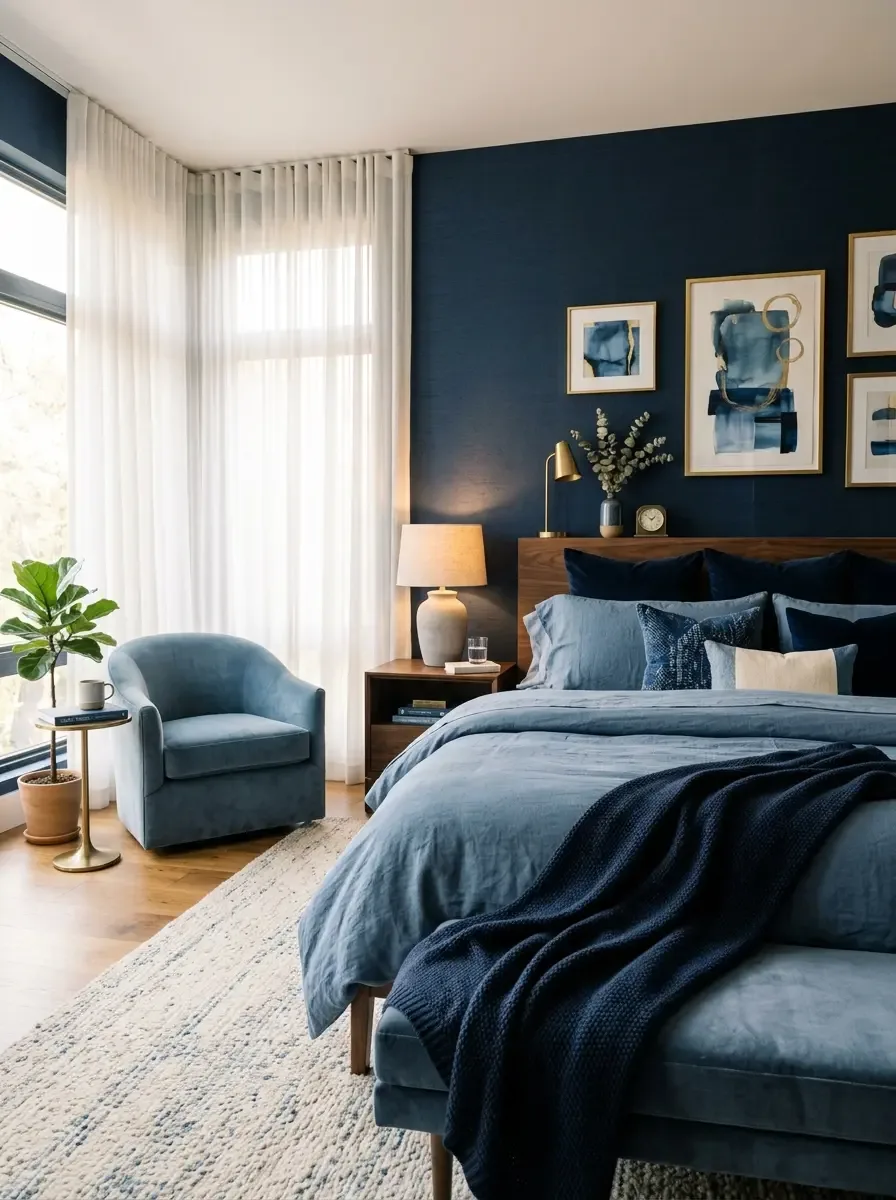
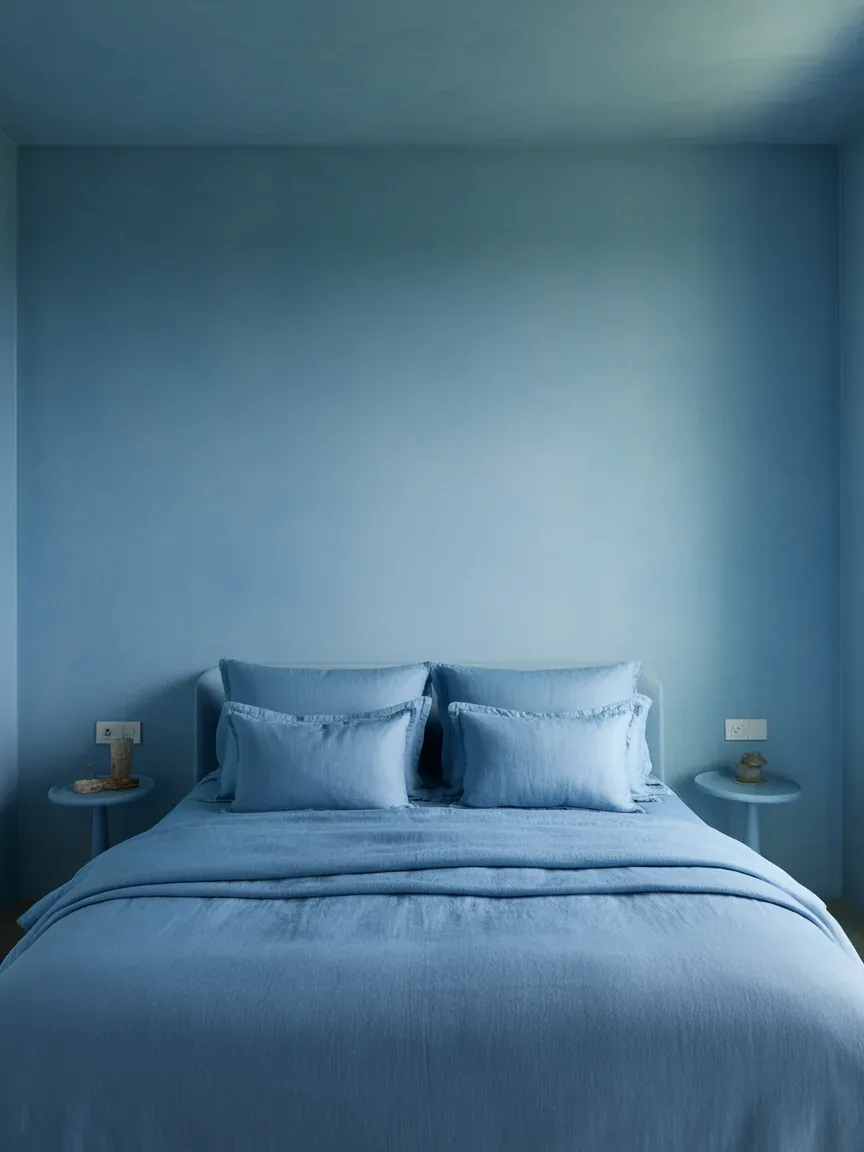
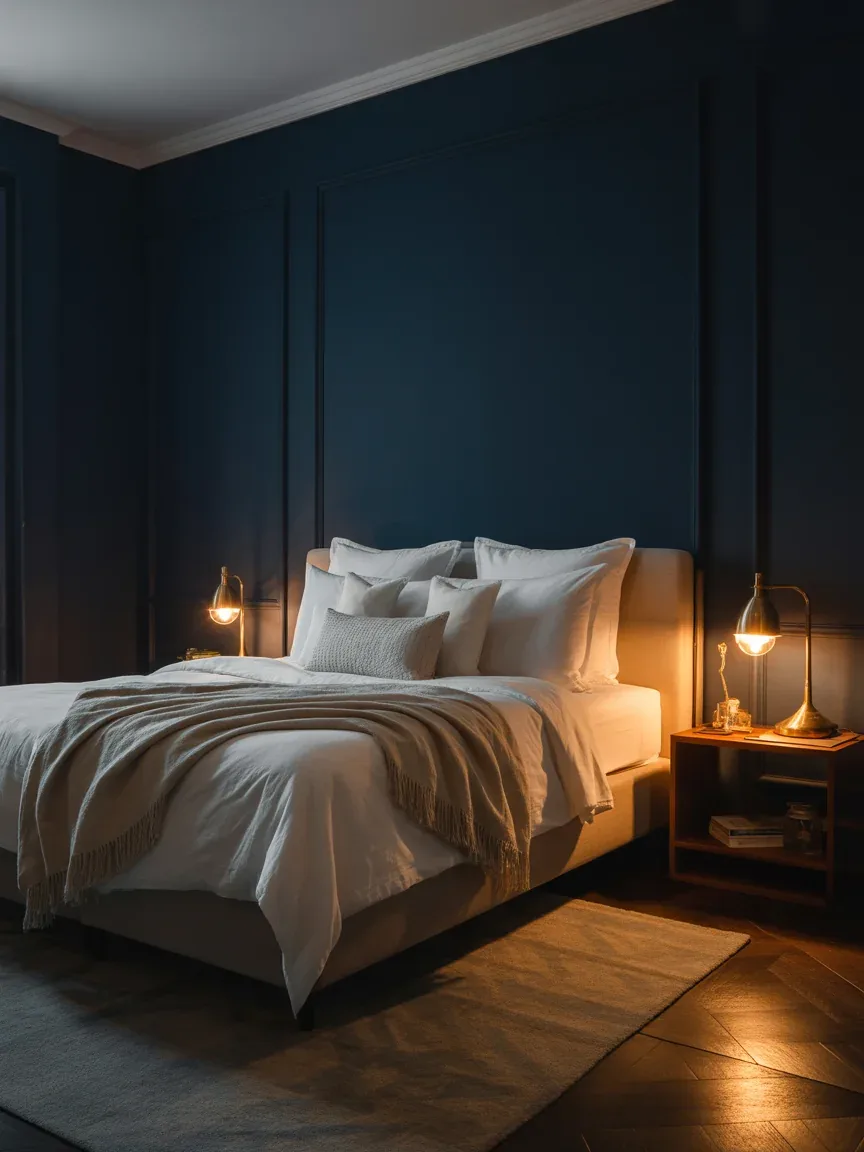
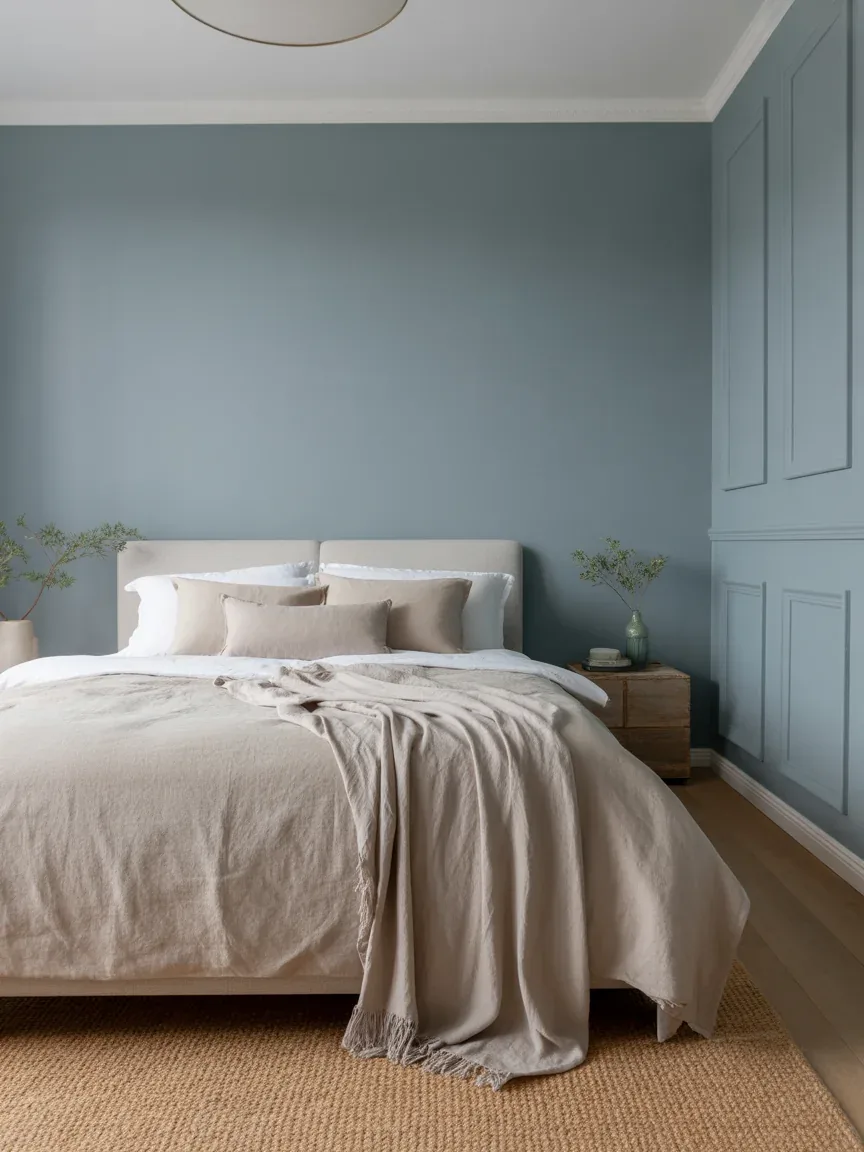
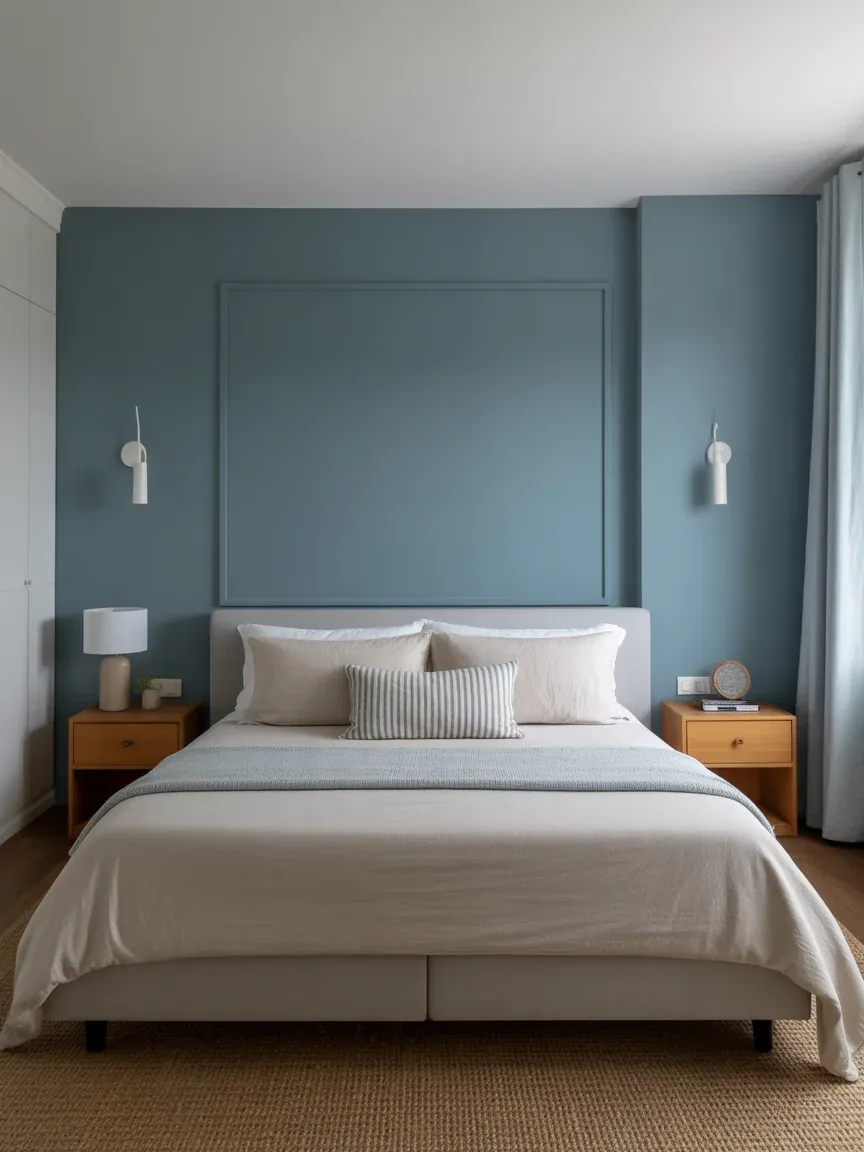
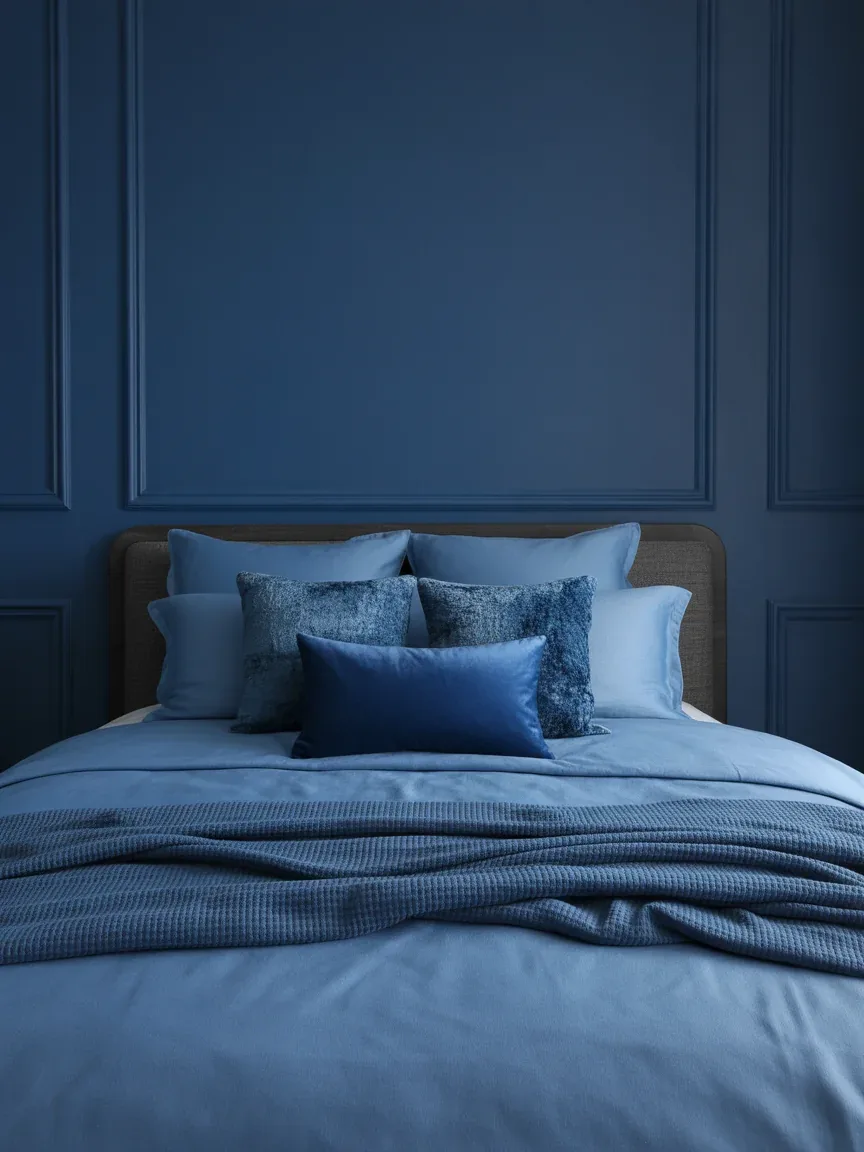
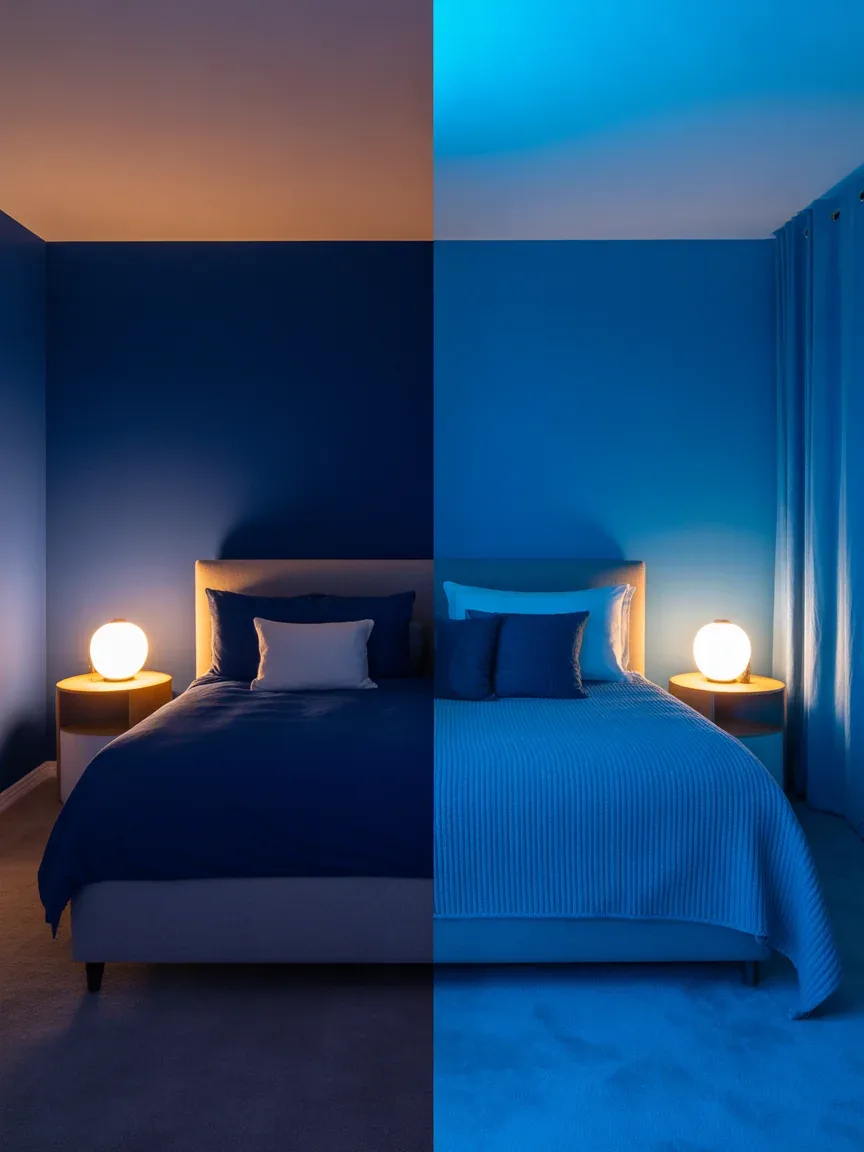
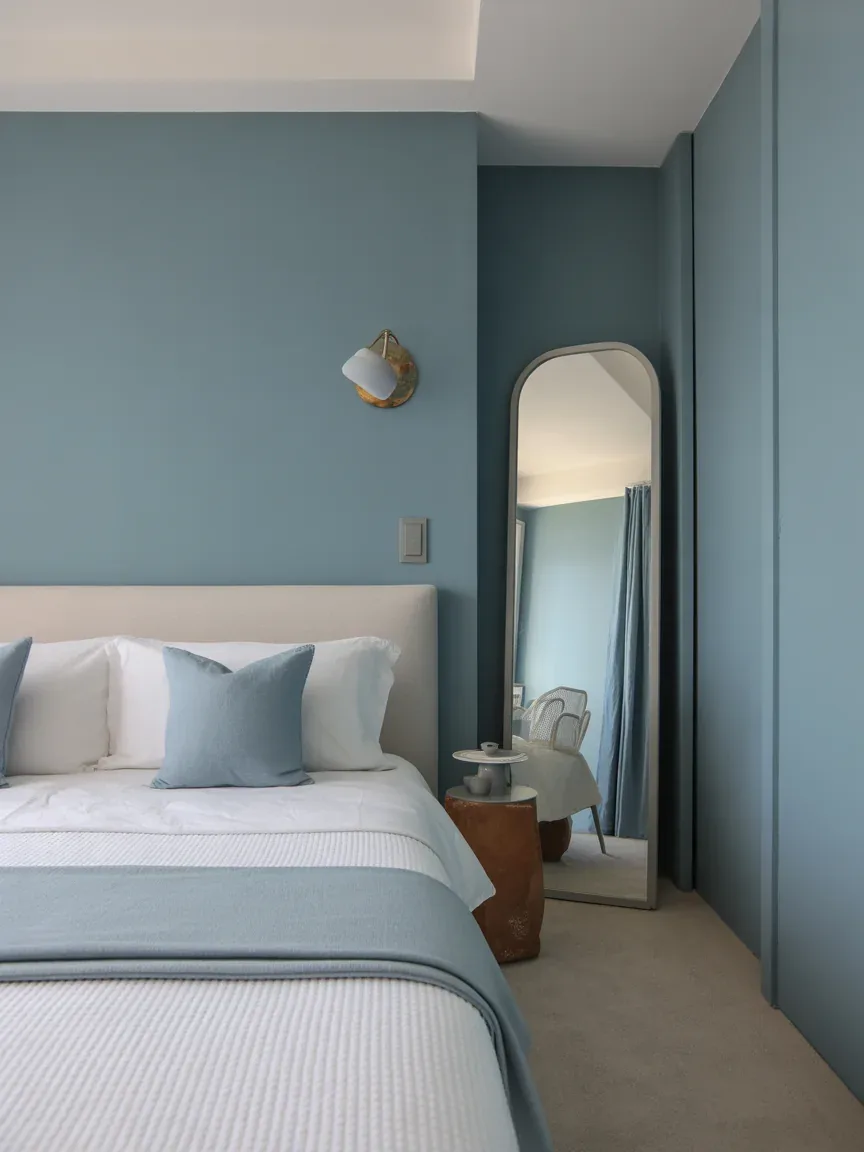
Ever walked into a bedroom and instantly felt calm… or weirdly tense? That’s not magic—it’s color psychology doing its thing. Blue shades, especially from deep navy to soft dusty tones, can completely flip the vibe of your space. The best part? You don’t need a full makeover—just the right shade. Let’s break down how these blues work and how you can use them to create a bedroom that actually feels like your escape. Why Blue Shades Work So Well in Bedrooms Blue isn’t just pretty—it’s powerful. It naturally lowers stress and slows your mind, which makes it perfect for a space meant for rest. Photo by Pawel Czerwinski on Unsplash Think about it: the sky, the ocean, calm water. Your brain already connects blue with relaxation. But here’s the twist—not all blues feel the same. Dark navy feels cozy and dramatic Dusty blue feels soft and airy Mid-tones strike a balance between calm and fresh So yeah, picking “blue” isn’t enough. The specific shade changes everything. Photo by Pawel Czerwinski on Unsplash Dark Navy: Bold, Moody, and Seriously Cozy If you want your bedroom to feel like a cocoon, dark navy is your best friend. It creates instant depth and makes your space feel more intimate. Perfect for people who love that “hotel room at night” vibe. How to Use Dark Navy Without Making It Too Heavy Dark colors can overwhelm if you go all-in blindly. Here’s how to keep it balanced: Photo by Mohammed Kara on Unsplash Pair navy walls with light bedding (white, cream, or soft gray) Add warm lighting—yellow tones work better than cool LEDs Mix in metal accents like gold or brass for a luxe touch IMO, navy looks best when it doesn’t try too hard. Let it be dramatic, but give it breathing room. Best For: Large bedrooms People who love cozy, moody aesthetics Spaces with good natural light Dusty Blue: Soft, Calm, and Effortlessly Chic Now let’s flip the mood completely. Dusty blue feels like a deep breath. It’s muted, slightly grayish, and incredibly calming without feeling boring. Photo by Sandie Clarke on Unsplash This shade works beautifully if you want a bedroom that feels light but still grounded. Why Dusty Blue Feels So Relaxing Unlike bright blues, dusty tones don’t scream for attention. They whisper. (Yes, colors can whisper—stay with me.) They reduce visual noise They blend easily with neutrals They create a soft, layered look Styling Tips for Dusty Blue Rooms Combine with beige, linen, and wood textures Add soft fabrics like cotton and velvet Keep decor minimal—this shade thrives on simplicity If navy is drama, dusty blue is quiet confidence. Photo by Pawel Czerwinski on Unsplash Mid-Tone Blues: The Perfect Middle Ground Can’t decide between bold and soft? You don’t have to. Mid-tone blues sit right in the sweet spot. They feel fresh, clean, and versatile. These shades work especially well if you: Like color but don’t want it too intense Want a modern, balanced look Change decor often (they match almost everything) Where Mid-Blues Shine Most Accent walls behind the bed Upholstered headboards Bedding and curtains They don’t dominate the room—they just make everything look better. Mixing Blue Shades Without Making a Mess Here’s where things get interesting. You don’t have to stick to one shade. Mixing blues can create a layered, designer-level look—if you do it right. The Easy Formula Stick to this simple combo: 1 dominant shade (like navy walls) 1 secondary shade (like dusty blue bedding) 1 accent tone (like lighter blue decor) That’s it. Don’t overcomplicate it. What to Avoid Too many competing shades (your room will feel chaotic) Mixing warm and cool blues randomly Ignoring texture—color alone isn’t enough FYI, texture often matters more than color. A velvet navy pillow hits different than a flat navy wall. Lighting: The Secret Weapon That Changes Everything You can pick the perfect shade… and still mess it up with bad lighting. Yes, really. How Light Affects Blue Shades Natural light makes blues look brighter and cleaner Warm artificial light softens dark blues Cool light can make blue feel cold or sterile Quick Fixes Use layered lighting (ceiling + bedside lamps) Avoid harsh white LEDs Add dimmers if you can—it’s a game changer Lighting doesn’t just support your color—it transforms it. Small Bedroom? Here’s What to Choose Let’s be real—not everyone has a massive bedroom. If your space feels tight, your shade choice matters even more. Best Picks for Small Spaces Dusty blue walls to keep things airy Mid-tone accents for subtle depth Light-colored furniture to balance everything What to Avoid Full dark navy walls in tiny rooms (unless you really know what you’re doing) Heavy, dark fabrics everywhere Poor lighting (it’ll shrink your space visually) That said, a small room with the right blue can feel bigger than it actually is. It’s all about balance. FAQ What shade of blue is best for sleep? Dusty blue and soft mid-tones work best for sleep. They calm your mind without feeling heavy or overwhelming. Can I use dark navy in a small bedroom? Yes—but use it carefully. Try an accent wall instead of all four walls, and balance it with light decor. Do blue bedrooms feel cold? They can if you overdo cool tones. Add warm lighting, wood textures, and soft fabrics to keep things cozy. What colors go best with blue bedrooms? White and cream for contrast Beige and tan for warmth Gold or brass for a luxe touch Soft gray for a modern vibe Should I paint walls or use blue decor? If you want a big impact, go for paint. If you prefer flexibility, start with bedding, curtains, or rugs. Conclusion From deep navy drama to soft dusty calm, blue shades give you total control over your bedroom’s mood. You can make your space feel cozy, airy, bold, or relaxed—just by choosing the right tone. So, what vibe are you going for? Because once you pick your shade, your bedroom won’t just look different—it’ll feel different too.
Ever walked into a bedroom and instantly felt calm… or weirdly tense? That’s not magic—it’s color psychology doing its thing. Blue shades, especially from deep navy to soft dusty tones, can completely flip the vibe of your space. The best part? You don’t need a full makeover—just the right shade.
If your space feels tight, your shade choice matters even more.
Best Picks for Small Spaces
Dusty blue walls to keep things airy
Mid-tone accents for subtle depth
Light-colored furniture to balance everything
What to Avoid
Full dark navy walls in tiny rooms (unless you really know what you’re doing)
Heavy, dark fabrics everywhere
Poor lighting (it’ll shrink your space visually)
That said, a small room with the right blue can feel bigger than it actually is. It’s all about balance.
FAQ
What shade of blue is best for sleep?
Dusty blue and soft mid-tones work best for sleep. They calm your mind without feeling heavy or overwhelming.
Can I use dark navy in a small bedroom?
Yes—but use it carefully. Try an accent wall instead of all four walls, and balance it with light decor.
Do blue bedrooms feel cold?
They can if you overdo cool tones. Add warm lighting, wood textures, and soft fabrics to keep things cozy.
What colors go best with blue bedrooms?
White and cream for contrast
Beige and tan for warmth
Gold or brass for a luxe touch
Soft gray for a modern vibe
Should I paint walls or use blue decor?
If you want a big impact, go for paint. If you prefer flexibility, start with bedding, curtains, or rugs.
Conclusion
From deep navy drama to soft dusty calm, blue shades give you total control over your bedroom’s mood. You can make your space feel cozy, airy, bold, or relaxed—just by choosing the right tone.
So, what vibe are you going for? Because once you pick your shade, your bedroom won’t just look different—it’ll feel different too.
Listen to this article 10 10 0:00 / 0:00 Speed 0.75×1×1.25×1.5×2× Think your tiny bedroom is doomed to feel cramped and uninspired? Think again. With a little creativity (and a bit of ruthless decluttering), even the smallest space can feel warm, stylish, and surprisingly functional. This makeover proves one thing loud and clear: you don’t…
Listen to this article 10 10 0:00 / 0:00 Speed 0.75×1×1.25×1.5×2× Tiny bedroom? Cool, you’re about to make it work harder than a studio apartment in a rom-com. The secret isn’t more space—it’s smarter layouts, clever furniture, and a little design confidence. These ideas prove you can have style, comfort, and storage without sacrificing your…
Listen to this article 10 10 0:00 / 0:00 Speed 0.75×1×1.25×1.5×2× Small bedrooms for kids can quickly become cluttered and feel cramped without thoughtful planning. Maximizing space while maintaining a functional and comfortable environment is essential for both play and rest. The key to making a small kids’ bedroom work is using multifunctional furniture, creative…
Listen to this article 10 10 0:00 / 0:00 Speed 0.75×1×1.25×1.5×2× Your mantle is basically your home’s selfie spot once the leaves start dropping. Want it to look like warm apple cider feels? You’re in the right place. These 12 fall mantle decor ideas layer texture, color, and a little whimsy so your space screams…
Listen to this article 10 10 0:00 / 0:00 Speed 0.75×1×1.25×1.5×2× Ever walked into a guest room and thought… wow, I might “accidentally” extend my stay? That’s the energy we’re going for here. Small spaces don’t have to feel cramped or forgettable—they can feel thoughtful, stylish, and seriously cozy. Whether you’re working with a tiny…
Listen to this article 10 10 0:00 / 0:00 Speed 0.75×1×1.25×1.5×2× Sharing a small bedroom can feel like a daily game of Tetris. Two people, twice the stuff, and somehow the room still needs to feel calm—not chaotic. The real question: should you keep things open and airy, or divide the space into zones? Let’s…