A dark ceiling might sound intimidating at first, but it can completely transform a bedroom. Instead of making the space feel small, a well-designed dark ceiling often creates a cozy, luxurious atmosphere that feels straight out of a boutique hotel. The secret lies in balancing colors, lighting, and textures. If you’ve been thinking about embracing darker design elements, these tips will help you create a bedroom that feels both sophisticated and inviting. Why Dark Ceilings Work So Well in Bedrooms Bedrooms should feel relaxing, comfortable, and a little cocoon-like. That’s exactly where a dark ceiling shines. Unlike bright white ceilings that visually push upward, darker ceilings create a sense of intimacy. They help the room feel grounded and calm, which makes them a natural fit for sleep spaces. Dark ceilings also add instant character. Even a simple bedroom can feel custom-designed when you paint the ceiling in a rich charcoal, deep navy, or warm black. The Cozy Factor Think about your favorite luxury hotel room. Chances are it didn’t feel bright and sterile. Dark ceilings help: Reduce visual harshness Create a comforting atmosphere Add depth and dimension Make large bedrooms feel more inviting It’s basically the design equivalent of wrapping your room in a soft blanket. JONATHAN Y 22″ Blue/White Ceramic Table Lamp, French Country Chin… QUALITY CONSTRUCTION: JONATHAN Y table lamps designed to illuminate your home, stylish addition to any room; included LE… ENERGY-SAVING LED BULBS INCLUDED: Our sturdy LED bulbs will still last multiple years; high-quality LED bulbs are an ene… COMMITMENT: Every JONATHAN Y design is created with uncompromising attention to detail, using only the highest quality c… $51.85 Buy on Amazon Choose the Right Dark Color Not all dark colors create the same mood. The shade you choose will dramatically affect the room’s personality. A true black ceiling creates drama and sophistication. Deep charcoal feels slightly softer while maintaining a modern edge. Navy blue introduces elegance and a subtle hint of color. Popular Dark Ceiling Colors Some of the most successful options include: Matte black for a bold, contemporary look Charcoal gray for versatility Deep navy for timeless sophistication Dark forest green for a nature-inspired retreat Rich chocolate brown for warmth IMO, charcoal gray often offers the best balance between drama and flexibility. Consider Your Room’s Natural Light If your bedroom gets plenty of sunlight, you can confidently choose deeper shades. For rooms with limited natural light, opt for softer dark colors instead of pure black. This approach keeps the room cozy without making it feel overly heavy. Hausattire Hand Woven Jute Braided Rug, 2’x3′ – Natural, Reversib… 100% NATURAL JUTE : This rug has been carefully handmade using 100% natural jute fibers, which can result in slight vari… HIGHLY DURABLE : The rug is crafted in a manner that ensures durability and can withstand everyday use, while also being… BRAIDED TEXTURE : With its braided texture, this rug brings about a charming blend of farmhouse, bohemian, and coastal a… $29.99 Buy on Amazon Balance the Ceiling With Lighter Elements The biggest mistake people make? Going dark everywhere without a plan. A dark ceiling works best when it has contrast. Pairing it with lighter walls, bedding, or furniture creates visual balance and prevents the room from feeling overwhelming. For example, a charcoal ceiling looks stunning with: Crisp white bedding Warm wood furniture Cream-colored walls Light area rugs Contrast keeps the room feeling intentional rather than cave-like. Try the 60-30-10 Rule A simple design formula can help. 60% dominant color (walls or large surfaces) 30% secondary color (furniture and textiles) 10% accent color (decor and accessories) This balance allows your dark ceiling to stand out without taking over the entire room. Layer Your Lighting Carefully Lighting can make or break a dark ceiling design. Since darker colors absorb more light, you need multiple light sources throughout the room. A single overhead fixture rarely does the job. Instead, think in layers. Essential Lighting Layers Include: 1. Ambient lighting for overall illumination 2. Bedside lamps for task lighting 3. Accent lighting for mood 4. Wall sconces for visual interest Warm light bulbs work especially well. Cool white lighting often feels harsh against darker surfaces. Highlight the Ceiling Intentionally Want to make your ceiling look even more impressive? Install: LED cove lighting Hidden strip lighting Statement pendant lights Elegant chandeliers The gentle glow creates depth and emphasizes the rich ceiling color beautifully. Add Texture for a Luxurious Look Dark surfaces look best when they include texture. Otherwise, the room can feel flat. Texture reflects light differently throughout the day, adding visual interest without requiring more color. Consider incorporating: Velvet headboards Linen bedding Woven rugs Wood beams Textured wallpaper Upholstered benches A matte dark ceiling paired with layered textures creates a designer-level aesthetic without requiring a massive renovation budget. Wood Beams and Dark Ceilings This combination deserves special attention. Wood beams add warmth and architectural detail while preventing the ceiling from feeling too heavy. The contrast between natural wood tones and dark paint creates a balanced, high-end look. Honestly, it’s hard to go wrong with this pairing. Create a Cohesive Color Palette A dark ceiling should feel connected to the rest of the room. Repeat the ceiling color throughout the space in small ways. You don’t need to paint everything dark, but subtle repetition creates harmony. You might incorporate the ceiling color through: Throw pillows Artwork frames Lampshades Window treatments Decorative accessories These small touches help the design feel intentional rather than random. Best Color Pairings Some combinations consistently look amazing: Black + white + natural wood Charcoal + cream + brass Navy + soft gray + gold Forest green + beige + walnut Dark brown + ivory + bronze Each palette feels cozy while maintaining a sophisticated edge. Don’t Forget the Fifth Wall Designers often call the ceiling the “fifth wall” for a reason. It occupies a huge amount of visual space, yet many homeowners completely ignore it. A dark ceiling instantly turns this overlooked surface into a focal point. Instead of treating it as an afterthought, think of it as an opportunity to add personality and depth. Whether you choose dramatic black paint or a moody navy hue, the ceiling can become one of the most impactful design elements in the entire room. And let’s be honest—guests notice it immediately. FAQ Do dark ceilings make bedrooms look smaller? Not necessarily. A well-designed dark ceiling can actually add depth and create a cozy atmosphere. Proper lighting and balanced contrast play a much bigger role in how spacious a room feels. What is the best finish for a dark ceiling? A matte finish usually works best. It minimizes glare, hides imperfections, and creates a rich, sophisticated appearance. Can I use a dark ceiling in a small bedroom? Absolutely. Small bedrooms often benefit from dark ceilings because they create a snug, intimate feeling. Just balance the look with lighter furnishings and good lighting. What wall colors work best with a dark ceiling? Cream, soft white, light gray, greige, and warm beige all pair beautifully with dark ceilings. These lighter shades create contrast while keeping the room bright. Are dark ceilings trendy or timeless? While they feel very current, dark ceilings have appeared in luxury interiors for decades. Classic shades like charcoal, navy, and black tend to remain stylish over time. Which lighting color temperature works best? Warm white bulbs generally create the most inviting atmosphere. They enhance the cozy qualities of dark ceilings and make bedrooms feel more relaxing. Conclusion A dark ceiling can completely transform a bedroom from ordinary to unforgettable. By choosing the right shade, balancing it with lighter elements, layering your lighting, and incorporating rich textures, you can create a space that feels both cozy and sophisticated. The result isn’t gloomy or cramped—it’s warm, stylish, and effortlessly elegant. Sometimes the boldest design move is simply looking up.
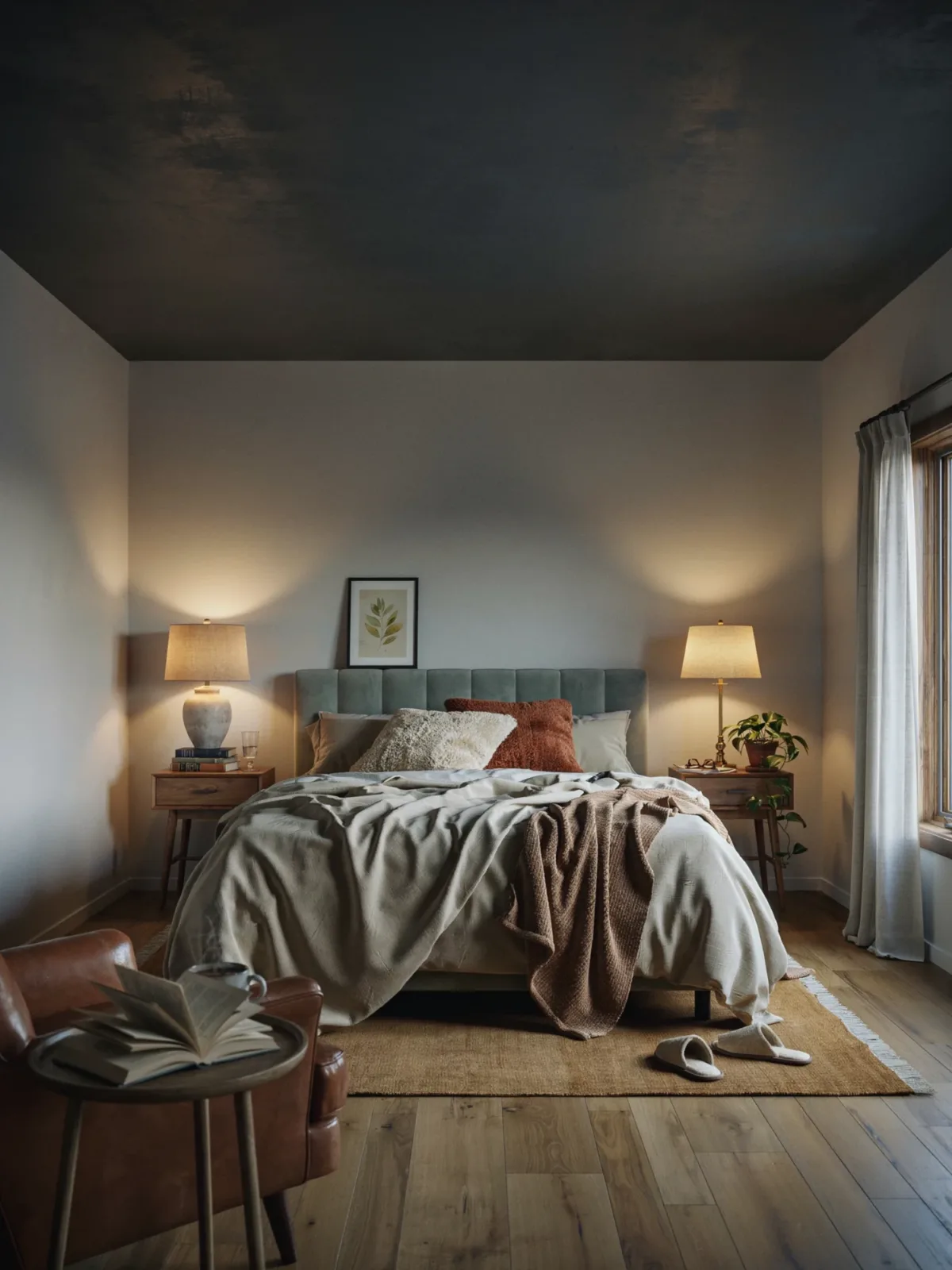
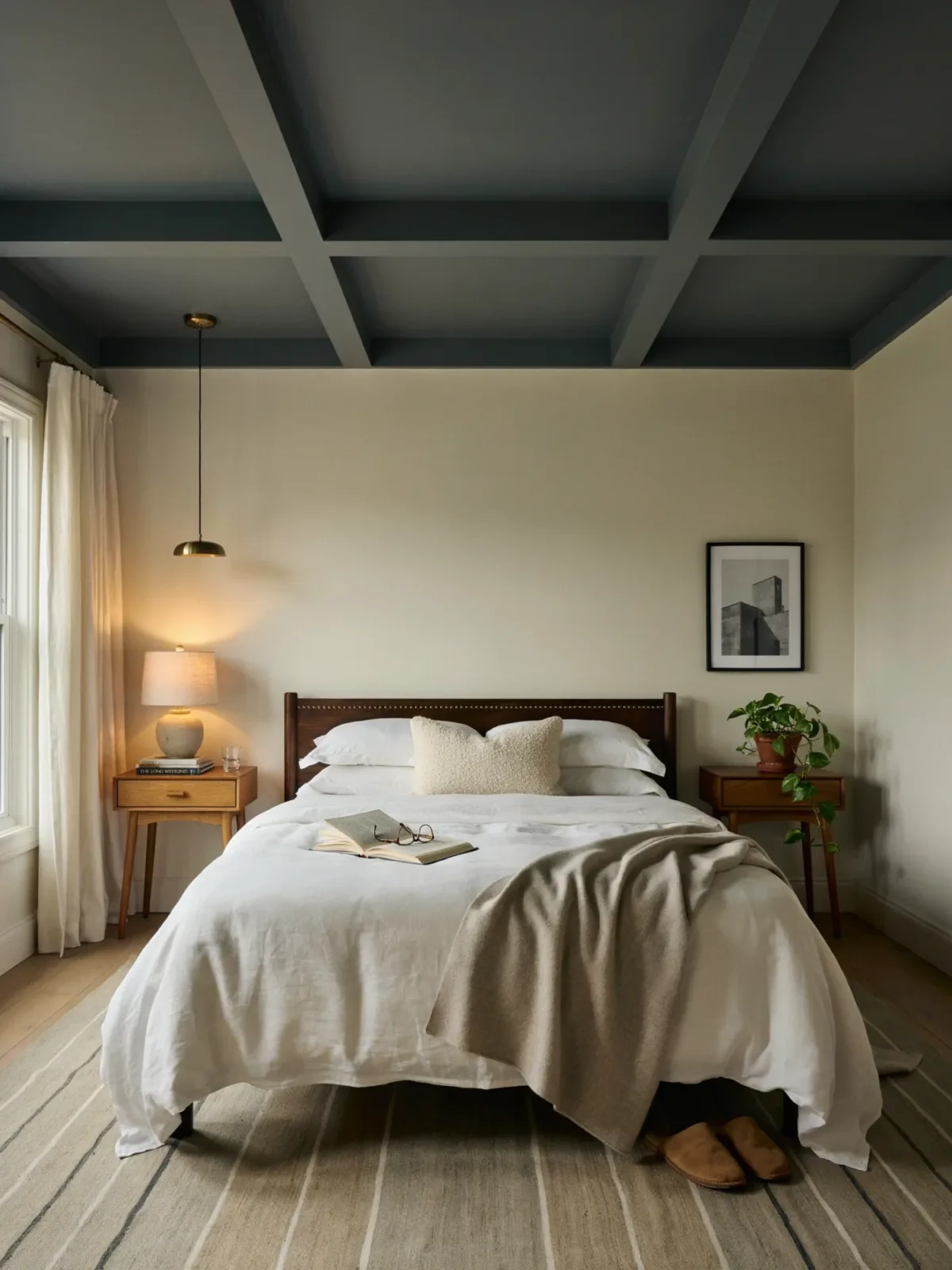
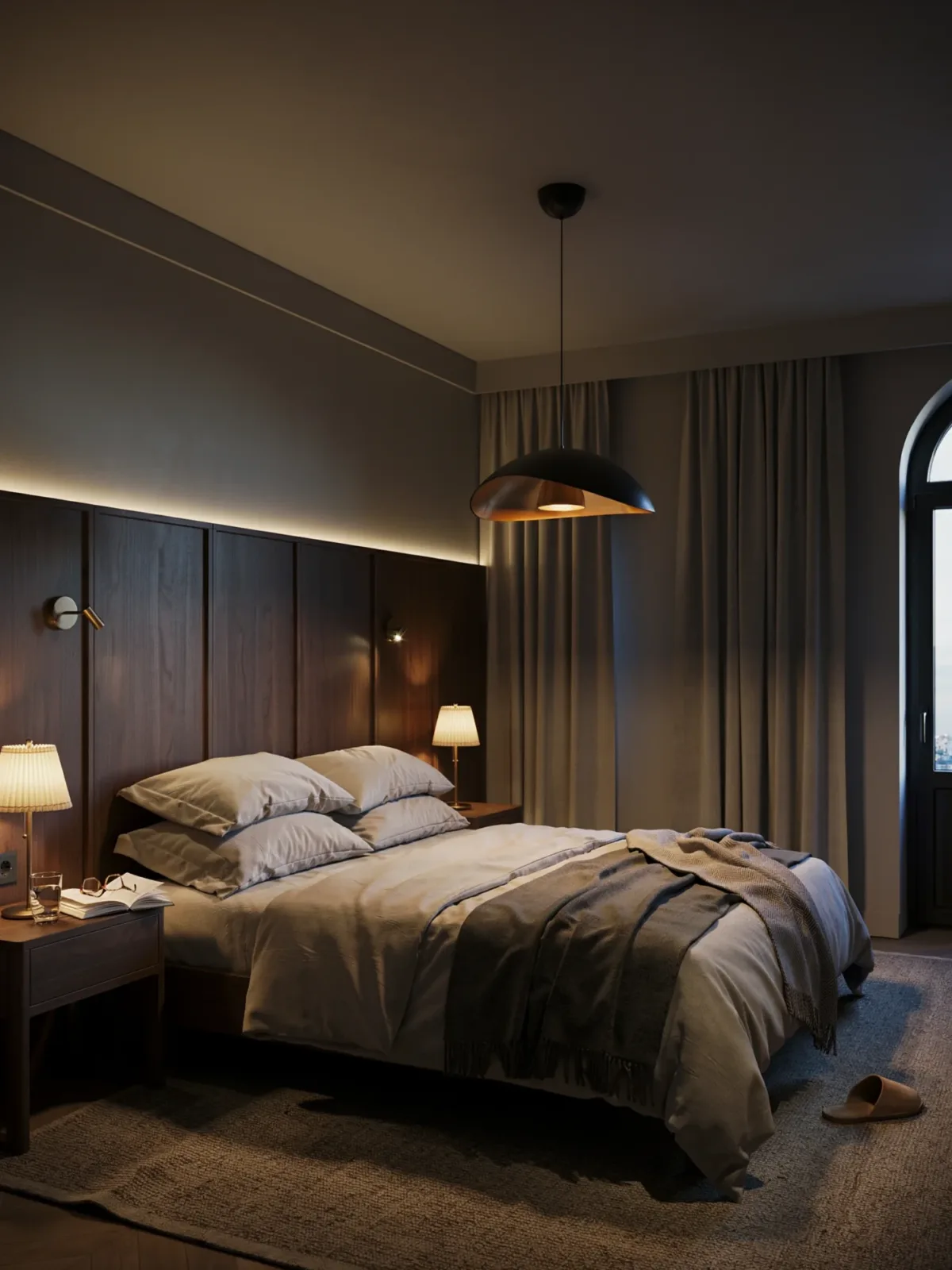
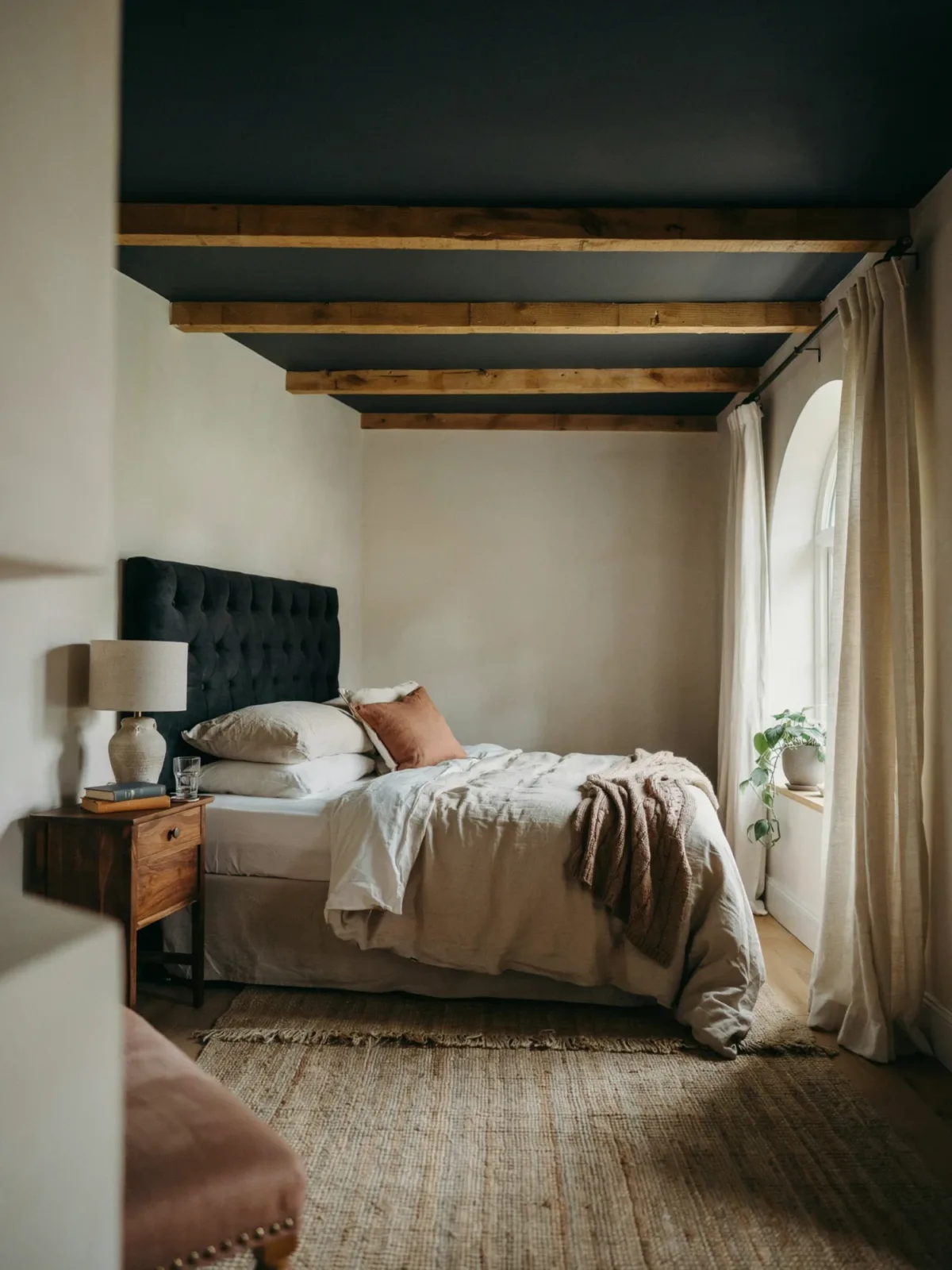
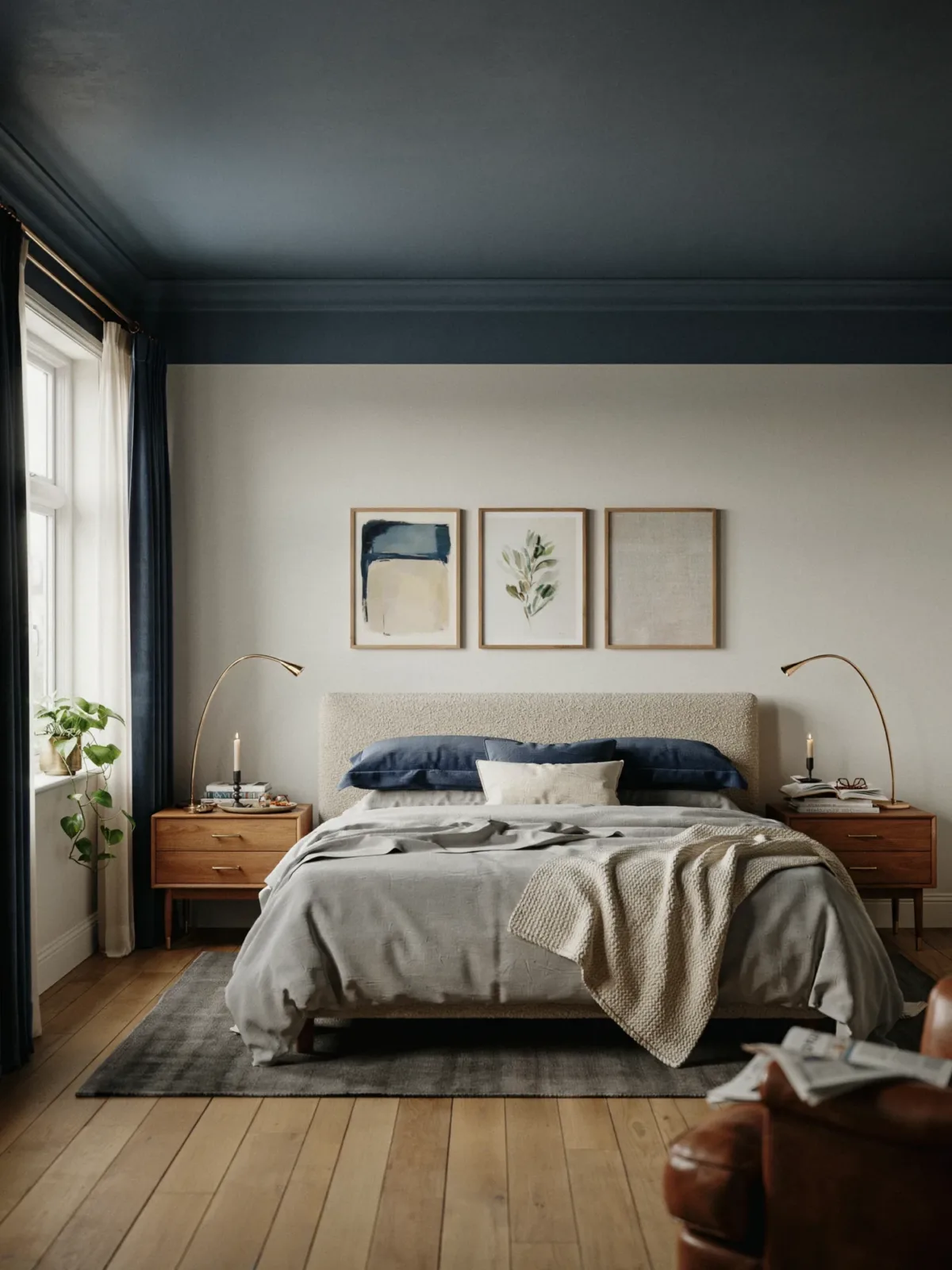
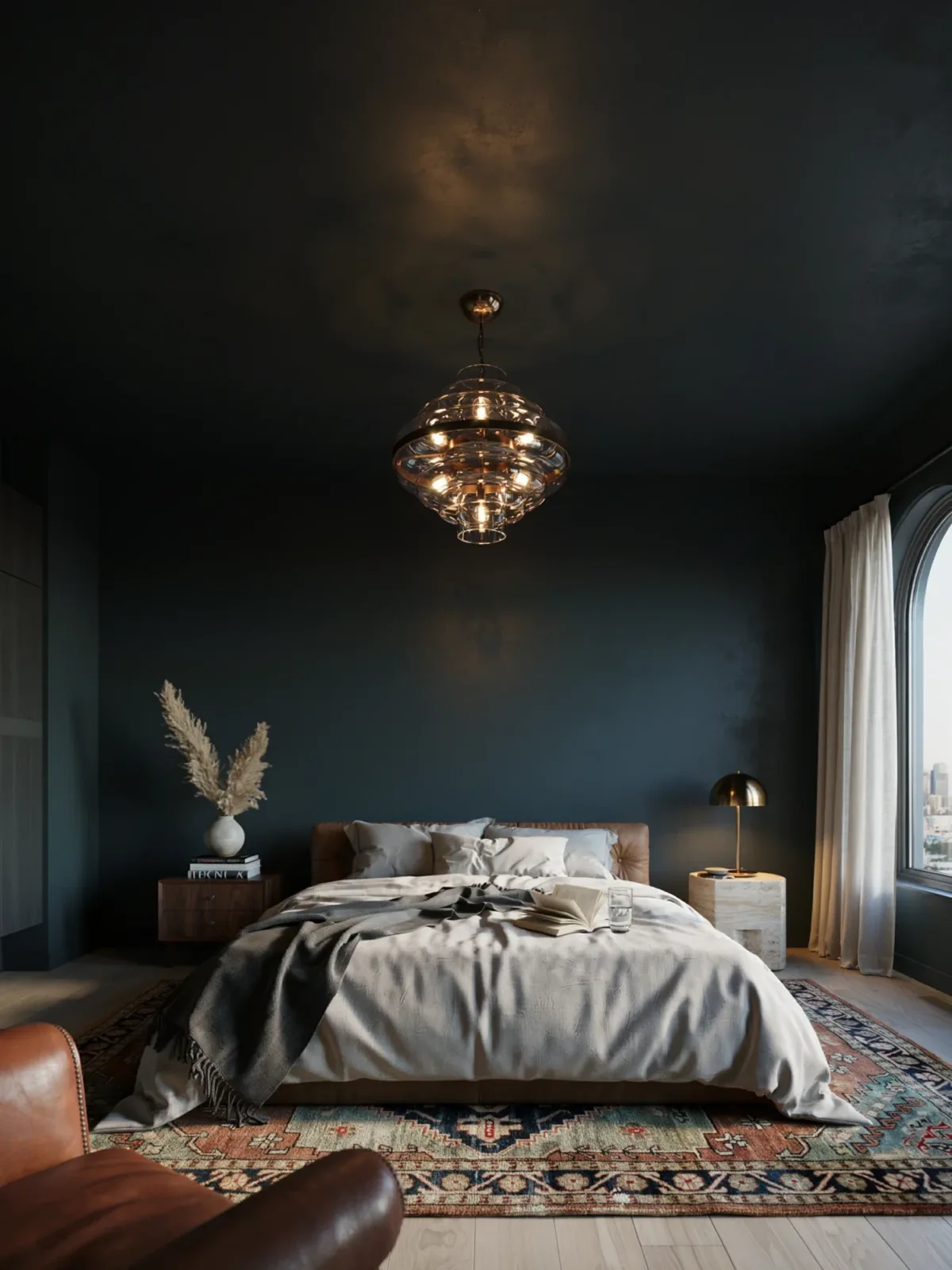

A dark ceiling might sound intimidating at first, but it can completely transform a bedroom. Instead of making the space feel small, a well-designed dark ceiling often creates a cozy, luxurious atmosphere that feels straight out of a boutique hotel. The secret lies in balancing colors, lighting, and textures. If you’ve been thinking about embracing darker design elements, these tips will help you create a bedroom that feels both sophisticated and inviting.
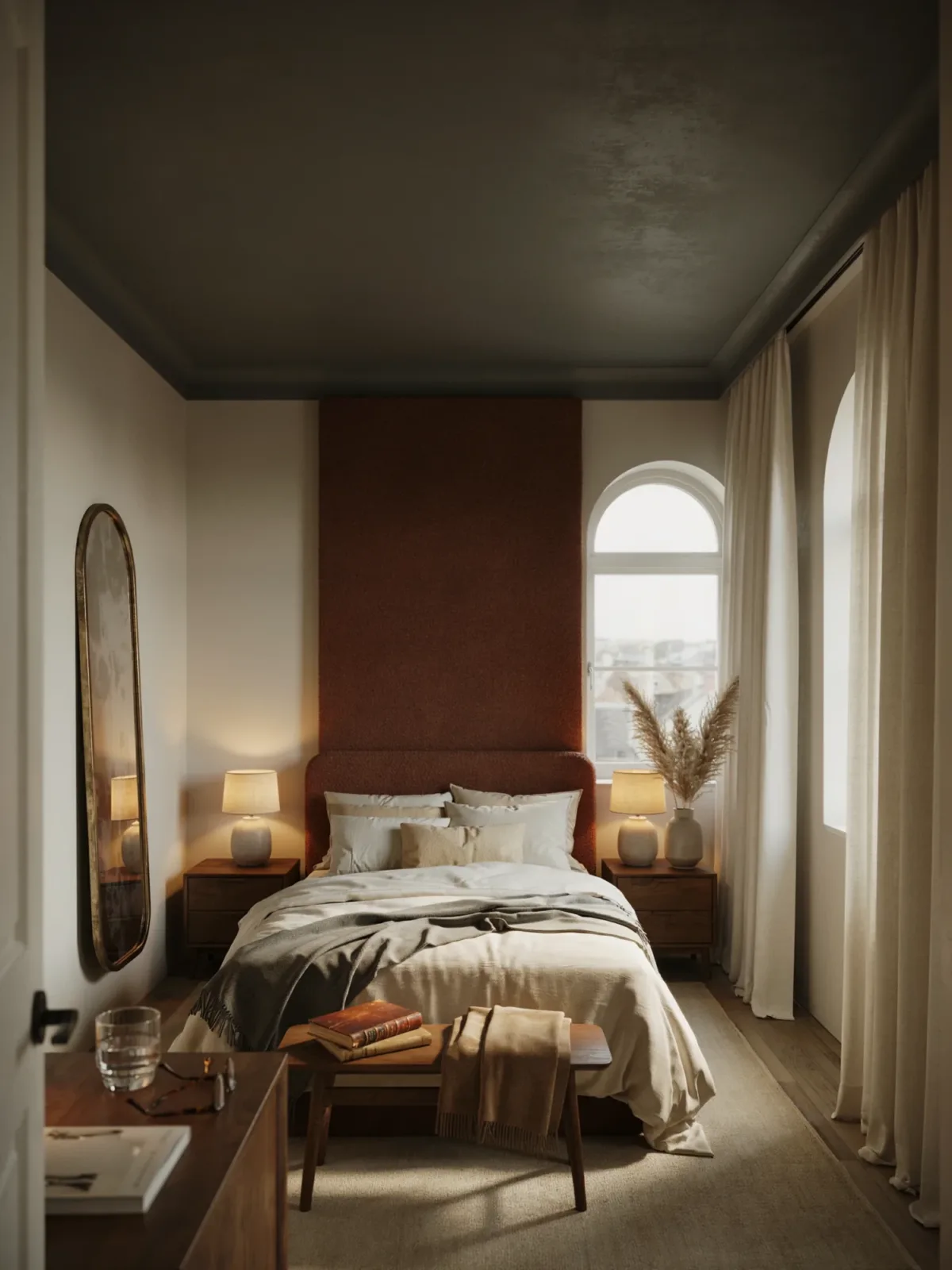
Unlike bright white ceilings that visually push upward, darker ceilings create a sense of intimacy. They help the room feel grounded and calm, which makes them a natural fit for sleep spaces.
Dark ceilings also add instant character. Even a simple bedroom can feel custom-designed when you paint the ceiling in a rich charcoal, deep navy, or warm black.
The Cozy Factor
Think about your favorite luxury hotel room. Chances are it didn’t feel bright and sterile.
Dark ceilings help:
Reduce visual harshness
Create a comforting atmosphere
Add depth and dimension
Make large bedrooms feel more inviting
It’s basically the design equivalent of wrapping your room in a soft blanket.
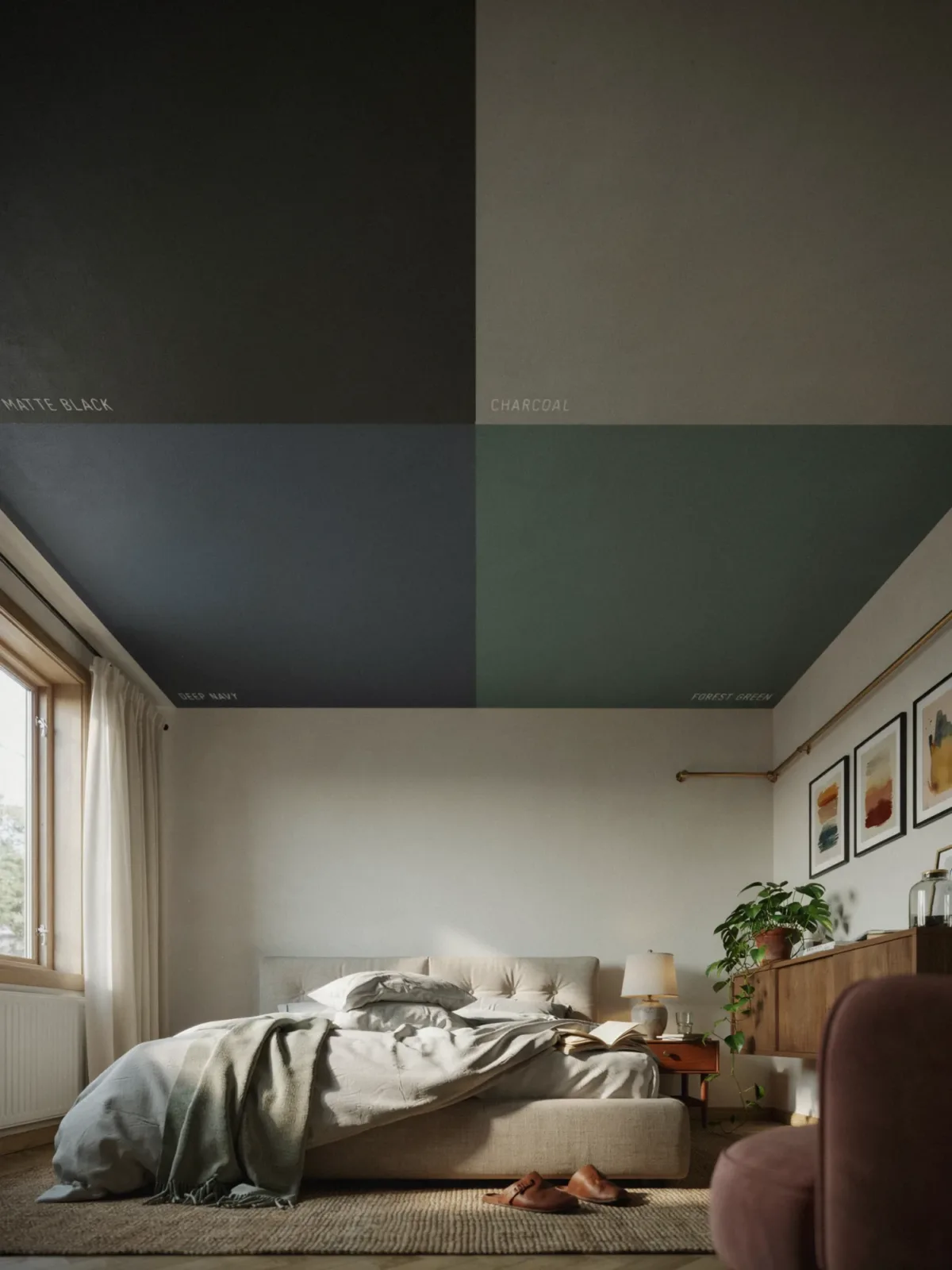
Not all dark colors create the same mood. The shade you choose will dramatically affect the room’s personality.
A true black ceiling creates drama and sophistication. Deep charcoal feels slightly softer while maintaining a modern edge. Navy blue introduces elegance and a subtle hint of color.
IMO, charcoal gray often offers the best balance between drama and flexibility.
Consider Your Room’s Natural Light
If your bedroom gets plenty of sunlight, you can confidently choose deeper shades.
For rooms with limited natural light, opt for softer dark colors instead of pure black. This approach keeps the room cozy without making it feel overly heavy.
The biggest mistake people make? Going dark everywhere without a plan.
A dark ceiling works best when it has contrast. Pairing it with lighter walls, bedding, or furniture creates visual balance and prevents the room from feeling overwhelming.
For example, a charcoal ceiling looks stunning with:
Crisp white bedding
Warm wood furniture
Cream-colored walls
Light area rugs
Contrast keeps the room feeling intentional rather than cave-like.
Try the 60-30-10 Rule
A simple design formula can help.
60% dominant color (walls or large surfaces)
30% secondary color (furniture and textiles)
10% accent color (decor and accessories)
This balance allows your dark ceiling to stand out without taking over the entire room.
Dark surfaces look best when they include texture. Otherwise, the room can feel flat.
Texture reflects light differently throughout the day, adding visual interest without requiring more color.
Consider incorporating:
Velvet headboards
Linen bedding
Woven rugs
Wood beams
Textured wallpaper
Upholstered benches
A matte dark ceiling paired with layered textures creates a designer-level aesthetic without requiring a massive renovation budget.
Wood Beams and Dark Ceilings
This combination deserves special attention.
Wood beams add warmth and architectural detail while preventing the ceiling from feeling too heavy. The contrast between natural wood tones and dark paint creates a balanced, high-end look.
Honestly, it’s hard to go wrong with this pairing.
Designers often call the ceiling the “fifth wall” for a reason. It occupies a huge amount of visual space, yet many homeowners completely ignore it.
A dark ceiling instantly turns this overlooked surface into a focal point.
Instead of treating it as an afterthought, think of it as an opportunity to add personality and depth. Whether you choose dramatic black paint or a moody navy hue, the ceiling can become one of the most impactful design elements in the entire room.
And let’s be honest—guests notice it immediately.
FAQ
Do dark ceilings make bedrooms look smaller?
Not necessarily. A well-designed dark ceiling can actually add depth and create a cozy atmosphere. Proper lighting and balanced contrast play a much bigger role in how spacious a room feels.
What is the best finish for a dark ceiling?
A matte finish usually works best. It minimizes glare, hides imperfections, and creates a rich, sophisticated appearance.
Can I use a dark ceiling in a small bedroom?
Absolutely. Small bedrooms often benefit from dark ceilings because they create a snug, intimate feeling. Just balance the look with lighter furnishings and good lighting.
What wall colors work best with a dark ceiling?
Cream, soft white, light gray, greige, and warm beige all pair beautifully with dark ceilings. These lighter shades create contrast while keeping the room bright.
Are dark ceilings trendy or timeless?
While they feel very current, dark ceilings have appeared in luxury interiors for decades. Classic shades like charcoal, navy, and black tend to remain stylish over time.
Which lighting color temperature works best?
Warm white bulbs generally create the most inviting atmosphere. They enhance the cozy qualities of dark ceilings and make bedrooms feel more relaxing.
Conclusion
A dark ceiling can completely transform a bedroom from ordinary to unforgettable. By choosing the right shade, balancing it with lighter elements, layering your lighting, and incorporating rich textures, you can create a space that feels both cozy and sophisticated. The result isn’t gloomy or cramped—it’s warm, stylish, and effortlessly elegant. Sometimes the boldest design move is simply looking up.
Listen to this article 10 10 0:00 / 0:00 Speed 0.75×1×1.25×1.5×2× So, your living room needs to pull double duty? Welcome to real life. Whether you’re in a small apartment or hosting guests often, turning your living room into a bedroom doesn’t mean settling for awkward vibes or clutter chaos. With a few smart choices,…
Listen to this article 10 10 0:00 / 0:00 Speed 0.75×1×1.25×1.5×2× Your room should feel like your favorite place on earth. If it looks bland, cluttered, or straight out of a furniture catalog, don’t worry—you don’t need a huge budget to change that. A few creative DIY projects can completely transform your space and make…
Listen to this article 10 10 0:00 / 0:00 Speed 0.75×1×1.25×1.5×2× Minimalism had a great run, but sometimes a bedroom deserves a little more drama. If you love rich colors, collected treasures, layered textures, and patterns that refuse to whisper, eclectic maximalism might be your design soulmate. These bedrooms embrace personality in every corner and…
Listen to this article 10 10 0:00 / 0:00 Speed 0.75×1×1.25×1.5×2× Sage green walls do something magical to a bedroom. They calm the space down, make everything feel fresh, and somehow manage to look cozy and stylish at the same time. Not too dark, not too bright — basically the introvert of paint colors. If…
Listen to this article 10 10 0:00 / 0:00 Speed 0.75×1×1.25×1.5×2× Pink bedrooms officially escaped their old “too sweet” reputation, and honestly, it’s about time. A pink accent wall can feel cozy, dramatic, chic, modern, vintage, or completely editorial depending on how you style it. Whether you love soft blush tones or daring rosy shades,…
Listen to this article 10 10 0:00 / 0:00 Speed 0.75×1×1.25×1.5×2× Grey gets a bad rap for being boring—but honestly, that couldn’t be more wrong. When done right, it’s effortlessly chic, endlessly versatile, and quietly luxurious. Think cozy cocoons, sleek modern retreats, and dreamy layered textures all wrapped in one calming palette. Ready to see…